









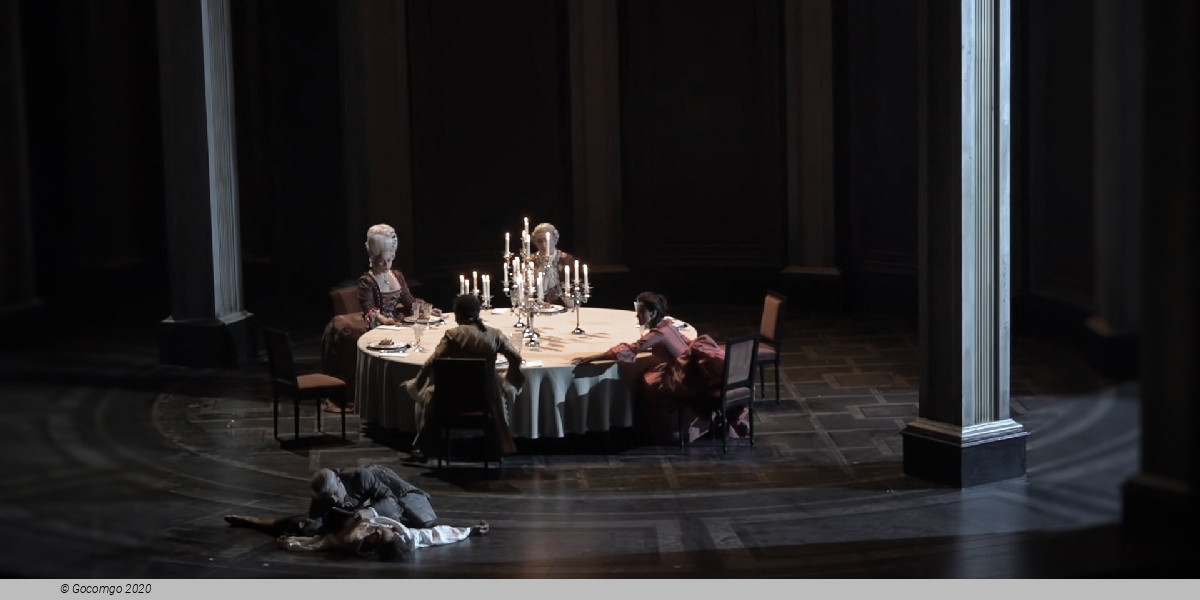
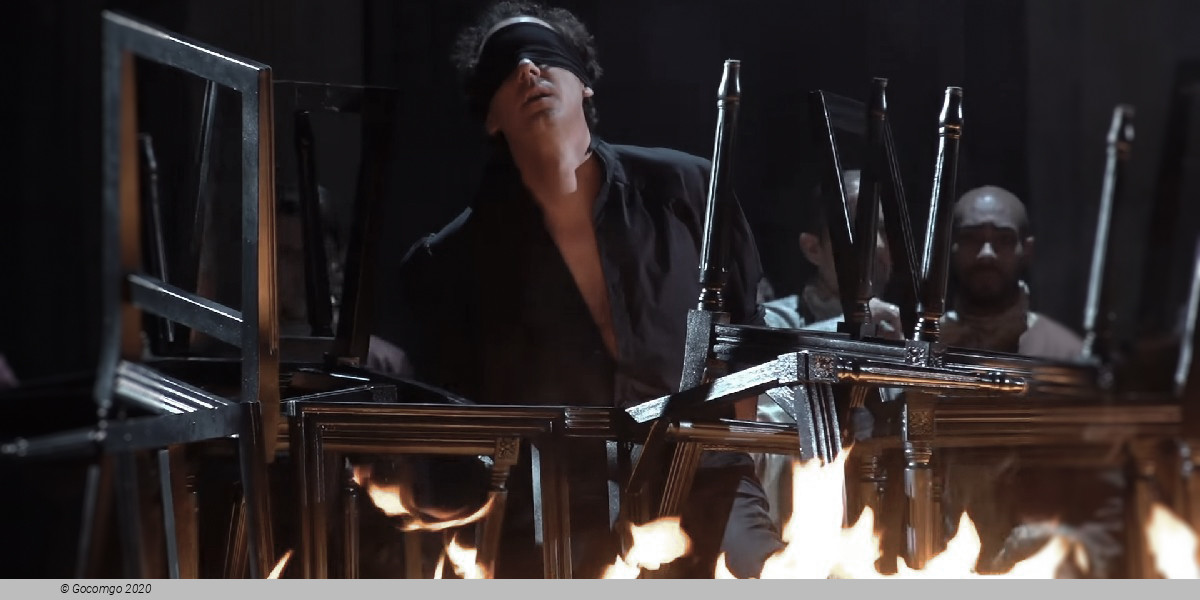
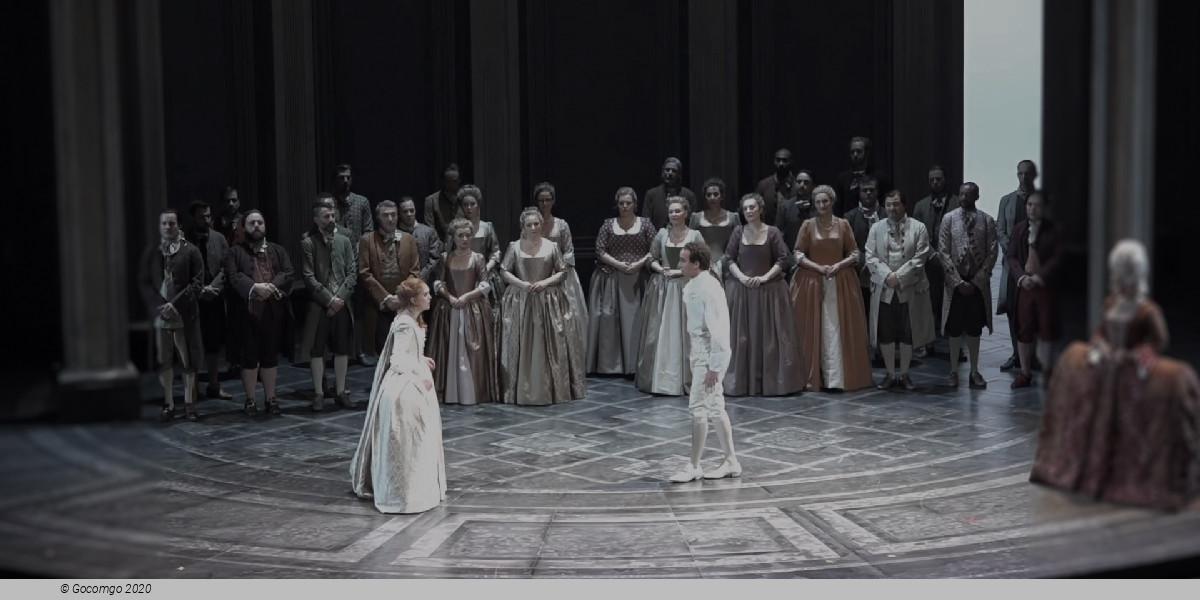
Staatsoper Unter den Linden (Berlin State Opera) 7 November 2021 - Hippolyte et Aricie | GoComGo.com

Hippolyte et Aricie

Staatsoper Unter den Linden (Berlin State Opera), Staatsoper Unter den Linden, Berlin, Germany
All photos (10)
Select date and time
6 PM

E-tickets: Print at home or at the box office of the event if so specified. You will find more information in your booking confirmation email.

You can only select the category, and not the exact seats.
If you order 2 or 3 tickets: your seats will be next to each other.
If you order 4 or more tickets: your seats will be next to each other, or, if this is not possible, we will provide a combination of groups of seats (at least in pairs, for example 2+2 or 2+3).

Important Info
Type: Opera
City: Berlin, Germany
Starts at: 18:00
Intervals: 1
Duration: 3h
Sung in: French
Titles in: German,English

E-tickets: Print at home or at the box office of the event if so specified. You will find more information in your booking confirmation email.

You can only select the category, and not the exact seats.
If you order 2 or 3 tickets: your seats will be next to each other.
If you order 4 or more tickets: your seats will be next to each other, or, if this is not possible, we will provide a combination of groups of seats (at least in pairs, for example 2+2 or 2+3).

Overview

Encounters between immortals and mortals – gods and humans – are often tense and unpredictable.

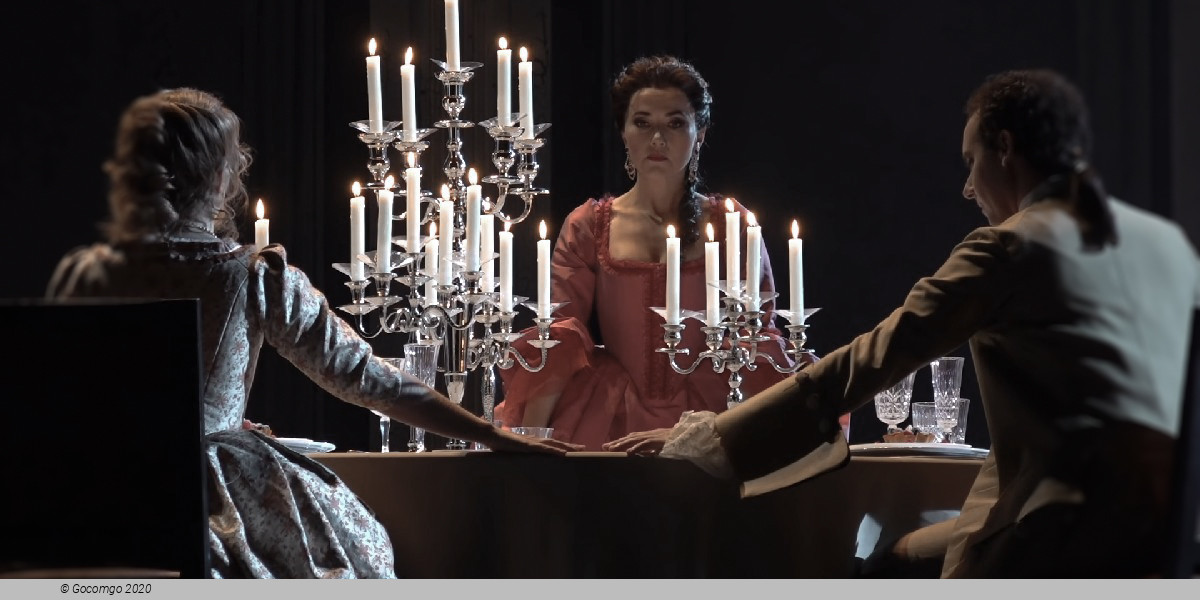
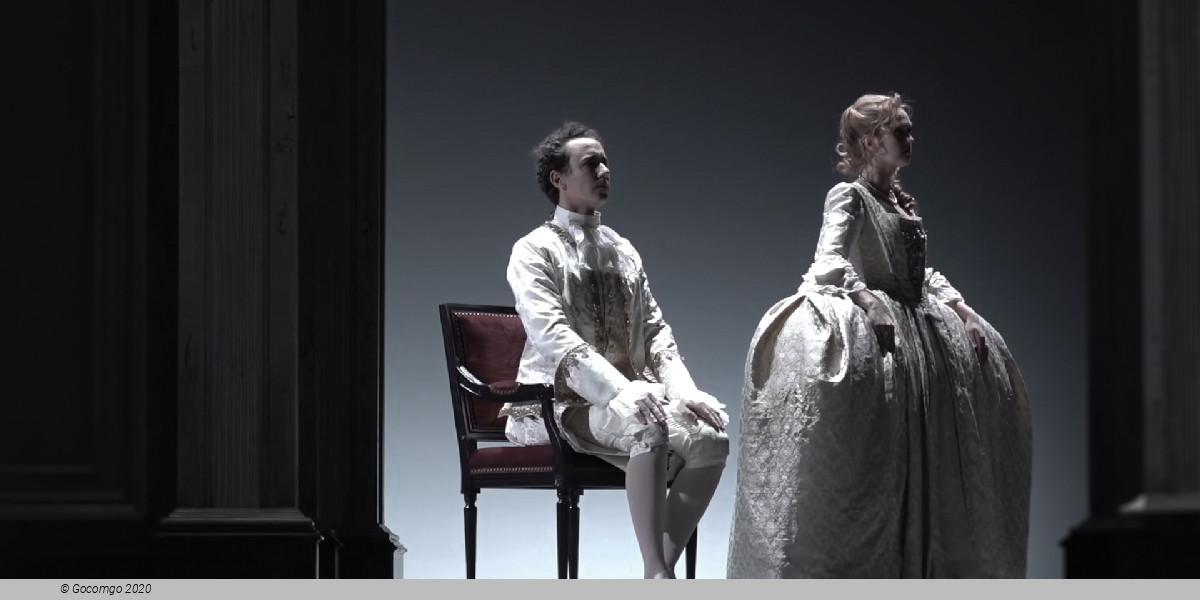
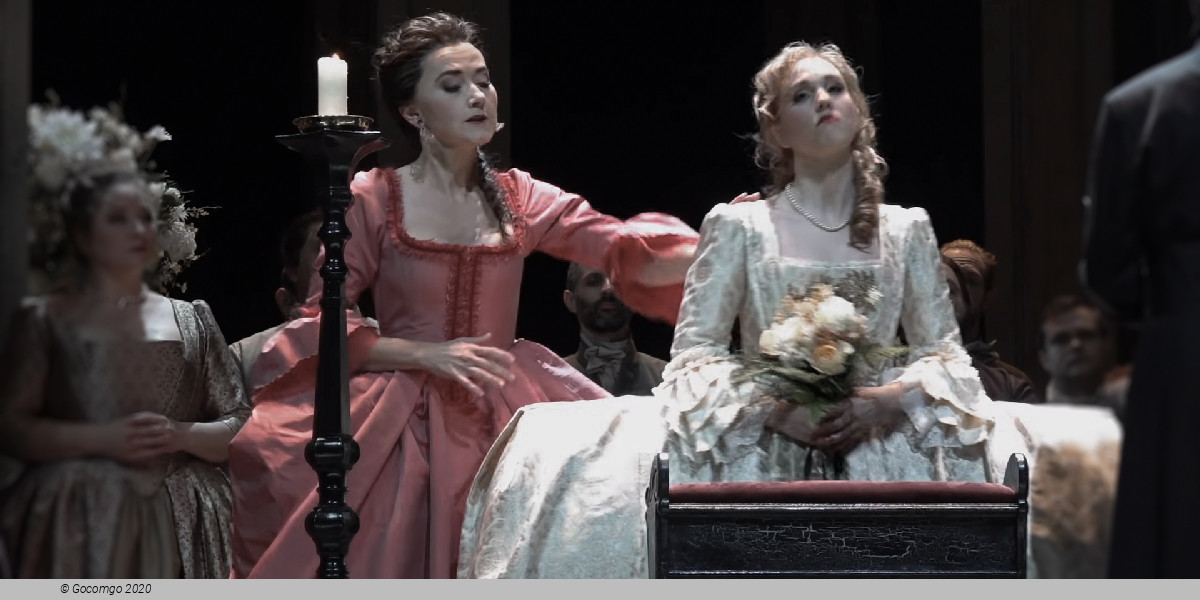
The two couples in Rameau’s Tragédie lyrique – Hippolyte and Aricie, Thésée and Phèdre – experience the power of the gods at first hand through the intervention of Diana, Jupiter, Pluto and Neptune. At the same time, spiritual impulses constantly burst forth, emotions that can barely be controlled, and against which reason is powerless. Forbidden passions flare up, and love seeks its way according to its own laws. Idyll, mystery and terror reign in equal measure, be it in the forest, by the sea or in the underworld.

Rameau’s music is nuanced and full of contrasts, with a multitude of sounds, forms and expressive moments. Deep earnestness is paired with fleet-footed entertainment, lyrical inwardness with dramatic accents, resulting in the unfolding of a cosmos, and revealing the treasures of Greek myth as well as the magic of French Baroque.

History
Premiere of this production: 01 October 1733, Theatre in the Palais-Royal, Paris

Hippolyte et Aricie (Hippolytus and Aricia) was the first opera by Jean-Philippe Rameau. It was premiered to great controversy by the Académie Royale de Musique at its theatre in the Palais-Royal in Paris on October 1, 1733. The French libretto, by Abbé Simon-Joseph Pellegrin, is based on Racine's tragedy Phèdre. The opera takes the traditional form of a tragédie en musique with an allegorical prologue followed by five acts. Early audiences found little else conventional about the work.

Synopsis

Prologue

An overture in the typical Lullian style precedes the allegorical prologue set in the Forest of Erymanthus where Diane (Diana) and L'Amour (Cupid) are arguing who will rule over the forest dwellers. The quarrel is settled by Jupiter who decrees that Love will reign over their hearts for one day every year. Diane vows to look after Hippolyte and Aricie.

Act 1
The temple of Diana in Troezen

The story concerns the Greek hero Theseus, King of Athens (Thésée in the opera), his wife Phaedra (Phèdre) and Theseus' son by another woman, Hippolytus (Hippolyte). Hippolytus is in love with a young woman, Aricia (Aricie), but she is the daughter of Theseus' enemy, Pallas. Aricia is the last of the Pallantids, and as such is held captive by and he has sentenced her to take a vow of chastity to Diane. Before she does so, Aricia reveals her love for Hippolytus and the priestesses of Diana say that it is unlawful to force her to dedicate her heart to the goddess when it already belongs to another. Phaedra, incensed by the disobedience of the priestesses, threatens to destroy the temple. The high priestess appeals to the gods, and the goddess Diana descends and rebukes Phaedra, forcing her to leave the temple. Phaedre leaves with her only confidant, Oenone, and vents her frustration at the situation. Phaedra, Theseus second wife, has been nursing an illicit desire for her stepson. Arcas brings news that Theseus has made a journey to the Underworld and is likely dead. This means Phaedre may pursue Hippolytus and offer him the marriage and the crown of Athens.

Act 2
Hades, the Underworld

Theseus descends to Hades to rescue his friend Pirithous, who has been captured when he tried to seduce Pluto (Pluton)'s wife, Proserpina(Proserpine). Theseus has a special advantage: his father, the god Neptune, has promised to answer his prayers on three occasions during his life. The first prayer Theseus makes is to be allowed to reach Hades. At the entrance, he fights with the Fury Tisiphone, but makes it through to Pluto's court. Pluto denies Theseus' request to trade or share the fate of his friend, but allows a trial. When Theseus again loses, he calls on Neptune to free him (his second prayer), and Pluton is powerless to hold him back. As Theseus leaves, however, the Fates (Les Parques) foretell that Theseus may leave Hades but he will find Hell in his own household.

Act 3
Theseus' palace by the sea

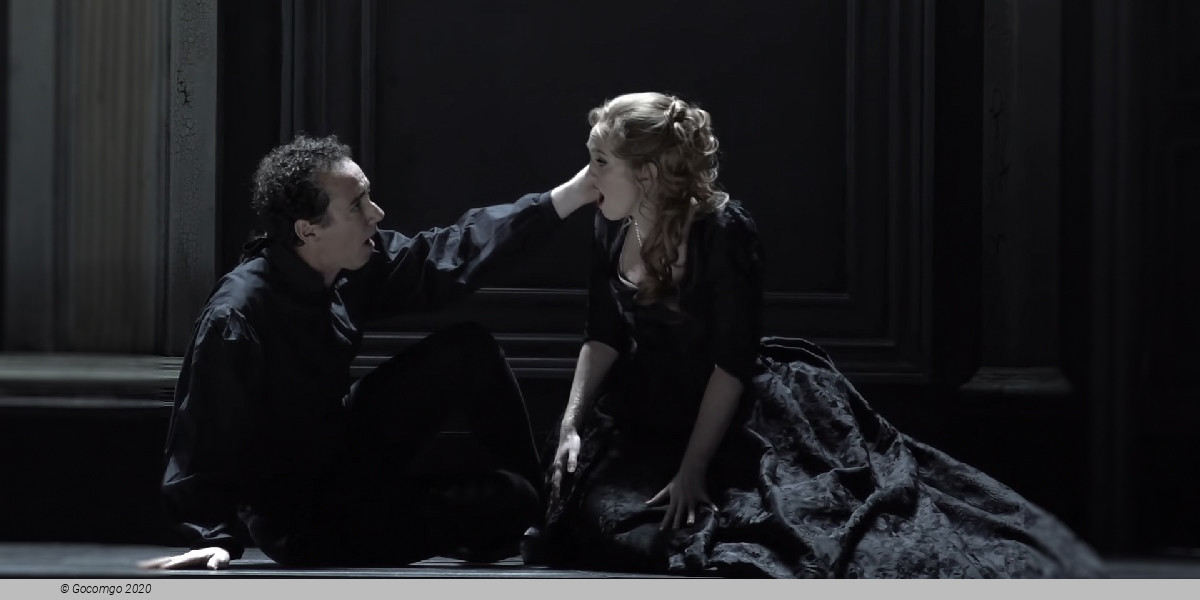
Phaedre is living a life cursed by Venus for the mistakes of her mother, Pasiphae, who had an affair with the Minotaur; Phaedra is the product of this bestial affair. She meets with Hippolytus, who offers his condolences on her bereavement and swears fidelity to her as a queen as well as abdicating the throne to the son of Theseus and Phaedra, his half brother. He is prioritizing being with Aricia above all else. As she witnesses her dreams crumbling, Phaedra confesses her passion. Hippolyte is shocked and curses her. Phaedre tries to kill herself with a sword but Hippolytus snatches it from her. At this moment, Theseus arrives unexpectedly. He is unsure what to make of the scene, but fears Hippolytus was trying to rape his wife. Phaedre rushes off and Hippolytus nobly refuses to denounce his stepmother. But this only serves to increase his father's suspicions, now reinforced by Phaedra's confidante, Oenone. Theseus finally decides to use his last prayer to Neptune to punish Hippolytus.

Act 4
A grove sacred to Diana by the sea

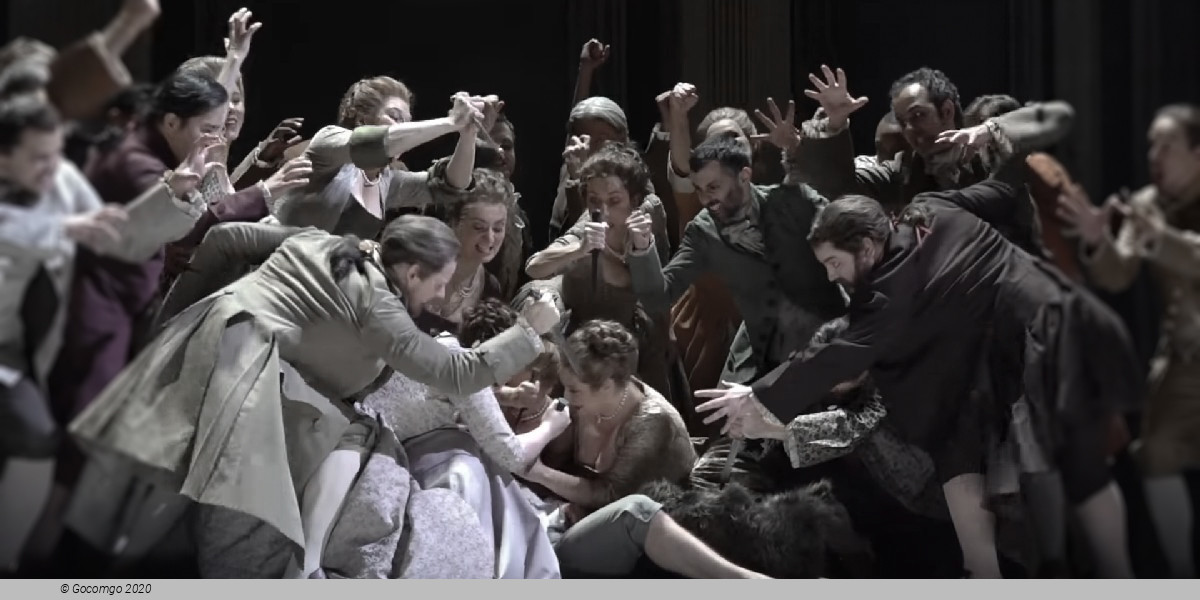
Hippolytus realizes he must go into exile and Aricia vows to go with him as his wife with the goddess Diana as their witness. The forest people celebrate Diana. A monster suddenly emerges from the sea – the instrument of Theseus' punishment. Hippolytus tries to fight it but disappears in a cloud of flames. Phaedre arrives, distraught, and admits she is the cause of Hippolytus' death.

Act 5
A grove sacred to Diana by the sea

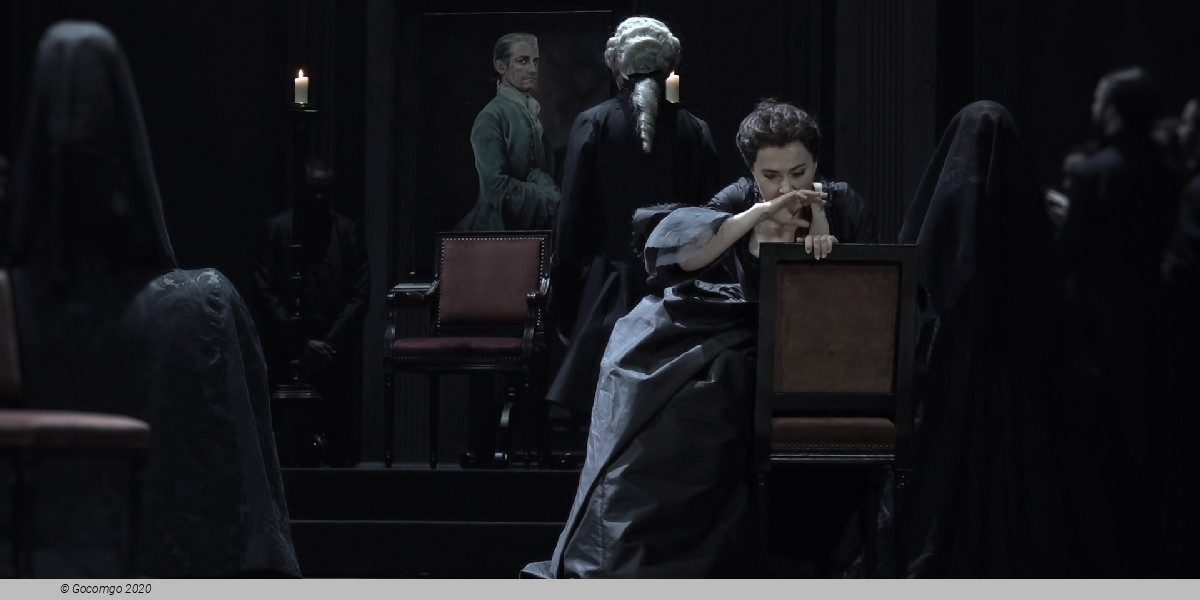
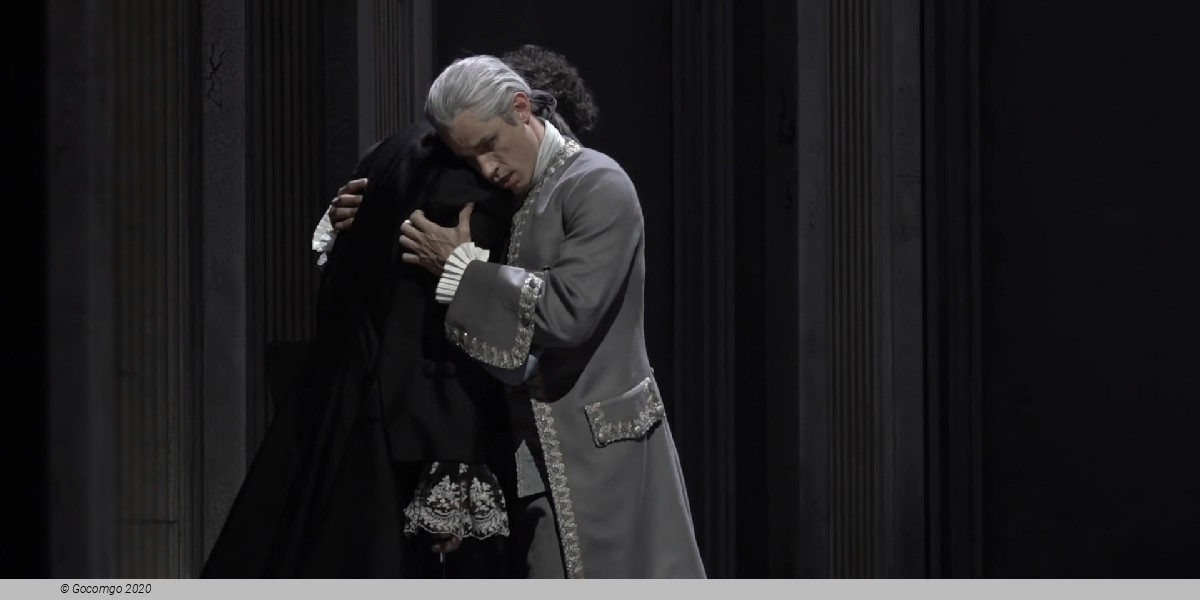
Theseus has learnt the truth from Phaedre, just before she poisoned herself. Full of remorse, he too threatens suicide but Neptune reveals that his son is still alive, thanks to Diana's protection. However, Theseus will never see him again.

The forest of Aricia, Italy

Aricia wakes up, still mourning Hippolytus. Diane tells her she has found a husband for the girl, but Aricia is inconsolable until the goddess reveals Hippolytus, alive and well. Diana appoints Hippolytus to be the king of her people in this land, and the opera ends with general rejoicing.

Venue Info

Staatsoper Unter den Linden (Berlin State Opera) - Berlin
Location   Unter den Linden 7

The Staatsoper Unter den Linden is one of the oldest and largest musical theaters in Germany. Founded in 1742 as the Royal Court Opera (German: Königliche Hofoper) under Frederick II. Located in Berlin, on the main street Unter den Linden.

King Frederick II of Prussia shortly after his accession to the throne commissioned the original building on the site. Construction work began in July 1741 with what was designed by Georg Wenzeslaus von Knobelsdorff to be the first part of a "Forum Fredericianum" on present-day Bebelplatz. Although not entirely completed, the Court Opera (Hofoper) was inaugurated with a performance of Carl Heinrich Graun's Cesare e Cleopatra on December 7, 1742. This event marked the beginning of the successful, 250-year co-operation between the Staatsoper and the Staatskapelle Berlin, the state orchestra, whose roots trace back to the 16th century.

In 1821, the Berlin Opera—hosted at the Schauspielhaus Berlin—gave the premiere of Weber's Der Freischütz. In 1842, Wilhelm Taubert instituted the tradition of regular symphonic concerts. In the same year, Giacomo Meyerbeer succeeded Gaspare Spontini as General Music Director. Felix Mendelssohn also conducted symphonic concerts for a year.

On August 18, 1843 the Linden Opera was destroyed by fire. The reconstruction of the building was supervised by architect Carl Ferdinand Langhans, and the Königliches Opernhaus (Royal Opera House) was inaugurated the following autumn by a performance of Meyerbeer's Ein Feldlager in Schlesien. In 1849, Otto Nicolai's Die lustigen Weiber von Windsor was premiered at the Royal Opera House, conducted by the composer.

1945: The Lindenoper was once again destroyed on February 3. The concerts were relocated to the Admiralspalast and the Schauspielhaus. On 18 February, Karajan conducted his last symphonic concert with the Staatskapelle in the Beethoven hall.

The second rebuilding took a long time. From 1945, the opera company played in the former Admiralspalast (today's Metropoltheater). From 1949, the company served as the state opera of East Germany. It moved back to its original home after the rebuilding in freely adapted baroque forms was finally completed in 1955. The newly rebuilt opera house was opened, again, with Wagner's Die Meistersinger von Nürnberg. The capacity is now about 1,300. After the Berlin Wall was built in 1961, the Opera was somewhat isolated, but still maintained a comprehensive repertoire that featured the classic and romantic period together with contemporary ballet and operas.

After reunification, the Linden Opera rejoined the operatic world. Important works that had already performed in the past were rediscovered and discussed anew within the framework of a "Berlin Dramaturgy". Baroque Opera in particular was at the center of attention, with Graun's Cleopatra e Cesare, Keiser's Croesus, Florian Leopold Gassmann's L'opera seria and Scarlatti's Griselda. These works were performed by Belgian conductor René Jacobs together with the Akademie für Alte Musik Berlin and the Freiburger Barockorchester on period instruments. In the 1990s, the opera was officially renamed Staatsoper Unter den Linden.

In 1992, the Argentine-Israeli conductor Daniel Barenboim was appointed Music Director. In 2000, the orchestra (according to its official website) elected Barenboim "conductor for life." During the 2002 Festtage, he led a Wagner cycle in ten parts, a production created in collaboration with director Harry Kupfer.

Since 2009, the Berlin State Opera has been undergoing considerable renovation work led by German architect HG Merz. The roof of the opera building was raised and the proscenium prolonged to improve the acoustics. Other renovation and extension works include the director's building, the below-ground connection building and the depot building. The latter will house the new rehearsal center.

The house was reopened in 2017 with premieres of Humperdinck's Hänsel und Gretel and Monteverdi's L'incoronazione di Poppea on one weekend.

Important Info
Type: Opera
City: Berlin, Germany
Starts at: 18:00
Intervals: 1
Duration: 3h
Sung in: French
Titles in: German,English
Top of page