Royal Theatre Carré 29 April 2020 - Het zwanenmeer | GoComGo.com

Het zwanenmeer

Royal Theatre Carré, Amsterdam, Netherlands
All photos (12)
Select date and time
8 PM
Request for Tickets
Important Info
Type: Ballet
City: Amsterdam, Netherlands
Starts at: 20:00

E-tickets: Print at home or at the box office of the event if so specified. You will find more information in your booking confirmation email.

You can only select the category, and not the exact seats.
If you order 2 or 3 tickets: your seats will be next to each other.
If you order 4 or more tickets: your seats will be next to each other, or, if this is not possible, we will provide a combination of groups of seats (at least in pairs, for example 2+2 or 2+3).

Overview

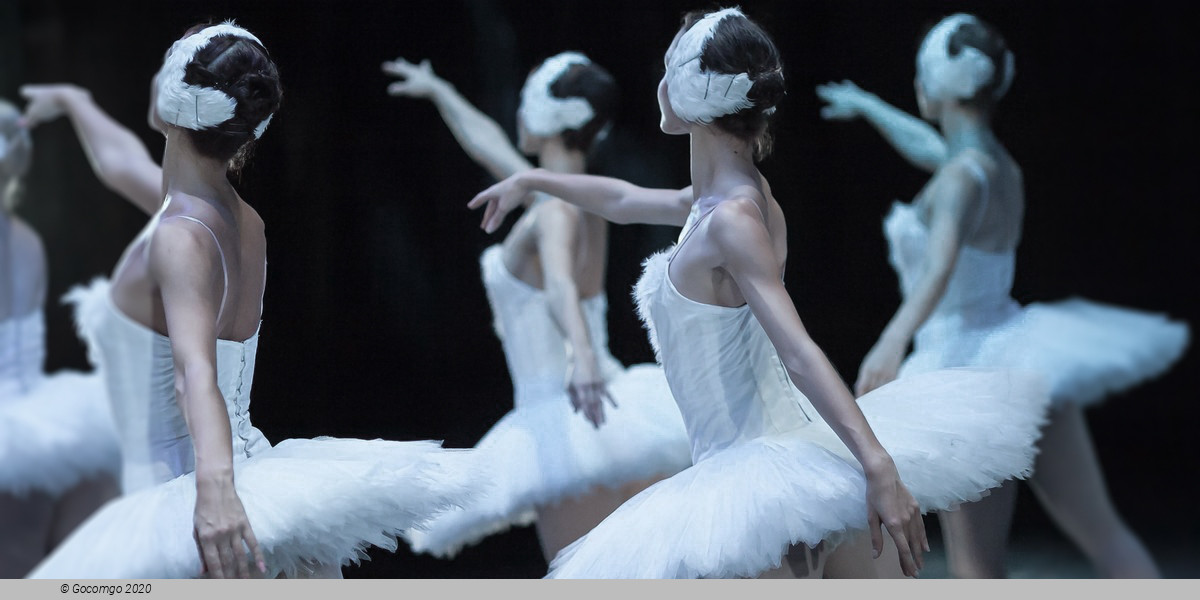
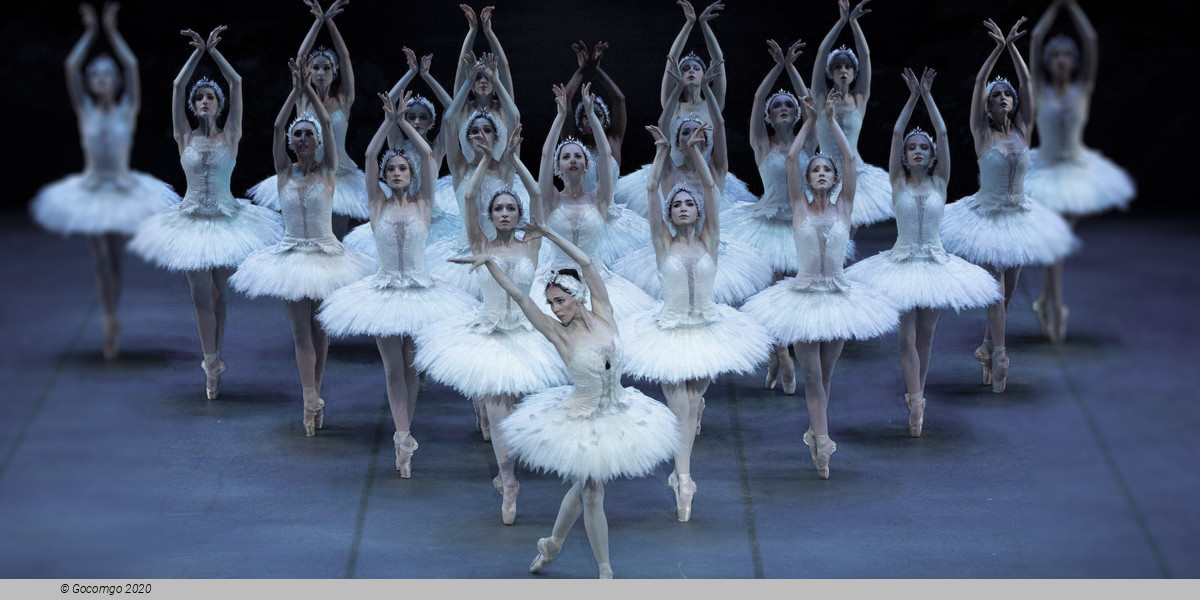
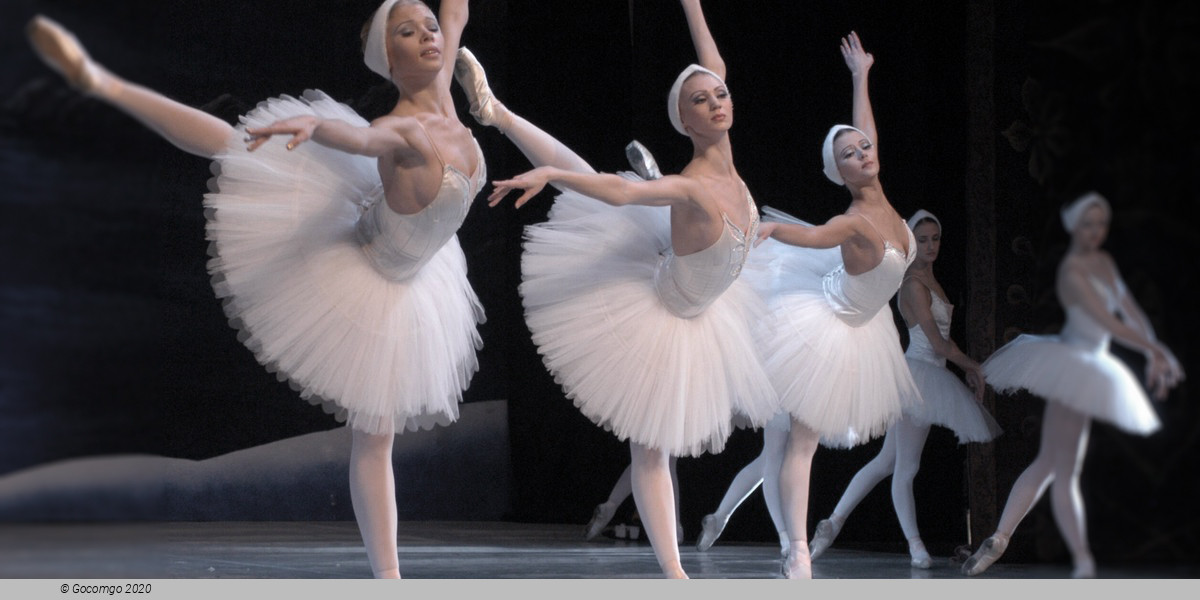
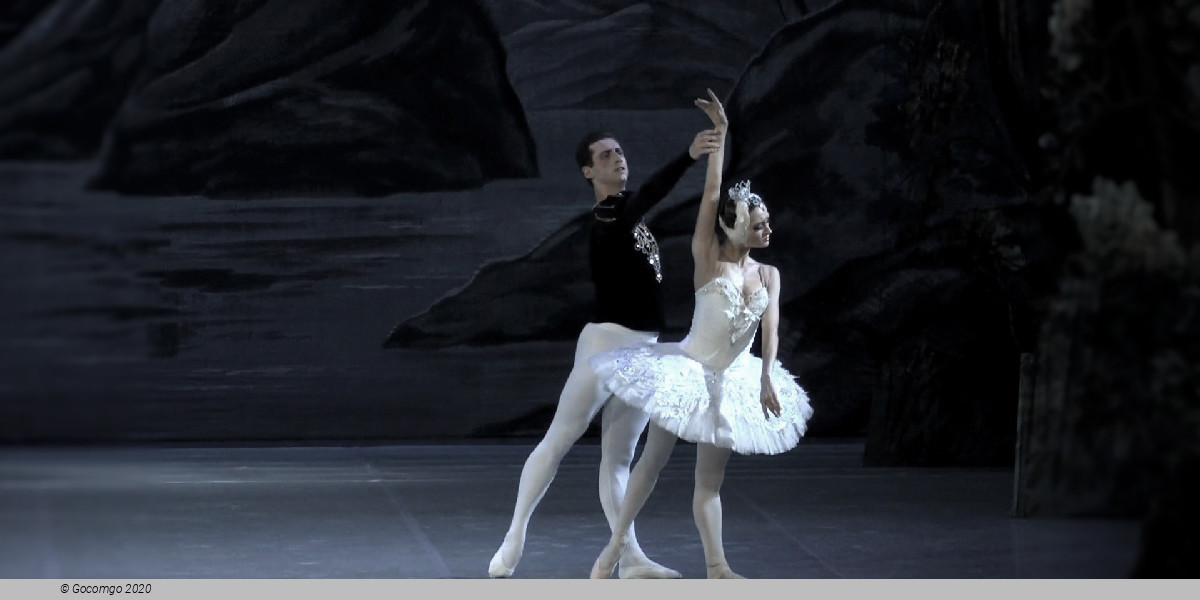
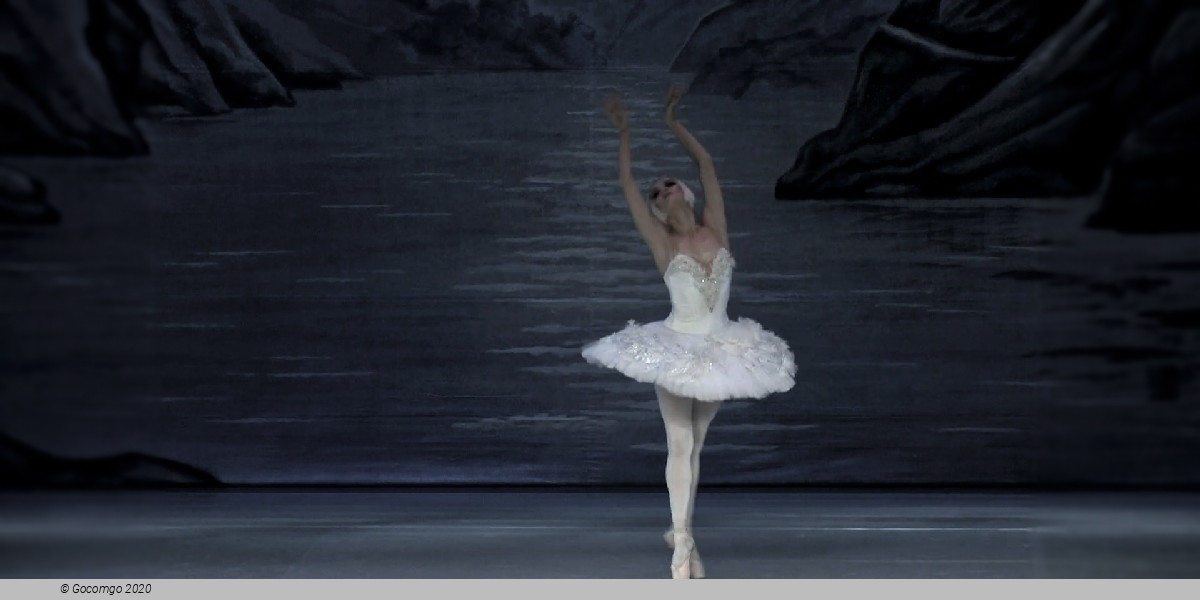
The most danced ballet in the world is performed in this version by the Ballet and Symphony Orchestra of the National Russian Opera.

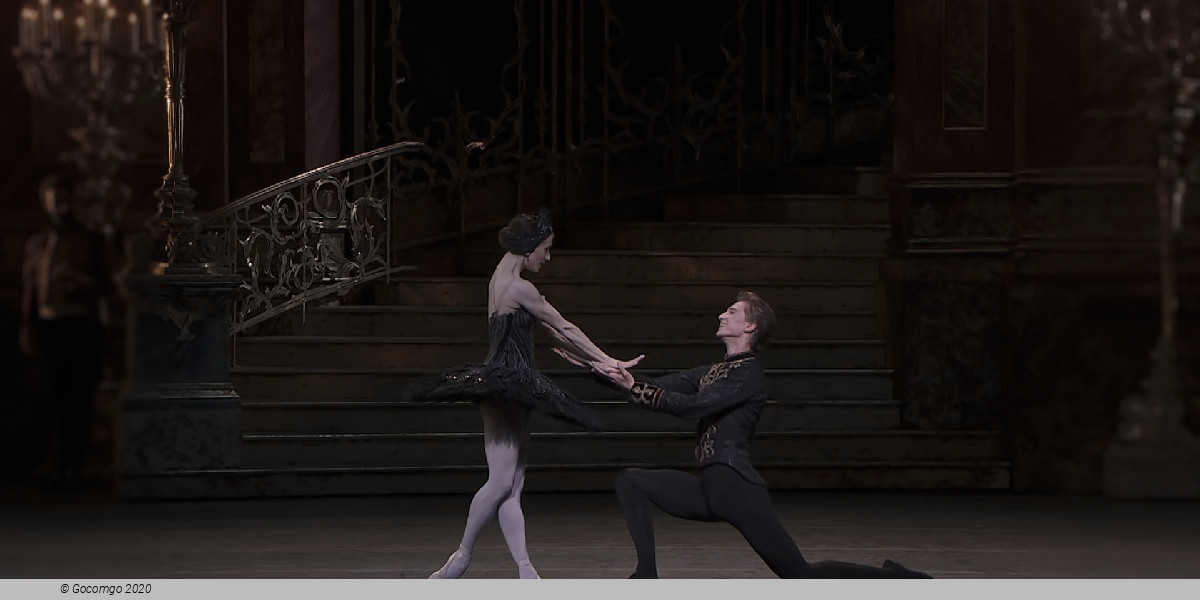
This world famous ballet with three acts, let us experience the love of prince Siegfried for princess Odette who has been cursed by the evil wizard Von Rothbart. During the day Odette goes through life like a swan, only at night she becomes a woman again. Prince Siegfried goes to the extreme and wants to break the curse by marrying Odette. His plans, however, arouse the wrath of the wizard and his daughter. Does Siegfried succeed in delivering on his promise to Odette?

Pyotr Ilyich Tchaikovsky writes Swan Lake, his first ballet, from August 1875 to April 1876 at the request of the Moscow Ballet. In composing, he is inspired by his own tormented life and in this way brings about a true revolution in classical music. However, the first performance (1877) is poorly received. Only in 1895, two years after the death of Tchaikovsky, when it is presented in its full length in a choreography by Marcus Petipa, does this ballet receive the recognition it deserves.

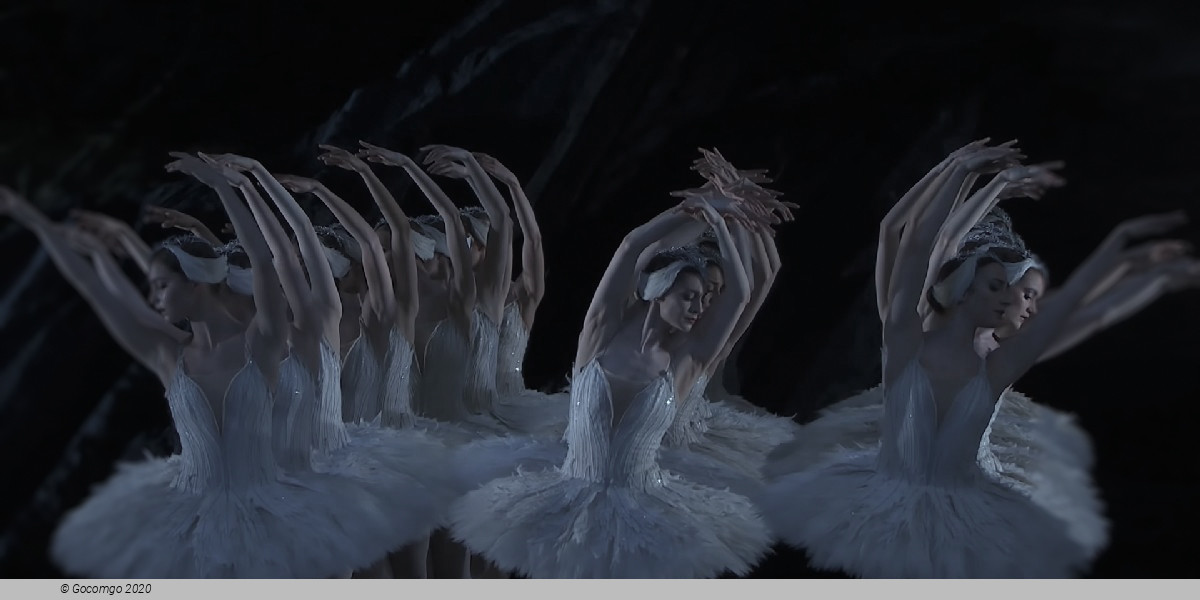
In 1984 Rudolf Noerejev signed for a new interpretation. In between romantic duets and exalted choreographies, exceptional dancers are carried by the orchestra with the Spanish dance, the Mazurka and the "dance of the swans". Exploring the boundaries of eternal love, Swan Lake is the highlight of the romantic ballet and continues to enchant and seduce spectators for generations.

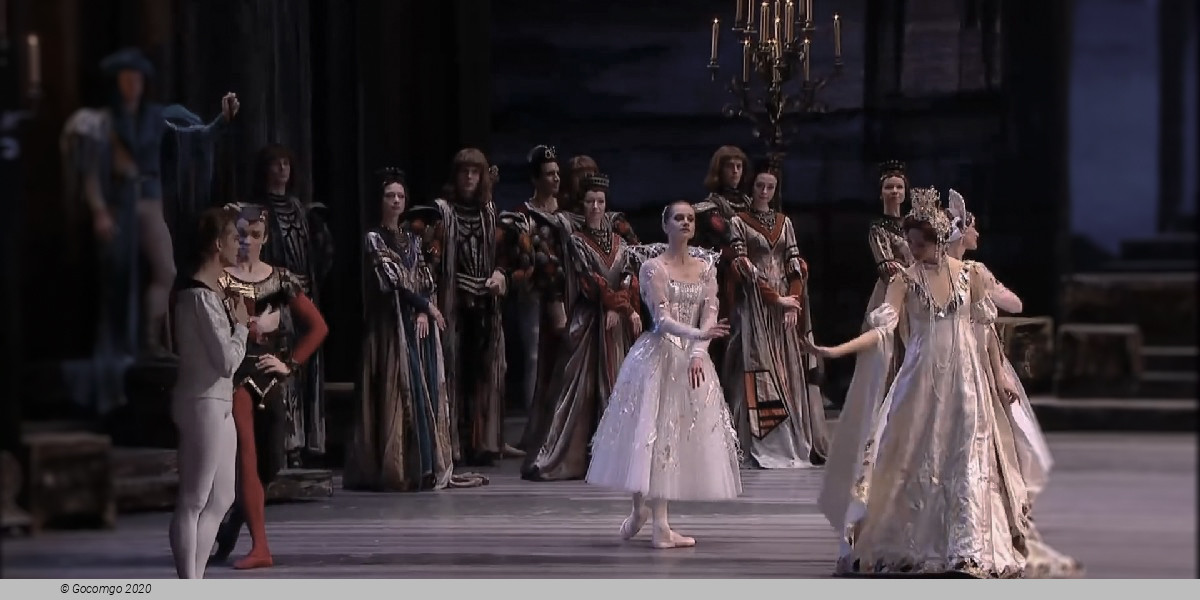
Swan Lake is the vision of a poet: the beloved belongs to another world, the young woman/swan rendered inaccessible by virtue of her condition. Marius Petipa and Lev Ivanov gave form to this fantasy in 1895, using the poignant score that Tchaikovsky had composed in 1877. In the "Freudian" version that Rudolf Nureyev staged for the Paris Opéra Ballet in 1984, the Prince Siegfried refuses the realities of power and marriage that his mother and tutor seek to impose upon him. He takes refuge in the imaginary, a vision of a magical lake that offers an idealized love that he is incapable of sustaining. In this production  Nureyev remained faithful to the Petipa/Ivanov version, doing away with the character of the Jester (added in 1920, by Alexander Gorsky), and reintroducing the tutor Wolfgang – an authoritative and important influence on the prince – to Act I. It is Siegried's feverish imagination that transforms the tutor, in the following acts, into the malevolent Rothbart, a diabolical manipulator of bodies and souls. An equivocal, double-faced character, he symbolises a spirit of destruction that opposes the hero's idealism.

"For me, Swan Lake is one long daydream seen through the eyes of prince Siegfried. Reared on romantic reading, his desire for infinity has been fired and he refuses the reality of the power and the forced marriage imposed by his tutor and his mother. To escape from the dreary destiny that is being prepared for him, he brings the vision of the lake, this "elsewhere" for which he yearns, into his life. An idealized love is born in his mind, along with the prohibition that it represents. (The white swan is the untouchable woman, the black swan the reverse mirror image, just as the evil Rothbart is a corrupt substitute for Wolfgang, the tutor). And so when the dream fades away, the sanity of the prince does not know how to survive."
Rudolf NureyevPropos recueillis (1984)

"The Prince, a type of Hamlet, rearranged by Pouchkine and who would like... not to be" Horst Koegler

History
Premiere of this production: 04 March 1877, Bolshoi Theatre, Moscow

Swan Lake is a ballet composed by Pyotr Ilyich Tchaikovsky in 1875–76. Despite its initial failure, it is now one of the most popular of all ballets. Swan Lake is the ballet which embodies the soul of Russian art. The combination of brilliant music and choreography creates a special kind of magic; what the great 20th century choreographer George Balanchine had in mind when he famously said, “One should call every ballet Swan Lake because then people would come.”

Synopsis

Swan Lake is generally presented in either four acts, four scenes (primarily outside Russia and Eastern Europe) or three acts, four scenes (primarily in Russia and Eastern Europe). The biggest difference of productions all over the world is that the ending, originally tragic, is now sometimes altered to a happy ending.

Prologue
Some productions include a prologue that shows how Odette first meets Rothbart, who turns Odette into a swan.

Act 1

A magnificent park before a palace

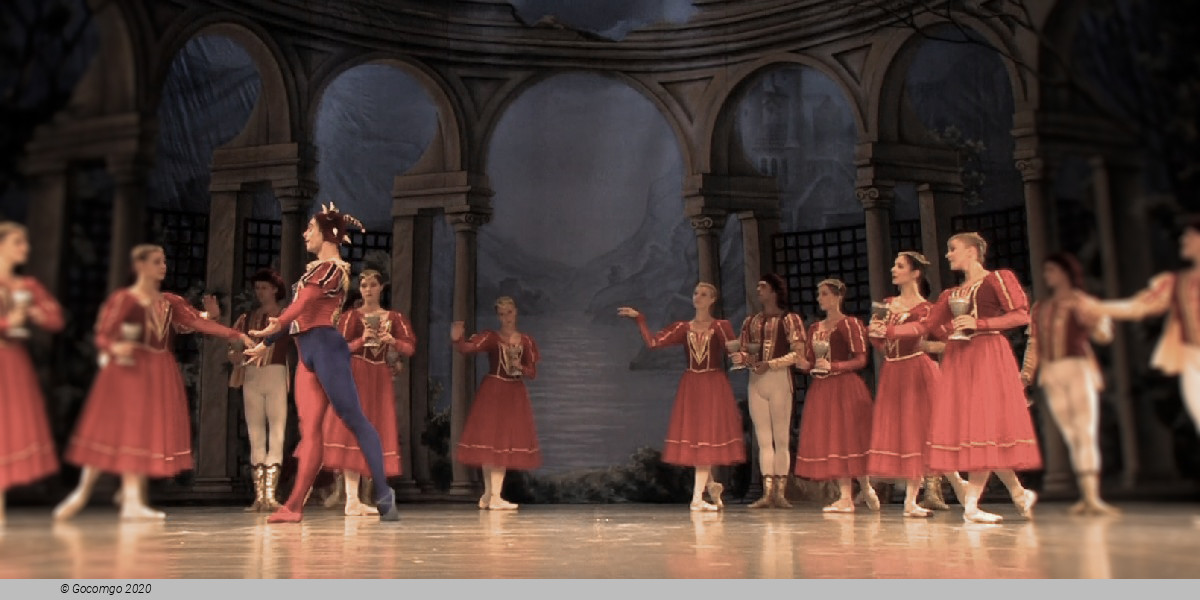
[Scène: Allegro giusto] Prince Siegfried is celebrating his birthday with his tutor, friends and peasants [Waltz]. The revelries are interrupted by Siegfried's mother, the Queen [Scène: Allegro moderato], who is concerned about her son's carefree lifestyle. She tells him that he must choose a bride at the royal ball the following evening (some productions include the presentation of some possible candidates). Siegfried is upset that he cannot marry for love. His friend Benno and the tutor try to lift his troubled mood. As evening falls [Sujet], Benno sees a flock of swans flying overhead and suggests they go on a hunt [Finale I]. Siegfried and his friends take their crossbows and set off in pursuit of the swans.

Act 2

A lakeside clearing in a forest by the ruins of a chapel. A moonlit night.

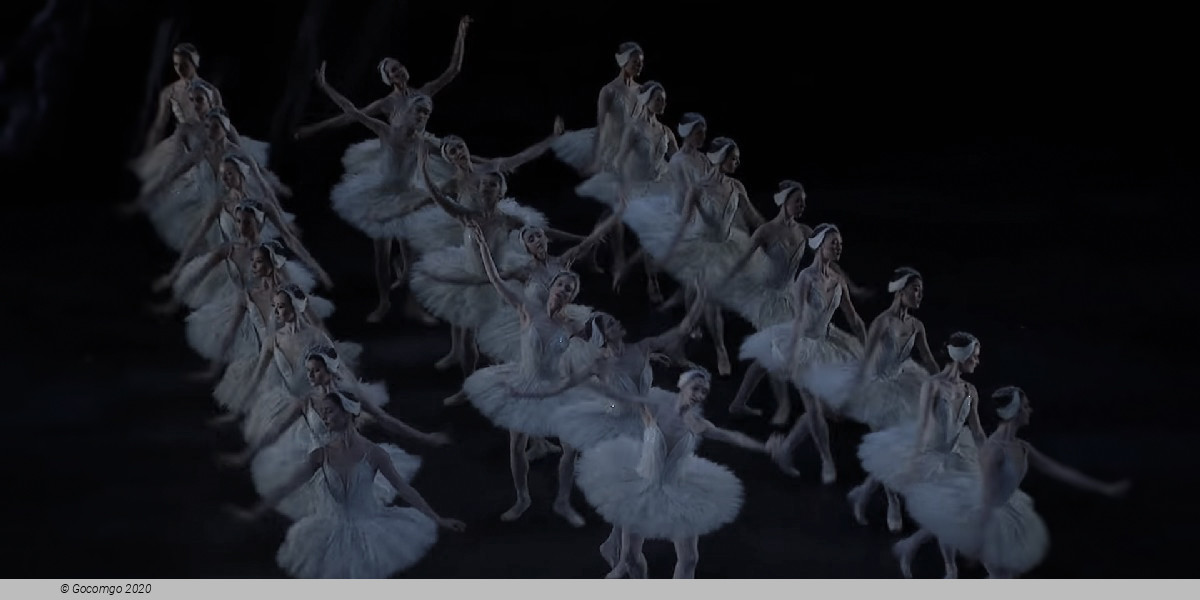
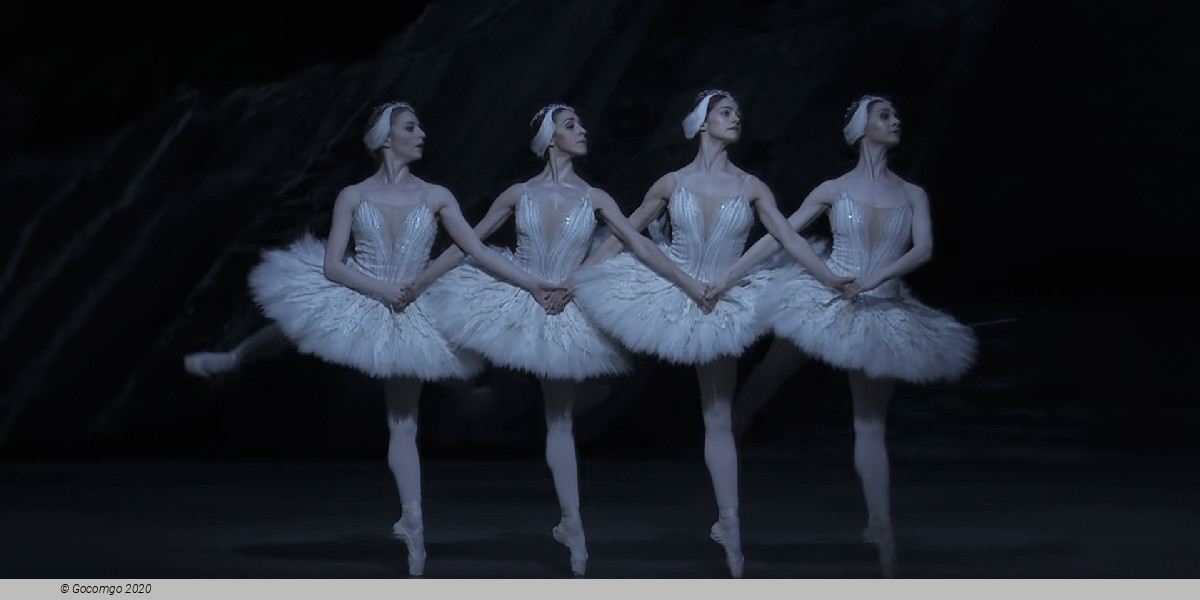
The "Valse des cygnes" from act 2 of the Ivanov/Petipa edition of Swan Lake
Siegfried has become separated from his friends. He arrives at the lakeside clearing, just as a flock of swans land [Scène. Moderato]. He aims his crossbow [Scène. Allegro moderato], but freezes when one of them transforms into a beautiful maiden, Odette [Scène. Moderato]. At first, she is terrified of Siegfried. When he promises not to harm her, she explains she and her companions are victims of a spell cast by the evil owl-like sorcerer Rothbart. By day they are turned into swans and only at night, by the side of the enchanted lake – created from the tears of Odette's mother – do they return to human form. The spell can only be broken if one who has never loved before swears to love Odette forever. Rothbart suddenly appears [Scène. Allegro vivo]. Siegfried threatens to kill him but Odette intercedes – if Rothbart dies before the spell is broken, it can never be undone.

As Rothbart disappears, the swan maidens fill the clearing [Scène: Allegro, Moderato assai quasi andante]. Siegfried breaks his crossbow, and sets about winning Odette's trust as the two fall in love. But as dawn arrives, the evil spell draws Odette and her companions back to the lake and they are turned into swans again.

Act 3

An opulent hall in the palace

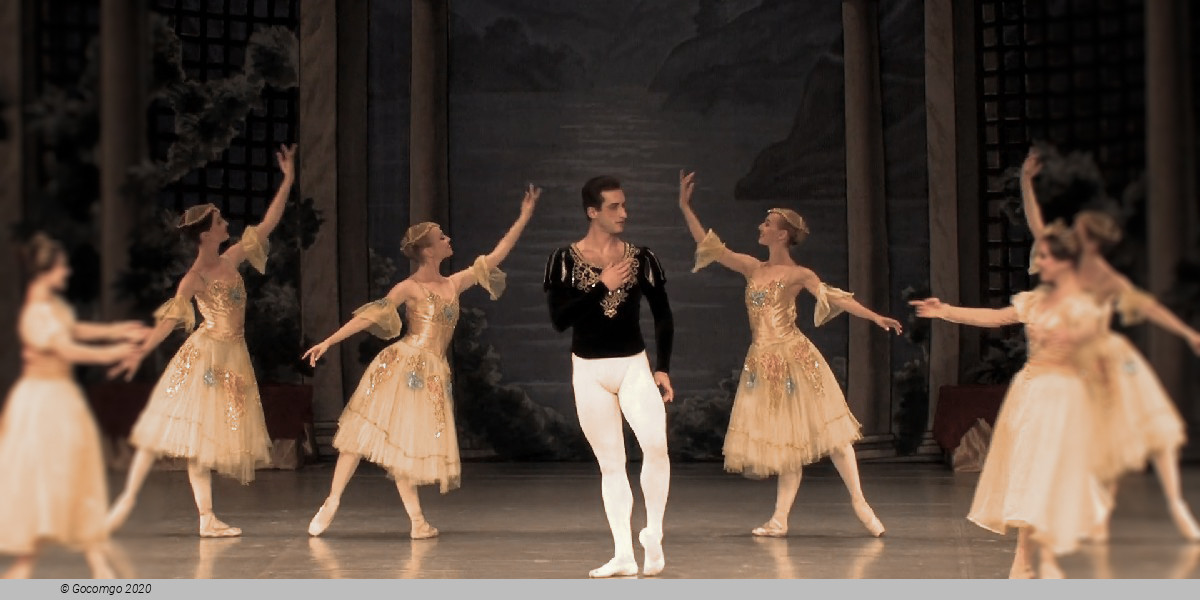
Guests arrive at the palace for a costume ball. Six princesses are presented to the prince [Entrance of the Guests and Waltz], as candidates for marriage. Rothbart arrives in disguise [Scène: Allegro, Allegro giusto] with his daughter, Odile, who is transformed to look like Odette. Though the princesses try to attract the prince with their dances [Pas de six], Siegfried has eyes only for Odile. [Scène: Allegro, Tempo di valse, Allegro vivo] Odette appears (usually at the castle window) and attempts to warn Siegfried, but he does not see her. He then proclaims to the court that he will marry "Odette" (Odile) before Rothbart shows him a magical vision of Odette. Grief-stricken and realizing his mistake, Siegfried hurries back to the lake.

Act 4

By the lakeside

Odette is distraught. The swan-maidens try to comfort her. Siegfried returns to the lake and makes a passionate apology. She forgives him, but his betrayal cannot be undone. Rather than remain a swan forever, Odette chooses to die. Siegfried chooses to die with her and they leap into the lake. This breaks Rothbart's spell over the swan maidens, causing him to lose his power over them and he dies. In an apotheosis, the swan maidens watch as Siegfried and Odette ascend into the Heavens together, forever united in love.


Venue Info

Royal Theatre Carré - Amsterdam
Location   Amstel 115-125

The Royal Theatre Carré (Dutch: Koninklijk Theater Carré) is a Neo-Renaissance theatre in Amsterdam, located near the river Amstel. When the theatre was founded in 1887, it was originally meant as a permanent circus building. Currently, it is mainly used for musicals, cabaret performances and pop concerts.

German circus director Oscar Carré, looking for a location for circus performances in the winter, opened Circus Carré on 3 December 1887. In the beginning, it was just a wooden building with a stone façade. In the first years, it was only in use in the winter, but from 1893 on, Dutch theatre producer Frits van Haarlem brought vaudeville shows in the summer months. The shows became very successful, thus changing the circus building to a theatre for all forms of popular entertainment. In 1920, it changed its name to Theater Carré.

In the early 20th century the building was mainly used for vaudeville and revue shows, occasionally Italian operas and operettas. Dutch stars like Lou Bandy and Louis Davids and international celebrities like Josephine Baker and the clown Grock performed here.

After the Second World War, revues and winter circuses remained popular. In 1956, Carré introduced musical theatre to the Netherlands with Porgy and Bess. The one-man show followed in 1963, when Toon Hermans gave his first solo cabaret show. At the end of the 1960s, the theatre was in danger of being demolished. After protests from artists, the municipality of Amsterdam finally refused permission for demolition. In 1977 the municipality bought the building. In 1987, at the centenary, the Royal Predicate was granted and the name was changed to Koninklijk Theater Carré. In 2004, the theatre was completely renovated. The historic façade and interior design have been retained.

Important Info
Type: Ballet
City: Amsterdam, Netherlands
Starts at: 20:00
Top of page