Royal Theatre Carré 9 February 2020 - L'Orfeo - Nederlandse Reisopera | GoComGo.com

L'Orfeo - Nederlandse Reisopera

Royal Theatre Carré, Amsterdam, Netherlands
All photos (7)
Select date and time
8 PM
Request for Tickets
Important Info
Type: Opera
City: Amsterdam, Netherlands
Starts at: 20:00
Intervals: 1
Duration:

E-tickets: Print at home or at the box office of the event if so specified. You will find more information in your booking confirmation email.

You can only select the category, and not the exact seats.
If you order 2 or 3 tickets: your seats will be next to each other.
If you order 4 or more tickets: your seats will be next to each other, or, if this is not possible, we will provide a combination of groups of seats (at least in pairs, for example 2+2 or 2+3).

Overview

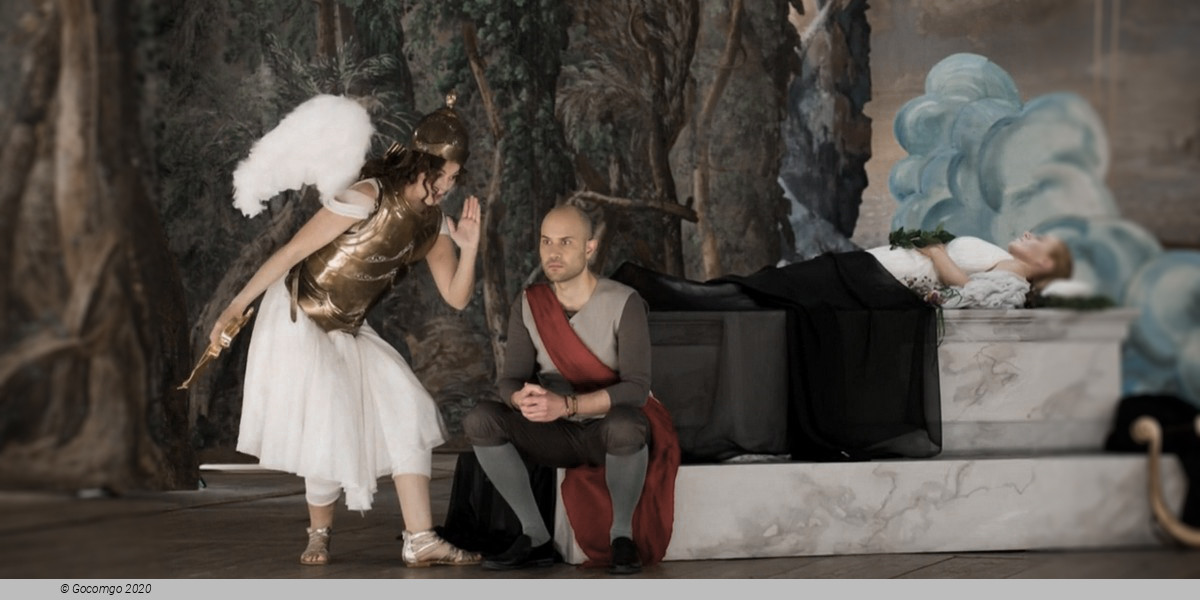
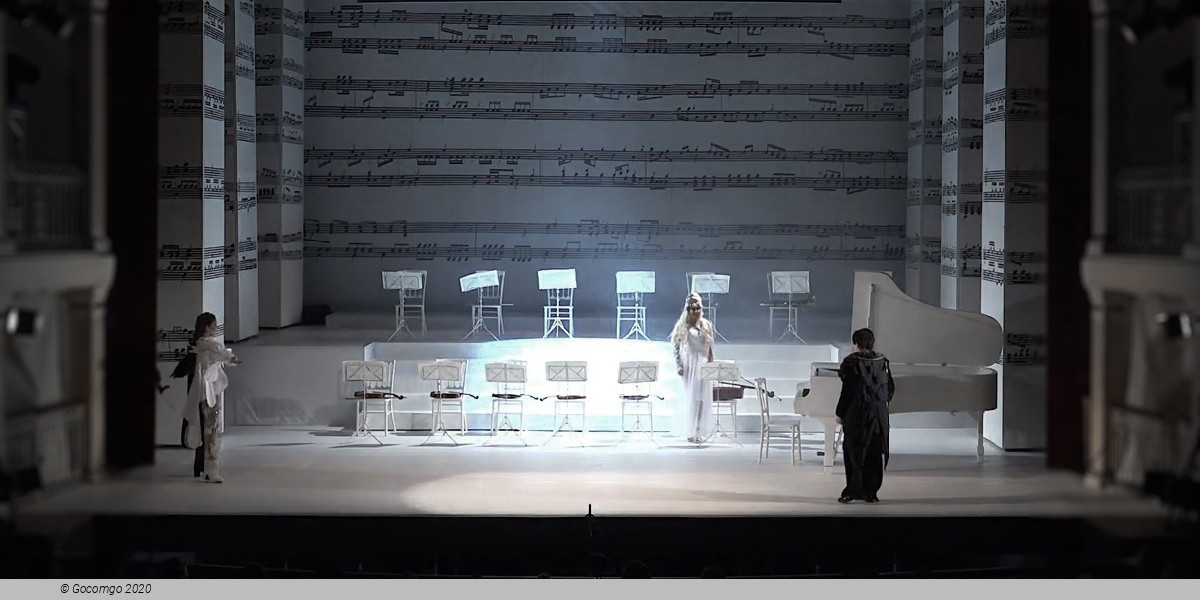
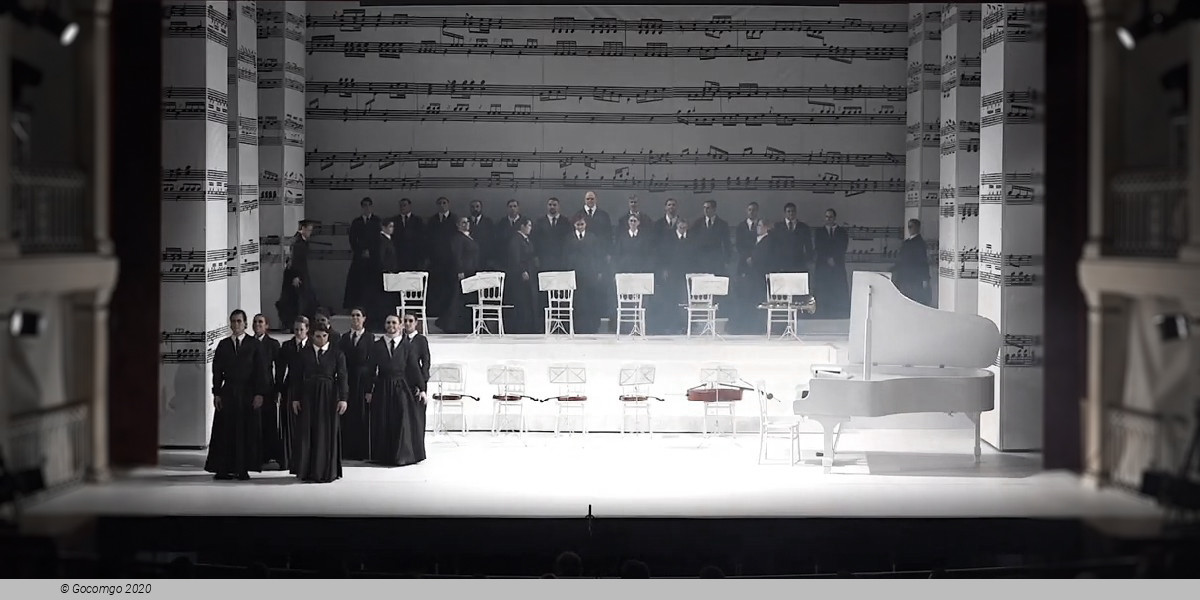
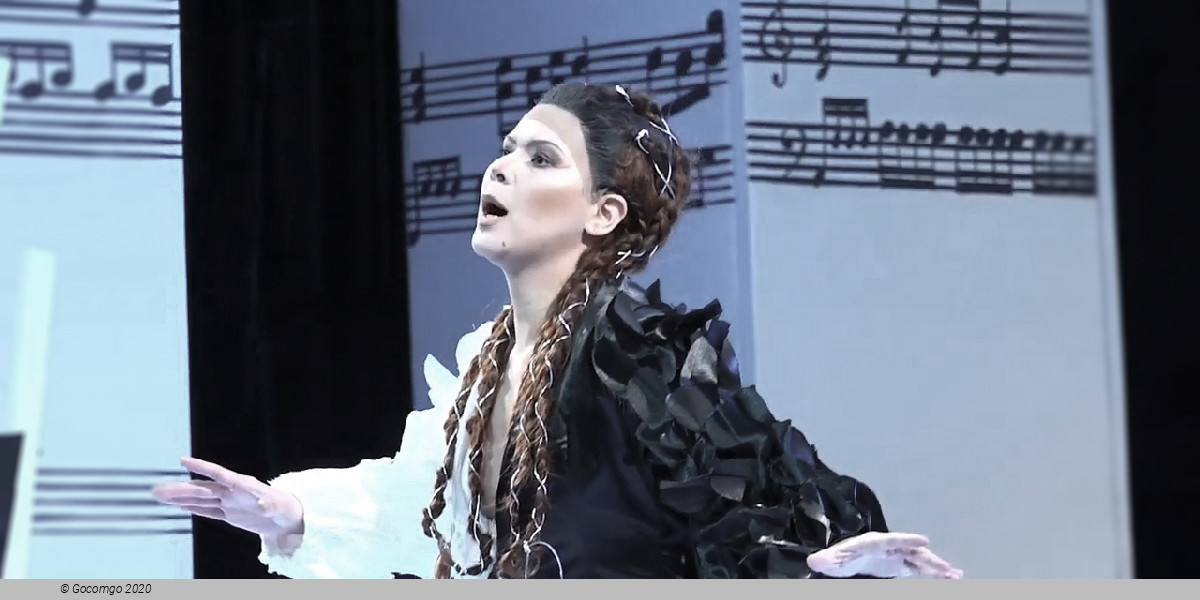
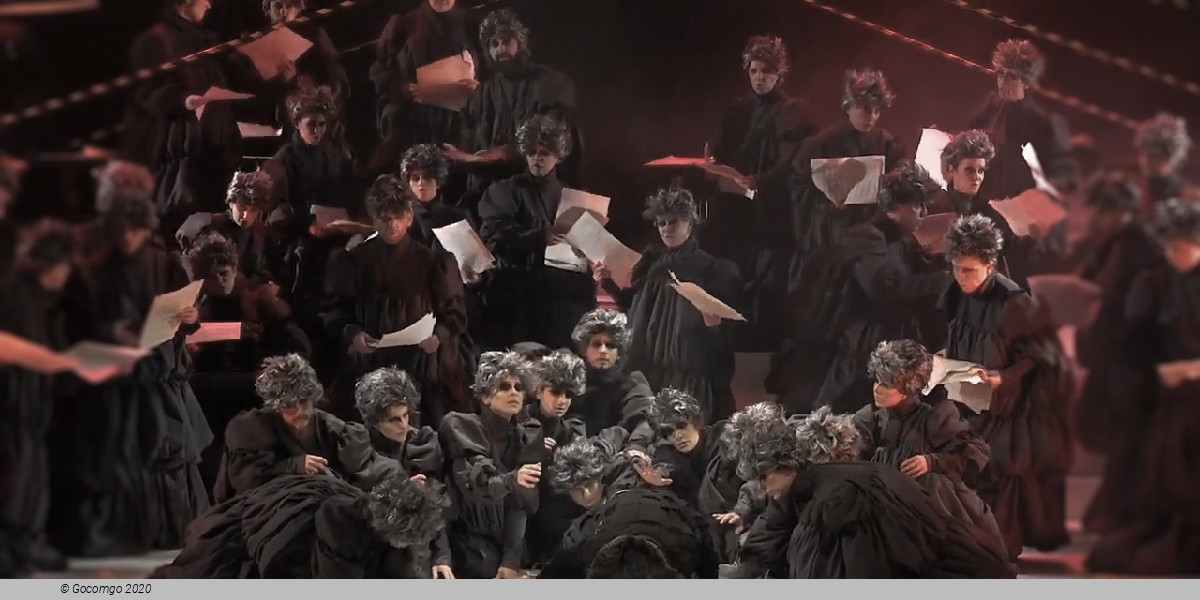
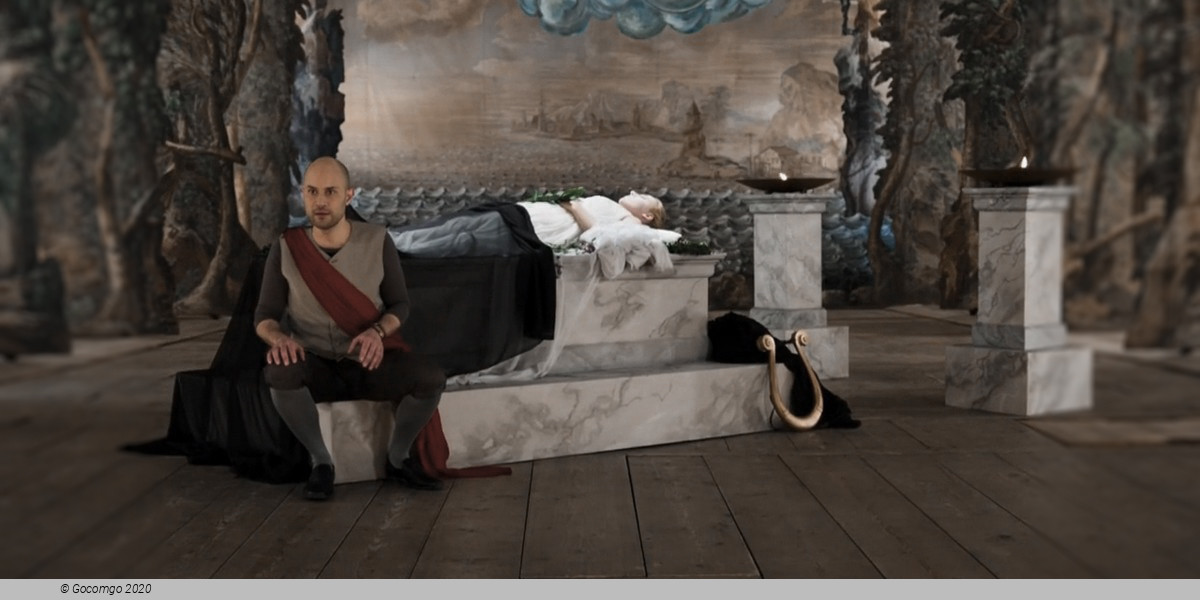
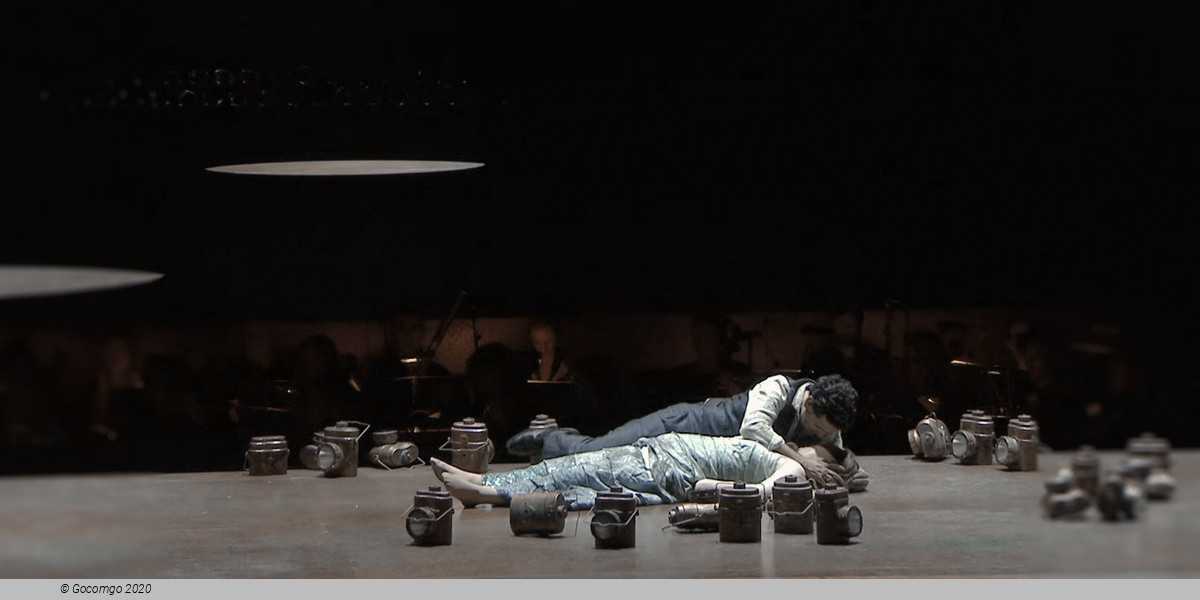
Director Monique Wagemakers is at the helm of this opera about Orpheus, who descends to the underworld to retrieve his beloved Euridice back from the dead. Lonneke Gordijn (Studio Drift) does the design and installation, Nanine Linning the choreography. Wagemakers: ‘Orpheus cannot let go of the pain and sorrow of the past, there is something that keeps him from experiencing any happiness that may come his way. The Orpheus story is also about us: we too sometimes want to go back in time and hold on to happiness.’ L’Orfeo is a co-production with Opera2Day and Studio Drift.

The opera sings of the fleetingness of humans and the eternity of art. It opens with a prologue in which the singing Music praises the extraordinary power of her art form. With the appearance of Apollo in the closing scene, Monteverdi enhances the power of that statement. This opera shows music as the art form par excellence that speaks directly to the soul, and which has the capacity to make us mortals happy or console us in times of sorrow.

Monique Wagemakers is responsible for the direction of this opera. The design and installation are by Lonneke Gordijn (Studio Drift), the choreography is by Nanine Linning. Wagemakers: “Orfeo cannot let go of the pain and sorrow of the past, there is something that prevents him from experiencing happiness when it is there. The Orpheus story is also about us: we too sometimes want to turn back time and hold on to happiness. ”L’Orfeo is a co-production with Opera2Day.

Version by Hector Berlioz (1859)

History
Premiere of this production: 05 October 1762, Burgtheater in Vienna

Orfeo ed Euridice is an opera composed by Christoph Willibald Gluck, based on the myth of Orpheus and set to a libretto by Ranieri de' Calzabigi. It belongs to the genre of the azione teatrale, meaning an opera on a mythological subject with choruses and dancing.

Synopsis

The first lines of arias, choruses, etc., are given in Italian (1762 version) and French (1774 version).

Act 1

A chorus of nymphs and shepherds join Orfeo around the tomb of his wife Euridice in a solemn chorus of mourning; Orfeo is only able to utter Euridice's name (Chorus and Orfeo: "Ah, se intorno"/"Ah! Dans ce bois"). Orfeo sends the others away and sings of his grief in the aria "Chiamo il mio ben"/"Objet de mon amour", the three verses of which are preceded by expressive recitatives. This technique was extremely radical at the time and indeed proved overly so for those who came after Gluck: Mozart chose to retain the unity of the aria. Amore (Cupid) appears, telling Orfeo that he may go to the Underworld and return with his wife on the condition that he not look at her until they are back on earth (1774 only: aria by Amour, "Si les doux accords"). As encouragement, Amore informs Orfeo that his present suffering shall be short-lived with the aria "Gli sguardi trattieni"/"Soumis au silence". Orfeo resolves to take on the quest. In the 1774 version only he delivers an ariette ("L'espoir renaît dans mon âme") in the older, showier, Italian style, originally composed for an occasional entertainment, Il Parnaso confuso (1765), and subsequently re-used in another one, Le feste d'Apollo (1769).

Act 2

In a rocky landscape, the Furies refuse to admit Orfeo to the Underworld, and sing of Cerberus, its canine guardian ("Chi mai dell’Erebo"/"Quel est l'audacieux"). When Orfeo, accompanied by his lyre (represented in the opera by a harp), begs for pity in the aria "Deh placatevi con me"/"Laissez-vous toucher", he is at first interrupted by cries of "No!"/"Non!" from the Furies, but they are eventually softened by the sweetness of his singing in the arias "Mille pene"/"Ah! La flamme" and "Men tiranne"/"La tendresse", and let him in ("Ah, quale incognito affetto"/"Quels chants doux"). In the 1774 version, the scene ends with the "Dance of the Furies" (No. 28).

The second scene opens in Elysium. The brief ballet of 1762 became the four-movement "Dance of the Blessed Spirits" (with a prominent part for solo flute) in 1774. This is followed (1774 only) by a solo which celebrates happiness in eternal bliss ("Cet asile"), sung by either an unnamed Spirit or Euridice, and repeated by the chorus. Orfeo arrives and marvels at the purity of the air in an arioso ("Che puro ciel"/"Quel nouveau ciel"). But he finds no solace in the beauty of the surroundings, for Euridice is not yet with him. He implores the spirits to bring her to him, which they do (Chorus: "Torna, o bella"/"Près du tendre objet").

Act 3

On the way out of Hades, Euridice is delighted to be returning to earth, but Orfeo, remembering the condition related by Amore in act 1, lets go of her hand and refusing to look at her, does not explain anything to her. She does not understand his action and reproaches him, but he must suffer in silence (Duet: "Vieni, appaga il tuo consorte"/"Viens, suis un époux"). Euridice takes this to be a sign that he no longer loves her, and refuses to continue, concluding that death would be preferable. She sings of her grief at Orfeo's supposed infidelity in the aria "Che fiero momento"/"Fortune ennemie" (in 1774, there is a brief duet before the reprise). Unable to take any more, Orfeo turns and looks at Euridice; again, she dies. Orfeo sings of his grief in the famous aria "Che farò senza Euridice?"/"J’ai perdu mon Eurydice" ("What shall I do without Euridice?"/"I have lost my Euridice") Orfeo decides he will kill himself to join Euridice in Hades, but Amore returns to stop him (1774 only: Trio: "Tendre Amour"). In reward for Orfeo's continued love, Amore returns Euridice to life, and she and Orfeo are reunited. After a four-movement ballet, all sing in praise of Amore ("Trionfi Amore"). In the 1774 version, the chorus ("L’Amour triomphe") precedes the ballet, to which Gluck had added three extra movements.


Venue Info

Royal Theatre Carré - Amsterdam
Location   Amstel 115-125

The Royal Theatre Carré (Dutch: Koninklijk Theater Carré) is a Neo-Renaissance theatre in Amsterdam, located near the river Amstel. When the theatre was founded in 1887, it was originally meant as a permanent circus building. Currently, it is mainly used for musicals, cabaret performances and pop concerts.

German circus director Oscar Carré, looking for a location for circus performances in the winter, opened Circus Carré on 3 December 1887. In the beginning, it was just a wooden building with a stone façade. In the first years, it was only in use in the winter, but from 1893 on, Dutch theatre producer Frits van Haarlem brought vaudeville shows in the summer months. The shows became very successful, thus changing the circus building to a theatre for all forms of popular entertainment. In 1920, it changed its name to Theater Carré.

In the early 20th century the building was mainly used for vaudeville and revue shows, occasionally Italian operas and operettas. Dutch stars like Lou Bandy and Louis Davids and international celebrities like Josephine Baker and the clown Grock performed here.

After the Second World War, revues and winter circuses remained popular. In 1956, Carré introduced musical theatre to the Netherlands with Porgy and Bess. The one-man show followed in 1963, when Toon Hermans gave his first solo cabaret show. At the end of the 1960s, the theatre was in danger of being demolished. After protests from artists, the municipality of Amsterdam finally refused permission for demolition. In 1977 the municipality bought the building. In 1987, at the centenary, the Royal Predicate was granted and the name was changed to Koninklijk Theater Carré. In 2004, the theatre was completely renovated. The historic façade and interior design have been retained.

Important Info
Type: Opera
City: Amsterdam, Netherlands
Starts at: 20:00
Intervals: 1
Duration:
Top of page