









About
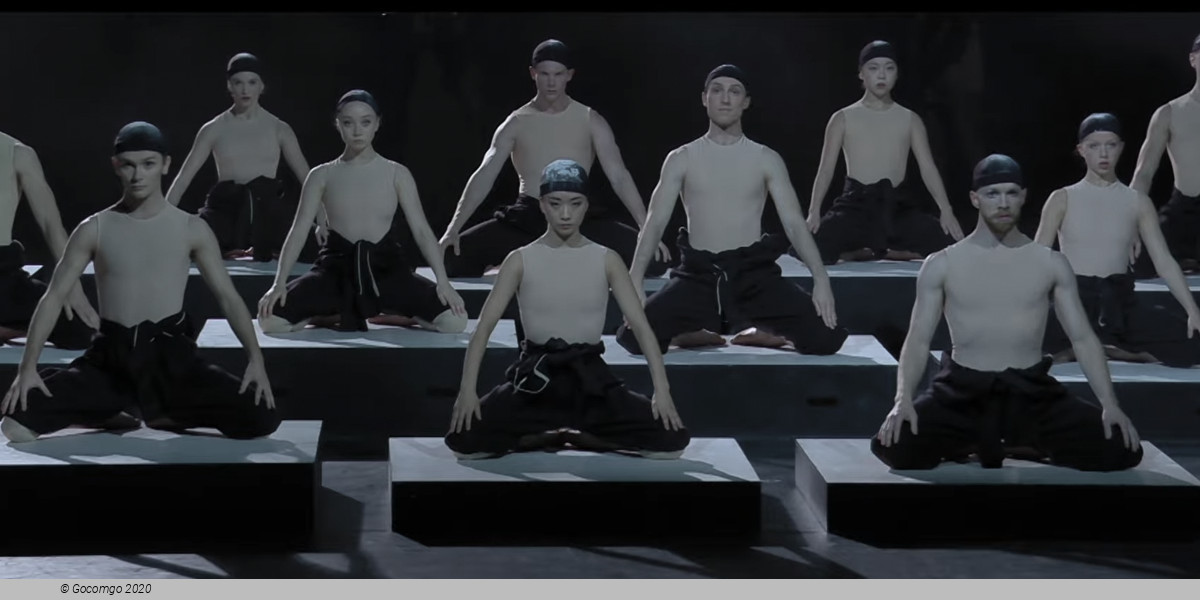
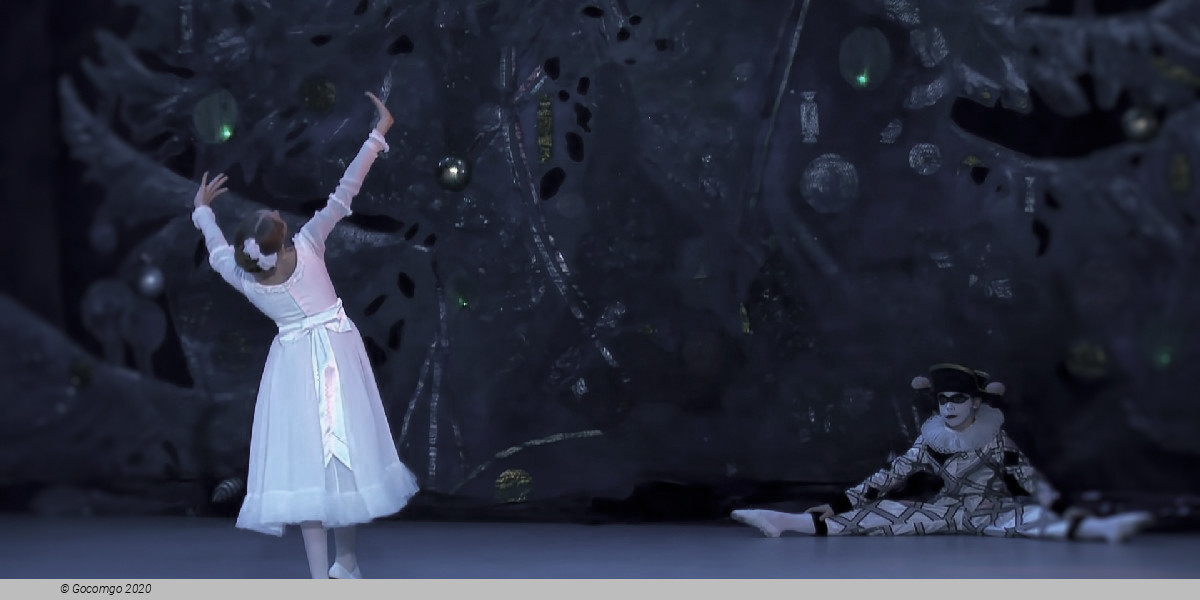
The Royal Swedish Ballet, the National Ballet Theatre of Sweden, presents both classical ballet and modern dance. A company with one foot in the past and the other foot in the future has a dedicated and diverse audience.
The Royal Swedish Ballet is one of the oldest ballet companies in the world. It was founded in 1773 by King Gustav III. It is the largest dance troupe in Sweden, whose tasks include the preservation and development of classical ballet, as well as modern innovative productions
Sweden's leading ballet company, the Royal Swedish Ballet, has its roots at the Royal Swedish Opera in Stockholm, founded in 1773 and named the Royal Ballet in the mid-19th century. The company experienced fluctuations in popularity throughout the 19th century, but in the 20th century, it was influenced by modern dance trends and Russian ballet performances.
A significant turning point came in the 1950s and 1960s when American choreographer A. Tudor led the troupe, staging "Giselle" and other ballets. This period also saw the formation of the national repertoire through Swedish choreographers like B. Kulberg, I. Kramer, and B. Okesson. International choreographers such as J. Balanchine, L.F. Myasin, K. Macmillan, Y.N. Grigorovich, and F. Ashton were also invited.
The company's repertoire includes both classical ballets and works by Swedish choreographers. Notable productions from the 1970s include "Onegin," "Passion for Dancing," "Report," "The Youth and Death," "Trinkets," "Blue Skin," "Polar Sea," "Waiting Room," "Duel," "Sisters," "Salon," "Superboy," "Extravagance," "Bullfighter," and "The Taming of the Shrew."
O.V. Lepeshinskaya worked as a teacher with the troupe.