Prologue
In timeless eternity, cherubim praise the Lord of The Heavens.
The Spirit of Negation incited rebellion in heaven and was doomed to fail.
Mefistofele criticises the Creator contemptuously and his pampered creation, the self-conceited speck of dust, who regards his own bumptious illusion as reason, and calls himself a human. His unquenchable quest for knowledge, behold, makes Faust miserable and desirous; no science can restrain his feverish dreams, and now he wishes to become superhuman. Mefistofele offers to make a wager with the Lord, in which Faust's soul is at stake. The Forces of Good accept the challenge. Mefistofele listens nauseously to the golden-locked angels' sugary humming and leaves heaven with disgust.
The resounding hymn of the Heavenly Hosts permeates the world.
The greatest of mysteries is not that coincidence threw man somewhere in the middle of the material and the cosmos of stars, but the fact that in this confinement we have aroused ideas in our minds which are grand enough to question that our life is nothing.
Act 1
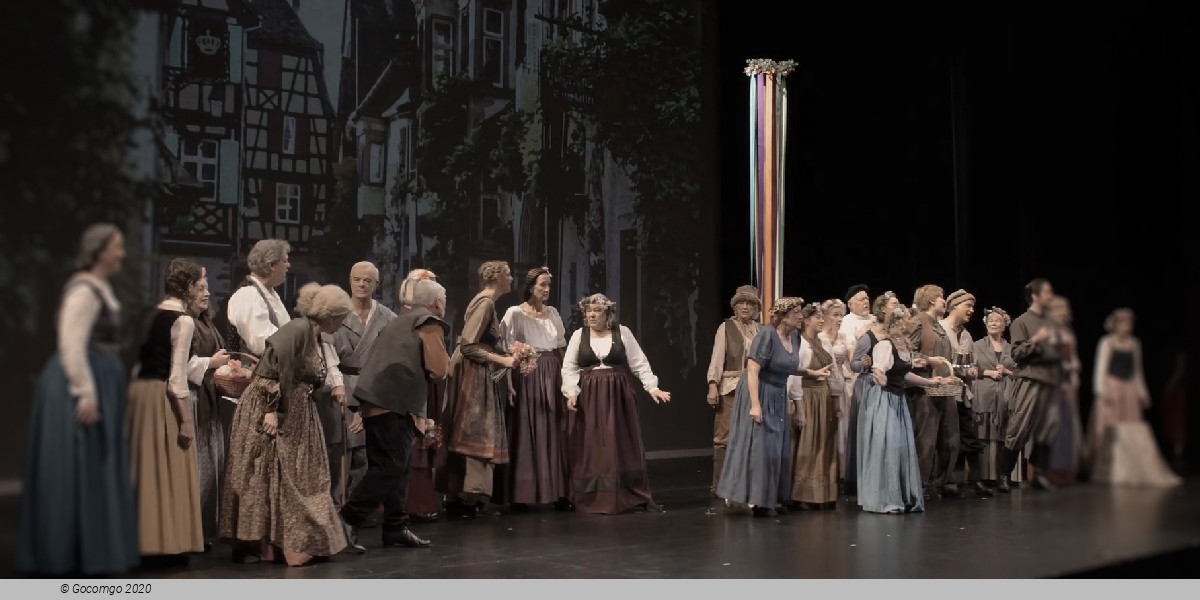
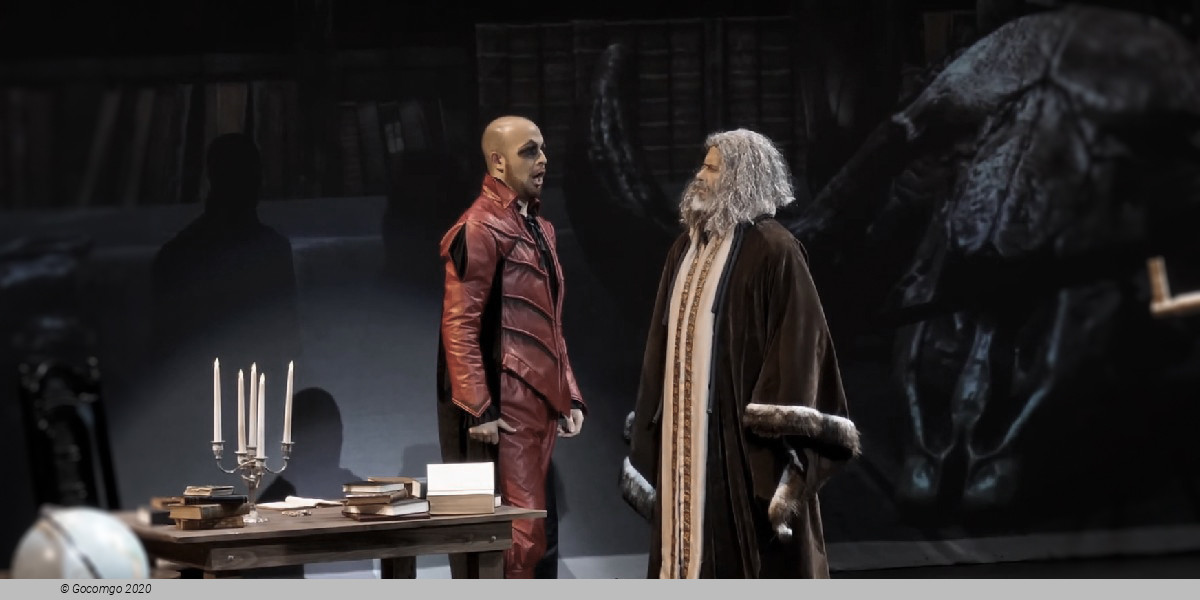
Tired of his philosophical studies, Faust is watching the colourful bustle of burghers carousing in the marketplace of Frankfurt. Eventually, enthusiasm flares within him: he leaves his bleak cell, and dives into the cheerful throng. But dusk descends, the city stills, and the master and his pupil find themselves alone in the suddenly desolate streets. Only a dark-clad figure follows who interrupts Faust's dreaming of the beauty of spring, and reveals his identity. He calls himself the Spirit of Negation, the creative demolition. He offers worldly bliss to the doctor on the earth if he can be his soul's master - in the other world…
The great libraries of the modern age hold results of invaluable intellectual efforts in millions of volumes. And nothing is more certain than the fact that among the millions of tomes of these works there is none which has a genuine role in the life of mankind. The whole modern culture of humanities, psychology, literature and social sciences, philosophy, moral, aesthetics, philology and theology are entirely and without exception unimplemented, and even unable to be applied, they can never be realised because reality cannot be learnt from these works.
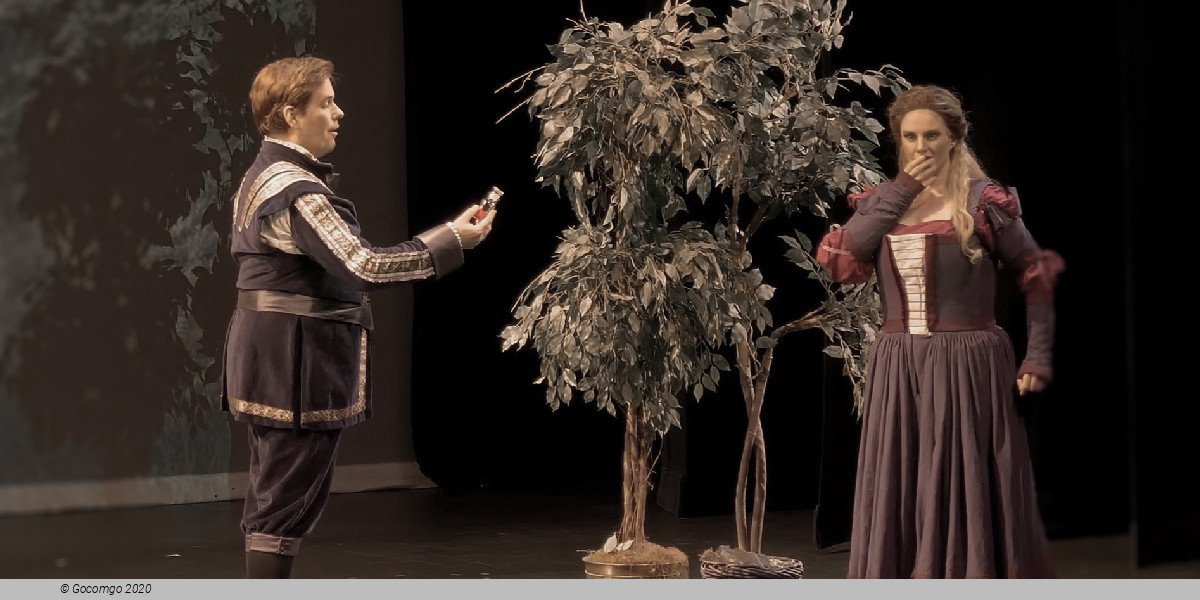
Faust is attracted by beauty borne of simplicity: he is courting Margareta, whose life, burdened with mundane household chores is turned upside down by the cavalier's arrival. While Mefistofele is struggling with her neighbour Martha, the girl is enchanted by the doctor's pseudo-philosophical seduction; he accepts the sleeping draught for her mother so that she can spend a night of passion with Faust.
Act 2
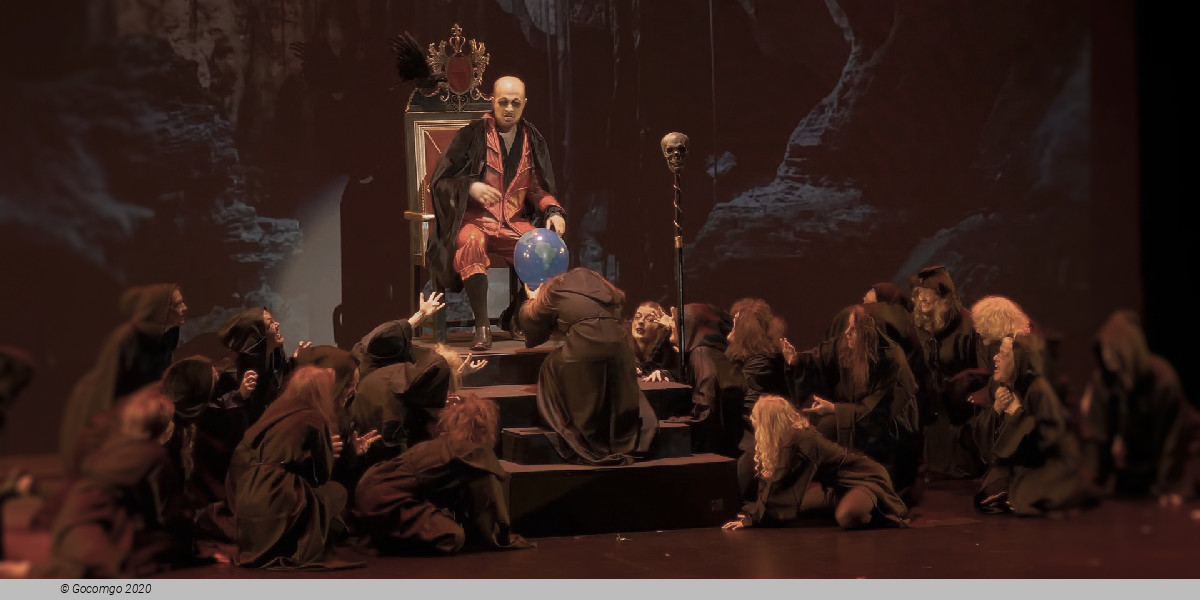
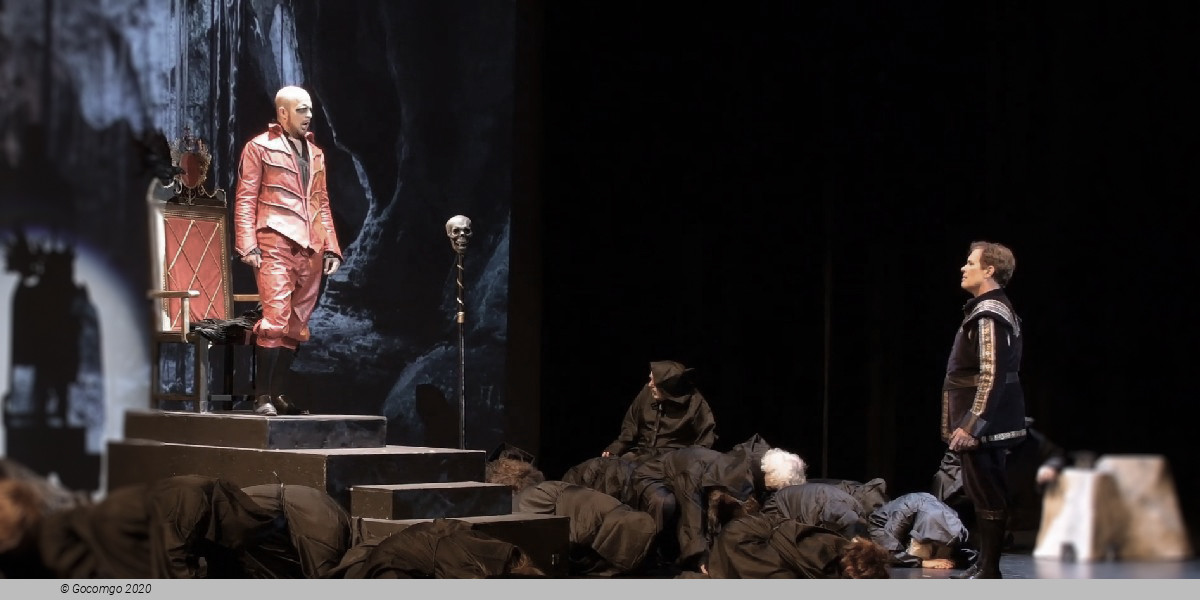
Mefistofele takes Faust to the orgy of a Witches' Sabbath, where the doctor is fascinated by the vibrating light of the incubi. The damned happily greet their king, and listen with delight to his cynical prophecy about the destruction of the world. The wheels are turning, the bones are rattling, and the diabolical dance becomes ever more impetuous when Faust sees a vision of Margareta languishing in prison. His pangs of guilt are drowned out by the euphoric revelries.
People of the modern age, each and every one of them, and especially the so-called culture-makers: moralists, teachers, scholars, priests and statesmen are all convinced that they live an exceptionally exquisite life. Out of their agreeable and highbrow thoughts nothing is implemented neither generally nor personally, it is entirely intellectual illusion which often conceals the life of on ordinary, arrogant, boasting, conceited, shallow, insolent, wicked, and in all cases primitive person.
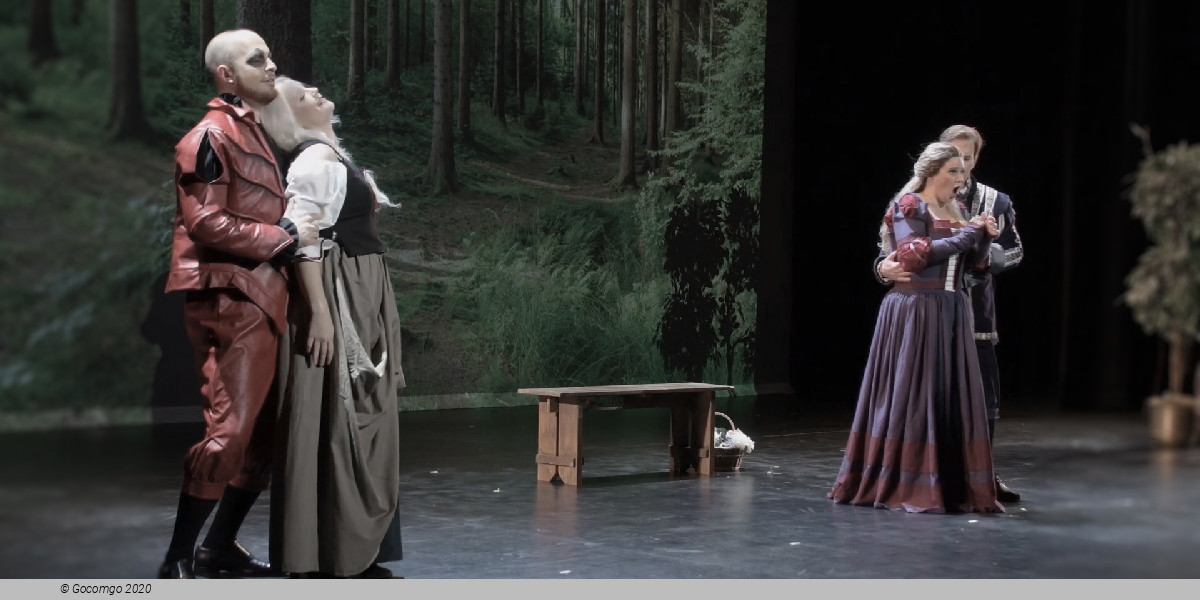
Margareta is sentenced to death for murdering her child and poisoning her mother. Faust arrives at the death cell to rescue her on her last night, shocked by the sight of a lover who had been driven to insanity. Mefistofele's appearance destroys the forlorn hope of happiness in the distant future: Margareta recognises the Tempter in him with horror. She turns away from her former lover with disgust, and refuses the freedom which he offers to her. She is condemned.
Act 3
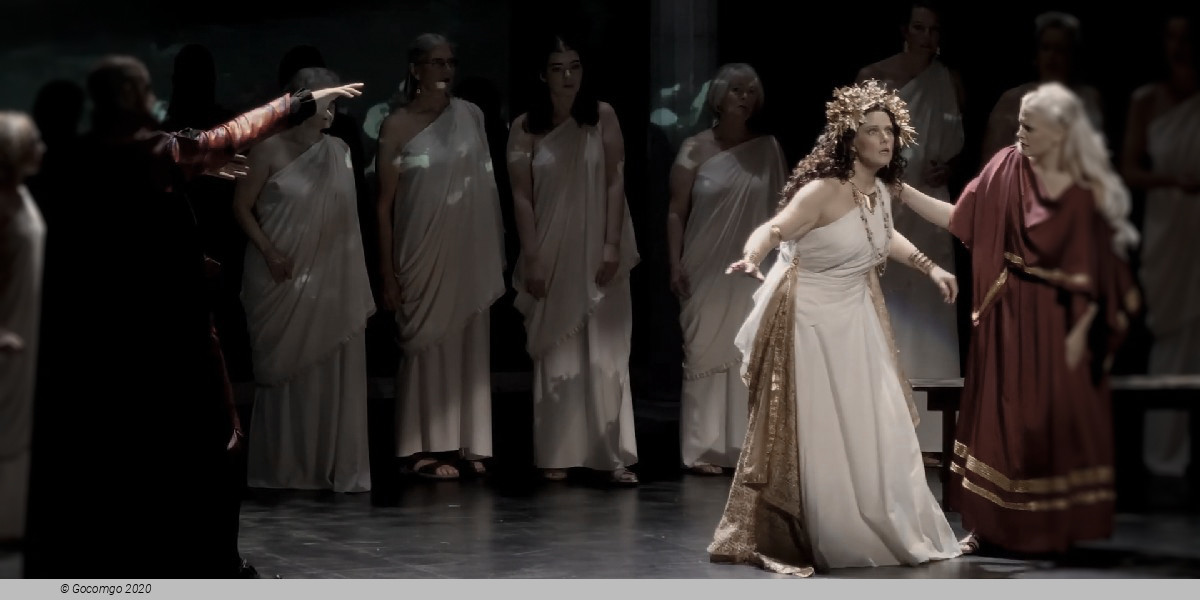
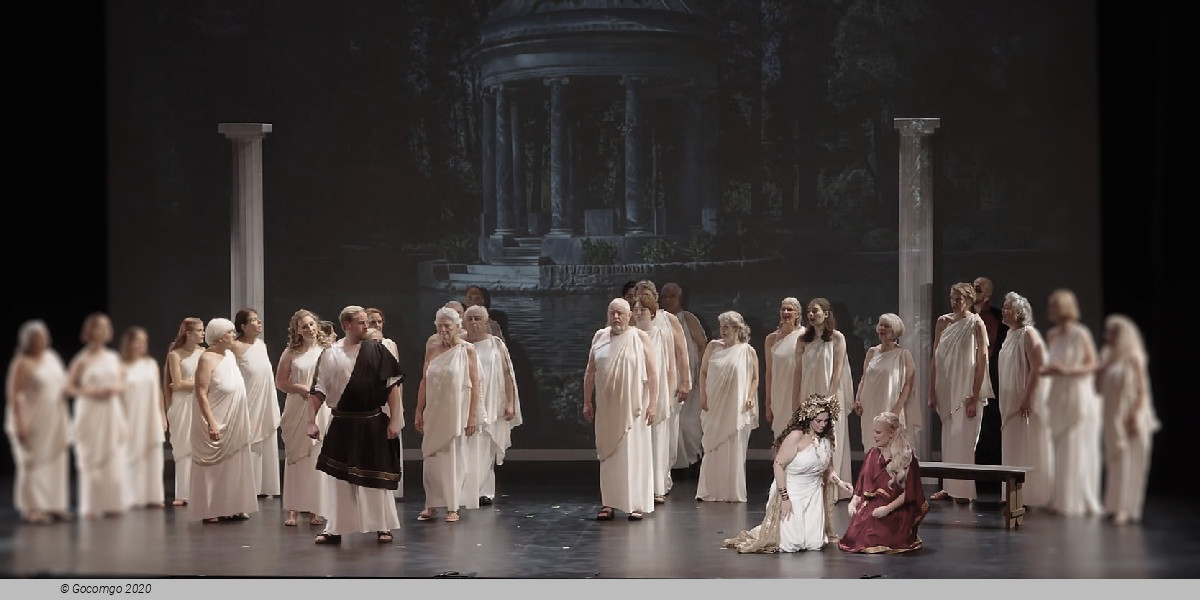
We are in utopian Greece, which has vanished in the mists of centuries and is perhaps just the figment of poets' imagination. Mefistofele takes Faust to Helen of Troy to make him forget Margareta. The queen suffers from visions of the war fought for her and bloodshed she caused, but Faust's confession of love is like a balm to her. The sensuous rite of the classic Witches' Sabbath satisfies their passion and raises them above reality.
Life has become pointless, and this pointlessness has permeated all aspects of life and filled every momentum of life. If life is pointless, then the sole objective of a man's life is idle pleasure; the delight of the irresponsible Self.
The deal is not completed yet. Although Faust has enjoyed all the worldly bliss and his last hour on earth is approaching, he has not found the moment when he would have stopped time. Still, at the moment of death he must face his fate; his soul is now carried away by a utopian vision in which he finds the meaning of his whole life.
The modern man lives in the false belief that he himself has to create the spirit of intensive cultivation, set the objectives, create the standards and work out the ideals. The spirit of love in man has known what is to be done since the beginning of time. Forces should not be used to create a new spirit but implement the eternal and universal spirit.
Balázs Kovalik
Prologue
A heavenly chorus of angels praises God the Creator. Mefistofele scornfully declares that he can win the soul of Faust. His challenge is accepted by the Forces of Good.
Act 1
Scene 1, Easter Sunday
The aged Dr. Faust and his pupil Wagner are watching the Easter celebrations in the main square in Frankfurt. Faust senses that they are being followed by a mysterious friar, about whom he senses something evil. Wagner dismisses his master’s feelings of unease and as darkness falls they return to Faust’s home.
Scene 2, The Pact
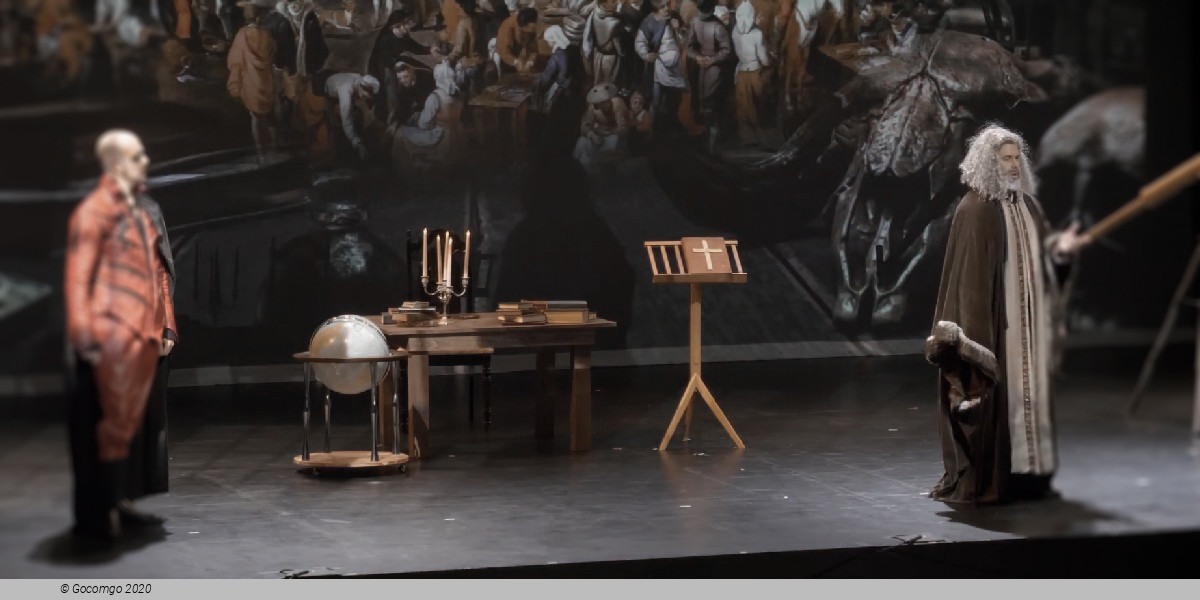
Faust is in his study, deep in contemplation. His thoughts are disturbed in dramatic fashion by the sudden appearance of the sinister friar, whom he now recognizes as a manifestation of the Devil (Mefistofele). Far from being terrified, Faust is intrigued and enters into a discussion with Mefistofele culminating in an agreement by which he will give his soul to the devil on his death in return for worldly bliss for the remainder of his life.
Act 2
Scene 1, The Garden
Restored to his youth, Faust has infatuated Margareta, an unsophisticated village girl. She is unable to resist his seductive charms and agrees to drug her mother with a sleeping draught and meet him for a night of passion. Meanwhile, Mefistofele amuses himself with Martha, another of the village girls.
Scene 2, The Witches Sabbath
Mefistofele has carried Faust away to witness a Witches' Sabbath on the Brocken mountain. They reach to the top and hear the sound of witches approaching from below. They draw near and Mefistofele, declaring himself king, calls to them to bow down before him. The devil mounts his throne and proclaims his contempt for the World and all its worthless inhabitants. As the orgy reaches its climax, Faust sees a vision of Margherita, apparently in chains and with her throat cut. Mefistofele reassures him that the vision was a false illusion. The revels continue.
Act 3
Faust's vision had been true. Margareta lies in a dismal cell, her mind in a state of confusion and despair. She has been imprisoned and condemned to death for poisoning her mother with the sleeping draught supplied by Faust and for drowning the baby she had borne him. Faust begs Mefistofele to help them escape together. They enter the cell and at first Margareta does not recognize her rescuers. Her joy at being reunited with Faust turns to horror when she sees Mefistofele and recognizes that he is the Devil. Refusing to succumb to further evil, Margareta begs for divine forgiveness. She collapses to the cell floor as the Celestial choir proclaims her redemption.
Act 4
Mefistofele has now transported Faust back in time to Ancient Greece. Helen of Troy and her followers are enjoying the luxurious and exotic surroundings on the banks of a magnificent river. Faust, attired more splendidly than ever, is easily able to win the heart of the beautiful princess. In a passionate outpouring, they declare their undying love and devotion to each other.
Epilogue
Back in his study, Faust, once more an old man, reflects that neither in the world of reality nor of illusion was he able to find the perfect experience he craved. He feels that the end of his life is close, but desperate for his final victory, Mefistofele urges him to embark on more exotic adventures. For a moment Faust hesitates, but suddenly seizing his Bible he cries out for God's forgiveness. Mefistofele has been thwarted; he disappears into the background as Faust dies and the Celestial choir once more sings of ultimate redemption.











 Andrássy út 22