Prologue
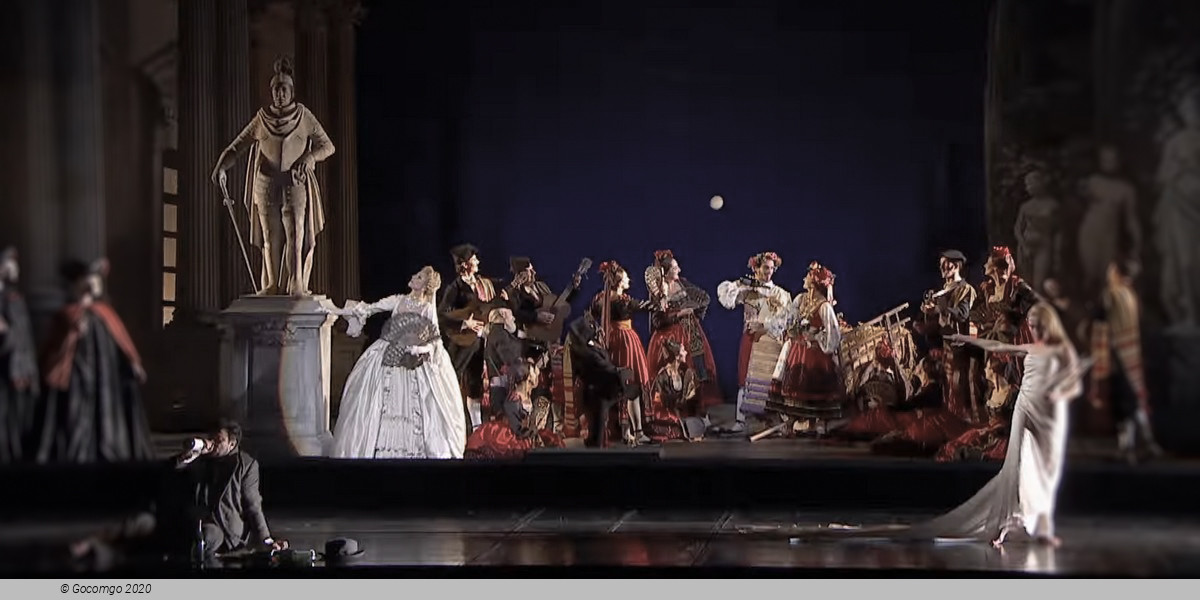
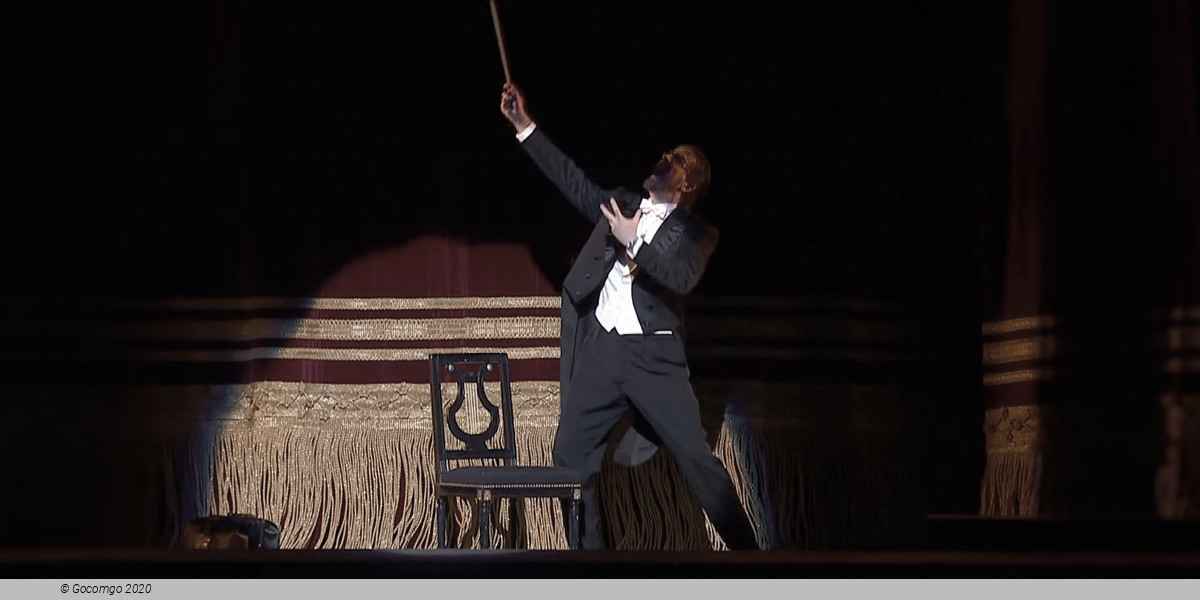
The versatile artist Hoffmann – a writer, poet and musician – is obsessed with his passion for the opera star Stella, who is just now appearing in Mozart’s Don Giovanni. At the interval, however, a lovers’ quarrel between the two prompts him to leave the performance in order to go drink himself blind. The Muse sees this as an opportune moment to rid herself of her rival, as Stella has been using her power of attraction to entice Hoffmann away from her – meaning away from his own creative endeavours. In order to achieve her aim, she takes on the guise of Hoffmann’s old friend Nicklausse. Stella sends a placating letter to Hoffmann: the envelope contains the key to her dressing room and the message that she will be waiting for him after the show. The wealthy and influential counsellor Lindorf, who wants Stella for himself, intercepts the letter with the plan of letting Stella find Hoffman drunk later on and then abandon him permanently in disgust. Hoffmann’s friends come after the poet to find him. Luther, the barman, announces that the performance is about to continue next door, but instead of returning to watch, they start to drink. Asked to entertain them, Hoffmann relates the story of his three loves, in which a figure reminiscent of Lindorf is always present to thwart his happiness.
Olympia
Hoffmann’s first love is Olympia – an automaton invented by the scientist Spalanzani and a marvel to behold for the curious visitors drawn to see it. The eyes of this doll exhibiting a perfect appearance and perfect behaviour were the work of another inventor: Coppélius. He also sells Hoffmann a pair of spectacles that completely deprive the poet of his sense of reality. Spalanzani and Coppélius argue over ownership of the doll – and the revenue that it generates. Spalanzani promises Coppélius a greater sum if he surrenders the rights to the doll. Coppélius, for his part, advises him to have Olympia wed Hoffmann, who has not yet noticed that it is an automaton he is in love with. The guests arrive for the demonstration and watch Olympia dance and sing. Hoffmann waltzes with her, but when Olympia “overheats”, he falls to the ground and breaks his spectacles. Returning for vengeance after finding out that the promised money did not actually exist, Coppélius smashes the doll into bits. Now Hoffmann too realizes that Olympia was a machine: he has simultaneously lost his love and become an object of ridicule.
Antonia
Antonia is a talented young girl whose greatest desire is to become a singer. However, her father, Crespel, forbids her to sing, as well as to see her beloved Hoffmann. The reason for the former objection is because Antonia’s mother died from singing when her own voice overloaded her system – and she has passed on both her talent and her illness to her daughter. Doctor Miracle arrives and, against Crespel’s will, examines Antonia. Listening in on their conversation, Hoffmann learns about Antonia’s ailment. He makes the girl promise to give up her career and never sing again. Although Antonia is willing to both comply with this request and to marry Hoffmann, Miracle summons the girl’s dead mother to discourage her from letting her talent go to waste. Antonia sings a final song and dies in Hoffmann’s arms.
Giulietta
Seemingly disillusioned with romantic love, Hoffmann falls under the spell of the prostitute Giulietta, who entertains men under the direction of Schlemil. Dapertutto – a diabolical figure intent on acquiring people’s souls – has (with Giulietta’s help) already obtained Schlemil’s shadow and is now angling for Hoffmann’s reflection. Giuletta tricks Hoffmann into believing that she is in love with him, which instantly wins him over to her. Warning the poet that Schlemil will kill him if he finds out about their relationship, she urges him to flee, but to first leave his reflection locked in a mirror until Giuletta comes after him. Hoffmann consents, rejecting Nicklausse’s suggestion that they escape while they still can. He attempts to obtain from Schlemil the key to Giulietta’s room so that he can take her with him. Schlemil attacks him, but Hoffman slays him with a weapon provided to him by Dapertutto. Taking the key, he then rushes to Giulietta, only to find it empty: the prostitute has played everyone for a fool and run off with Schlemil’s servant Pittichinaccio.
Epilogue
As Hoffmann’s three stories come to an end, so does the opera performance in the theatre. Nicklausse and the others understand that the three women are actually three aspects of Stella. The Muse exults: the poet has been reborn by renouncing love, and Stella departs – instead of with the drunken Hoffmann – with Lindorf.
Prologue
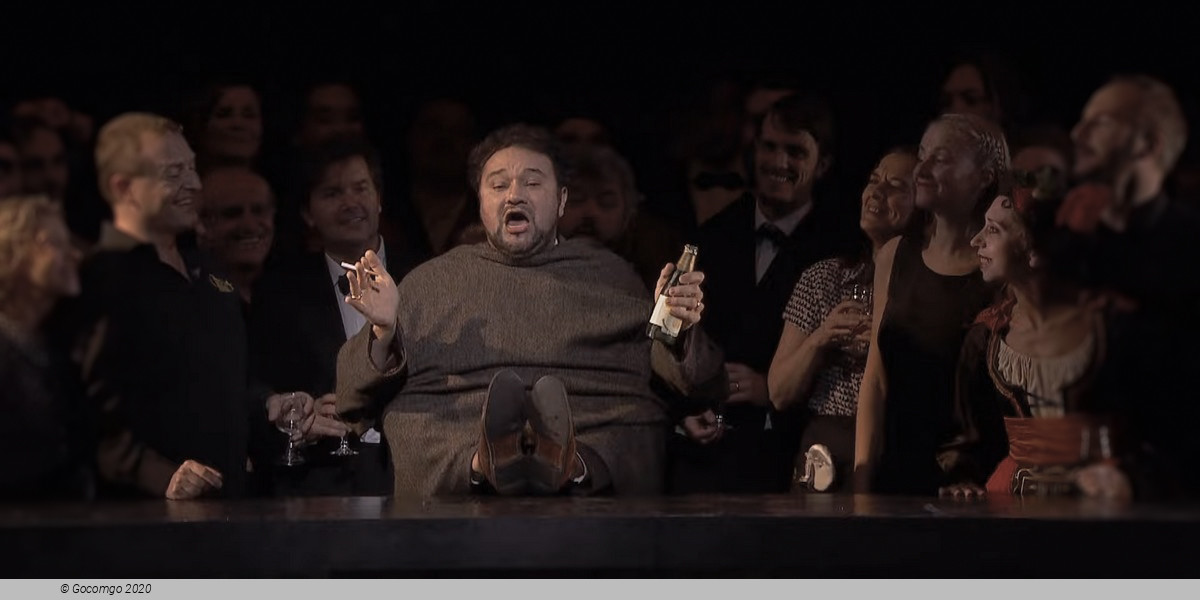
A tavern in Nuremberg: The Muse appears and reveals to the audience her purpose is to draw Hoffmann's attention, and make him abjure all other loves, so he can be devoted to her: poetry. She takes the appearance of Hoffmann's closest friend, Nicklausse. The prima donna Stella, performing Mozart's Don Giovanni, sends a letter to Hoffmann, requesting a meeting in her dressing room after the performance. The letter and the key to the room are intercepted by Councillor Lindorf ("Dans les rôles d'amoureux langoureux" – In the languid lovers' roles), the first of the opera's incarnations of evil, Hoffmann's nemesis. Lindorf intends to replace Hoffmann at the rendezvous. In the tavern, students wait for Hoffmann. He finally arrives, and entertains them with the legend of Kleinzach the dwarf ("Il était une fois à la cour d'Eisenach" – Once upon a time at the court of Eisenach). Lindorf coaxes Hoffmann into telling the audience about his three great loves.
Act 1 (Olympia)
This act is based on a portion of "Der Sandmann" (The Sandman).
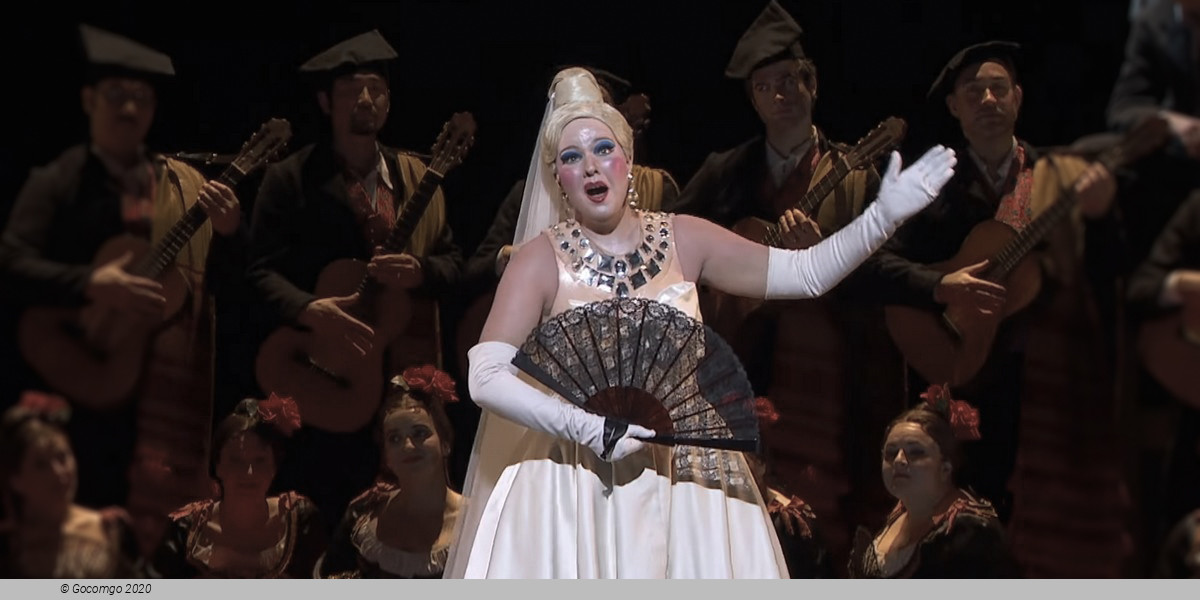
Hoffmann's first love is Olympia, an automaton created by the scientist Spalanzani. Hoffmann falls in love with her, not knowing Olympia is a mechanical doll ("Allons! Courage et confiance...Ah! vivre deux!" – Come on! Courage and confidence ... Ah! to live!). To warn Hoffmann, Nicklausse, possessing the truth about Olympia, sings a story of a mechanical doll with the appearance of a human, but Hoffmann ignores him ("Une poupée aux yeux d'émail" – A doll with enamel eyes). Coppélius, Olympia's co-creator and this act's incarnation of Nemesis, sells Hoffmann magic glasses to make Olympia appear as a real woman ("J'ai des yeux" – I have eyes).
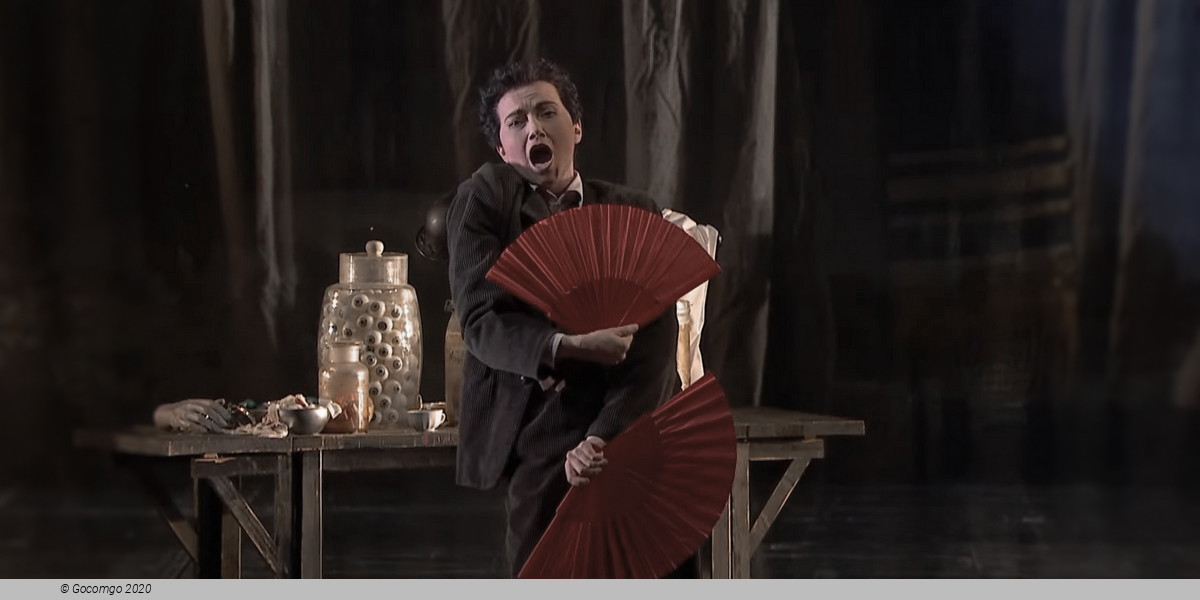
Olympia sings one of the opera's most-famous arias, "Les oiseaux dans la charmille" (The birds in the arbor, nicknamed "The Doll Song"), during which she runs-down and needs to be wound-up before she can continue. Hoffmann is tricked into believing his affections are returned, to the bemusement of Nicklausse, subtly attempting to warn his friend ("Voyez-la sous son éventail" – See her under her fan). While dancing with Olympia, Hoffmann falls on the ground and his glasses break. At the same time, Coppélius appears, tearing Olympia apart to retaliate against Spalanzani after cheating him of his fees. With the crowd ridiculing him, Hoffmann realizes he loved an automaton.
Act 2 (Antonia)
This act is based on "Rath Krespel".
After a long search, Hoffmann finds the house where Crespel and his daughter Antonia are hiding. Hoffmann and Antonia loved each other, but were separated after Crespel decided to hide his daughter from Hoffmann. Antonia inherited her mother's talent for singing, but her father forbids her to sing because of her mysterious illness. Antonia wishes her lover would return to her ("Elle a fui, la tourterelle" – "She fled, the dove"). Her father also forbids her to see Hoffmann, encourages Antonia in her musical career, and therefore, endangers her without knowing it. Crespel tells Frantz, his servant, to stay with his daughter, and after Crespel leaves, Frantz sings a comical song about his talents "Jour et nuit je me mets en quatre" – "Day and night, I quarter my mind."
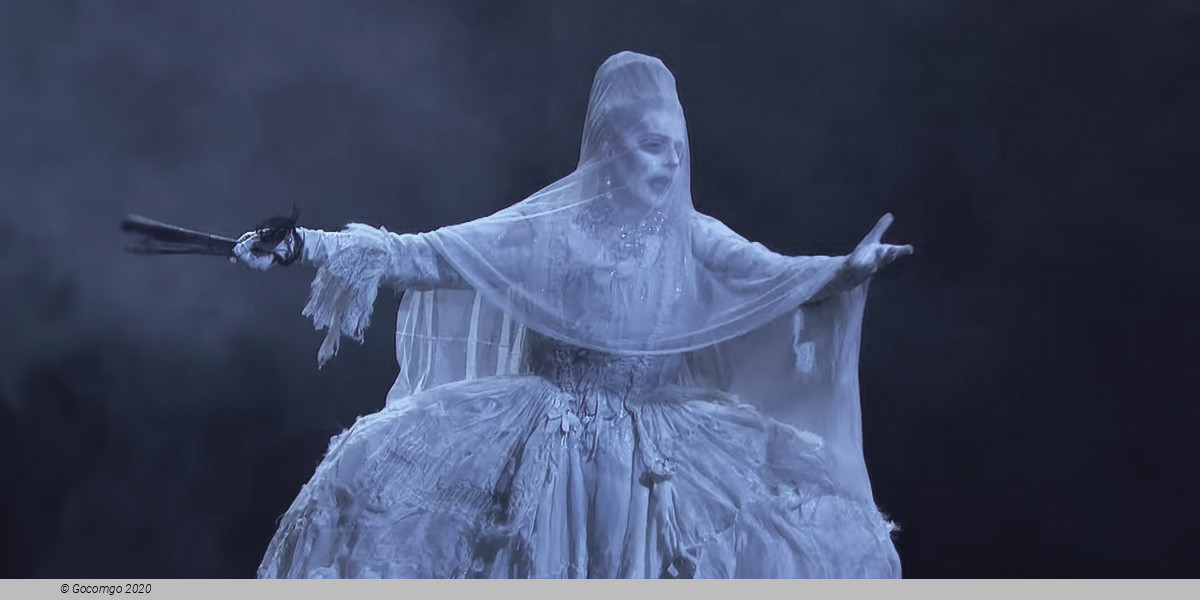
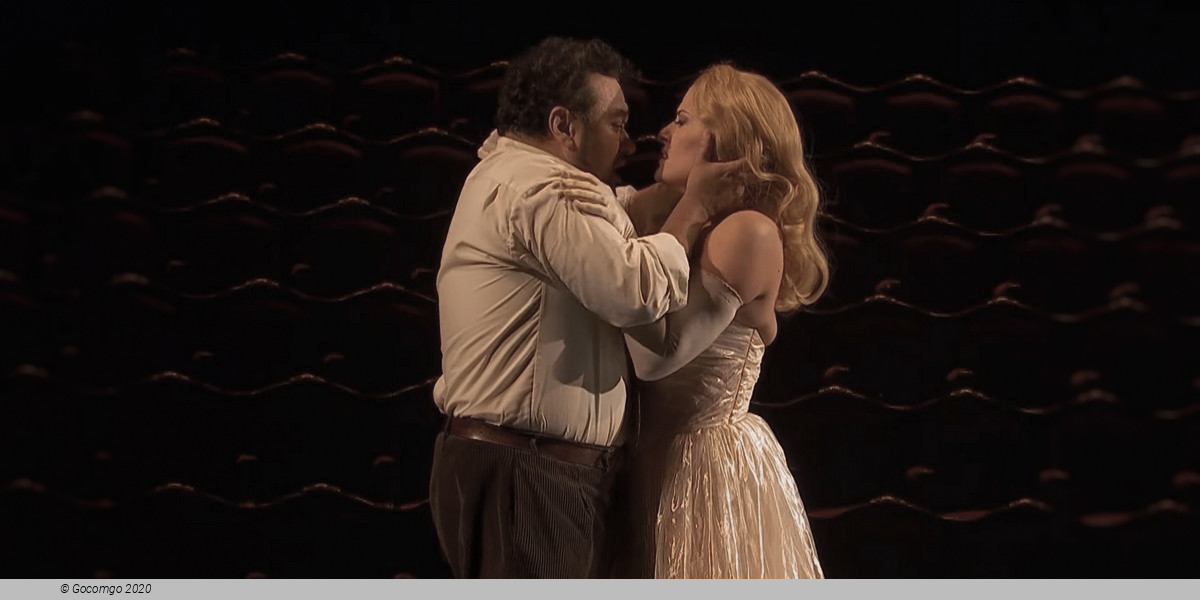
After Crespel leaves his house, Hoffmann takes advantage of the occasion to sneak in, and the lovers are re-united (love duet: "C'est une chanson d'amour" – "It's a love song"). After Crespel returns, he receives a visit from Dr Miracle, the act's Nemesis, forcing Crespel to let him heal her. Eavesdropping, Hoffmann learns Antonia may die if she sings too much. He returns to her boudoir, and makes her promise to give up her artistic-dreams. Antonia reluctantly accepts her lover's will. After she is alone, Dr Miracle enters Antonia's boudoir to persuade her to sing and follow her mother's path to glory, stating Hoffmann is sacrificing her to his brutishness, and loves her only for her beauty. With mystic powers, he raises a vision of Antonia's dead mother and induces Antonia to sing, causing her death. Crespel arrives just in time to witness his daughter's last breath. Hoffmann enters, and Crespel wants to kill him, thinking he is responsible for his daughter's death. Nicklausse saves his friend from the old man's vengeance.
Act 3 (Giulietta)
This act is loosely-based on Die Abenteuer der Silvester-Nacht (A New Year's Eve Adventure).
Venice. The act opens with the barcarolle "Belle nuit, ô nuit d'amour" – "Beautiful night, oh night of love". Hoffmann falls in love with the courtesan Giulietta, and thinks she returns his affections ("Amis, l'amour tendre et rêveur" – "Friends, tender and dreamy love"). Giulietta is not in love with Hoffmann, but seducing him under the orders of Captain Dapertutto, promising to give her a diamond if she steals Hoffmann's reflection from a mirror ("Scintille, diamant" – "Sparkle, diamond"). The jealous Schlemil (cf. Peter Schlemihl for a literary antecedent), a previous victim of Giulietta and Dapertutto (he gave Giulietta his shadow), challenges the poet to a duel, but is killed. Nicklausse wants to take Hoffmann away from Venice, and goes looking for horses. Meanwhile, Hoffmann meets Giulietta, and cannot resist her ("O Dieu! de quelle ivresse" – "O God! of what intoxication"): he gives her his reflection, only to be abandoned by the courtesan, to Dapertutto's great pleasure. Hoffmann tells Dapertutto his friend Nicklausse will come and save him. Dapertutto prepares a poison to get rid of Nicklausse, but Giulietta drinks it by mistake, dropping dead in the poet's arms.
Epilogue
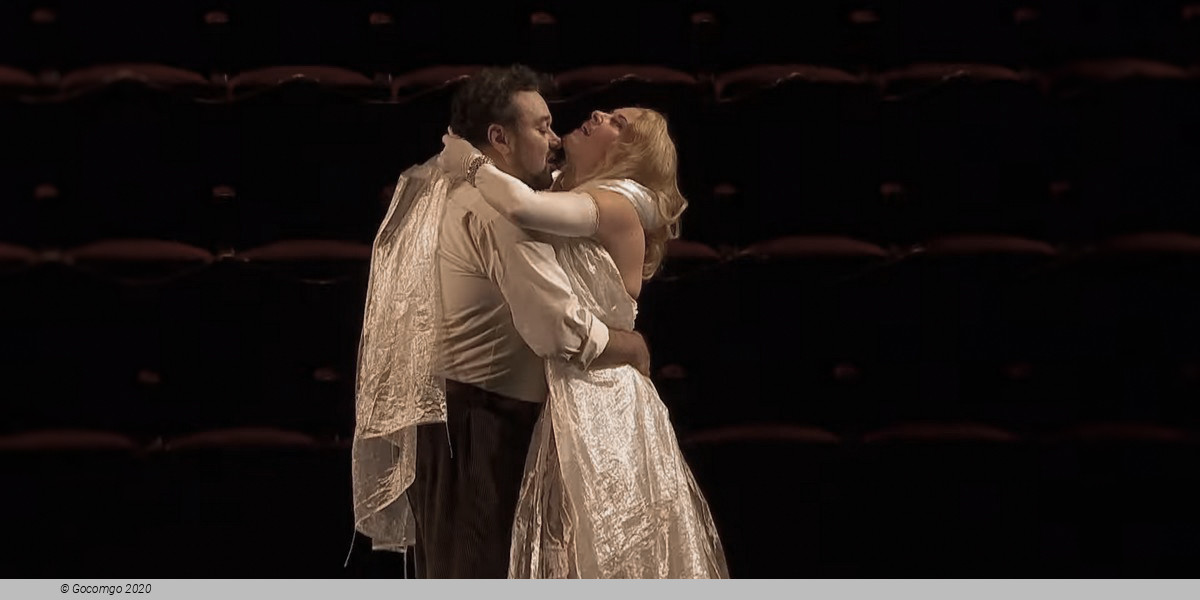
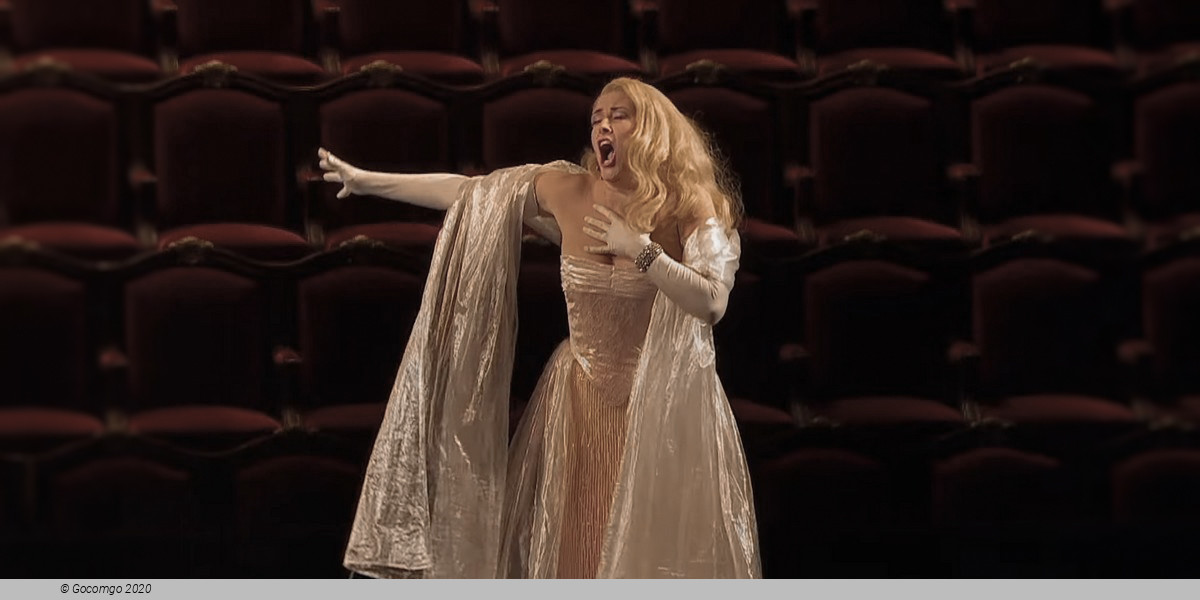
The tavern in Nuremberg: Hoffmann, drunk, swears he will never love again, and explains Olympia, Antonia, and Giulietta are three facets of the same person, Stella. They represent, respectively, the young girl's, the musician's, and the courtesan's side of the prima donna. After Hoffmann says he doesn't want to love any more, Nicklausse reveals she is the Muse and reclaims Hoffmann: "Be reborn a poet! I love you, Hoffmann! Be mine!" – "Renaîtra un poète! Je t'aime, Hoffmann! Sois à moi!" The magic of poetry reaches Hoffmann as he sings "O Dieu! de quelle ivresse – "O God! of what intoxication" once more, ending with "Muse, whom I love, I am yours!" – "Muse que j'aime, je suis à toi!" At this moment, Stella, tired of waiting for Hoffmann to come to her rendezvous, enters the tavern and finds him drunk. The poet tells her to leave ("Farewell, I will not follow you, phantom, spectre of the past" – "Adieu, je ne vais pas vous suivre, fantôme, spectre du passé"), and Lindorf, waiting in the shadows, comes forth. Nicklausse explains to Stella that Hoffmann does not love her anymore, but Councillor Lindorf is waiting for her. Some students enter the room for more drinking, while Stella and Lindorf leave together.


 II. János Pál pápa tér 30