Act I
Scene 1
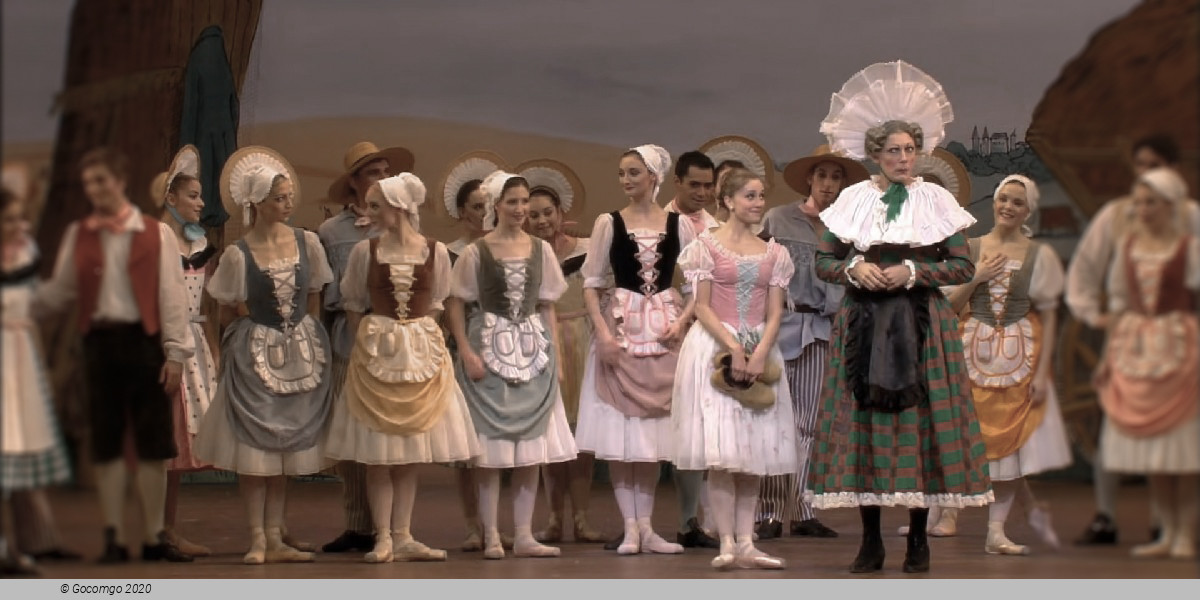
In late 18th century France, the wealthy widow Mother Simone lives in a country homestead with her daughter, the beautiful Lise. The girl and the handsome young Colas have been in love with each other for a long time, but her mother has completely different plans... having set her eyes on the foolish Alain, son of Farmer Thomas, to be Lise's husband.
At dawn, the quiet farmyard is woken up by the cockerel, who departs for the field with the chickens in tow. Before her mother might notice, Lise slips out of the house and leaves a secret message for Colas, who is happy to discover this sign when he arrives a little later. The two lovers meet, but are separated by the strict Simone. After chasing Colas off, she puts Lise to work churning butter. But after Simone has left, Colas comes out of his hiding place in the barn. The task, of course, is swiftly forgotten as the lovers start to banter playfully. Lise's girlfriends also arrive, intending to take her with with them, but her mind is on other things. Ever suspicious and alert, Simone notices that the butter is not ready yet and rebukes her severely. Farmer Thomas arrives, together with Alain, in order to ask for Lise's hand in marriage on his son's behalf. While the awkward boy makes her laugh, she also makes it clear that she doesn't care for her suitor. Eventually, the small party heads off to the fields to see how the harvest is coming along.
Scene 2
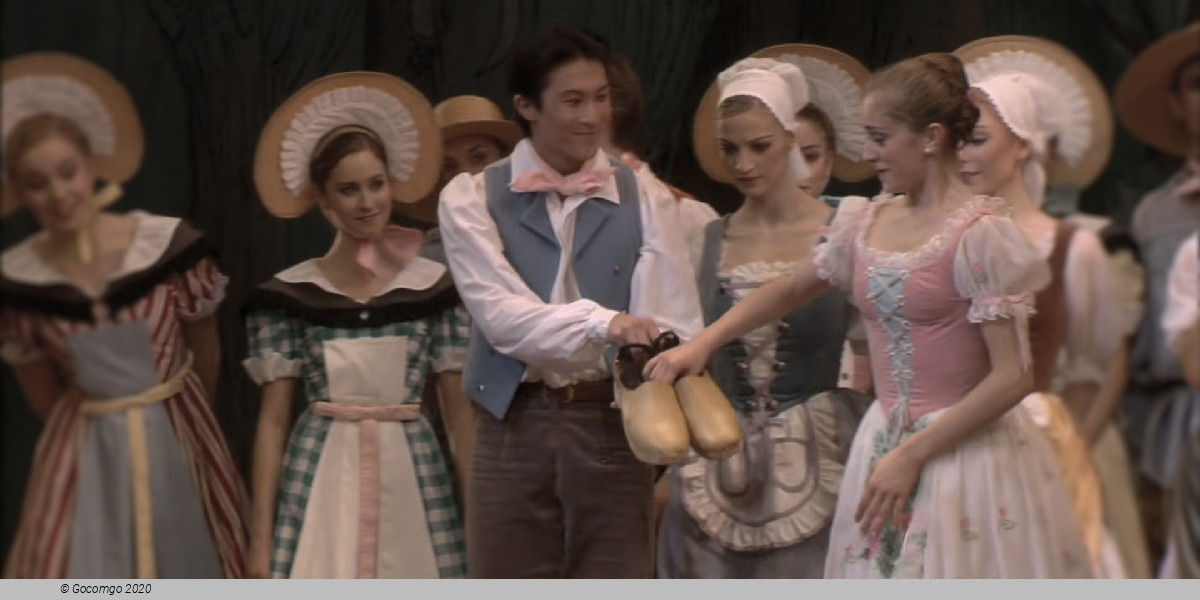
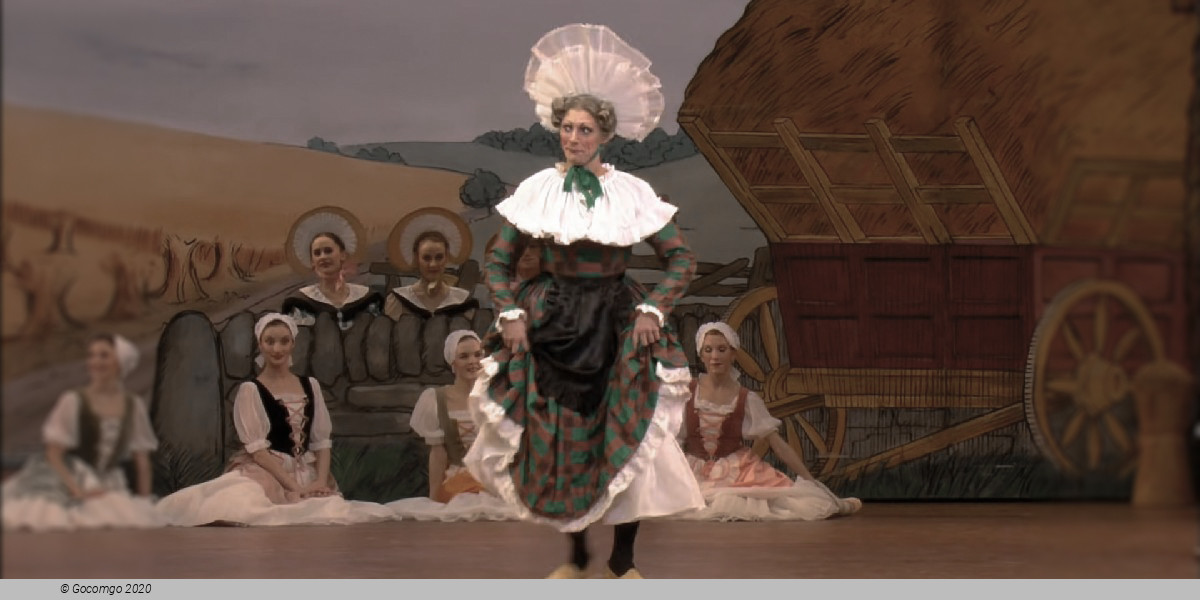
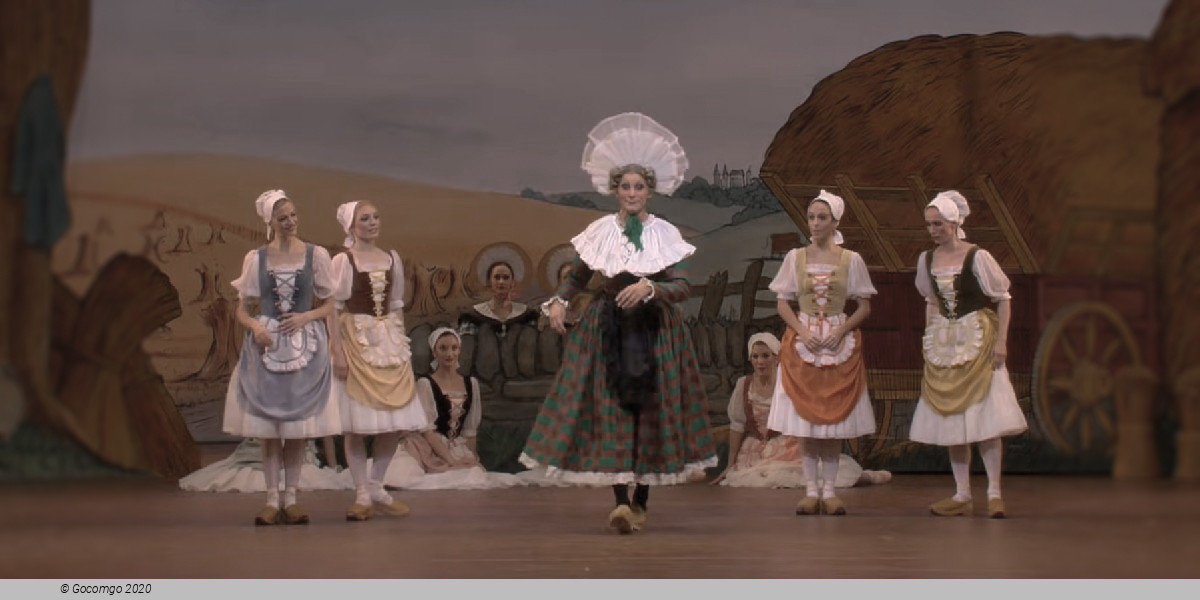
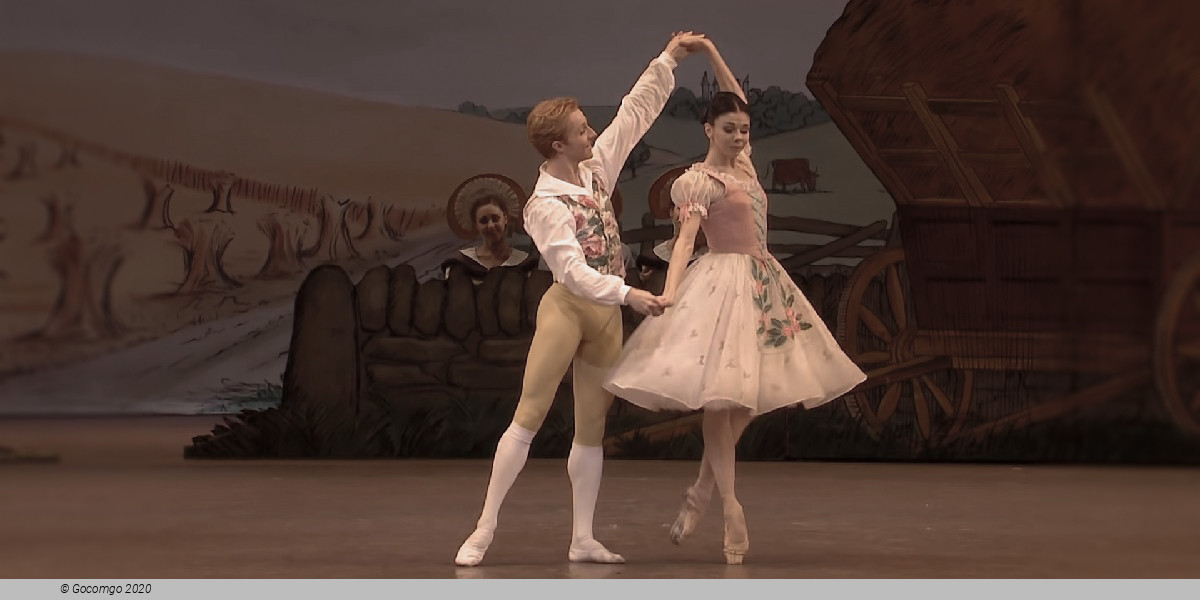
In the fields. Having finished their work, the reapers – with Colas in the lead – launch into a merry celebration. Lise would be obliged to dance with Alain, but Colas steps in, and the girl makes it abundantly clear which one of them she actually likes. One of the reapers starts to pipe out a tune on a flute, and Alain starts to try to show off. His clumsiness is roundly ridiculed, and only his father is there to rescue him from an embarrassing situation. Colas now dances happily with Lise. At the company's urging, even Simone joins the young crowd in performing the famous clog dance. A sudden summer squall sends the company scattering.
Act II
Inside Simone's house. Mother and daughter return home soaked to the skin. They dry off and get to work at the spinning wheel. Simone hopes that the work will distract Lise from her thoughts, but she herself is soon overcome by sleep. After noticing Colas lurking outside, Lise attempts to pilfer her mother's key. Simone suddenly wakes up and, in order to keep herself from falling asleep again, produces a tambourine and starts to play it. Lise starts dancing to the music. Simone's fatigue, however, gets the better of her: her head slowly sags, and soon she is deep in slumber. Lise sneaks over to the door and, although she is unable to open it completely, she can still happily embrace her beloved.
The reapers bring in the wheat, waking Simone with their racket. Colas also steals in and hides among the sheaves of wheat. The youngsters invite Simone to drink a glass of wine with them. The older woman joins the company, but locks poor Lise inside the house. Believing she is alone, Lise daydreams about what her life will be like when she has a family and children of her own. When Colas suddenly emerges from her hiding place, Lise is frightened at first, but soon the two young lovers are uninhibitedly confessing their feelings to each other. When Simone returns, Lise quickly hides the lad in the bedroom. The suspicious mother senses that the two young lovers have been together, but her search for Colas is fruitless – she is unable to find him anywhere.
However, to make sure, she locks Lise in the bedroom... At this point, Alain and his father arrive, with the notary in tow, to conclude the marriage contract. After it has been signed, Simone hands the key to the bedroom over to Alain. After some awkward hesitation, the boy opens the door to reveal – to everyone's astonishment – Lise and Colas in each other's arms! On bended knee, the lovers beg Simone for her forgiveness and blessing. Thomas and Alain depart in a rage. Urged on by the notary and the village youths, Simone finally gives in and consents to the marriage, amidst general rejoicing.
Márton Karczag
Lise and Colas are in love and want to marry. However, the Widow Simone wants Lise to marry the dimwitted, but extremely rich, Alain, and has arranged (with Alain's father Thomas) for a marriage contract between Lise and Alain. The Widow Simone does her best to keep Lise and Colas apart, but is unsuccessful in her attempts to do so.
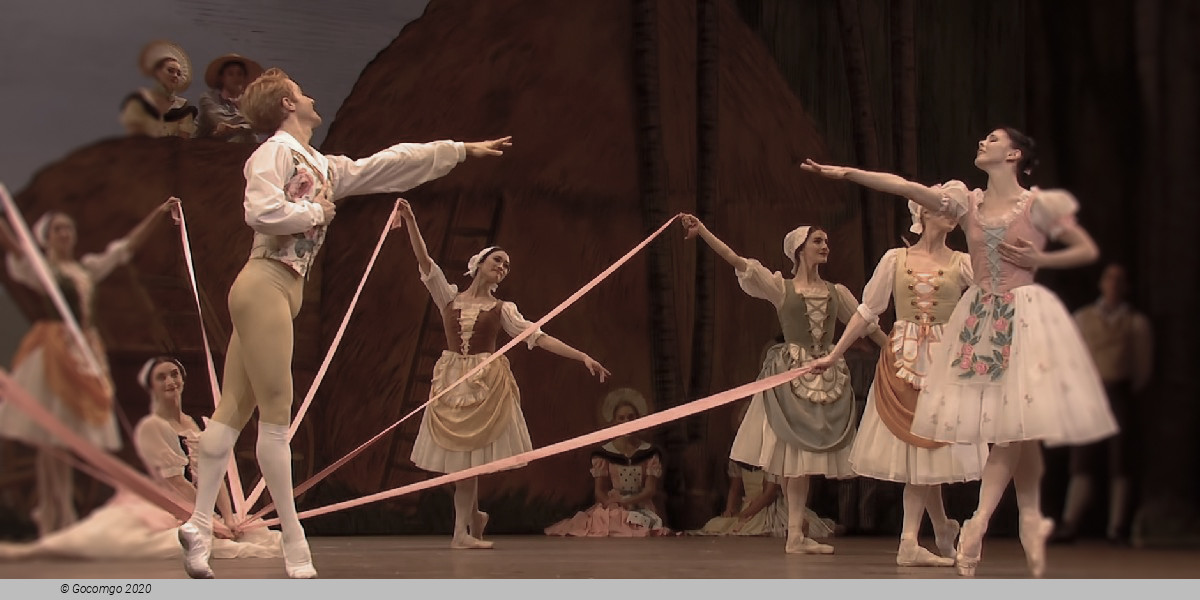
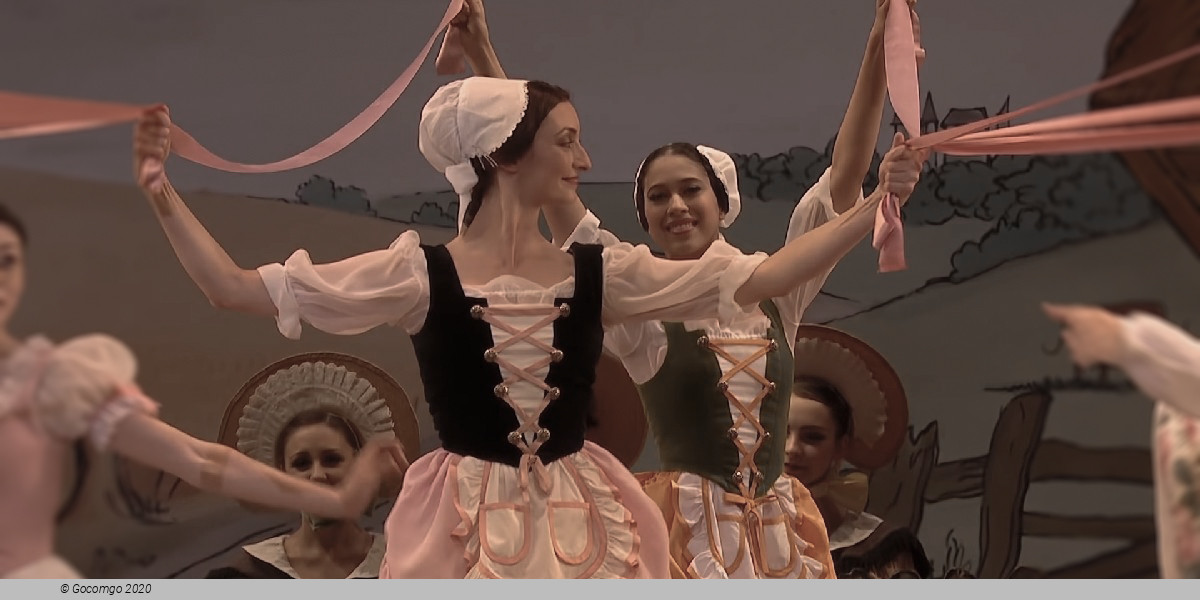
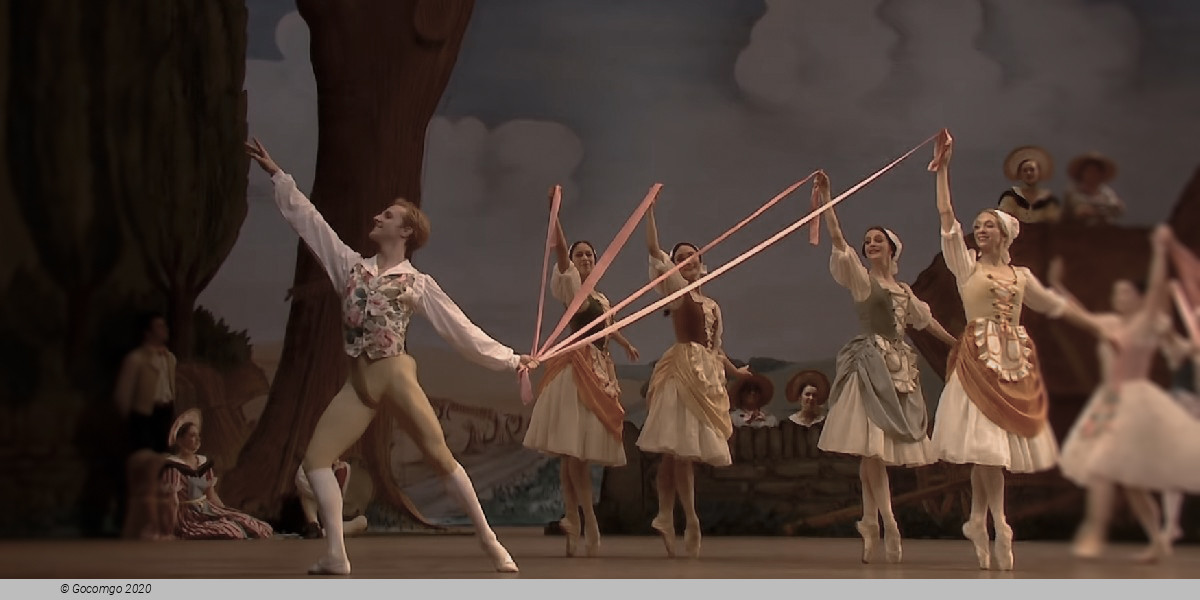
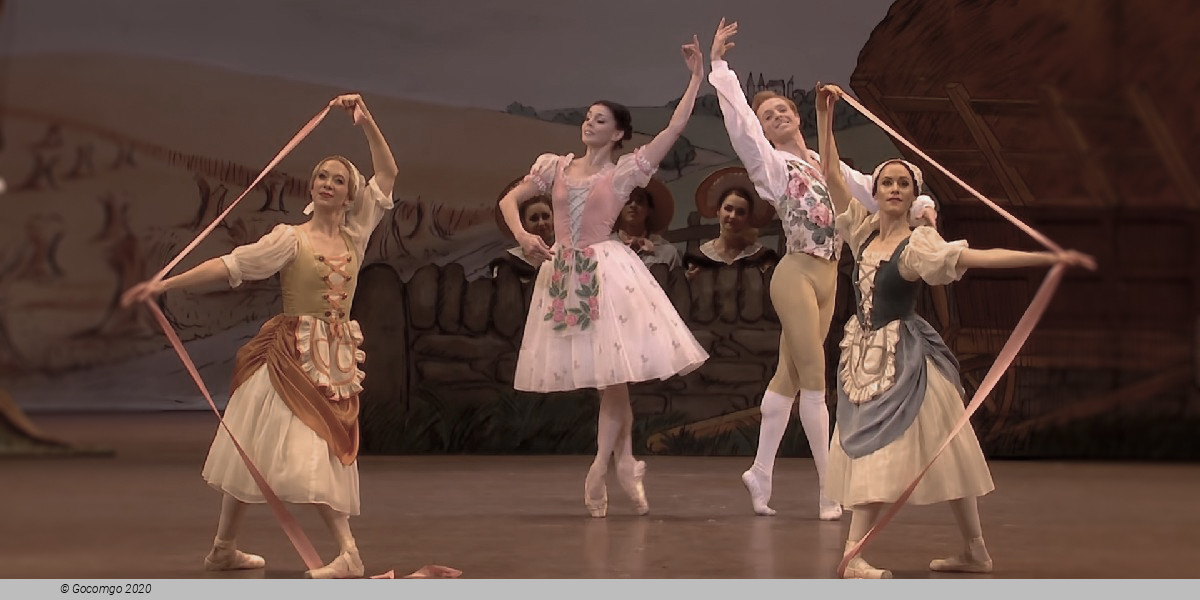
At harvest time the Widow Simone and Lise are taken to the field for a picnic lunch by Thomas and Alain. The farm workers join in a ribbon dance around a maypole, and the girls also join in a clog dance with the Widow Simone. There is a thunderstorm and everyone rushes for shelter. Alain is carried away on the wind by his open umbrella.
The Widow Simone and Lise return to their home. The widow wants Lise to sit down at the spinning wheel and spin, but Lise spins while she is up dancing, nearly strangling the widow. After a while, the widow wants Lise to dance, and Lise shows signs of unhappiness, but obliges. The widow takes a tambourine to play in time with Lise's dancing. When the widow is asleep, Lise tries to steal the key from the widow's pocket, to prevent the widow from locking her in, but is unsuccessful. The crops are brought in by the farm workers, and the widow then leaves the house (after locking the door behind her to prevent Lise from leaving the house). Lise thinks about Colas and mimes being the mother of a large number of children. To her embarrassment, Colas suddenly rises from the stacked crops. At the sound of the Widow Simone's returning to the house, Lise and Colas look around desperately for a place where he can hide. Not finding anywhere suitable in the living room, Lise takes Colas to her room, and she returns to the living room just before Widow Simone enters the house. The Widow Simone orders Lise to go to her room and put on her wedding dress for her forthcoming marriage to Alain. The horrified Lise tries to remain where she is, but the Widow Simone pushes Lise into her room and locks the door.
Thomas arrives with his son Alain (who is still clutching his umbrella). They are accompanied by a notary who is to act as witness to the marriage. The farm workers (friends of both Lise and Colas) also arrive. The Widow Simone gives Alain the key to Lise's room. When Alain unlocks the door to Lise's room, Lise appears in her wedding dress, accompanied by Colas. Thomas and Alain take offence, and the enraged Thomas tears up the marriage contract. Thomas, Alain and the notary leave the house in dudgeon. Lise and Colas then beg the Widow Simone to look favourably upon their suit. Love conquers all and the widow relents. Joyfully celebrating the happy outcome for Lise and Colas, everyone leaves, and the house is left quiet and empty, until Alain returns for his umbrella which he had accidentally left behind. So Alain is also happy with the love of his life – his umbrella.











 II. János Pál pápa tér 30