







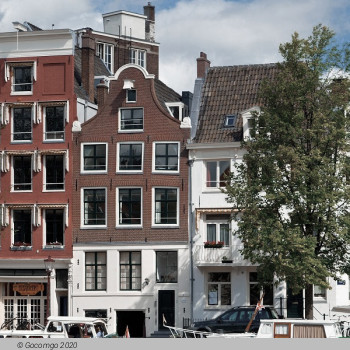


The Église de Verbier hosts morning, afternoon and evening concerts. It is the Verbier Festival’s primary venue for solo, chamber music and vocal recitals.
Timothy Ridout and Frank Dupree
Eglise de Verbier,
Verbier, Switzerland
All photos (1)
Select date and time
7:30 PM
From
US$ 102
E-tickets: Print at home or at the box office of the event if so specified. You will find more information in your booking confirmation email.
You can only select the category, and not the exact seats.
If you order 2 or 3 tickets: your seats will be next to each other.
If you order 4 or more tickets: your seats will be next to each other, or, if this is not possible, we will provide a combination of groups of seats (at least in pairs, for example 2+2 or 2+3).
Important Info
Festival: Verbier Festival 2026
Type: Classical Concert
City: Verbier, Switzerland
Starts at: 19:30
Duration: 1h 45min
E-tickets: Print at home or at the box office of the event if so specified. You will find more information in your booking confirmation email.
You can only select the category, and not the exact seats.
If you order 2 or 3 tickets: your seats will be next to each other.
If you order 4 or more tickets: your seats will be next to each other, or, if this is not possible, we will provide a combination of groups of seats (at least in pairs, for example 2+2 or 2+3).
Cast
Festival
Verbier Festival 2026
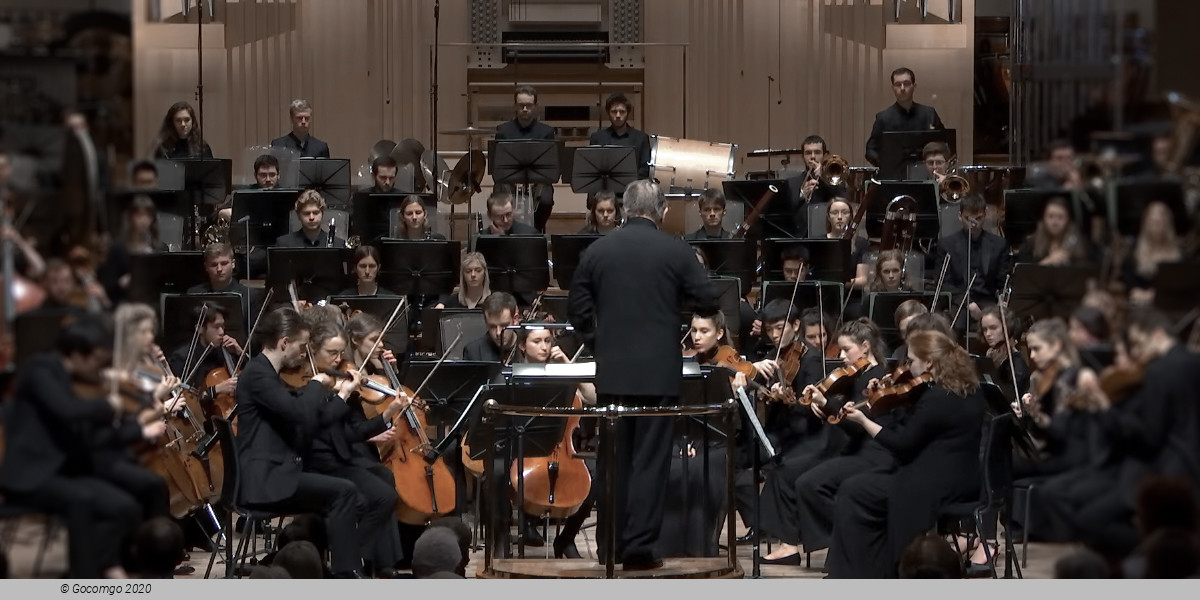
The Verbier Festival 2026 invites you to experience classical music at its most vibrant, set against the breathtaking backdrop of the Swiss Alps. Each summer, this unique gathering transforms the alpine village of Verbier into a global meeting point for the world’s finest musicians and the next generation of rising stars — a place where tradition meets discovery, and every performance feels alive with possibility.
Programme
Nahre Sol: Shadow Walkers
Johannes Brahms: Viola Sonata in E flat major, Op.120 no.2
Ernest Bloch: Suite for Viola and Piano
George Enescu: Konzertstück for Viola and Piano
Overview
Named Young Instrumentalist of the Year 2025 at the prestigious Opus Klassik Awards, Tim Ridout has established himself as the leading new figure of today’s viola world, a worthy successor to Tamestit, Umai, Bashmet and others. His recital brings together Brahms, the modernists Bloch and Enescu, and a world premiere by Nahre Sol.
The first English to win the Lionel Tertis Competition in 2016, Timothy Ridout has become an ambassador for the viola across the planet, and one of the finest representatives of the musicians of the 1990s generation. His recital will be an opportunity to discover ‘Shadow Walkers’ by the American Nahre Sol, a perfect example of an artist living with the times: a graduate of the Juilliard School, she now divides her time between her work as a pianist and her YouTube channel. The programme also includes Brahms’s Sonata in Eb, the composer’s chamber music testament. Buoyed by a serene maturity, she eschews any gratuitous virtuosity in favour of concentrating on the essentials: a sense of melodic line and harmonic depth. Ridout also sets his sights on Bloch and Enescu, two figures of modernity with very different styles: Bloch was inspired by the world of cabaret and popular Jewish melodies, while Enesco, a virtuoso violinist and teacher of Yehudi Menuhin, made the most of the instrumental richness of the viola.
Venue Info
Eglise de Verbier - Verbier
 Chemin de l’Église
Chemin de l’Église
Important Info
Festival: Verbier Festival 2026
Type: Classical Concert
City: Verbier, Switzerland
Starts at: 19:30
Duration: 1h 45min