


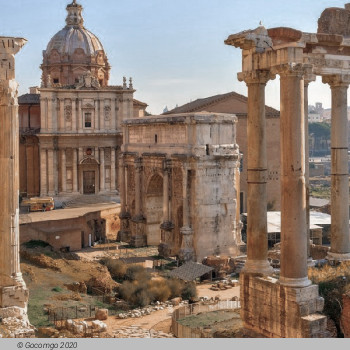
The Église de Verbier hosts morning, afternoon and evening concerts. It is the Verbier Festival’s primary venue for solo, chamber music and vocal recitals.
Bruce Liu
Eglise de Verbier,
Verbier, Switzerland
All photos (1)
Select date and time
11 AM
From
US$ 156
E-tickets: Print at home or at the box office of the event if so specified. You will find more information in your booking confirmation email.
You can only select the category, and not the exact seats.
If you order 2 or 3 tickets: your seats will be next to each other.
If you order 4 or more tickets: your seats will be next to each other, or, if this is not possible, we will provide a combination of groups of seats (at least in pairs, for example 2+2 or 2+3).
Important Info
Festival: Verbier Festival 2026
Type: Classical Concert
City: Verbier, Switzerland
Starts at: 11:00
Duration: 1h 30min
E-tickets: Print at home or at the box office of the event if so specified. You will find more information in your booking confirmation email.
You can only select the category, and not the exact seats.
If you order 2 or 3 tickets: your seats will be next to each other.
If you order 4 or more tickets: your seats will be next to each other, or, if this is not possible, we will provide a combination of groups of seats (at least in pairs, for example 2+2 or 2+3).
Cast
Creators
Composer:
Ludwig van Beethoven
Composer:
Federico Mompou
Composer:
Franz Liszt
Composer:
Frédéric Chopin
Composer:
György Ligeti
Composer:
Isaac Albéniz
Composer:
Johann Sebastian Bach
Composer:
Maurice Ravel
Festival
Verbier Festival 2026
The Verbier Festival 2026 invites you to experience classical music at its most vibrant, set against the breathtaking backdrop of the Swiss Alps. Each summer, this unique gathering transforms the alpine village of Verbier into a global meeting point for the world’s finest musicians and the next generation of rising stars — a place where tradition meets discovery, and every performance feels alive with possibility.
Programme
György Ligeti: Étude no. 4: "Fanfares"
Johann Sebastian Bach: French Suite no. 5 in G major, BWV816
Ludwig van Beethoven : Piano Sonata no. 21 in C major "Waldstein", Op.53
Frédéric Chopin: Nocturne no. 8 in D flat major, Op.27 no.2
Maurice Ravel: Miroirs: Alborada del gracioso
Federico Mompou: Glossa sobre ""Au clair de la lune"
Federico Mompou: Fantasia sobre "Au clair de la lune"
Isaac Albéniz: Iberia, Bk I: El puerto
Franz Liszt: Rhapsodie Espagnole, S 254
Overview
Since his success at the 2021 Chopin Competition in Warsaw, Bruce Liu has built an exemplary career on the world’s greatest stages. He returns to Verbier with a recital combining, alongside Bach, Liszt, and Chopin, the Spanish colors of Mompou and Albéniz.
Ligeti’s Fanfares, like Bach’s Fifth French Suite, draw on the world of dance: tango drowned in a chromatic maze for one, baroque dances with meditative or joyful accents for the other.
Beethoven composed his Waldstein Sonata on a grand piano with an extended range, concealing a highly ambitious finale beneath the guise of a nursery rhyme.
A gentle, romantic barcarolle, Chopin’s second Nocturne is a tribute to bel canto, the vocal line unfolding with unusual clarity and obviousness.
In Alborada del Gracioso, Ravel embraces his Spanish influences from the very first bars with their guitar strums. Mompou, nicknamed the “Spanish Debussy”, is not far behind. Albéniz, for his part, bases El Puerto on a Zapateado rhythm, an energetic variation of flamenco. As for Liszt, he drew on his memories of his Iberian tour to compose this exceptional Rhapsodie Espagnole, which was inspired in particular by the Follia, a Renaissance dance that gives the work the colours of ancient times.
Venue Info
Eglise de Verbier - Verbier
 Chemin de l’Église
Chemin de l’Église
Important Info
Festival: Verbier Festival 2026
Type: Classical Concert
City: Verbier, Switzerland
Starts at: 11:00
Duration: 1h 30min