







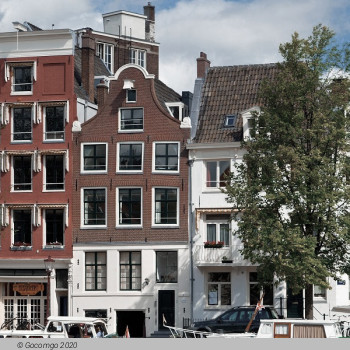

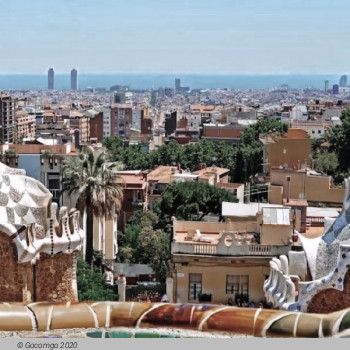

The Église de Verbier hosts morning, afternoon and evening concerts. It is the Verbier Festival’s primary venue for solo, chamber music and vocal recitals.
Rencontres Inédites III
Eglise de Verbier,
Verbier, Switzerland
All photos (1)
Select date and time
3:30 PM
From
US$ 85
E-tickets: Print at home or at the box office of the event if so specified. You will find more information in your booking confirmation email.
You can only select the category, and not the exact seats.
If you order 2 or 3 tickets: your seats will be next to each other.
If you order 4 or more tickets: your seats will be next to each other, or, if this is not possible, we will provide a combination of groups of seats (at least in pairs, for example 2+2 or 2+3).
Important Info
Festival: Verbier Festival 2026
Type: Classical Concert
City: Verbier, Switzerland
Starts at: 15:30
Duration: 1h 15min
E-tickets: Print at home or at the box office of the event if so specified. You will find more information in your booking confirmation email.
You can only select the category, and not the exact seats.
If you order 2 or 3 tickets: your seats will be next to each other.
If you order 4 or more tickets: your seats will be next to each other, or, if this is not possible, we will provide a combination of groups of seats (at least in pairs, for example 2+2 or 2+3).
Cast
Festival
Verbier Festival 2026
The Verbier Festival 2026 invites you to experience classical music at its most vibrant, set against the breathtaking backdrop of the Swiss Alps. Each summer, this unique gathering transforms the alpine village of Verbier into a global meeting point for the world’s finest musicians and the next generation of rising stars — a place where tradition meets discovery, and every performance feels alive with possibility.
Programme
Igor Raykhelson: Piano Quintet no. 2 in E-flat minor
Johannes Brahms: Piano Quartet no. 1 in G minor, Op.25
Overview
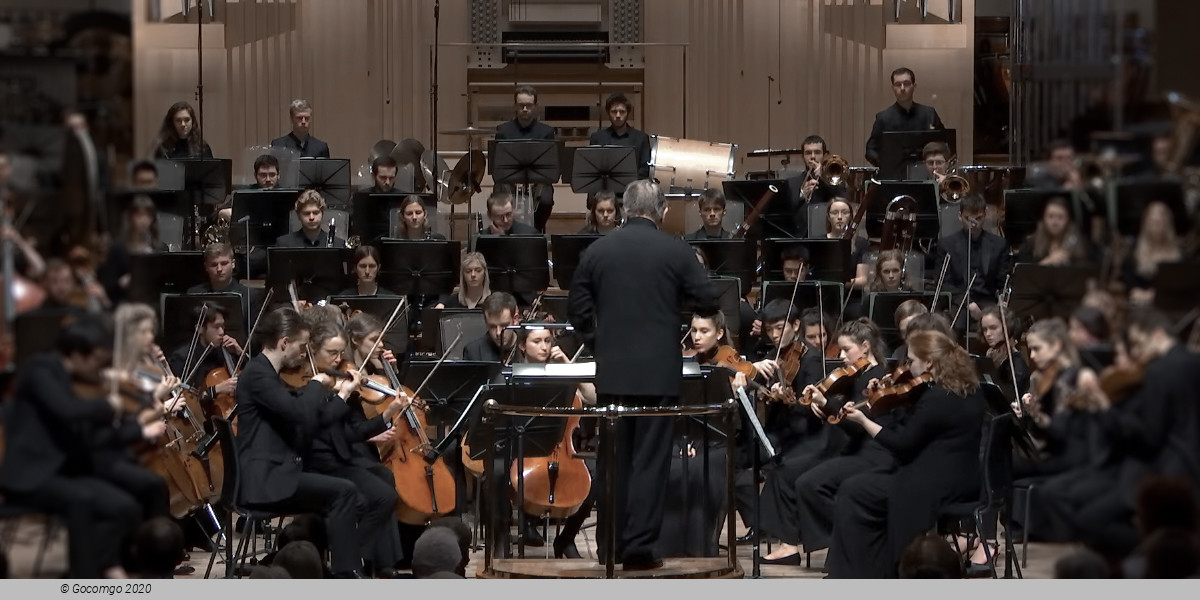
The exploration of music by the Russian-born American composer Igor Raykhelson continues following the success of his Quartet in 2025. This year, top chamber musicians come together to present the Piano Quintet. In the second half, Brahms’s flamboyant Piano Quartet No. 1 will be performed, featuring the extraordinary Nobuyuki Tsujii at the piano.
Last year, Marc Bouchkov, Máté Szücs, Bryan Cheng and Julien Quentin enjoyed great success at the Verbier Festival with the Quartet by Igor Raykhelson, a composer whose destiny mirrored his music: highly unusual. After studying classical piano and jazz at the Leningrad Conservatory, he emigrated to the United States, where his music, praised by none other than Gramophone Magazine, is championed by performers of the calibre of Yuri Bashmet. Like Gershwin in his day, Raykhelson’s music, playful and sophisticated, intertwines the multiplicity of his heritage, between jazz and the great classical repertoire, the Old and New Worlds.
Brahms’ flamboyant First Piano Quartet combines tempestuous romanticism with an almost symphonic musical architecture. The second movement, both tender and mischievous, is based on the ‘Clara motif’, which Schumann was so fond of. Meanwhile, the exuberant Finale, inspired by gypsy music, remains one of the composer’s most famous works to this day.
Venue Info
Eglise de Verbier - Verbier
 Chemin de l’Église
Chemin de l’Église
Important Info
Festival: Verbier Festival 2026
Type: Classical Concert
City: Verbier, Switzerland
Starts at: 15:30
Duration: 1h 15min