
Concertgebouw 11 January 2020 - Monteverdi`s opera L`Orfeo | GoComGo.com

Monteverdi`s opera L`Orfeo

Concertgebouw, Main Hall, Amsterdam, Netherlands
All photos (9)
Select date and time
1:30 PM
Request for Tickets
Important Info
Type: Opera
City: Amsterdam, Netherlands
Starts at: 13:30
Intervals: 1
Duration:

E-tickets: Print at home or at the box office of the event if so specified. You will find more information in your booking confirmation email.

You can only select the category, and not the exact seats.
If you order 2 or 3 tickets: your seats will be next to each other.
If you order 4 or more tickets: your seats will be next to each other, or, if this is not possible, we will provide a combination of groups of seats (at least in pairs, for example 2+2 or 2+3).

Overview

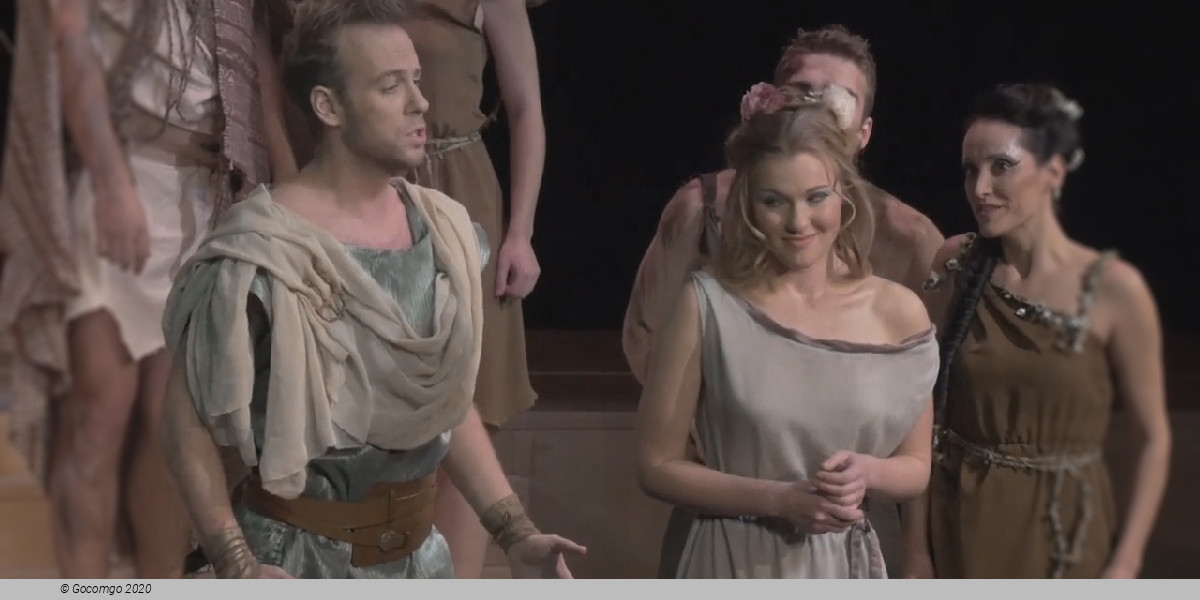
Written over 400 years ago, Monteverdi's L'Orfeo is considered the very first opera. In the hands of conductor Leonardo García Alarcón, it will sound as fresh and dramatic as when it premiered in 1607.

Organiser: Saturday Matinee

An unforgettable musical experience

The Concertgebouw’s famous Main Hall is one of the best concert halls in the world, well-known for its exceptional acoustics and special atmosphere. In the Main Hall, you will feel history. Here, Gustav Mahler conducted his own compositions, as did Richard Strauss and Igor Stravinsky. Sergei Rachmaninoff played his own piano concertos in the Main Hall. This is also where musicians such as Leonard Bernstein, Vladimir Horowitz and Yehudi Menuhin gave legendary performances. Right up to now, the Main Hall offers a stage to the world’s best orchestras and musicians. Buy your tickets now and experience the magic of the Main Hall for yourself!

History
Premiere of this production: 24 February 1607, Carnival season Mantua

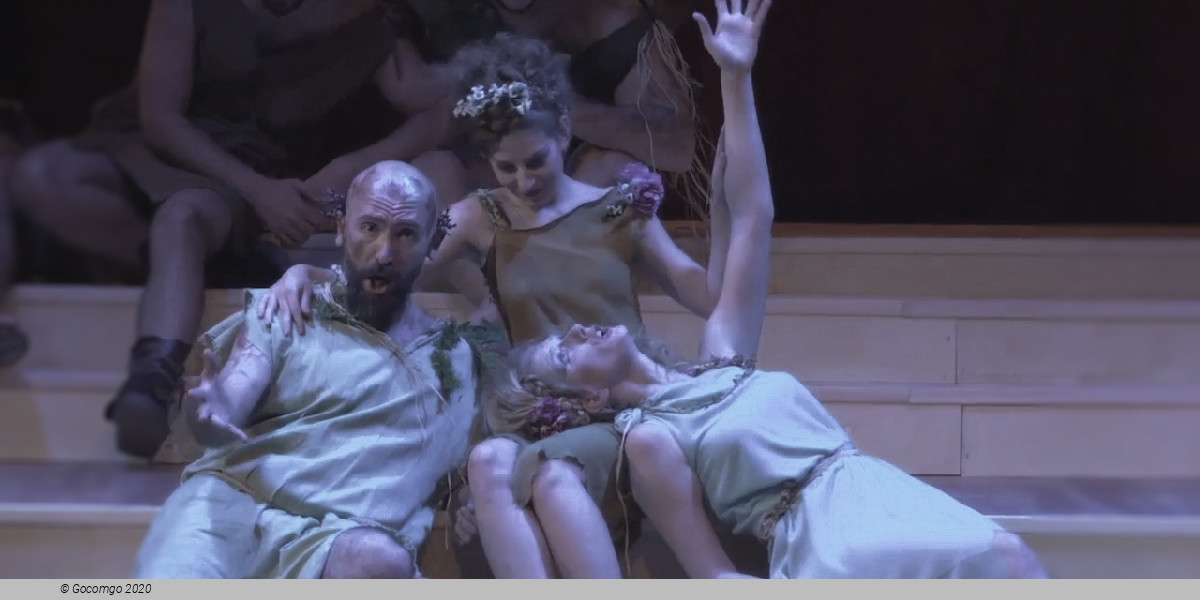
L'Orfeo is a late Renaissance/early Baroque favola in musica, or opera, by Claudio Monteverdi, with a libretto by Alessandro Striggio. It is based on the Greek legend of Orpheus, and tells the story of his descent to Hades and his fruitless attempt to bring his dead bride Eurydice back to the living world. It was written in 1607 for a court performance during the annual Carnival at Mantua. While Jacopo Peri's Dafne is generally recognised as the first work in the opera genre, and the earliest surviving opera is Peri's Euridice, L'Orfeo is the earliest that is still regularly performed.

Synopsis

The action takes place in two contrasting locations: the fields of Thrace (acts 1, 2 and 5) and the Underworld (acts 3 and 4). An instrumental toccata (English: "tucket", meaning a flourish on trumpets) precedes the entrance of La musica, representing the "spirit of music", who sings a prologue of five stanzas of verse. After a gracious welcome to the audience she announces that she can, through sweet sounds, "calm every troubled heart." She sings a further paean to the power of music, before introducing the drama's main protagonist, Orfeo, who "held the wild beasts spellbound with his song".

Act 1

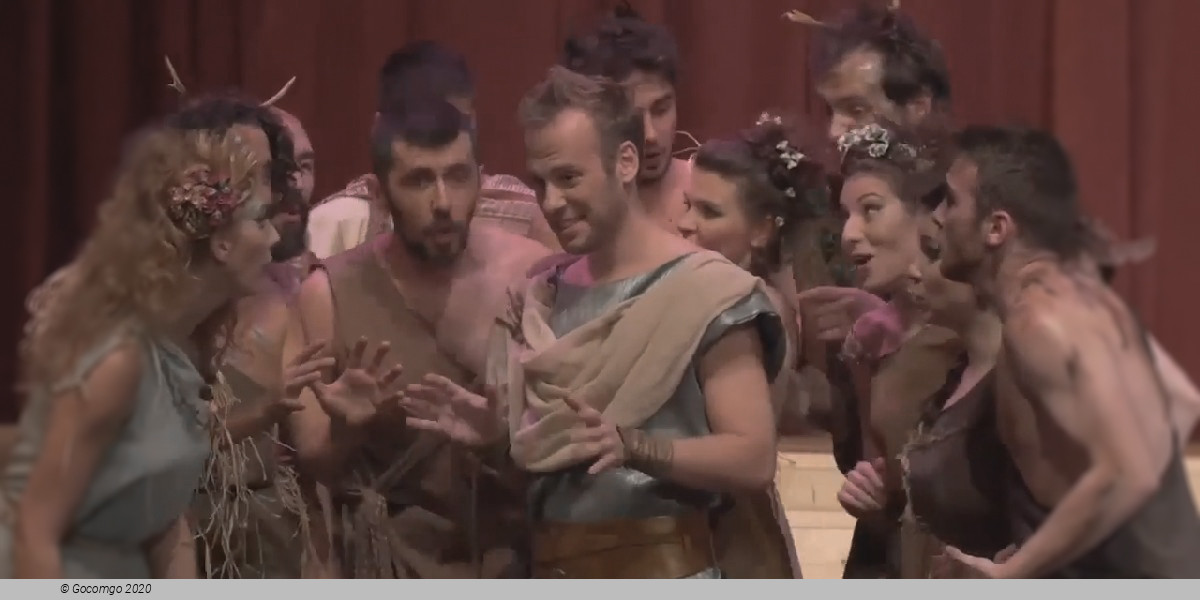
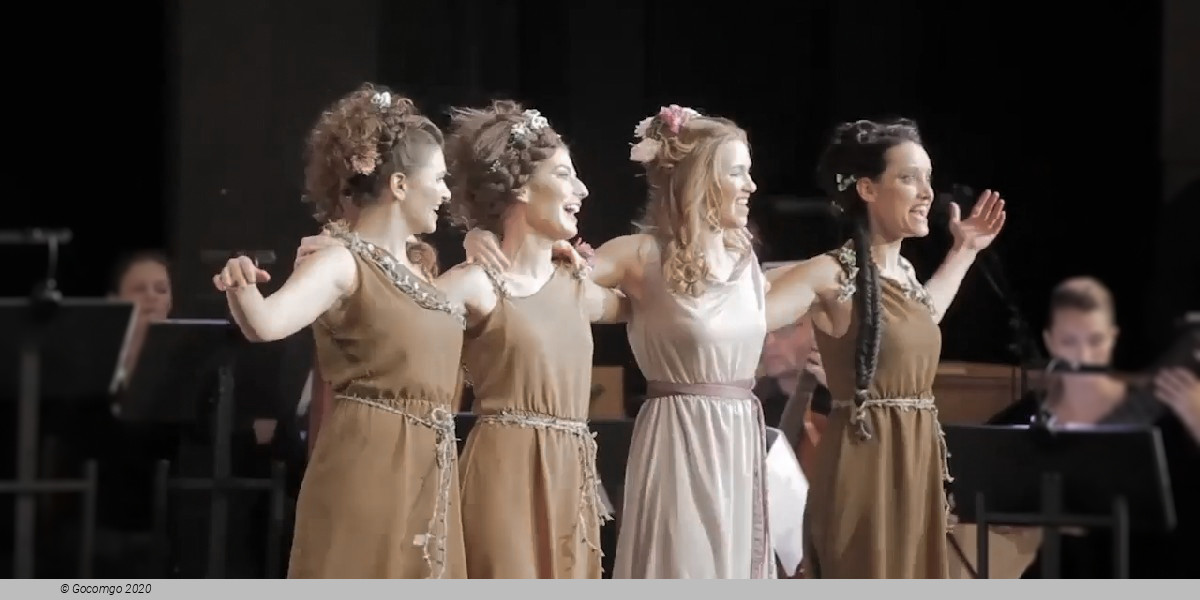
After La musica's final request for silence, the curtain rises on act 1 to reveal a pastoral scene. Orfeo and Euridice enter together with a chorus of nymphs and shepherds, who act in the manner of a Greek chorus, commenting on the action both as a group and as individuals. A shepherd announces that this is the couple's wedding day; the chorus responds, first in a stately invocation ("Come, Hymen, O come") and then in a joyful dance ("Leave the mountains, leave the fountains"). Orfeo and Euridice sing of their love for each other before leaving with most of the group for the wedding ceremony in the temple. Those left on stage sing a brief chorus, commenting on how Orfeo used to be one "for whom sighs were food and weeping was drink" before love brought him to a state of sublime happiness.

Act 2

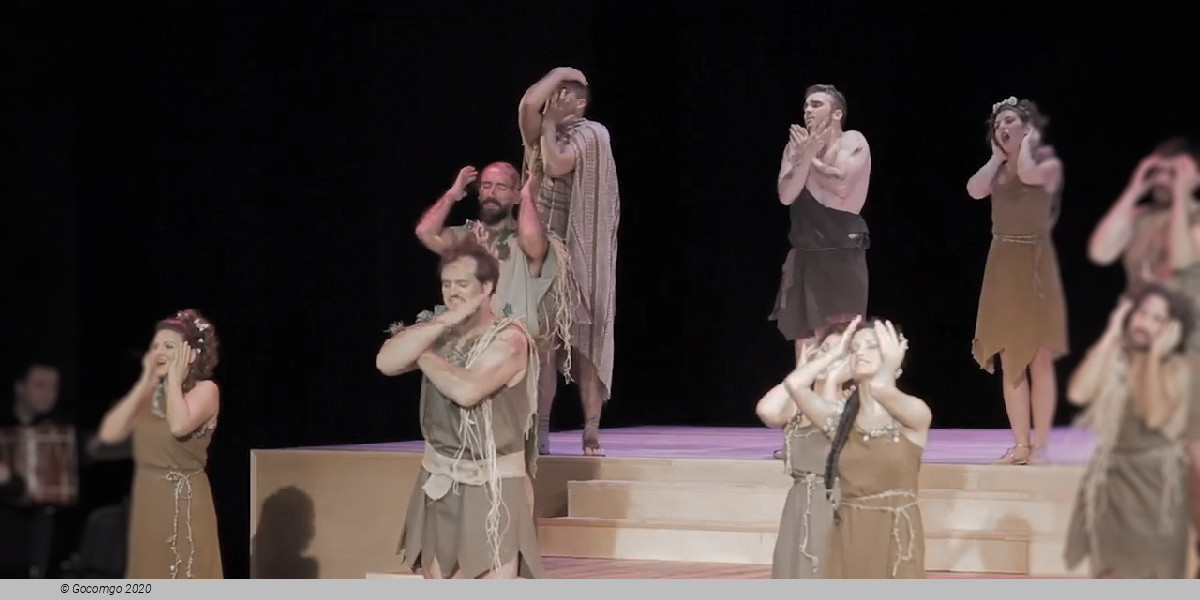
Orfeo returns with the main chorus, and sings with them of the beauties of nature. Orfeo then muses on his former unhappiness, but proclaims: "After grief one is more content, after pain one is happier". The mood of contentment is abruptly ended when La messaggera enters, bringing the news that, while gathering flowers, Euridice has received a fatal snakebite. The chorus expresses its anguish: "Ah, bitter happening, ah, impious and cruel fate!", while the Messaggera castigates herself as the bearing of bad tidings ("For ever I will flee, and in a lonely cavern lead a life in keeping with my sorrow"). Orfeo, after venting his grief and incredulity ("Thou art dead, my life, and I am breathing?"), declares his intention to descend into the Underworld and persuade its ruler to allow Euridice to return to life. Otherwise, he says, "I shall remain with thee in the company of death". He departs, and the chorus resumes its lament.

Act 3

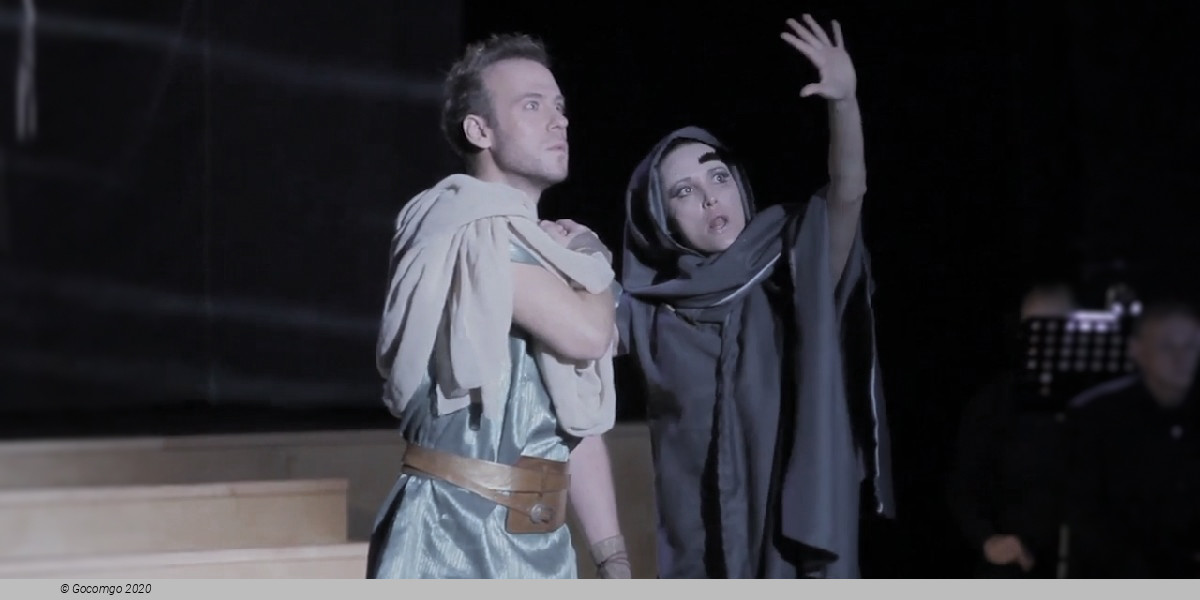
Orfeo is guided by Speranza to the gates of Hades. Having pointed out the words inscribed on the gate ("Abandon hope, all ye who enter here"), Speranza leaves. Orfeo is now confronted with the ferryman Caronte, who addresses Orfeo harshly and refuses to take him across the river Styx. Orfeo attempts to persuade Caronte by singing a flattering song to him ("Mighty spirit and powerful divinity"), but the ferryman is unmoved. However, when Orfeo takes up his lyre and plays, Caronte is soothed into sleep. Seizing his chance, Orfeo steals the ferryman's boat and crosses the river, entering the Underworld while a chorus of spirits reflects that nature cannot defend herself against man: "He has tamed the sea with fragile wood, and disdained the rage of the winds."

Act 4

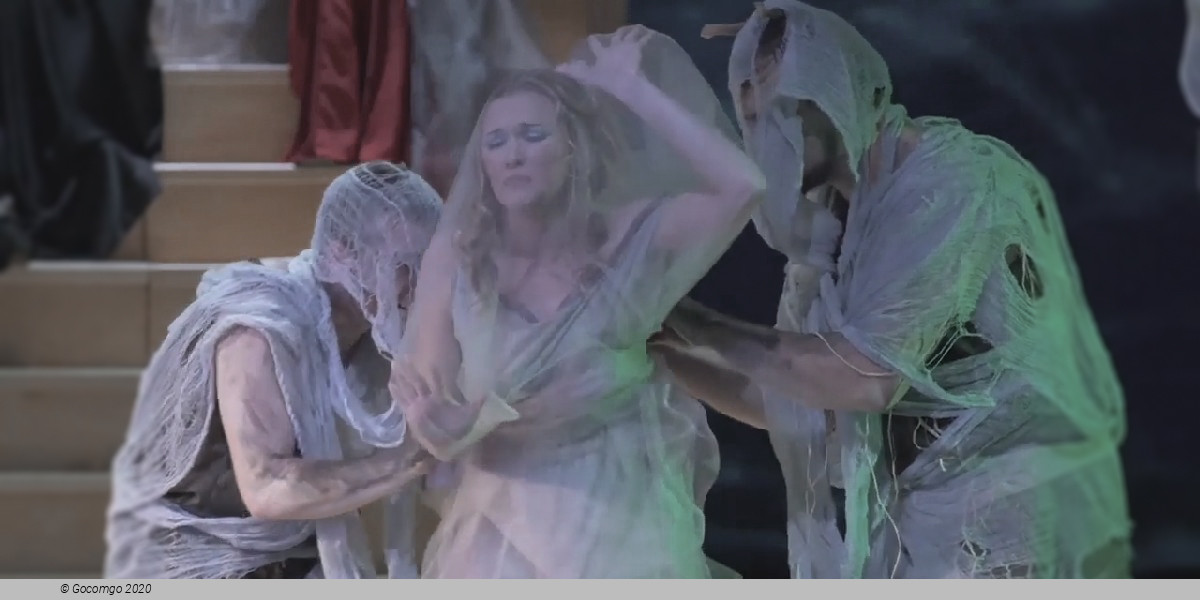
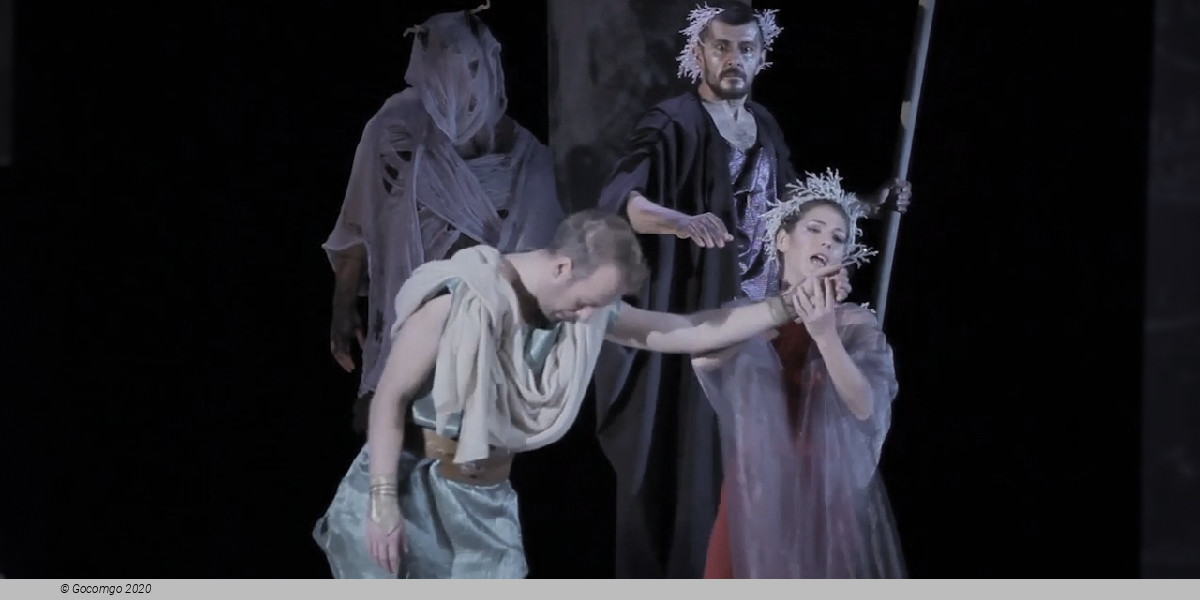
In the Underworld, Proserpina, Queen of Hades, who has been deeply affected by Orfeo's singing, petitions King Plutone, her husband, for Euridice's release. Moved by her pleas, Plutone agrees on the condition that, as he leads Euridice towards the world, Orfeo must not look back. If he does, "a single glance will condemn him to eternal loss". Orfeo enters, leading Euridice and singing confidently that on that day he will rest on his wife's white bosom. But as he sings a note of doubt creeps in: "Who will assure me that she is following?". Perhaps, he thinks, Plutone, driven by envy, has imposed the condition through spite? Suddenly distracted by an off-stage commotion, Orfeo looks round; immediately, the image of Euridice begins to fade. She sings, despairingly: "Losest thou me through too much love?" and disappears. Orfeo attempts to follow her but is drawn away by an unseen force. The chorus of spirits sings that Orfeo, having overcome Hades, was in turn overcome by his passions.

Act 5

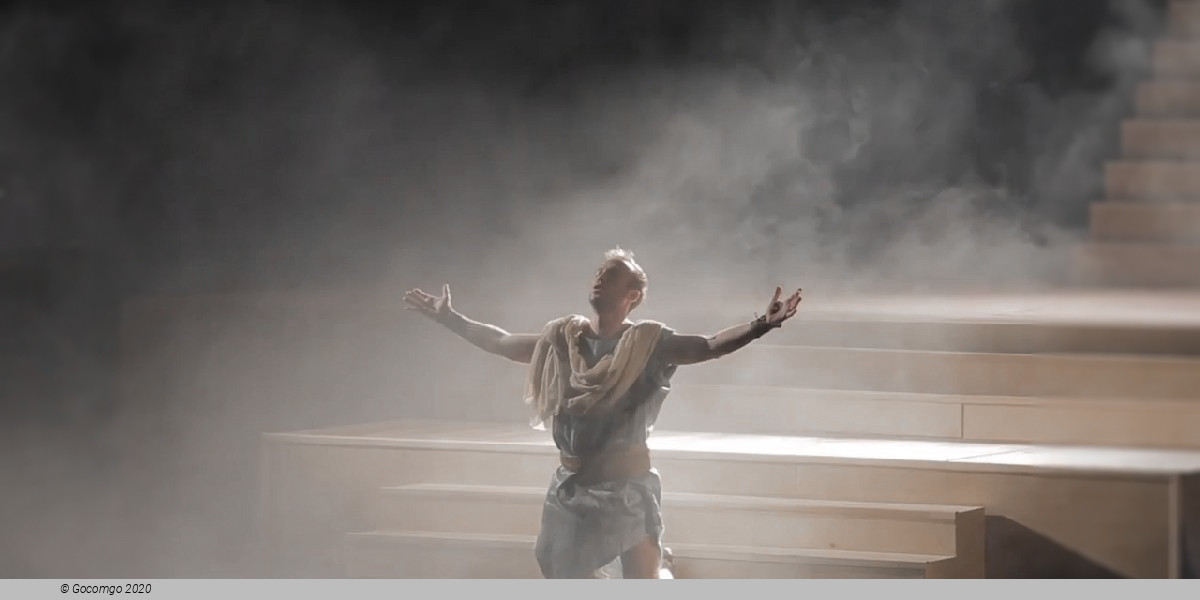
Back in the fields of Thrace, Orfeo has a long soliloquy in which he laments his loss, praises Euridice's beauty and resolves that his heart will never again be pierced by Cupid's arrow. An off-stage echo repeats his final phrases. Suddenly, in a cloud, Apollo descends from the heavens and chastises him: "Why dost thou give thyself up as prey to rage and grief?" He invites Orfeo to leave the world and join him in the heavens, where he will recognise Euridice's likeness in the stars. Orfeo replies that it would be unworthy not to follow the counsel of such a wise father, and together they ascend. A shepherds' chorus concludes that "he who sows in suffering shall reap the fruit of every grace", before the opera ends with a vigorous moresca.

Original libretto ending

In Striggio's 1607 libretto, Orfeo's act 5 soliloquy is interrupted, not by Apollo's appearance but by a chorus of maenads or Bacchantes—wild, drunken women—who sing of the "divine fury" of their master, the god Bacchus. The cause of their wrath is Orfeo and his renunciation of women; he will not escape their heavenly anger, and the longer he evades them the more severe his fate will be. Orfeo leaves the scene and his destiny is left uncertain, as the Bacchantes devote themselves for the rest of the opera to wild singing and dancing in praise of Bacchus. The early music authority Claude Palisca believes that the two endings are not incompatible; Orfeo might evade the fury of the Bacchantes and be rescued by Apollo. However, this alternative ending in any case nearer to original classic myth, where the Bacchantes also appear, but it is made explicit that they torture him to his death, followed by reunion as a shade with Euridice but no apotheosis nor any interaction with Apollo.

Venue Info

Concertgebouw - Amsterdam
Location   Concertgebouwplein 10

The Royal Concertgebouw is a concert hall in Amsterdam, Netherlands. The Dutch term "concertgebouw" literally translates into English as "concert building". On 11 April 2013, on occasion of the building's 125th anniversary, Queen Beatrix bestowed the Royal Title "Koninklijk" upon the building, as she did previously (in 1988) to the Royal Concertgebouw Orchestra. Because of its highly regarded acoustics, the Concertgebouw is considered one of the finest concert halls in the world, along with places such as Boston's Symphony Hall and the Musikverein in Vienna.

The architect of the building was Adolf Leonard van Gendt, who was inspired by the Gewandhaus in Leipzig, built two years earlier (and destroyed in 1943).

Construction began in 1883 in a pasture that was then outside the city, in Nieuwer-Amstel, a municipality that in 1964 became Amstelveen. A total of 2,186 piles of length twelve to thirteen metres (40 to 43 ft) were sunk into the soil. The Concertgebouw was completed in late 1886, however due to the difficulties with the municipality of Nieuwer-Amstel - filling in a small canal, paving the access roads and installing street lights - the grand opening of the building was delayed.

The hall opened on 11 April 1888 with an inaugural concert, in which an orchestra of 120 musicians and a chorus of 500 singers participated, performing works of Wagner, Handel, Bach, and Beethoven. The resident orchestra of the Concertgebouw is the Royal Concertgebouw Orchestra (Koninklijk Concertgebouworkest), which gave its first concert in the hall on 3 November 1888, as the Concertgebouw Orchestra (Concertgebouworkest). For many decades the Netherlands Philharmonic Orchestra and the Radio Filharmonisch Orkest have also been regular performers in the Concertgebouw.

The Main Hall (Grote Zaal) seats 1,974, and is 44 metres (144 ft) long, 28 metres (92 ft) wide, and 17 metres (56 ft) high. Its reverberation time is 2.8 seconds without audience, 2.2 seconds with, making it ideal for the late Romantic repertoire such as Mahler. Although this characteristic makes it largely unsuited for amplified music, groups such as Led Zeppelin, Pink Floyd and The Who did perform there in the 1960s. It hosts not only orchestral and operatic performances, but also jazz and world music.

A smaller, oval-shaped venue, the Recital Hall (Kleine Zaal), is located behind the Main Hall. The Recital Hall is 20 metres (66 ft) long and 15 metres (50 ft) wide. Its more intimate space is well-suited for chamber music and Lieder. The Recital Hall has 437 seats.

When the Concertgebouw was built, acoustics were something of a black art. As in shipbuilding, designers drew upon what had worked in the past without entirely understanding the underlying science. When the building was completed, the acoustics were not perfect, and a lot of effort went into fine-tuning the aural ambience. During later restorations, particular care has been taken not to alter the materials used for interior decoration with this in mind.

In 1983, the Concertgebouw was found to be sinking into the damp Amsterdam earth, with several inch-wide cracks appearing in the walls, so the hall embarked on extensive fundraising for renovations. Its difficult emergency restoration started in 1985, during which the 2,186 rotting wooden pilings were replaced with concrete pillars. Pi de Bruijn, Dutch architect designed a modern annex for a new entrance and a basement to replace cramped dressing and rehearsal space.

Today, some nine hundred concerts and other events per year take place in the Concertgebouw, for a public of over 700,000, making it one of the most-visited concert halls in the world.

As of February 2014, the managing director of the Concertgebouw is Simon Reinink and the artistic director is Anneke Hogenstijn.

The organ was built in 1890 by the organ builder Michael Maarschalkerweerd from Utrecht, and was renovated in the years 1990 to 1993 by the organ builder Flentrop. It has 60 registers on three divisions and pedal.

Important Info
Type: Opera
City: Amsterdam, Netherlands
Starts at: 13:30
Intervals: 1
Duration:
Top of page