








Zurich Opera House 25 June 2023 - Les Pêcheurs de perles | GoComGo.com

Les Pêcheurs de perles

Zurich Opera House, Zurich, Switzerland
All photos (9)
Select date and time
1 PM

E-tickets: Print at home or at the box office of the event if so specified. You will find more information in your booking confirmation email.

You can only select the category, and not the exact seats.
If you order 2 or 3 tickets: your seats will be next to each other.
If you order 4 or more tickets: your seats will be next to each other, or, if this is not possible, we will provide a combination of groups of seats (at least in pairs, for example 2+2 or 2+3).

Important Info
Type: Opera
City: Zurich, Switzerland
Starts at: 13:00
Acts: 3
Intervals: 1
Duration: 2h 30min
Sung in: French
Titles in: German,English

E-tickets: Print at home or at the box office of the event if so specified. You will find more information in your booking confirmation email.

You can only select the category, and not the exact seats.
If you order 2 or 3 tickets: your seats will be next to each other.
If you order 4 or more tickets: your seats will be next to each other, or, if this is not possible, we will provide a combination of groups of seats (at least in pairs, for example 2+2 or 2+3).

Overview

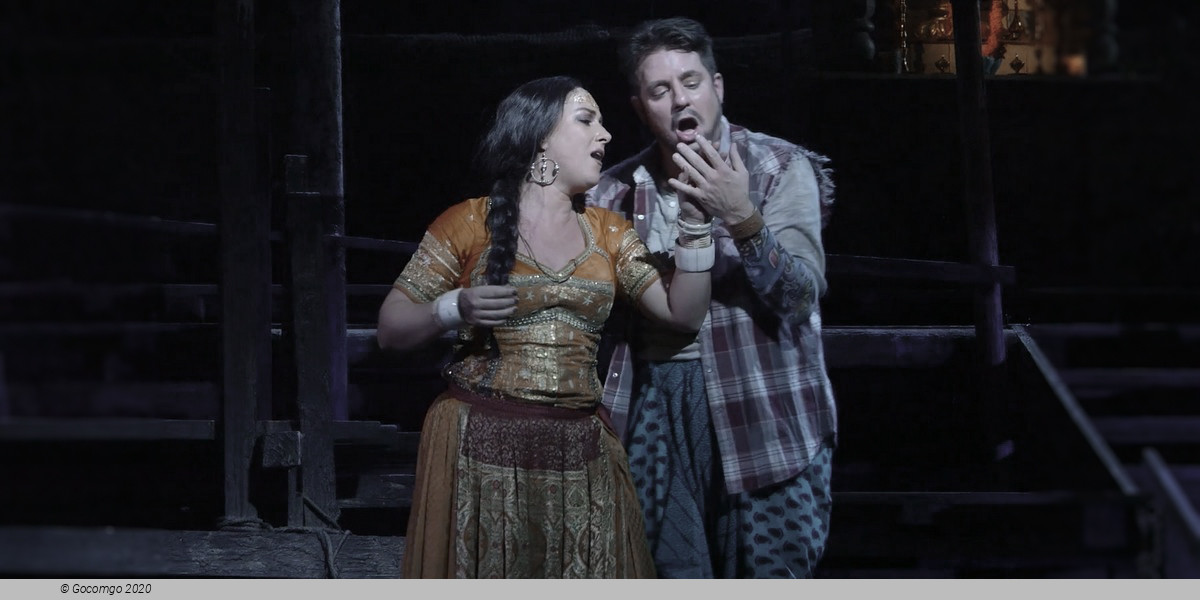
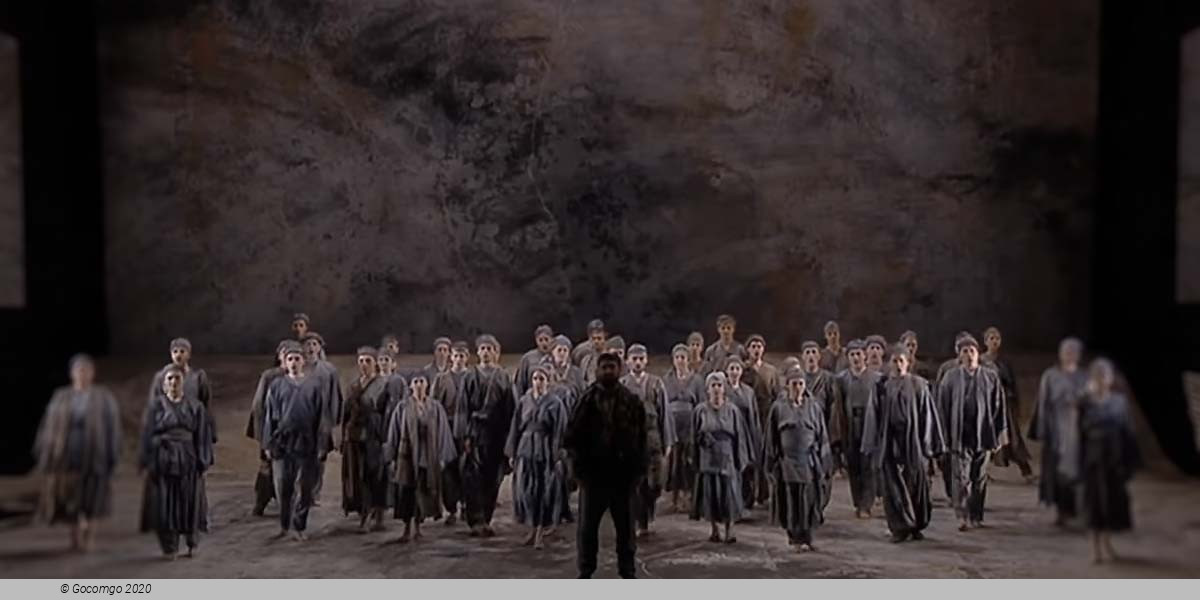
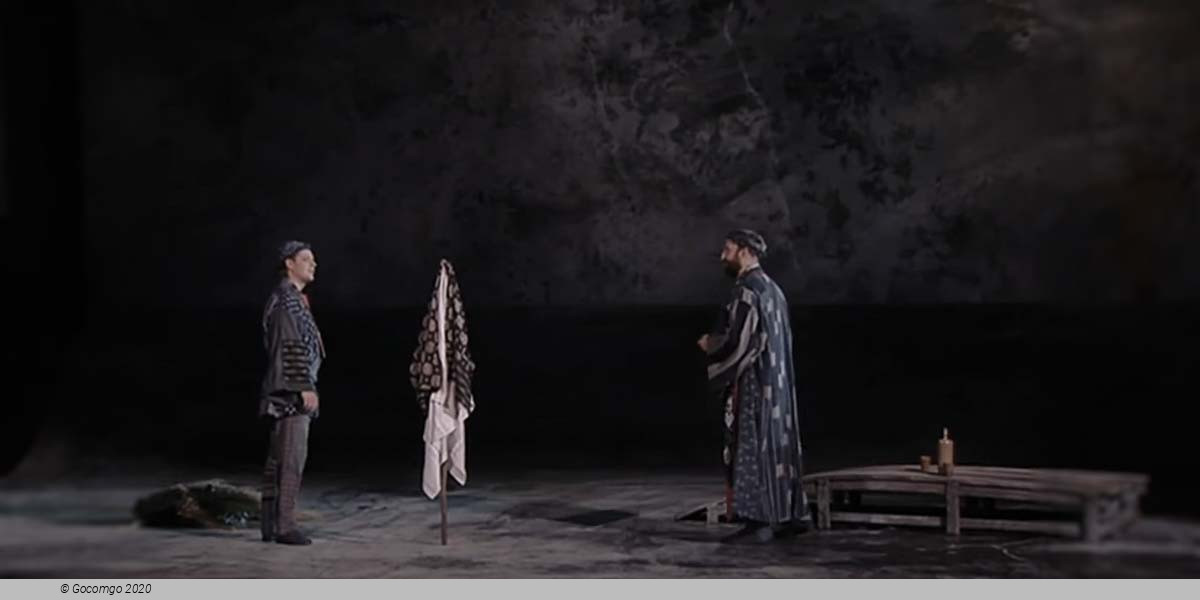
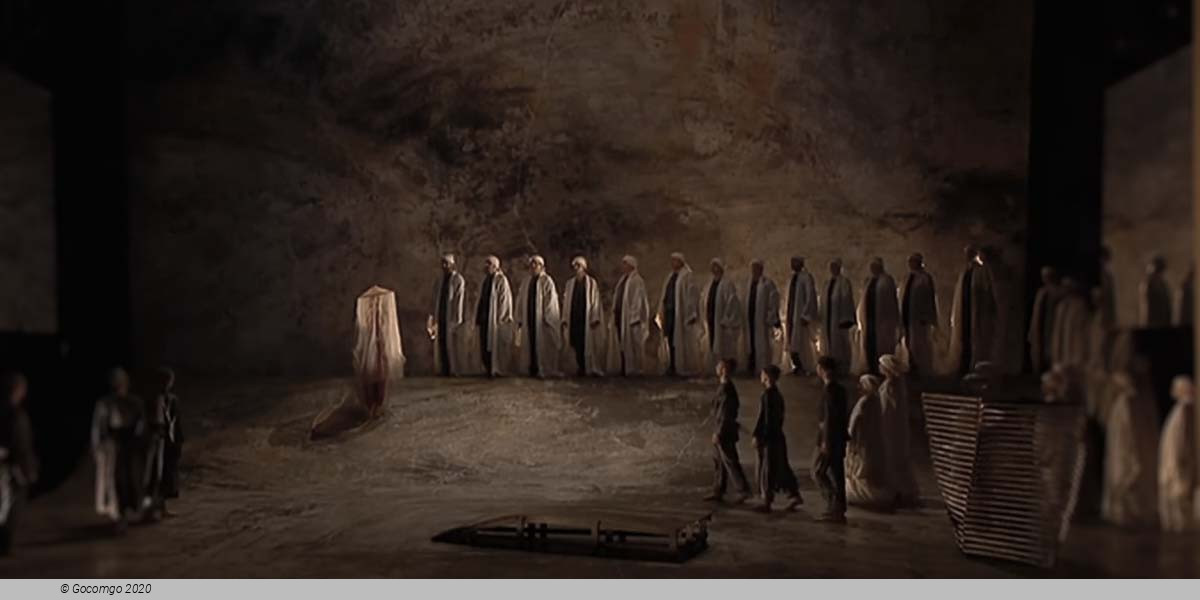
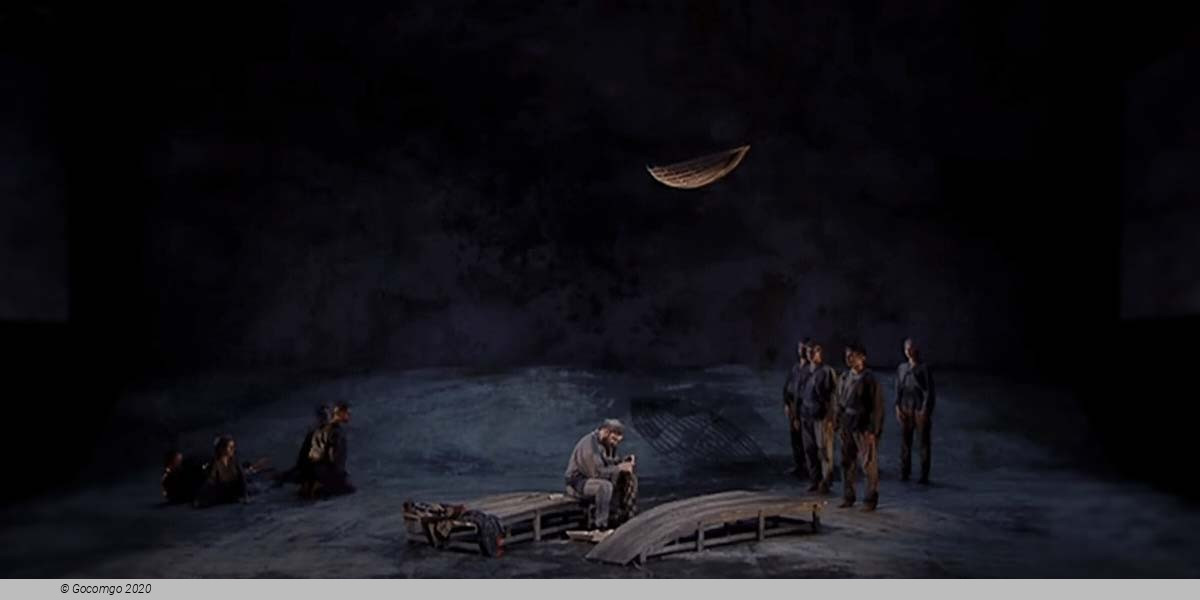
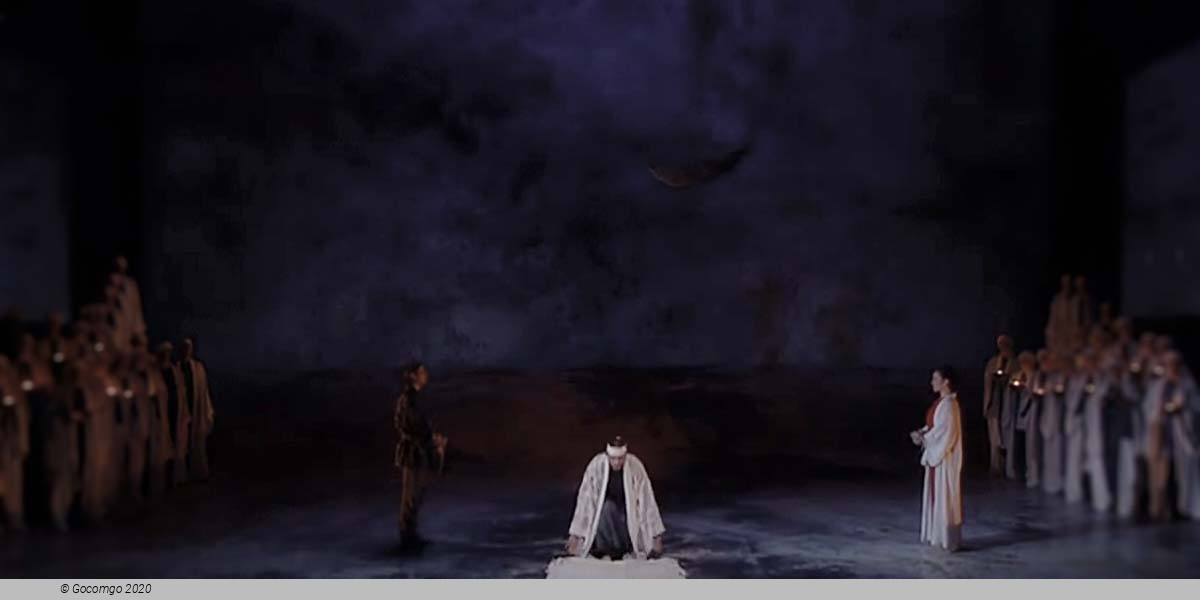
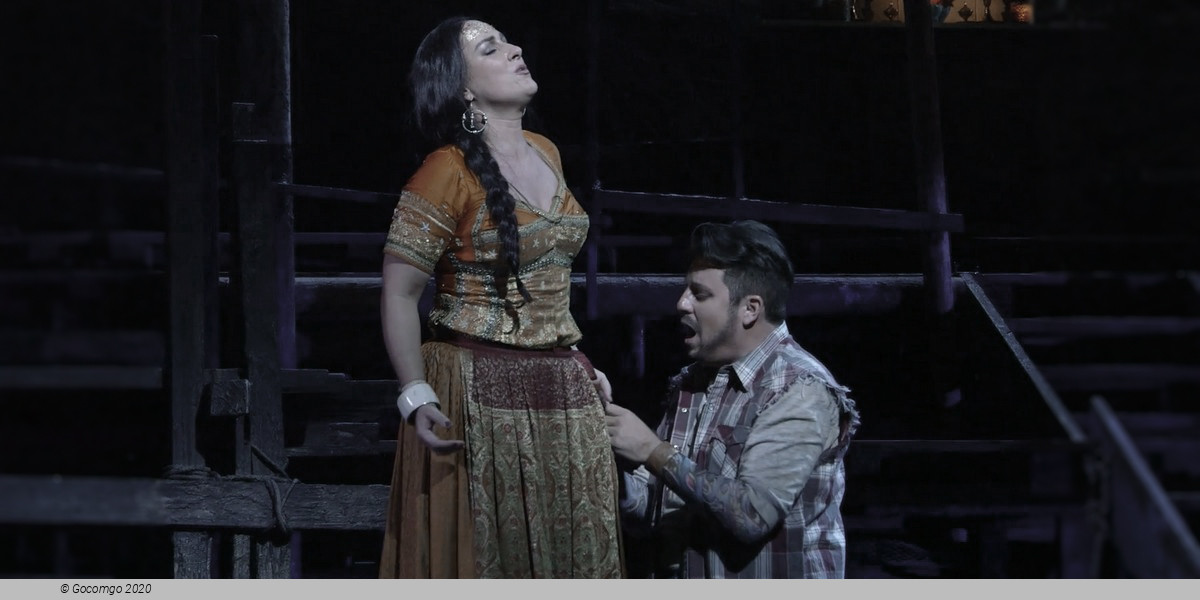
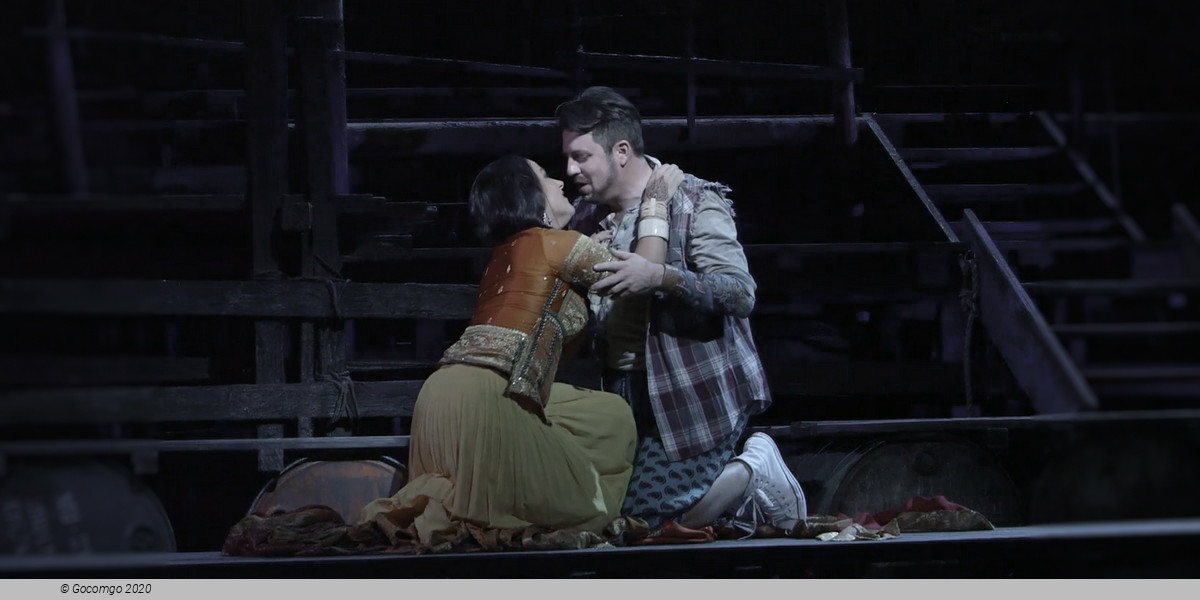
This successful production by Jens-Daniel Herzog forgoes exotic South Sea charm, instead taking a critical view of a social order that is based on oppression. The pearl fishers slave away on the lower decks of a steamer – while the gentlemen rule from their cabins.

This revival brings a reunion with internationally-celebrated Mexican tenor Javier Camarena. His bel canto voice, trained on Mozart, perfectly suits the French elegance and lyrical sensitivity demanded by the role of Nadir in Georges Bizet’s Pearl Fishers. Russian singer Alexey Markov, a member of the ensemble at St. Petersburg’s Mariinsky Theater and no stranger to Zurich audiences, will bow as Nadir’s childhood friend Zurga. And soprano Ekaterina Bakanova, whose Antonia in Offenbach’s Les Contes d’Hoffmann perked up audience’s ears at her last appearance at the Opernhaus Zürich, will play Leïla.

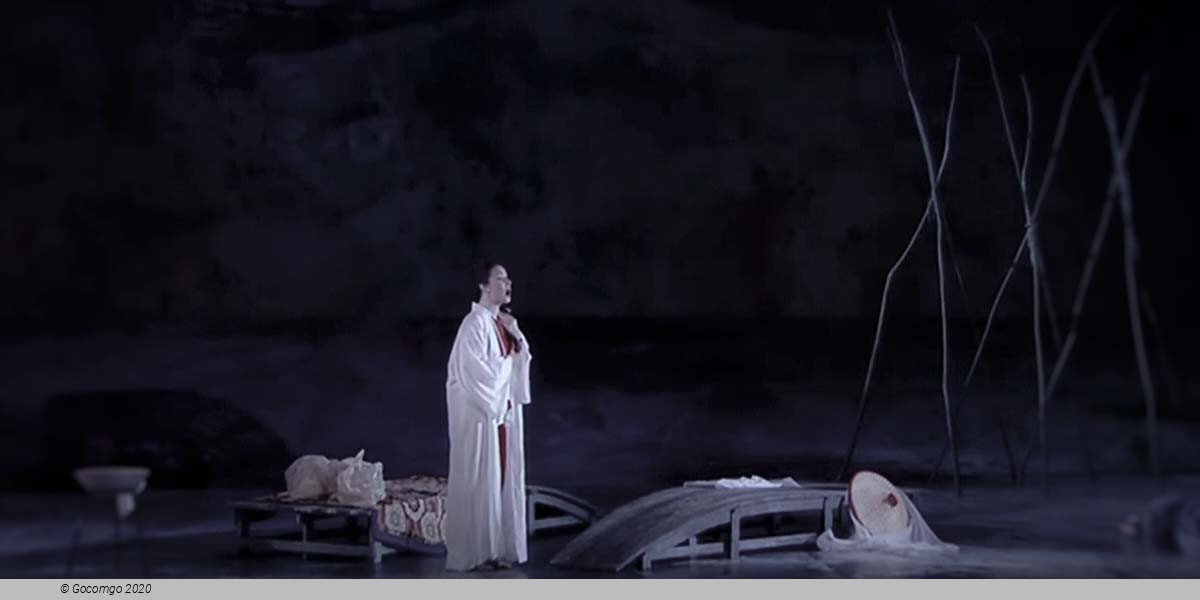
The opera’s ill-fated love triangle plays out amid the dangerous world of pearl fishing. Nadir and Zurga once loved the same woman but renounced their love out of friendship for one another. Now, years later, they meet again. Then, a veiled woman arrives. The two friends believe she is just another priestess whose prayers protect the fishermen, but she is revealed as Leïla, the "goddess" from the temple whom Nadir never forgot. She returns his love, breaking her sacred oath, leaving both in mortal danger. Audiences initially welcomed this opera from the then-24-year-old Georges Bizet, but the critics weren’t convinced. One exception was Hector Berlioz, who found that the score did Bizet "a great honor". The opera is indeed one of the best examples from the era of the Théâtre Lyrique in Paris. Alongside favorites such as Nadir’s Romance, or the Friendship Duet, the rousing choruses of the fishermen never fail to captivate audiences. Bizet sensitively shapes his characters’ spiritual hardships.

History
Premiere of this production: 30 September 1863, Théâtre Lyrique, Paris

Les pêcheurs de perles (The Pearl Fishers) is an opera in three acts by the French composer Georges Bizet, to a libretto by Eugène Cormon and Michel Carré. It was premiered on 30 September 1863 at the Théâtre Lyrique in Paris, and was given 18 performances in its initial run. Set in ancient times on the island of Ceylon (Sri Lanka), the opera tells the story of how two men's vow of eternal friendship is threatened by their love for the same woman, whose own dilemma is the conflict between secular love and her sacred oath as a priestess. The friendship duet "Au fond du temple saint", generally known as "The Pearl Fishers Duet", is one of the best-known in Western opera.

Synopsis

Place: Ceylon
Time: Ancient times

Act 1
The scene is a desolate seashore, with the ruins of a Hindu temple in the background. A chorus of pearl fishermen sing of the dangerous tasks that lie ahead ("Sur la grève en feu"), and perform ritual dances to drive away evil spirits. They then elect one of their number, Zurga, as their leader, or "king". Nadir enters, and is hailed by Zurga as a long-lost friend. Left alone, the pair reminisce about their past in the city of Kandy, where their friendship was nearly destroyed by their mutual love of a young priestess whose beauty they had glimpsed briefly. They had each renounced their love for this stranger and had sworn to remain true to each other. Now, reunited, they affirm once again that they will be faithful until death ("Au fond du temple saint").

A boat draws up on the beach bearing the veiled figure of Leila, the virgin priestess whose prayers are required to ensure the safety of the fishermen. Although neither Nadir nor Zurga recognises her, she is the woman from Kandy with whom both had been in love. As Zurga is explaining her duties, she recognises Nadir, but she says nothing and shortly afterwards is led up to the temple by the high priest Nourabad. Zurga and the fishermen go down to the sea, leaving Nadir alone. In a troubled soliloquy before he sleeps he recalls how, in Kandy, he had broken his vows to Zurga and pursued his love for the veiled woman ("Je crois entendre encore"). It was the rumour that she might be found in this place that brought him here. Alone in the temple, Leila prays and sings. Nadir wakes and, recognising the voice of his long-desired lover, traces it to the temple. Leila briefly draws her veil aside, he sees it is she and the pair declare their renewed passion. On the beach, the fishermen plead with her to continue protecting them, but she tells Nadir she will sing for him alone ("O Dieu Brahma").

Act 2
In the temple with Nourabad, Leila expresses fear at being left alone, but Nourabad exhorts her to be brave and to fulfil her vows to Brahma on pain of her own death. She tells him of the courage she once displayed when, as a child, she had hidden a fugitive from his enemies and refused to give him up even when threatened with death ("J'étais encore enfant"). The fugitive had rewarded her with a necklace that he asked her always to wear. She had kept this promise, as she would her vows. On the priest's departure, Leila quietly muses on the former times when she and Nadir would meet together secretly ("Comme autrefois dans la nuit sombre"). Nadir then enters; in her fear of Nourabad's threats Leila begs him to leave, but he remains and the two declare their love in a passionate duet ("Léïla! Léïla!...Dieu puissant, le voilà!"). He goes, promising to return next night, but as he leaves he is captured by the fishermen and brought back to the temple. Zurga, as the fishermen's leader, at first resists the fishermen's calls for Nadir's execution and advocates mercy. However, after Nourabad removes Leila's veil, Zurga recognises her as his former love; consumed by jealousy and rage, he orders that both Nadir and Leila be put to death. A violent storm erupts, as the fishermen unite in singing a hymn to Brahma ("Brahma divin Brahma!").

Act 3
In his tent on the beach, Zurga notes that the storm has abated, as has his rage; he now feels remorse for his anger towards Nadir ("L'orage s'est calmé"). Leila is brought in; Zurga is captivated by her beauty as he listens to her pleas for Nadir's life, but his jealousy is rekindled. He confesses his love for her, but refuses mercy ("Je suis jaloux"). Nourabad and some of the fishermen enter to report that the funeral pyre is ready. As Leila is taken away, Zurga observes her giving one of the fishermen her necklace, asking for its return to her mother. With a shout, Zurga rushes out after the group and seizes the necklace.

Outside the temple, Nadir waits beside the funeral pyre as the crowd, singing and dancing, anticipates the dawn and the coming double execution ("Dès que le soleil"). He is joined by Leila; resigned now to their deaths, the pair sing of how their souls will soon be united in heaven. A glow appears in the sky, and Zurga rushes in to report that the fishermen's camp is ablaze. As the men hurry away to save their homes, Zurga frees Leila and Nadir. He returns the necklace to Leila, and reveals that he is the man she saved when she was a child. He recognises now that his love for her is in vain, and tells her and Nadir to flee. As the couple depart, singing of the life of love that awaits them, Zurga is left alone, to await the fishermen's return ("Plus de crainte...Rêves d'amour, adieu!").

(In the revised version of the ending introduced after the opera's 1886 revival, Nourabad witnesses Zurga's freeing of the prisoners and denounces him to the fishermen, one of whom stabs Zurga to death as the last notes sound of Leila and Nadir's farewell song. In some variations Zurga meets his death in other ways, and his body is consigned to the pyre.)

Venue Info

Zurich Opera House - Zurich
Location   Sechseläutenplatz 1

Zürich Opera House is a main opera house in Zürich and Switzerland. Located at the Sechseläutenplatz, it has been the home of the Zürich Opera since 1891, and also houses the Bernhard-Theater Zürich. It is also home to the Zürich Ballet. The Opera House also holds concerts by its Philharmonia orchestra, matinees, Lieder evenings and events for children. The Zürich Opera Ball is organised every year in March, and is usually attended by prominent names.

The first permanent theatre, the Aktientheater, was built in 1834 and it became the focus of Richard Wagner’s activities during his period of exile from Germany.

The Aktientheater burnt down in 1890. The new Stadttheater Zürich (municipal theatre) was built by the Viennese architects Fellner & Helmer, who changed their previous design for the theatre in Wiesbaden only slightly. It was opened in 1891. It was the city's main performance space for drama, opera, and musical events until 1925, when it was renamed Opernhaus Zürich and a separate theatre for plays was built: The Bernhard Theater opened in 1941, in May 1981 the Esplanada building was demolished, and the present adjoint building opened on 27/28 December 1984 after three years of transition in the Kaufhaus building nearby Schanzengraben.

By the 1970s, the opera house was badly in need of major renovations; when some considered it not worth restoring, a new theatre was proposed for the site. However, between 1982 and 1984, rebuilding took place but not without huge local opposition which was expressed in street riots. The rebuilt theatre was inaugurated with Wagner’s Die Meistersinger von Nürnberg and the world première of Rudolf Kelterborn’s Chekhov opera Der Kirschgarten.

As restored, the theatre is an ornate building with a neo-classical façade of white and grey stone adorned with busts of Weber, Wagner, and Mozart. Additionally, busts of Schiller, Shakespeare, and Goethe are to be found. The auditorium is built in the neo-rococo style and seats approximately 1200 people. During the refurbishment, the issue of sightlines was not adequately addressed. As a result, the theatre has a high number of seats with a limited view, or no view, of the stage. This is unusual in international comparison, where sightlines in historic opera houses have been typically enhanced over time.

Corporate archives and historical library collections are held at the music department of the Predigerkirche Zürich.

The Zürich Opera House is also home of the International Opera Studio (in German: Internationales Opernstudio IOS) which is a educational program for young singers and pianists. The studio was created in 1961 and has renowned artists currently teaching such as Brigitte Fassbaender, Hedwig Fassbender, Andreas Homocki, Rosemary Joshua, Adrian Kelly, Fabio Luisi, Jetske Mijnssen, Ann Murray, Eytan Pessen or Edith Wiens.

Important Info
Type: Opera
City: Zurich, Switzerland
Starts at: 13:00
Acts: 3
Intervals: 1
Duration: 2h 30min
Sung in: French
Titles in: German,English
Top of page