Act I: A Thousand-Mile Farewell
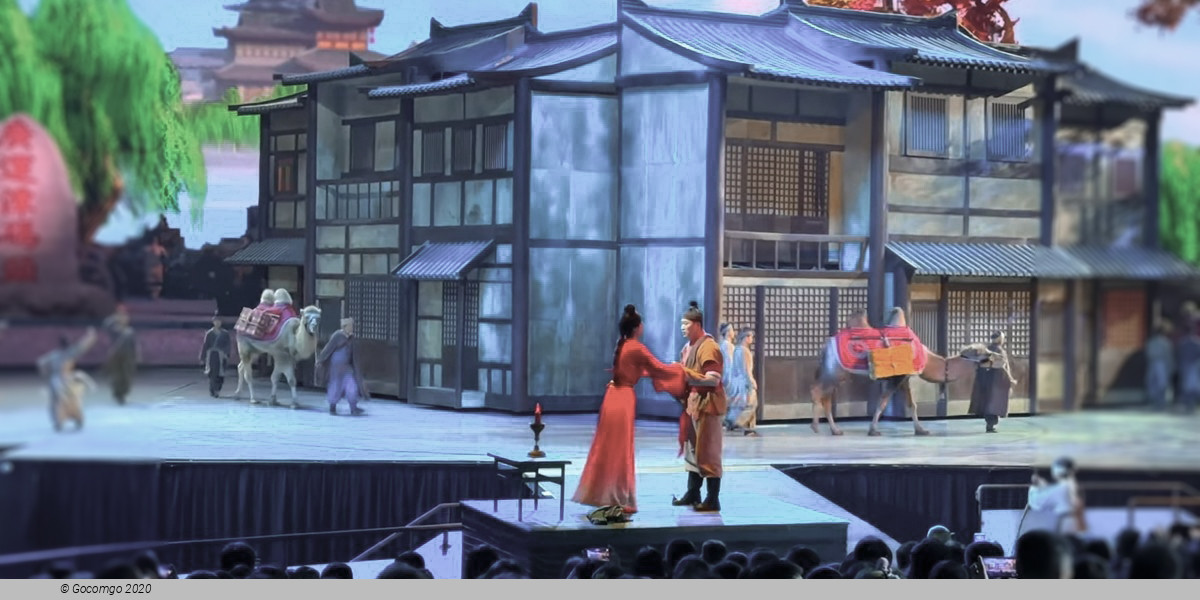
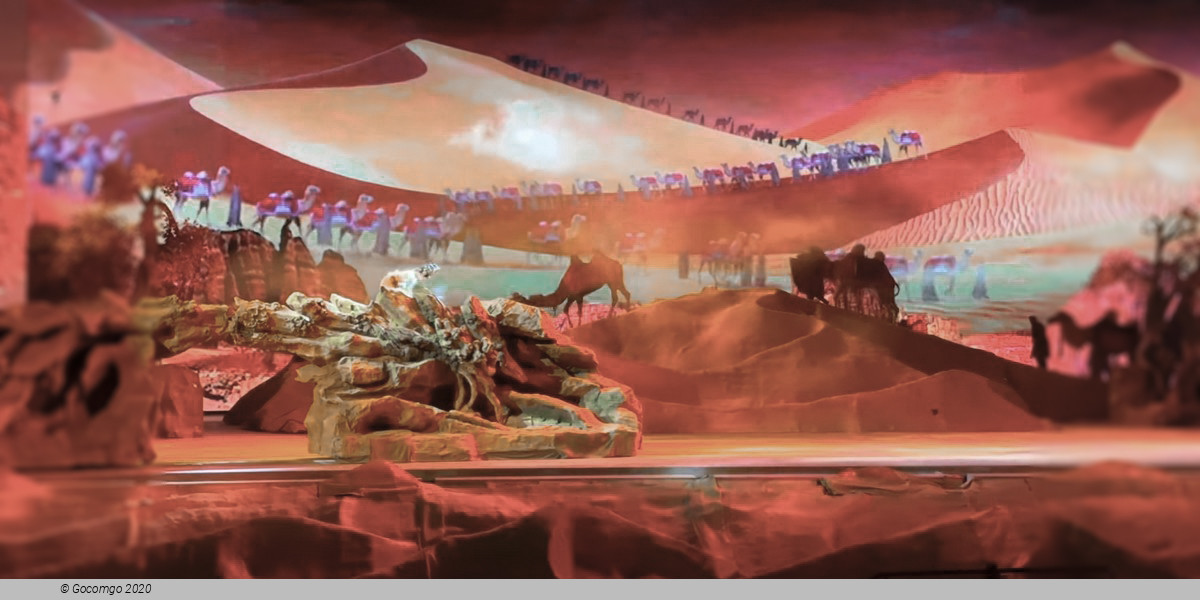
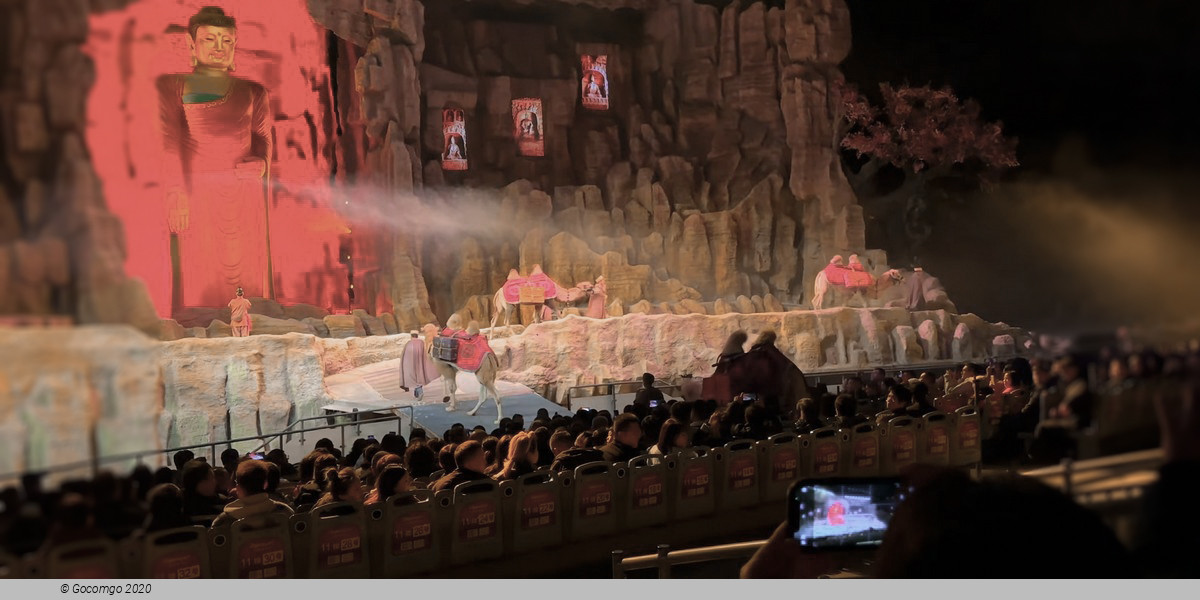
The old wharf of Guangyuntan connected Rome to the west and Sanjiang to the east, serving as an indelible microcosm of the prosperous Tang Dynasty. Embarking on the Silk Road from here became the fervent pursuit of Tang's courageous men. Despite the arduous journey, camel drivers pressed forward with unwavering determination—where fortune and misfortune intertwined. Countless dreamers amassed wealth along this route, while others left their bones forever on the Silk Road, paving the way for hometown prosperity and Tang's golden age. The road was long, hearts were heavy, farewell tears soaked robes, yet even a thousand-mile escort must end. Here lies the essence of Tang's parting emotions.
Act II: Peril on Wolf Pass
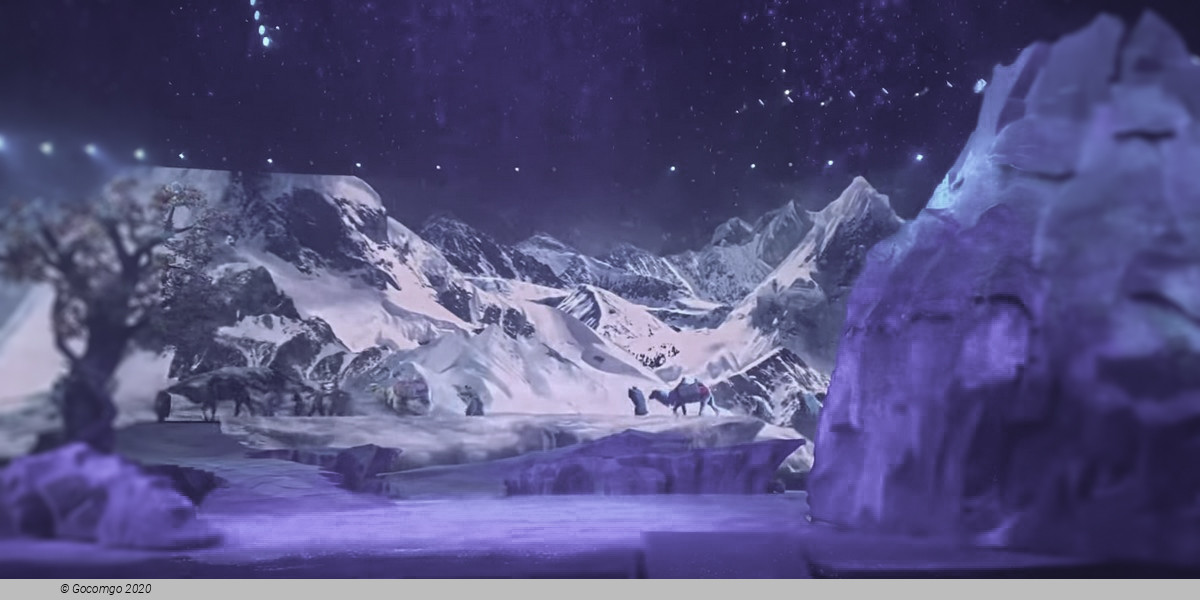
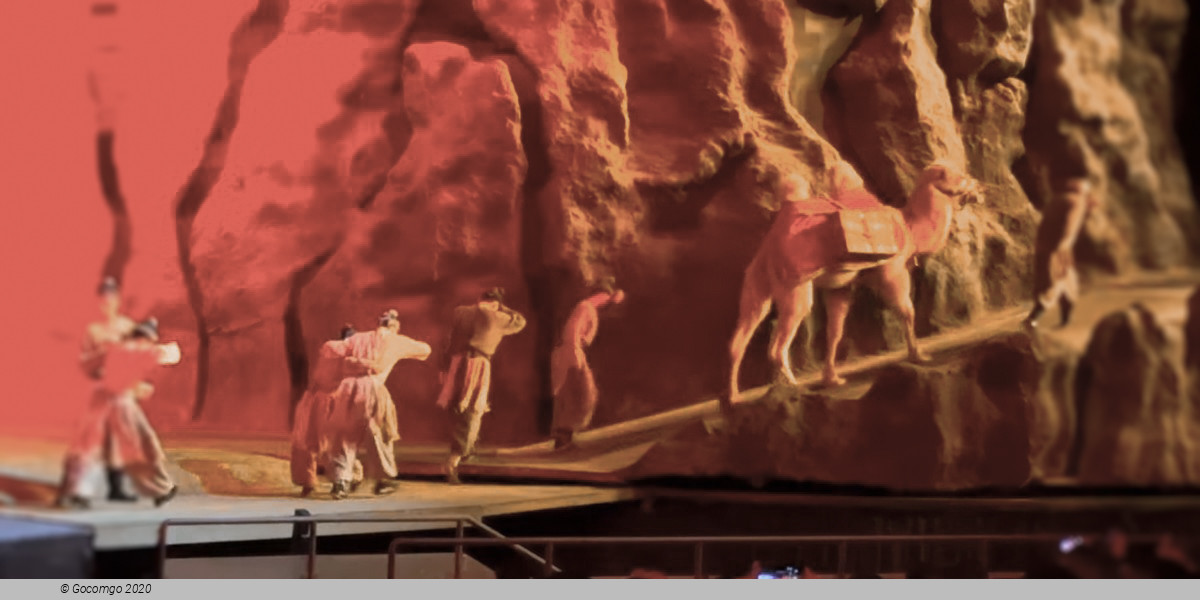
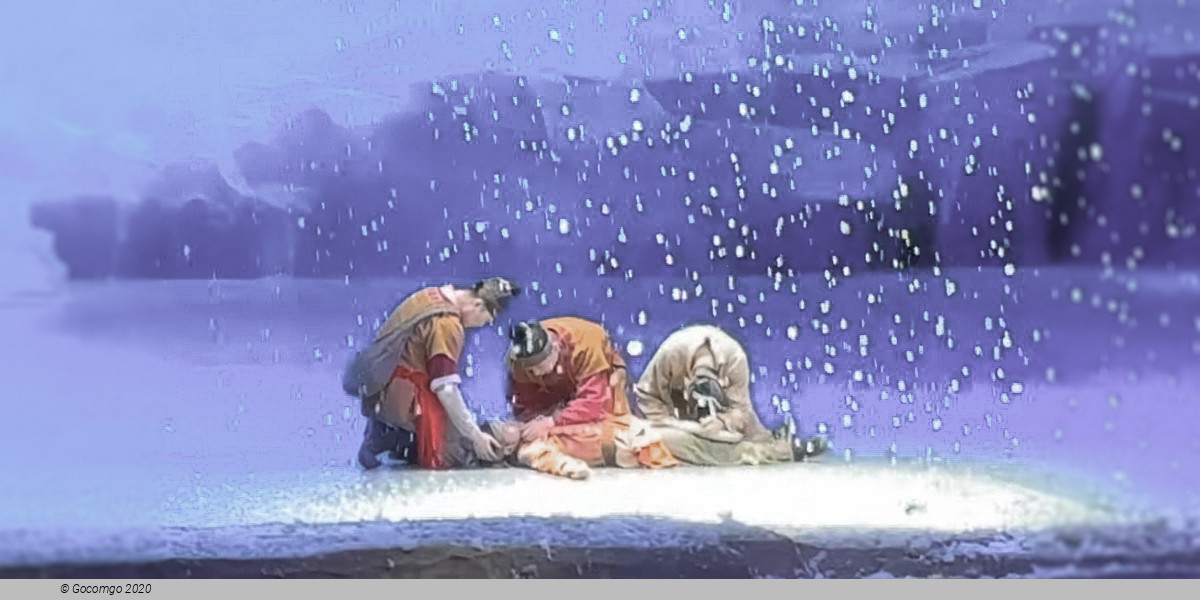
The Western Regions boast a myriad of breathtaking landscapes, with the Silk Road offering endless wonders along its path. As a crucial passage of the Silk Road, this area is steeped in mystique, where the witty tales of Afanti add charm to its intoxicating scenery. Yet, the perilous "Wolf Path" remains an unavoidable trial for caravans. Undaunted by danger, camel drivers press forward against all odds—battling wolves and defying fate—in a struggle so moving even monkeys would shed tears. Overcoming volcanic eruptions, avalanches, bandits, and deadly deserts, these caravans forged legendary tales of resilience that inspire generations.
Act III: Exotic Charm
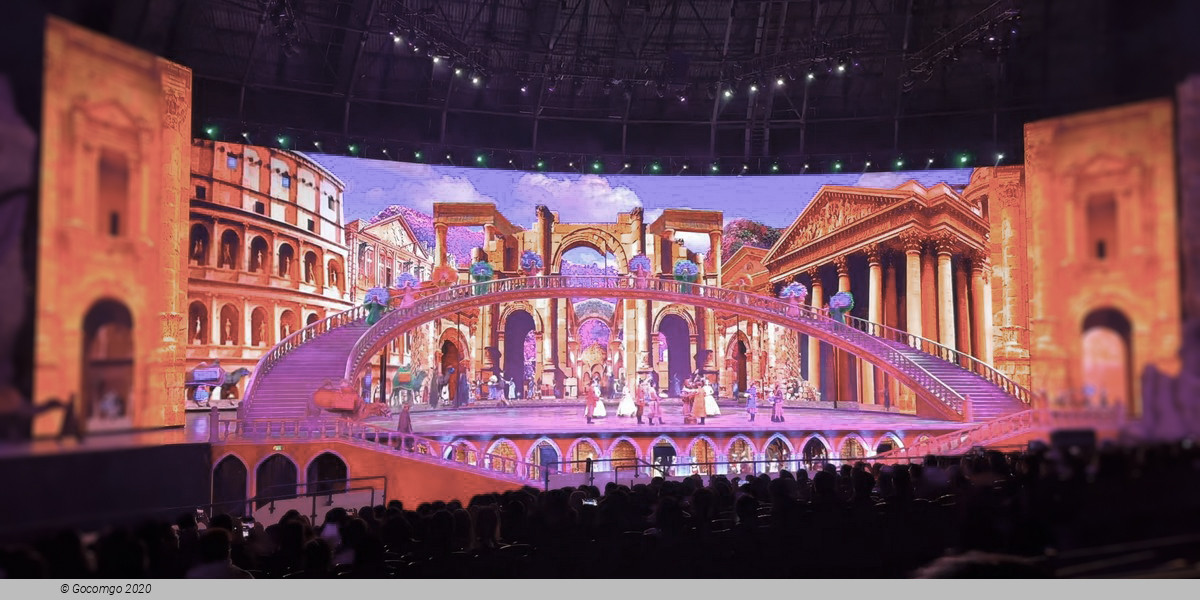
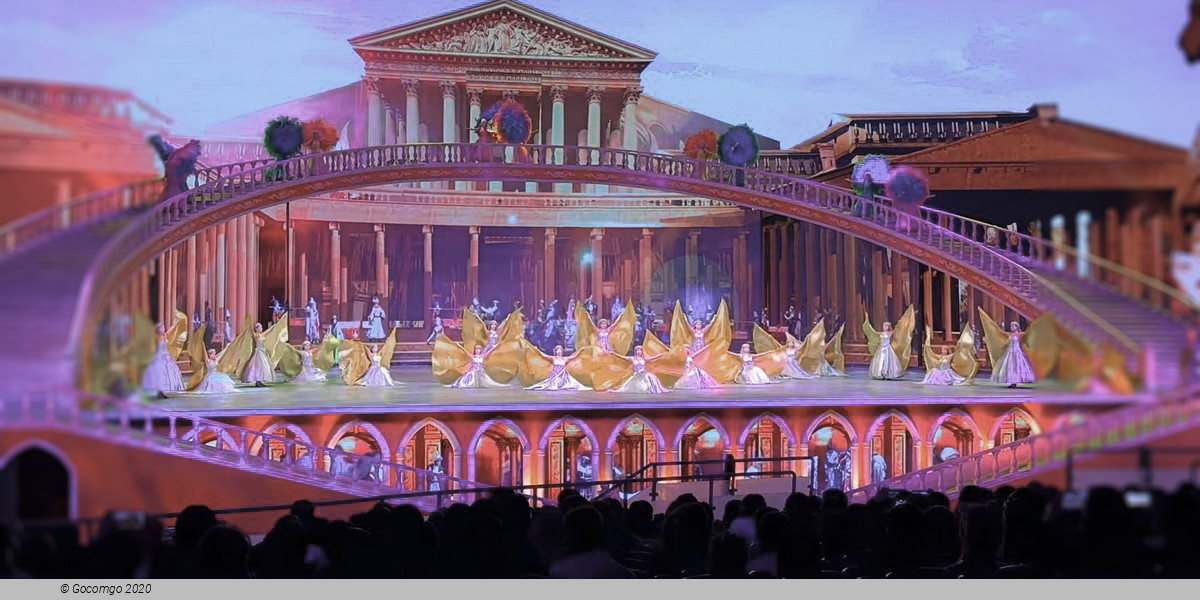
The camel caravan finally arrived in prosperous ancient Rome after enduring countless hardships. Many fellow caravans had already gathered in the streets, where bustling markets displayed dazzling arrays of silk, porcelain, and diverse goods. Gracefully dressed Roman maidens lured the camel drivers to an open-air stage with their enchanting dances. The drivers showcased their masterful Chinese martial arts and acrobatics alongside the extraordinary skills of blue-eyed gladiators—a perfect fusion of East and West that presented a spectacular display of unique Chinese charm in foreign lands.
Act IV: Cleansing Rain
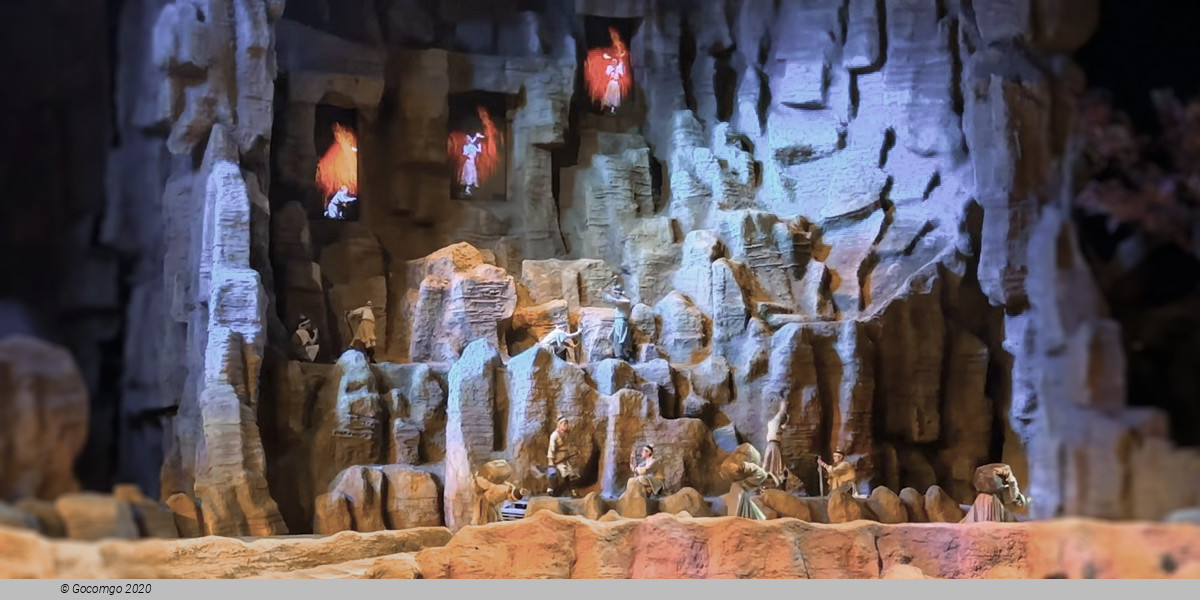
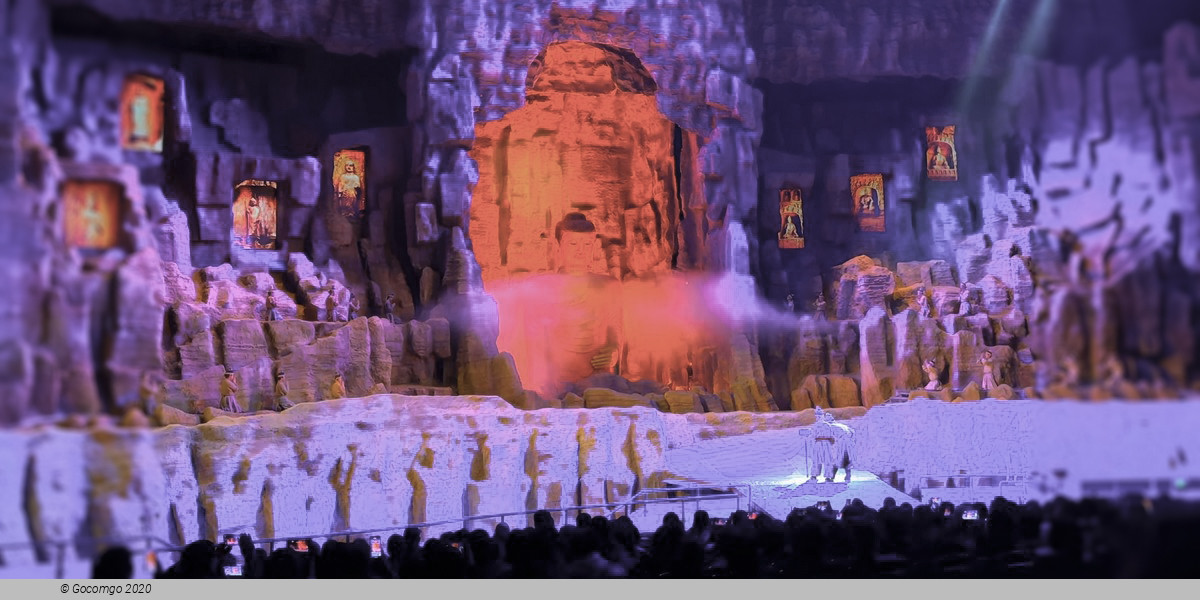
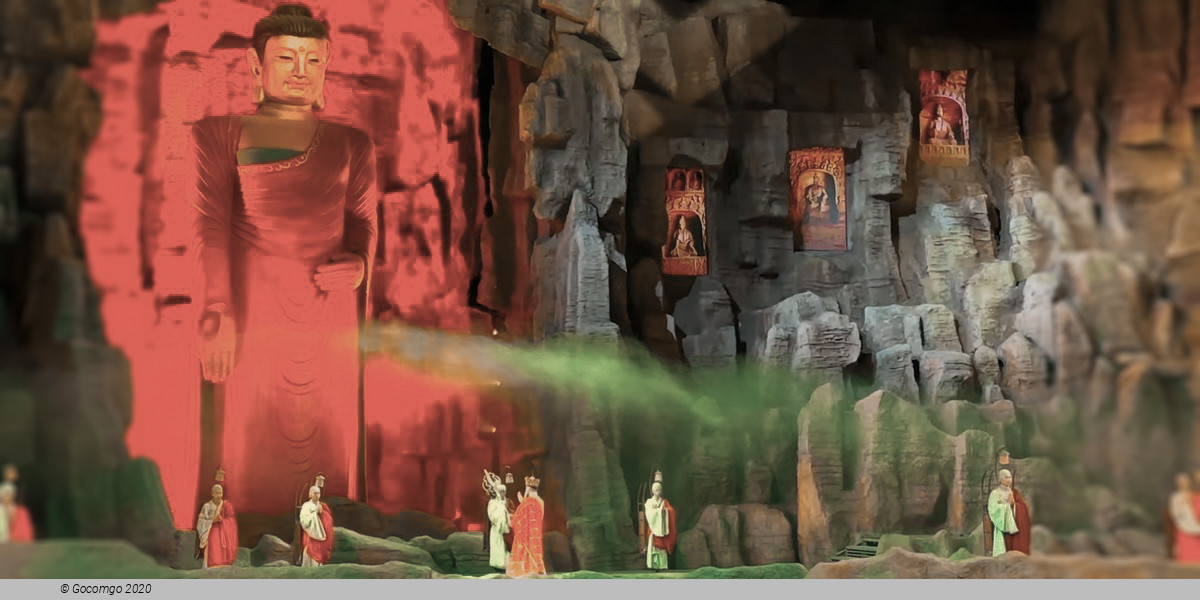
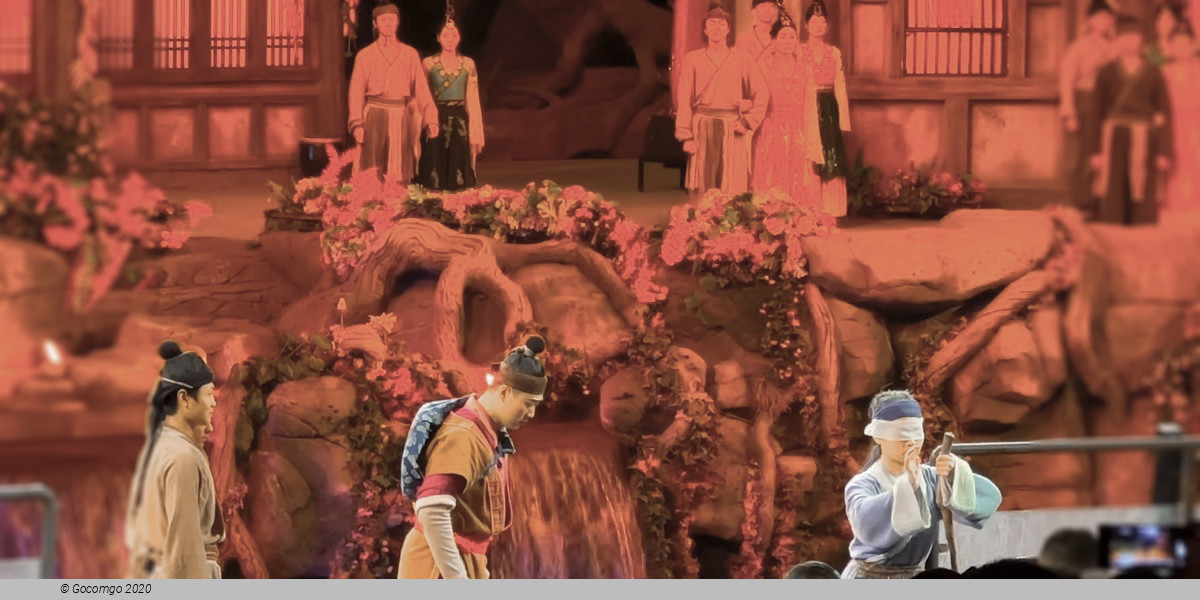
The camel caravan, laden with goods and the joy of homecoming, arrived in Bamiyan where they fortuitously encountered the eminent Tang monk Xuanzang and his entourage on their westward pilgrimage. Traveling together, both groups enjoyed delightful companionship. The camel drivers also took the opportunity to worship at the Bamiyan Caves, making vows before the Buddha for the caravan's safe journey and praying for an early reunion with their families. As if blessed by heaven, a timely rain washed away the dust of travel, bringing good fortune for the homeward journey. With renewed confidence and joy, the caravan set off cheerfully.
Act V: The Return of the Groom
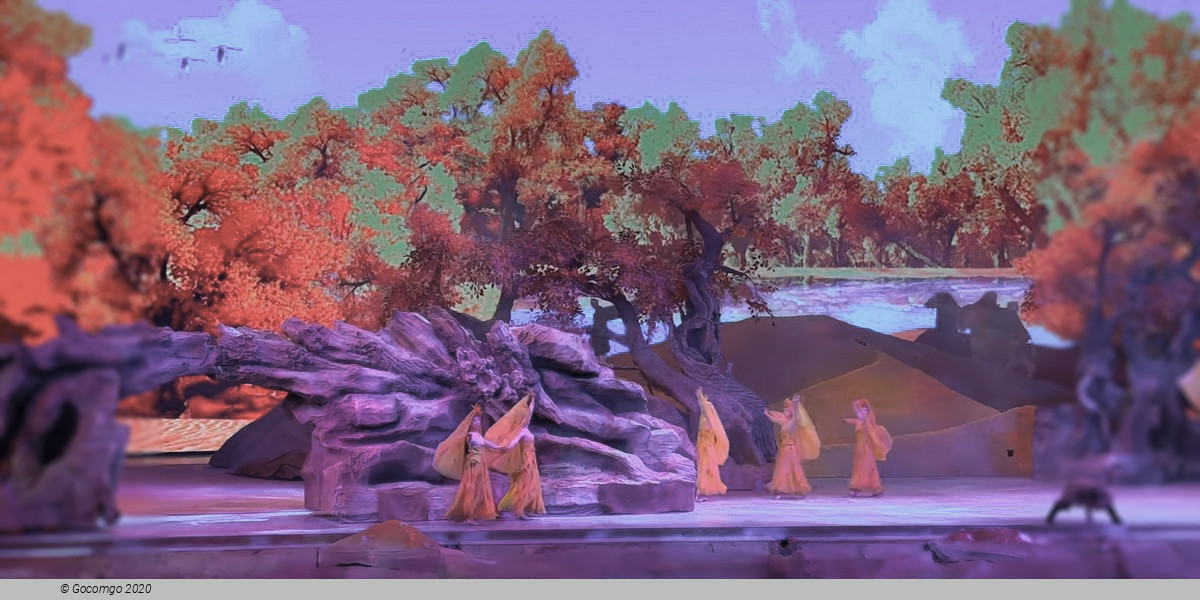
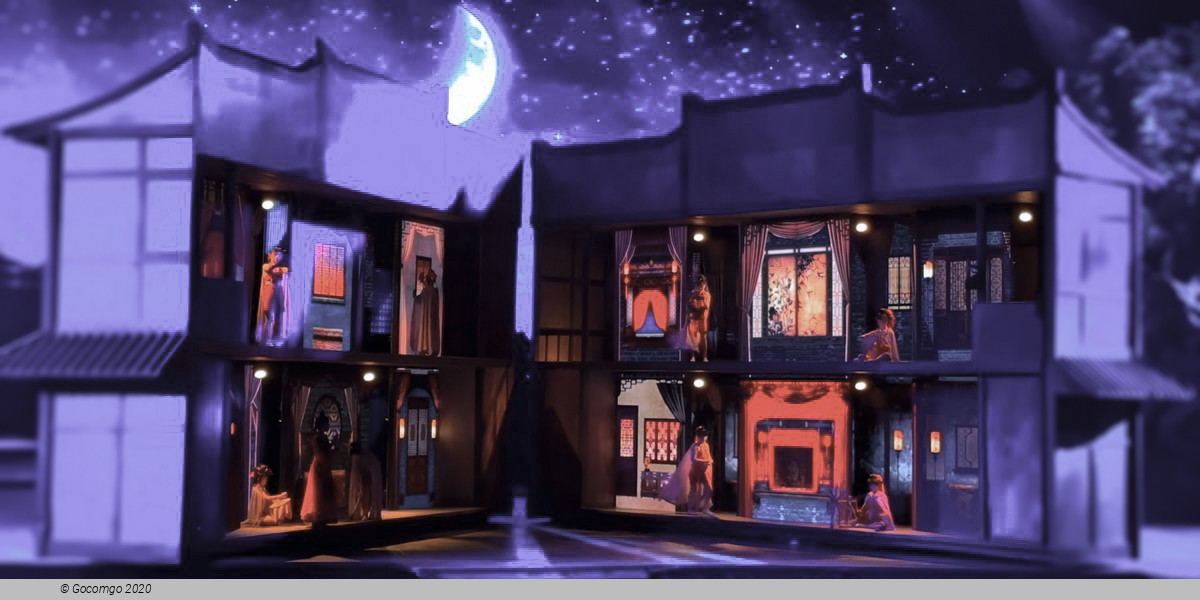
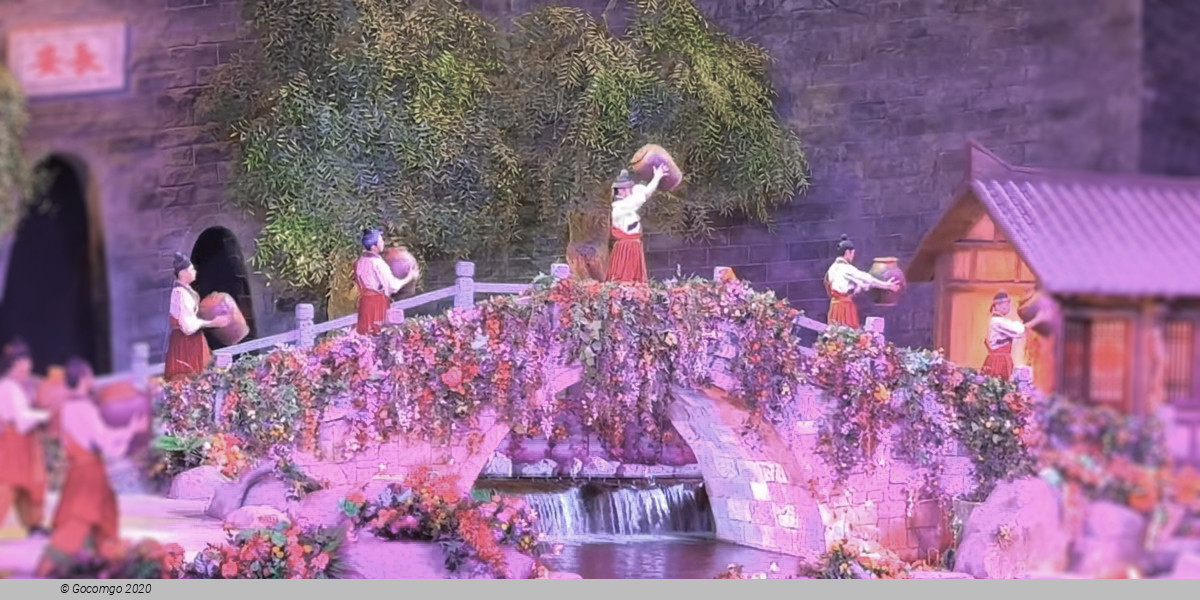
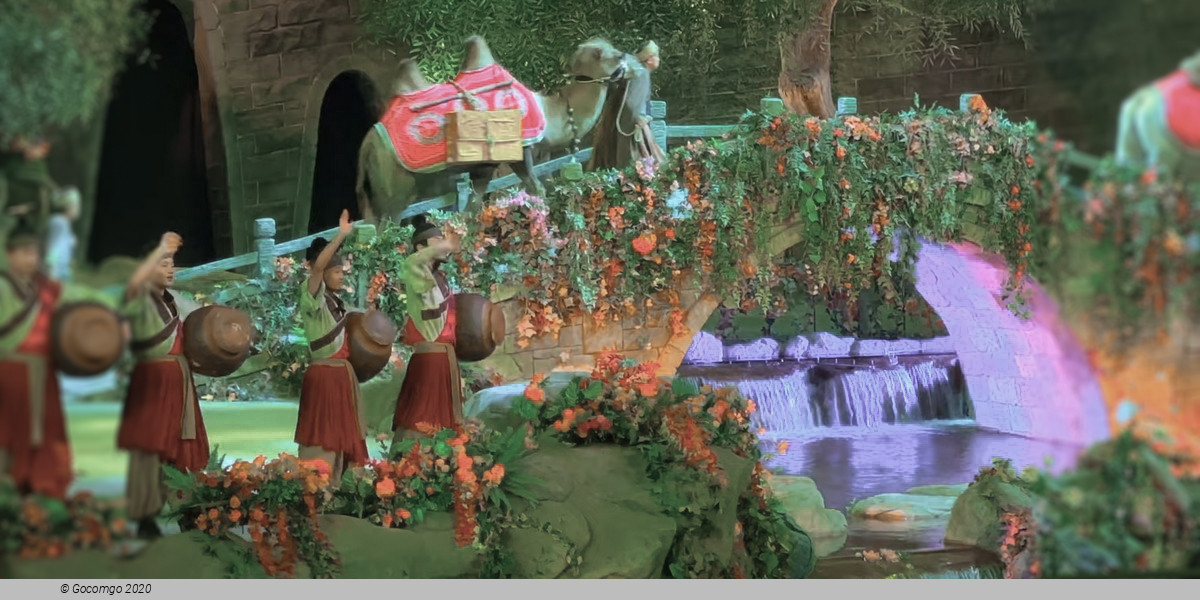
The camel route served as the Silk Road connecting Eurasia's great prosperity, while the camel caravans were like wooden shuttles weaving bonds of friendship along this ancient path. Generation after generation of camel drivers risked their lives to tread these routes smooth, with their homeland being the sweet dream that guided their hearts homeward. Laden with harvests and hopes, joy and longing made the homebound camel bells ring especially clear. Xiu'er and her sisters waited year after year, day after day beneath the ancient trees of Baqiao Bridge, until finally—look! They've returned...
Act VI: Golden Age of China
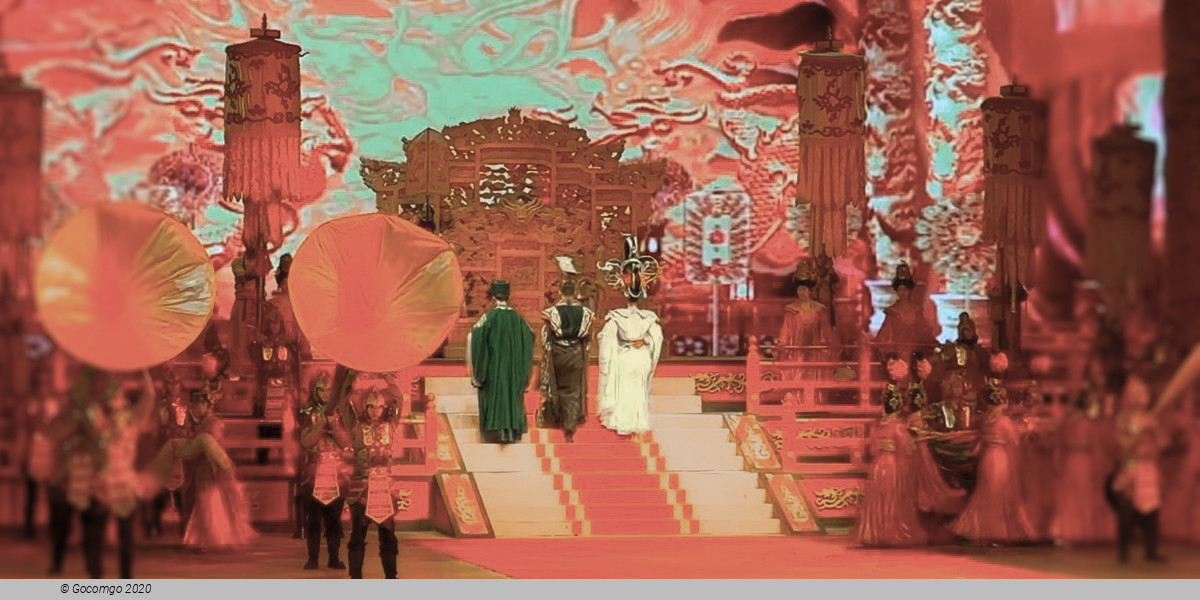
Camel caravans and horse caravans served as friendly envoys bridging nations across Eurasia. The Silk Road fostered international exchange, boosted economic growth and national strength in Eurasia, and strengthened friendships and relations between countries, ultimately ushering in the prosperity and splendor of the Tang Dynasty's golden age. Envoys from countless nations gathered in jubilant celebration of shared friendship, while the Tang emperor extended wishes for the Silk Road's enduring prosperity and China's flourishing greatness.











 1518 Huawen Road