
Wiener Stadthalle 9 January 2022 - The Nutcracker | GoComGo.com

The Nutcracker

Wiener Stadthalle, Hall F, Vienna, Austria
All photos (14)
Select date and time
3 PM 7 PM
Request for Tickets
Important Info
Type: Ballet
City: Vienna, Austria
Starts at: 19:00

E-tickets: Print at home or at the box office of the event if so specified. You will find more information in your booking confirmation email.

You can only select the category, and not the exact seats.
If you order 2 or 3 tickets: your seats will be next to each other.
If you order 4 or more tickets: your seats will be next to each other, or, if this is not possible, we will provide a combination of groups of seats (at least in pairs, for example 2+2 or 2+3).

Overview

The Nutcracker just in time for Christmas. Fabulous Russian ballet art for young and old.

The ballet "The Nutcracker" is based on Alexandre Dumas' version of the story "Nutcracker and Mouse King" by E.T.A. Hoffmann. Tschaikowski´s musical realisation was first performed on 18. December 1892 in St. Petersburg under the choreography of Lew Iwanow and inspired children and adults alike.

Experience the wonderful ballet "The Nutcracker" with the St. Petersburg Festival Ballet & Hungary Festival Orchestra.

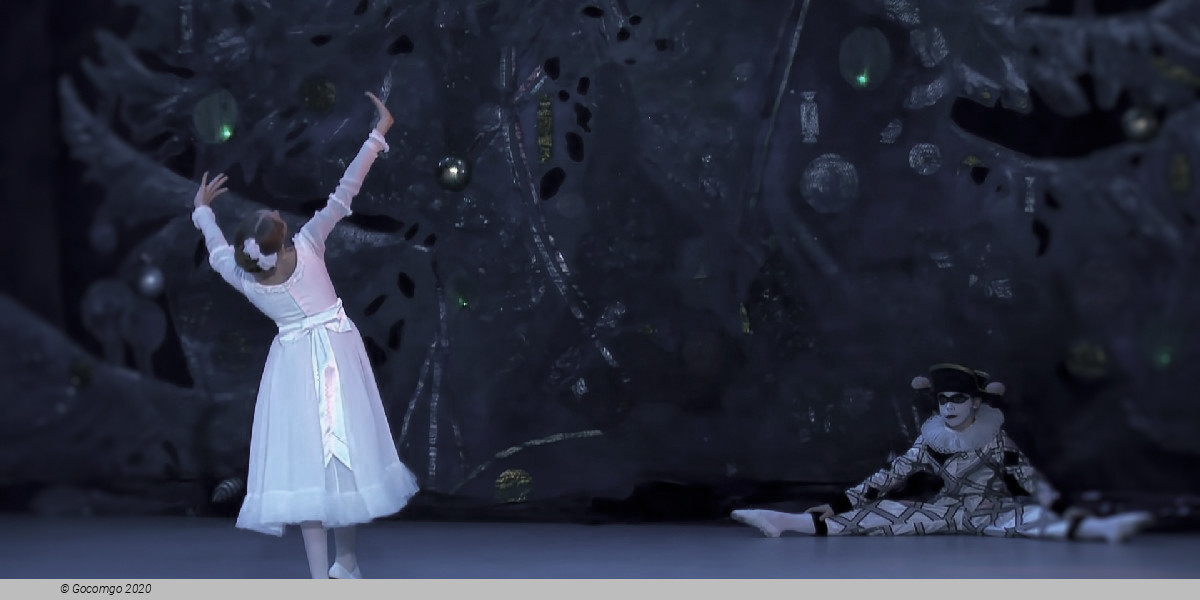
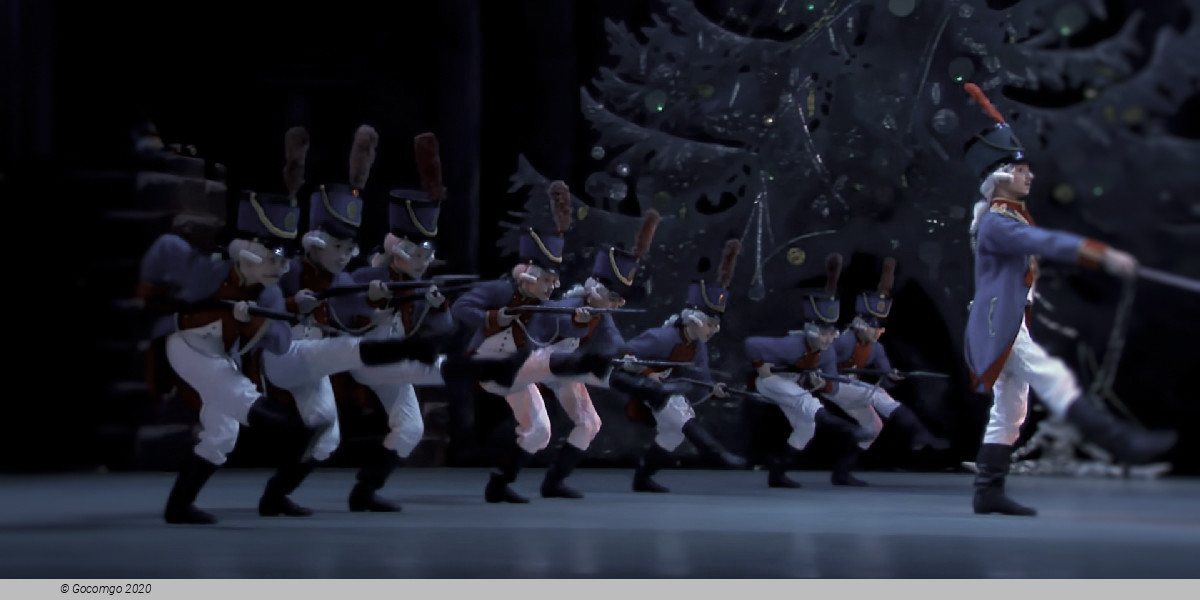
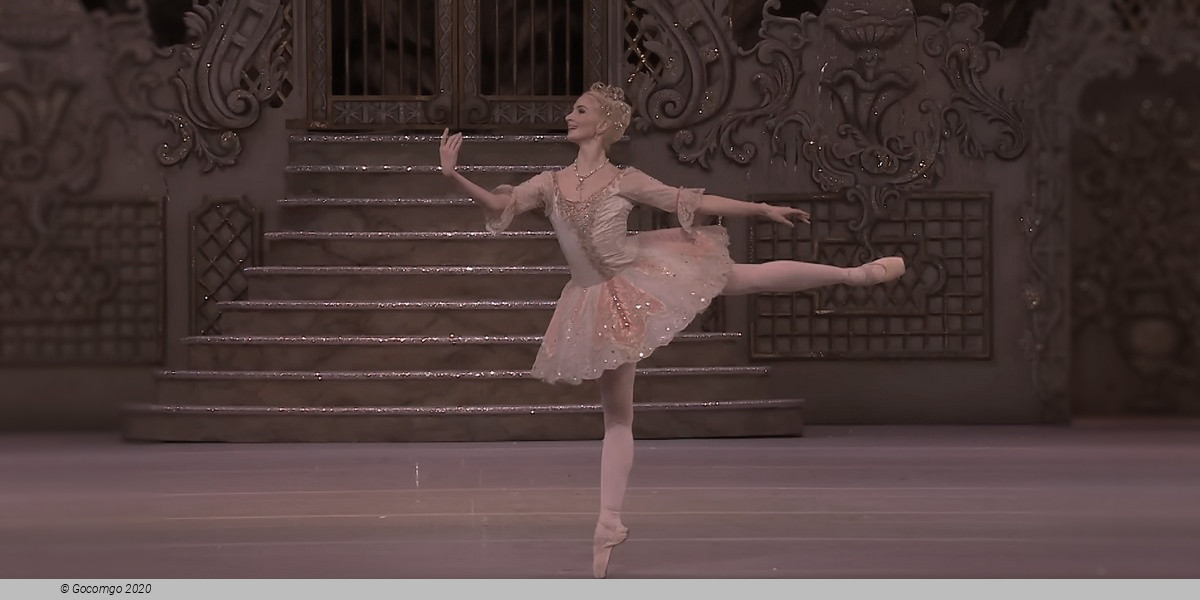
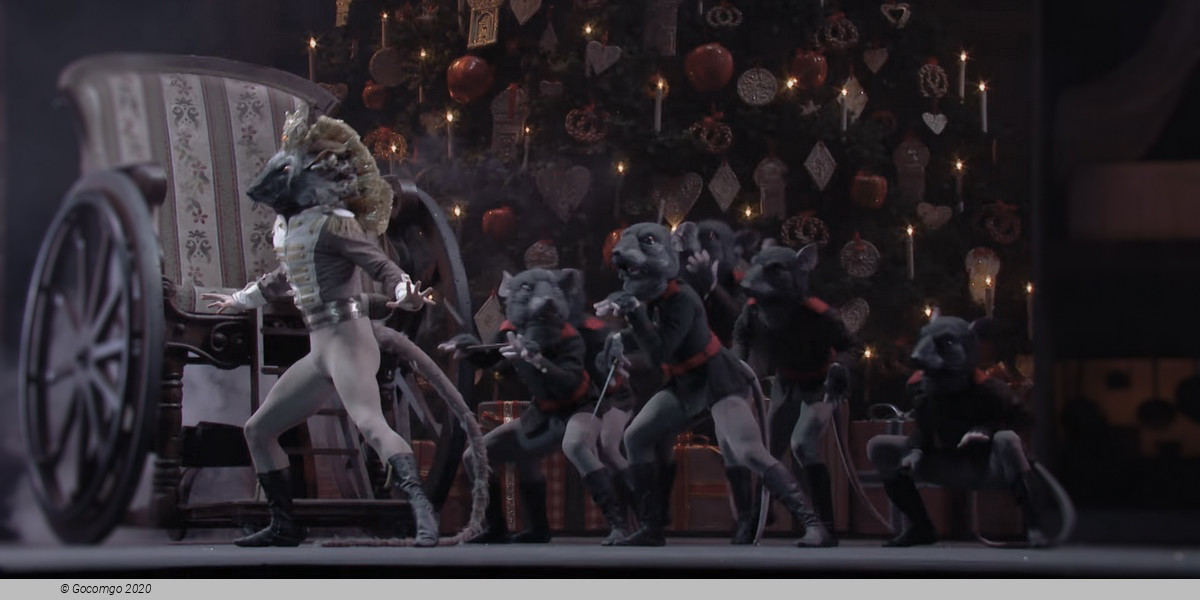
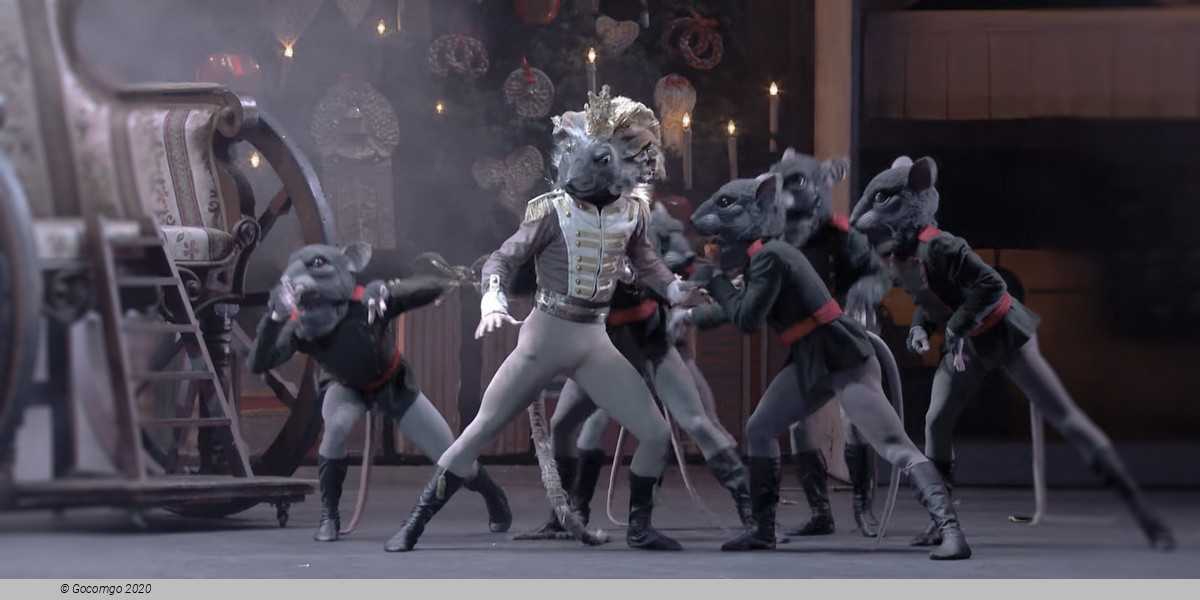
The focus is on Marie. On Christmas Eve she receives a nutcracker as a gift from her godfather Drosselmeyer. As she goes to sleep, she dreams of a battle between the toy soldiers led by the nutcracker and the army of the Mouse King. With her help, the Nutcracker wins, who turns into a prince. The prince travels with Marie to the realm of sweets. The tour leads through the fir forest to Zuckerburg Castle, where the resident sugar fairy organizes a party in honor of her guests... 

History
Premiere of this production: 06 December 1892, Imperial Mariinsky Theatre, Saint Petersburg

The Nutcracker (Balet-feyeriya) is a two-act ballet, originally choreographed by Marius Petipa and Lev Ivanov with a score by Pyotr Ilyich Tchaikovsky (Op. 71). The libretto is adapted from E. T. A. Hoffmann's story "The Nutcracker and the Mouse King".

Synopsis

Plot 

Below is a synopsis based on the original 1892 libretto by Marius Petipa. The story varies from production to production, though most follow the basic outline. The names of the characters also vary. In the original E. T. A. Hoffmann story, the young heroine is called Marie Stahlbaum and Clara (Klärchen) is her doll's name. In the adaptation by Dumas on which Petipa based his libretto, her name is Marie Silberhaus. In still other productions, such as Baryshnikov's, Clara is Clara Stahlbaum rather than Clara Silberhaus.

Act I

Scene 1: The Stahlbaum Home

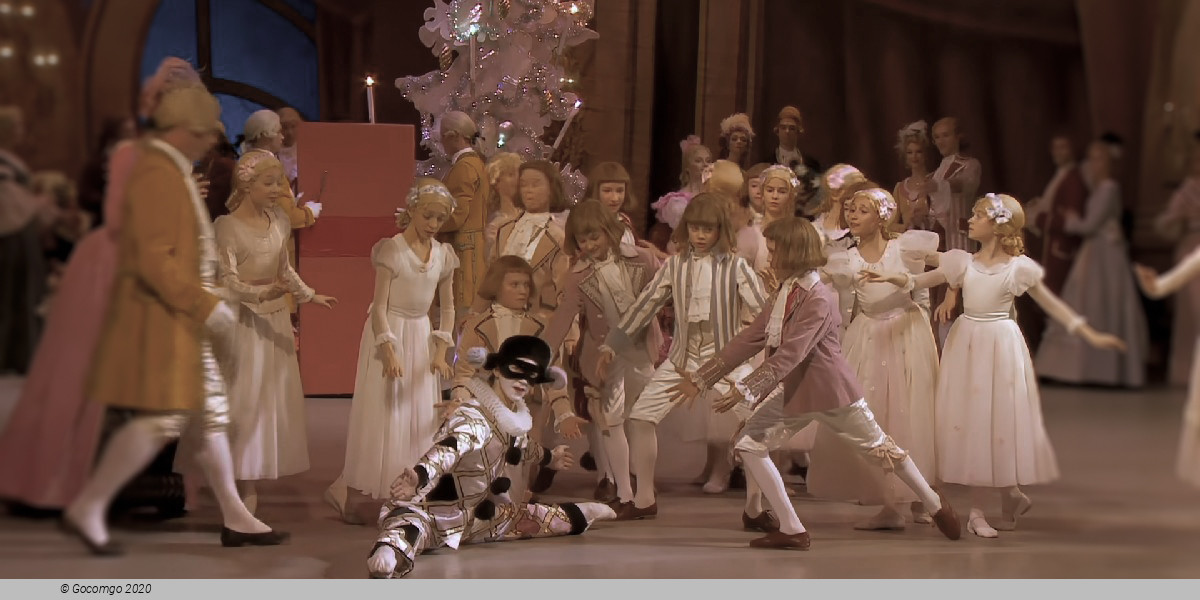
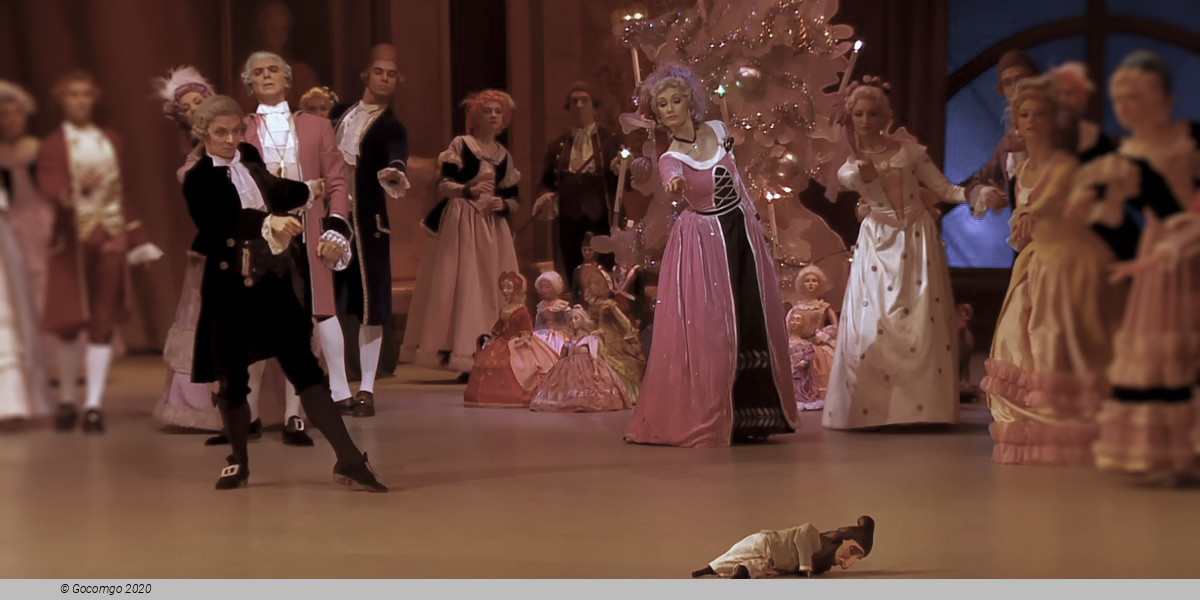
It is Christmas Eve. Family and friends have gathered in the parlor to decorate the beautiful Christmas tree in preparation for the party. Once the tree is finished, the children are sent for. They stand in awe of the tree sparkling with candles and decorations.

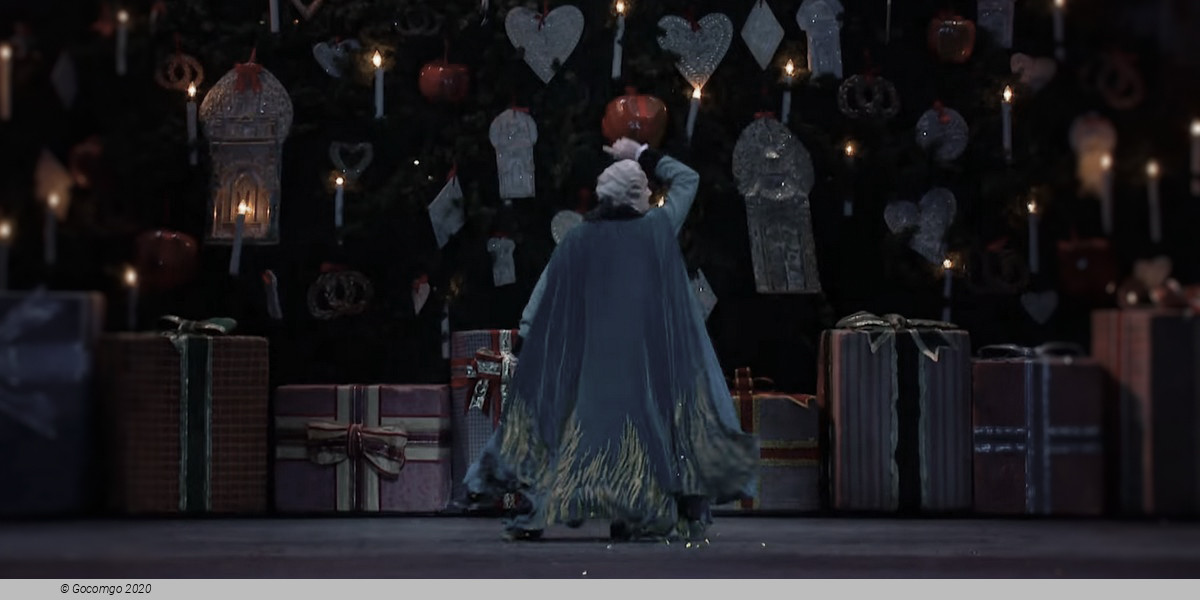
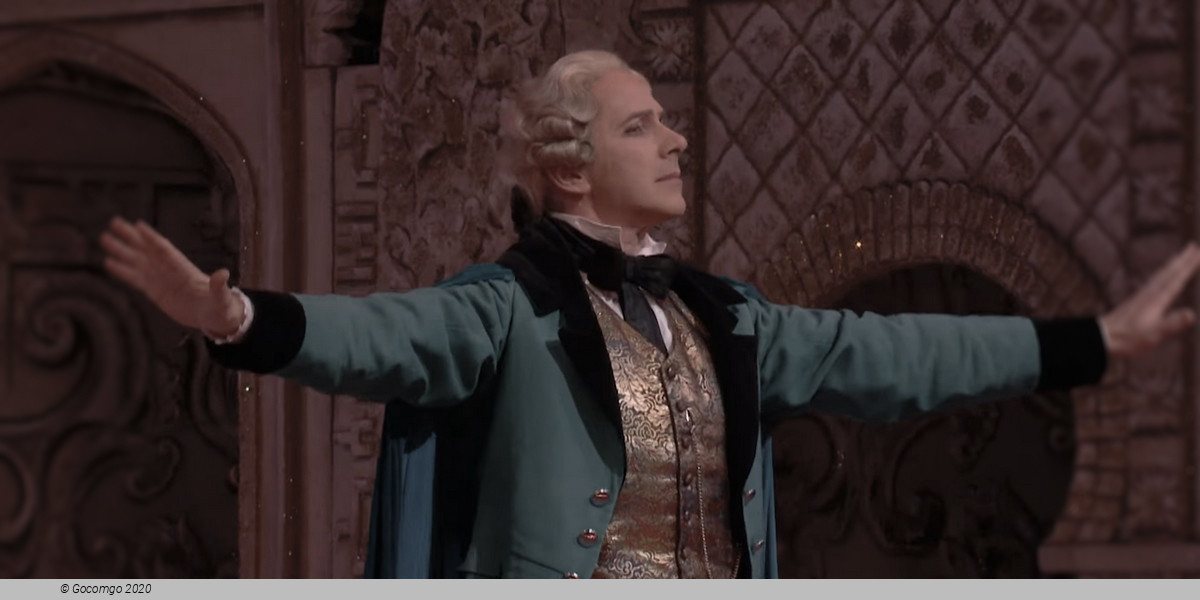
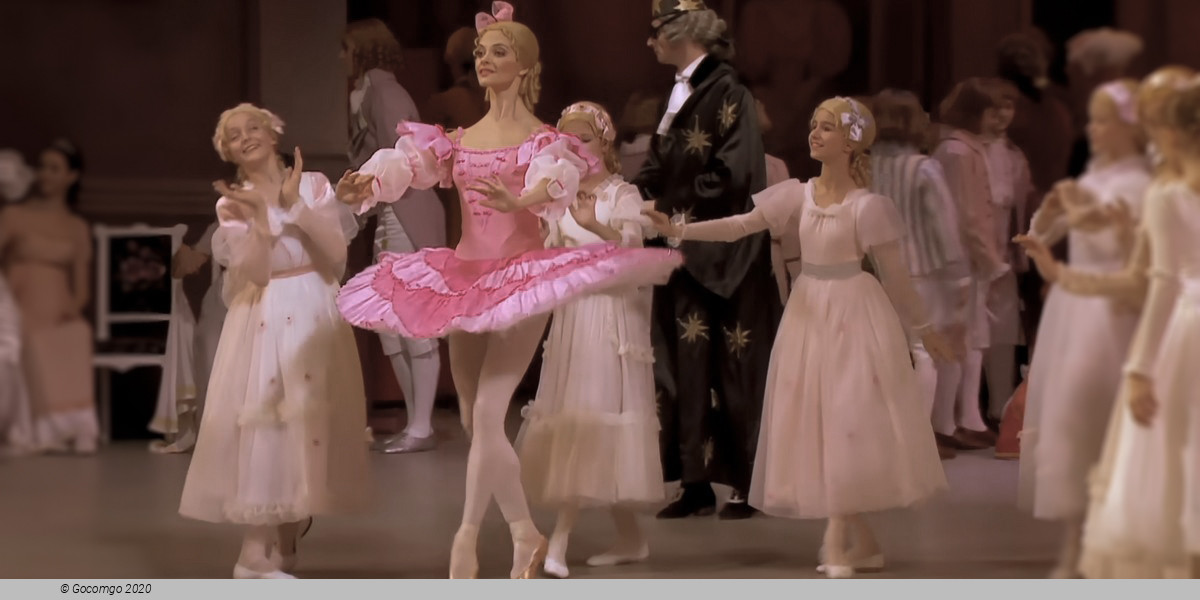
The party begins. A march is played. Presents are given out to the children. Suddenly, as the owl-topped grandmother clock strikes eight, a mysterious figure enters the room. It is Drosselmeyer, a local councilman, magician, and Clara's godfather. He is also a talented toymaker who has brought with him gifts for the children, including four lifelike dolls who dance to the delight of all. He then has them put away for safekeeping.

Clara and Fritz are sad to see the dolls being taken away, but Drosselmeyer has yet another toy for them: a wooden nutcracker carved in the shape of a little man. The other children ignore it, but Clara immediately takes a liking to it. Fritz, however, breaks it, and Clara is heartbroken.

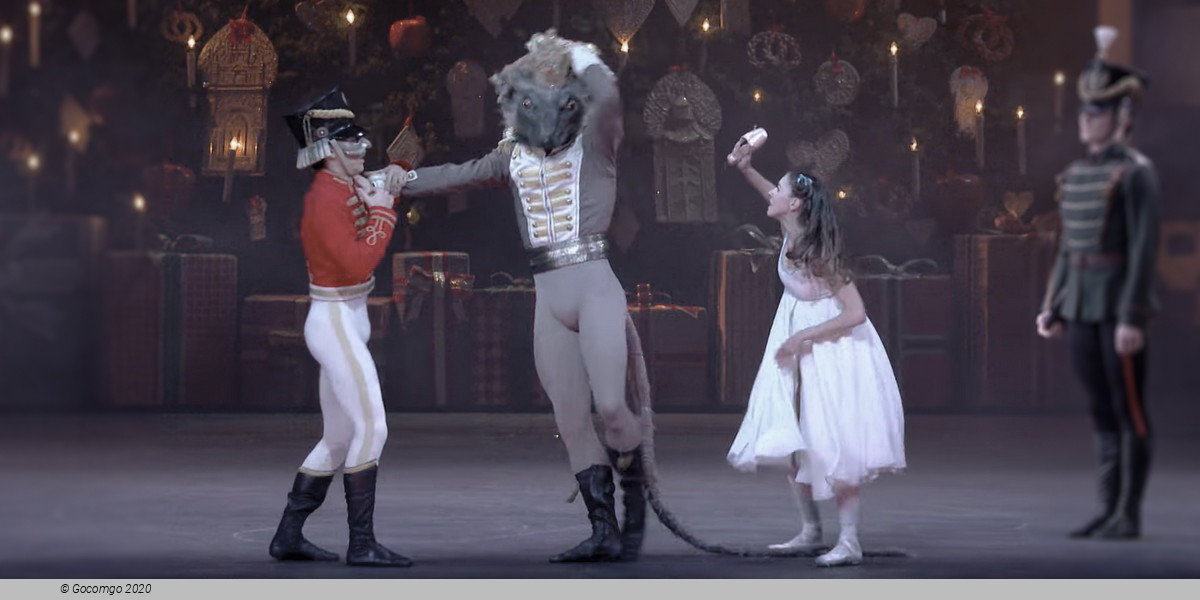
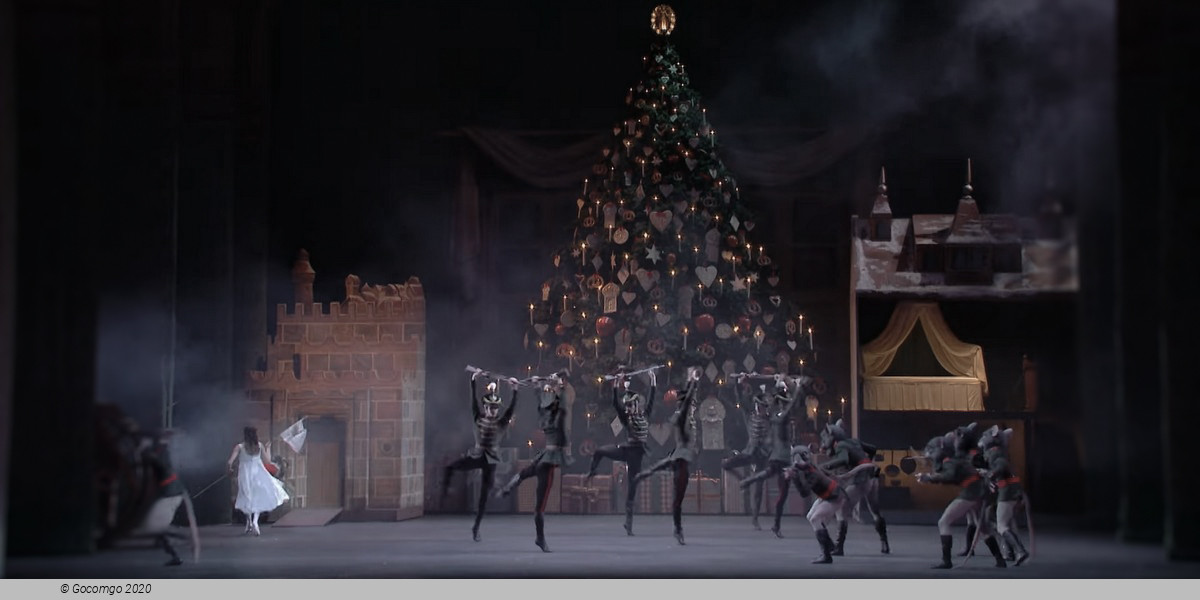
During the night, after everyone else has gone to bed, Clara returns to the parlor to check on her beloved nutcracker. As she reaches the little bed, the clock strikes midnight and she looks up to see Drosselmeyer perched atop it. Suddenly, mice begin to fill the room and the Christmas tree begins to grow to dizzying heights. The nutcracker also grows to life size. Clara finds herself in the midst of a battle between an army of gingerbread soldiers and the mice, led by their king. They begin to eat the soldiers.

The nutcracker appears to lead the soldiers, who are joined by tin soldiers, and by dolls who serve as doctors to carry away the wounded. As the Mouse King advances on the still-wounded nutcracker, Clara throws her slipper at him, distracting him long enough for the nutcracker to stab him.

Scene 2: A Pine Forest

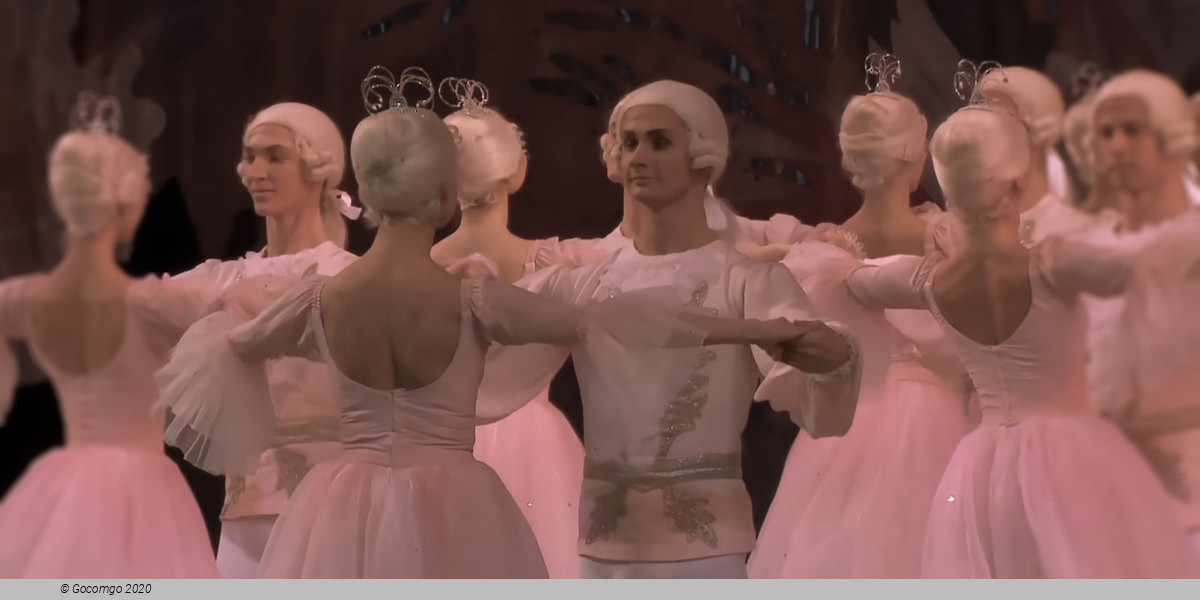
The mice retreat and the nutcracker is transformed into a handsome Prince. He leads Clara through the moonlit night to a pine forest in which the snowflakes dance around them, beckoning them on to his kingdom as the first act ends.

Act II

Scene 1: The Land of Sweets

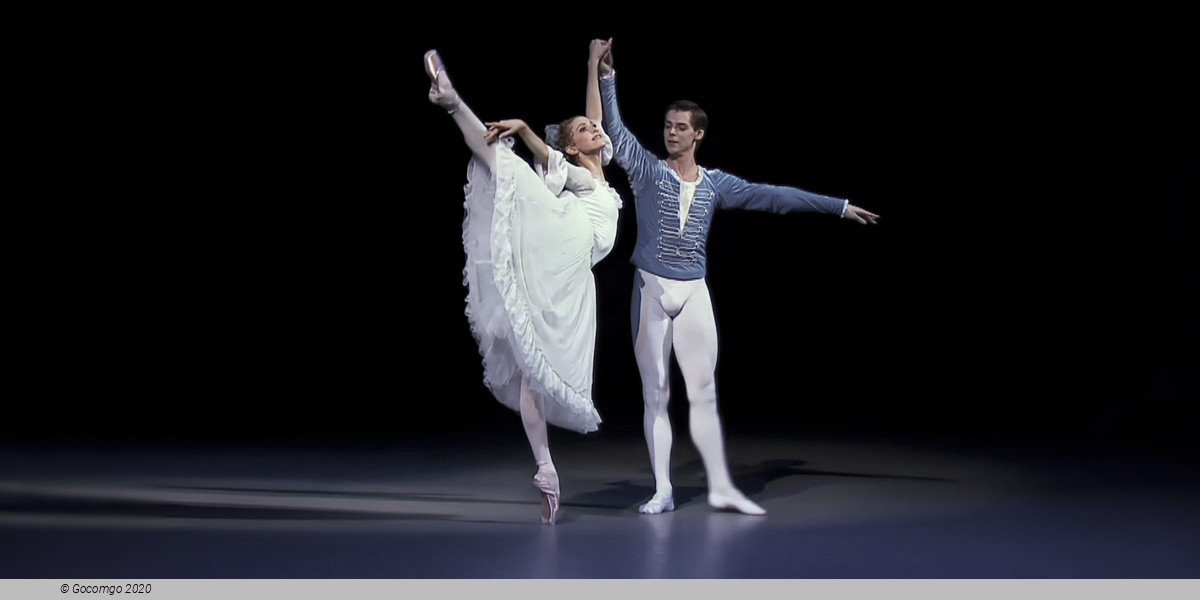
Clara and the Prince travel to the beautiful Land of Sweets, ruled by the Sugar Plum Fairy in the Prince's place until his return. He recounts for her how he had been saved from the Mouse King by Clara and transformed back into himself. In honor of the young heroine, a celebration of sweets from around the world is produced: chocolate from Spain, coffee from Arabia, tea from China, and candy canes from Russia all dance for their amusement; Danish shepherdesses perform on their flutes; Mother Ginger has her children, the Polichinelles, emerge from under her enormous hoop skirt to dance; a string of beautiful flowers perform a waltz. To conclude the night, the Sugar Plum Fairy and her Cavalier perform a dance.

A final waltz is performed by all the sweets, after which the Sugar Plum Fairy ushers Clara and the Prince down from their throne. He bows to her, she kisses Clara goodbye, and leads them to a reindeer drawn sleigh. It takes off as they wave goodbye to all the subjects who wave back.

In the original libretto, the ballet's apotheosis "represents a large beehive with flying bees, closely guarding their riches". Just like Swan Lake, there have been various alternative endings created in productions subsequent to the original.

Venue Info

Wiener Stadthalle - Vienna
Location   Roland-Rainer-Platz 1

Wiener Stadthalle is a multi-purpose indoor arena and convention center located in the 15th district of Vienna, Austria. Austrian architect Roland Rainer designed the original halls which were constructed between 1953 and 1958. The main hall, a multi-purpose venue, is Austria's largest indoor arena with a seating capacity of approximately 16,152 people.

The complex houses six venues (each of which can be used separately or combined) and an adjacent swimming pool, two gymnasiums, an indoor ice rink, a small and a large multi-purpose hall and auditorium with a stage. It serves as a venue for a variety of events, including concerts, exhibitions, trade fairs, conferences, lectures, theatre, TV and sport.

The Wiener Stadthalle is a subsidiary of Wien Holding and stages more than 350 events each year that attract around one million visitors.

The arena has been site of the annual Erste Bank Open tennis tournament since 1974 and has hosted the ice shows Vienna Ice Revue and Holiday on Ice, the touring horse show Apassionata annually and the circus show Artisten-Tiere-Attraktionen from 1959 to 1995.

The Stadthalle has also hosted a number of sporting events including the 1970 European Athletics Indoor Championships, the 2004 European Short Course Swimming Championships, the 2010 European Men's Handball Championship (will also co-host the upcoming 14th tournament in 2020), the 2011 Men's European Volleyball Championship, the Austrian International open badminton tournament and the Ice Hockey World Championships in 1967, 1977, 1987, 1996 and 2005.

Austrian broadcaster ORF announced on August 6, 2014, that Stadthalle would be the host venue for the Eurovision Song Contest 2015, following the victory of Conchita Wurst in the 2014 Final in Copenhagen, Denmark. The arena hosted the 60th contest in the main hall; the semi-finals were held on May 19 and 21 and the grand final was held on the night of May 23, 2015, where Måns Zelmerlöw won the contest for Sweden.

Important Info
Type: Ballet
City: Vienna, Austria
Starts at: 19:00
Top of page