
Wiener Musikverein 22 January 2022 - 133rd Ball of Industry and Technology | GoComGo.com

133rd Ball of Industry and Technology

Wiener Musikverein, Vienna, Austria
All photos (5)
Select date and time
10 PM
Request for Tickets
Important Info
Type: Show
City: Vienna, Austria
Starts at: 22:00
Duration: 7h

E-tickets: Print at home or at the box office of the event if so specified. You will find more information in your booking confirmation email.

You can only select the category, and not the exact seats.
If you order 2 or 3 tickets: your seats will be next to each other.
If you order 4 or more tickets: your seats will be next to each other, or, if this is not possible, we will provide a combination of groups of seats (at least in pairs, for example 2+2 or 2+3).

Overview

For years, the Ball of Industry and Technology was distinguished by the connection of technology, industry, economy, and science with the vibrancy of youth. With its real elegance and its festive mood, it is one of the social highlights of Vienna's ball season.

The origin of today’s Ball of Industry and Technology goes back to the activities of the "Techniker Kränzchen" committee, which goes back over 170 years and was first documented in 1842. The net profit of the Techniker Kränzchen was dedicated to the support of worthy and needy auditors of the k. k. Polytechnical Institute in Vienna, the predecessor institution of the Technical University of Vienna. A similar dedication of the net profit of the present Ball of Industry and Technology still benefits the areas of research and education at the Technical University of Vienna.
In 1931, increased integration of industry was initiated by renaming the Technicians' Ball to the Ball of Technology and Industry. Twenty years later, the event was given its current name of “Ball of Industry and Technology”.

Industrialization inspired the Strauss family
The age of industrialization with its vast variety of inventions triggered plenty of enthusiasm and great expectations, which also gripped famous musicians and composers of the time.
In 1842, Josef Lanner dedicated the “Geistesschwingen” waltz to the “listeners of technology in Vienna”.

The Ball
At the time of the monarchy, one member of the imperial house was always a protector of the ball. From 1892 to 1911, this was Archduke Ferdinand Karl. In 1912 he was followed by Archduke Leopold Salvator.
In the first Republic, top politicians such as the presiding chancellor assumed the patronage of the ball. In the second Republic, the Balls of the Industry and Technology were under the auspices of the respective president or chancellor, who also repeatedly opened the ball personally.

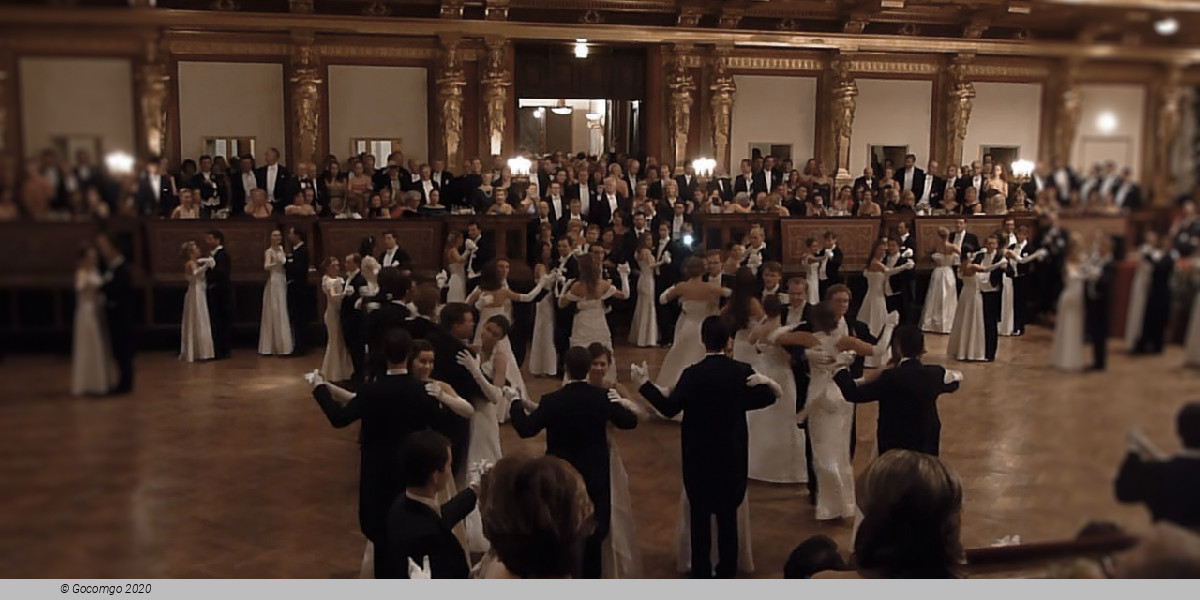
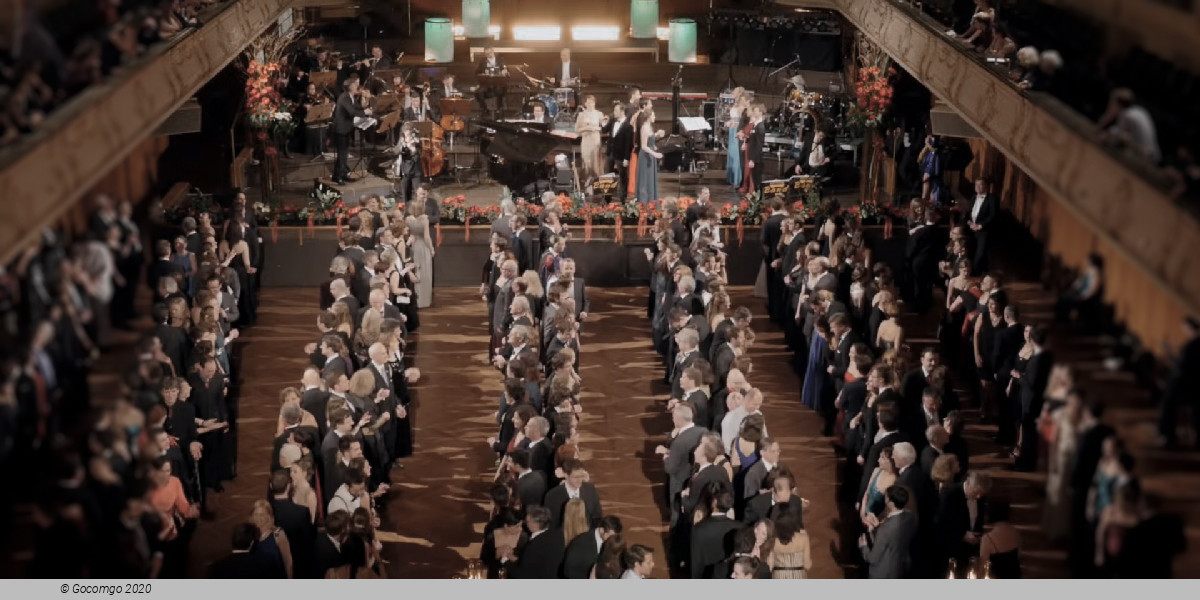
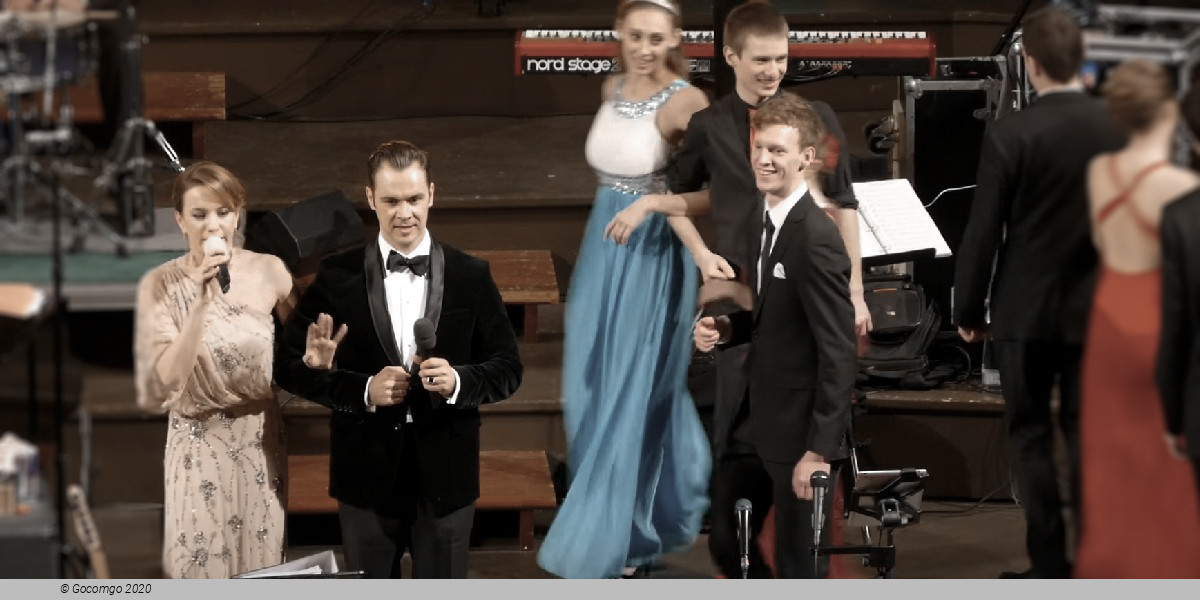
The Young Ladies and Young Gents Commitee, led by the Ball President, opens the ball with a polonaise, the Fledermausquadrille and the traditional Linkswalzer to Josef Strauss’ “Mein Lebenslauf ist Lieb’ und Lust”.
The entrance of the guests of honor with representatives from the areas of industry and economy, followed by the rectors as well as government members, underscores the social significance of the ball. The connection to the Technical University of Vienna is honored with a high number of dignitaries.

The guest list of the ball is dominated by members of the Techniker-Cercle and their circle of friends and relatives. The Techniker-Cercle assumes the organization every year and ensures a dazzling ball and a successful result through honorary activities.

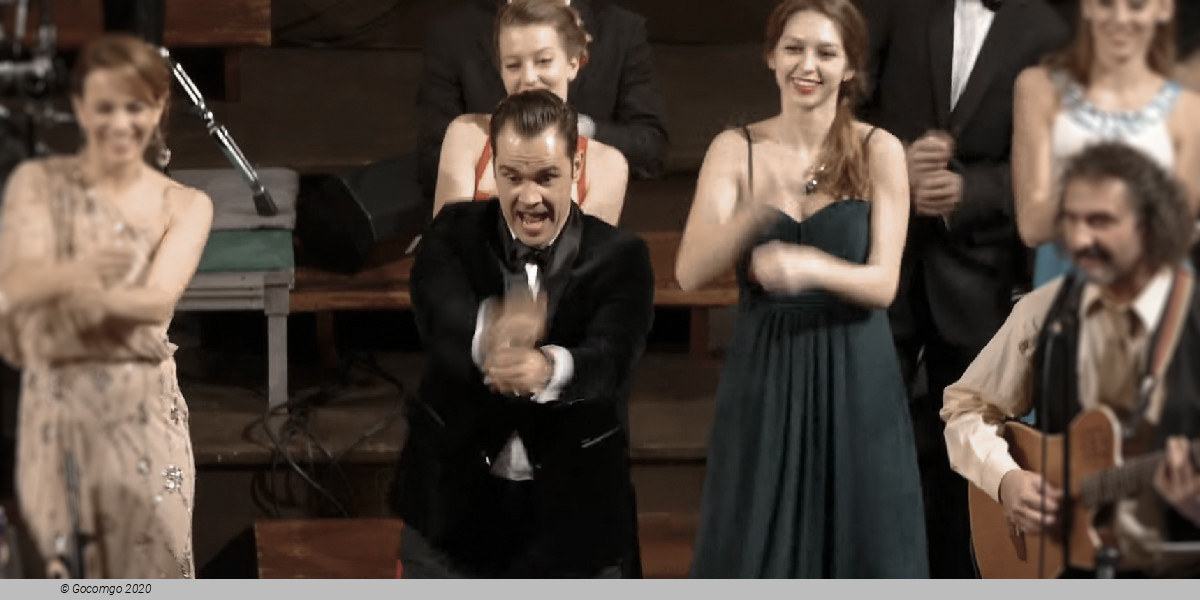
The atmosphere heated up thanks to the young members, who were always present in large numbers and happy to dance, and two bands who alternated playing in the "Goldener Saal", one specializing in Viennese waltzes, the other in international standard dances. The disco in the “Gläserner Saal” facilitated a transition to modern rhythms and also a change to a bar atmosphere.

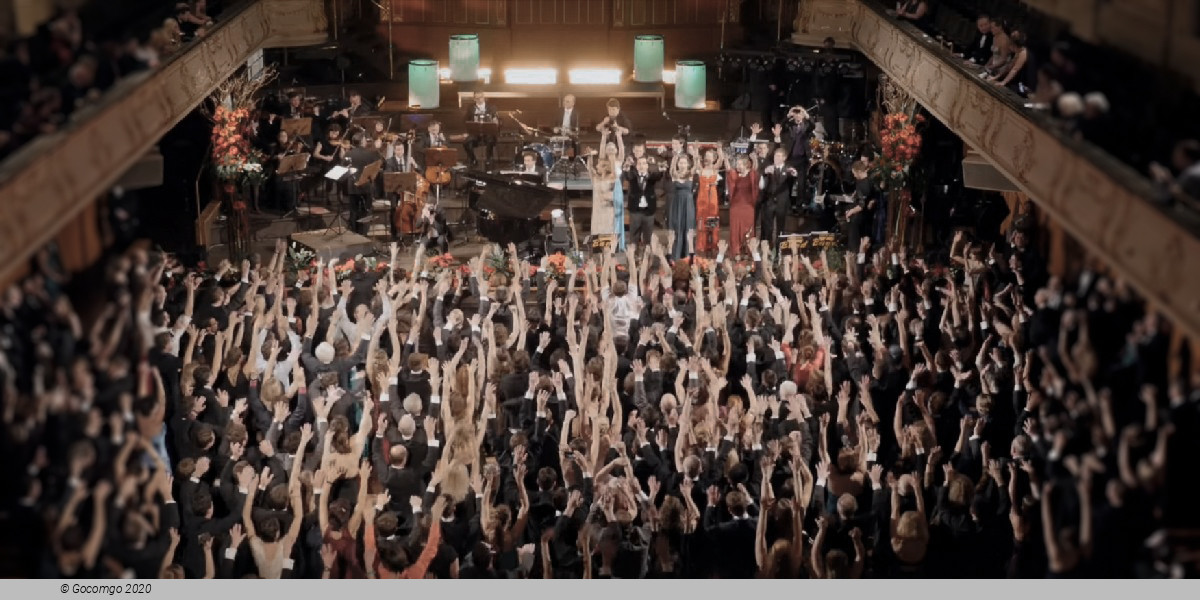
The ball's atmospheric highlight was the Mitternachtsquadrille, in which every guest could take part.

Those who made it to the traditional end of the ball at 5 am could enjoy a contemplative close to the ball with “Brüderlein fein”, played with tender violins.

Venue Info

Wiener Musikverein - Vienna
Location   Musikvereinsplatz 1

The Wiener Musikverein is a concert hall in the Innere Stadt borough of Vienna, Austria. It is the home of the Vienna Philharmonic. The acoustics of the "Great Hall" (Großer Saal) have earned it recognition alongside concert halls including Berlin's Konzerthaus, the Concertgebouw in Amsterdam, and Boston's Symphony Hall.

The building is located on Dumbastraße / Bösendorferstraße behind the Hotel Imperial near the Vienna Ring Road and the Wien River, between Bösendorfer street and Charles' Square. However, since Bösendorfer street is a relatively small street, the building is better known as being between Charles' Square and Kärntner Ring (part of Vienna Ring Road). It was erected as the new concert hall run by the Society of Friends of Music in Vienna, on a piece of land provided by Emperor Franz Joseph I of Austria in 1863.

The plans were designed by Danish architect Theophil Hansen in the Neoclassical style of an ancient Greek temple, including a concert hall and a smaller chamber music hall. The building was inaugurated on 6 January 1870. A major donor was Nikolaus Dumba, industrialist and liberal politician of Greek descent, whose name the Austrian government gave to one of the streets surrounding the Musikverein.

The Great Hall's lively acoustics are primarily based on Hansen's intuition, as he could not rely on any studies on architectural acoustics. The room's rectangular shape and proportions, its boxes, and sculptures allow early and numerous sound reflections.

The Hall originally included a historic pipe organ built by Friedrich Ladegast. Its first organ recital was held by Anton Bruckner in 1872. The present-day instrument was originally installed in 1907 by the Austrian firm of Rieger Orgelbau, highly esteemed by musicians such as Franz Schmidt or Marcel Dupré, and rebuilt in 2011.

In 2001, a renovation program began. Several new rehearsal halls were installed in the basement.

Important Info
Type: Show
City: Vienna, Austria
Starts at: 22:00
Duration: 7h
Top of page