At the Vienna State Opera, Wayne McGregor’s Woolf Works transforms the writings of Virginia Woolf into a powerful contemporary ballet.
Inspired by Mrs Dalloway, Orlando, and The Waves, this visually stunning work blends expressive choreography with music by Max Richter, exploring time, memory, and identity in a deeply moving theatrical experience.
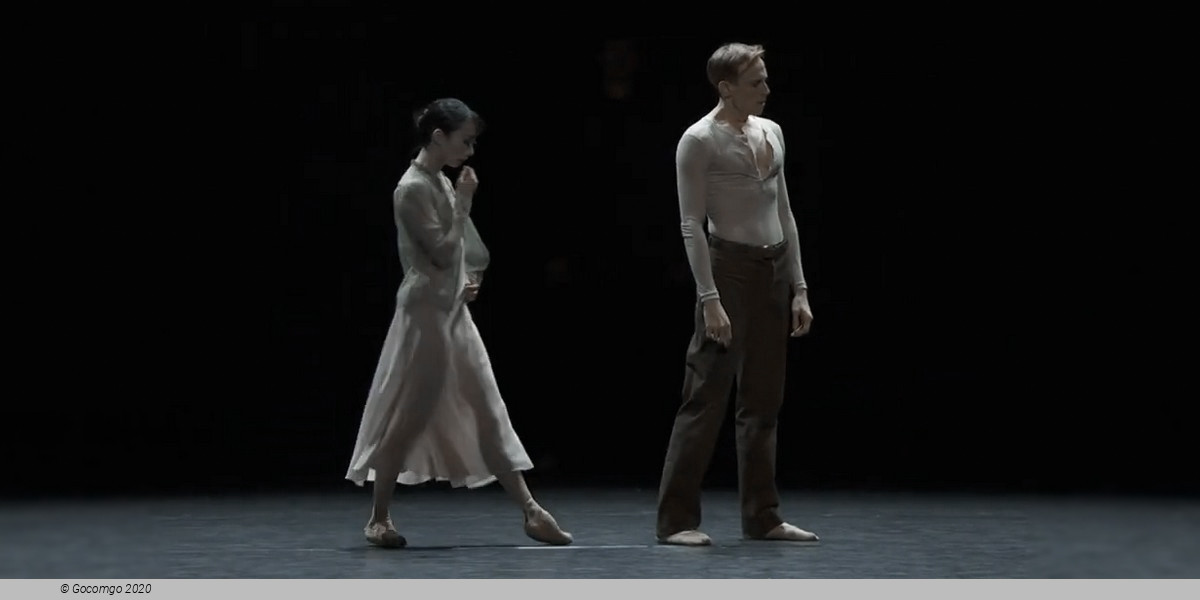
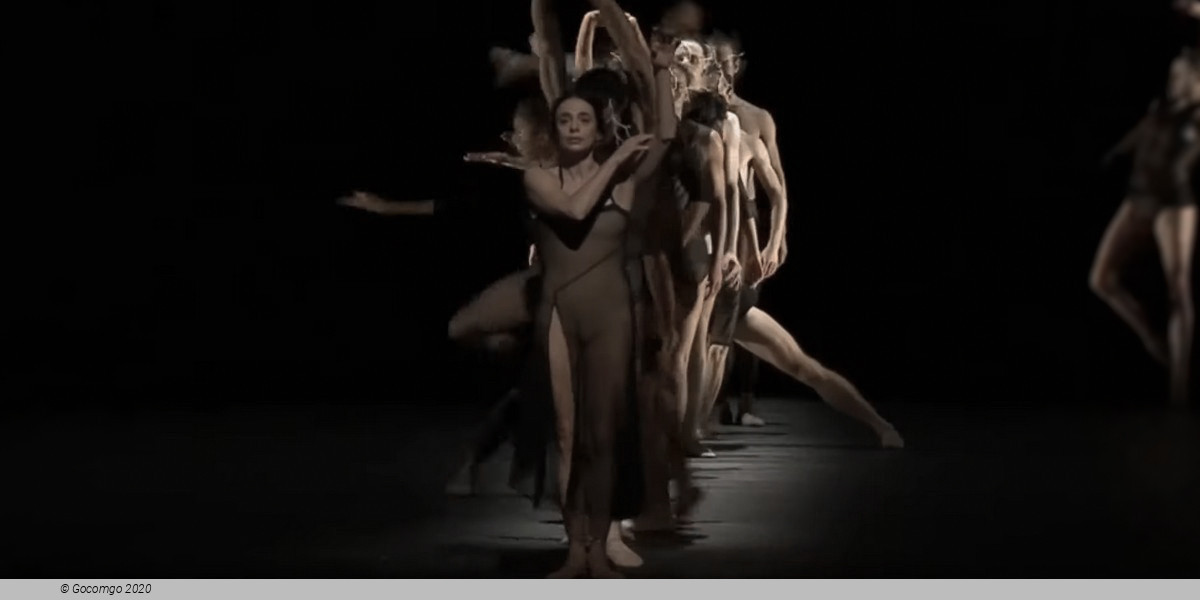
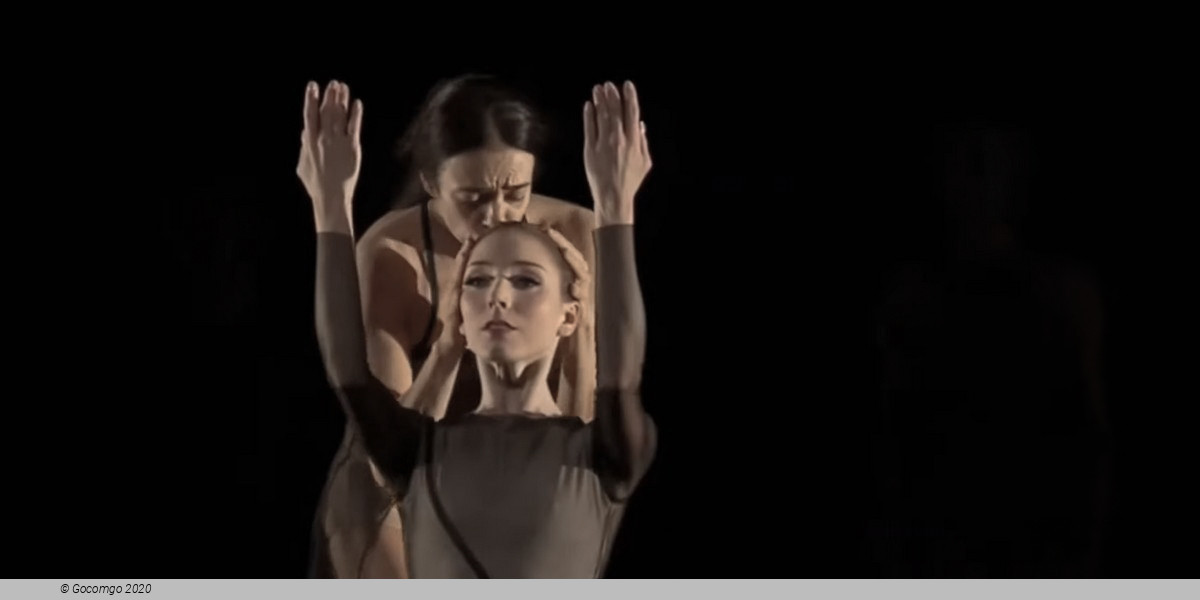
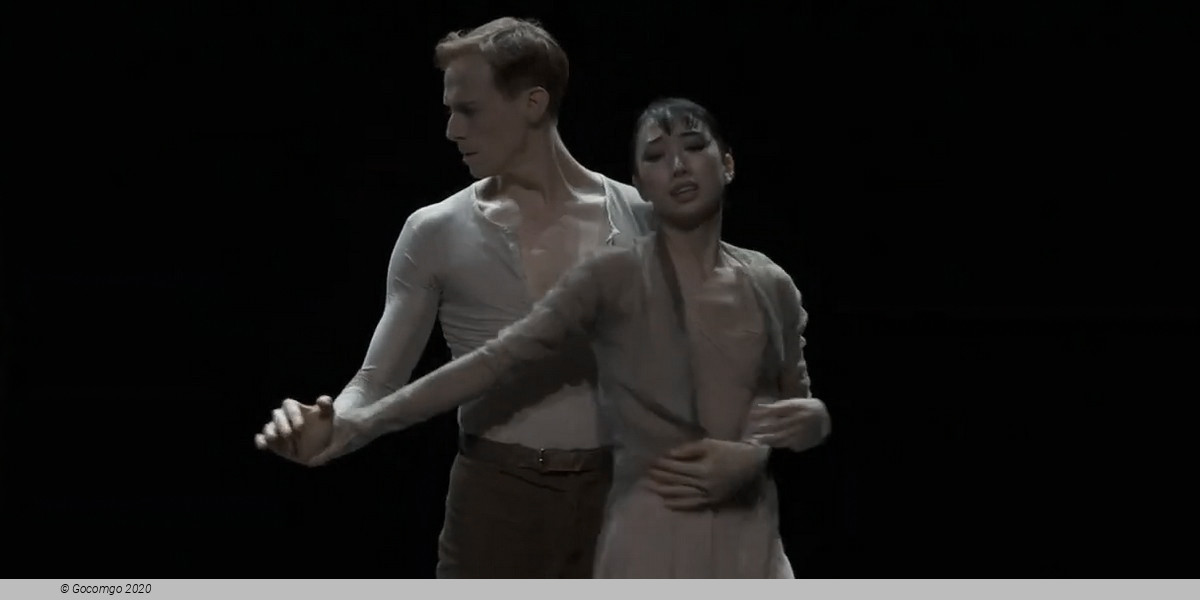
At the Vienna State Opera, Wayne McGregor’s Woolf Works offers a profound and visually striking exploration of the inner world of Virginia Woolf, one of the most influential literary voices of the 20th century.
This acclaimed ballet unfolds in three acts, each inspired by Woolf’s major novels—Mrs Dalloway, Orlando, and The Waves. Rather than retelling their narratives, McGregor translates their themes into movement, capturing the fluidity of time, the complexity of identity, and the fragility of human consciousness.
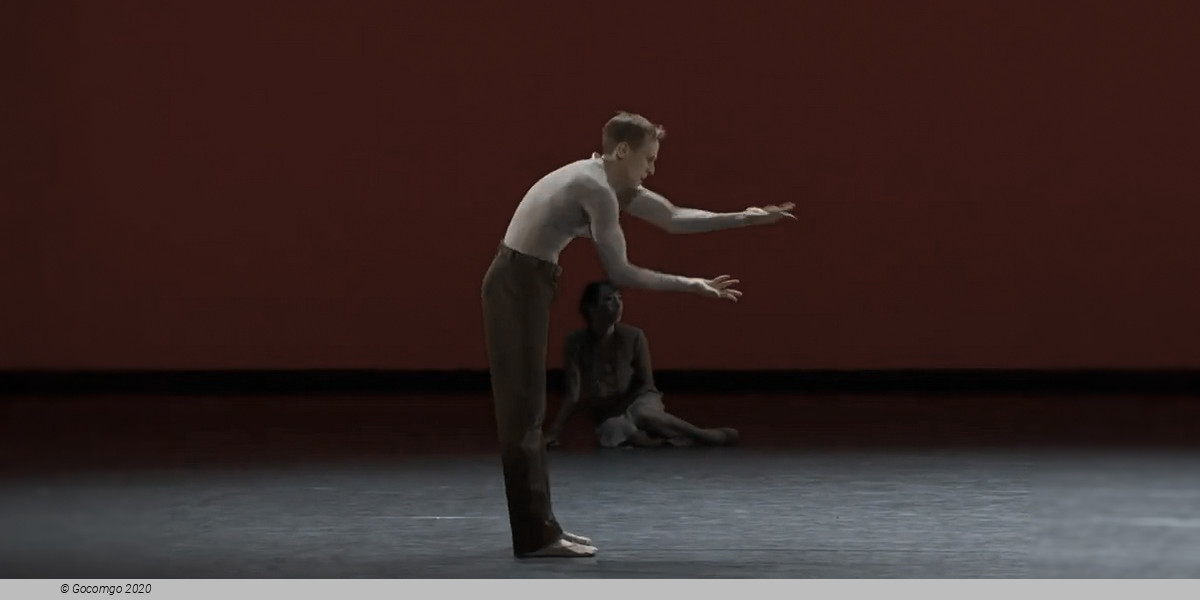
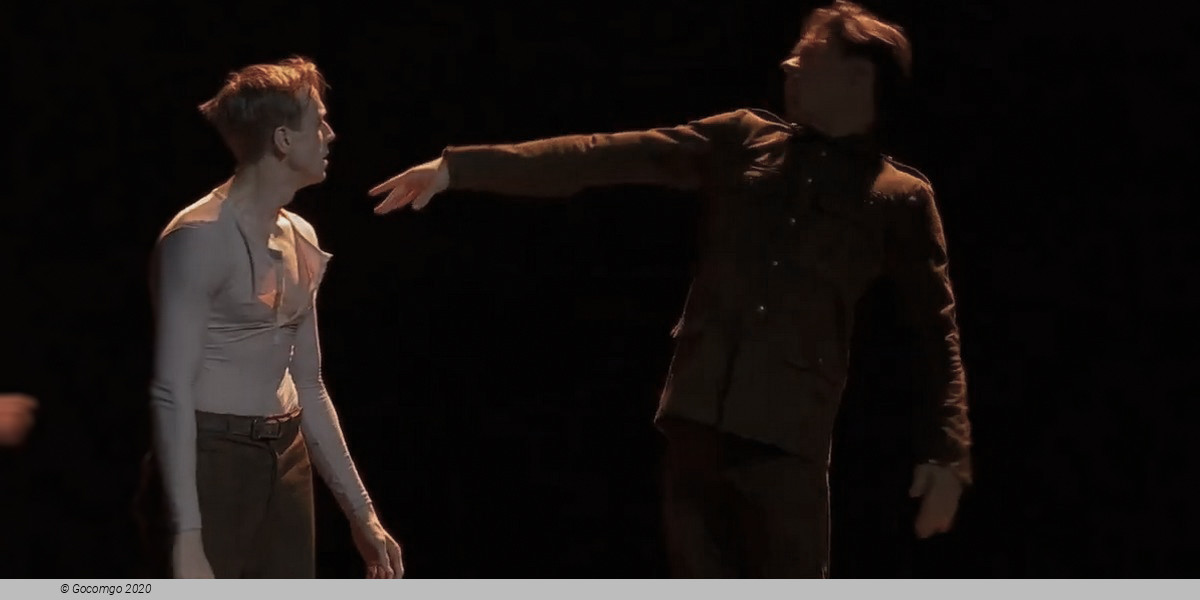
Set to an evocative score by Max Richter, the work seamlessly blends contemporary choreography with cutting-edge stagecraft, including atmospheric designs and immersive projections. The choreography is both intellectually rigorous and deeply emotional, pushing the boundaries of classical ballet while remaining anchored in expressive physicality.
In this Vienna production, Woolf Works becomes a mesmerizing dialogue between literature, music, and dance—an introspective journey that invites the audience into Woolf’s poetic, often turbulent inner landscape. It is a work of rare sensitivity and innovation, reaffirming McGregor’s position as one of the most visionary choreographers of our time.
Mrs Dalloway (published on 14 May 1925) is a novel by Virginia Woolf that details a day in the life of Clarissa Dalloway, a fictional high-society woman in post–First World War England. It is one of Woolf's best-known novels.
Orlando: A Biography is a novel by Virginia Woolf, first published on 11 October 1928. A high-spirited romp inspired by the tumultuous family history of Woolf's lover and close friend the aristocratic poet and novelist Vita Sackville-West, it is arguably one of Woolf's most popular novels: a history of English literature in satiric form. The book describes the adventures of a poet who changes sex from man to woman and lives for centuries, meeting the key figures of English literary history. Considered a feminist classic, the book has been written about extensively by scholars of women's writing and gender and transgender studies.
The Waves is a 1931 novel by Virginia Woolf. It is considered her most experimental work, and consists of soliloquies spoken by the book's six characters: Bernard, Susan, Rhoda, Neville, Jinny, and Louis. Also important is Percival, the seventh character, though readers never hear him speak in his own voice. The soliloquies that span the characters' lives are broken up by nine brief third-person interludes detailing a coastal scene at varying stages in a day from sunrise to sunset.
Mrs Dalloway. Created from two short stories, "Mrs Dalloway in Bond Street" and the unfinished "The Prime Minister," the novel addresses Clarissa's preparations for a party she will host that evening. With an interior perspective, the story travels forward and back in time and in and out of the characters' minds to construct an image of Clarissa's life and of the inter-war social structure. In October 2005, Mrs Dalloway was included on Time's list of the 100 best English-language novels written since 1923.
Clarissa Dalloway goes around London in the morning, getting ready to host a party that evening. The nice day reminds her of her youth spent in the countryside in Bourton and makes her wonder about her choice of husband; she married the reliable Richard Dalloway instead of the enigmatic and demanding Peter Walsh, and she "had not the option" to be with Sally Seton. Peter reintroduces these conflicts by paying a visit that morning.
Septimus Warren Smith, a First World War veteran suffering from deferred traumatic stress, spends his day in the park with his Italian-born wife Lucrezia, where Peter Walsh observes them. Septimus is visited by frequent and indecipherable hallucinations, mostly concerning his dear friend Evans who died in the war. Later that day, after he is prescribed involuntary commitment to a psychiatric hospital, he commits suicide by jumping out of a window.
Clarissa's party in the evening is a slow success. It is attended by most of the characters she has met in the book, including people from her past. She hears about Septimus' suicide at the party and gradually comes to admire this stranger's act, which she considers an effort to preserve the purity of his happiness.
Characters:
- Sir William Bradshaw is a famous psychiatrist to whom Septimus' physician, Dr. Holmes, refers Septimus. Bradshaw notes that Septimus has had a complete nervous breakdown and suggests spending time in the country as a cure.
- Clarissa Dalloway is the 51-year-old protagonist of the novel. She is Richard's wife and Elizabeth's mother, and, while reminiscing about her past, spends the day organising a party that will be held that night. She is self-conscious about her role in London high society.
- Elizabeth Dalloway is Clarissa and Richard's 17-year-old daughter. She is said to look "oriental" and has great composure. Compared to her mother, she takes great pleasure in politics and modern history, hoping to be either a doctor or farmer in the future. She would rather spend time in the country with her father than at her mother's party.
- Richard Dalloway is Clarissa's practical, "simple" husband, who feels disconnected from his wife. He is immersed in his work in government.
- Miss Doris Kilman, originally "Kiehlman", is Elizabeth's schoolmistress for history and is a born-again Christian. She has a degree in history and during the Great War was dismissed from her teaching job because "Miss Dolby thought she would be happier with people who shared her views about the Germans". She has a German ancestry and wears an unattractive mackintosh coat because she is uninterested in dressing to please others. She dislikes Clarissa intensely but loves to spend time with Elizabeth.
- Sally Seton is a love interest of Clarissa's, with whom she shared a kiss, who is now married to Lord Rosseter and has five boys. Sally had a strained relationship with her family and spent substantial time with Clarissa's family in her youth. She once could be described as feisty as well as a youthful ragamuffin, although she has become more conventional with age.
- Lucrezia "Rezia" Smith is Septimus' Italian wife. She is burdened by his mental illness and believes she is judged because of it. During most of the novel she is homesick for her family and country, which she left to marry Septimus after the Armistice.
- Septimus Warren Smith is a World War I veteran who suffers from "shell shock" and hallucinations of his deceased friend, Evans. Educated and decorated in the war, he is detached from society and believes himself to be unable to feel. He is married to Lucrezia, from whom he has grown distant.
- Peter Walsh is an old friend of Clarissa's who has failed at most of his ventures in life. In the past, Clarissa rejected his marriage proposal. Now he has returned to England from India and is one of Clarissa's party guests. He plans to marry Daisy, a married woman in India, and has returned to try to arrange a divorce for his current wife.
- Hugh Whitbread is a pompous friend of Clarissa's, who holds an unspecified position in the British Royal household. Like Clarissa, he places great importance on his place in society. Although he believes he is an essential member of the British aristocracy, Lady Bruton, Clarissa, Richard, and Peter find him obnoxious.
Orlando: A Biography. The novel has been adapted a number of times. In 1989, director Robert Wilson and writer Darryl Pinckney collaborated on a single-actor theatrical production. This had its British premiere at the Edinburgh Festival in 1996, with Miranda Richardson playing the title role; Isabelle Huppert performed in the French version, which opened at the Lusanne in 1993. A film adaptation by Sally Potter, simply titled Orlando, was released in 1992, starring Tilda Swinton in the title role. Another stage adaption by Sarah Ruhl premiered in New York City in 2010, and in 2016, composer Peter Aderhold and librettist Sharon L. Joyce premiered an opera based on the work at the Braunschweig State Theater.
The eponymous hero is born as a male nobleman in England during the reign of Elizabeth I. He undergoes a mysterious change of sex at the age of about 30 and lives on for more than 300 years into modern times without ageing perceptibly.
As a teenage boy, the handsome Orlando serves as a page at the Elizabethan court and becomes "favorite" of the elderly queen. After her death he falls deeply in love with Sasha, an elusive and somewhat feral princess in the entourage of the Russian embassy. This episode, of love and ice skating against the background of the celebrated Frost Fair held on the frozen Thames River during the Great Frost of 1608, when "birds froze in mid air and fell like stones to the ground", inspired some of Virginia Woolf's most bravura writing:
Great statesmen, in their beards and ruffs, despatched affairs of state under the crimson awning of the Royal Pagoda ... Frozen roses fell in showers when the Queen and her ladies walked abroad ... Near London Bridge, where the river had frozen to a depth of some twenty fathoms, a wrecked wherry boat was plainly visible, lying on the bed of the river where it had sunk last autumn, overladen with apples. The old bumboat woman, who was carrying her fruit to market on the Surrey side, sat there in her plaids and farthingales with her lap full of apples, for all the world as if she were about to serve a customer, though a certain blueness about the lips hinted the truth.
The melting of the ice coincides with Sasha's unfaithfulness and sudden departure for Russia. The desolate Orlando returns to writing The Oak Tree, a long poem started and abandoned in his youth. He meets and hospitably entertains an invidious poetaster, Nicholas Greene, who proceeds to find fault with Orlando's writing. Later Orlando feels betrayed on learning that he has been lampooned in one of Greene's subsequent works. A period of contemplating love and life leads Orlando to appreciate the value of his ancestral stately home, which he proceeds to furnish lavishly. There he plays host to the populace.
Ennui sets in and the harassment of a persistent suitor, the tall and somewhat androgynous Archduchess Harriet, leads Orlando to look for a way to flee the country. He is appointed by King Charles II as ambassador to Constantinople. Orlando performs his duties well, until a night of civil unrest and murderous riots. He falls asleep for a period of days, resistant to all efforts to rouse him. Upon awakening he finds that he has metamorphosed into a woman – the same person, with the same personality and intellect, but in a woman's body. Although the narrator of the novel professes to be disturbed and befuddled by Orlando's change, the fictional Orlando complacently accepts the change. From here on, Orlando's amorous inclinations change frequently although she stays biologically female.
The now Lady Orlando covertly escapes Constantinople in the company of a Gypsy clan. She adopts their way of life until its essential conflict with her upbringing leads her to head home. Only on the ship back to England, with her constraining female clothes and an incident in which a flash of her ankle nearly results in a sailor's falling to his death, does she realise the magnitude of becoming a woman. She concludes it has an overall advantage, declaring "Praise God I'm a woman!" Back in England, Orlando is hounded again by the archduchess, who now reveals herself to be a man, the Archduke Harry. Orlando evades his marriage proposals. She goes on to live switching between gender roles, dressing alternately as both man and woman.
Orlando soon becomes caught up in the life of the 18th and 19th centuries, holding court with the great poets (notably Alexander Pope). Critic Nick Greene, apparently also timeless, reappears and promotes Orlando's writing, promising to help her publish The Oak Tree.
Orlando wins a lawsuit over her property and marries a sea captain, Marmaduke Bonthrop Shelmerdine. Like Orlando, he is gender non-conforming, and Orlando attributes the success of their marriage to this similarity. In 1928, she publishes The Oak Tree, centuries after starting it, and wins a prize. The novel ends as Orlando's husband's ship returns and, in the aftermath of her success, she rushes to greet him.
The Waves. As the six characters or "voices" speak Woolf explores concepts of individuality, self and community. Each character is distinct, yet together they compose (as Ida Klitgård has put it) a gestalt about a silent central consciousness.
In a 2015 poll conducted by BBC, The Waves was voted the 16th greatest British novel ever written.
Bernard is a story-teller, always seeking some elusive and apt phrase. Some critics see Woolf's friend E. M. Forster as an inspiration for him.
Louis is an outsider who seeks acceptance and success. Some critics see in him aspects of T. S. Eliot, whom Woolf knew well.
Neville, who may be partly based on another of Woolf's friends, Lytton Strachey, seeks out a series of men, each of whom becomes the present object of his transcendent love.
Jinny is a socialite whose world view corresponds to her physical, corporeal beauty. There is evidence that she is based on Woolf's friend Mary Hutchinson.
Susan flees the city, preferring the countryside, where she grapples with the thrills and doubts of motherhood. Some aspects of Susan recall Woolf's sister Vanessa Bell.
Rhoda is riddled with self-doubt, anxiety and depression, always rejecting and indicting human compromise, always seeking out solitude. She echoes Shelley's poem "The Question" (paraphrased: I shall gather my flowers and present them — O! to whom?). Rhoda resembles Virginia Woolf in some respects.
Percival, partly based on Woolf's brother, Thoby Stephen, is the Miraculous but morally flawed hero of the other six. He dies midway through the novel, while engaged on an imperialist quest in British-dominated colonial India. Percival never speaks on his own in The Waves, but readers learn about him in detail as the other six characters repeatedly describe and reflect on him.
The novel follows its six narrators from childhood through adulthood. Woolf is concerned with the individual consciousness and the ways in which multiple consciousnesses can weave together.






 Opernring 2