
Vienna State Opera tickets 28 June 2027 - Ballet Gala 2027 | GoComGo.com

Ballet Gala 2027

Vienna State Opera, Main Stage, Vienna, Austria
All photos (23)
Select date and time
7 PM
From
US$ 86

E-tickets: Print at home or at the box office of the event if so specified. You will find more information in your booking confirmation email.

You can only select the category, and not the exact seats.
If you order 2 or 3 tickets: your seats will be next to each other.
If you order 4 or more tickets: your seats will be next to each other, or, if this is not possible, we will provide a combination of groups of seats (at least in pairs, for example 2+2 or 2+3).

Important Info
Type: Ballet
City: Vienna, Austria
Starts at: 19:00

E-tickets: Print at home or at the box office of the event if so specified. You will find more information in your booking confirmation email.

You can only select the category, and not the exact seats.
If you order 2 or 3 tickets: your seats will be next to each other.
If you order 4 or more tickets: your seats will be next to each other, or, if this is not possible, we will provide a combination of groups of seats (at least in pairs, for example 2+2 or 2+3).

Cast
Performers
Ballet company: Vienna State Ballet
Conductor: Fayçal Karoui
Creators
Composer: Leonard Bernstein
Choreographer: Jerome Robbins
Composer: Frédéric Chopin
Composer: Giuseppe Verdi
Composer: Johann Sebastian Bach
Composer: Morton Gould
Choreographer: Justin Peck
Overview

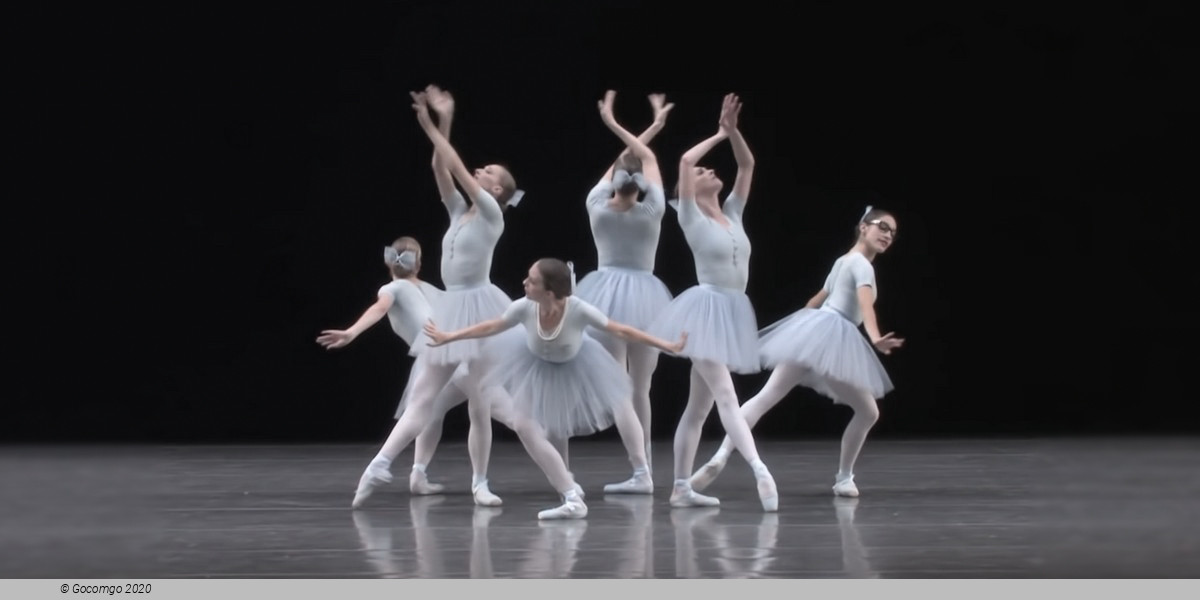
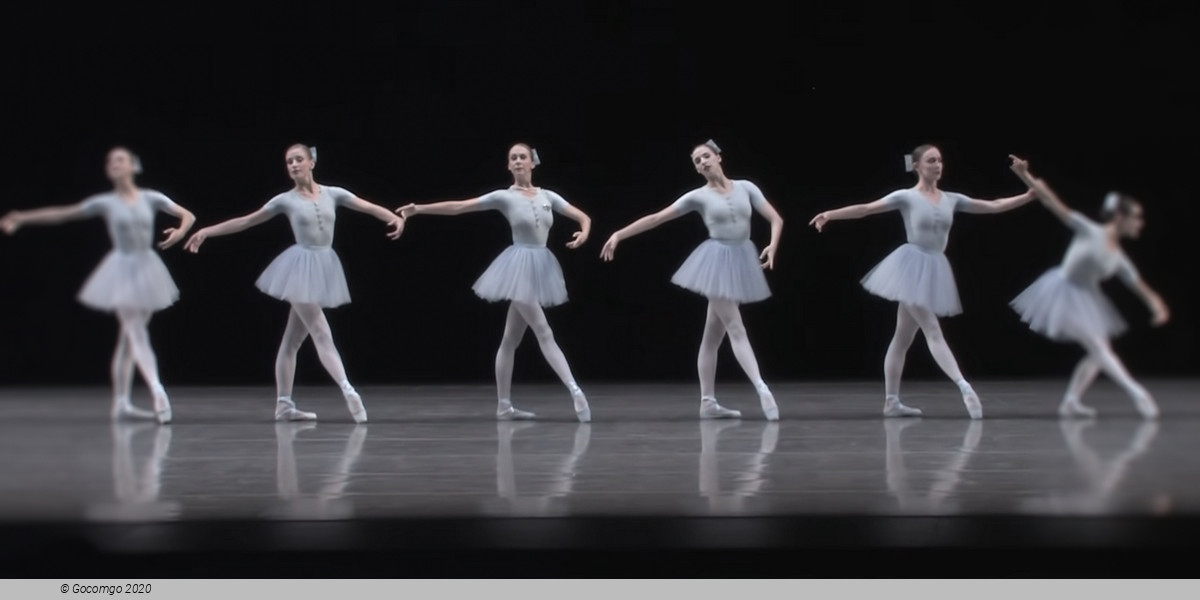
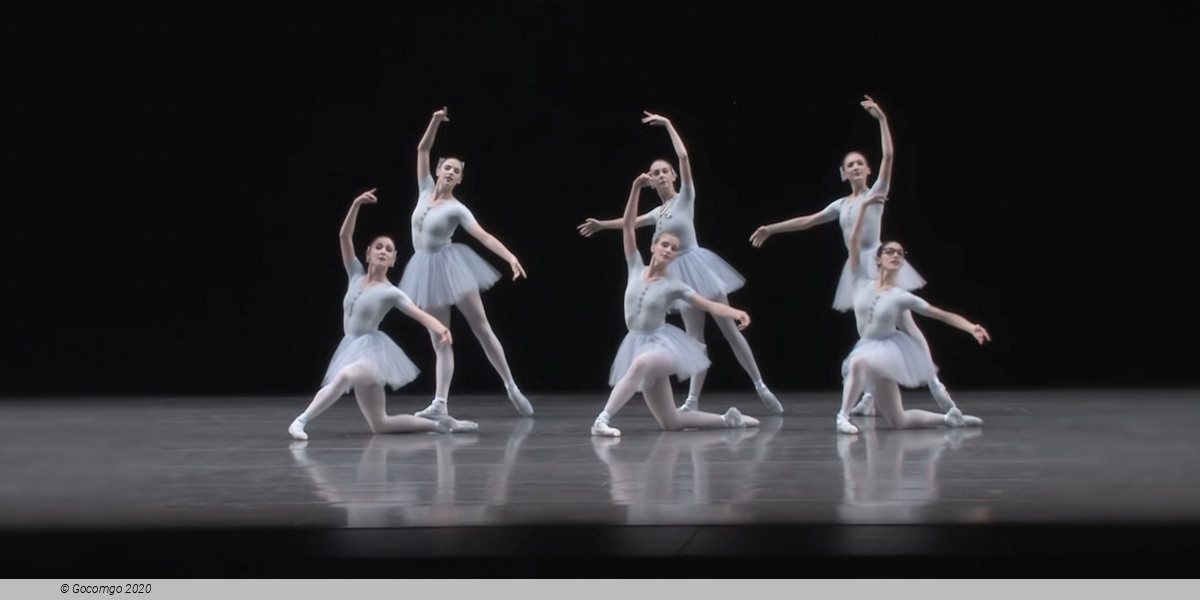
The ballet gala marking the end of the 2026/27 season offers a multifaceted insight into the extraordinary choreographic work of the renowned dance artist Jerome Robbins.

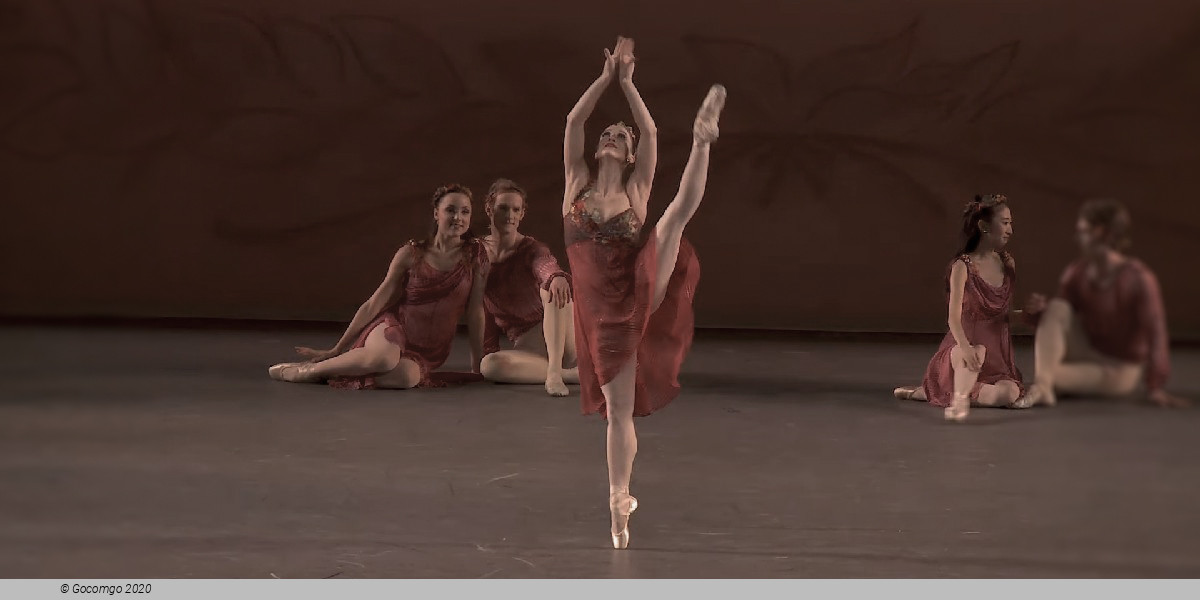
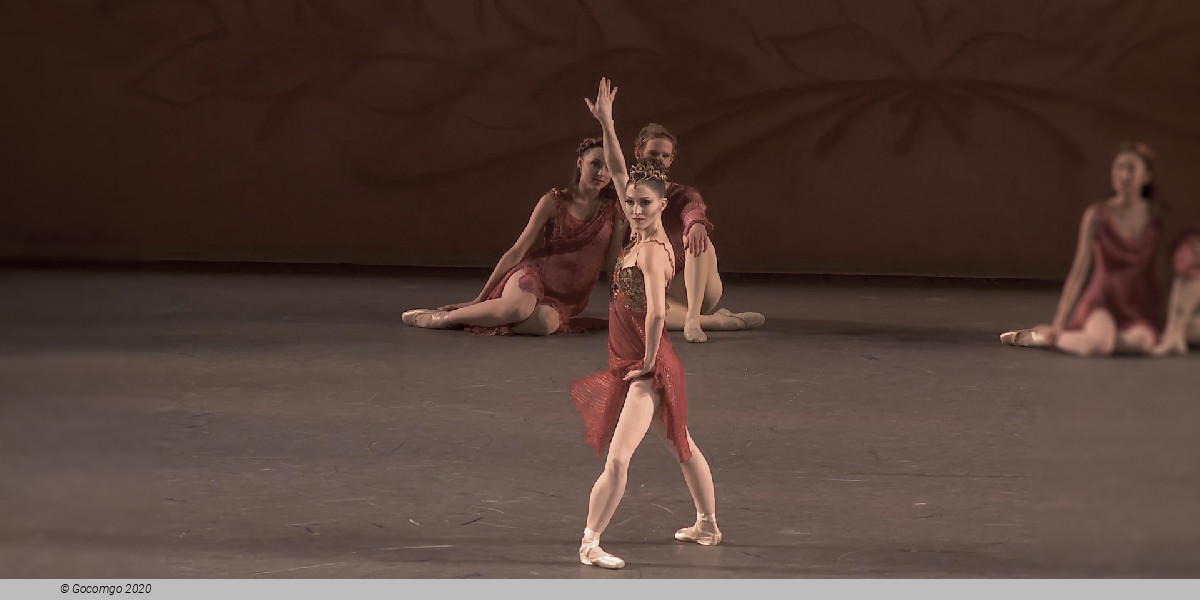
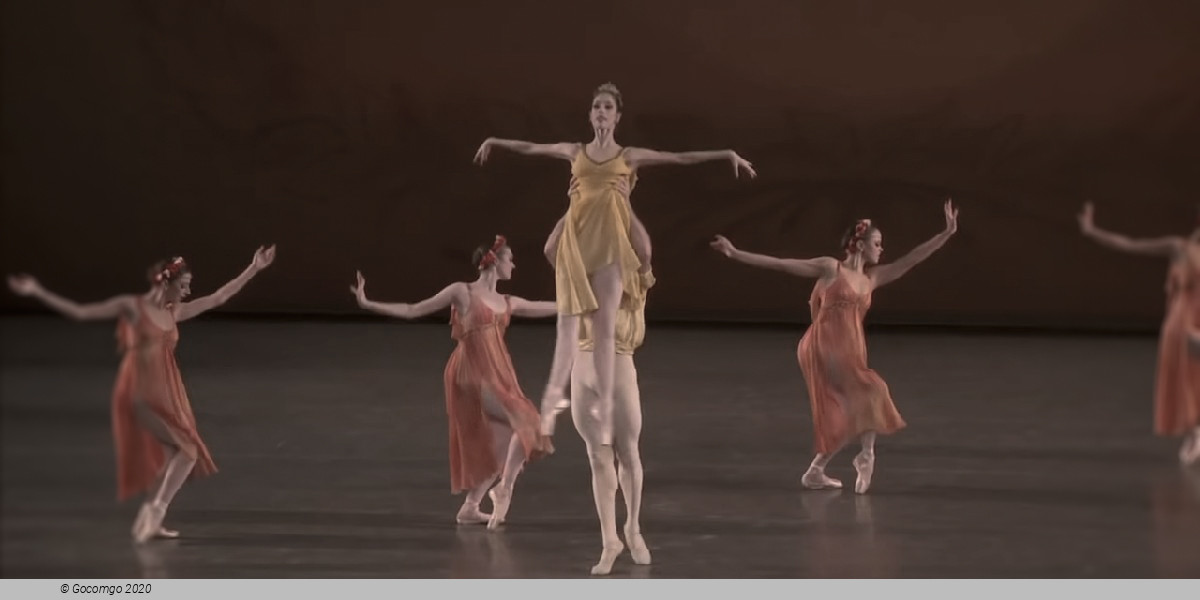
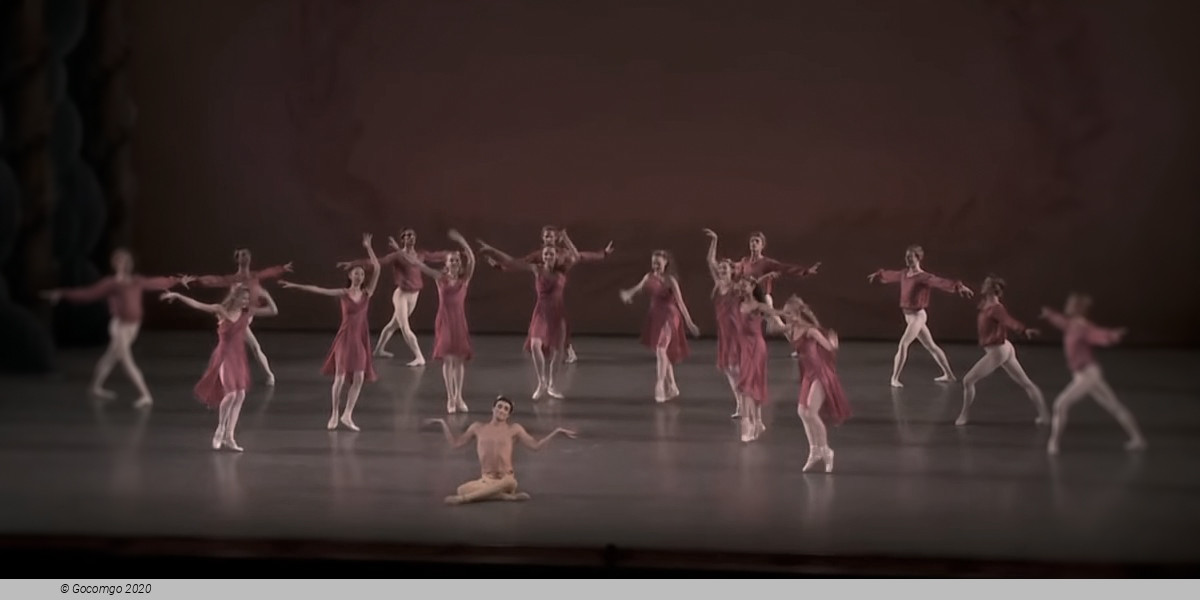
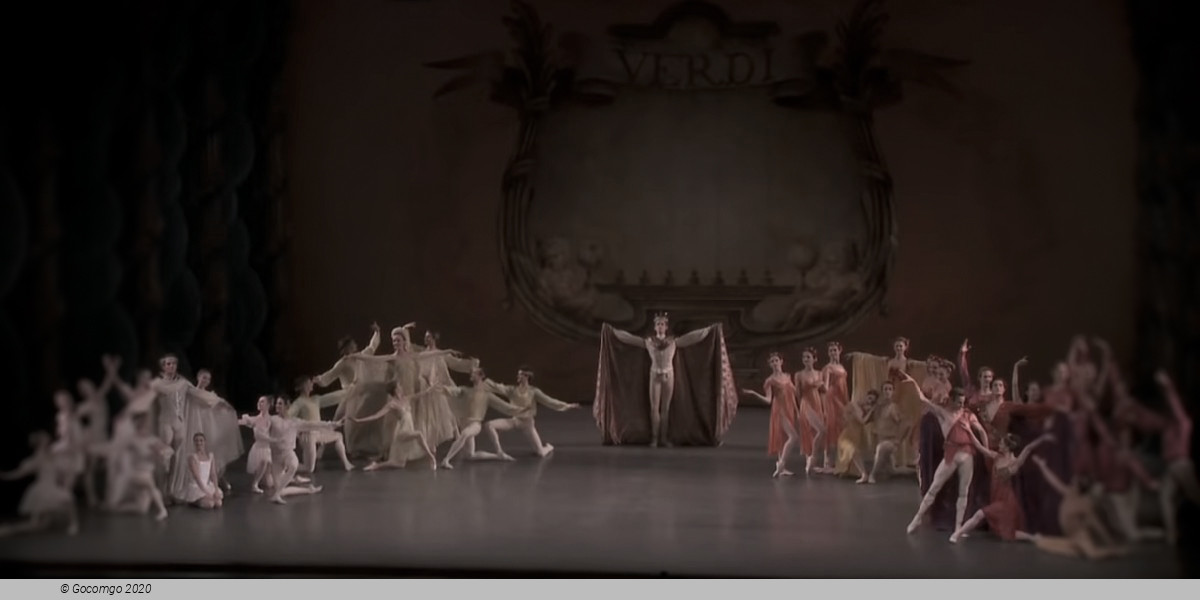
The Four Seasons (1979) is a spirited exploration of the music of Giuseppe Verdi. Robbins transforms the four seasons into brilliant dance tableaux filled with elegance, energy, and color.

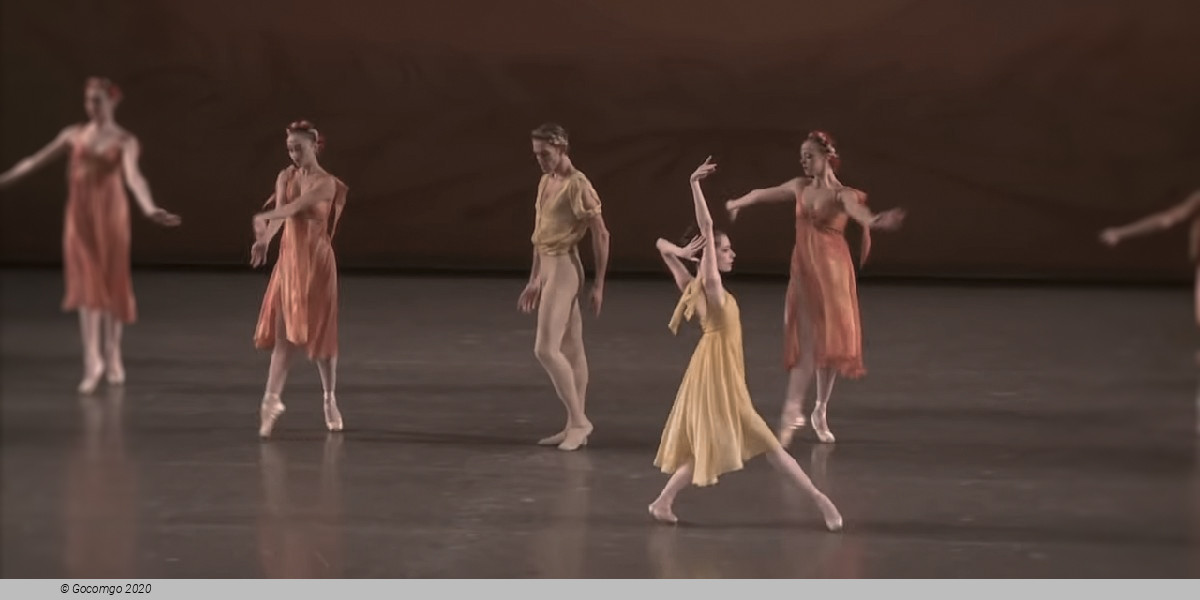
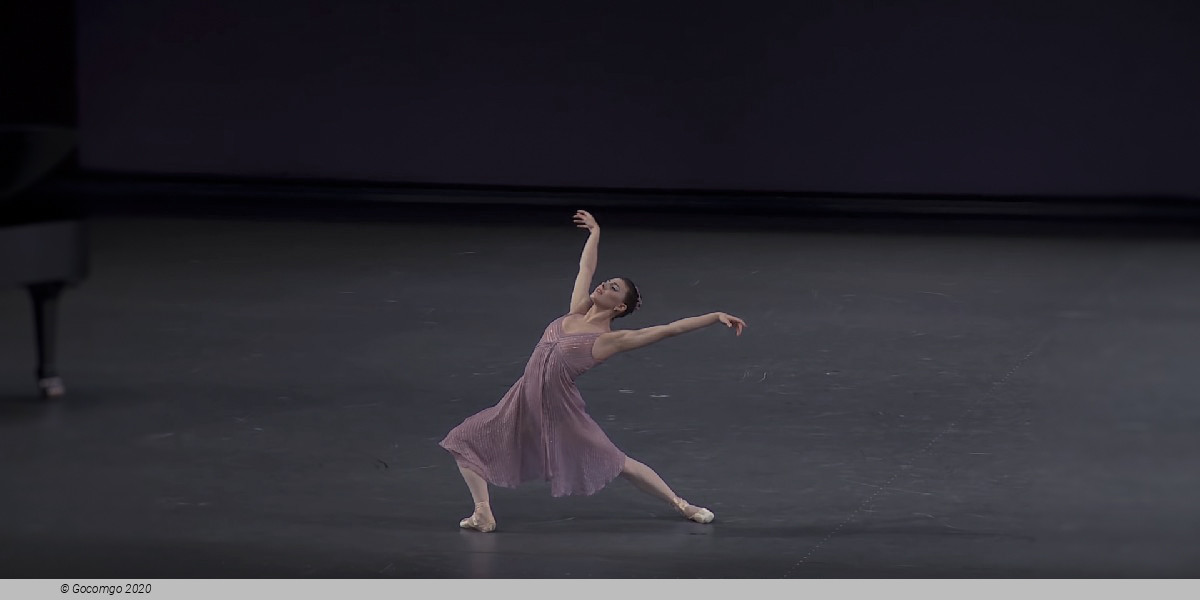
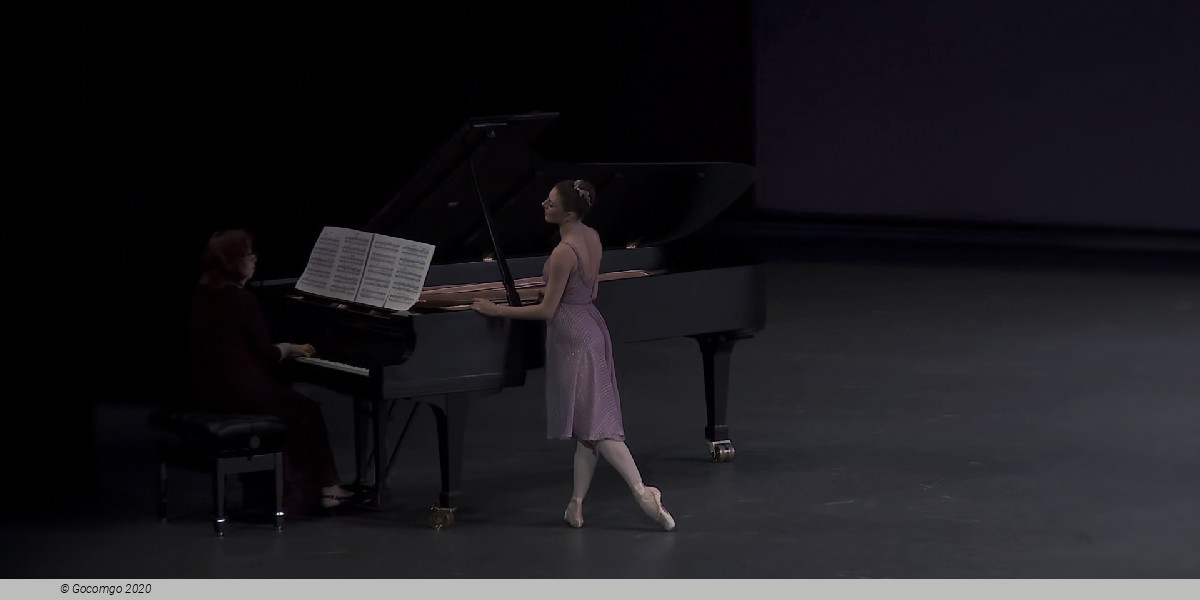
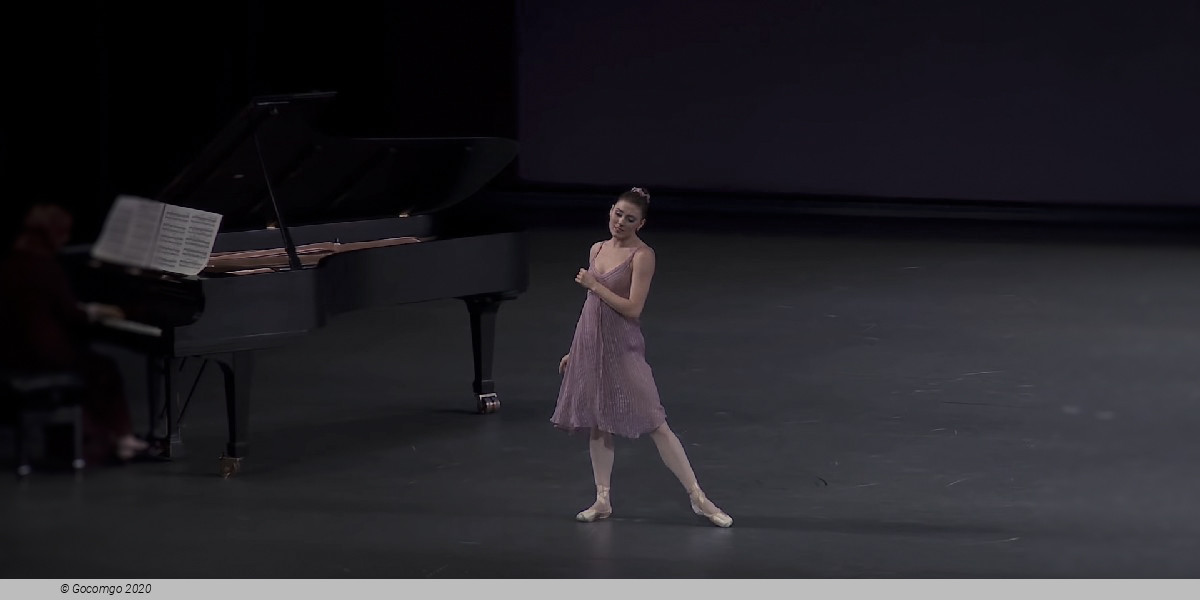
Other Dances from 1976, set to piano pieces by Frédéric Chopin, unfolds as an intimate pas de deux of poetic beauty and refined musical sensitivity.

Interplay is one of Robbins’ earliest choreographies, premiered in 1945, and reveals his early style shaped by American vitality. Set to jazz-inflected music by Morton Gould, the work develops into a lively play of youthful dynamism, rhythmic precision, and relaxed elegance.

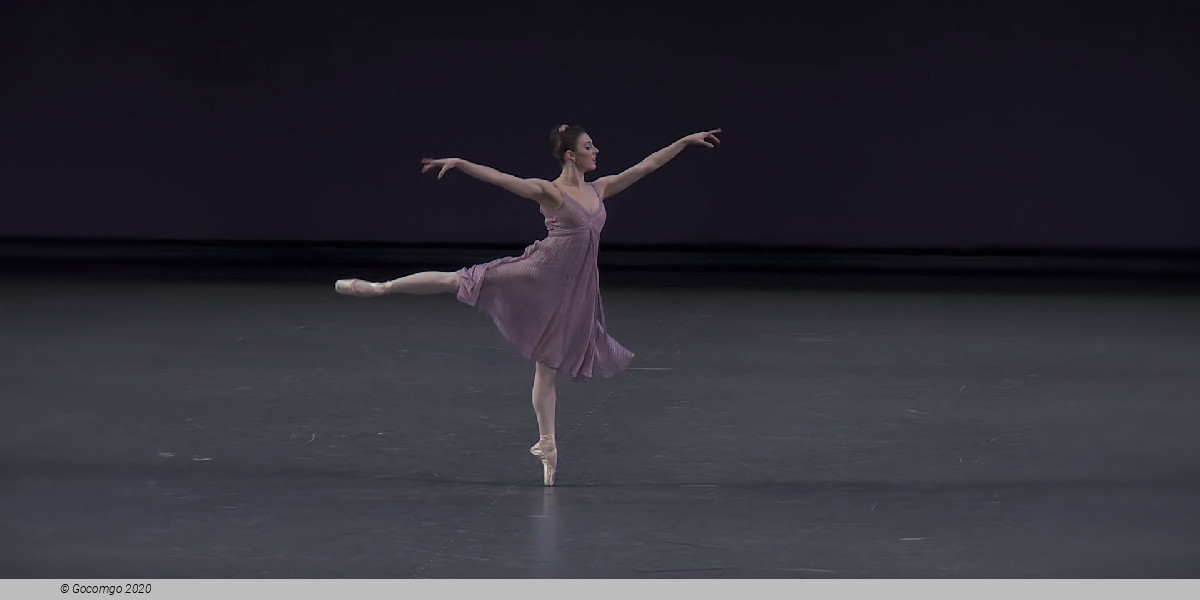
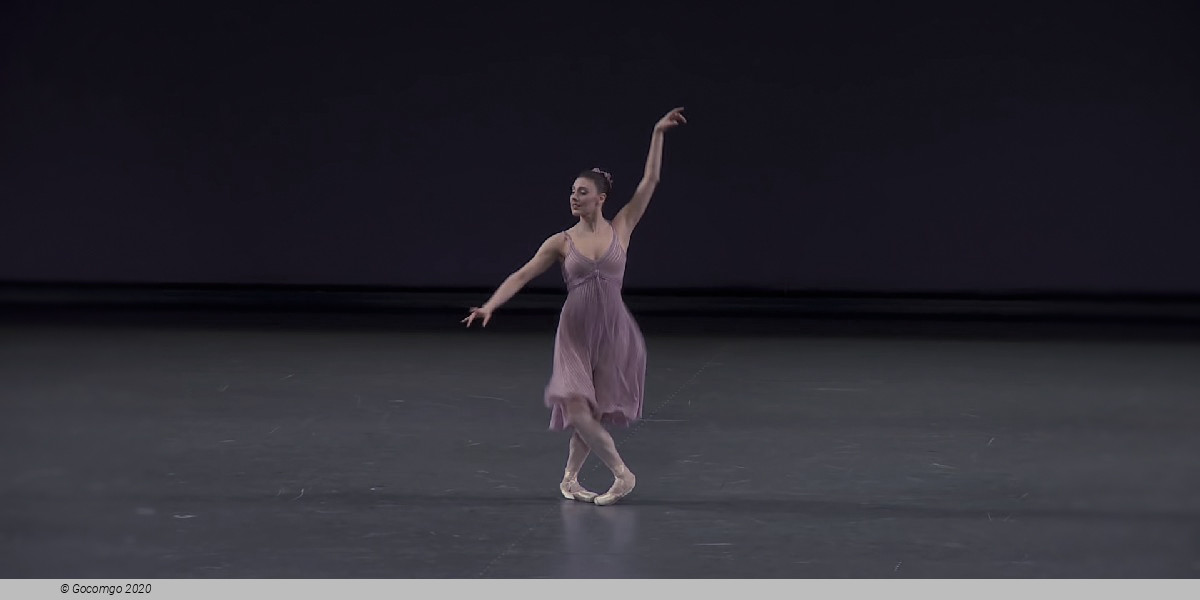
With A Suite of Dances (1994), Robbins created a masterpiece for a solo dancer. Set to the Cello Suites by Johann Sebastian Bach, an intimate dialogue between dance and music emerges – focused, lyrically simple yet virtuosic, and profoundly human.

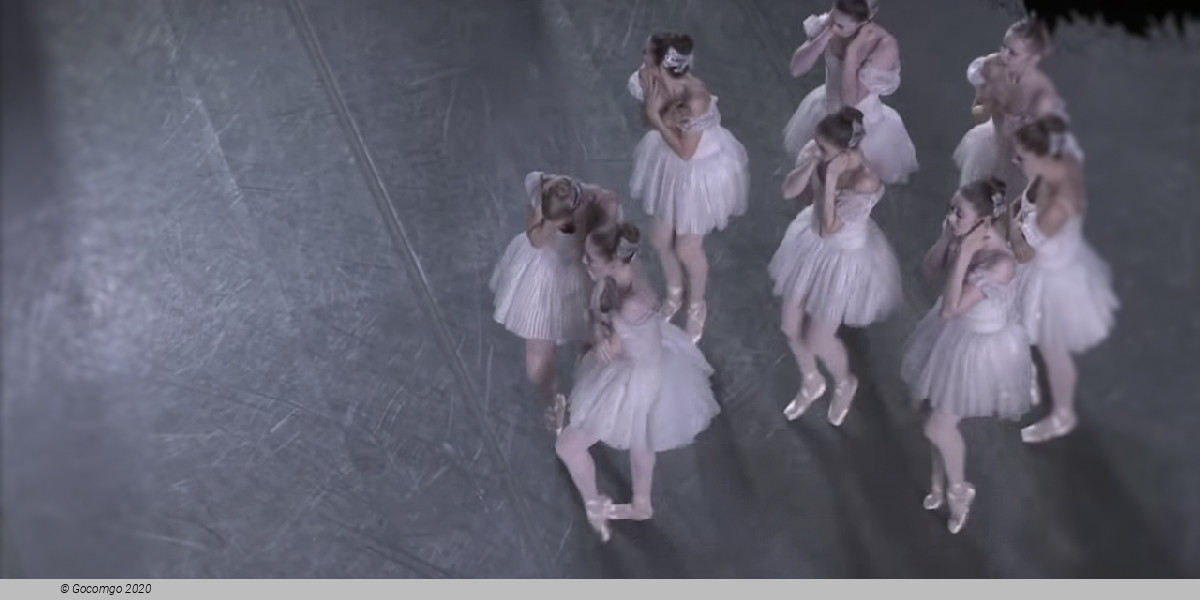
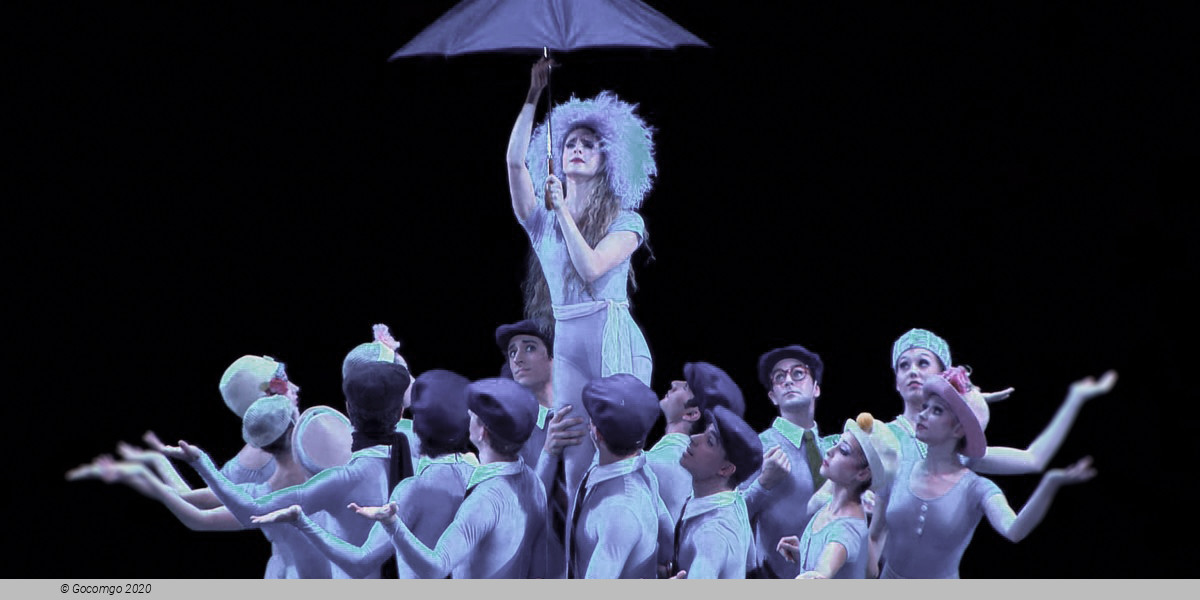
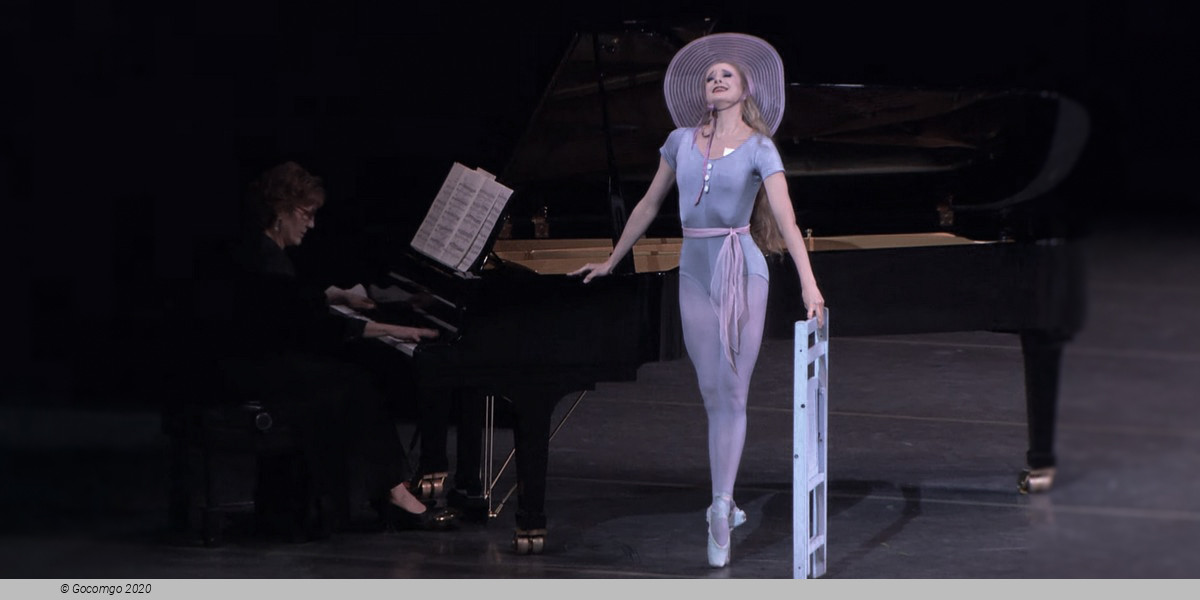
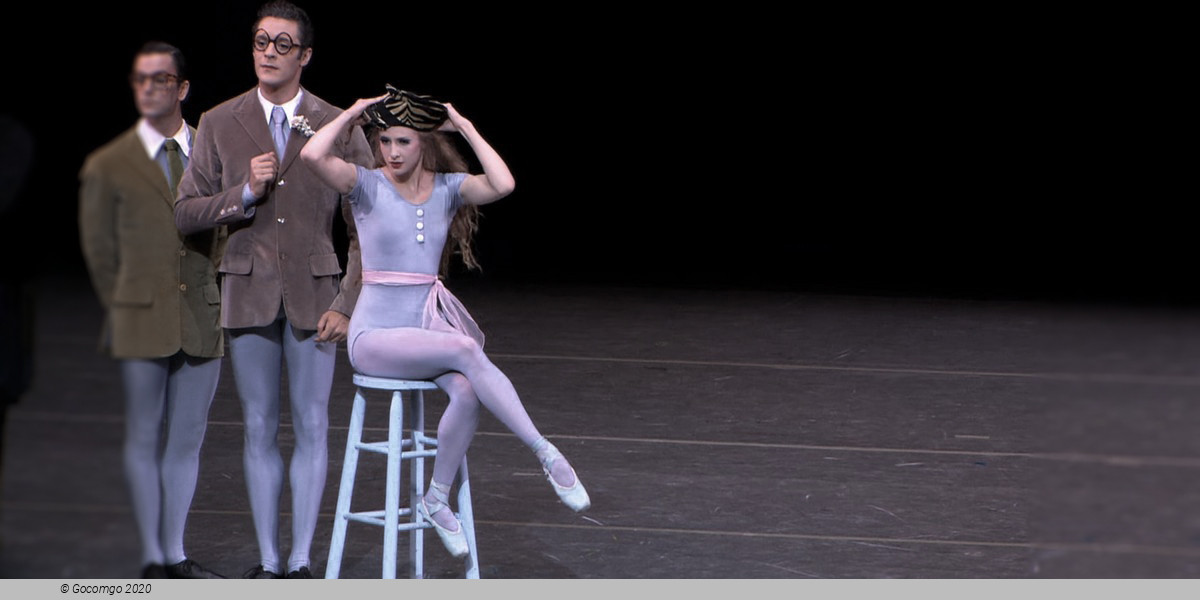
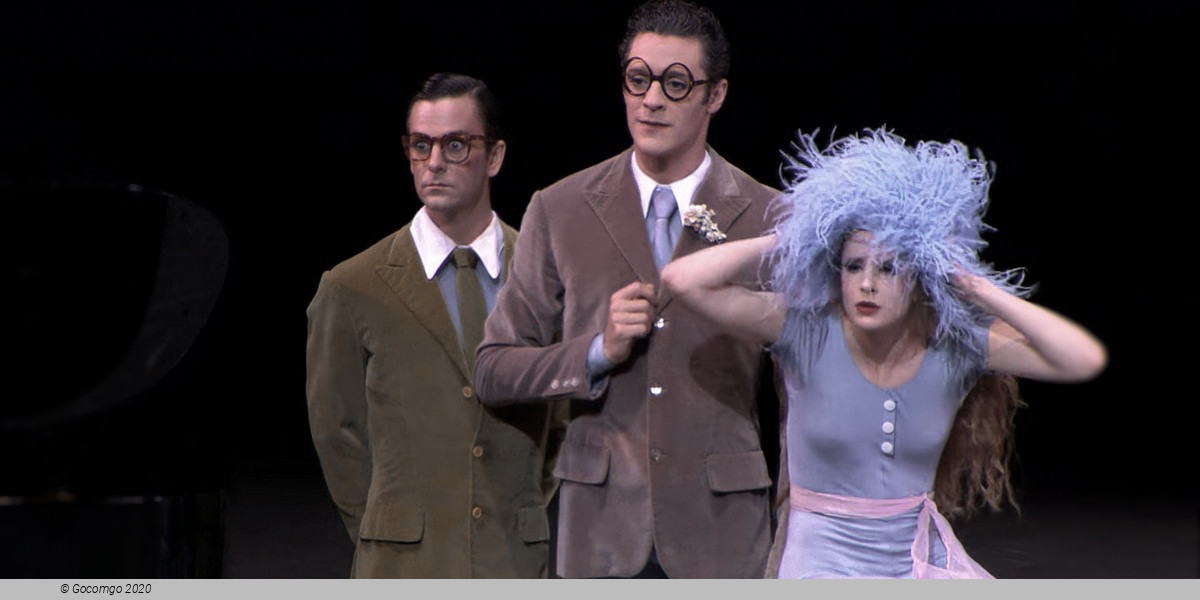
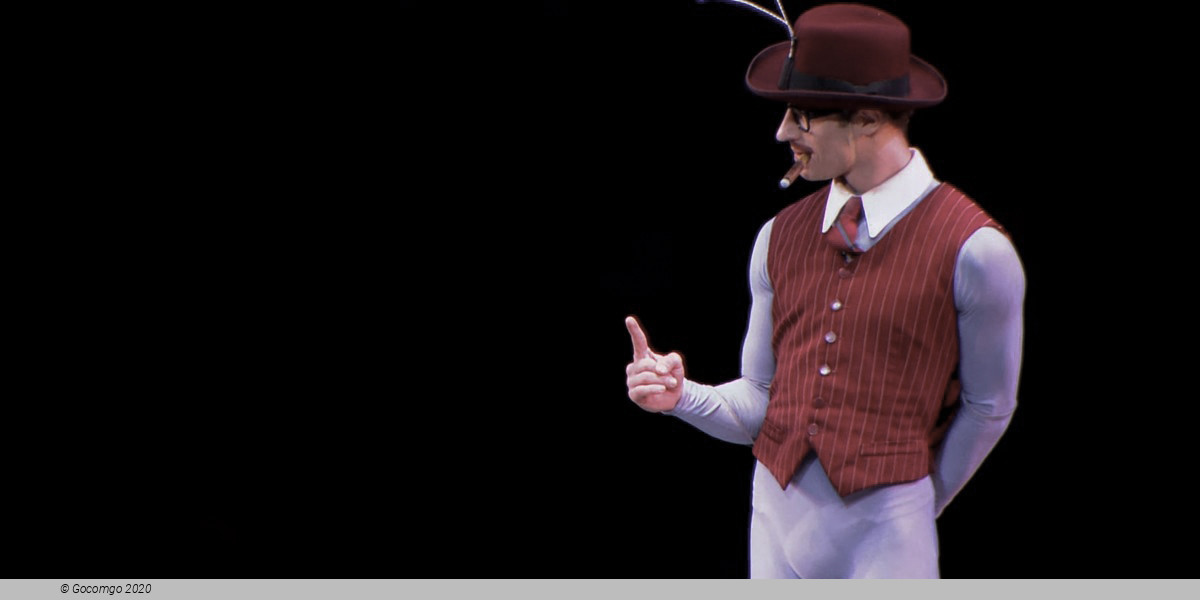
The humorous conclusion is provided by The Concert (1956), a charmingly comic ballet full of situational humor and pointed irony. Set to music by Chopin, Robbins gently satirizes the world of the concert hall, revealing its peculiarities with subtle wit.

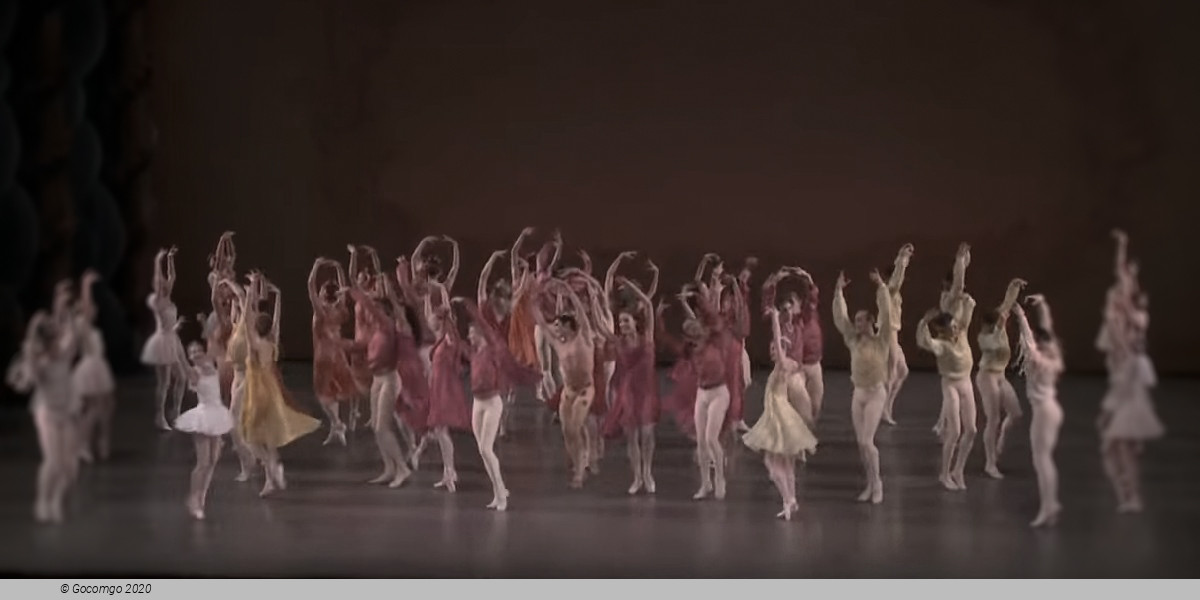
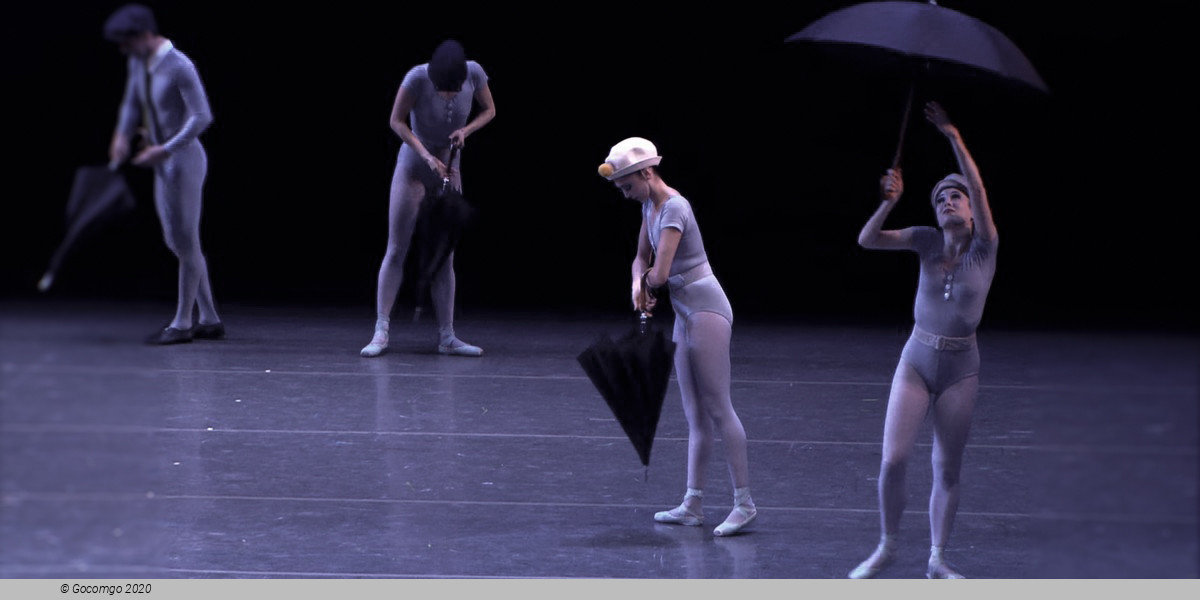
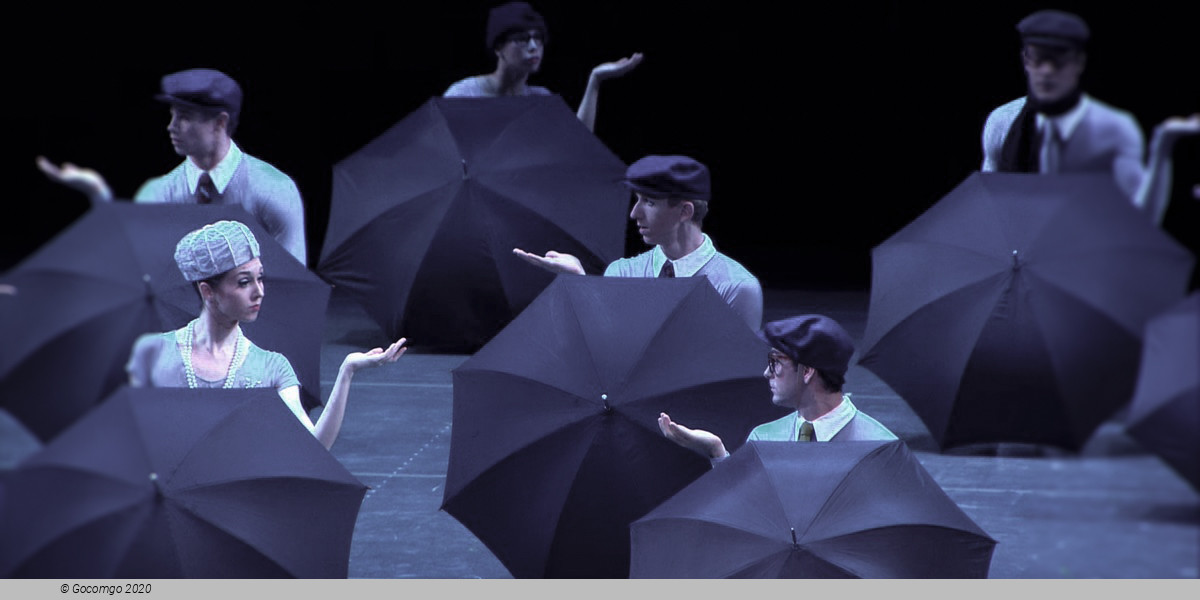
Easy, by New York City Ballet’s Resident Choreographer Justin Peck, is an energetic and colorful homage to Jerome Robbins and his playful approach to choreography. Set to jazzy music by Leonard Bernstein, the work forms an exciting addition to the gala program and also demonstrates how Robbins’ artistic legacy continues to live on.

“Jerome Robbins is one of the defining figures in the history of dance. As a choreographer and master of his craft, he profoundly shaped 20th-century ballet and gave it a distinctive and enduring voice. This gala offers us a special opportunity to present selected works from his rich oeuvre and to consciously celebrate his artistic legacy. A gala is more than a sequence of pieces – it is a tribute: to great choreographers, to significant works, and not least to the company that brings them to life on stage. Robbins was an exceptionally refined artist. He fused jazz, Broadway, and classical ballet into a unique choreographic language. His style was unmistakable marked by musicality, elegance, and precision, yet equally by wit, humanity, and emotional depth. It is precisely this richness and versatility that continue to make his works so vibrant and moving today – for dancers and audiences alike.” (Alessandra Ferri)

About the music
Jerome Robbins’ works are characterized by an exceptionally close connection between movement and music, in which the rhythm, structure, and emotional nuances of the score are directly translated into choreography. Robbins understood musicality not merely as precise “counting,” but as a deep grasp of the mood, dynamics, and inner dramaturgy of the compositions, which he transformed into finely nuanced, natural-looking movements. The gala program offers insight into Robbins’ intensive engagement with various composers and clearly demonstrates his understanding of the relationship between dance and music.

The premiere took place in March 1994 at the Baryshnikov's White Oak Dance Project; the City Ballet premiere was on 10 May of that year at the New York State Theater, Lincoln Center.

History
Premiere of this production: 18 January 1979, New York State Theater, Lincoln Center

The Four Seasons is a ballet choreographed by New York City Ballet ballet master Jerome Robbins to excerpts from Giuseppe Verdi's I Vespri Siciliani (1855), I Lombardi (1843), and Il Trovatore (1853). The premiere took place on 18 January 1979 at the New York State Theater, Lincoln Center, with scenery and costumes by Santo Loquasto and lighting by Jennifer Tipton.

Premiere of this production: 09 May 1976, Metropolitan Opera House

Other Dances is a ballet choreographed by Jerome Robbins to music by Frédéric Chopin. It was created on Natalia Makarova and Mikhail Baryshnikov, and premiered on May 9, 1976, at a gala benefitting the New York Public Library for the Performing Arts, held at Metropolitan Opera House. It was originally made as a pièce d'occasion, but after receiving critical acclaim, it was soon added to American Ballet Theatre and New York City Ballet's repertories.

A Suite of Dances is a ballet made by New York City Ballet ballet master Jerome Robbins for Mikhail Baryshnikov to four movements from Bach's Six suites for unaccompanied cello:

  • Prelude from Suite No. 1 in G major, BWV 1007
  • Sarabande from Suite No. 5 in C minor, BWV 1011
  • Gigue from Suite No. 1 in G major, BWV 1007
  • Prelude from Suite No. 6 in D major, BWV 1012
Premiere of this production: 06 March 1956, City Center of Music and Drama, New York

The Concert (or The Perils of Everybody) is a ballet made by Jerome Robbins, subsequently New York City Ballet's ballet master, to Chopin's music.

Venue Info

Vienna State Opera - Vienna
Location   Opernring 2

The Vienna State Opera is one of the leading opera houses in the world. Its past is steeped in tradition. Its present is alive with richly varied performances and events. Each season, the schedule features 350 performances of more than 60 different operas and ballets. The members of the Vienna Philharmonic are recruited from the Vienna State Opera's orchestra. The building is also the home of the Vienna State Ballet, and it hosts the annual Vienna Opera Ball during the carnival season.

The 1,709-seat Renaissance Revival venue was the first major building on the Vienna Ring Road. It was built from 1861 to 1869 following plans by August Sicard von Sicardsburg and Eduard van der Nüll, and designs by Josef Hlávka. The opera house was inaugurated as the "Vienna Court Opera" (Wiener Hofoper) in the presence of Emperor Franz Joseph I and Empress Elisabeth of Austria. It became known by its current name after the establishment of the First Austrian Republic in 1921. The Vienna State Opera is the successor of the Vienna Court Opera, the original construction site chosen and paid for by Emperor Franz Joseph in 1861.

The opera house was the first major building on the Vienna Ringstrasse commissioned by the Viennese "city expansion fund". Work commenced on the house in 1861 and was completed in 1869, following plans drawn up by architects August Sicard von Sicardsburg and Eduard van der Nüll. It was built in the Neo-Renaissance style by the renowned Czech architect and contractor Josef Hlávka.

Gustav Mahler was one of the many conductors who have worked in Vienna. During his tenure (1897–1907), Mahler cultivated a new generation of singers, such as Anna Bahr-Mildenburg and Selma Kurz, and recruited a stage designer who replaced the lavish historical stage decors with sparse stage scenery corresponding to modernistic, Jugendstil tastes. Mahler also introduced the practice of dimming the lighting in the theatre during performances, which was initially not appreciated by the audience. However, Mahler's reforms were maintained by his successors.

Herbert von Karajan introduced the practice of performing operas exclusively in their original language instead of being translated into German. He also strengthened the ensemble and regular principal singers and introduced the policy of predominantly engaging guest singers. He began a collaboration with La Scala in Milan, in which both productions and orchestrations were shared. This created an opening for the prominent members of the Viennese ensemble to appear in Milan, especially to perform works by Wolfgang Amadeus Mozart and Richard Strauss.

Ballet companies merge

At the beginning of the 2005–2006 season, the ballet companies of the Staatsoper and the Vienna Volksoper were merged under the direction of Gyula Harangozó.

From the 2010–2011 season a new company was formed called Wiener Staatsballet, Vienna State Ballet, under the direction of former Paris Opera Ballet principal dancer Manuel Legris. Legris eliminated Harangozós's policy of presenting nothing but traditional narrative ballets with guest artists in the leading roles, concentrated on establishing a strong in-house ensemble and restored evenings of mixed bill programs, featuring works of George Balanchine, Jerome Robbins, Jiří Kylián, William Forsythe, and many contemporary choreographers, as well as a reduced schedule of the classic ballets.

Opera ball

For many decades, the opera house has been the venue of the Vienna Opera Ball. It is an internationally renowned event, which takes place annually on the last Thursday in Fasching. Those in attendance often include visitors from around the world, especially prominent names in business and politics. The opera ball receives media coverage from a range of outlets.

Important Info
Type: Ballet
City: Vienna, Austria
Starts at: 19:00
Top of page