
Vienna State Opera tickets 1 February 2027 - Living Legacies: G. Balanchine, C. Wheeldon, F. Ashton | GoComGo.com

Living Legacies: G. Balanchine, C. Wheeldon, F. Ashton

Vienna State Opera, Main Stage, Vienna, Austria
All photos (17)
Select date and time
7 PM
From
US$ 114

E-tickets: Print at home or at the box office of the event if so specified. You will find more information in your booking confirmation email.

You can only select the category, and not the exact seats.
If you order 2 or 3 tickets: your seats will be next to each other.
If you order 4 or more tickets: your seats will be next to each other, or, if this is not possible, we will provide a combination of groups of seats (at least in pairs, for example 2+2 or 2+3).

Important Info
Type: Modern Ballet
City: Vienna, Austria
Starts at: 19:00

E-tickets: Print at home or at the box office of the event if so specified. You will find more information in your booking confirmation email.

You can only select the category, and not the exact seats.
If you order 2 or 3 tickets: your seats will be next to each other.
If you order 4 or more tickets: your seats will be next to each other, or, if this is not possible, we will provide a combination of groups of seats (at least in pairs, for example 2+2 or 2+3).

Cast
Performers
Ballet company: Vienna State Ballet
Conductor: David Coleman
Creators
Composer: Antonio Vivaldi
Composer: Ezio Bosso
Composer: Sergei Rachmaninoff
Composer: Wolfgang Amadeus Mozart
Choreographer: Christopher Wheeldon
Choreographer: George Balanchine
Choreography: Frederick Ashton
Overview

Living Legacies not only brings together two groundbreaking choreographers in George Balanchine and Frederick Ashton whose works remain “state of the art” for any ballet company and who had a decisive influence on the development of classical dance, but also leads us into the present with Christopher Wheeldon, making continuities and discontinuities evident. The legacy of classical ballet lives on, not just by continuing choreographic traditions, but also by rethinking and reinterpreting them and through the dancers who perform them in the here and now.

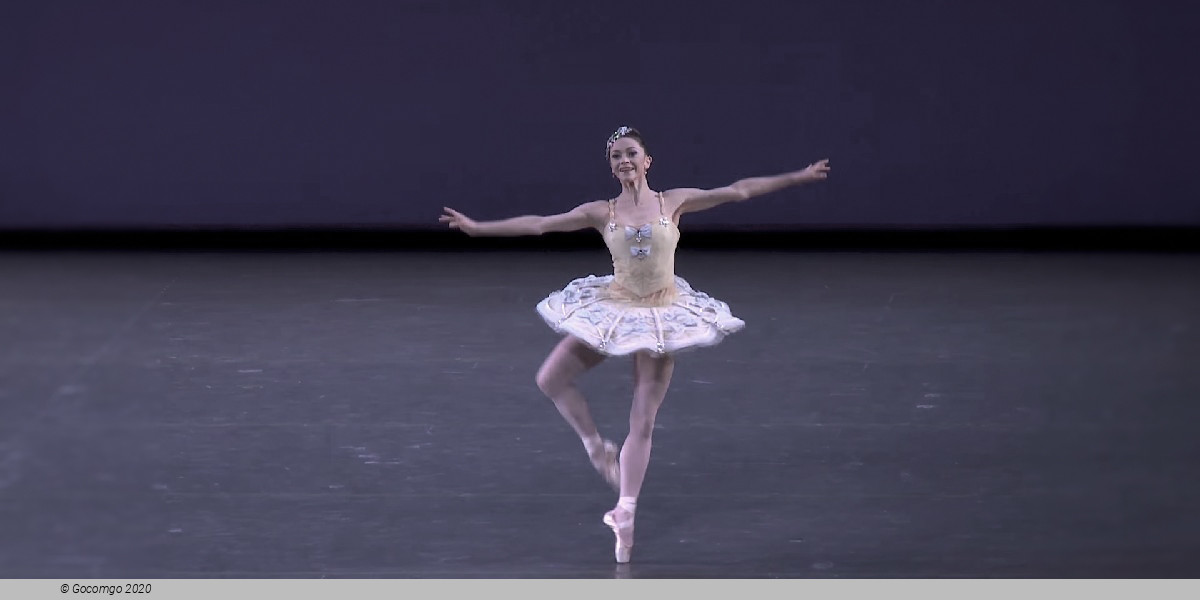
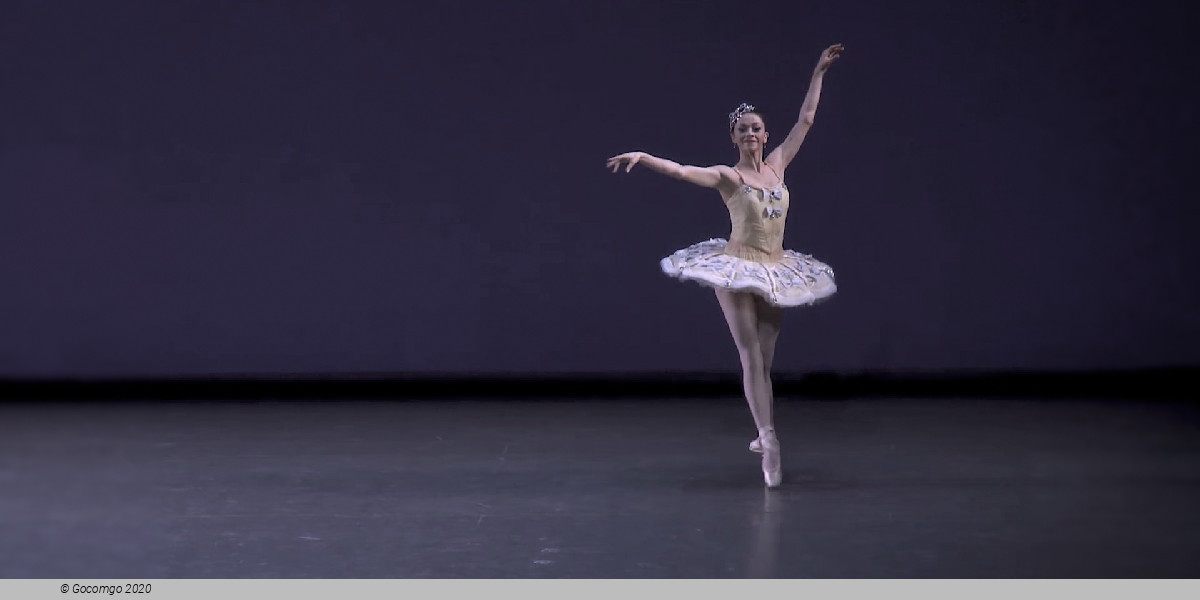
An homage to the great composer Wolfgang Amadeus Mozart is what George Balanchine wanted to create with his Divertimento Nr. 15. Inspired by the clarity, multiplicity and elegance that distinguishes the Austrian’s oeuvre, the result is one of the choreographer’s most gossamer-like works: “This particular divertimento is probably the greatest of its kind. It presents Mozart from his best side, by infusing the familiar form of court music with warm dignity, playfulness and tender, lyric beauty”, Balanchine says, and lets the movement in his choreography entirely follow the composition in keeping with his principle: “see the music, hear the dance”. “In Balanchine’s setting of Mozart’s music, we can feel that these two great minds were genuine ‘soulmates’,” the ballet critic Richard Buckle wrote about this work which premiered in 1956 with New York City Ballet. 

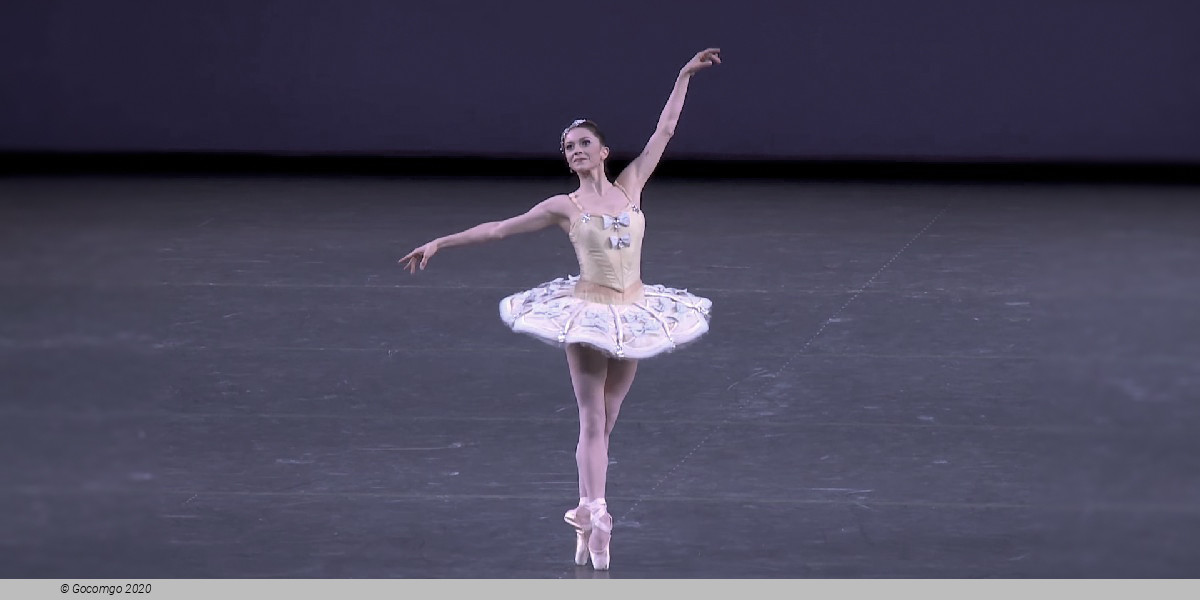
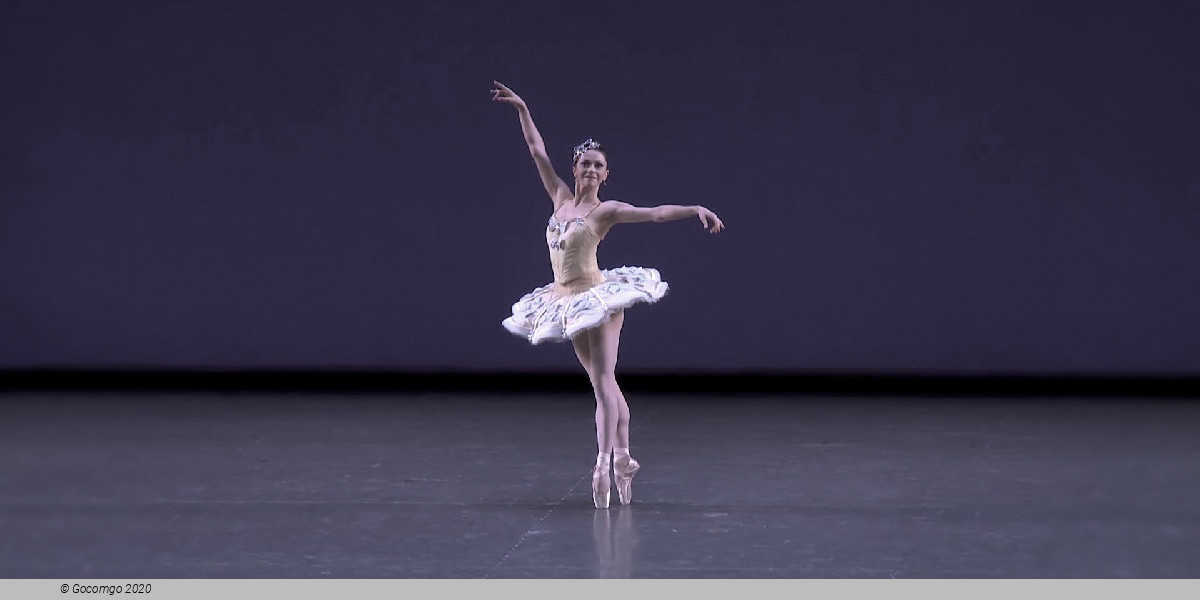
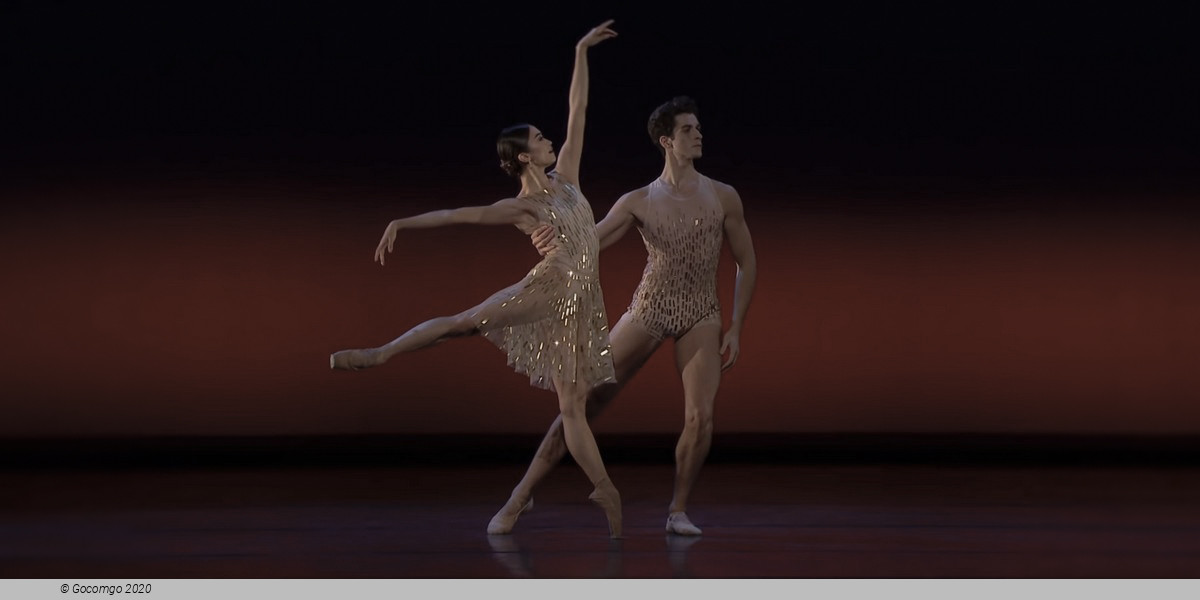
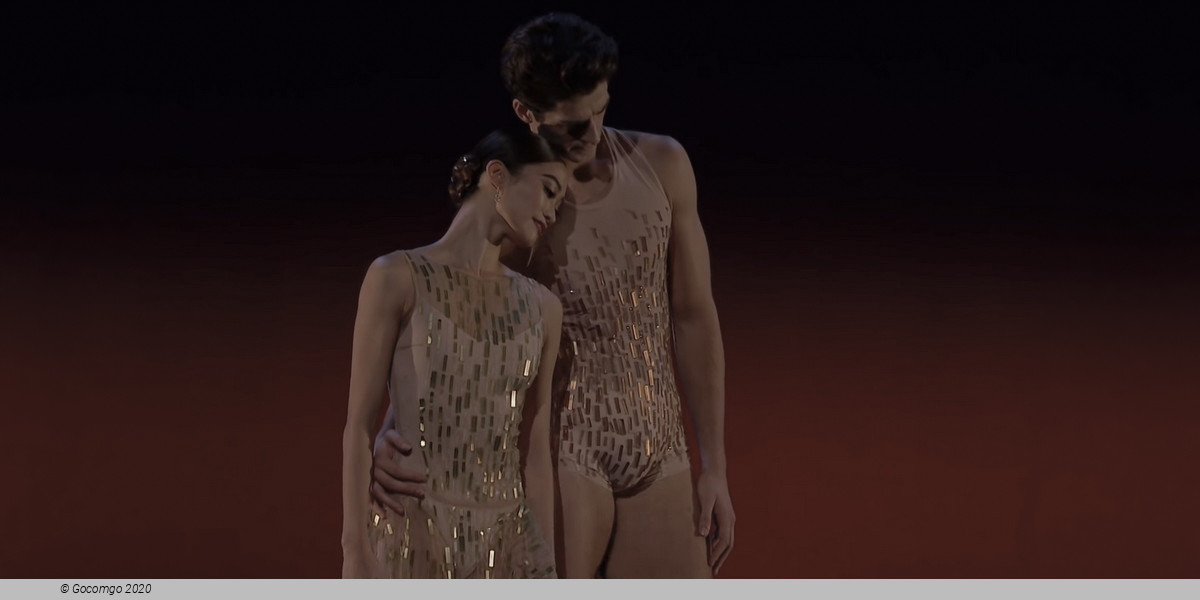
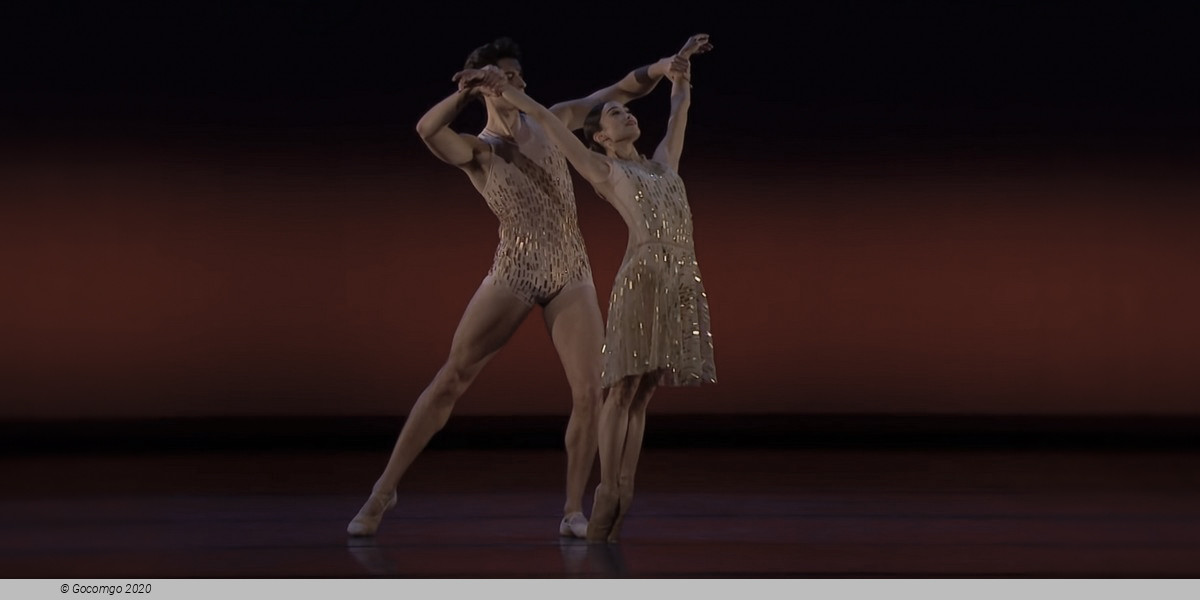
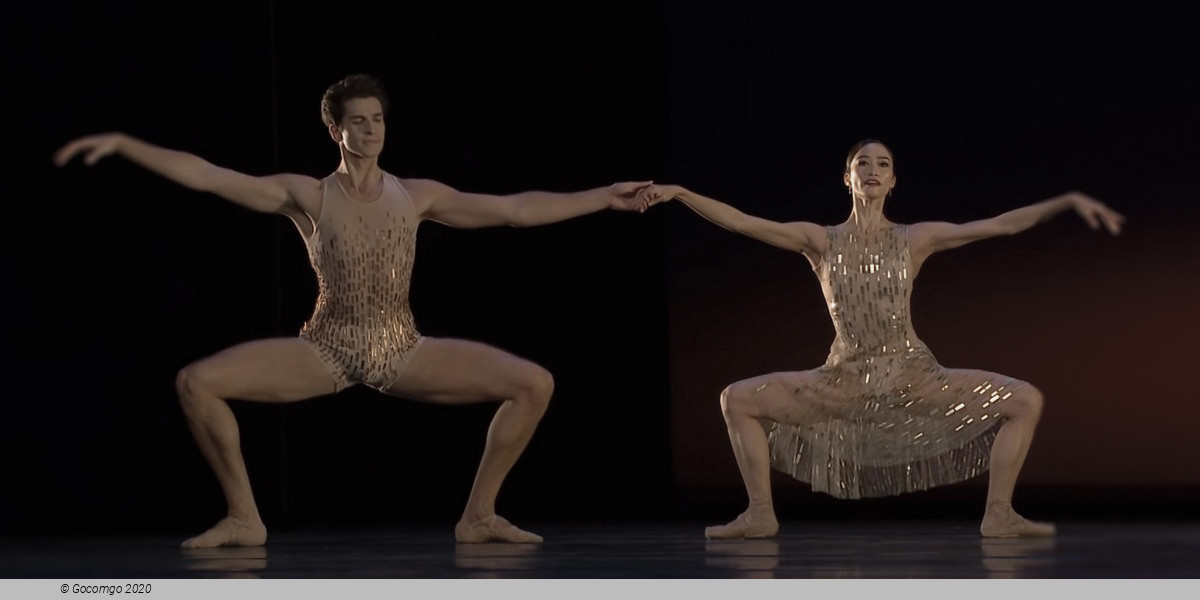
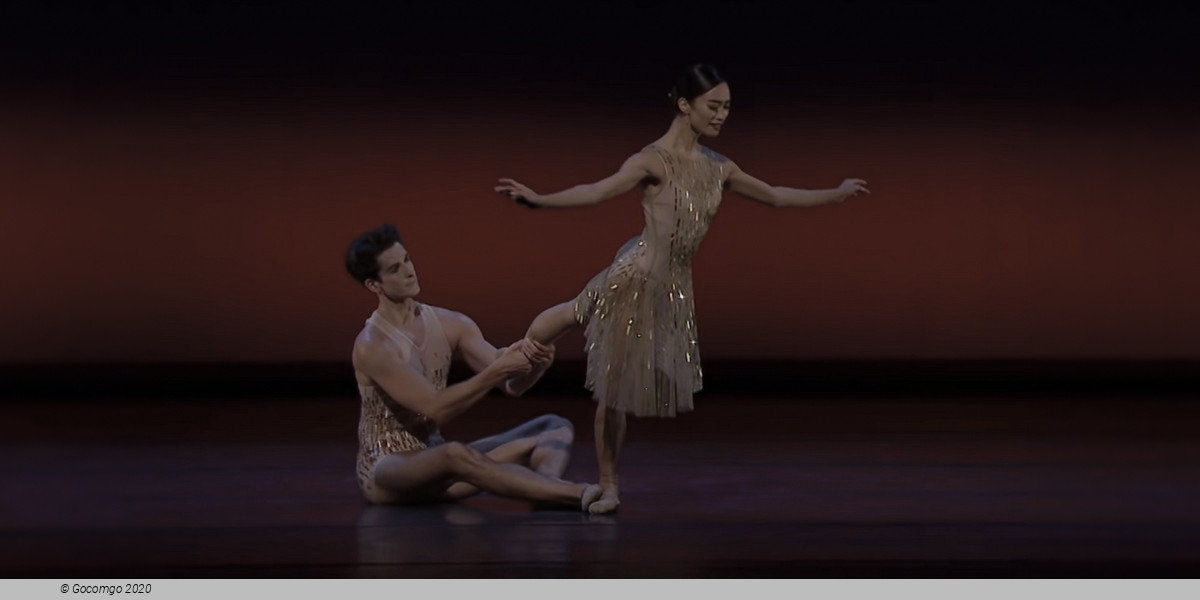
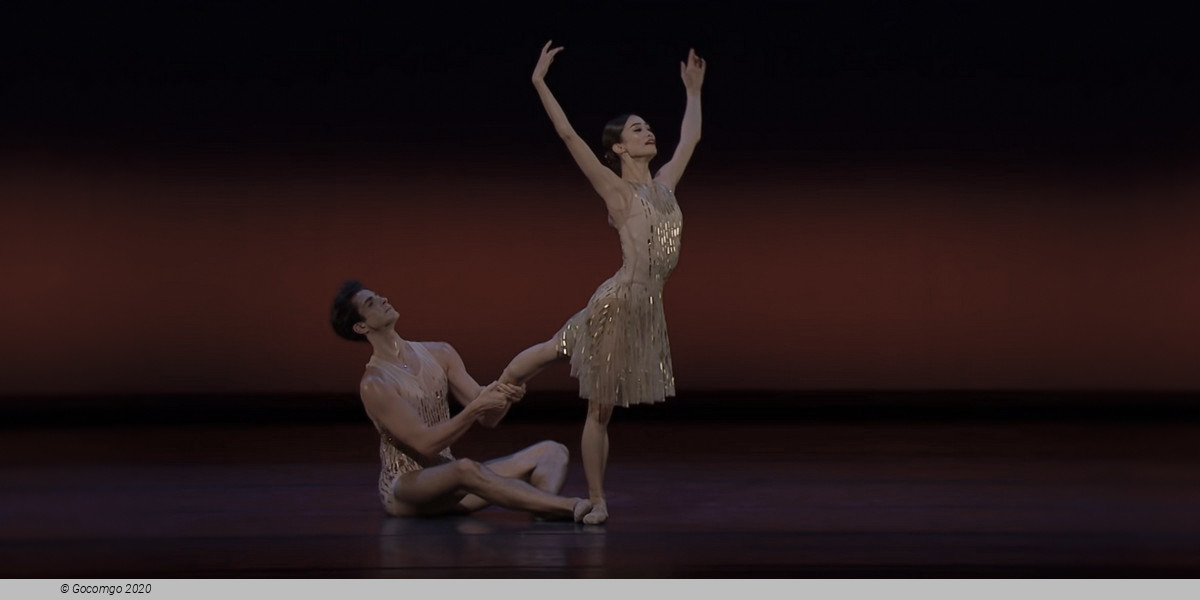
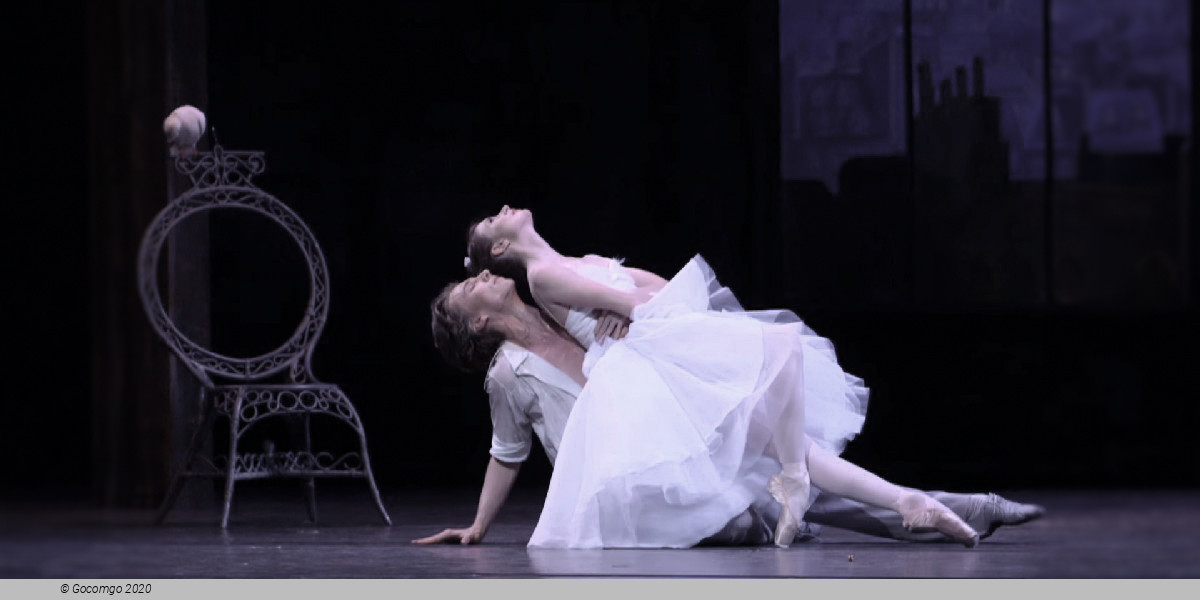
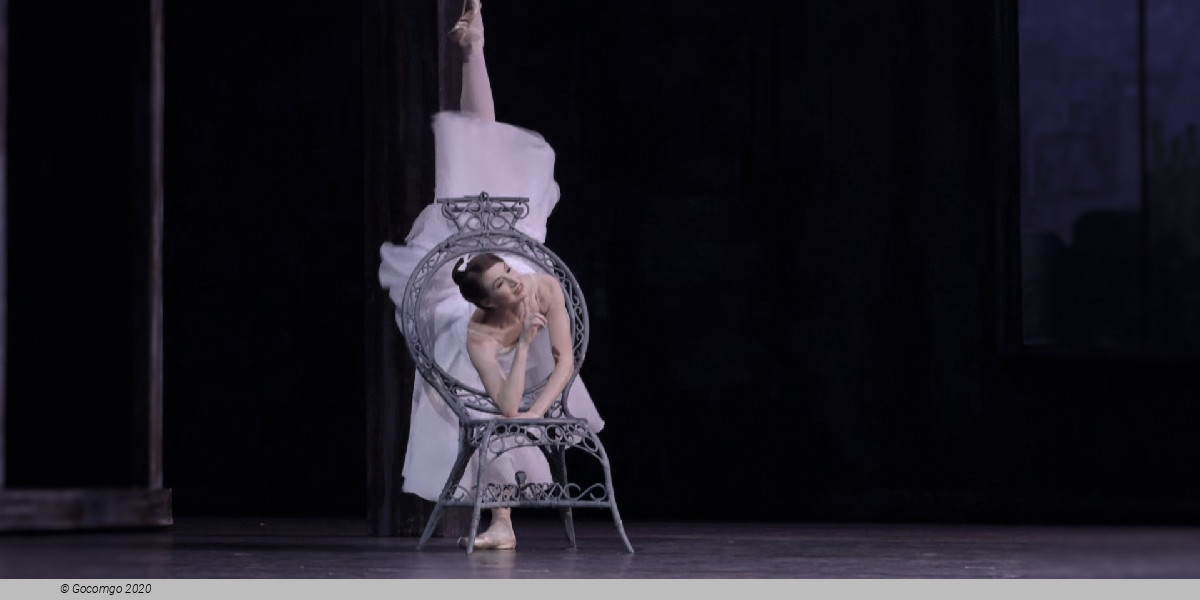
Christopher Wheeldon’s Within the Golden Hour, first premiered in 2008 with San Francisco Ballet, was originally inspired by the light and golden colours in the paintings of Gustav Klimt. Wheeldon also saw the sensual shimmering qualities that were the hallmarks of Klimt’s art in the music of Ezio Bosso, which was complemented for this creation with the andante from Vivaldi’s Violin Concerto in B major, and thus embarked on a choreographic journey that focussed above all on moments of fleeting beauty. As a result, the seven movements of the ballet are “to be regarded as a series of small paintings or sketches that have been inspired by the music,” Wheeldon describes his creation, which extends its classical movement material with other forms of dance, as evoking “a new and interesting view of a ballet step.”

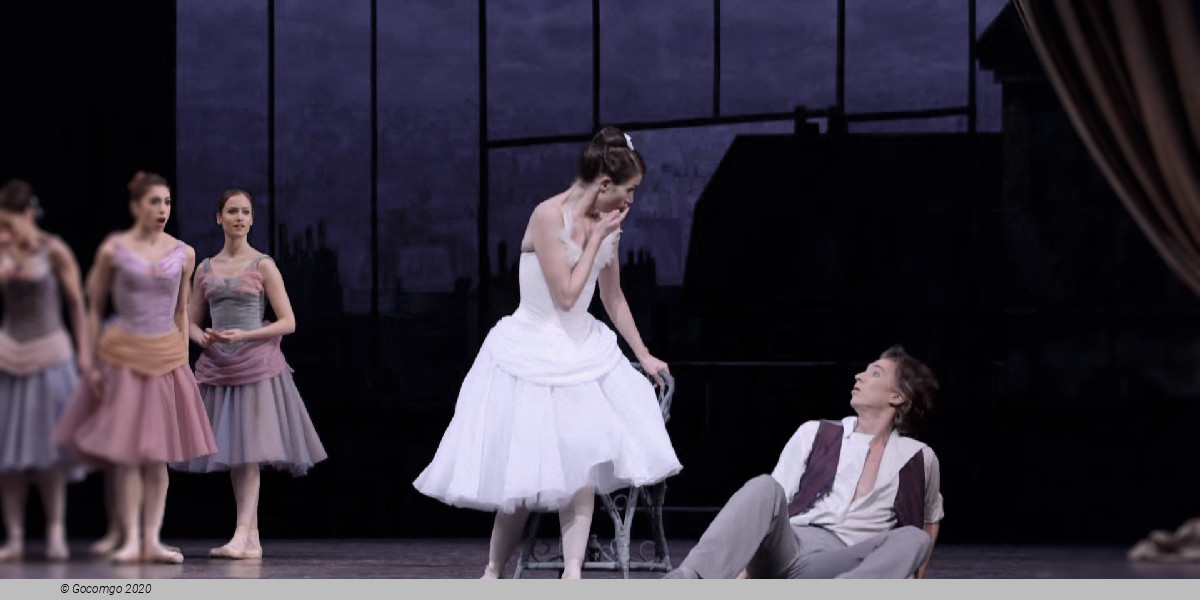
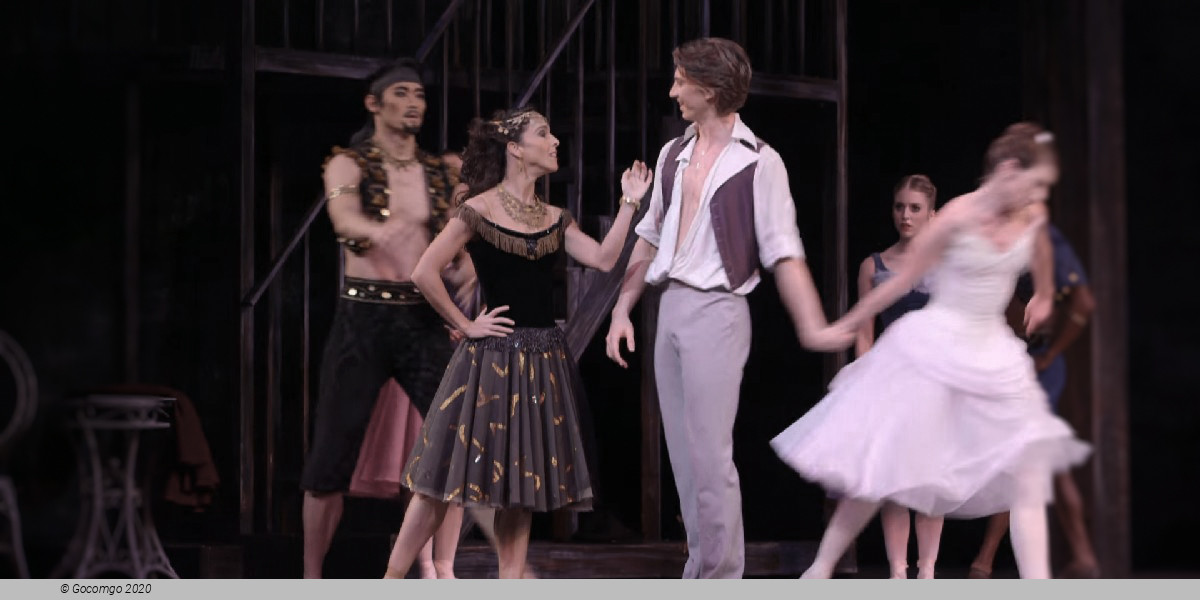
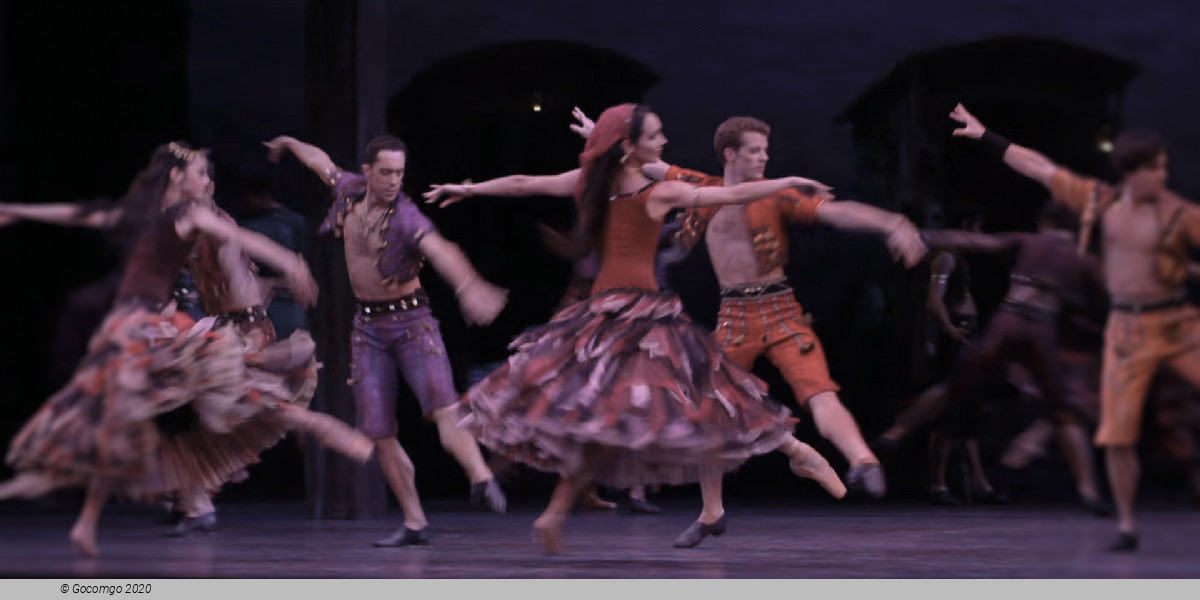
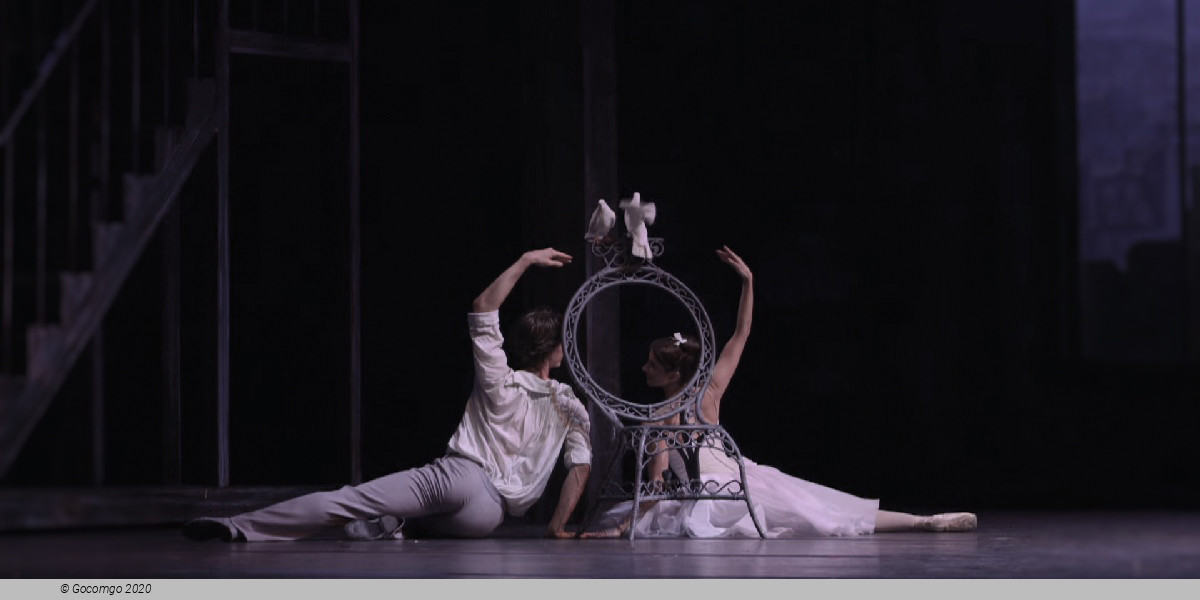
Rhapsody is one of Frederick Ashton’s last works and was premiered in 1980 to mark the 80th birthday of Queen Elizabeth the Queen Mother. Ashton created it for the legendary dancer Mikhail Baryshnikov, who performed it as a guest dancer with the Royal Ballet London. Rhapsody combines the brilliance of Russian technique with the lyricism of the English style – entirely in Ashton’s sprit. A non-narrative but powerfully expressive ballet unfolds to Rachmaninoff’s Rhapsody on a Theme by Paganini. The dancer’s explosive jumps and spinning turns meet the feather-light precision and graceful lines of the ballerina. This ballet is a glowing tribute to Ashton’s incomparable and influential style and to his extraordinary career: “a timeless masterpiece of classicism and sparkling artistic virtuosity.”

The musical range of the evening extends from Wolfgang Amadeus Mozart to Sergei Rachmaninoff. Mozart’s Divertimento No. 15 captivates with its clarity, structure, and dance-like elegance. In contrast, the music for Christopher Wheeldon’s Within the Golden Hour unfolds a distinctive sonic world, combining contemporary compositions by Ezio Bosso with additions based on works by Antonio Vivaldi. Rachmaninoff’s Rhapsody on a Theme of Paganini, in turn, blends virtuosic brilliance with emotional depth.

With Living Legacies, another production enters the repertoire that brings Ballet Director Alessandra Ferri’s vision to life and anchors classical dance in the present: “It is an integral part of who we are. I understand its depth in the same way as classical music: it never goes out of fashion because it is an extraordinary art form. Of course, new works and new forms are being created today and that is important and wonderful, but the classical is our identity. And I stand by that identity. The audience that comes to our performances expects classical ballet, and the dancers who have trained their entire lives for it want to dance exactly that. It is in their DNA. We are a classical company and at the same time open to diverse approaches to this art form. We have the opportunity to further develop classical ballet, to find new narrative and expressive forms without denying its origins.”

While Divertimento No. 15 celebrated its premiere at the Vienna State Opera in1990, Ashton’s Rhapsody and Wheeldon’s Within the Golden Hour received their first Vienna performances at the Ballet Gala 2026.

Balanchine considered Mozart’s Divertimento No. 15 the finest ever written, and to compliment the sparkling score, he created a work of prodigious ingenuity featuring a regal cast of dancers.

When asked to present a work at the Mozart Festival held at the American Shakespeare Theater in Stratford, Connecticut, in 1956, Balanchine originally planned to revive Caracole, an earlier work set to Mozart’s Divertimento No. 15. Instead, he created a new ballet that used many steps from the old, and he named the new ballet after the music, which he considered the finest divertimento ever written. The divertimento genre reached its zenith amid the parties and informal entertainments of 18th-century aristocratic life. Divertimentos did not have a fixed structure; the number of movements could vary from one to twelve, and they could be scored for one instrument or a chamber orchestra. Divertimento No. 15 is choreographed for eight principal dancers, five women and three men, with an ensemble of eight women. The ballet omits the second minuet and the andante from the sixth movement; a new cadenza for violin and viola by John Colman was added in the late 1960s.

History
Premiere of this production: 30 November 2007, War Memorial Opera House, San Francisco

Within the Golden Hour is a one-act contemporary ballet choreographed by Christopher Wheeldon, composed by Ezio Bosso and featured music by Antonio Vivaldi. The ballet premiered in 2008 at the War Memorial Opera House, danced by the San Francisco Ballet.

Premiere of this production: 04 August 1980, Royal Opera House, Covent Garden, London

Rhapsody is a one act ballet by Sir Frederick Ashton, based on Sergei Rachmaninoff's Rhapsody on a Theme of Paganini.

Venue Info

Vienna State Opera - Vienna
Location   Opernring 2

The Vienna State Opera is one of the leading opera houses in the world. Its past is steeped in tradition. Its present is alive with richly varied performances and events. Each season, the schedule features 350 performances of more than 60 different operas and ballets. The members of the Vienna Philharmonic are recruited from the Vienna State Opera's orchestra. The building is also the home of the Vienna State Ballet, and it hosts the annual Vienna Opera Ball during the carnival season.

The 1,709-seat Renaissance Revival venue was the first major building on the Vienna Ring Road. It was built from 1861 to 1869 following plans by August Sicard von Sicardsburg and Eduard van der Nüll, and designs by Josef Hlávka. The opera house was inaugurated as the "Vienna Court Opera" (Wiener Hofoper) in the presence of Emperor Franz Joseph I and Empress Elisabeth of Austria. It became known by its current name after the establishment of the First Austrian Republic in 1921. The Vienna State Opera is the successor of the Vienna Court Opera, the original construction site chosen and paid for by Emperor Franz Joseph in 1861.

The opera house was the first major building on the Vienna Ringstrasse commissioned by the Viennese "city expansion fund". Work commenced on the house in 1861 and was completed in 1869, following plans drawn up by architects August Sicard von Sicardsburg and Eduard van der Nüll. It was built in the Neo-Renaissance style by the renowned Czech architect and contractor Josef Hlávka.

Gustav Mahler was one of the many conductors who have worked in Vienna. During his tenure (1897–1907), Mahler cultivated a new generation of singers, such as Anna Bahr-Mildenburg and Selma Kurz, and recruited a stage designer who replaced the lavish historical stage decors with sparse stage scenery corresponding to modernistic, Jugendstil tastes. Mahler also introduced the practice of dimming the lighting in the theatre during performances, which was initially not appreciated by the audience. However, Mahler's reforms were maintained by his successors.

Herbert von Karajan introduced the practice of performing operas exclusively in their original language instead of being translated into German. He also strengthened the ensemble and regular principal singers and introduced the policy of predominantly engaging guest singers. He began a collaboration with La Scala in Milan, in which both productions and orchestrations were shared. This created an opening for the prominent members of the Viennese ensemble to appear in Milan, especially to perform works by Wolfgang Amadeus Mozart and Richard Strauss.

Ballet companies merge

At the beginning of the 2005–2006 season, the ballet companies of the Staatsoper and the Vienna Volksoper were merged under the direction of Gyula Harangozó.

From the 2010–2011 season a new company was formed called Wiener Staatsballet, Vienna State Ballet, under the direction of former Paris Opera Ballet principal dancer Manuel Legris. Legris eliminated Harangozós's policy of presenting nothing but traditional narrative ballets with guest artists in the leading roles, concentrated on establishing a strong in-house ensemble and restored evenings of mixed bill programs, featuring works of George Balanchine, Jerome Robbins, Jiří Kylián, William Forsythe, and many contemporary choreographers, as well as a reduced schedule of the classic ballets.

Opera ball

For many decades, the opera house has been the venue of the Vienna Opera Ball. It is an internationally renowned event, which takes place annually on the last Thursday in Fasching. Those in attendance often include visitors from around the world, especially prominent names in business and politics. The opera ball receives media coverage from a range of outlets.

Important Info
Type: Modern Ballet
City: Vienna, Austria
Starts at: 19:00
Top of page