
Teatro Alla Scala 5 March 2022 - The Queen of Spades | GoComGo.com

The Queen of Spades

Teatro Alla Scala, Milan, Italy
All photos (9)
Select date and time
8 PM

E-tickets: Print at home or at the box office of the event if so specified. You will find more information in your booking confirmation email.

You can only select the category, and not the exact seats.
If you order 2 or 3 tickets: your seats will be next to each other.
If you order 4 or more tickets: your seats will be next to each other, or, if this is not possible, we will provide a combination of groups of seats (at least in pairs, for example 2+2 or 2+3).

Important Info
Type: Opera
City: Milan, Italy
Starts at: 20:00

E-tickets: Print at home or at the box office of the event if so specified. You will find more information in your booking confirmation email.

You can only select the category, and not the exact seats.
If you order 2 or 3 tickets: your seats will be next to each other.
If you order 4 or more tickets: your seats will be next to each other, or, if this is not possible, we will provide a combination of groups of seats (at least in pairs, for example 2+2 or 2+3).

Overview

Teatro alla Scala New Production

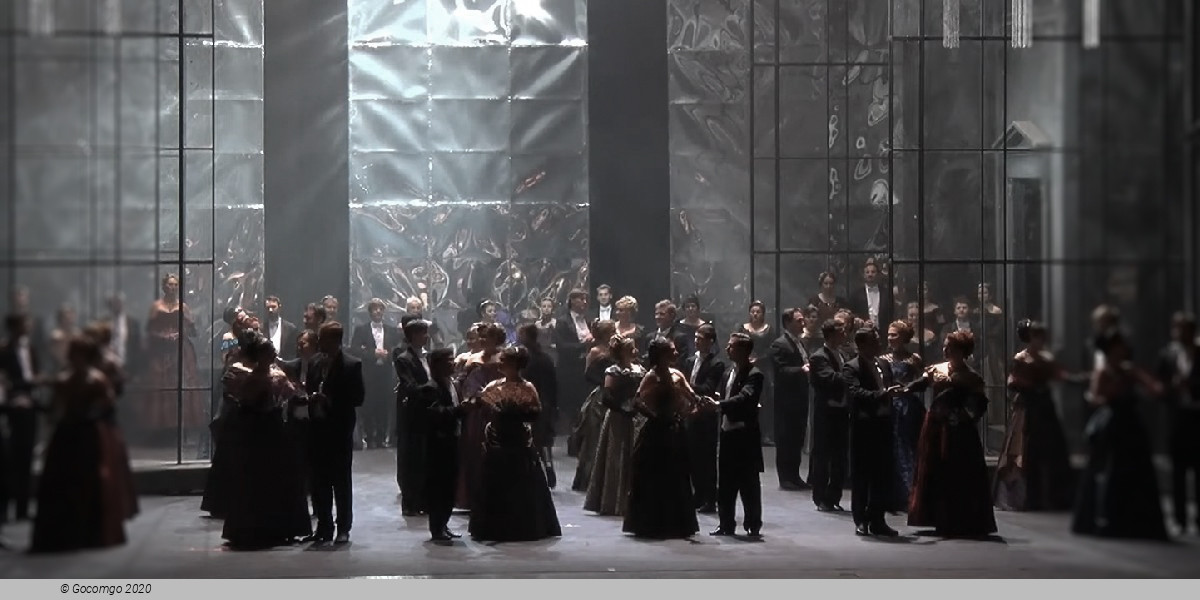
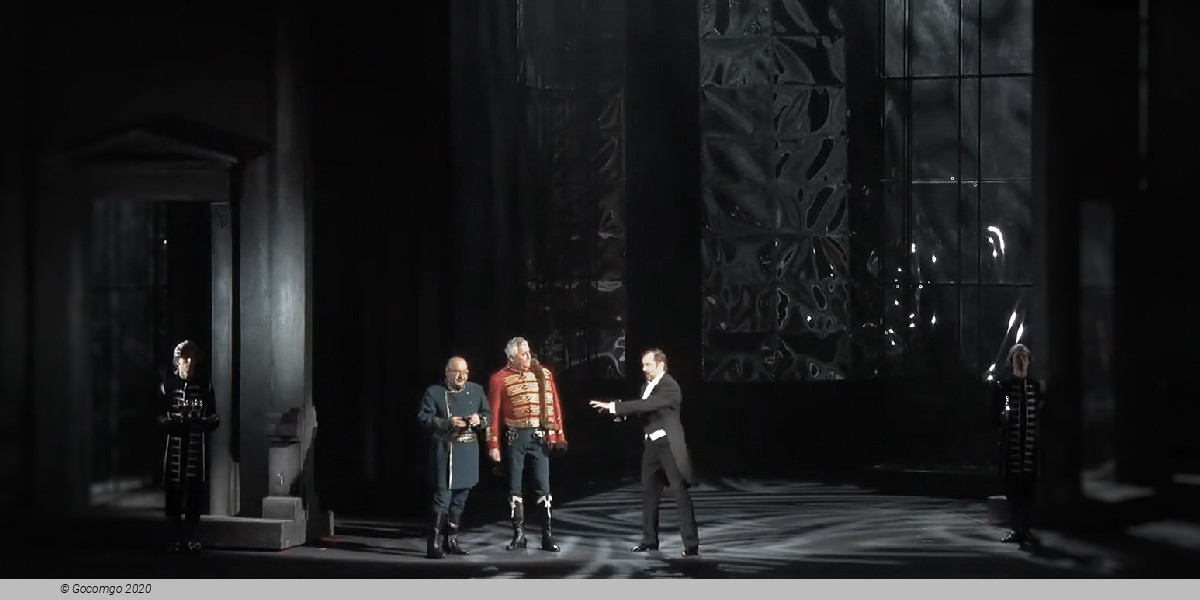
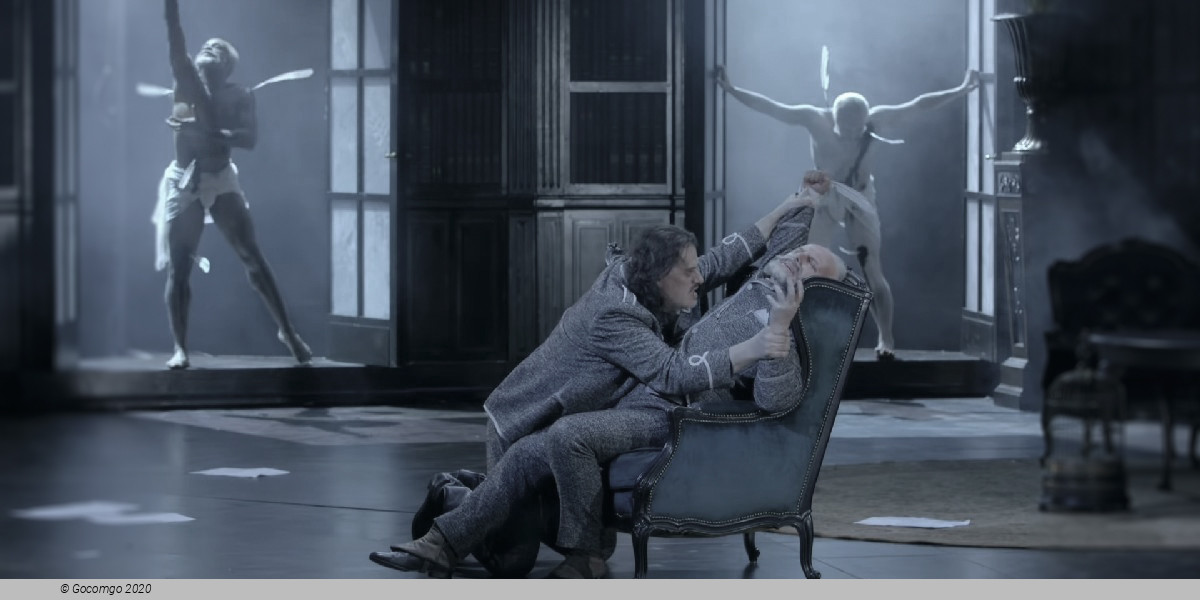
Valery Gergiev proposes another masterpiece of the Russian repertoire after the splendid Khovanshchina by Mussorgsky he conducted in 2019. With a libretto by Tchaikovsky’s brother Modest based on Pushkin’s tale, the opera was composed primarily in Florence in 1890 and is one of the composer’s crowning artistic achievements. The obsessive atmospheres of this classic foray into the curse of gambling are entrusted to the director Matthias Hartmann, who has already staged Der Freischütz and Idomeneo at La Scala. Asmik Grigorian returns to Piermarini’s stage as Liza.

History
Premiere of this production: 29 March 1890, Mariinsky Theatre, St. Petersburg

The Queen of Spades is an opera in three acts (seven scenes) by Pyotr Ilyich Tchaikovsky to a Russian libretto by the composer's brother Modest Tchaikovsky, based on a short story of the same name by Alexander Pushkin, but with a dramatically altered plot. The premiere took place in 1890 in St. Petersburg (at the Mariinsky Theatre), Russia.

Synopsis

Time: The close of the 18th century

Place: St. Petersburg, Russia

Act 1

Scene 1

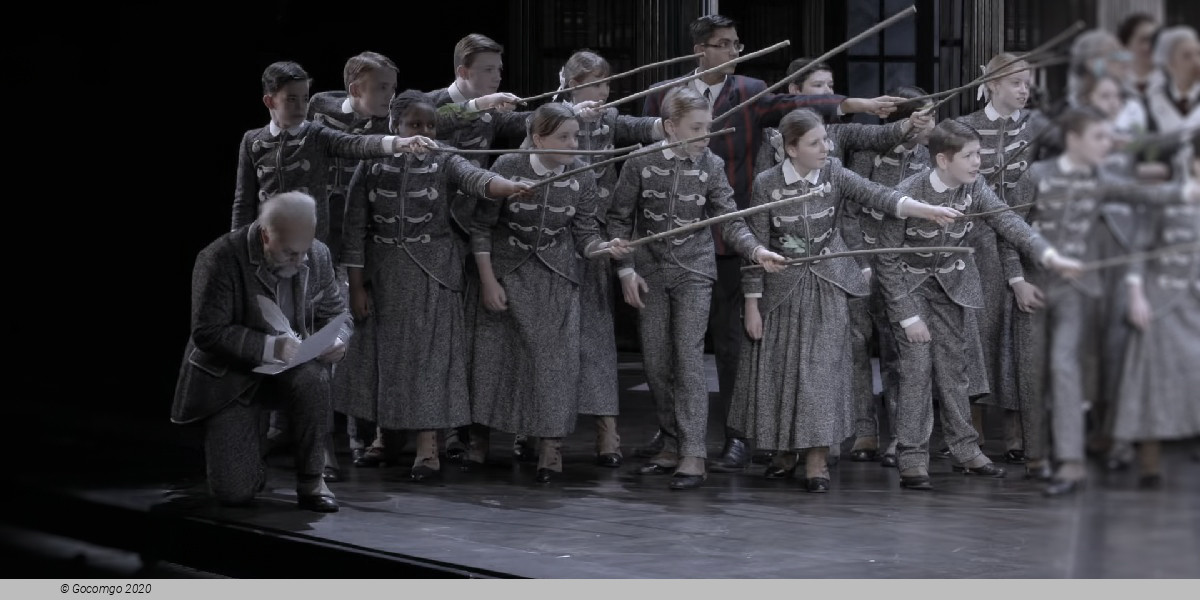
During the reign of Catherine the Great (1762–96), children are at play in St. Petersburg's Summer Garden pretending to be soldiers. Two officers — Tsurin and Chekalinsky — enter, the former complaining about his bad luck at gambling. They remark that another officer, Herman, seems obsessed with the gaming table but never bets, being frugal and methodical. Herman appears with Tomsky, who remarks that his friend hardly seems like his old self: is anything bothering him? Herman admits he is in love with a girl above his station whose name he does not even know. When Prince Yeletsky, an officer, strolls into the park, Chekalinsky congratulates him on his recent engagement. Yeletsky declares his happiness while Herman, aside, curses him enviously. Yeletsky points out his fiancée, Liza, who has just appeared with her grandmother, the old Countess. Catching sight of Herman, the two women note they have seen him before, staring at them with frightening intensity. Herman realizes that Liza is his unknown beloved. When Yeletsky and the women leave, Herman is lost in thought as the other officers discuss the Countess: known as the Queen of Spades and formerly as the Muscovite Venus, due to her beauty, she succeeded at gambling in her youth by trading amorous favors for the winning formula of Count St. Germain in Paris. Tomsky says only two men, her husband and, later on, her young lover, ever learned the secret of playing three special cards, because she was warned by an apparition to beware a "third suitor" who would kill her trying to force it from her. Musing on the winning sequence of three cards, the others lightly suggest that this might be the way for Herman to win without risking any money. Threatened by approaching thunder, all leave except Herman, who vows to learn the Countess's secret.

Scene 2

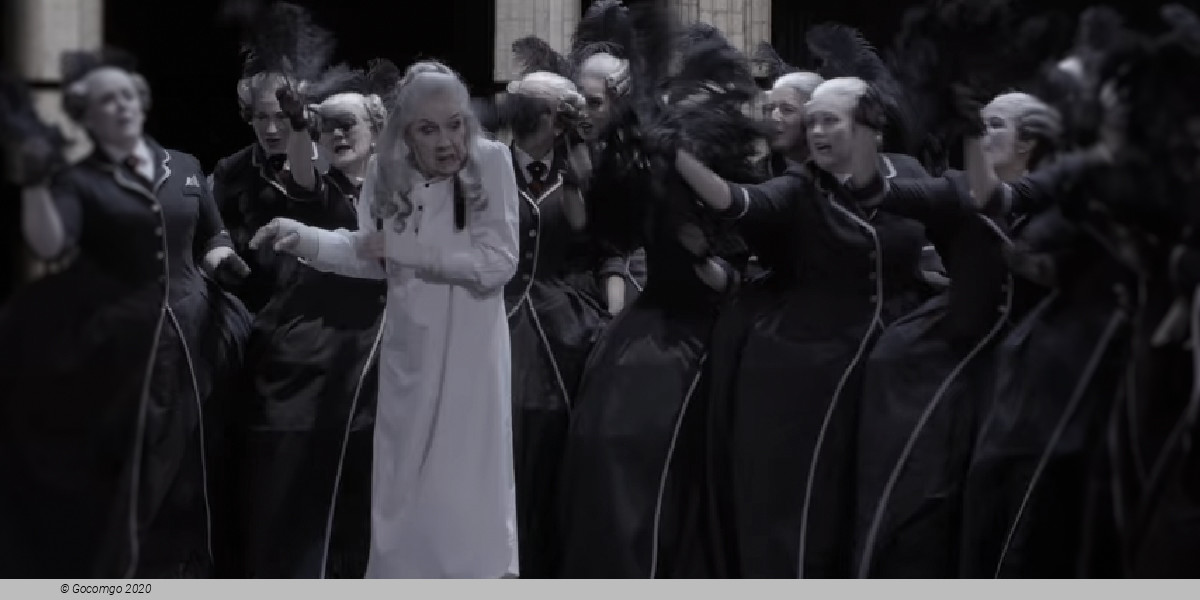
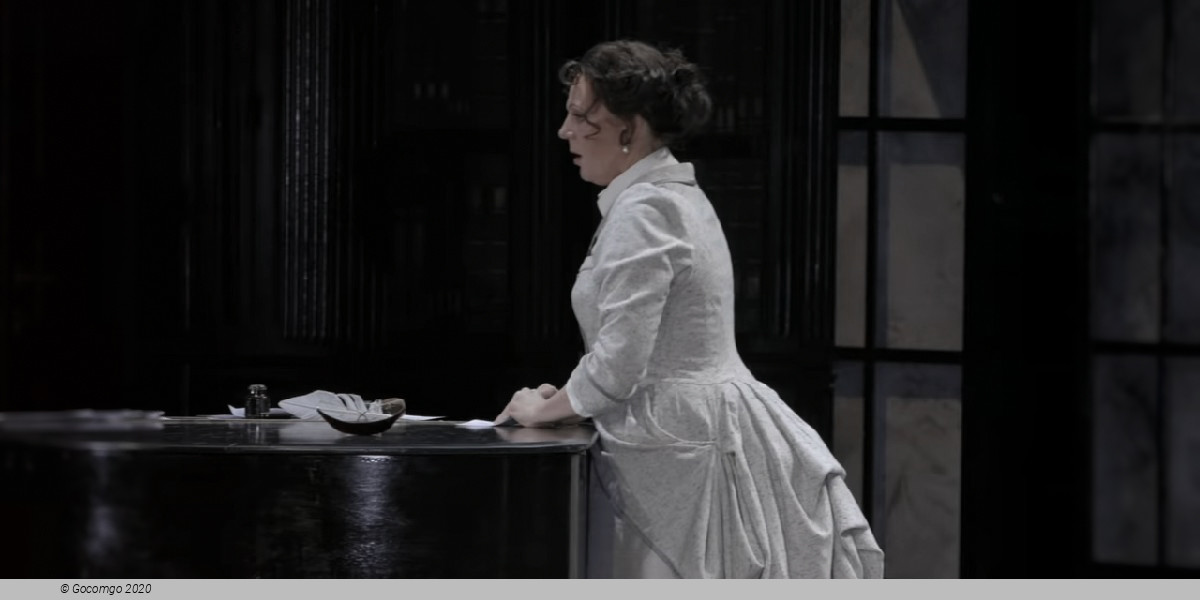
At home, Liza plays the spinet as she and her friend Pauline sing a duet about evening in the countryside. Their girlfriends ask to hear more, so Pauline launches into a sad ballad, followed by a dancelike song. As the merriment increases, Liza remains pensively apart. A Governess chides the girls for indulging in unbecoming folk dancing and asks the visitors to leave. Pauline, the last to go, urges Liza to cheer up; Liza replies that after a storm there is a beautiful night and asks the maid, Masha, not to close the French windows to the balcony. Alone, Liza voices her unhappiness with her engagement; she has been stirred by the romantic look of the young man in the park. To her shock, Herman appears on the balcony. Claiming he is about to shoot himself over her betrothal to another, he begs her to take pity on him. When the Countess is heard knocking, Liza hides Herman and opens the door to the old woman, who tells her to shut the windows and go to bed. After the Countess retires, Liza asks Herman to leave but is betrayed by her feelings and falls into his embrace.

Act 2

Scene 1

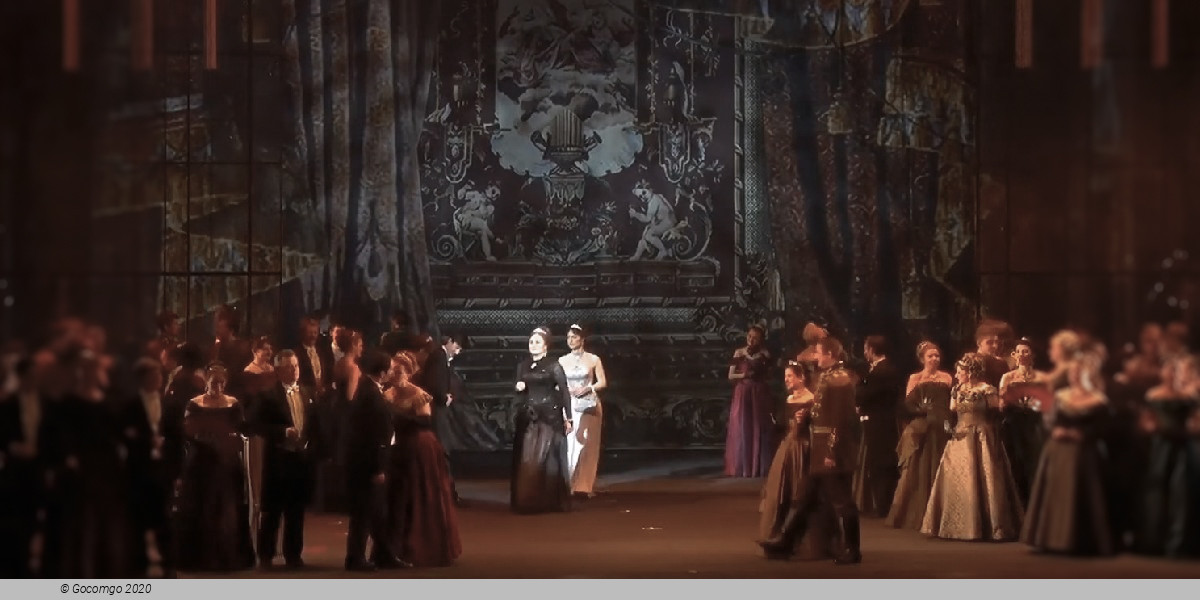
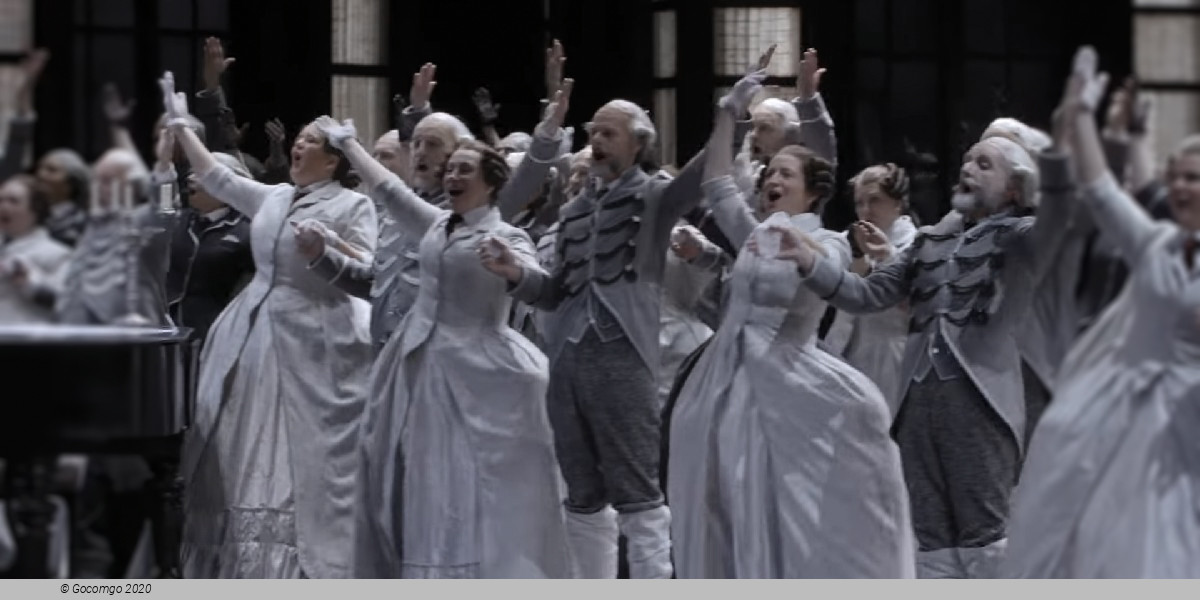
Not long afterward, at a masked ball, Herman's comrades comment on his obsession with the secret of the winning cards. Yeletsky passes with Liza, noting her sadness and reassuring her of his love ("Ya vas lyublyu" "I love you"). Herman receives a note from Liza, asking him to meet her later. Tsurin and Chekalinsky sneak up behind him with the intent of playing a joke on him, muttering he is the "third suitor" who will learn the Countess's secret, then melt into the crowd as Herman wonders whether he is hearing things. The master of ceremonies announces a tableau of shepherdesses. Liza slips Herman the key to her grandmother's room, saying the old woman will not be there the next day, but Herman insists on coming that very night. Thinking fate is handing him the Countess's secret, he leaves. The guests' attention turns to the imminent arrival of Catherine the Great, for which a polonaise by Osip Kozlovsky is played and sung in greeting.

Scene 2

Herman slips into the Countess's room and looks in fascination at her portrait as the "Muscovite Venus"; musing how their fates, he feels, are linked: one of them will die because of the other. He lingers too long before he can go to Liza's room and hears the Countess's retinue coming, so he conceals himself as the old lady approaches. The Countess deplores the manners of the day and reminisces about the better times of her youth, when she sang in Versailles "Je crains de lui parler la nuit" (Laurette's Aria) from André Grétry's opera Richard Cœur-de-Lion before the Pompadour herself. As she dozes off, Herman stands before her. She awakens in horror as he pleads with her to tell him her secret. When she remains speechless, he grows desperate and threatens her with a pistol — at which she dies of fright. Liza rushes in, only to learn that the lover to whom she gave her heart was more interested in the Countess's secret. She orders him out and falls sobbing.

Act 3

Scene 1

In his room at the barracks, as the winter wind howls, Herman reads a letter from Liza, who wants him to meet her at midnight by the river bank. He imagines he hears the chorus chanting at the old Countess's funeral, then is startled by a knock at the window. The old woman's ghost appears, announcing that against her will she must tell him the secret so that he can marry and save Liza. Dazed, Herman repeats the three cards she tells him — three, seven, ace.

Scene 2

By the Winter Canal, Liza waits for Herman: it is already near midnight, and though she clings to a forlorn hope that he still loves her, she sees her youth and happiness swallowed in darkness. At last he appears, but after uttering words of reassurance, he starts to babble wildly about the Countess and her secret. No longer even recognizing Liza, he rushes away. Realizing that all is lost, she commits suicide.

Scene 3

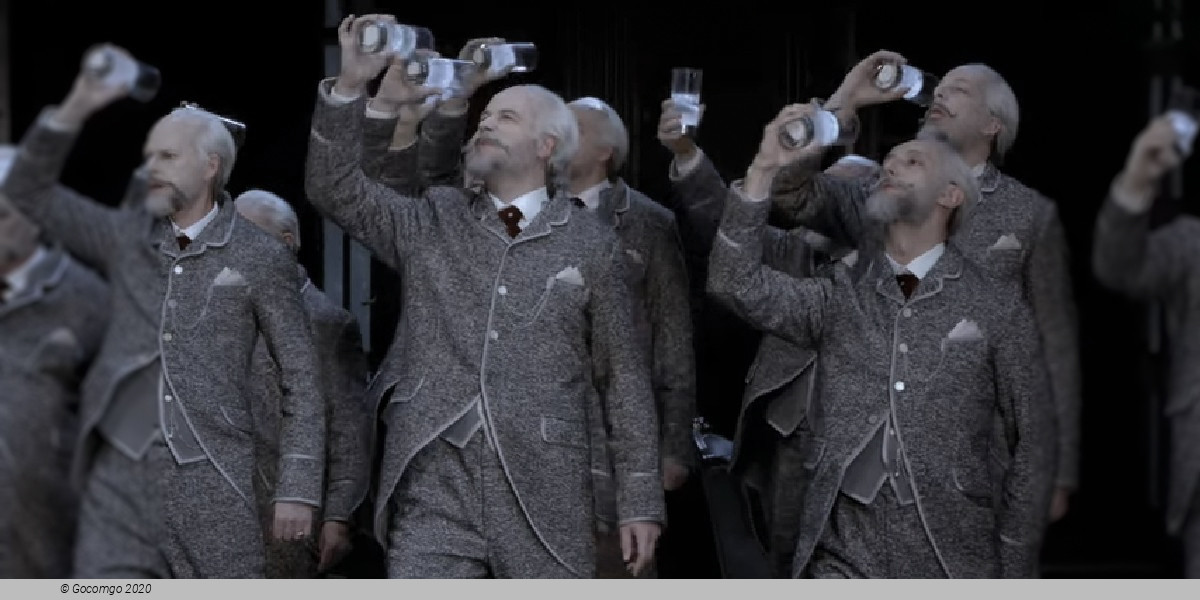
At a gambling house, Herman's fellow officers are finishing supper and getting ready to play faro. Yeletsky, who has not gambled before, joins the group because his engagement has been broken: "unlucky in love, lucky at cards". Tomsky entertains the others with a song. Then Chekalinsky leads a traditional gamblers' song. Settling down to play, they are surprised when Herman arrives, wild and distracted. Yeletsky senses a confrontation and asks Tomsky to be his second if a duel should result. Herman, intent only on betting, starts with a huge bet of 40,000 rubles. He bets the three and wins, upsetting the others with his maniacal expression. Next he bets the seven and wins again. At this he takes a wine glass and declares that life is but a game. Yeletsky accepts his challenge to bet on the next round. Herman bets everything he has on the ace but when he shows his card he is told he is holding the queen of spades. Seeing the Countess's ghost laughing at her vengeance, Herman takes his own life and asks Yeletsky's and Liza's forgiveness. The others pray for his tormented soul.

Venue Info

Teatro Alla Scala - Milan
Location   Via Filodrammatici, 2

Teatro Alla Scala is an opera house in Milan. Most of Italy's greatest operatic artists, and many of the finest singers from around the world, have appeared at La Scala. The theatre is regarded as one of the leading opera and ballet theatres globally. It is home to the La Scala Theatre Chorus, La Scala Theatre Ballet, La Scala Theatre Orchestra, and the Filarmonica della Scala orchestra.

The Teatro alla Scala was founded, under the auspices of the Empress Maria Theresa of Austria, to replace the Royal Ducal Theatre, which was destroyed by fire on 26 February 1776 and had until then been the home of opera in Milan. The cost of building the new theatre was borne by the owners of the boxes at the Ducal, in exchange for possession of the land on which stood the church of Santa Maria alla Scala (hence the name) and for renewed ownership of their boxes. Designed by the great neoclassical architect Giuseppe Piermarini, La Scala opened on 3 August 1778 with Antonio Salieri's opera L'Europa riconosciuta, to a libretto by Mattia Verazi.

With the advent of Rossini in 1812 (La pietra del paragone), the Teatro alla Scala was to become the appointed place of Italian opera seria: of its history dating back more than a century and of its subsequent tradition up till the present. The catalogue of Rossini's works performed until 1825 included: Il turco in Italia, La Cenerentola, Il barbiere di Siviglia, La donna del lago, Otello, Tancredi, Semiramide and Mosé. During that period the choreographies of Salvatore Viganò (1769-181) and of Carlo Blasis (1795-1878) also widened the theatre's artistic supremacy to include ballet.

An exceptional new season of serious opera opened between 1822 and 1825, with Chiara e Serafina by Gaetano Donizetti (1797-1848) and Il pirata by Vincenzo Bellini (1801-1835). The later operas of Donizetti performed at La Scala were (until 1850) Anna Bolena, Lucrezia Borgia, Torquato Tasso, La fille du régiment, La favorita, Linda di Chamonix, Don Pasquale, and Poliuto. These were followed (until 1836) by Bellini's I Capuleti e i Montecchi, Norma, La sonnambula, Beatrice di Tenda and I puritani.

In 1839 Oberto Conte di San Bonifacio inaugurated the cycle of operas by Giuseppe Verdi (1813-1901), the composer whose name is linked more than any other to the history of La Scala. After the dismal failure of Un giorno di regno, Nabucco was performed in 1842. It was the first, decisive triumph of Verdi's career. At the same time, the strong patriotic feelings stirred by Nabucco founded the "popularity" of opera seria and identified its image with the Scala.

Arturo Toscanini (1867-1957) became the artistic director and introduced radical reform into the theatre, both in its organisational aspects and in its relations with the public. Toscanini, one of the greatest conductors of all time, took up Verdi's musical inheritance and launched a tradition of interpretation that continued uninterruptedly and was renewed during the twentieth century. It was he who reappraised and regularly performed at the Scala the works of Richard Wagner (hitherto only belatedly and inadequately recognised). He also firmly extended the Scala's orchestral repertoire to include symphonic music.

In 1948 maestro Guido Cantelli (1920-1956) made his debut and established himself as one of the leading postwar conductors. Numerous opera performances productions (the Wagnerian cycle conducted in 1950 by Wilhelm Furtwängler, the Verdi repertoire by Victor De Sabata, etc), concerts (Herbert von Karajan, Dimitri Mitropoulos, Bruno Walter, etc), singers (Maria Callas, Renata Tebaldi, Giuseppe Di Stefano, Mario Del Monaco, etc), ballet performances (Margot Fonteyn, Serge Lifar, Maya Plissetskaya, Rudolf Nureyev), and productions (Luchino Visconti, Giorgio Strehler) belong not only to the history of the Scala, but to that of the history of musical theatre since the war.

In 1965 Claudio Abbado made his début at the Scala and in 1972 was named conductor of the Scala Orchestra. Until 1986 he directed among other works Il barbiere di Siviglia, Cenerentola, L'Italiana in Algeri by Rossini, Simon Boccanegra, Macbeth and Don Carlo by Verdi, the recent Al gran sole carico d'amore by Luigi Nono, and Pelléas et Mélisande by Claude Debussy. He also conducted numerous concerts. The chorus-master was Romano Gandolfi. In 1975 the ballet dancer Oriella Dorella debuted at La Scala. Among other contemporary composers, up till 1986 the Theatre continued to give works by Luciano Berio (La vera storia), Franco Donatoni (Atem) and Karlheinz Stockhausen (Samstag aus Licht).

In 1981 Riccardo Muti debuted at the Scala as an opera conductor (Mozart, Le nozze di Figaro). Giulio Bertola was appointed to direct the Chorus. In 1982 the Orchestra Filarmonica della Scala was established. In 1985 Alessandra Ferri made her debut at the Scala. In 1986 Riccardo Muti was appointed musical director. From 1989 to 1998 he reintroduced the best-loved works (Rigoletto, La traviata, Macbeth, La forza del destino) and numerous other titles by Verdi including Falstaff and Don Carlo.

In 1991 Roberto Gabbiani took over the directorship of the chorus. In 1997 La Scala was converted into a Foundation under private ownership, thus opening a decisive phase of modernisation.

On 7 December 2001 a new production of Otello, conducted by Muti, concluded the Verdi Year and, for the time being, performances at Piermarini’s original building in Piazza Scala. Major restoration and modernisation works of the Theatre began in January 2002.

The 2005-2006 Season, dedicated to the 250th anniversary of Mozart’s birth, was inaugurated by Idomeneo conducted by Daniel Harding. The 2006/07 season saw the return on 7 December of an opera by Verdi, Aida, conducted by Riccardo Chailly, and the launch of the Celebrations for the 50th Anniversary of Arturo Toscanini’s Death. On 7 December 2007 the 2007/08 season opened with Tristan und Isolde conducted by Daniel Barenboim. The opera marked the beginning of a closer collaboration between the Teatro alla Scala and the Israeli-Argentinian Maestro.

Important Info
Type: Opera
City: Milan, Italy
Starts at: 20:00
Top of page