








Teatro Alla Scala: Prima delle Prime - I Masnadieri Tickets | Event Dates & Schedule | GoComGo.com

Prima delle Prime - I Masnadieri Tickets

Teatro Alla Scala, Milan, Italy
Important Info
Type: Opera
City: Milan, Italy

E-tickets: Print at home or at the box office of the event if so specified. You will find more information in your booking confirmation email.

You can only select the category, and not the exact seats.
If you order 2 or 3 tickets: your seats will be next to each other.
If you order 4 or more tickets: your seats will be next to each other, or, if this is not possible, we will provide a combination of groups of seats (at least in pairs, for example 2+2 or 2+3).

Cast
Performers
Choose the date to see the peformers
Overview

"Maledetti romantici"

(on piano with listenings)

History
Premiere of this production: 22 July 1847, Her Majesty's Theatre, London

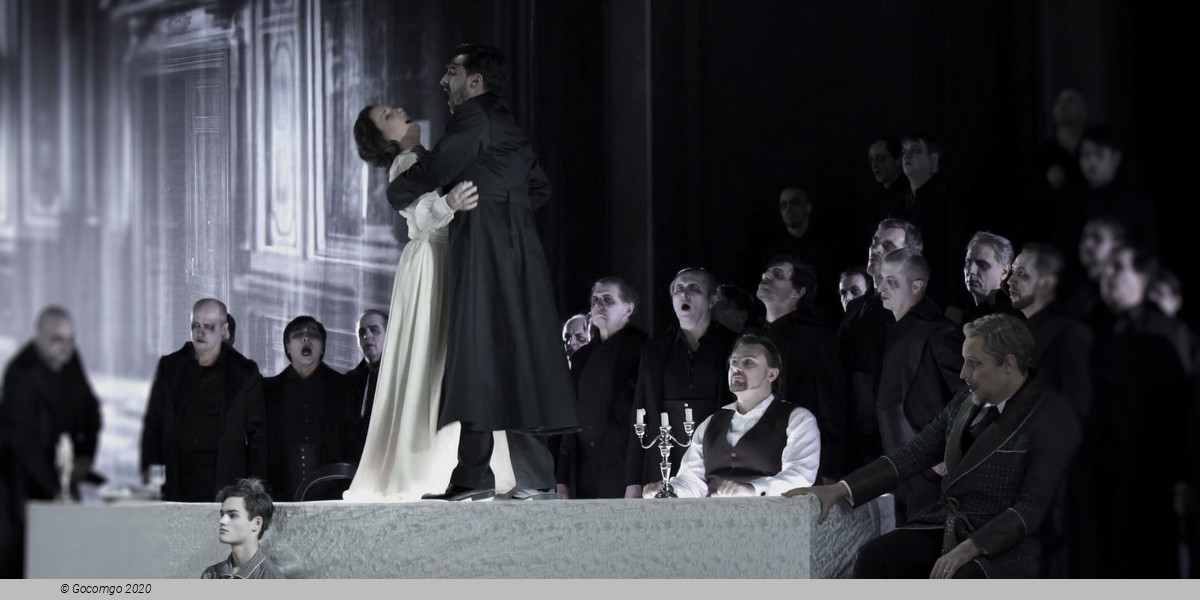
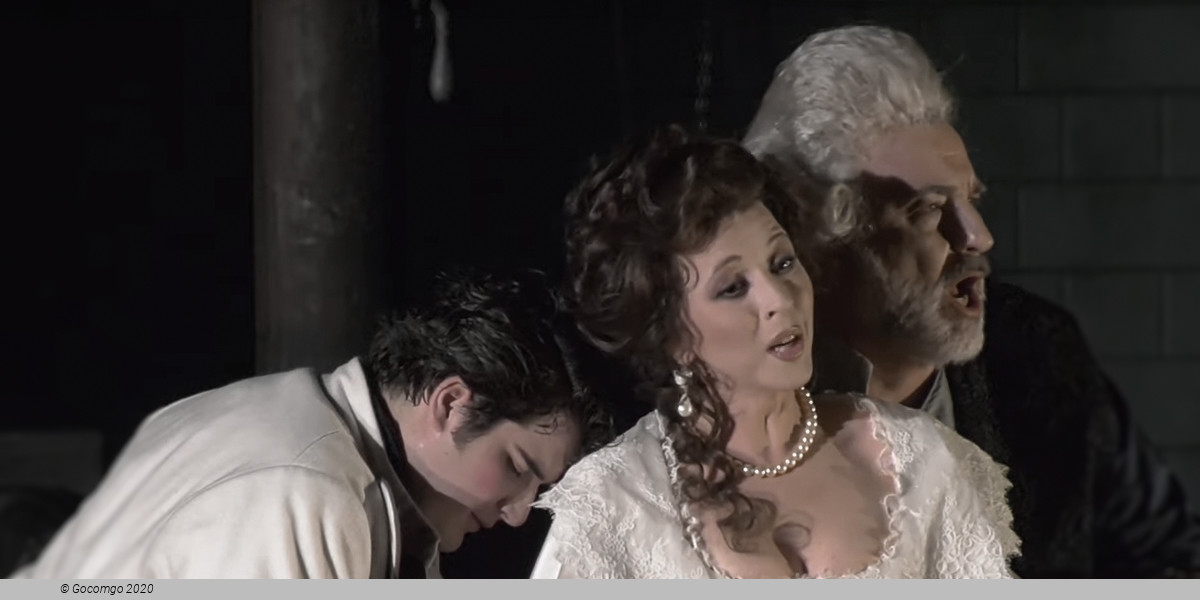
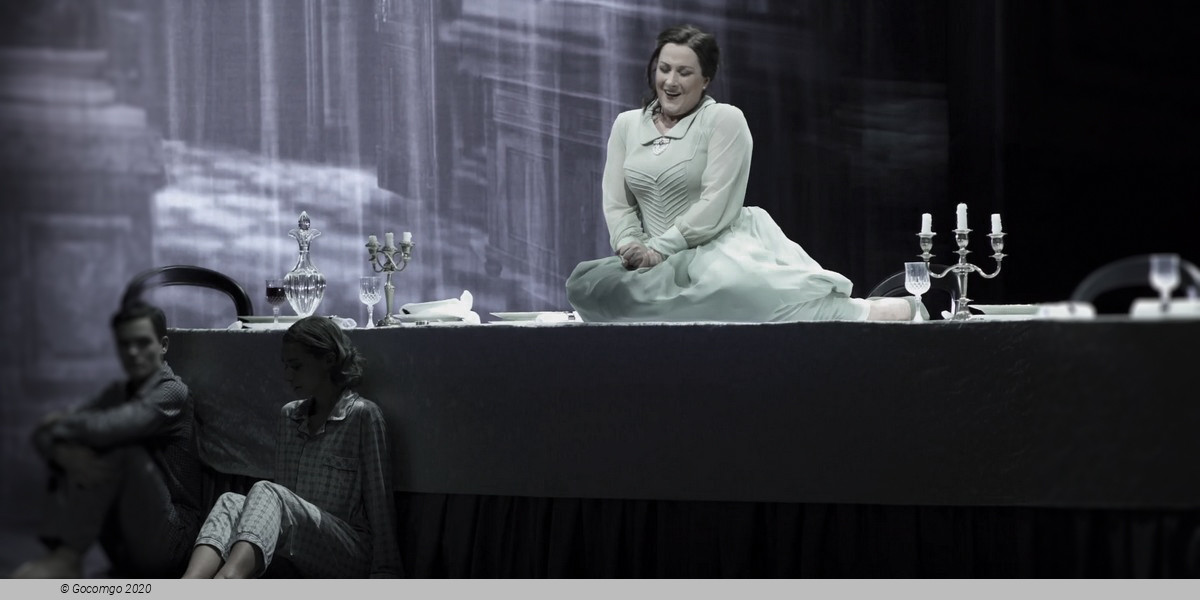
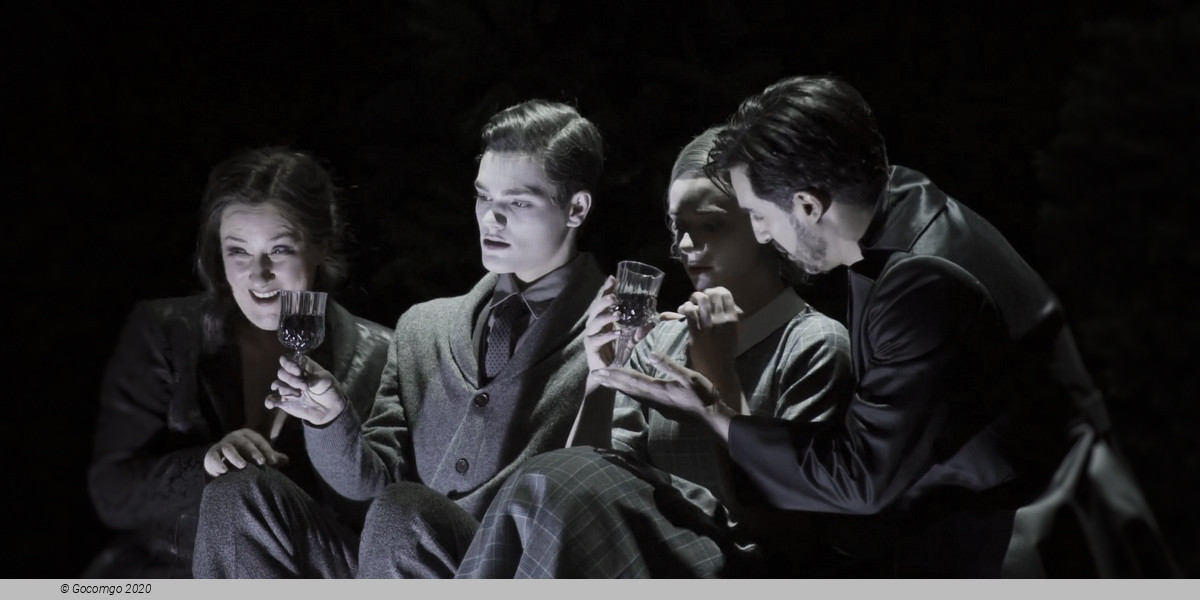
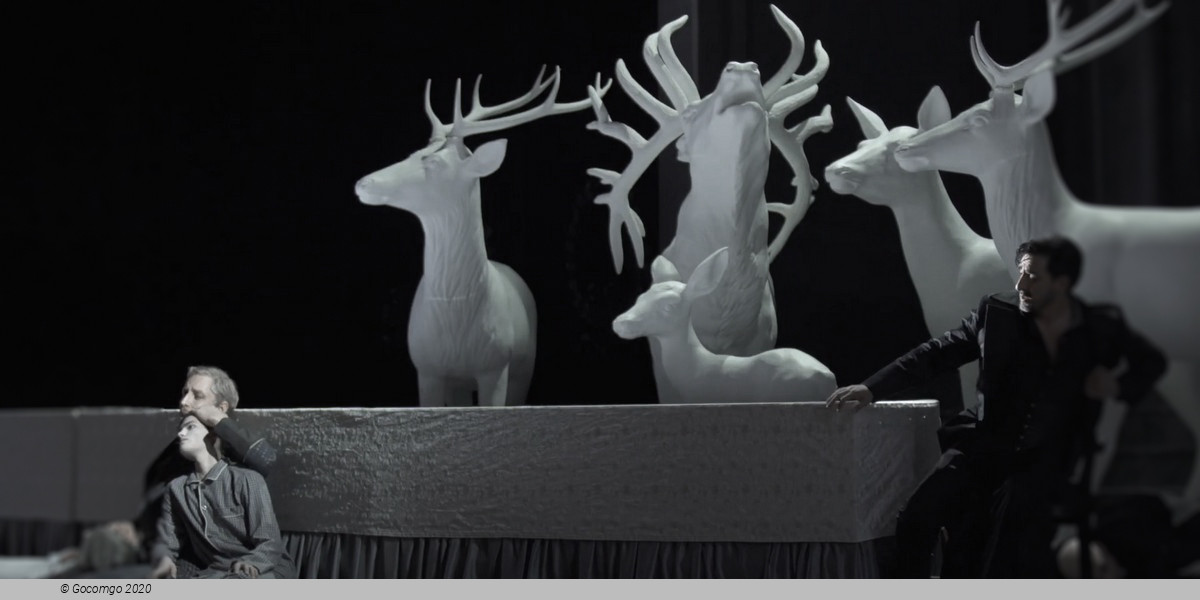
I masnadieri (The Bandits or The Robbers) is an opera in four acts by Giuseppe Verdi to an Italian libretto by Andrea Maffei, based on the play Die Räuber by Friedrich von Schiller. As Verdi became more successful in Italy, he began to receive offers from other opera houses outside the country. The London impresario Benjamin Lumley had presented Ernani in 1845 and, as a result of its success, commissioned an opera from the composer which became I masnadieri. It was given its first performance at Her Majesty's Theatre on 22 July 1847 with Verdi conducting the first two performances.

Synopsis

Act 1

Scene 1: A tavern on the borders of Saxony.

During a break from his studies at Dresden University, Carlo, the elder and favourite son of Count Massimiliano Moor has fallen amongst thieves, literally. He has become a member of a notorious gang of highwaymen and cut-throats who terrorise the local community by robbery, extortion and rowdy singing at all hours of the day and night.

But already Carlo has tired of living a life of depravity and longs to return home to be with Amalia, his gentle cousin and lifelong sweetheart (O mio castel paterno / "O castle of my fathers"). He is awaiting the reply to a letter he has sent to his father begging for forgiveness for his recent misdemeanors.

Rolla and the other robbers arrive with the longed-for reply from the Count. Carlo's joy soon turns to sorrow, and then anger (Nell'argilla maledetta / "Let my wrath plunge these swords into the accursed clay"), as he finds that the letter is not from his father but from his younger brother Francesco, who warns him not to return home because, far from having forgiven Carlo, the old Count is intent on punishing him and locking him away.

Carlo renounces his former life and swears an oath to remain with his new comrades for the rest of his days. The robbers unanimously elect him as their new leader.

Scene 2: A room in Count Moor's castle in Franconia.

Francesco is congratulating himself on having intercepted the letter from his brother to their father, knowing that Massimiliano would certainly have forgiven Carlo if he had received it. Now only the elderly, infirm Count stands between Francesco and the family title and estates, and he has devised a plan to hasten his father's death (La sua lampada vitale / "The lamp of his life burns low").

He forces Arminio, one of the castle servants, to disguise himself as a soldier recently arrived with tragic 'news' of Carlo's death, and sings his cabaletta, Tremate, o miseri / "Tremble, you wretches, you shall see me in my true terrible aspect".

Scene 3: Count Moor's bedroom in the castle.

Amalia is watching over the ailing Count. Each of them is thinking affectionately of the missing Carlo (Lo sguardo avea degli angeli / "His face had the smile of the angels").

Francesco ushers the disguised Arminio into the room. Arminio describes how he fought alongside Carlo for King Frederick in a battle for the city of Prague, and how he saw him mortally wounded. Carlo's final act in this world was to inscribe a message, using his own blood, on the blade of his sword, that Amalia and Francesco should marry.

Amalia and the Count are completely taken in; Massimiliano falls into a dead faint and Amalia, in a frenzy of hysteria, rushes offstage leaving a jubilant Francesco.

Act 2

Scene 1: A graveyard near the castle.

Several months have passed since the previous scene and Amalia enters to pray at Count Massimiliano's tomb (Tu del mio Carlo al seno / "Blessed spirit, you have flown to the bosom of my Carlo"). In the distance can be heard the sounds of a festive banquet hosted by Francesco, the new Count.

Arminio has followed Amalia from the castle because he is overcome by guilt at his part in Francesco's wicked scheming. He just has time to reveal that both Carlo and the old Count are still alive (provoking Amalia's cabaletta Carlo vive? O caro accento / "Carlo lives? ... O sweet words") before he is disturbed by the arrival of Francesco and forced to flee the scene.

Francesco has also been searching for Amalia with the intention of asking her to marry him. Her scornful refusal provokes him into a rage and he becomes violent. Amalia pretends a change of heart and embraces him so that she can seize his dagger and fend him off before making her escape into the nearby forest.

Scene 2: A clearing in a Bohemian forest.

Rolla has been captured in Prague and the brigands are awaiting the return of their leader, Carlo, who has gone to rescue him. The rescue is achieved, but at the same time Carlo has managed to set fire to much of the city, resulting in armed citizens pursuing him. The scene ends with Carlo exhorting his gallant band to fight like wolves to save themselves.

Act 3

Scene 1: A clearing in a Franconian forest.

The robbers sing of the pleasures of their criminal activities. They are now in the same forest as the distraught Amalia. Amalia fails to recognise her betrothed when he approaches her. Carlo reveals his identity, without mentioning his comrades, and there is a joyous reconciliation. Carlo is horrified when he learns of his brother's unsuccessful attack on her virtue.

Scene 2: Another clearing in the Franconian forest.

Carlo is alone and contemplates his dismal future (Di ladroni attorniato / "Surrounded by robbers, fettered to crime"). He considers suicide, but decides that he must accept his dreadful fate and live on in loneliness and misery, reviled by all decent people.

Arminio enters stealthily and approaches some nearby ruins. Hearing a voice within the ruins, Carlo investigates and discovers the emaciated figure of his father. Massimiliano fails to recognise his son, but nevertheless describes to him how Francesco attempted to bury him alive after his collapse on hearing of Carlo's death (Un ignoto tre lune or saranno / "An unknown - it will be three moons ago now - told me that my Carlo had been killed"). Fortunately Arminio saved him and has kept him hidden in the ruins where Carlo has found him.

Leaving the Count, Carlo calls on his band to storm the castle and capture his evil brother.

Act 4

Scene 1: Another room in Count Moor's castle.

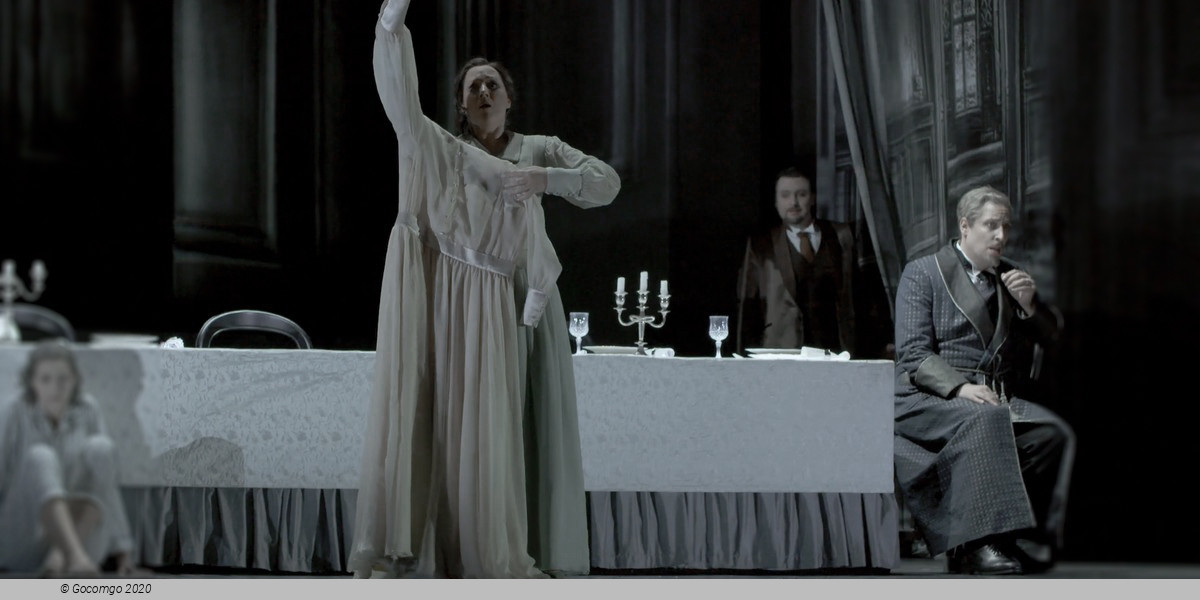
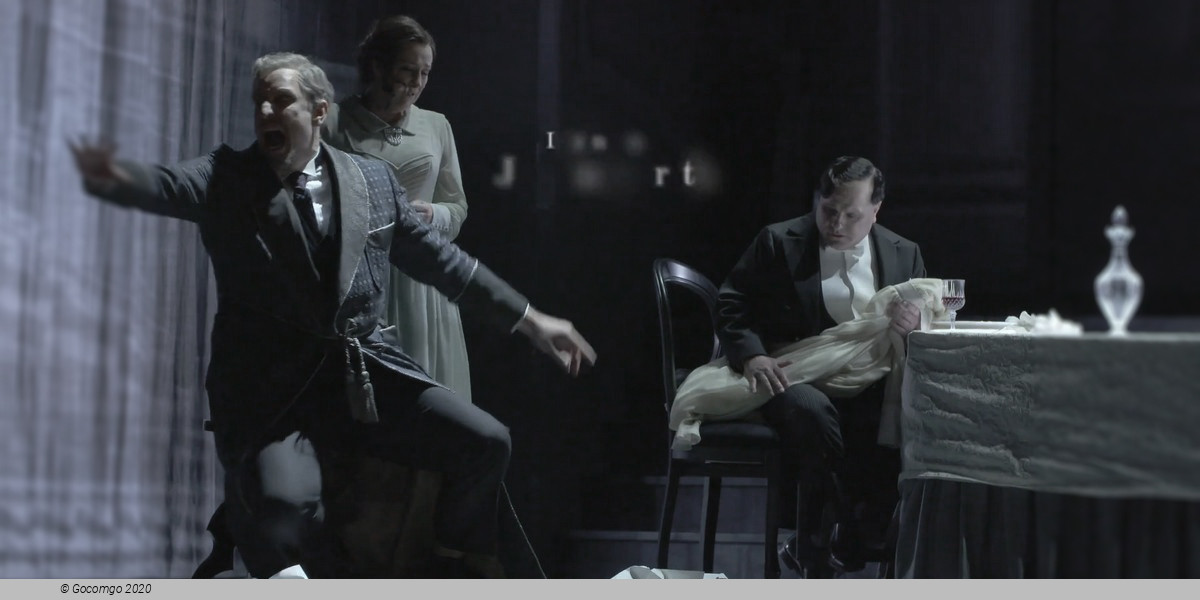
Francesco wakes after terrifying, guilt ridden nightmares (Pareami che sorto da lauto convito / "I fancied that, having risen from a sumptuous banquet, I was sleeping ..."). He summons the local priest who refuses him absolution for his heinous crimes. At this point the brigands are heard storming the castle and Francesco rushes out, swearing that he will defy the very fires of Hell.

Scene 2: The second clearing in the Franconian forest.

Massimiliano bewails Carlo's death, although he still does not recognise that the man standing in front of him is his favourite son. He blesses the "unknown stranger" for saving his life.

The robbers reappear and report that they had not been able to capture Francesco. This pleases Carlo who intends to change his ways. At this moment Amalia is dragged in by the brigands. Carlo is forced to admit to her, and to his father, his role as leader of the robbers. Massimiliano expresses his horror and despair, but Amalia declares that despite everything she still loves Carlo and wants to stay with him.

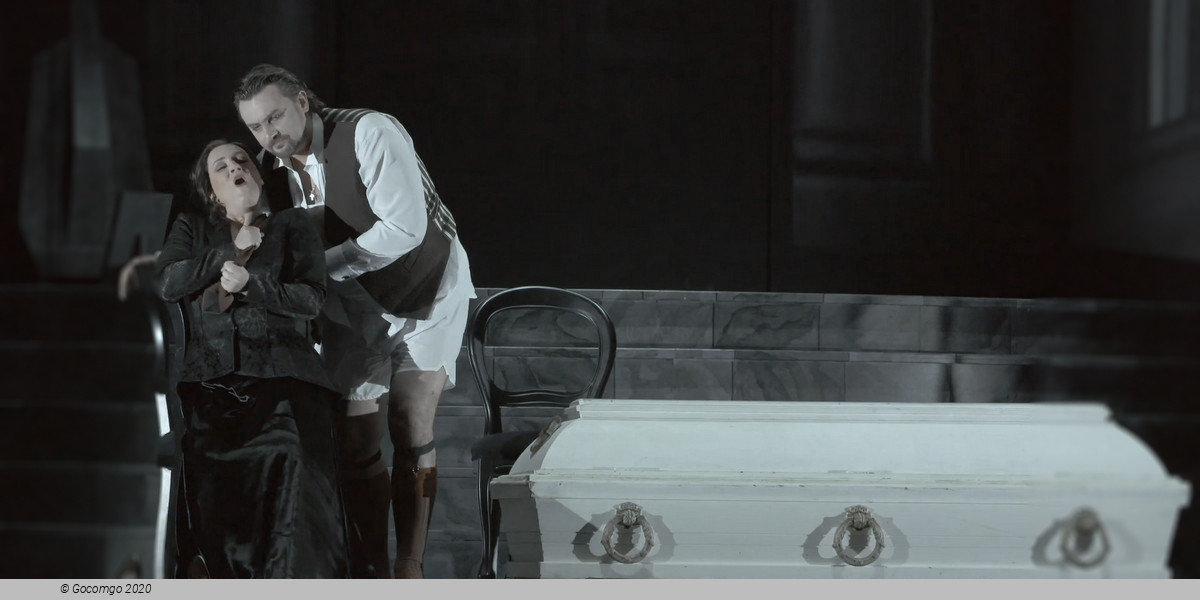
Although Carlo has sworn to change his ways, he has also given his oath of lifelong allegiance to his band of robbers. He cannot allow the woman he loves to be dragged down into his world of degradation and disgrace and he cannot escape his own evil fate; he resolves this paradox by stabbing Amalia to death. Carlo rushes offstage claiming he is going in search of his own death.

Venue Info

Teatro Alla Scala - Milan
Location   Via Filodrammatici, 2

Teatro Alla Scala is an opera house in Milan. Most of Italy's greatest operatic artists, and many of the finest singers from around the world, have appeared at La Scala. The theatre is regarded as one of the leading opera and ballet theatres globally. It is home to the La Scala Theatre Chorus, La Scala Theatre Ballet, La Scala Theatre Orchestra, and the Filarmonica della Scala orchestra.

The Teatro alla Scala was founded, under the auspices of the Empress Maria Theresa of Austria, to replace the Royal Ducal Theatre, which was destroyed by fire on 26 February 1776 and had until then been the home of opera in Milan. The cost of building the new theatre was borne by the owners of the boxes at the Ducal, in exchange for possession of the land on which stood the church of Santa Maria alla Scala (hence the name) and for renewed ownership of their boxes. Designed by the great neoclassical architect Giuseppe Piermarini, La Scala opened on 3 August 1778 with Antonio Salieri's opera L'Europa riconosciuta, to a libretto by Mattia Verazi.

With the advent of Rossini in 1812 (La pietra del paragone), the Teatro alla Scala was to become the appointed place of Italian opera seria: of its history dating back more than a century and of its subsequent tradition up till the present. The catalogue of Rossini's works performed until 1825 included: Il turco in Italia, La Cenerentola, Il barbiere di Siviglia, La donna del lago, Otello, Tancredi, Semiramide and Mosé. During that period the choreographies of Salvatore Viganò (1769-181) and of Carlo Blasis (1795-1878) also widened the theatre's artistic supremacy to include ballet.

An exceptional new season of serious opera opened between 1822 and 1825, with Chiara e Serafina by Gaetano Donizetti (1797-1848) and Il pirata by Vincenzo Bellini (1801-1835). The later operas of Donizetti performed at La Scala were (until 1850) Anna Bolena, Lucrezia Borgia, Torquato Tasso, La fille du régiment, La favorita, Linda di Chamonix, Don Pasquale, and Poliuto. These were followed (until 1836) by Bellini's I Capuleti e i Montecchi, Norma, La sonnambula, Beatrice di Tenda and I puritani.

In 1839 Oberto Conte di San Bonifacio inaugurated the cycle of operas by Giuseppe Verdi (1813-1901), the composer whose name is linked more than any other to the history of La Scala. After the dismal failure of Un giorno di regno, Nabucco was performed in 1842. It was the first, decisive triumph of Verdi's career. At the same time, the strong patriotic feelings stirred by Nabucco founded the "popularity" of opera seria and identified its image with the Scala.

Arturo Toscanini (1867-1957) became the artistic director and introduced radical reform into the theatre, both in its organisational aspects and in its relations with the public. Toscanini, one of the greatest conductors of all time, took up Verdi's musical inheritance and launched a tradition of interpretation that continued uninterruptedly and was renewed during the twentieth century. It was he who reappraised and regularly performed at the Scala the works of Richard Wagner (hitherto only belatedly and inadequately recognised). He also firmly extended the Scala's orchestral repertoire to include symphonic music.

In 1948 maestro Guido Cantelli (1920-1956) made his debut and established himself as one of the leading postwar conductors. Numerous opera performances productions (the Wagnerian cycle conducted in 1950 by Wilhelm Furtwängler, the Verdi repertoire by Victor De Sabata, etc), concerts (Herbert von Karajan, Dimitri Mitropoulos, Bruno Walter, etc), singers (Maria Callas, Renata Tebaldi, Giuseppe Di Stefano, Mario Del Monaco, etc), ballet performances (Margot Fonteyn, Serge Lifar, Maya Plissetskaya, Rudolf Nureyev), and productions (Luchino Visconti, Giorgio Strehler) belong not only to the history of the Scala, but to that of the history of musical theatre since the war.

In 1965 Claudio Abbado made his début at the Scala and in 1972 was named conductor of the Scala Orchestra. Until 1986 he directed among other works Il barbiere di Siviglia, Cenerentola, L'Italiana in Algeri by Rossini, Simon Boccanegra, Macbeth and Don Carlo by Verdi, the recent Al gran sole carico d'amore by Luigi Nono, and Pelléas et Mélisande by Claude Debussy. He also conducted numerous concerts. The chorus-master was Romano Gandolfi. In 1975 the ballet dancer Oriella Dorella debuted at La Scala. Among other contemporary composers, up till 1986 the Theatre continued to give works by Luciano Berio (La vera storia), Franco Donatoni (Atem) and Karlheinz Stockhausen (Samstag aus Licht).

In 1981 Riccardo Muti debuted at the Scala as an opera conductor (Mozart, Le nozze di Figaro). Giulio Bertola was appointed to direct the Chorus. In 1982 the Orchestra Filarmonica della Scala was established. In 1985 Alessandra Ferri made her debut at the Scala. In 1986 Riccardo Muti was appointed musical director. From 1989 to 1998 he reintroduced the best-loved works (Rigoletto, La traviata, Macbeth, La forza del destino) and numerous other titles by Verdi including Falstaff and Don Carlo.

In 1991 Roberto Gabbiani took over the directorship of the chorus. In 1997 La Scala was converted into a Foundation under private ownership, thus opening a decisive phase of modernisation.

On 7 December 2001 a new production of Otello, conducted by Muti, concluded the Verdi Year and, for the time being, performances at Piermarini’s original building in Piazza Scala. Major restoration and modernisation works of the Theatre began in January 2002.

The 2005-2006 Season, dedicated to the 250th anniversary of Mozart’s birth, was inaugurated by Idomeneo conducted by Daniel Harding. The 2006/07 season saw the return on 7 December of an opera by Verdi, Aida, conducted by Riccardo Chailly, and the launch of the Celebrations for the 50th Anniversary of Arturo Toscanini’s Death. On 7 December 2007 the 2007/08 season opened with Tristan und Isolde conducted by Daniel Barenboim. The opera marked the beginning of a closer collaboration between the Teatro alla Scala and the Israeli-Argentinian Maestro.

Important Info
Type: Opera
City: Milan, Italy

E-tickets: Print at home or at the box office of the event if so specified. You will find more information in your booking confirmation email.

You can only select the category, and not the exact seats.
If you order 2 or 3 tickets: your seats will be next to each other.
If you order 4 or more tickets: your seats will be next to each other, or, if this is not possible, we will provide a combination of groups of seats (at least in pairs, for example 2+2 or 2+3).

Top of page