
Teatro Alla Scala 22 October 2021 - Il turco in Italia | GoComGo.com

Il turco in Italia

Teatro Alla Scala, Milan, Italy
All photos (13)
Select date and time
8 PM

E-tickets: Print at home or at the box office of the event if so specified. You will find more information in your booking confirmation email.

You can only select the category, and not the exact seats.
If you order 2 or 3 tickets: your seats will be next to each other.
If you order 4 or more tickets: your seats will be next to each other, or, if this is not possible, we will provide a combination of groups of seats (at least in pairs, for example 2+2 or 2+3).

Important Info
Type: Opera
City: Milan, Italy
Starts at: 20:00
Duration: 3h 5min

E-tickets: Print at home or at the box office of the event if so specified. You will find more information in your booking confirmation email.

You can only select the category, and not the exact seats.
If you order 2 or 3 tickets: your seats will be next to each other.
If you order 4 or more tickets: your seats will be next to each other, or, if this is not possible, we will provide a combination of groups of seats (at least in pairs, for example 2+2 or 2+3).

Overview

New Teatro alla Scala production

History
Premiere of this production: 14 August 1814, La Scala, Milan

Il turco in Italia (The Turk in Italy) is an opera in two acts by Gioachino Rossini. The Italian-language libretto was written by Felice Romani. It was a re-working of a libretto by Caterino Mazzolà set as an opera (with the same title) by the German composer Franz Seydelmann in 1788.

Synopsis

Time: 18th Century
Place: In and around Naples

Act 1

By the sea shore near Naples

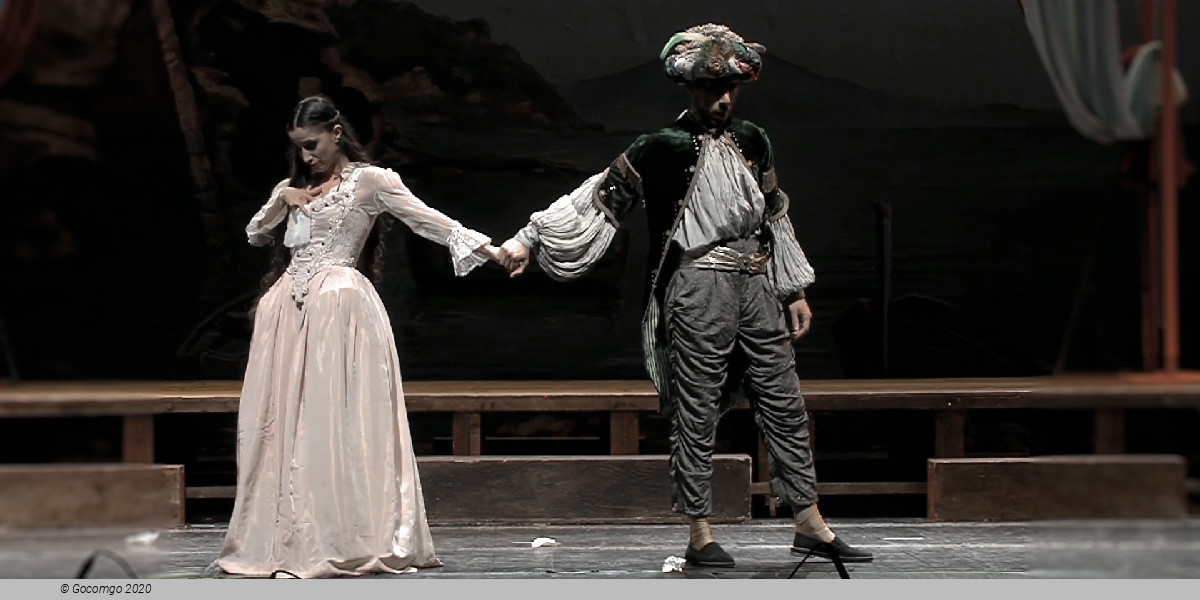
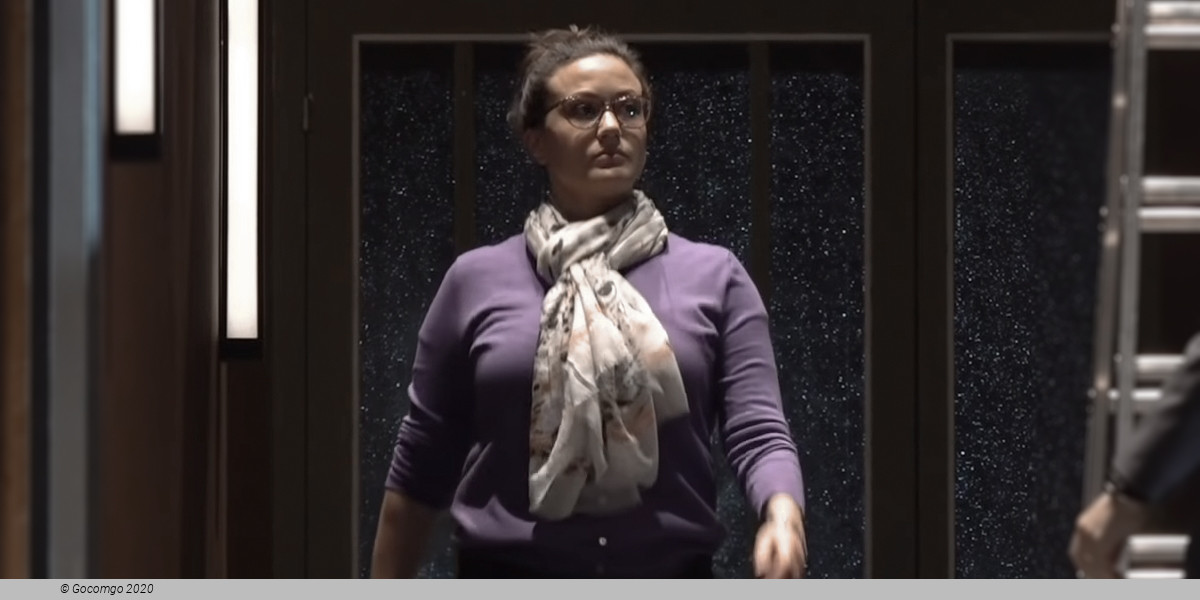
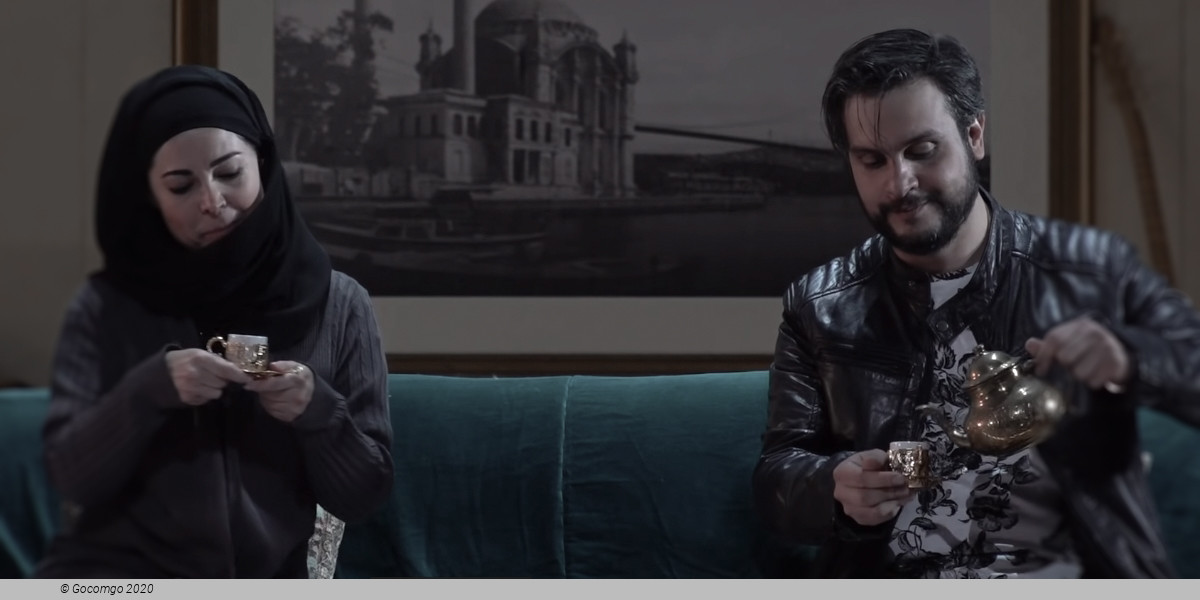
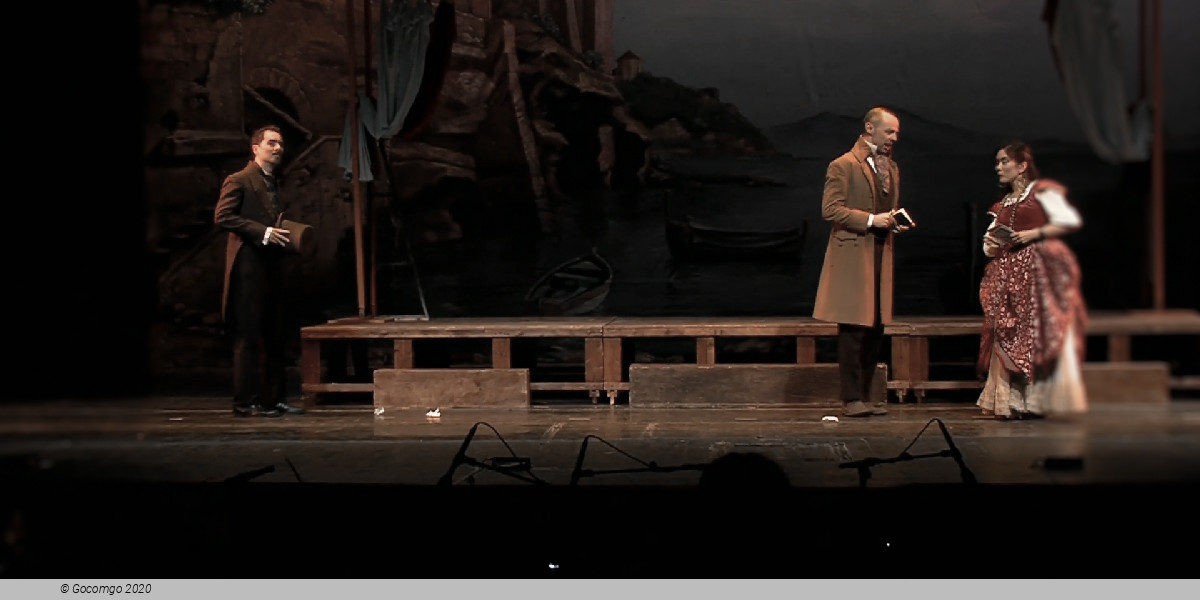
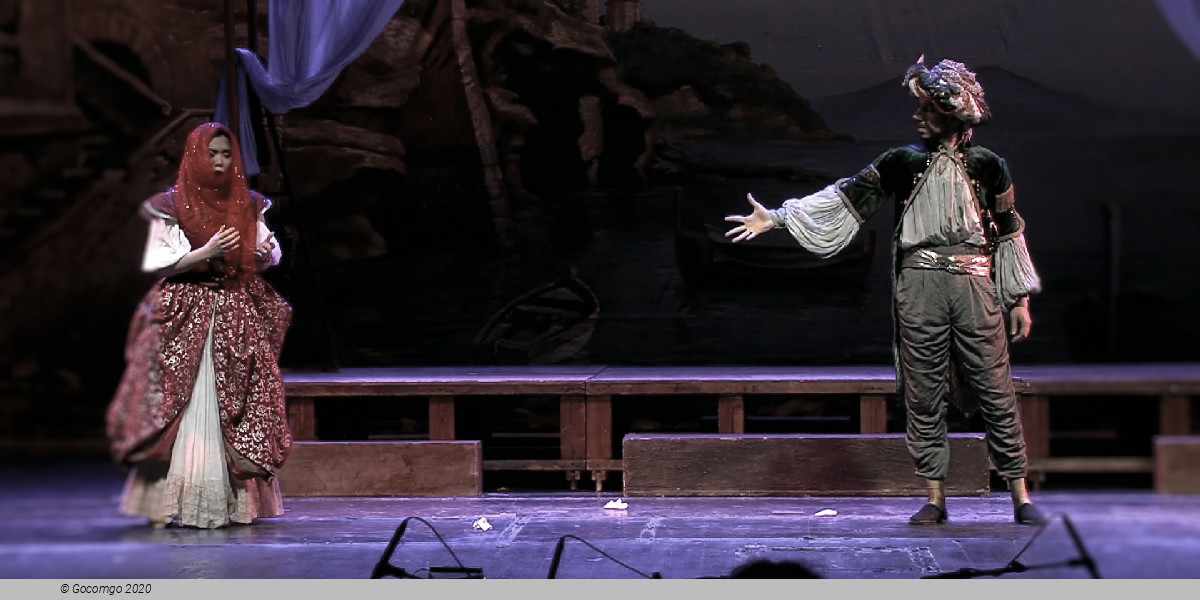
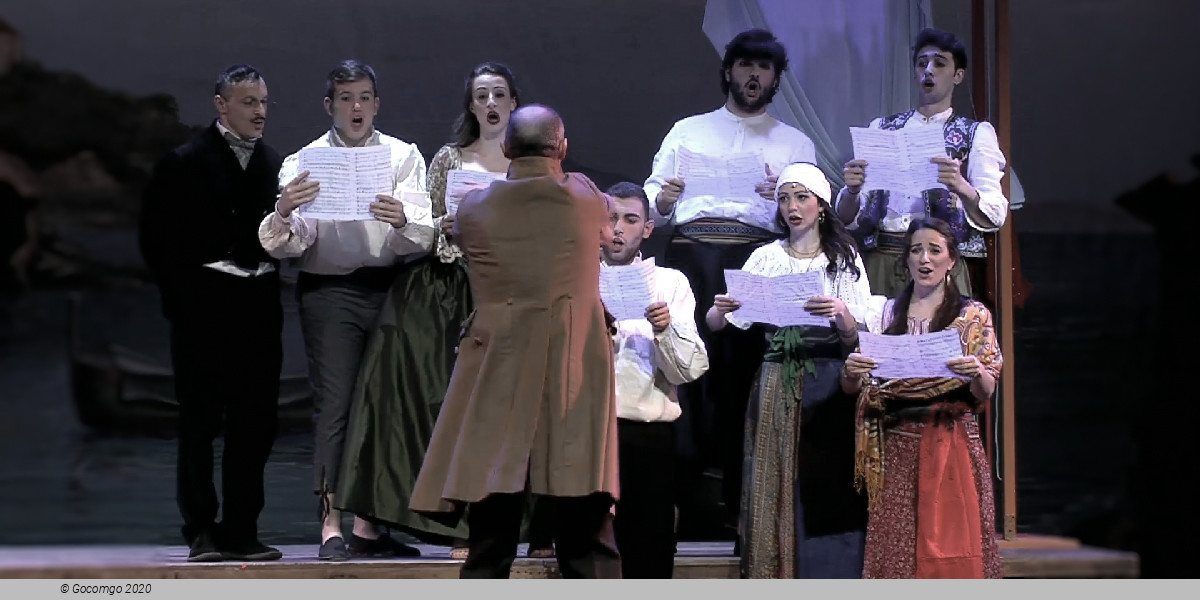
The poet Prosdocimo (baritone) is searching for a plot for a drama buffo. He meets a band of Gypsies, including the beautiful but unhappy Zaida (mezzo-soprano) and her confidant Albazar (tenor). Perhaps the Gypsies can provide some ideas? Prosdocimo's friend, the obstinate and sometimes foolish Geronio (bass), is looking for a fortune teller to advise him on his marital problems, but the Gypsies tease him. Zaida tells Prosdocimo that she is from a Turkish harem. She and her master, Prince Selim, were in love, but jealous rivals accused her of infidelity and she had to flee for her life, accompanied by Albazar. Nevertheless, she still loves only one man and that man is Selim. Prosdocimo knows that a Turkish prince will shortly be arriving in Italy. Perhaps he can help? Geronio's capricious young wife Fiorilla (soprano) enters singing (in contrast to Zaida) of the joys of free and unfettered love. A Turkish ship arrives and the prince disembarks. It is Selim (bass) himself. Fiorilla is immediately attracted to the handsome Turk, and a romance rapidly develops. Narciso (tenor) appears in her pursuit. He is an ineffectual admirer of Fiorilla posing as a friend of her husband. Geronio follows, horrified to learn that Fiorilla is taking the Turk home to drink his coffee!

Geronio's house

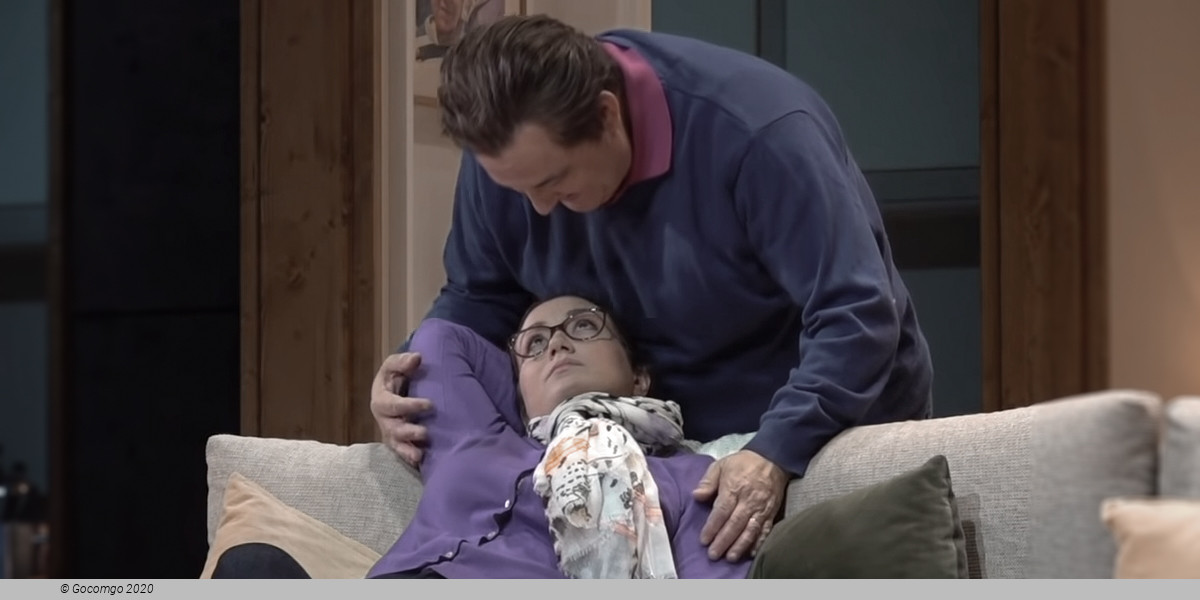
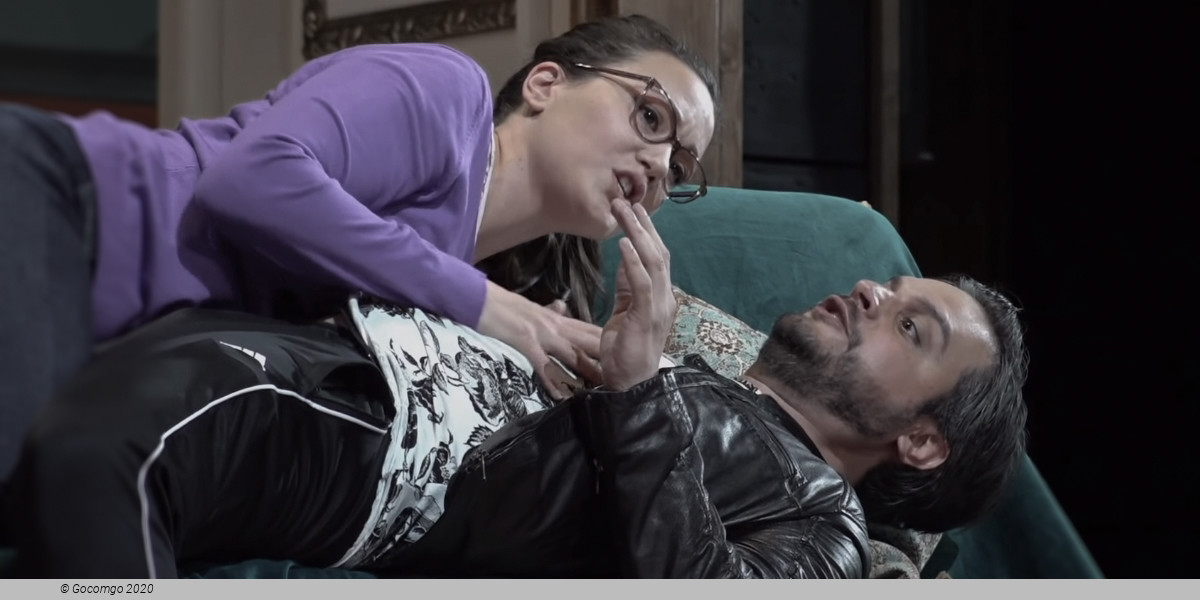
Fiorilla and Selim are flirting. Geronio enters timidly and Selim is initially impressed by his unexpected meekness, however Narciso noisily scolds Geronio. The domestic menage irritates Selim and he leaves after quietly arranging to meet Fiorilla again by his ship. Geronio tells Fiorilla he will not allow any more Turks - or Italians - in his house. She sweetly undermines his complaints, and then, when he softens, threatens to punish him by enjoying herself even more wildly.

The sea shore at night

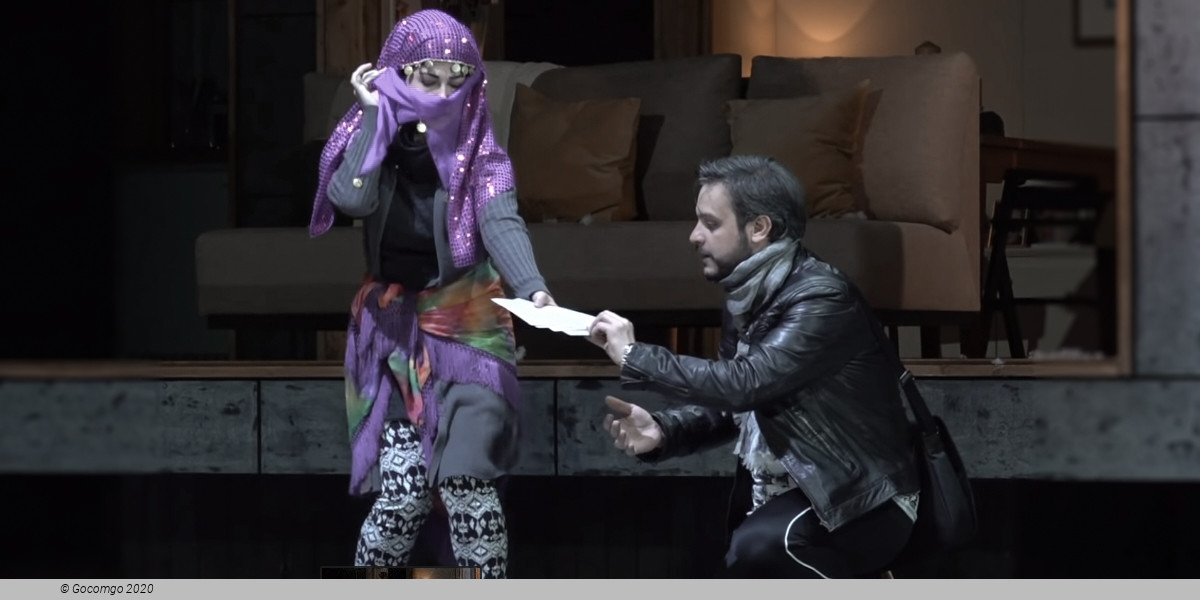
Selim is waiting for Fiorilla. Instead he meets Zaida. The former lovers are shocked and delighted, and declare once more their mutual love. Narciso re-appears, followed by Fiorilla in disguise, with Geronio in pursuit. Selim confuses the veiled Fiorilla with Zaida and the two women come suddenly face to face. Fiorilla accuses Selim of betrayal. Zaida confronts Fiorilla. Geronio tells his wife to go home. There is a stormy finale.

Act 2

At an inn

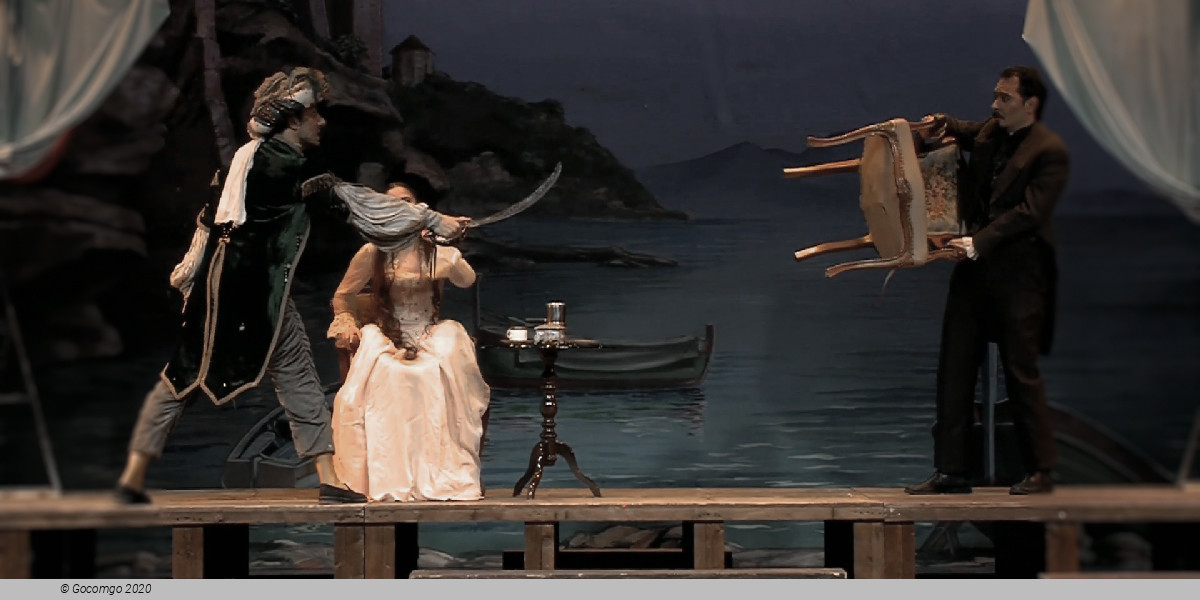
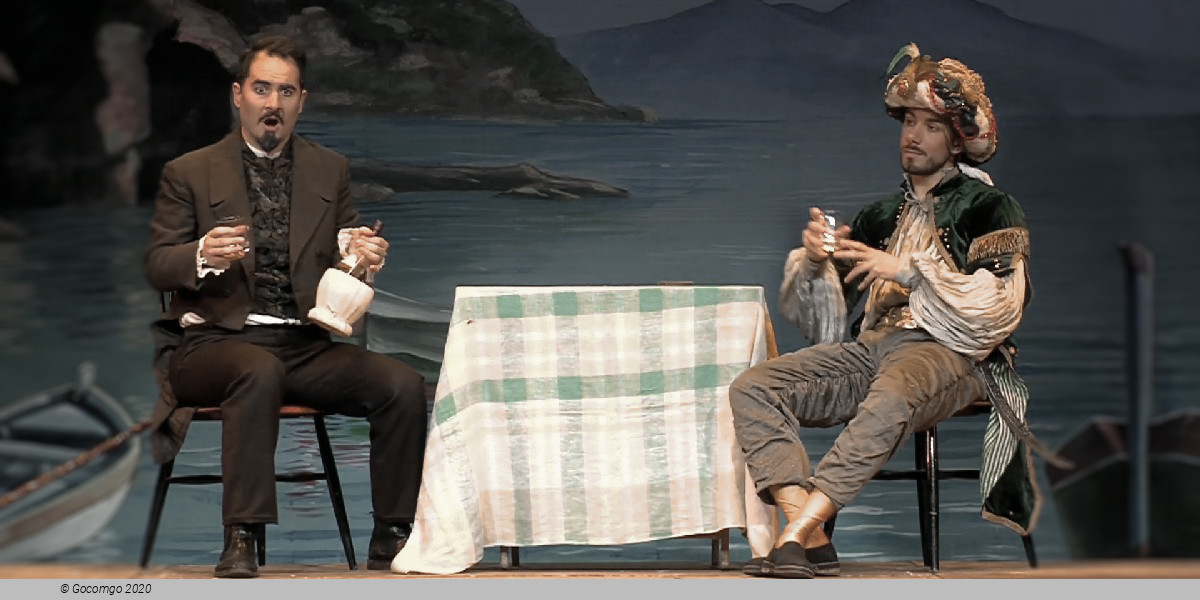
Selim approaches Geronio amicably, offering to buy Fiorilla. That way Geronio can be rid of his problems and also make some money. Geronio refuses. Selim vows to steal her instead. After they leave, Fiorilla and a group of her friends appear, followed by Zaida. Fiorilla has set up a meeting between them and Selim, so that the Turk will be forced to decide between the two women. In the event he is indecisive, not wishing to lose either of them. Zaida leaves in disgust. Selim and Fiorilla quarrel but are eventually reconciled. As the poet tells Geronio, there is going to be a party. Fiorilla will be there to meet Selim, who will be masked. Geronio should also go - disguised as a Turk! Narciso overhears this, and decides to take advantage of the situation to take Fiorilla himself, in revenge for her former indifference. Geronio laments his destiny, that he should have such a terrible, crazy wife. Albazar passes by holding a costume - for Zaida!

A ballroom with masqueraders and dancers

Fiorilla mistakes Narciso for Selim and Narciso leads her away. Meanwhile, Selim enters with Zaida, under the impression that she is Fiorilla. Geronio is in utter despair at finding two couples and two Fiorillas! Narciso and Selim both entreat their partners to leave with them. Confused and angry, Geronio attempts to stop both couples, but they eventually escape.

Back at the inn

Prosdocimo meets Geronio. They now know that Selim was with Zaida and guess that Fiorilla was with Narciso. Albazar confirms that Selim will definitely stay with Zaida. Prosdocimo advises Geronio to have his revenge on Fiorilla by pretending to divorce her and threatening to send her back to her family.

Having discovered Narciso's deception, Fiorilla tries to find Selim, but he has already left with Zaida. She returns home only to find the divorce letter, and her belongings being removed from the house. She is devastated by shame, and promptly deserted by her friends.

The beach

Selim and Zaida are about to set sail for Turkey, while Fiorilla is looking for a boat to take her back to her home town. Geronio finds and forgives her. They are affectionately reconciled. Both couples are now reunited and Prosdocimo is delighted with his happy ending.

Venue Info

Teatro Alla Scala - Milan
Location   Via Filodrammatici, 2

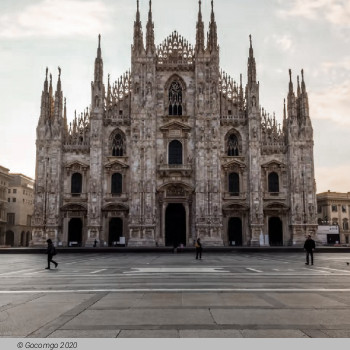
Teatro Alla Scala is an opera house in Milan. Most of Italy's greatest operatic artists, and many of the finest singers from around the world, have appeared at La Scala. The theatre is regarded as one of the leading opera and ballet theatres globally. It is home to the La Scala Theatre Chorus, La Scala Theatre Ballet, La Scala Theatre Orchestra, and the Filarmonica della Scala orchestra.

The Teatro alla Scala was founded, under the auspices of the Empress Maria Theresa of Austria, to replace the Royal Ducal Theatre, which was destroyed by fire on 26 February 1776 and had until then been the home of opera in Milan. The cost of building the new theatre was borne by the owners of the boxes at the Ducal, in exchange for possession of the land on which stood the church of Santa Maria alla Scala (hence the name) and for renewed ownership of their boxes. Designed by the great neoclassical architect Giuseppe Piermarini, La Scala opened on 3 August 1778 with Antonio Salieri's opera L'Europa riconosciuta, to a libretto by Mattia Verazi.

With the advent of Rossini in 1812 (La pietra del paragone), the Teatro alla Scala was to become the appointed place of Italian opera seria: of its history dating back more than a century and of its subsequent tradition up till the present. The catalogue of Rossini's works performed until 1825 included: Il turco in Italia, La Cenerentola, Il barbiere di Siviglia, La donna del lago, Otello, Tancredi, Semiramide and Mosé. During that period the choreographies of Salvatore Viganò (1769-181) and of Carlo Blasis (1795-1878) also widened the theatre's artistic supremacy to include ballet.

An exceptional new season of serious opera opened between 1822 and 1825, with Chiara e Serafina by Gaetano Donizetti (1797-1848) and Il pirata by Vincenzo Bellini (1801-1835). The later operas of Donizetti performed at La Scala were (until 1850) Anna Bolena, Lucrezia Borgia, Torquato Tasso, La fille du régiment, La favorita, Linda di Chamonix, Don Pasquale, and Poliuto. These were followed (until 1836) by Bellini's I Capuleti e i Montecchi, Norma, La sonnambula, Beatrice di Tenda and I puritani.

In 1839 Oberto Conte di San Bonifacio inaugurated the cycle of operas by Giuseppe Verdi (1813-1901), the composer whose name is linked more than any other to the history of La Scala. After the dismal failure of Un giorno di regno, Nabucco was performed in 1842. It was the first, decisive triumph of Verdi's career. At the same time, the strong patriotic feelings stirred by Nabucco founded the "popularity" of opera seria and identified its image with the Scala.

Arturo Toscanini (1867-1957) became the artistic director and introduced radical reform into the theatre, both in its organisational aspects and in its relations with the public. Toscanini, one of the greatest conductors of all time, took up Verdi's musical inheritance and launched a tradition of interpretation that continued uninterruptedly and was renewed during the twentieth century. It was he who reappraised and regularly performed at the Scala the works of Richard Wagner (hitherto only belatedly and inadequately recognised). He also firmly extended the Scala's orchestral repertoire to include symphonic music.

In 1948 maestro Guido Cantelli (1920-1956) made his debut and established himself as one of the leading postwar conductors. Numerous opera performances productions (the Wagnerian cycle conducted in 1950 by Wilhelm Furtwängler, the Verdi repertoire by Victor De Sabata, etc), concerts (Herbert von Karajan, Dimitri Mitropoulos, Bruno Walter, etc), singers (Maria Callas, Renata Tebaldi, Giuseppe Di Stefano, Mario Del Monaco, etc), ballet performances (Margot Fonteyn, Serge Lifar, Maya Plissetskaya, Rudolf Nureyev), and productions (Luchino Visconti, Giorgio Strehler) belong not only to the history of the Scala, but to that of the history of musical theatre since the war.

In 1965 Claudio Abbado made his début at the Scala and in 1972 was named conductor of the Scala Orchestra. Until 1986 he directed among other works Il barbiere di Siviglia, Cenerentola, L'Italiana in Algeri by Rossini, Simon Boccanegra, Macbeth and Don Carlo by Verdi, the recent Al gran sole carico d'amore by Luigi Nono, and Pelléas et Mélisande by Claude Debussy. He also conducted numerous concerts. The chorus-master was Romano Gandolfi. In 1975 the ballet dancer Oriella Dorella debuted at La Scala. Among other contemporary composers, up till 1986 the Theatre continued to give works by Luciano Berio (La vera storia), Franco Donatoni (Atem) and Karlheinz Stockhausen (Samstag aus Licht).

In 1981 Riccardo Muti debuted at the Scala as an opera conductor (Mozart, Le nozze di Figaro). Giulio Bertola was appointed to direct the Chorus. In 1982 the Orchestra Filarmonica della Scala was established. In 1985 Alessandra Ferri made her debut at the Scala. In 1986 Riccardo Muti was appointed musical director. From 1989 to 1998 he reintroduced the best-loved works (Rigoletto, La traviata, Macbeth, La forza del destino) and numerous other titles by Verdi including Falstaff and Don Carlo.

In 1991 Roberto Gabbiani took over the directorship of the chorus. In 1997 La Scala was converted into a Foundation under private ownership, thus opening a decisive phase of modernisation.

On 7 December 2001 a new production of Otello, conducted by Muti, concluded the Verdi Year and, for the time being, performances at Piermarini’s original building in Piazza Scala. Major restoration and modernisation works of the Theatre began in January 2002.

The 2005-2006 Season, dedicated to the 250th anniversary of Mozart’s birth, was inaugurated by Idomeneo conducted by Daniel Harding. The 2006/07 season saw the return on 7 December of an opera by Verdi, Aida, conducted by Riccardo Chailly, and the launch of the Celebrations for the 50th Anniversary of Arturo Toscanini’s Death. On 7 December 2007 the 2007/08 season opened with Tristan und Isolde conducted by Daniel Barenboim. The opera marked the beginning of a closer collaboration between the Teatro alla Scala and the Israeli-Argentinian Maestro.

Important Info
Type: Opera
City: Milan, Italy
Starts at: 20:00
Duration: 3h 5min
Top of page