
Teatro Alla Scala 2 February 2022 - I Capuleti e i Montecchi | GoComGo.com

I Capuleti e i Montecchi

Teatro Alla Scala, Milan, Italy
All photos (6)
Select date and time
8 PM

E-tickets: Print at home or at the box office of the event if so specified. You will find more information in your booking confirmation email.

You can only select the category, and not the exact seats.
If you order 2 or 3 tickets: your seats will be next to each other.
If you order 4 or more tickets: your seats will be next to each other, or, if this is not possible, we will provide a combination of groups of seats (at least in pairs, for example 2+2 or 2+3).

Important Info
Type: Opera
City: Milan, Italy
Starts at: 20:00

E-tickets: Print at home or at the box office of the event if so specified. You will find more information in your booking confirmation email.

You can only select the category, and not the exact seats.
If you order 2 or 3 tickets: your seats will be next to each other.
If you order 4 or more tickets: your seats will be next to each other, or, if this is not possible, we will provide a combination of groups of seats (at least in pairs, for example 2+2 or 2+3).

Overview

Teatro alla Scala New Production

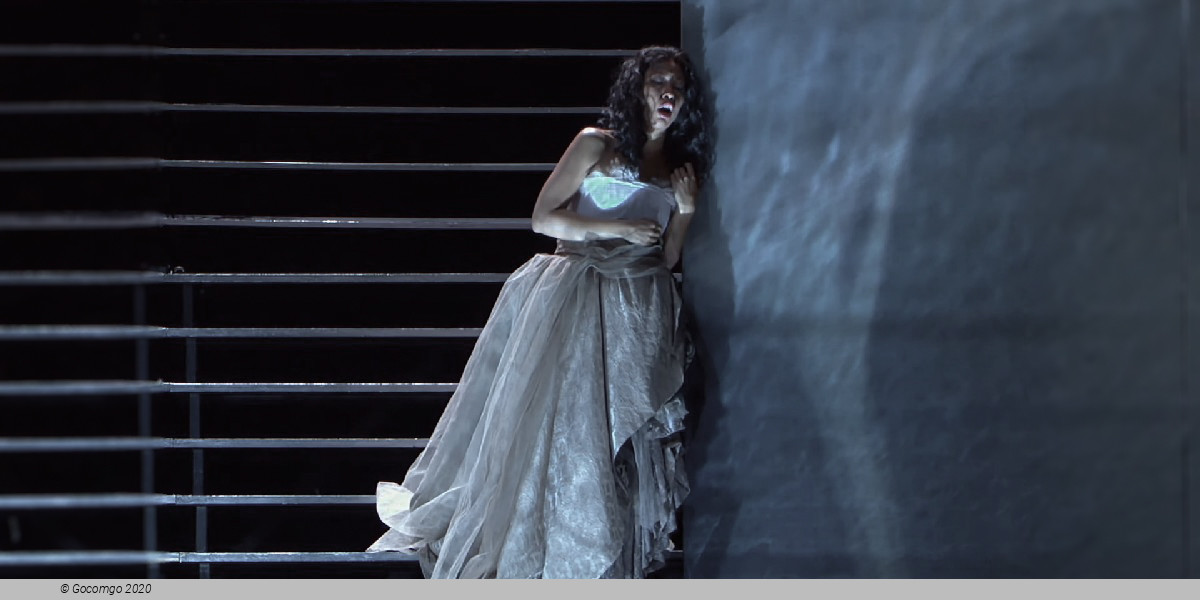
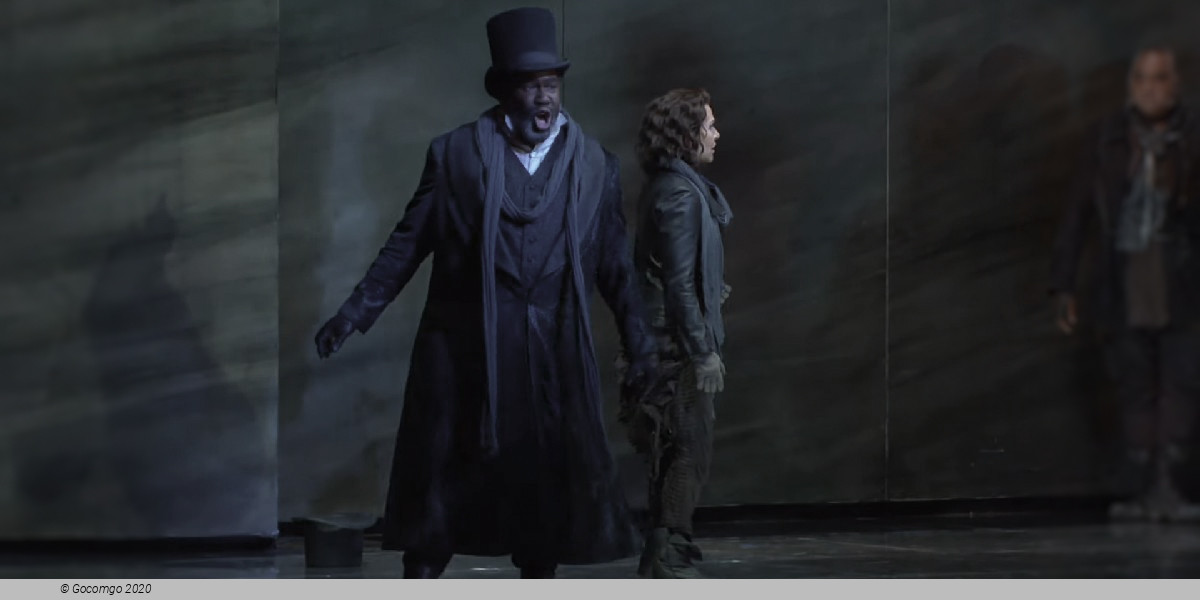
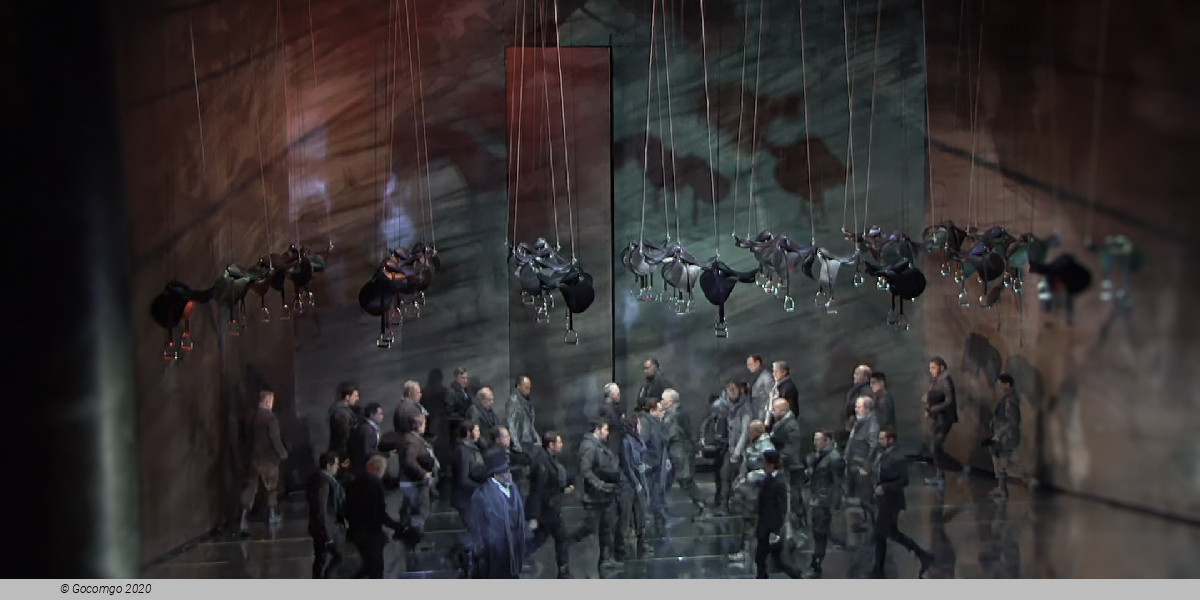
The tragedy of Romeo and Juliet and their forbidden love has inspired countless versions, from opera to cinema. Among the most evocative is that by Vincenzo Bellini, one of the most infrequently performed bel canto composers. I Capuleti e i Montecchi returns to La Scala in a new production conducted by Evelino Pidò and marking the debut of Adrian Noble, artistic director of the Royal Shakespeare Company for thirteen years. The cast features some of the most outstanding contemporary Bellini voices.

History
Premiere of this production: 11 March 1830, Teatro La Fenice, Venice

I Capuleti e i Montecchi (The Capulets and the Montagues) is an Italian opera (Tragedia lirica) in two acts by Vincenzo Bellini. The libretto by Felice Romani was a reworking of the story of Romeo and Juliet for an opera by Nicola Vaccai called Giulietta e Romeo and based on the play of the same name by Luigi Scevola written in 1818, thus an Italian source rather than taken directly from William Shakespeare.

Synopsis

In this version of the story the Capuleti and Montecchi are rival political factions (Guelph and Ghibelline respectively) rather than Shakespeare's "two households, both alike in dignity". Capellio is the father of Giulietta (Juliet) and the leader of the Capuleti. Giulietta is betrothed to Tebaldo (Tybalt), however she has already met and fallen in love with Romeo, leader of the Montecchi (Montagues). This is a secret to all but Lorenzo (Lawrence), her doctor and confidant. Complicating matters, Romeo has inadvertently killed the son of Capellio (Giulietta's brother) in battle.

Place: around the palace of Capellio (Capulet) in Verona
Time: 13th century
Sinfonia

Act 1

Scene 1: The Palace

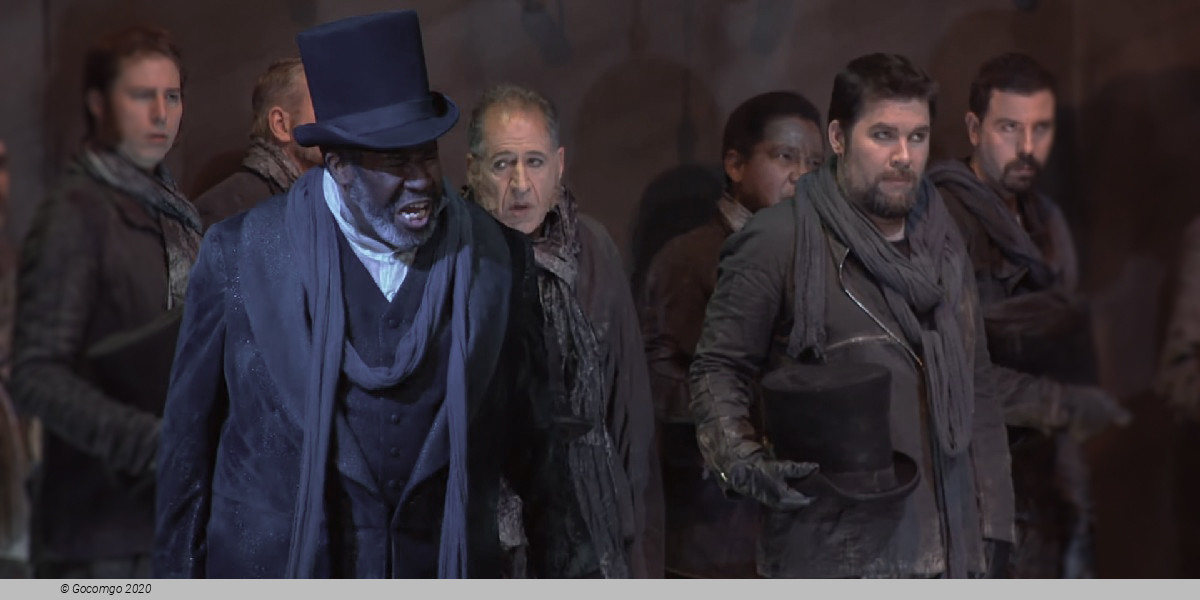
Capellio and Tebaldo address their followers advising rejection of an offer of peace to be brought by an envoy from Romeo, the man who had killed Capellio's son. Tebaldo states that he will avenge the killing to celebrate his marriage to Giulietta: (Cavatina: È serbata a questo acciaro / "And reserved for this sword / is the vengeance of your blood") and he urges Capellio to hasten the moment when he may marry Giulietta and then avenge Capellio, who wants the marriage to take place immediately, brushing aside the objections of Lorenzo that Giulietta is ill with a fever. Tebaldo proclaims his love for Giulietta: Sì: M'Abbraccia / "I love her so much / She is so dear to me". Capellio's men urge him on and arrangements are made to have the wedding take place that day.

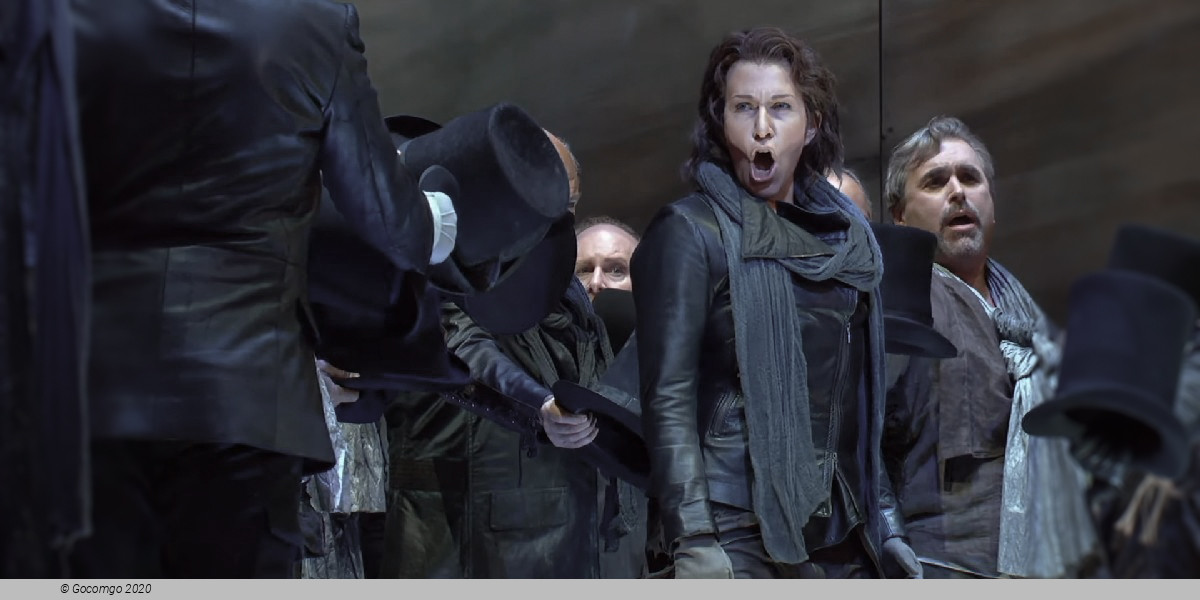
While the men proclaim their hatred of the Montecchi, Romeo enters in the guise of a Montecchi envoy, offering peace to be guaranteed by the marriage of Romeo and Giulietta. He explains that Romeo regrets the death of Capellio's son (Cavatina: Ascolta: Se Romeo t'uccise un figlio / "Listen: If Romeo killed your son / he brought him death in battle / And you must blame fate"), and offers to take his place as a second son for the old man. Capellio indicates that Tebaldo has already taken on that role and—together with all his men—rejects all idea of peace: "War! War", the men proclaim. Romeo accepts their challenge of war: (Cabaletta: La tremenda ultrice spada/ "Romeo will prepare to brandish the dread avenging sword / Romeo accepts your challenge of war.)

Scene 2: Giulietta's room

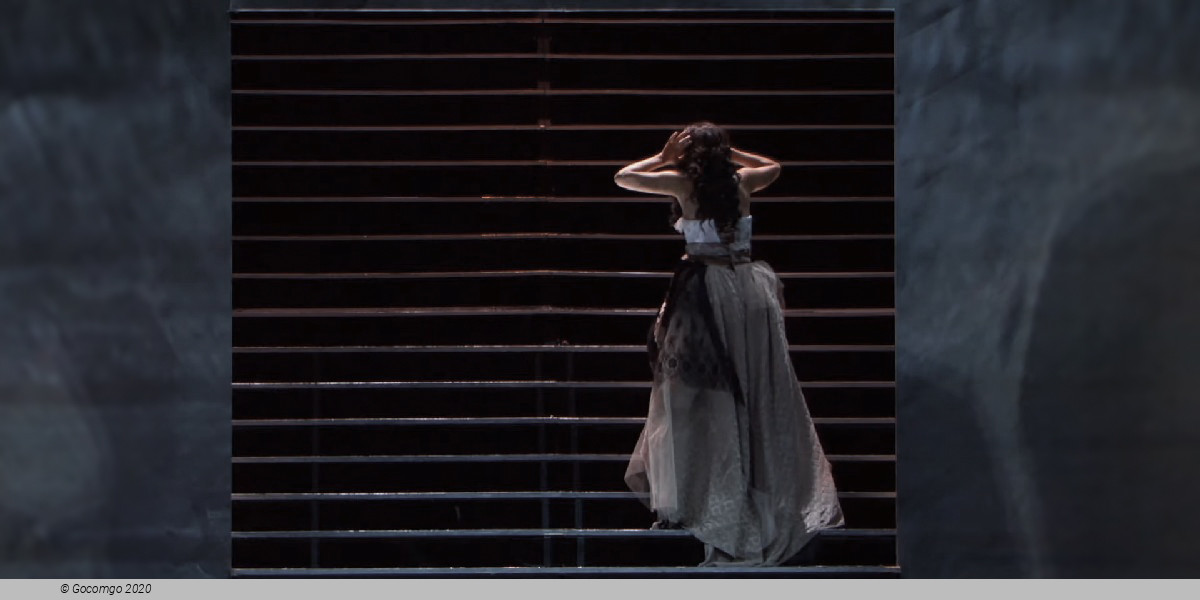
Giulietta enters proclaiming her frustration against all the wedding preparations which she sees about her. Recitative: "I burn, a fire consumes me wholly. In vain do I seek solace from the winds... Where are you Romeo?". Cavatina: Oh! quante volte / "Oh how many times do I weep and beg heaven for you". Lorenzo enters, explaining that he has arranged for Romeo to come to her by a secret door and, when Romeo enters, he tries to persuade Giulietta to escape with him. Duetto: Romeo: Sì, fuggire: a noi non resta / "Yes, flee, for us there is no other escape"; he demands: "What power is greater for you than love?", but she resists in the name of duty, law, and honour, declaring that she would prefer to die of a broken heart. Romeo is distraught: Cantabile: Romeo: Ah crudel, d'onor ragioni / "Oh cruel one, you speak of honour when you were stolen from me?" Giulietta responds "Ah what more you ask of me?", then, in a tempo di mezzo in which each expresses his/her conflicting emotions, the situation becomes more and more impossible for them both.

The sounds of wedding preparations are heard: she urges him to flee; he declares that he will stay and, in a final cabaletta in which Romeo pleads "Come, ah Come! Rely on me", Giulietta continues to resist. Each leaves.

Scene 3: Another part of the palace

The Capuleti are celebrating the forthcoming marriage. All those assembled join in. Romeo enters in disguise and tells Lorenzo, who immediately recognises him, that he is awaiting the support of his soldiers, one thousand of whom are assembled dressed as Ghibelines and who are intent on preventing the wedding. Lorenzo remonstrates with him, but suddenly, the armed attack by the Montecchi takes place as they surge into the palace, Romeo with them. Giulietta is alone, lamenting the state of affairs, Tace il fragor / "The tumult has ended". Then she sees Romeo, who has appeared, and again he urges her to run away with him: "I ask this in the name of promised love", he declares. Capellio, Tebaldo and the Ghibelines discover them, and believe that Romeo is still the Montecchi envoy. As Giulietta tries to shield him from her father, Romeo proudly tells them his true name. The Montecchi enter to protect him and, in a concerted finale involving all from both factions, the lovers are separated by their family members, finally proclaiming: Al furor che si ridesta / "If all hope of ever seeing each other again in life / this will not be the last farewell". Capellio, Tebaldo, and Lorenzo become part of the quintet finale, as the ranks of the supporters of both sides join in the swell.

Act 2

Scene 1: Another part of the Palace

Introduced by a solo for cello, Giulietta awaits news of the fighting. Lorenzo enters and immediately tells her that Romeo lives, but she will soon be taken away to Tebaldo's castle. He offers a solution: that she must take a sleeping potion which will make it appear that she has died. She will then be taken to her family's tomb where he will arrange for Romeo and himself to be present when she awakes. In a state of indecision, she contemplates her options. (Aria: Morte io non temo, il sai / "You know that I do not fear death, / I have always asked death of you...") and she expresses doubts while Lorenzo urges her to take the potion, given that her father is about to come into the room. Taking the bottle, she declares that "only death can wrest me from my cruel father".

With his followers, Capellio comes to order her to leave with Tebaldo at dawn. Her ladies beg her father to be kinder towards her. Proclaiming that she is close to death, she begs her father's forgiveness: Cabaletta: Ah! non poss'io partire / "Ah, I cannot leave without your forgiveness.....Let your anger turn just once to peace", but Capellio rejects her and orders her to her room. He then instructs his men to keep watch on Lorenzo of whom he is suspicious; they are ordered not to allow Lorenzo to have contact with anyone.

Scene 2: The grounds of the palace

An orchestral introduction precedes Romeo's entrance and introduces what Weinstock describes as "his bitter recitative", Deserto è il loco / "This place is abandoned", in which he laments Lorenzo's apparent forgetfulness in failing to meet him as planned. He then hears the noise of someone entering. It is Tebaldo, and the two men begin an angry duet (Tebaldo: Stolto! a un sol mio grido / "With one cry a thousand men will arrive". Romeo: "I scorn you. You will wish the alps and the sea stood between us"). As they are about to begin fighting, the sound of a funeral procession is heard (Pace alla tua bell'anima). They stop and listen, only then realising that it is a procession for Giulietta. In a cabaletta finale, the rivals are united in remorse, asking each other for death as they continue to fight.

Scene 3: The tombs of the Capuleti

Along with his Montecchi followers, Romeo enters the tomb of the Capuleti. The followers mourn Giulietta's death. At her tomb and in order to bid her farewell, Romeo asks for it to be opened. He also asks that the Montecchi leave him alone with Giulietta: Romanza: Deh! tu, bell'anima / "Alas! You, fair soul / Rising up to heaven / turn to me, bear me with you". Realising his only course of action will be death, he swallows poison and, lying down beside her, he hears a sigh, then the sound of her voice. Giulietta wakes up to find that Romeo knew nothing of her simulated death and had been unaware of Lorenzo's plan. Urging him to leave with her, Giulietta gets up but Romeo states that he must remain there forever, explaining that he has already acted to end his life. In a final cabaletta, the couple clings to each other. Then he dies and Giulietta, unable to live on without him, falls dead onto his body. The Capuleti and Montecchi rush in to discover the dead lovers, with Capellio demanding who is responsible: "You, ruthless man", they all proclaim.

Venue Info

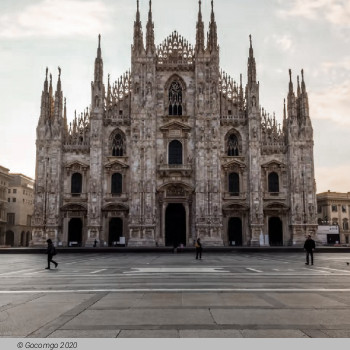
Teatro Alla Scala - Milan
Location   Via Filodrammatici, 2

Teatro Alla Scala is an opera house in Milan. Most of Italy's greatest operatic artists, and many of the finest singers from around the world, have appeared at La Scala. The theatre is regarded as one of the leading opera and ballet theatres globally. It is home to the La Scala Theatre Chorus, La Scala Theatre Ballet, La Scala Theatre Orchestra, and the Filarmonica della Scala orchestra.

The Teatro alla Scala was founded, under the auspices of the Empress Maria Theresa of Austria, to replace the Royal Ducal Theatre, which was destroyed by fire on 26 February 1776 and had until then been the home of opera in Milan. The cost of building the new theatre was borne by the owners of the boxes at the Ducal, in exchange for possession of the land on which stood the church of Santa Maria alla Scala (hence the name) and for renewed ownership of their boxes. Designed by the great neoclassical architect Giuseppe Piermarini, La Scala opened on 3 August 1778 with Antonio Salieri's opera L'Europa riconosciuta, to a libretto by Mattia Verazi.

With the advent of Rossini in 1812 (La pietra del paragone), the Teatro alla Scala was to become the appointed place of Italian opera seria: of its history dating back more than a century and of its subsequent tradition up till the present. The catalogue of Rossini's works performed until 1825 included: Il turco in Italia, La Cenerentola, Il barbiere di Siviglia, La donna del lago, Otello, Tancredi, Semiramide and Mosé. During that period the choreographies of Salvatore Viganò (1769-181) and of Carlo Blasis (1795-1878) also widened the theatre's artistic supremacy to include ballet.

An exceptional new season of serious opera opened between 1822 and 1825, with Chiara e Serafina by Gaetano Donizetti (1797-1848) and Il pirata by Vincenzo Bellini (1801-1835). The later operas of Donizetti performed at La Scala were (until 1850) Anna Bolena, Lucrezia Borgia, Torquato Tasso, La fille du régiment, La favorita, Linda di Chamonix, Don Pasquale, and Poliuto. These were followed (until 1836) by Bellini's I Capuleti e i Montecchi, Norma, La sonnambula, Beatrice di Tenda and I puritani.

In 1839 Oberto Conte di San Bonifacio inaugurated the cycle of operas by Giuseppe Verdi (1813-1901), the composer whose name is linked more than any other to the history of La Scala. After the dismal failure of Un giorno di regno, Nabucco was performed in 1842. It was the first, decisive triumph of Verdi's career. At the same time, the strong patriotic feelings stirred by Nabucco founded the "popularity" of opera seria and identified its image with the Scala.

Arturo Toscanini (1867-1957) became the artistic director and introduced radical reform into the theatre, both in its organisational aspects and in its relations with the public. Toscanini, one of the greatest conductors of all time, took up Verdi's musical inheritance and launched a tradition of interpretation that continued uninterruptedly and was renewed during the twentieth century. It was he who reappraised and regularly performed at the Scala the works of Richard Wagner (hitherto only belatedly and inadequately recognised). He also firmly extended the Scala's orchestral repertoire to include symphonic music.

In 1948 maestro Guido Cantelli (1920-1956) made his debut and established himself as one of the leading postwar conductors. Numerous opera performances productions (the Wagnerian cycle conducted in 1950 by Wilhelm Furtwängler, the Verdi repertoire by Victor De Sabata, etc), concerts (Herbert von Karajan, Dimitri Mitropoulos, Bruno Walter, etc), singers (Maria Callas, Renata Tebaldi, Giuseppe Di Stefano, Mario Del Monaco, etc), ballet performances (Margot Fonteyn, Serge Lifar, Maya Plissetskaya, Rudolf Nureyev), and productions (Luchino Visconti, Giorgio Strehler) belong not only to the history of the Scala, but to that of the history of musical theatre since the war.

In 1965 Claudio Abbado made his début at the Scala and in 1972 was named conductor of the Scala Orchestra. Until 1986 he directed among other works Il barbiere di Siviglia, Cenerentola, L'Italiana in Algeri by Rossini, Simon Boccanegra, Macbeth and Don Carlo by Verdi, the recent Al gran sole carico d'amore by Luigi Nono, and Pelléas et Mélisande by Claude Debussy. He also conducted numerous concerts. The chorus-master was Romano Gandolfi. In 1975 the ballet dancer Oriella Dorella debuted at La Scala. Among other contemporary composers, up till 1986 the Theatre continued to give works by Luciano Berio (La vera storia), Franco Donatoni (Atem) and Karlheinz Stockhausen (Samstag aus Licht).

In 1981 Riccardo Muti debuted at the Scala as an opera conductor (Mozart, Le nozze di Figaro). Giulio Bertola was appointed to direct the Chorus. In 1982 the Orchestra Filarmonica della Scala was established. In 1985 Alessandra Ferri made her debut at the Scala. In 1986 Riccardo Muti was appointed musical director. From 1989 to 1998 he reintroduced the best-loved works (Rigoletto, La traviata, Macbeth, La forza del destino) and numerous other titles by Verdi including Falstaff and Don Carlo.

In 1991 Roberto Gabbiani took over the directorship of the chorus. In 1997 La Scala was converted into a Foundation under private ownership, thus opening a decisive phase of modernisation.

On 7 December 2001 a new production of Otello, conducted by Muti, concluded the Verdi Year and, for the time being, performances at Piermarini’s original building in Piazza Scala. Major restoration and modernisation works of the Theatre began in January 2002.

The 2005-2006 Season, dedicated to the 250th anniversary of Mozart’s birth, was inaugurated by Idomeneo conducted by Daniel Harding. The 2006/07 season saw the return on 7 December of an opera by Verdi, Aida, conducted by Riccardo Chailly, and the launch of the Celebrations for the 50th Anniversary of Arturo Toscanini’s Death. On 7 December 2007 the 2007/08 season opened with Tristan und Isolde conducted by Daniel Barenboim. The opera marked the beginning of a closer collaboration between the Teatro alla Scala and the Israeli-Argentinian Maestro.

Important Info
Type: Opera
City: Milan, Italy
Starts at: 20:00
Top of page