PROLOGUE
With the curtain lowered, the first bars of EL AMOR BRUJO begin to be heard, those that will serve as a theme for The Spectrum.
On that Introduction you hear a thrilling pace of zapateado and palms that gradually takes over the sound environment
1. FIGHT
The rhythm is invigorated and accentuated even more when in the darkness of the stage, illuminated by beams of light, we see a score of men who fight using knives and canes marking with their gestures the rhythm. Among those who fight we see José, an agitated little man who expertly handles the knife. His adversary does not lag behind. They move forward and backward until in an oversight of Joseph he is stabbed by his opponent. Joseph who is mortally wounded wobbles. His frightened adversary flees.
All men stop fighting and leave the stage leaving only José. The light is centered on him who, with exaggerated slowness, falls apart. Finally José falls to the ground and there he remains motionless, dead. It is at that moment when the aggressive bars of the beginning of El Amor Brujo de Falla are heard and a black is made that will last what the music lasts.
2. TRACKER
The stage lights slowly. The scenario is divided into two defined spaces. On the right is the one destined for clothesline. On the left: the space reserved for men. The sun rises in the village and men, who carry chairs, guitars, tambourines and other instruments of popular origin, enter the scenery. The guitarists sharpen their instruments. Some seek the tone of a song, others risk a step. All in a relaxed, unhurried environment. Little by little the rhythm is defined and a song begins.
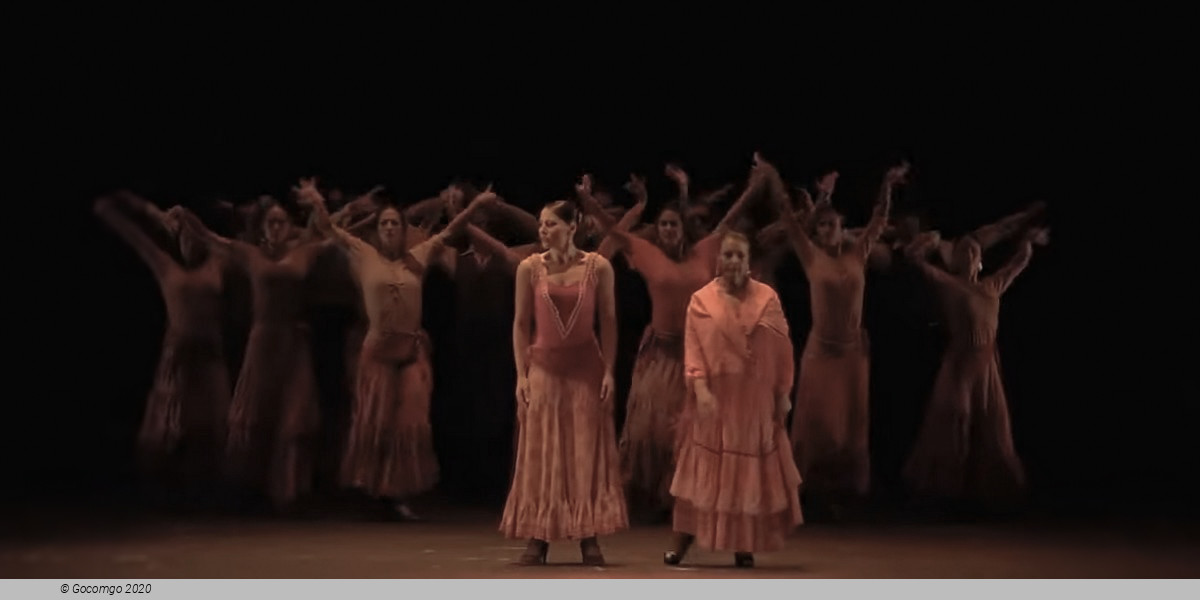
The women chanting the song appear on the stage, they are mostly young, and they are dressed in skirts and blouses of strong colors, they carry baskets with freshly washed clothes. Now dominates clarity, whiteness. Among these women is Candela, an attractive young woman, protagonist of this story. While the clothes are being laid, the women have fun at the expense of Candela, who is going to marry Carmelo within a month. They sing and dance the tanguillo. When is the wedding?
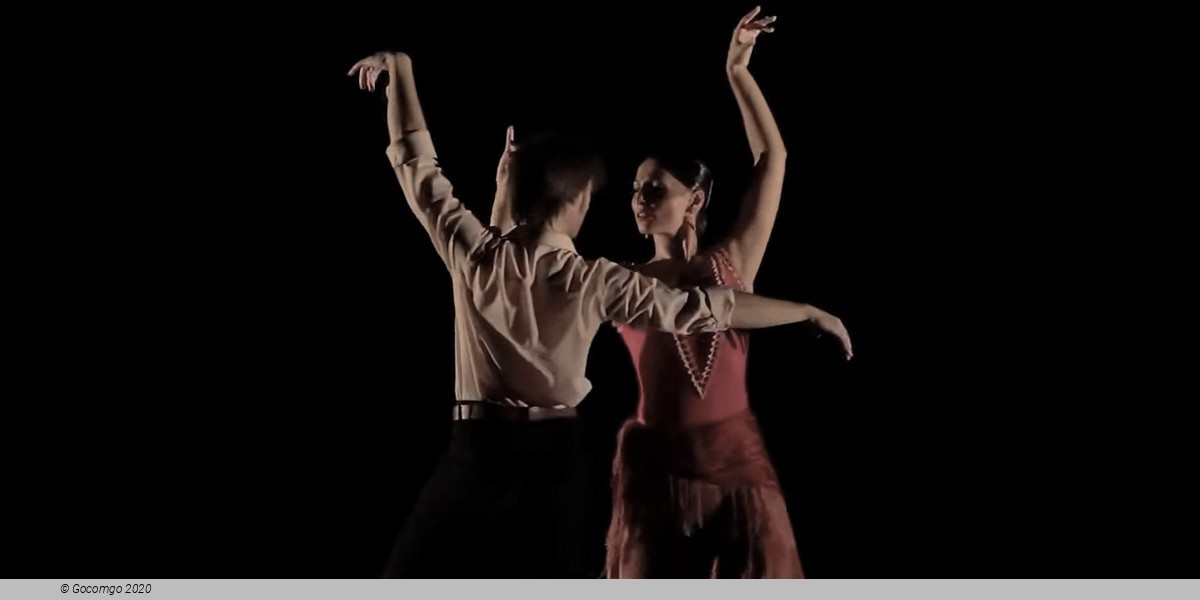
The dance becomes more sensual and provocative. Women have fun. Carmelo appears looking for Candela. There is messing with the other girls who end up leaving the place between jokes and laughs. While Carmelo marks a passionate two step, the light changes. Carmelo and Candela hug, and the first bars of El Espectro are heard.
Suddenly, as if lighting up a lightning bolt, José El Espectro appears, who comes from the world of darkness to disturb the lovers. Candela cannot remedy the attraction she feels towards him, and as if an inner force pushes him, he tries to meet him, but Carmelo prevents him. From now on The Specter will chase the couple every time they try to love each other.
3. CHRISTMAS
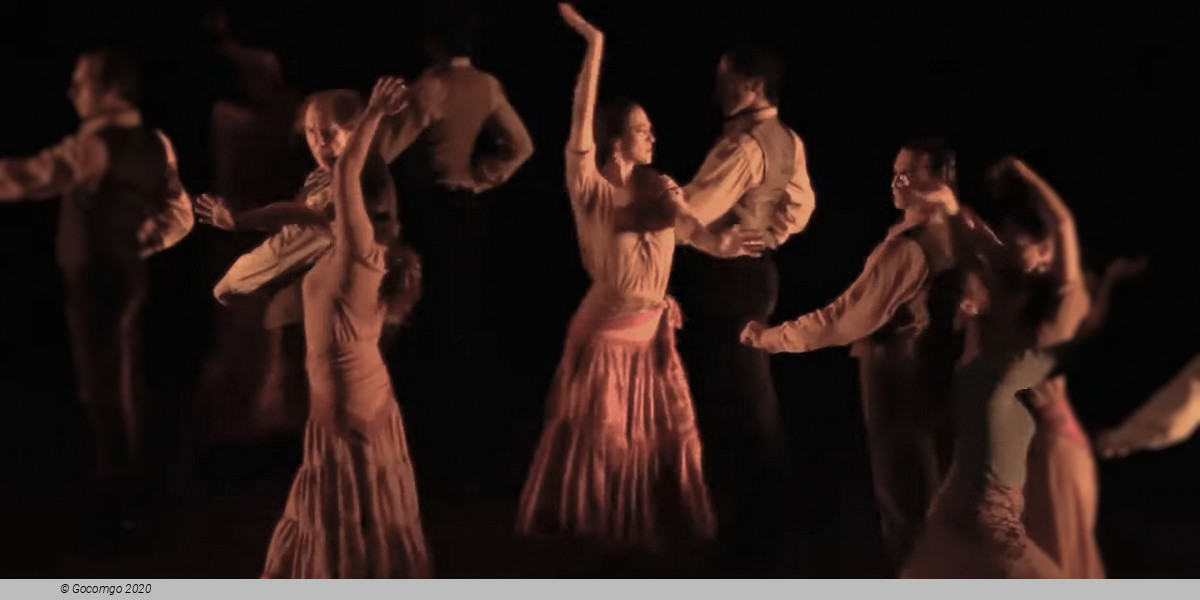
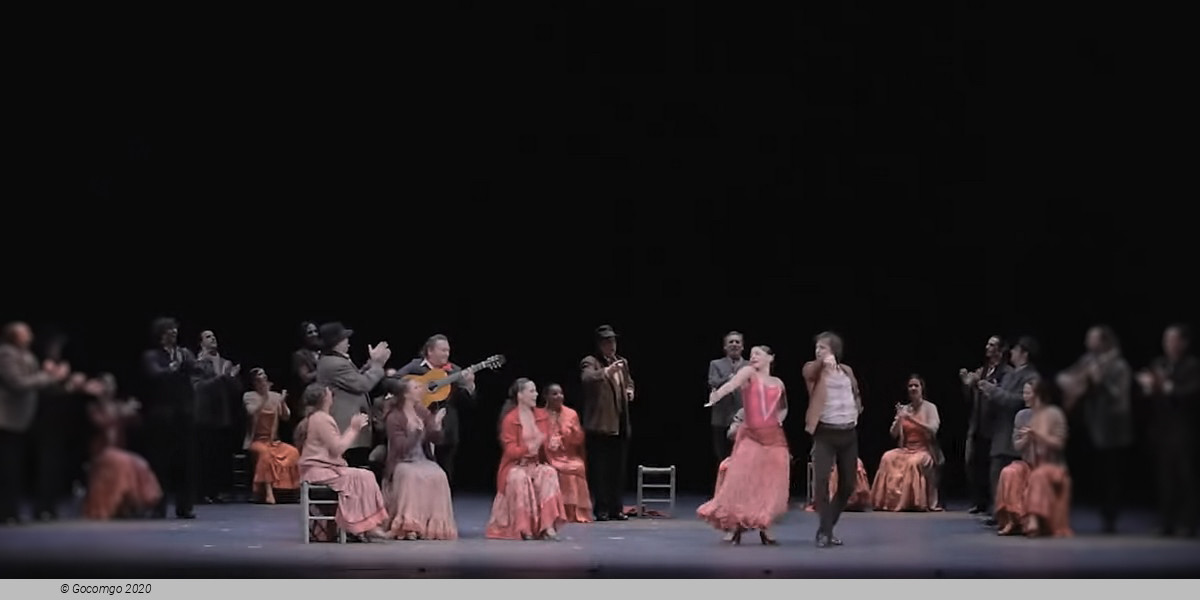
Everyone has gathered to celebrate Christmas. Forming family groups, to which friendships are occasionally integrated, they sit in the lounge chairs around the fires and using tambourines and tambourines, zambombas and almireces, sing and dance Christmas carols and songs with joy. Candela and Carmelo are seen participating in the party singing and dancing animatedly.
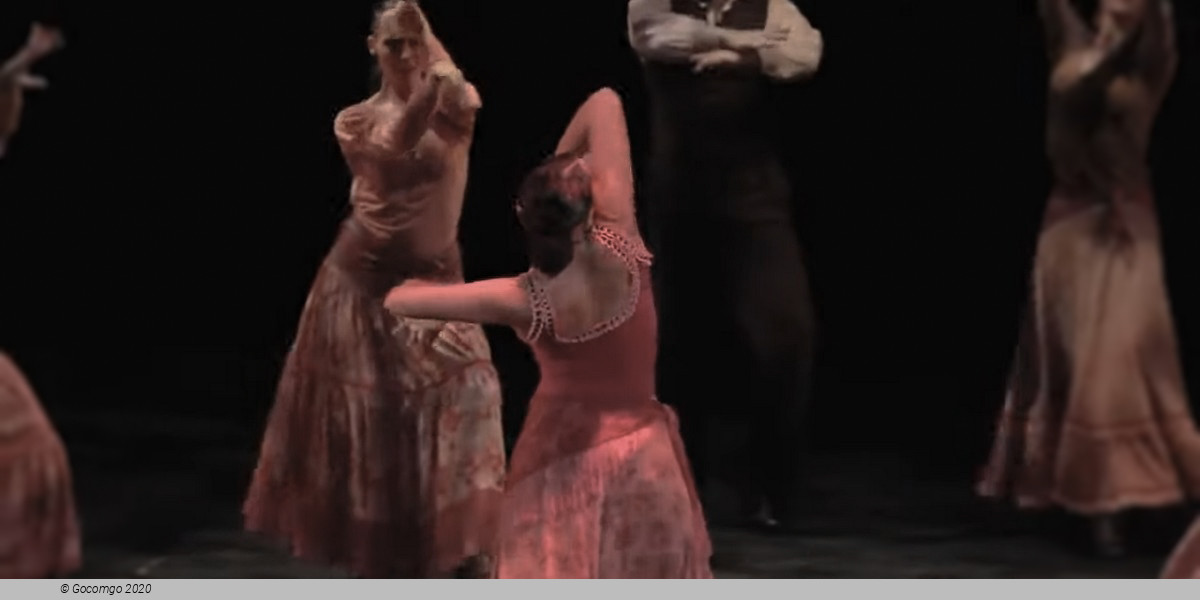
When the party is at its peak it appears, illuminated violently, The Spectrum. Everyone is immobilized, The Spectrum disappears as quickly as it appeared. Time seems to stop for everyone except for Candela, who, as in a trance, begins to dance the Falla song: I don't know what's wrong with me. All remain immobilized, paralyzed, as if surprised in a photographic snapshot, while Candela dances among them.
When Candela finishes the dance, life, movement, rhythm, songs and the festive atmosphere of before return, as if nothing had happened.
The party continues and everyone leaves the stage, except Candela, which holds a mysterious force in place.
Again, the measures of The Spectrum. It appears illuminated in a violent light. Upset candle, start walking towards him. They dance The dance of terror: a violent and ritualized dance.
4. THE SPRAY
Men who play horses with women in their rumps appear on stage. The women dismount and begin to dance in Seville at the sound of the tambourine. The night falls.
Bodies seek rest, they lie on the ground. A song is heard in the distance while Candela and Carmelo lovingly dance a step by two among those who sleep. In the end they lay cuddled.
The group picks up and sings And you look. It is the moment when Candela and Carmelo appear on the stage on the right and left. They approach slowly until they are centered and without touching they turn around each other in a loving, slow and ceremonial dance. And that is when you hear the bars that prelude to The Spectrum. Joseph emerges from the darkness. Candela gets up, goes to meet him, dances with him. Carmelo gets up, sees them and integrates into the dance. Candela and Carmelo perform the dance.
5. THE MECHANISM
When the dance ends, Carmelo appears with the Sorceress. They go to where Candela is desolate. Candela on the left, Carmelo on the right, remain motionless while she begins her ritual.
The Sorceress does her exorcisms. In the center of the stage a reddish beam of light appears that symbolizes the fire. The first bells ring before the Fire Dance sound. At his pace, all the men and women of the town appear in the set.
6. THE DANCE OF FIRE
Men and women are organized around the circle of fire. With the exception of Carmelo everyone dances: Candela dances more and more engrossed, infected by the intensity of the music. The pace accelerates to paroxysm. Candela goes into a trance. Everyone surrounds her. At the limit of his forces, he falls into the circle of fainted fire, as if dead.
The fire dies slowly. Everyone walks away, leaving Candela alone on stage. Carmel is heading towards Candela's body when the fire is about to extinguish. The compasses of The Spectrum are heard again. Is it possible that the dance of fire could not conjure the curse?
Carmelo and Candela are incorporated and they begin to dance together the dance of El fuego Fatuo. Hex seems conjured. But the compasses of El Espectro's music are heard again. The Spectrum appears. But this time Carmelo is willing to fight him and manages, although with work, to take Candela with him.
7. THE END
The whole town accompanies Candela and Carmelo to conjure the Specter. They leave the couple in the center and walk away to stay in the dim light awaiting the events. In the center of the scene Carmelo dances with Candela a passionate dance.
The Spectrum appears accompanied by other spectra, all in black. Images of evil, of hell, of death. In front of him the town is organized: life. Everyone sings: You are that bad gypsy.
The group of wraiths strikes back with a wild rhythm, trying to dominate the sound space. The confrontation is brutal. Couples defend by groups. The spectrum faces Carmelo. Finally the spectra, defeated, disappear.
The song of Falla dawns and is heard: The day is already breaking out. Carmelo and Candela hug. The wedding is prepared.
8. THE WEDDING
The men go to Carmelo and lift him on his shoulders with the first measures of the alborea: Little sister of my soul. The two groups are organized around the bride and groom and as if they were steps of Holy Week they walk them on the stage following the rhythm of the song. The two groups separate. Someone shouts: Long live the bride and groom! Let the bride and groom dance!
Candela and Carmelo dance for tangos pulled throughout the town.










 Piazza Castello, 215