ACT I
Introduction
In a faraway land lost in the heart of the Himalayas lived Solor, the son of a noble widow, and Nikiya, the daughter of a poor maid. Having grown up together, the two children become close friends. Afraid that Solor is falling in love with a poor girl, his mother has Nikiya sent away. With no place to go, Nikiya enters a temple, where she becomes a Bayadere. A Bayadere’s duty is to dedicate her life and virtue to the god of the temple she serves in.
Considered to be sacred priestesses, Bayaderes are only allowed to leave their temple for holy ceremonies or to give their blessing in different events, provided that besides the High Priest of her temple no other man sees their faces.
Scene 1
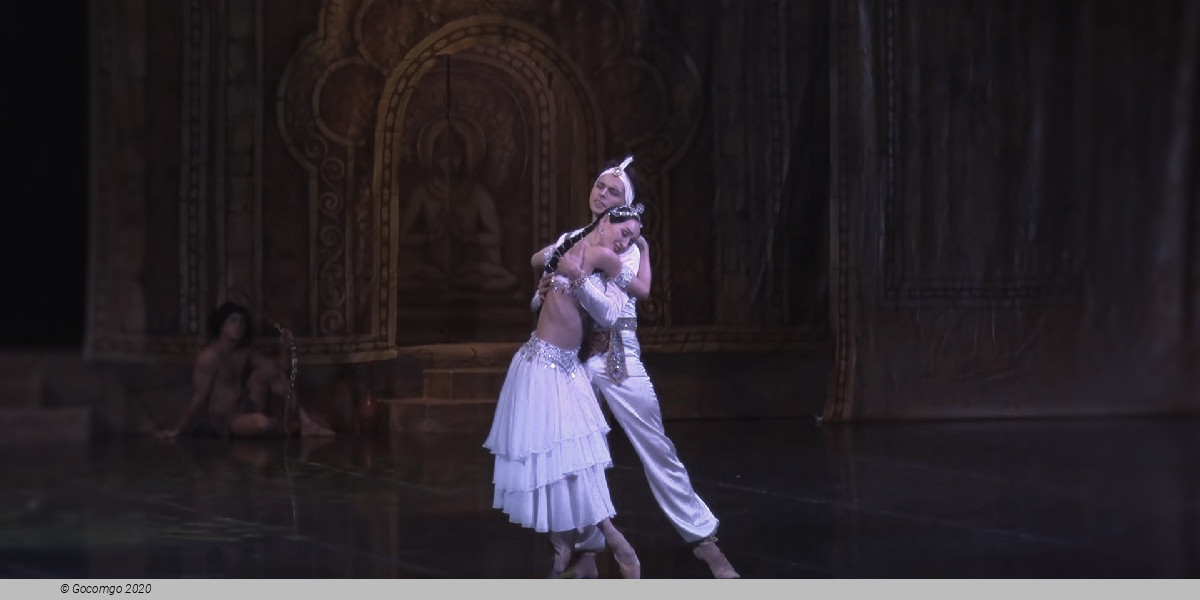
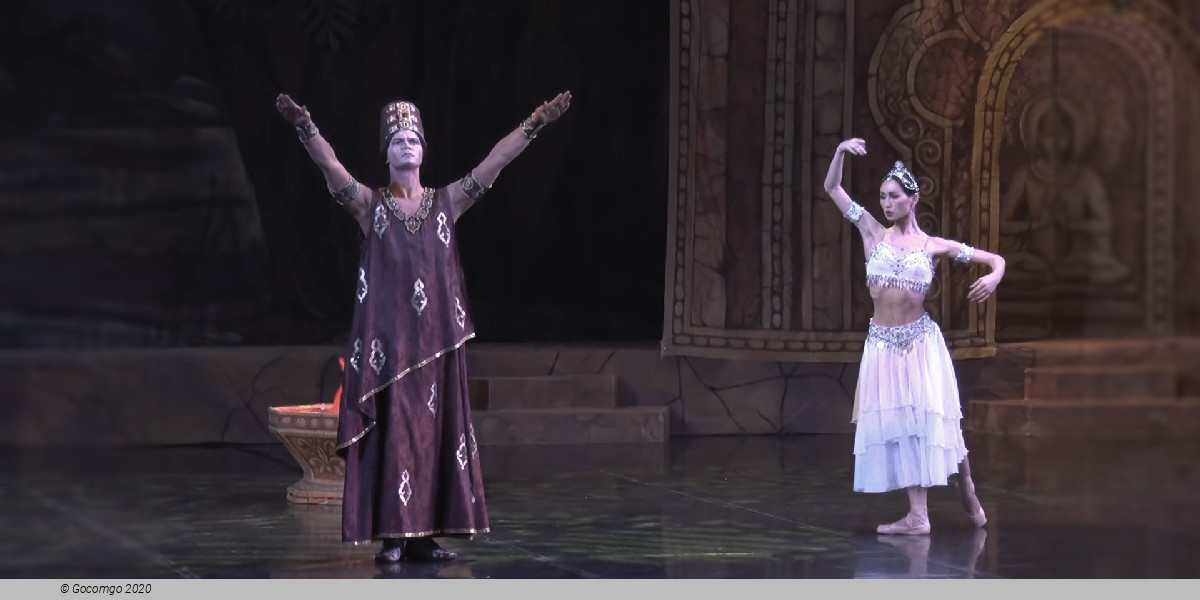
Years after their separation, Solor finds out where Nikiya lives and meets her secretly. The young couple soon fall in love and decide to continue meeting each other in spite of the dangers. On the day of the ceremony of the fire, the temple’s High Priest confesses his love to Nikiya, asking her to run away with him. The shocked Nikiya refuses, reminding him that as a Bayadere she has sworn to live a life of virtue. When the ceremony is over, Nikiya sneaks out of the temple and meets him. Solor also asks Nikiya to run away with him but, afraid of the consequences, Nikiya refuses. Instead Solor swears his love by the fire, promising to wait until the day she will come with him. As the lovers embrace, the High Priest sees them without them noticing and when They part he swears to have Solor killed for stealing Nikiya’s love.
Interlude
Meanwhile, and as is traditional, Solor’s mother has arranged his marriage: to Gamzatti, the daughter of a powerful Rajah. As fate would have it, on the same day that Solor swears his love to Nikiya he is obliged to meet his fiancée. At her castle, Gamzatti prepares herself carefully to meet him.
Scene 2
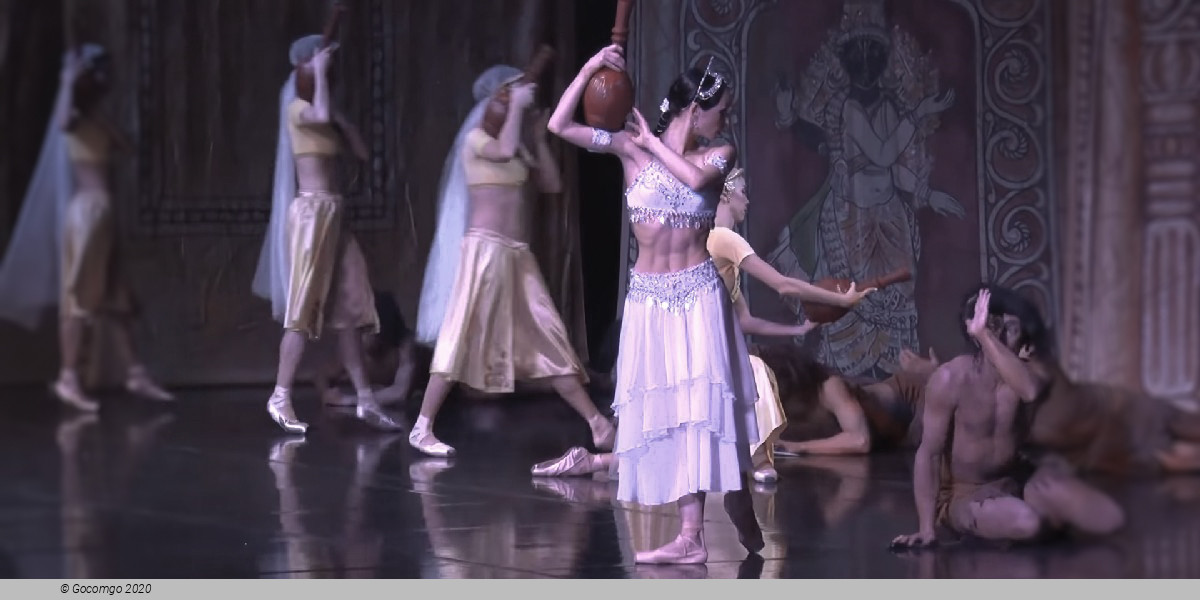
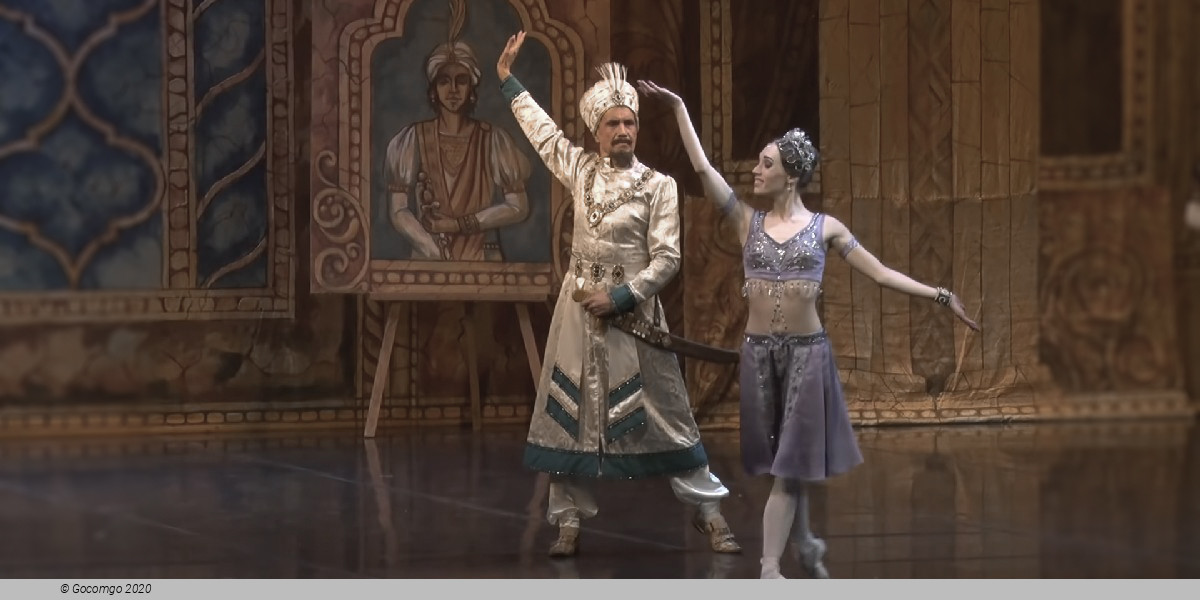
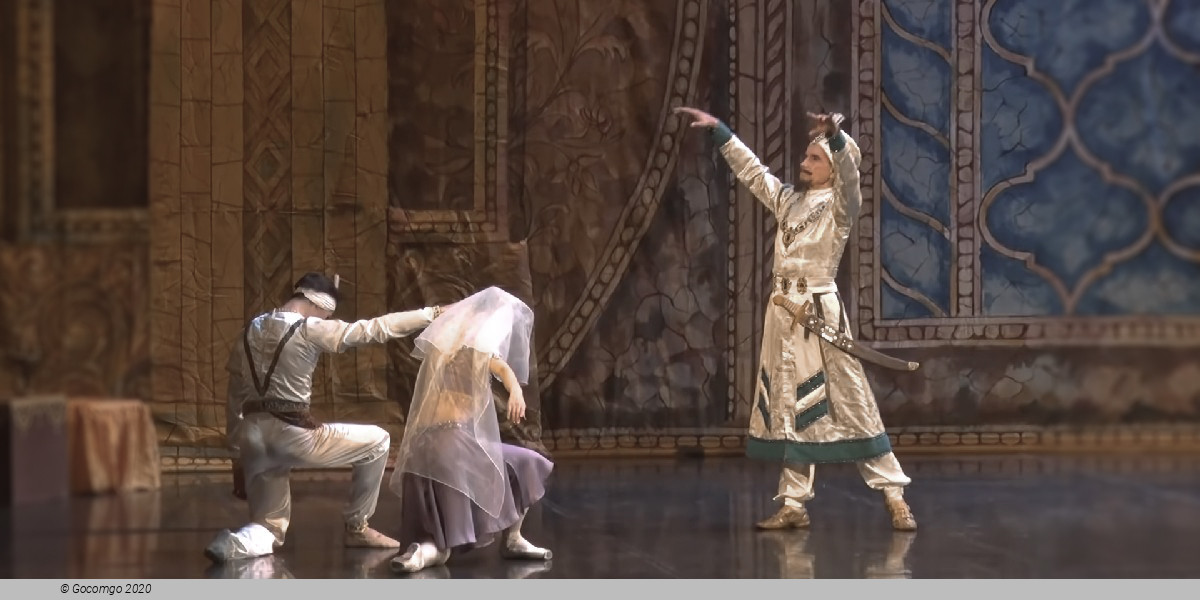
After enjoying the company of his multiple concubines, the Rajah calls his daughter and shows her the portrait of Solor, her husband-to-be. Delighted to see such a handsome man, Gamzatti thanks her father. The Rajah then asks the High Priest and four veiled Bayaderes (amongst them Nikiya) to come in and bless the future bride. When the group is leaving, Solor and his mother arrive. The priest sees Solor and decides to stay. Solor and Gamzatti are introduced. Enchanted by Gamzatti’s beauty and afraid to ruin his mother’s honour if he refuses to marry her, Solor accepts the engagement. After witnessing this and thinking it is the perfect occasion to get rid of Solor, the High Priest tells the Rajah in private about the affair between his future son-in-law and Nikiya. To his surprise, the Rajah turns his anger against Nikiya and swears she shall die for breaking her vows. Before leaving he asks the High Priest to bring Nikiya to the engagement party. Horrified by Rajah’s anger, the High Priest has no option but to agree.
Gamzatti, having accidentally overheard the conversation, feels her future wedding is at risk and asks her maid to bring Nikiya. Once the two women are alone, Gamzatti removes Nikiya’s veil to see her face, assuring her that there are no men in the room. Intimidated by Nikiya’s beauty, Gamzatti shows her Solor’s portrait and tells her about their future wedding. Surprised, Nikiya tells Gamzatti how Solor has just sworn his love by the fire and will never marry her. Gamzatti tries bribing Nikiya with her jewels but Nikiya refuses. The two women fight. Nikiya tries to kill Gamzatti with a dagger but the maid comes in and stops her. Ashamed of her actions, Nikiya runs out. Infuriated, Gamzatti swears to have Nikiya killed.
Interlude
Later that day the High Priest tells Nikiya that unless she runs away with him she must go and bless the engagement. In spite of the pain Nikiya rejects his proposal and agrees to bless the couple.
Scene 3
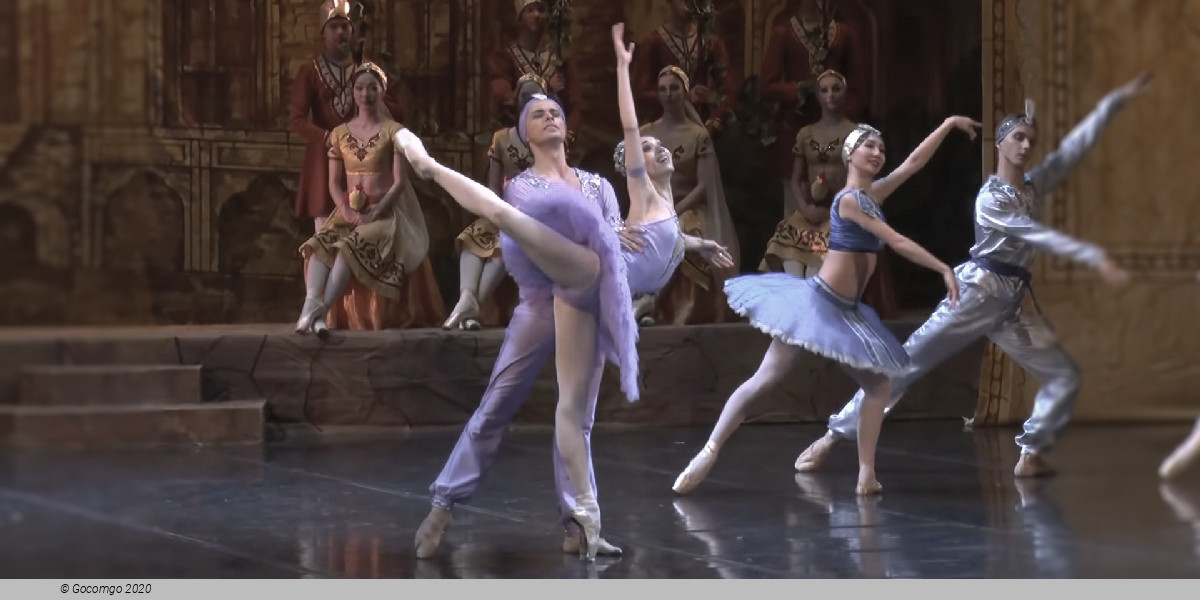
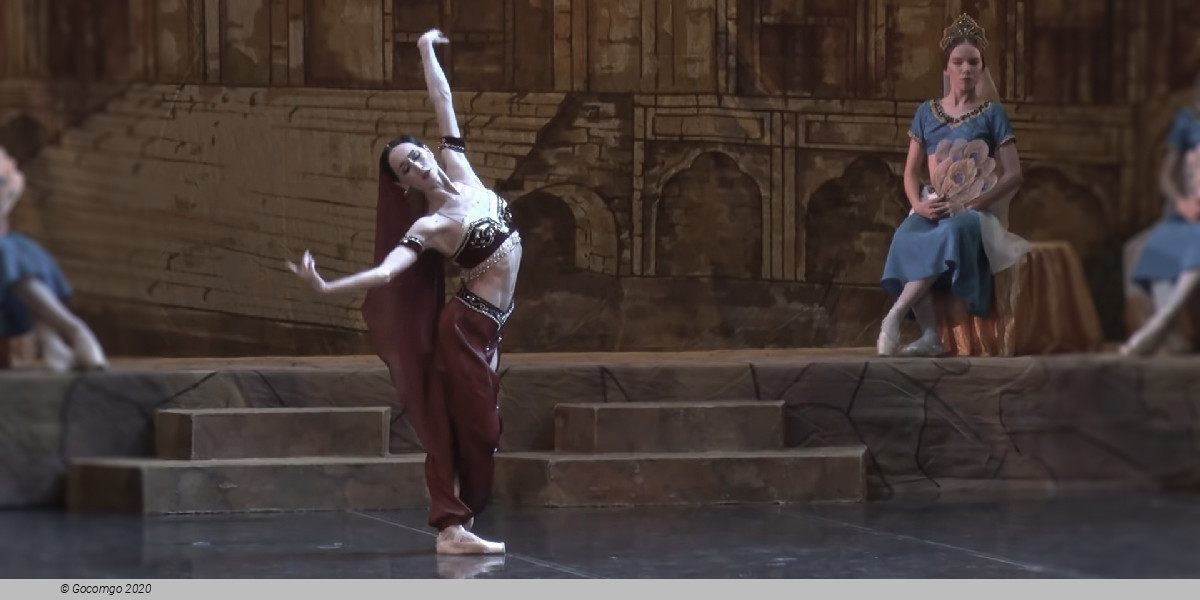
The luxury of the engagement party is unprecedented; there are many important guests and a rich programme of events. Once the couple is introduced the Rajah asks for the Bayadere to come and give her blessing. Soon after comes the High Priest with the long-veiled Nikiya. As the introduction of her blessing dance begins, Nikiya takes off her veil, revealing her face to everyone in the room. Surprised to discover who it is, Solor turns away ashamed. Nikiya’s action, which condemns her to shame for showing her face to the men in the room, creates a scandal and most people turn away as well. In spite of this she starts a melancholic dance. Burdened by pain, Nikiya tries to leave the hall before finishing her blessing but is stopped by Gamzatti’s maid, who offers her a basket of flowers while pointing at Solor so as to make her understand that the flowers come from him.
Confused, Nikiya goes towards Solor and as she smells the flowers she feels an intense pain in her neck and drops the basket. Out of the basket springs a snake that moves towards Gamzatti but is crushed by the Rajah before reaching her. Horrified, knowing she has been bitten by the snake, Nikiya asks for help but all the guests turn their back on her. Only the High Priest comes to her aid, offering her a small bottle with the antidote against the poison. Filled with hope, Nikiya takes the bottle but before drinking from it sees Solor and Gamzatti walk away, so she drops the bottle and dies.
ACT II
Introduction
Devastated by Nikiya’s death and full of guilt and remorse, Solor locks himself in one of the rooms of the Rajah’s castle before getting married to Gamzatti.
Scene 1
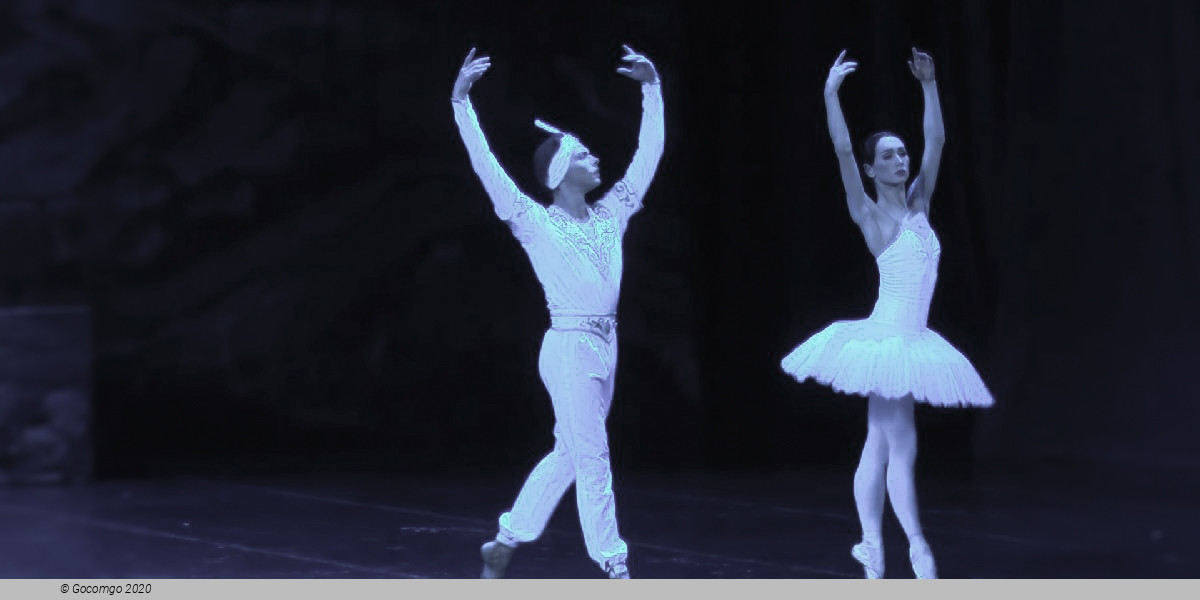
As he falls into a deep sleep he has a beautiful dream in which multiple images of veiled Bayaderes descend from the peaks of the Himalayas. He also sees Nikiya, who calls to him lovingly, asking him to come and join her.
Interlude
To Solor’s despair, as he wakes up he is still in Rajah’s castle and must prepare himself for the wedding.
Scene 2
In the temple of Kali (the goddess of time and change) that Gamzatti has chosen for her wedding a huge festival takes place before the arrival of the couple. When Solor arrives eight holy priestesses welcome him and take him to meet the bride.
As the wedding ceremony takes place Solor sees the image of Nikiya appear. To everyone’s amazement, Solor starts chasing the invisible spirit. When the Rajah holds him and forces him to finalise the marriage, Gamzatti herself sees Nikiya’s spirit.
She steps back in fear, dropping one of the candles in the hall. As the temple burns everyone runs out except for Solor, who throws himself into the fire. When the smoke of the fire reaches the sky, the spirits of the two lovers are reunited and fly to a world beyond.
Set in the Royal India of the past, La Bayadère is a story of eternal love, mystery, fate, vengeance, and justice. The ballet relates the drama of a temple dancer (bayadère), Nikiya, who is loved by Solor, a noble warrior. She is also loved by the High Brahmin, but does not love him in return, as she does Solor.
Act I
Scene I, Outside Temple in the Sacred Forest.
The High Brahmin, priests, and temple dancers are celebrating the Indian Ritual of Fire. Nikiya, the most beautiful of the bayadères, has been chosen to be consecrated the lead temple dancer. The High Brahmin declares his love for Nikiya, but is rejected by her. Nikiya meets secretly with Solor later that evening. They dance together and swear eternal love over the Sacred Fire, but are discovered by the jealous High Brahmin, who vows to kill Solor.
Scene II, A Room in the Palace.
The Rajah has decided to reward Solor’s valor and decrees that the warrior will marry his daughter, Gamzatti. Gamzatti falls in love with Solor’s portrait, and when they meet, he is overwhelmed by her beauty. Even though he has sworn eternal love to Nikiya, he cannot defy the wishes of the Rajah and agrees to marry Gamzatti. The High Brahmin informs the Rajah of Nikiya and Solor’s secret love, hoping that the Rajah will do away with Solor. Instead, the Rajah decides to kill Nikiya.
This conversation is overhead by Gamzatti, who summons Nikiya to her rooms and attempts to bribe Nikiya to give up Solor. Refusing, Nikiya frantically attempts to kill Gamzatti. Nikiya flees and Gamzatti swears to destroy her.
Scene III, The Garden of the Palace.
At the betrothal of Solor and Gamzatti, Nikiya is commanded to dance. Gamzatti presents her with a basket of flowers that Nikiya believes to be from Solor, and which conceals a deadly snake. Nikiya is bitten, and when Solor leaves with Gamzatti, she refuses the proffered antidote and dies.
Act II. The Tent of Solor.
Solor, grief‑stricken and under the influence of opium, dreams of being reunited with Nikiya in the Kingdom of the Shades. Awakening, he realizes that he must prepare to marry Gamzatti.
Act III. The Temple.
The vision of Nikiya remains with Solor as the wedding ceremony begins at the Sacred Temple. As Solor and Gamzatti say their vows and are blessed by the High Brahmin, the vengeance of the gods is unleashed, and the temple and all the celebrants are destroyed. Nikiya and Solor are once again united in eternal love.







 2 W Chang'an Ave