Stekelman in Three Acts is a contemporary dance work that presents three distinct choreographic pieces, revealing the artistic universe, physical language, and emotional depth of choreographer Gustavo Stekelman.
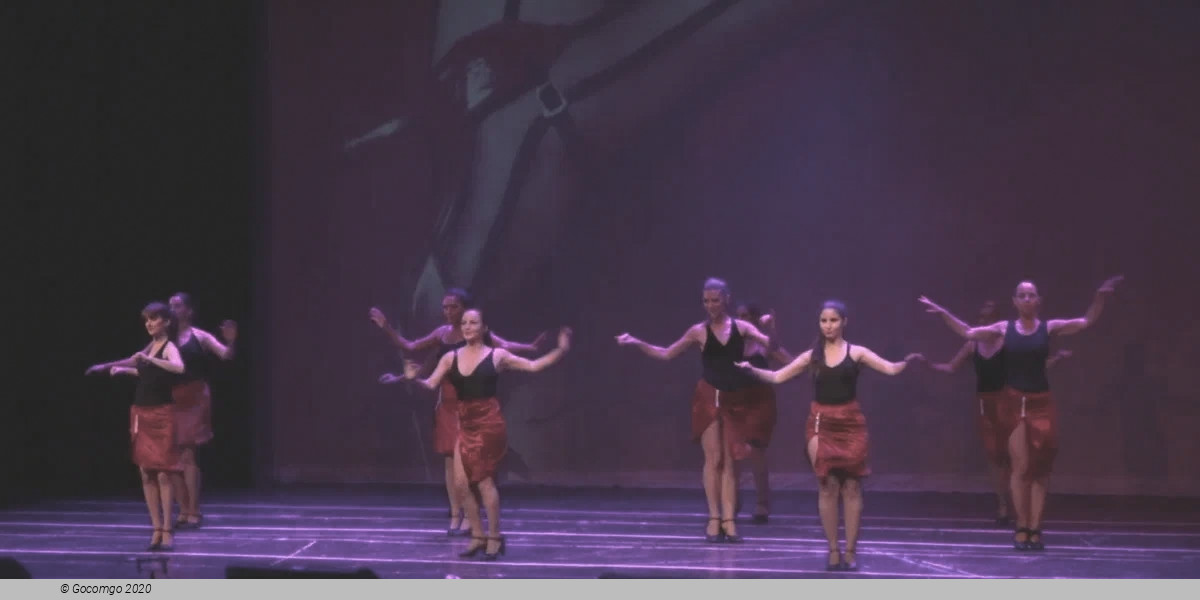
Stekelman in Three Acts is a triptych of contemporary dance that explores movement, rhythm, and emotion through three contrasting yet interconnected choreographic works by Gustavo Stekelman. Each “act” offers a unique perspective on the choreographer’s creative vision, shifting between intensity and subtlety, structure and freedom.
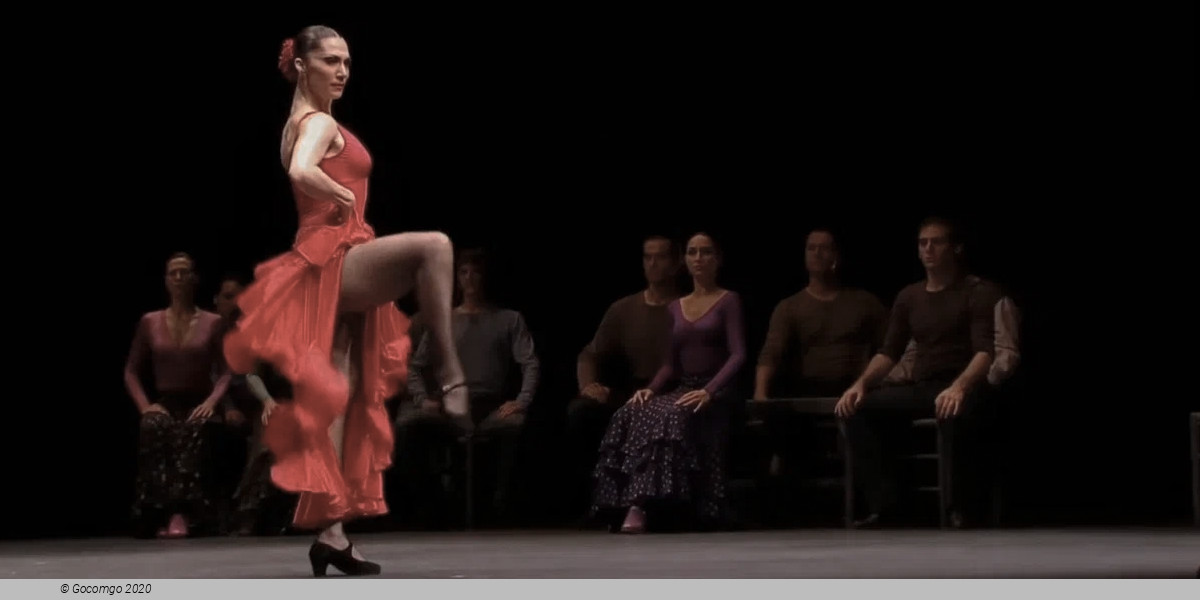
The program highlights Stekelman’s distinctive movement language, characterized by physical precision, expressive musicality, and strong theatrical presence. Through solos, duets, and ensemble sections, the dancers navigate themes of identity, time, human connection, and transformation. The three parts form a dynamic journey that allows the audience to experience different emotional states and narrative atmospheres.
Presented as a unified evening, Stekelman in Three Acts celebrates contemporary dance as a living, evolving art form. The work invites viewers into an intimate and powerful encounter with the body in motion, confirming Stekelman’s voice as one of the most compelling figures in today’s dance scene.
Dancing in the Dark is a contemporary dance performance that explores human emotion, vulnerability, and connection through movement, light, and shadow.
Dancing in the Dark, created by Miguel Ángel Elías and Elizabeth Rodríguez, is a powerful contemporary dance work that delves into the emotional landscapes hidden beneath the surface of everyday life. Using darkness as both a visual and symbolic element, the choreography reveals how individuals move, feel, and connect when familiar certainties disappear.
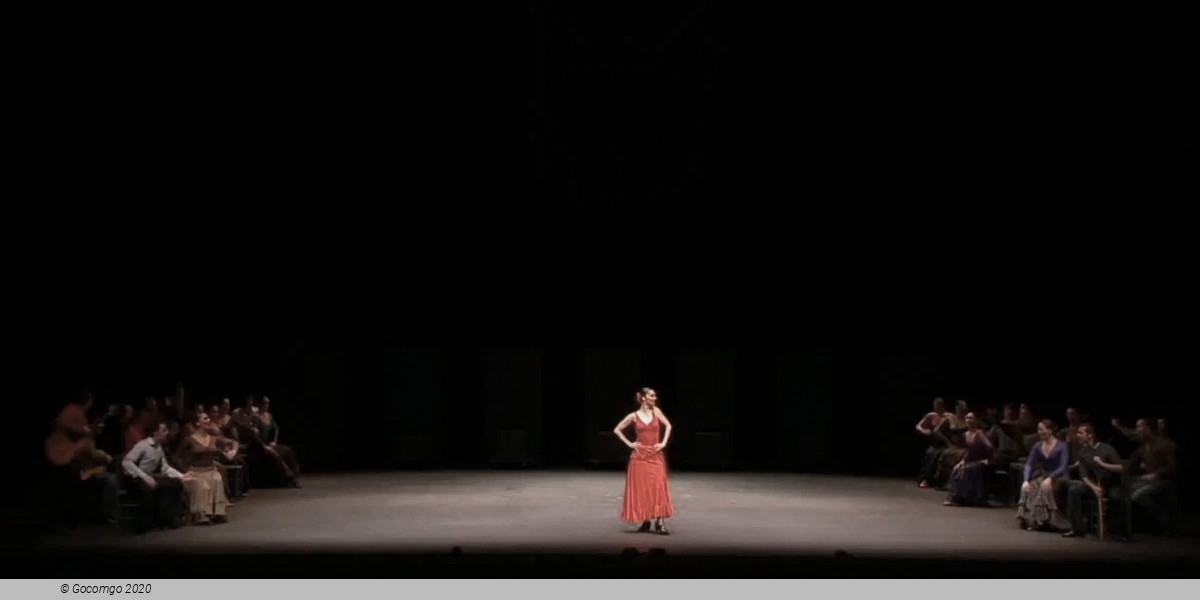
The performance combines expressive physicality with carefully crafted lighting to shape an intimate and immersive atmosphere. Solos, duets, and ensemble sequences emerge from the shadows, reflecting themes of fear, desire, loneliness, and resilience. The dancers navigate moments of tension and release, suggesting an inner journey toward self-discovery and mutual understanding.
Through its poetic use of space and movement, Dancing in the Dark invites the audience to experience dance as a language beyond words. The work becomes a meditation on trust, sensitivity, and the courage required to keep moving forward—even when the path ahead is unclear.
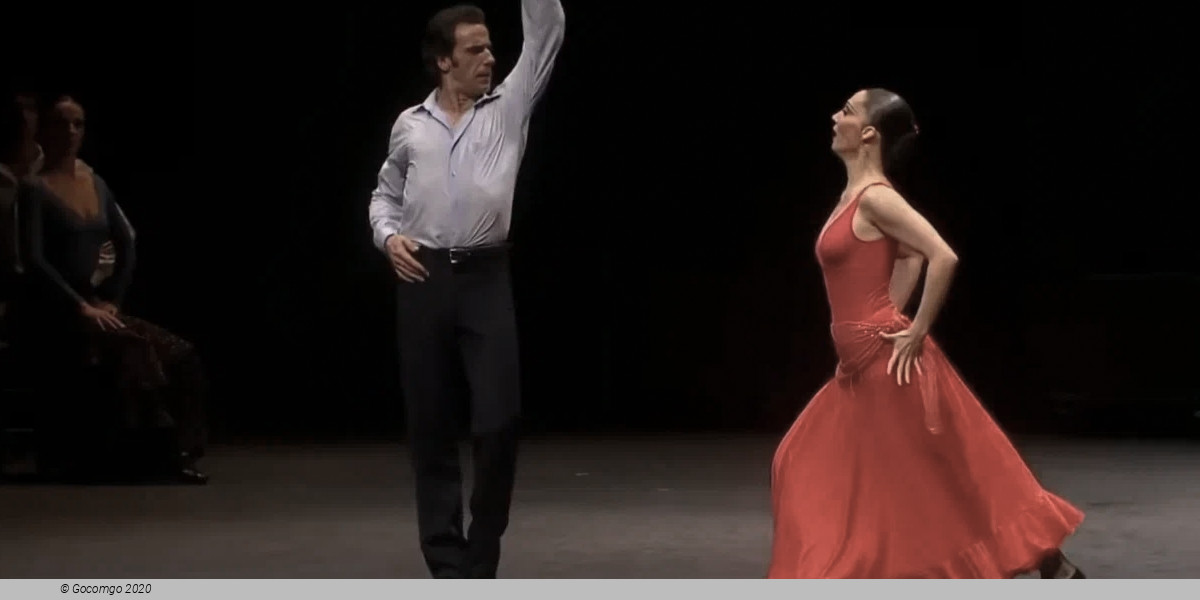
Devil’s Romance Duet is an intense and dramatic tango duet that embodies passion, temptation, and the dark allure of desire through powerful movement and musicality.
Devil’s Romance Duet, a striking fragment from the acclaimed show Bocca Tango, captures the raw intensity and theatrical spirit of tango. Through a charged dialogue between two dancers, the duet explores the seductive tension between attraction and danger, where control, surrender, and desire intertwine.
The choreography blends traditional tango vocabulary with contemporary expressiveness, emphasizing sharp contrasts, close embraces, and explosive dynamics. Every gesture reflects an emotional struggle, transforming the dance into a dramatic encounter that feels both intimate and powerful.
As part of Bocca Tango, Devil’s Romance Duet stands out for its bold imagery and emotional depth. It reveals tango not only as a dance, but as a visceral language capable of expressing obsession, passion, and the shadowed edges of love.
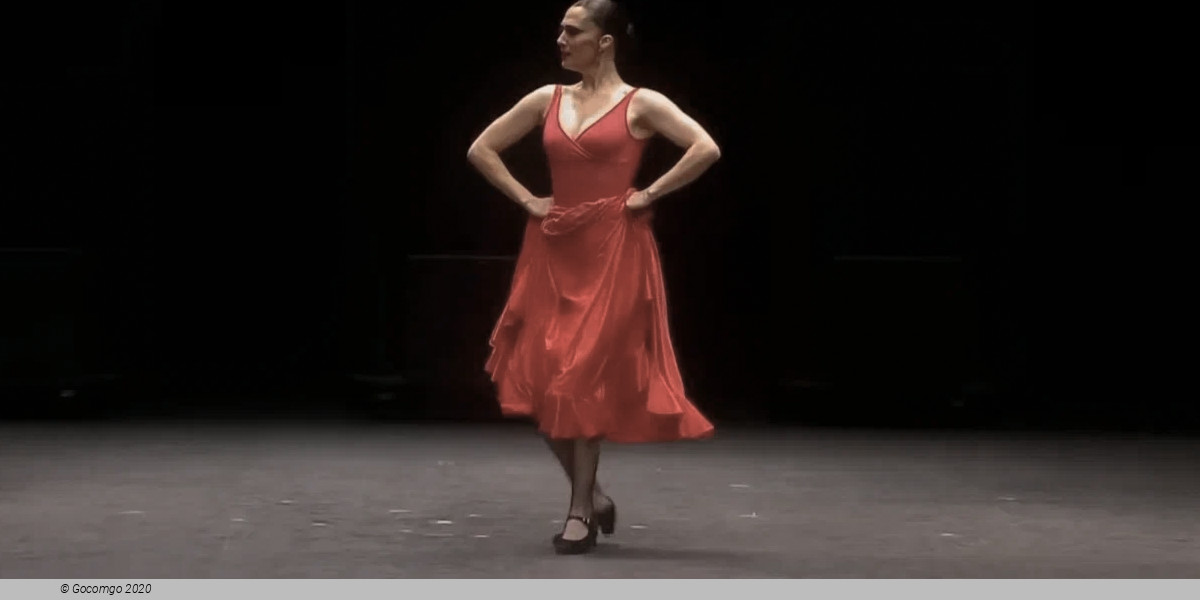
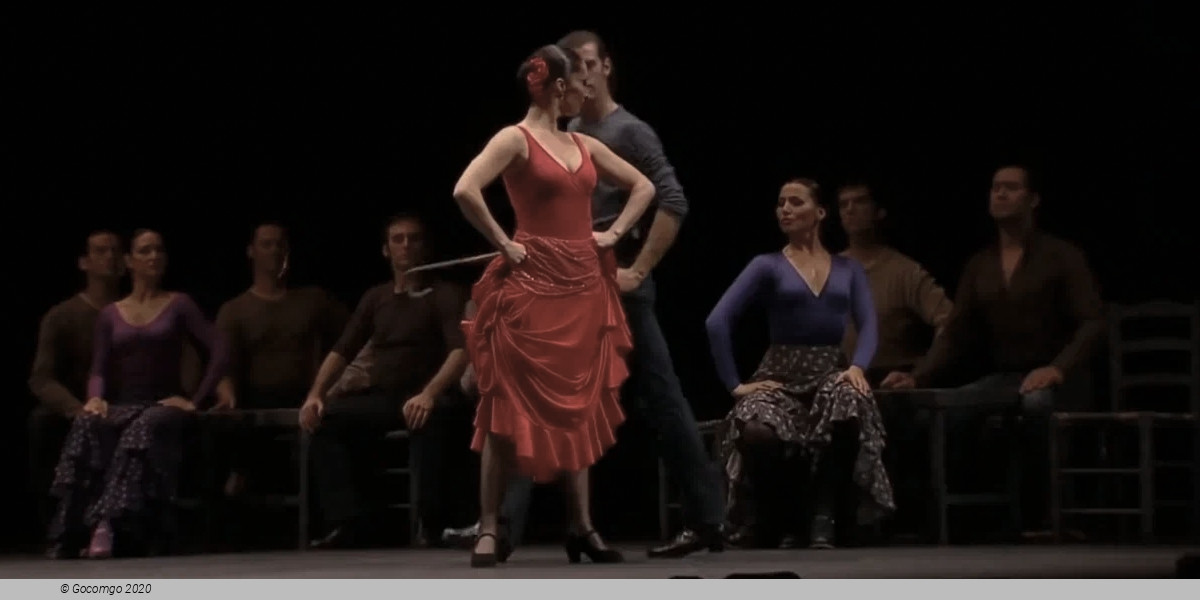
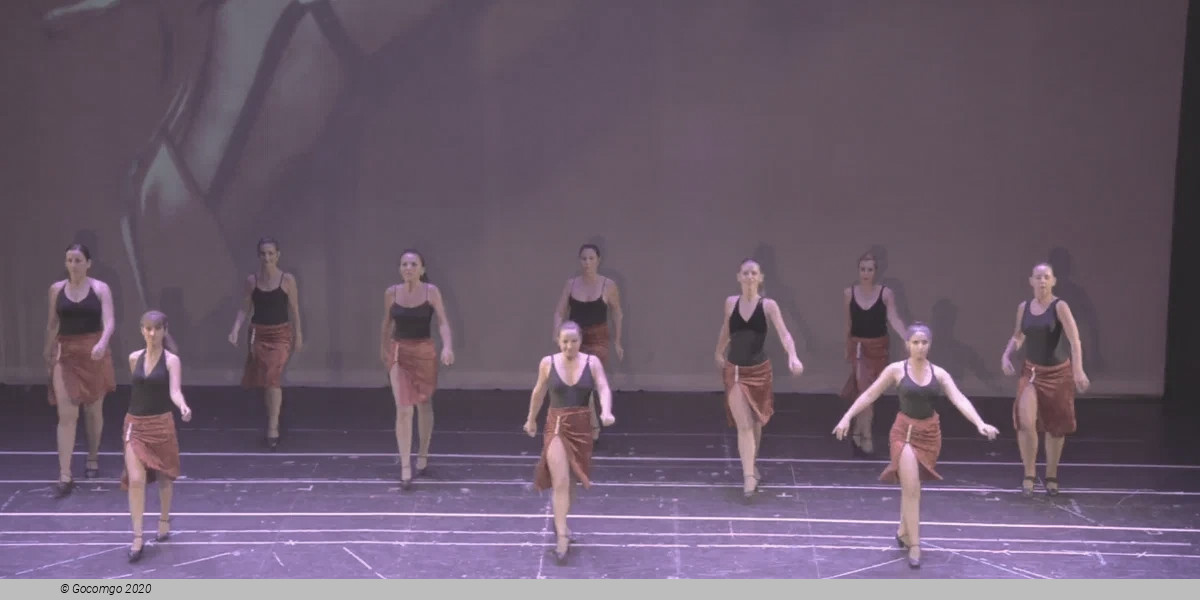
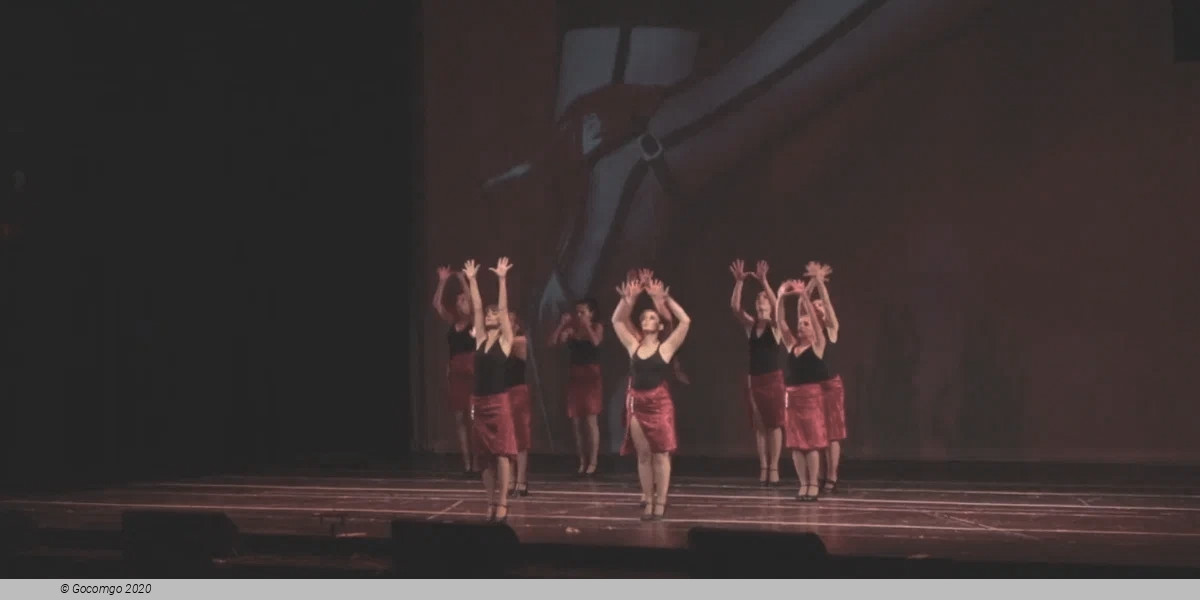
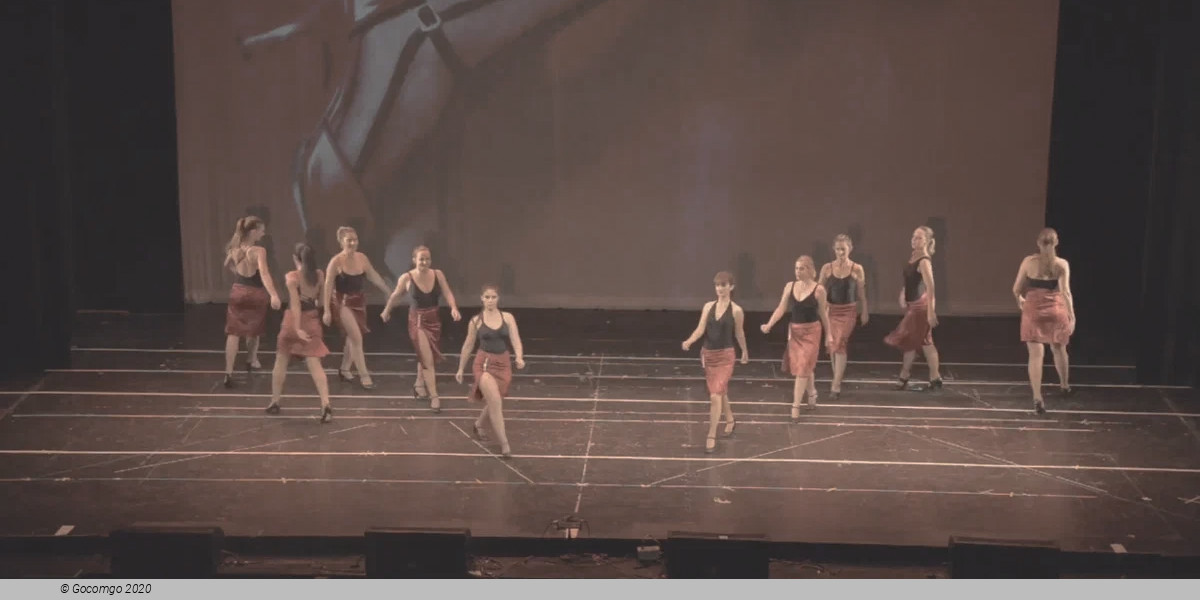
The Consecration of Tango is a powerful dance piece that celebrates tango as a deep cultural and emotional ritual, combining music, movement, and passion.
The Consecration of Tango is an intense and theatrical work that explores the essence of tango as more than a dance — as a rite of identity, desire, and transformation. Through dramatic choreography, strong partner work, and evocative music rooted in Argentine tradition, the performance reveals the emotional depth, tension, and intimacy of tango. The piece honors the history of the genre while presenting it in a contemporary сценic form, turning tango into a ceremonial act of devotion and expression.


 C1042AAO, Av. Corrientes 1530, C1042 AAO, Cdad. Autónoma de Buenos Aires, Аргентина