Act 1
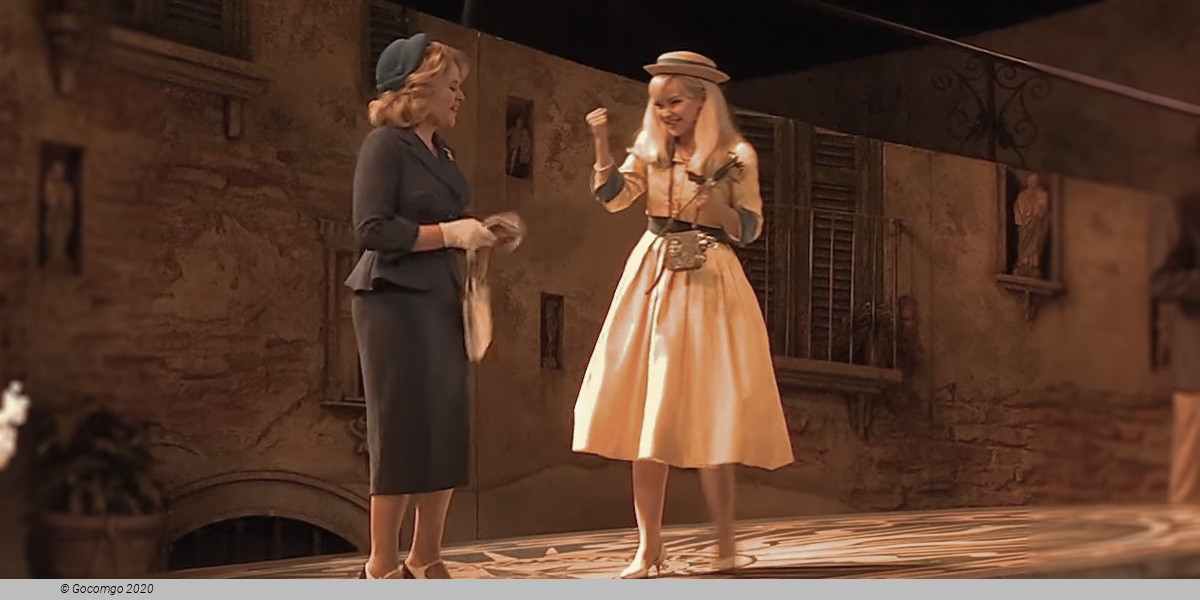
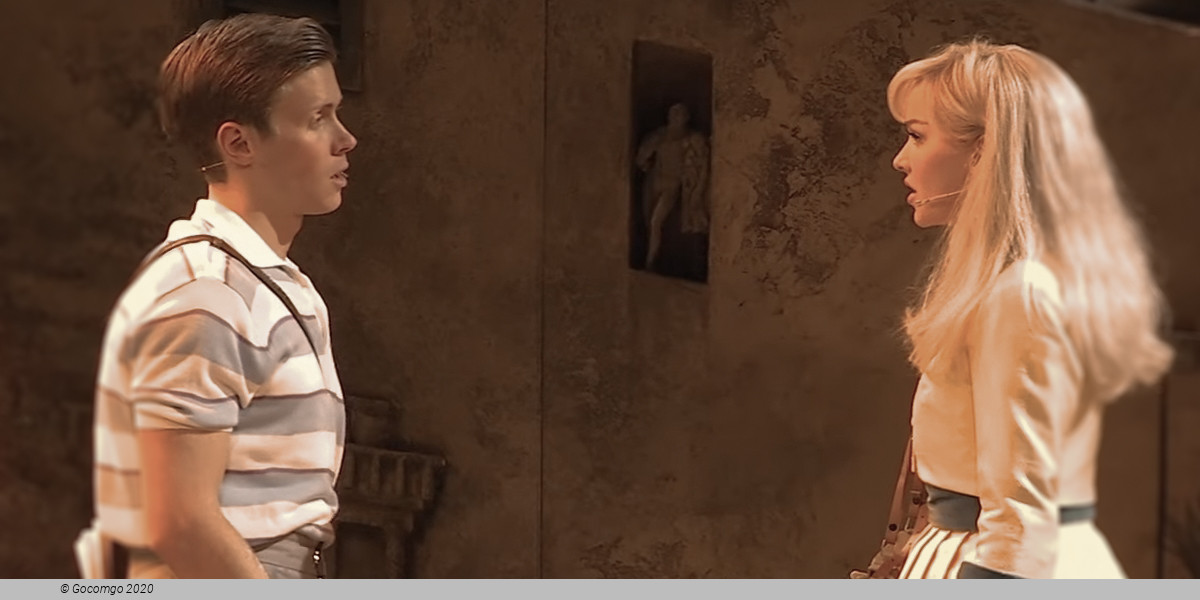
In the early morning of their first day in Florence, Margaret reads from her guidebook to Clara as the piazza around them is waking up and coming to life ("Statues and Stories"). A breeze carries Clara's hat off her head and across the square where a young Italian man, Fabrizio, catches it, mid-air, and returns it to her. The two are instantly smitten. But Margaret steers her daughter away from the encounter, bringing her next to the Uffizi Gallery where the reaching figures in the paintings speak to Clara of her own yearnings ("The Beauty Is"). Fabrizio appears, hoping to arrange a time to meet with Clara, but once again Margaret intervenes.
Alone, Fabrizio sings in Italian his declaration of love at first sight for Clara, along with a heartfelt cry of fear that she could never love anyone as lost and without position as he ("Il Mondo Era Vuoto"). Fabrizio begs his father and his brother Giuseppe to help him dress more presentably for Clara. Giuseppe attempts to teach Fabrizio some dance steps as well ("American Dancing").
At the Duomo, Fabrizio once again catches up with Margaret and Clara, and this time Fabrizio's father, Signor Naccarelli, is able to help penetrate Margaret's resistance to any further involvement. They all agree to meet at sunset to take a walk and admire the view of the city from above at the Piazzale Michelangelo ("Passeggiata").
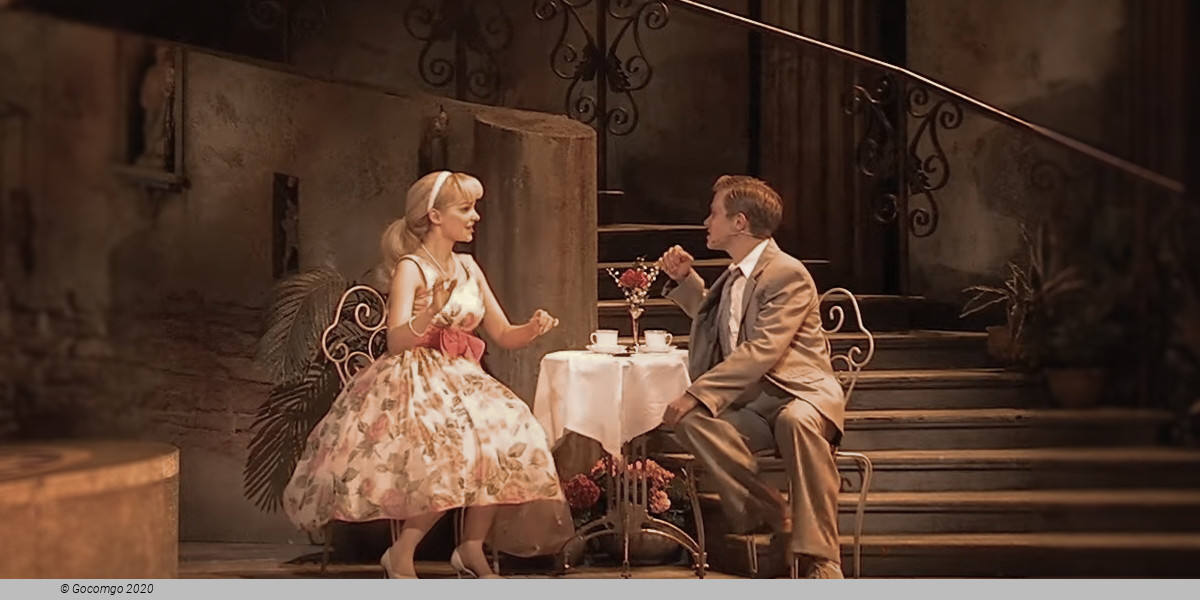
Margaret and Clara are invited to have tea at the Naccarelli home. Giuseppe's wife, Franca, takes Clara on a tour of the apartment, and alone in a separate room, she warns Clara about how quickly love can stale in marriage ("The Joy You Feel"). Though the Naccarellis are universally impressed with Clara, Margaret tries without success to share her deep reservations. When she looks in Fabrizio's eyes and sees the love there, she cannot bring herself to disappoint him, as much as she feels she must; for there is something about Clara that none of these people know. Clara secretly makes plans to meet Fabrizio at midnight near the hotel.
Margaret calls her husband Roy, who is back in the states. She tries to tell him what is happening with Clara and Fabrizio, but he is brusque and not very understanding, cutting short the conversation. Margaret, alone in her hotel room, reflects on the loneliness in her marriage ("Dividing Day"). She checks in Clara's room, and finds that she is missing.
On her way to meet Fabrizio, Clara becomes lost in the maze-like streets of Florence. She loses all poise and control, becoming hysterical and screaming like a child ("Hysteria"). Her mother takes her back to the hotel and, as Clara sleeps, reveals the source of her disquiet. When Clara was a young girl, she was kicked in the head by a Shetland pony, and the accident has caused her mental and emotional abilities to develop abnormally. Margaret feels that she must take Clara away from Florence at once, and she steps down into the lobby to have a drink. While she is away, Fabrizio comes to the room, distraught; he cannot find the right words to express his feelings, and Clara urges him to use any other means; Clara accepts Fabrizio's proposal of marriage, and the two are embracing, half undressed, as Margaret walks in on them ("Say It Somehow").
Act 2
Margaret takes Clara to Rome to distract her and put an end to the affair. Back in Florence, the Naccarelli household is in complete chaos. As the family despairs, Signora Naccarelli translates in an aside; Fabrizio believes he has ruined everything with Clara, his father attempts to comfort him, and Giuseppe and Franca desire finer details ("Aiutami").
No matter what Margaret tries, her daughter refuses to give her an inch, culminating in a painful confrontation wherein Margaret slaps Clara across the face. Clara erupts with a torrent of feeling, centered on Fabrizio and the nature of love ("The Light in the Piazza"). This causes Margaret to relent, to set aside her doubts and considerations, and to no longer stand in the way of the wedding. The two return to Florence.
Clara is instructed in the Latin catechism in preparation for converting to Catholicism while around her everyone in the extended family sings of their feelings, stirred up by the immediate presence of such intense, young love ("Octet Part 1"). Franca, in an attempt to arouse her husband's jealousy, kisses Fabrizio right on the mouth, and Clara witnesses it, breaking into a furious rant that ends with her throwing a drink on Franca. As Clara breaks down, Franca commends her for her bravery and declares her own desire to fight for Giuseppe. She toasts the upcoming union and is joined by the rest of the family ("Octet Part 2").
At the wedding rehearsal, Clara and Fabrizio are filling out the necessary forms when Signor Naccarelli sees something on Clara's form that causes him to call off the wedding and take his family away at once. Clara wants to know what is wrong with her, but her mother says there is nothing at all wrong. With Clara sobbing and broken, alone in one of the pews of the church, Margaret reveals her worst fears and her shame at having been the source of her daughter's lifelong suffering. She resolves to do whatever it takes to give Clara a chance for happiness ("The Beauty Is [Reprise]").
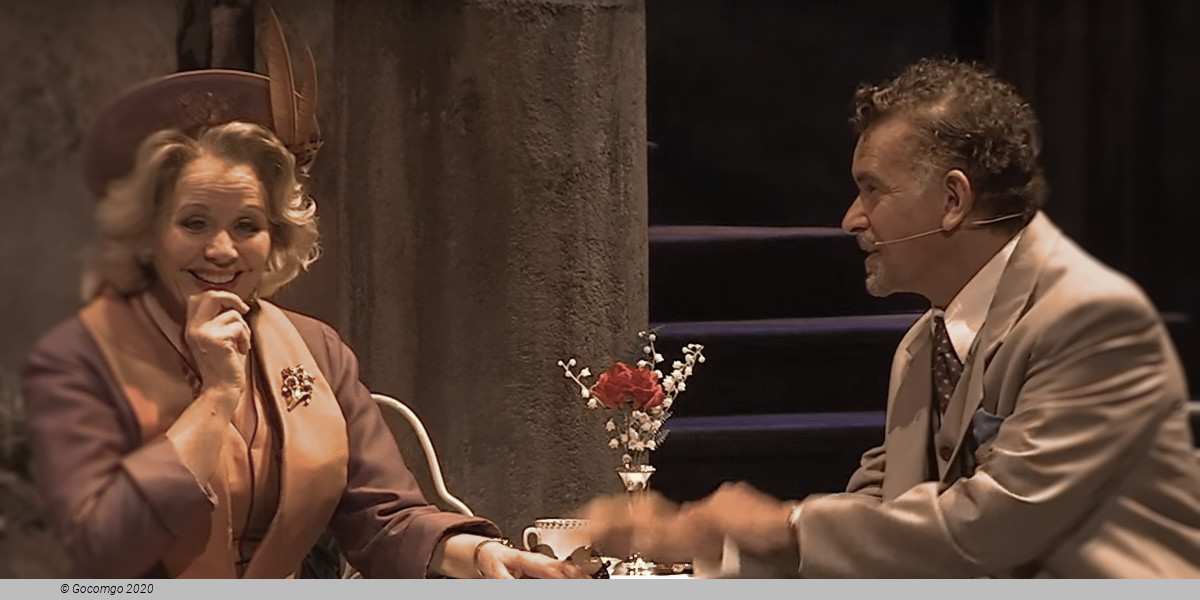
Margaret tries to reason with Signor Naccarelli, who saw Clara's childlike handwriting as she completed her marriage form. Seemingly unconcerned with her immaturity or her handwriting, Signor Naccarelli admits that he saw Clara write her age on the forms – 26 – and that this makes her an unsuitable bride for his son who is only 20. Relieved that he has not discovered their secret, Margaret begs him to change his mind, but he will not. She invites him to take a walk with her, and the two wander from one end of Florence to the other as the sun slowly sets and the night comes on ("Let's Walk"). By giving him time to mull things over and by not pressuring him, Margaret succeeds in putting the wedding back on track; Signor Naccarelli says he will meet them at the church the following morning.
From the hotel room, Margaret calls Roy to tell him about the wedding. As might be predicted, he insists that Clara cannot handle the responsibilities of marriage. Clara, in her wedding dress, stands in the shadows, overhearing her mother's side of the conversation. Margaret says, "Just because she isn't normal, Roy, doesn't mean she's consigned to a life of loneliness. She mustn't be made to accept less from life just because she isn't like you or me." Shattered, Clara slips out of the hotel room and runs once more through Florence ("Interlude"), meeting Fabrizio at the church in order to tell him that she cannot marry him; she won't allow herself to cause him any pain. Fabrizio assuages all of her fears ("Love to Me").
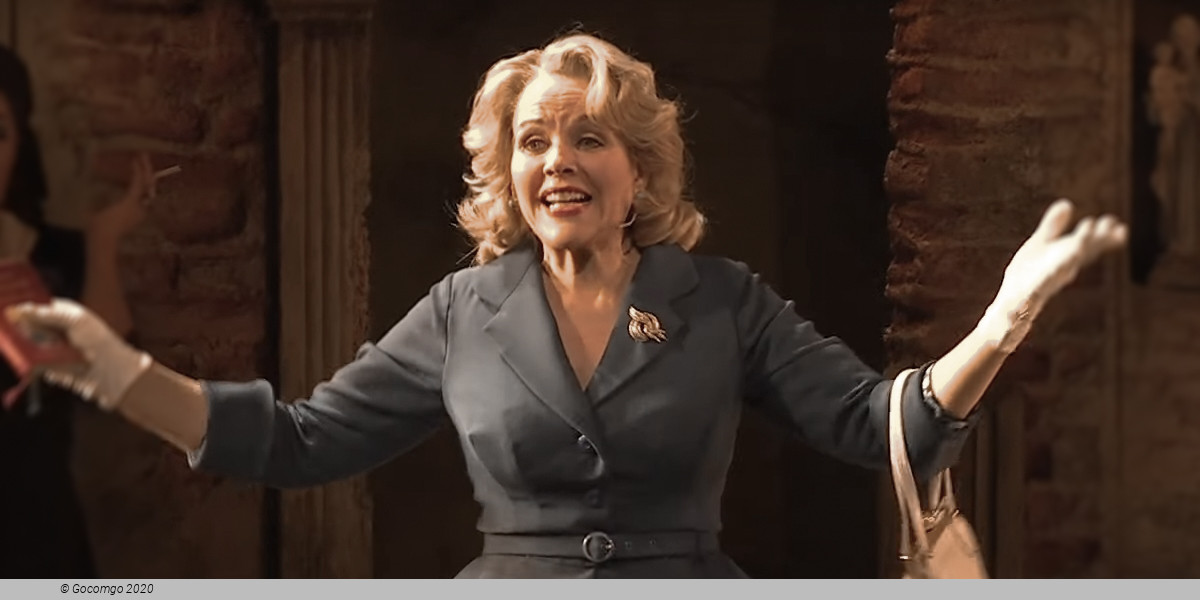
Moments before the wedding, Clara tells Margaret she can't leave her; Margaret assures her she can. Left alone, Margaret breaks open all the repressed doubts and yearnings that she has carried for years on end about love, realizing at last that the chance of love somehow outweighs the terrible risks. She joins the wedding ceremony ("Fable").










 Bennelong Point, Sydney NSW 2000