Place: Constance
Time: 1414
Events before the opera begins
The following is a summary of events which took place before the first act of the opera, some of which are only revealed in the course of the action.
When he was young, the Jew Eléazar had lived in Italy near Rome and witnessed the condemnation and executions of his sons as heretics by Count Brogni. Eléazar himself was banished and forced to flee to Switzerland.
During his journey, Eléazar found a baby near death, abandoned inside a burnt-out house which turned out to be the home of the Count. Bandits had set fire to the house, attempting to kill the entire family of Brogni but unaware that the Count himself was in Rome at the time.
Eléazar took the child, a girl, and raised her as his own daughter, naming her Rachel. Brogni discovered the ruins of his house and the bodies of his family upon his return. He subsequently became a priest and later a cardinal.
At the beginning of the opera, in 1414 Rachel (now a young woman) is living with her adopted father in the city of Constance. The forces of the Holy Roman Emperor Sigismund have defeated the Hussites, in battles where Prince Leopold has distinguished himself. The Council of Constance, convened by Antipope John XXIII, has been arranged to resolve Church matters. John XXIII is represented there by Cardinal Gian Francesco Brogni, who was a historical personage. His part in the story of the opera is, however, entirely fictional.
Act 1
A square in the city of Constance in 1414
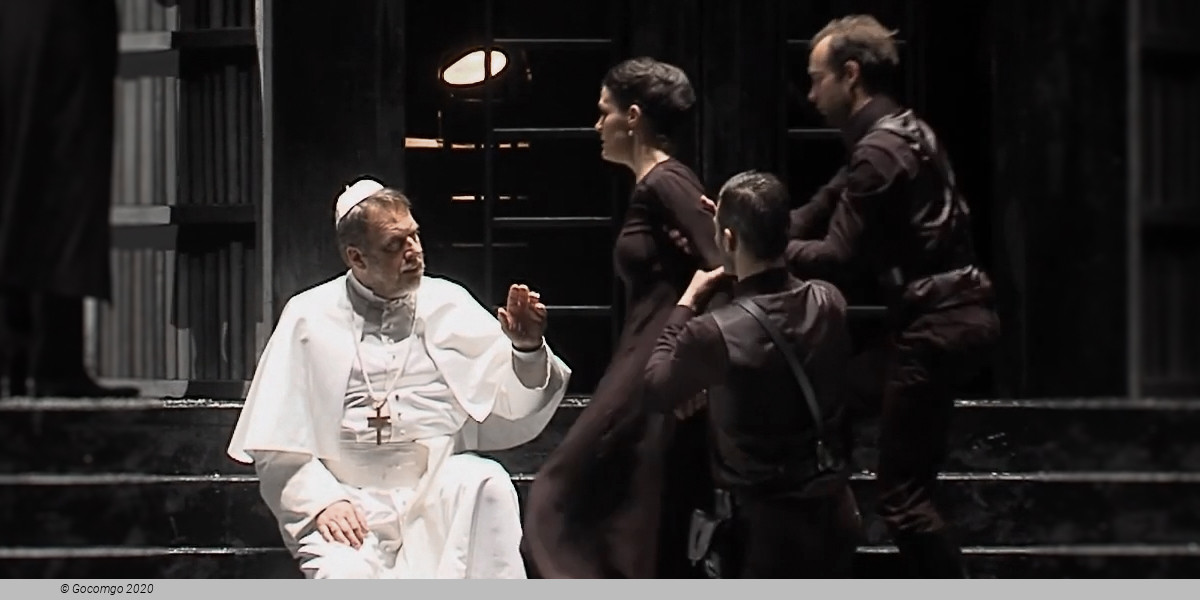
Eléazar is a goldsmith. The crowd condemns him for working during a day dedicated to Church festivities. He is saved from a lynching by the arrival of Brogni, who in the process recognises Eléazar as his old adversary.
Prince Léopold arrives in disguise as a young Jewish artist Samuel. Rachel is in love with Samuel and knows nothing of his true identity. Local laws reflect prejudice against the Jews: if a Jew and a Christian have sexual relations, the Christian is excommunicated and the Jew is killed. Léopold is thus taking a great risk in this affair, especially as he is already married to the Princess Eudoxie. The crowd returns to attack Eléazar, but 'Samuel' secretly instructs his troops to calm things down. The act closes with a grand triumphal procession.
Act 2
Inside the house of Éléazar
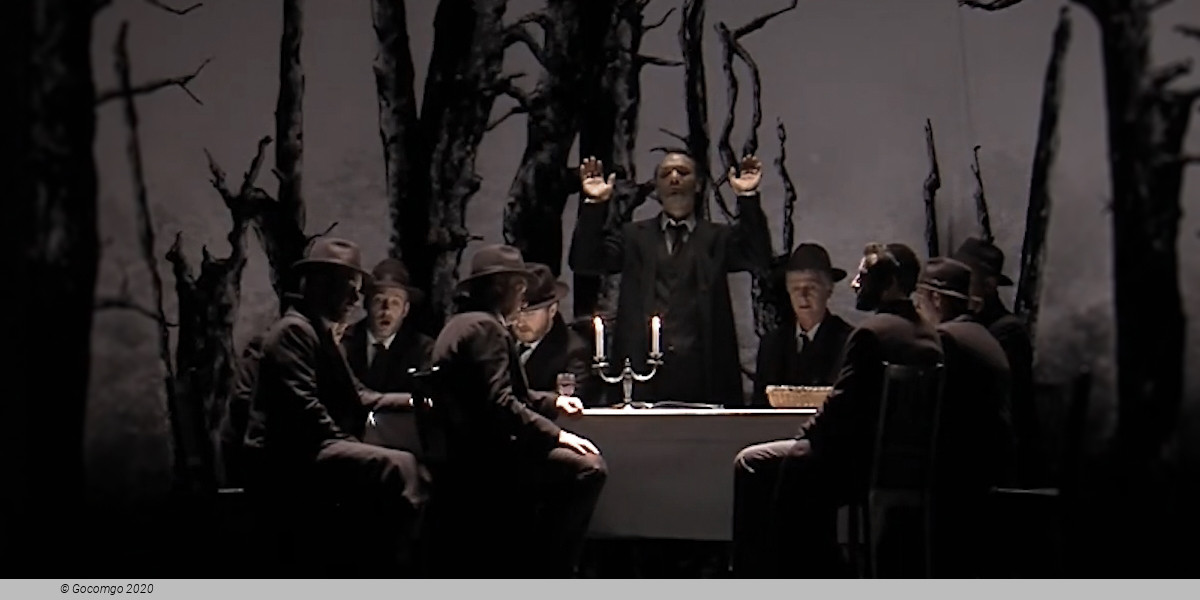
Rachel has invited 'Samuel' for the Passover celebration in Eléazar's house. He is present while Eléazar and the other Jews sing their Passover prayers. Rachel becomes anxious when she notices that 'Samuel' refuses to eat the piece of unleavened bread that she has given him. He reveals to her that he is a Christian, without telling her his true identity. Rachel is horrified and reminds him of the terrible consequences of such a relationship.
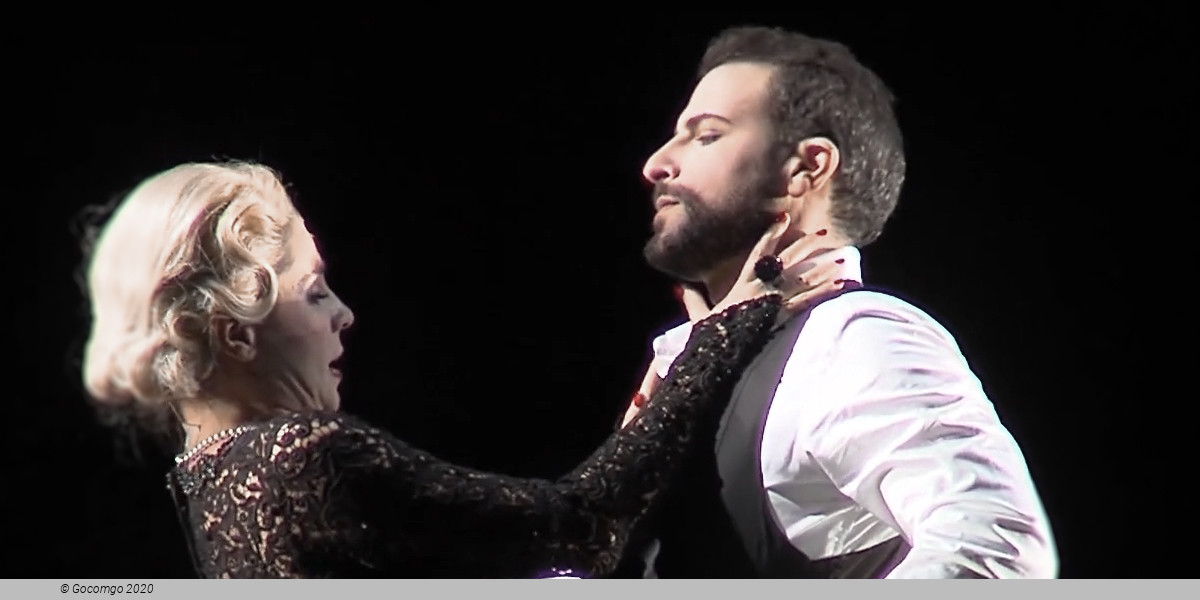
Princess Eudoxie enters to order from Eléazar a valuable jewel as a present for her husband, at which point Samuel (Prince Léopold) hides.
After Eudoxie leaves, Léopold promises to take Rachel away with him. She tries to resist, worrying about abandoning her father, but as she is about to succumb to his advances, they are confronted by Eléazar, who curses Léopold before the latter runs off.
Act 3
Magnificent gardens
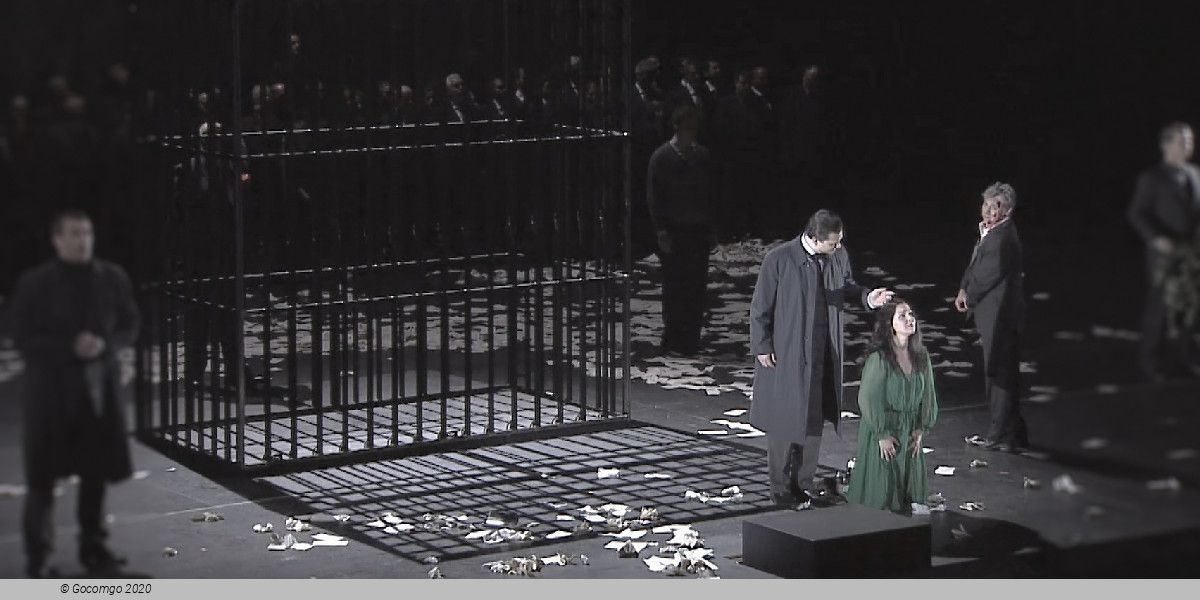
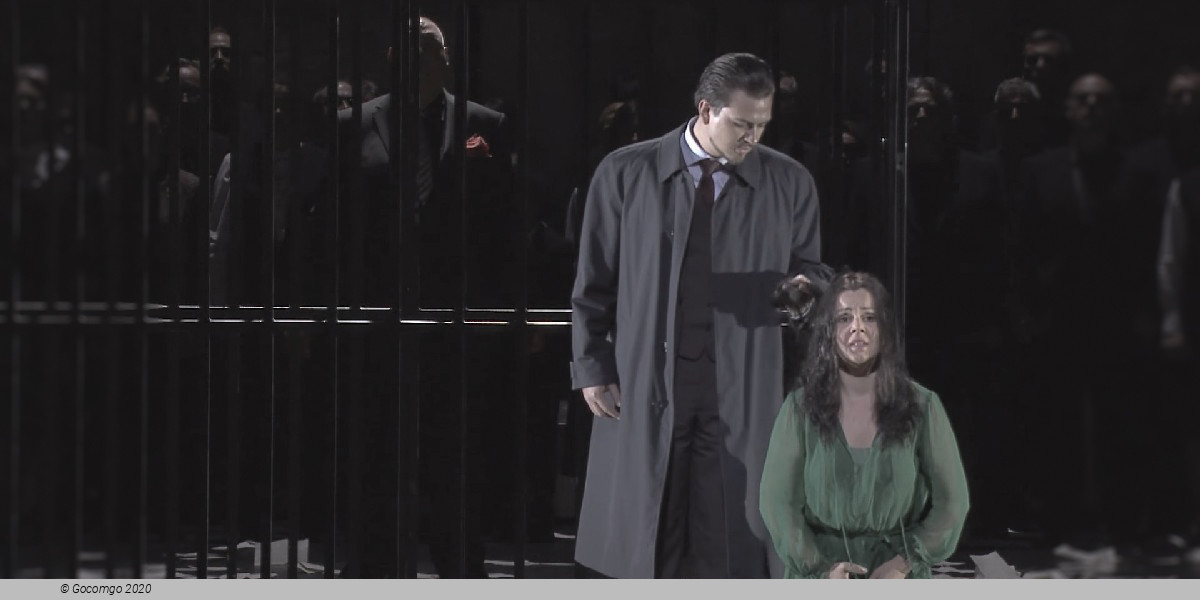
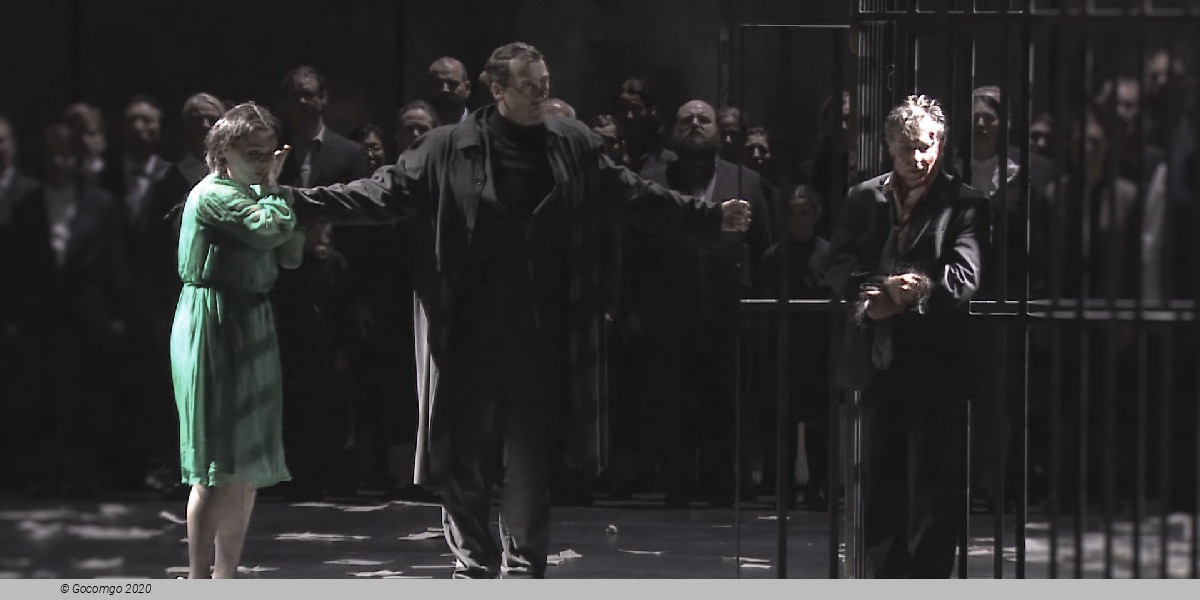
Rachel, who has followed 'Samuel' to the Palace, offers her services as a lady's maid to Princess Eudoxie. Eléazar arrives at the palace to deliver the jewel. He and Rachel recognise Léopold as 'Samuel'. Rachel declares before the assembly that Léopold seduced her and she, Eléazar and Léopold are arrested and placed in prison, on the instructions of Cardinal Brogni.
Act 4
A Gothic interior
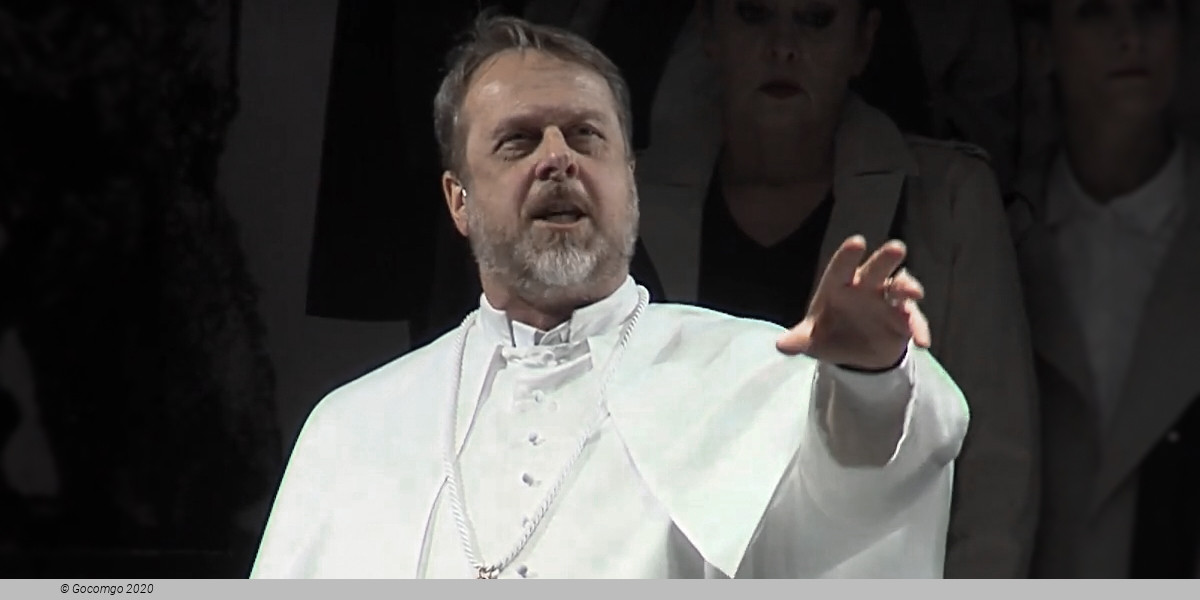
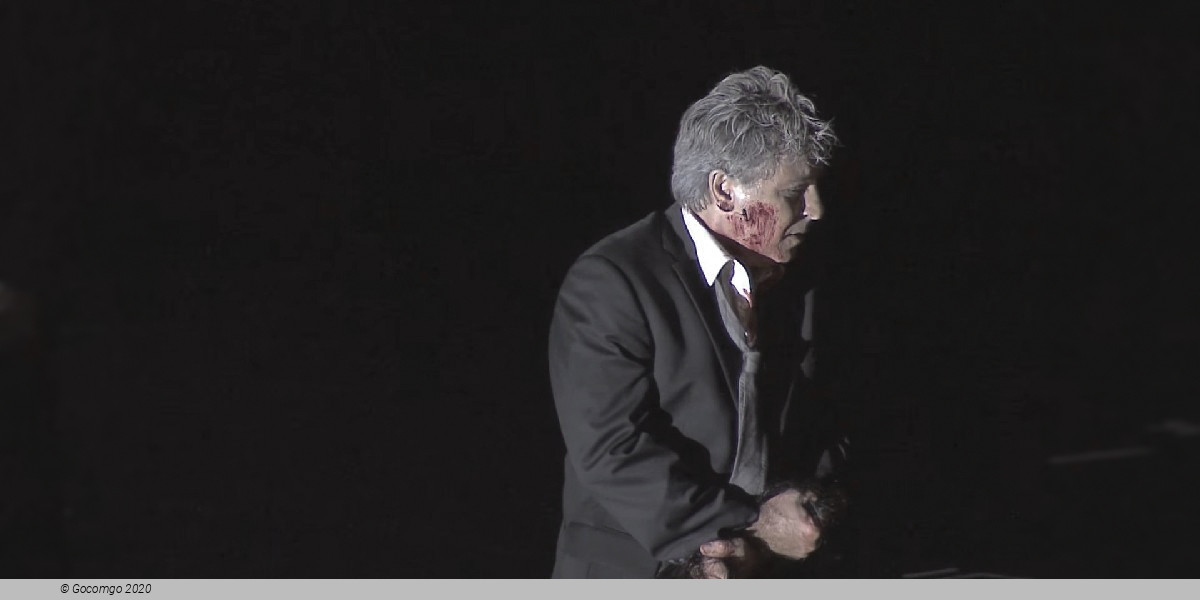
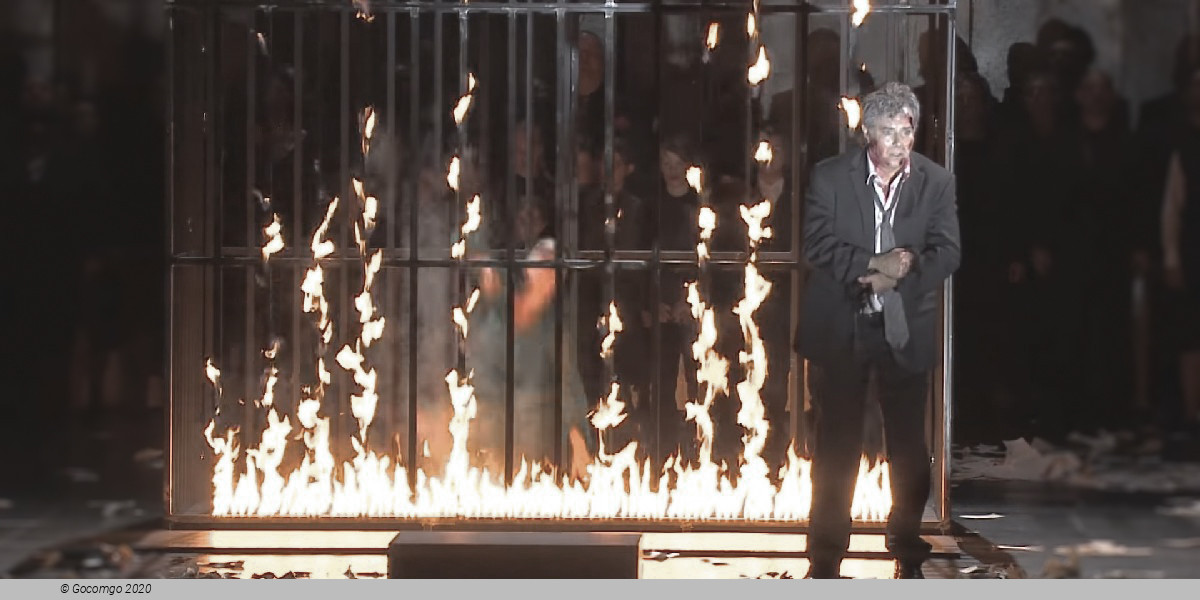
Princess Eudoxie asks to see Rachel in prison, and persuades her to withdraw her allegations. Rachel agrees; Cardinal Brogni agrees to commute Léopold's sentence, and to spare Rachel and Eléazar if they convert. Eléazar at first answers that he would rather die, but then makes plans to avenge himself. He reminds the Cardinal of the fire in his house near Rome many years before and tells the Cardinal that his infant daughter did not die. He says that she was saved by a Jew and that only he knows who he is. If he dies, his secret will die with him. Cardinal Brogni begs him to tell him where his daughter is, but in vain. Eléazar sings of the vengeance that he will have in dying, but he suddenly remembers that he will be responsible for the death of Rachel. The only way to save her is to admit that the Cardinal is her father and that she is not Jewish but Christian. The act ends with the opera's most famous aria, Eléazar's 'Rachel, quand du Seigneur'. He does not want to sacrifice Rachel to his hatred of Christians, and renounces his revenge. However, when he hears the cries from a pogrom in the streets, he decides that God wants him to bear witness in death with his daughter to the God of Israel.
Act 5
A large tent supported by Gothic columns
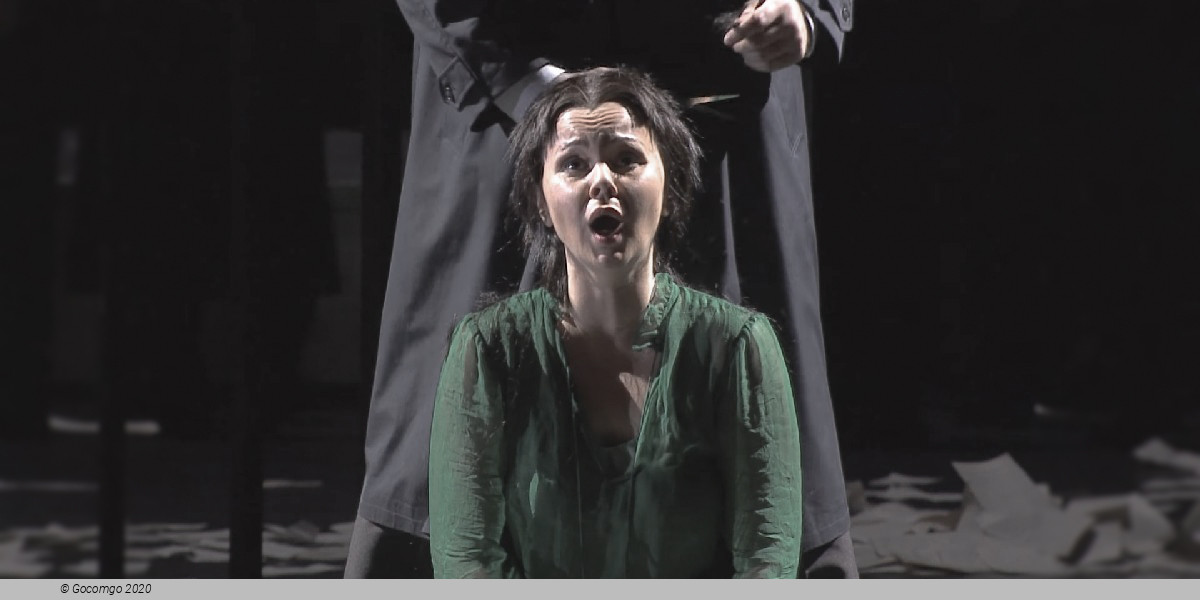
Eléazar and Rachel are brought to the gallows where they will be thrown into a cauldron of boiling water. Rachel is terrified. Eléazar explains that she can be saved if she converts to Christianity. She refuses and climbs to the gallows before him. As the people are singing various prayers, Cardinal Brogni asks Eléazar if his own daughter is still alive. Eléazar says that she is and when Cardinal Brogni asks where she can be found, Eléazar points to the cauldron, saying "There she is!" He then climbs to his own death while the Cardinal falls on his knees. The opera ends with a chorus of monks, soldiers and the people singing "It is done and we are avenged on the Jews!"





 Bennelong Point, Sydney NSW 2000