George Balanchine’s Jewels is a three-part ballet celebrating his vision of three jewels. Visually and thematically structured around the motifs of Emeralds, Rubies and Diamonds. A mesmerising spectacle that is both racy and refined, flashy and majestic.
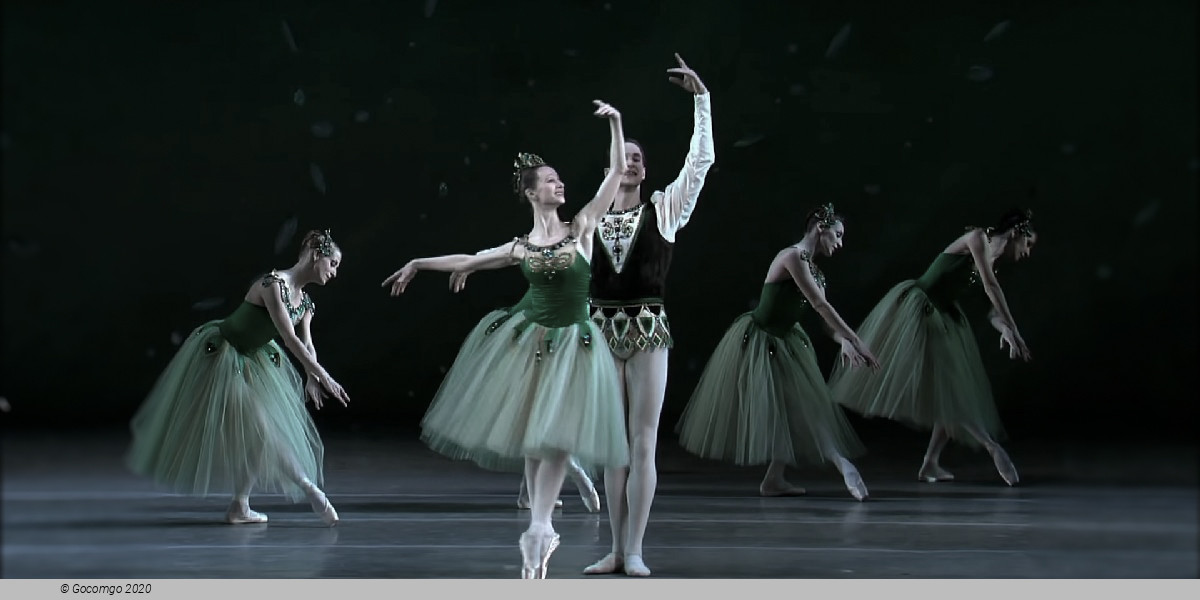
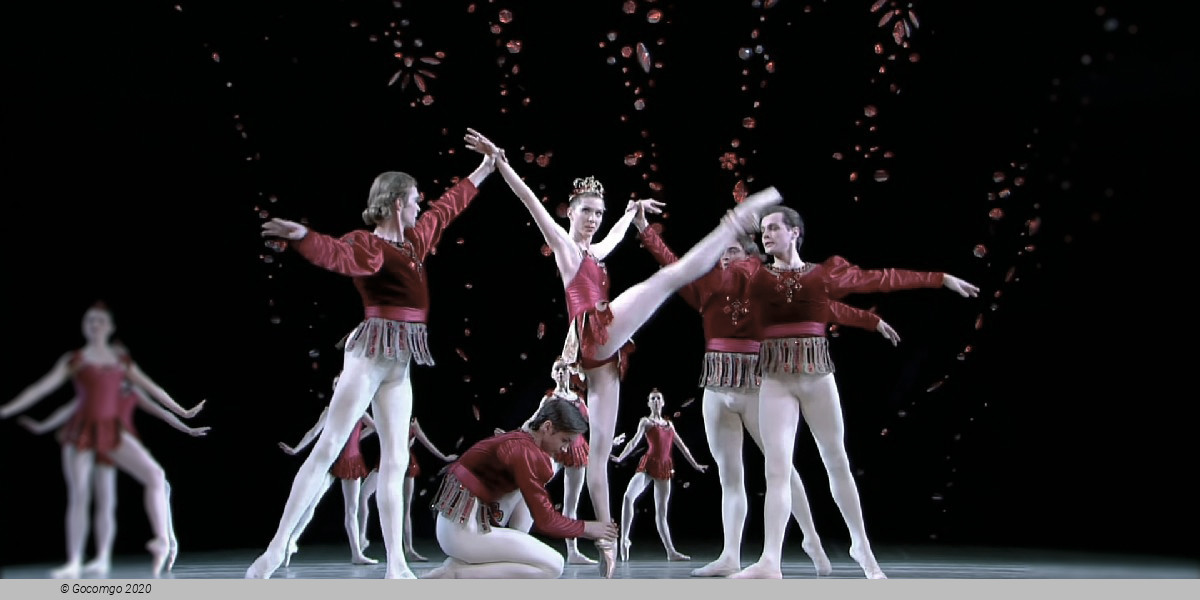
George Balanchine’s Jewels is a three-part ballet celebrating his vision of three jewels. Visually and thematically structured around the motifs of Emeralds, Rubies and Diamonds, the piece explores the idea of movement radiating from the body through each specific jewel.
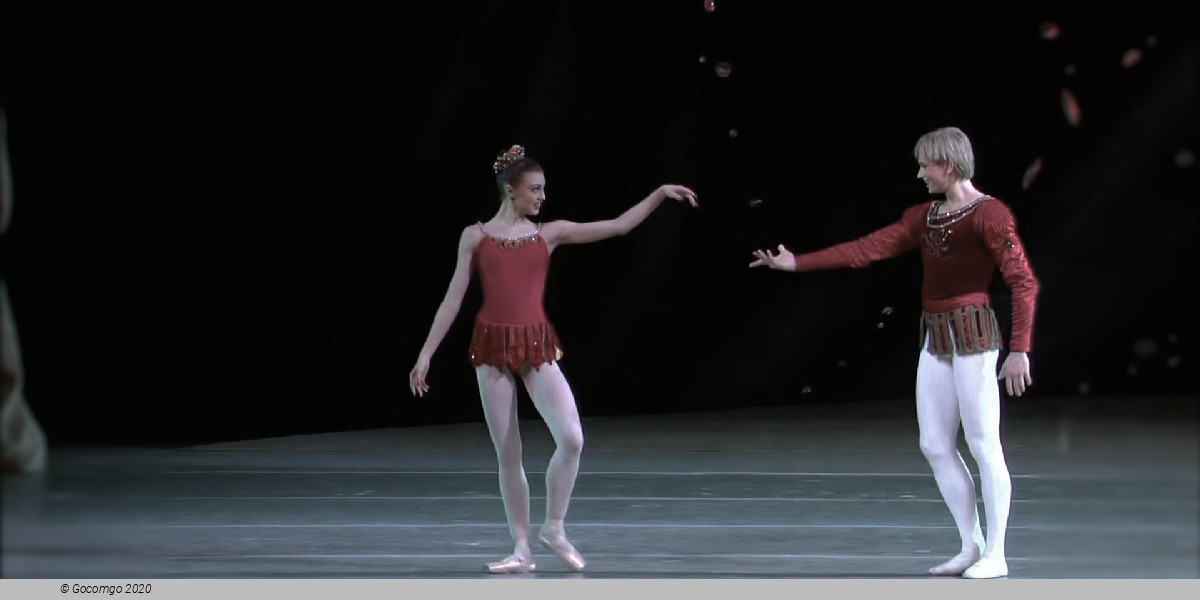
Making its world premiere at New York City Ballet in 1967, Jewels showcases Balanchine’s atmospheric musicality. These contrasting works explore his time in Paris, New York and St Petersburg through the harmony of music and the defining visual elements of colour, shape and silhouette. Each of the three acts is distinct in style and mood, set to music by three different composers: Fauré for Emeralds, Stravinsky for Rubies, Tchaikovsky for Diamonds. Opulent costumes and sets unify each of the three sections to achieve one regal whole, which will showcase the breathtaking classical precision of The Australian Ballet’s artists.
A mesmerising spectacle that is both soft and sharp, racy and refined, flashy and majestic, Jewels is a lavish work capturing the company’s celebratory spirit in its milestone 60th anniversary year, alongside Sydney Opera House's 50th anniversary.
Presented by The Australian Ballet and Sydney Opera House
First performed on 13 April 1967 in New York, Jewels represents the first full-length “abstract ballet” by George Balanchine. The three parts of the ballet, „Emeralds“ (to music by Gabriel Fauré), „Rubies“ (to music by Igor Stravinsky) and „Diamonds“ (to music by Peter Ilich Tchaikovsky) are loosely connected by the idea of gems or jewels; a meeting with the jeweller Claude Arpels was a significant stimulus to Balanchine to create the work. Through the choice of the different composers, the ballet also forms a kind of geographical retrospective of the life of George Balanchine, who spent periods of time in France, the United States and Russia. Manuel Legris’ time as director is also closely connected with the work: after „Rubies“ (2010/2011) and „Diamonds“ (Pas de deux, 2017/2018), the complete work now appears on the programme as his period of office in Vienna draws to a close.
Jewels is a three-act ballet created for the New York City Ballet by co-founder and founding choreographer George Balanchine. It premièred on Thursday, 13 April 1967 at the New York State Theater, with sets designed by Peter Harvey and lighting by Ronald Bates.
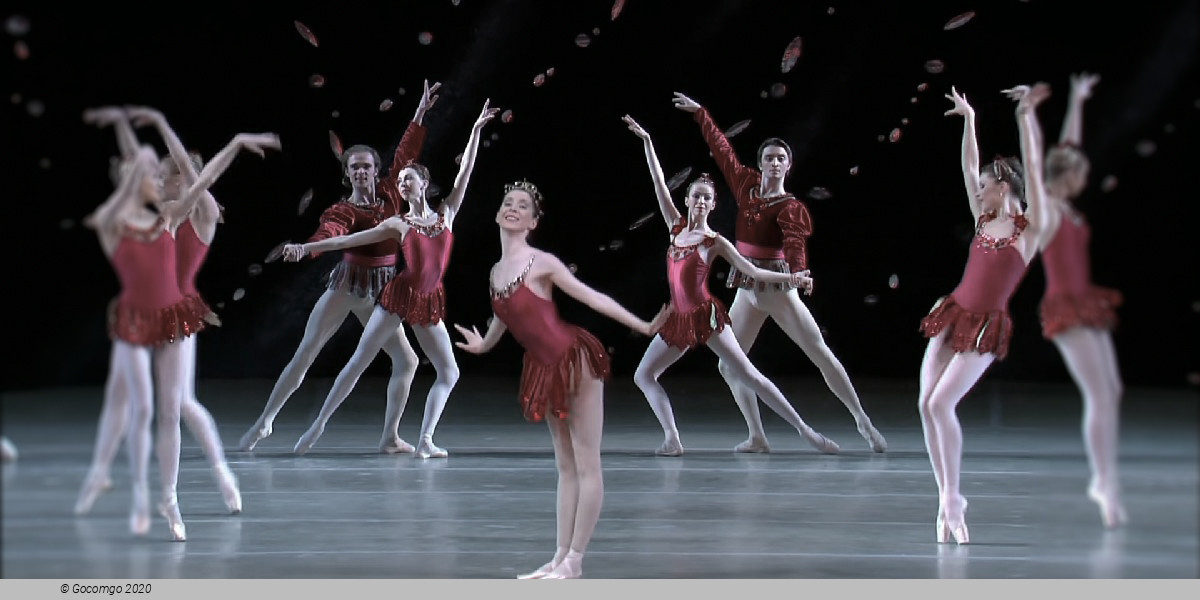
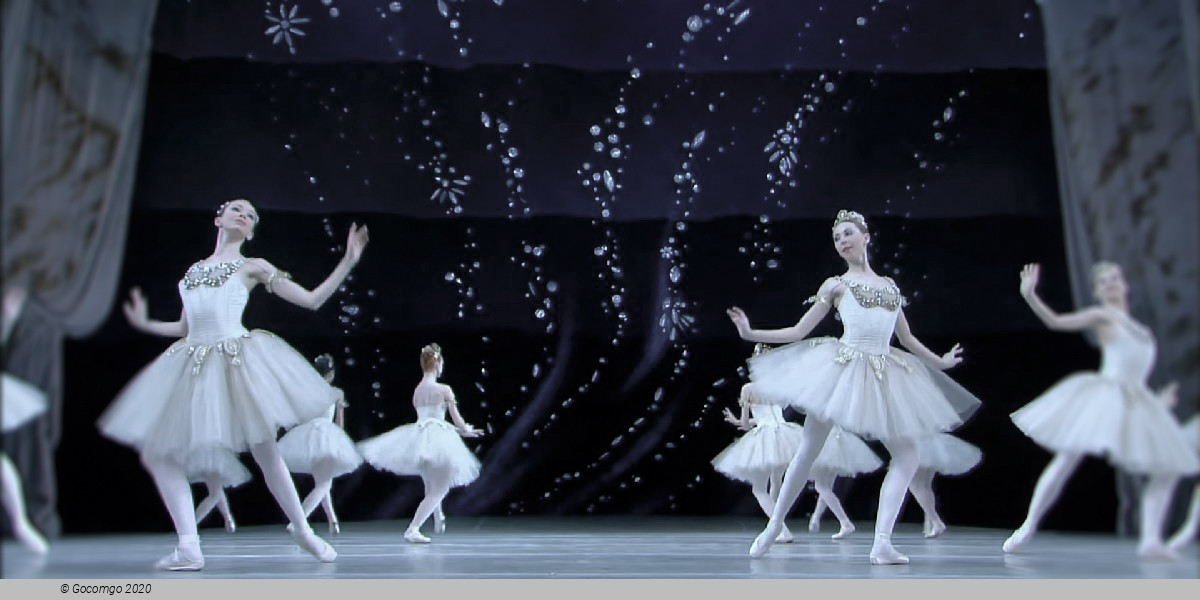
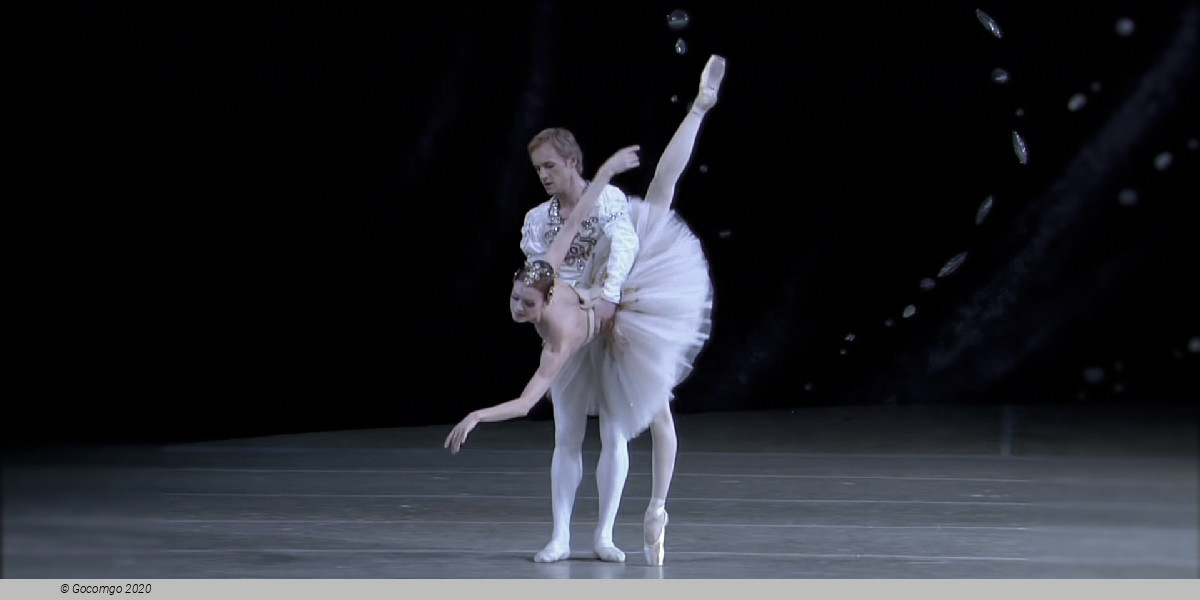
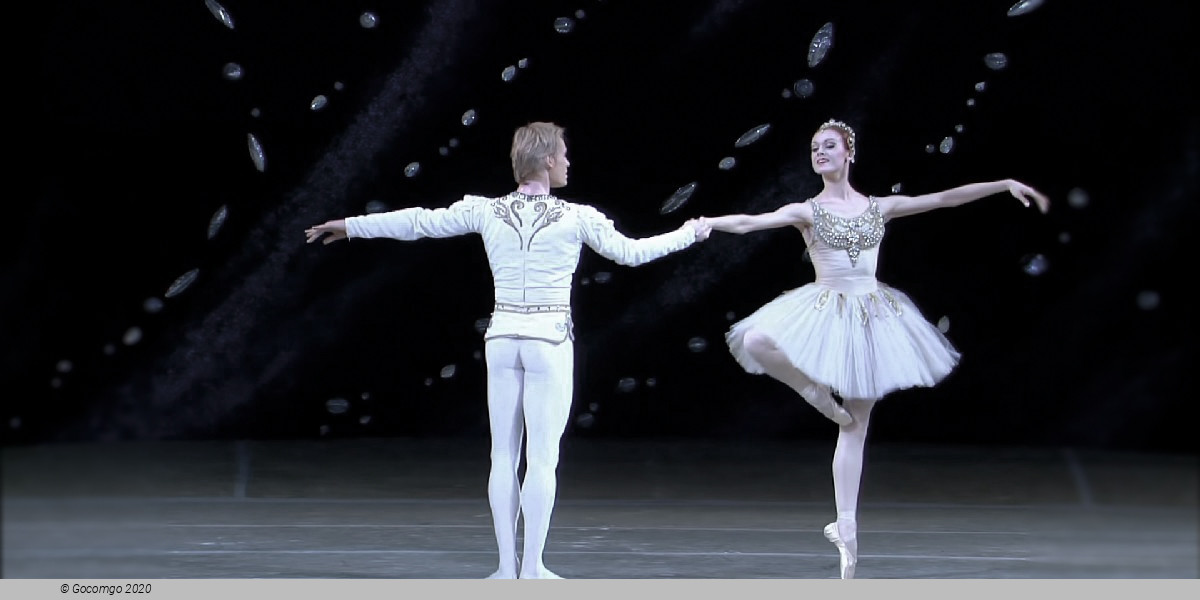
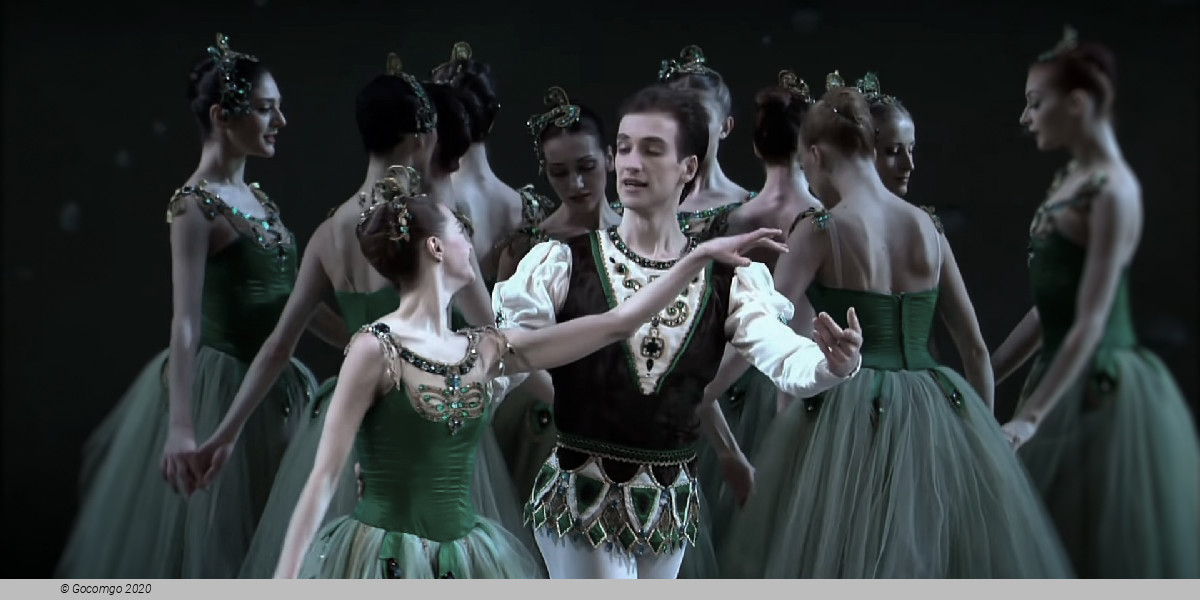
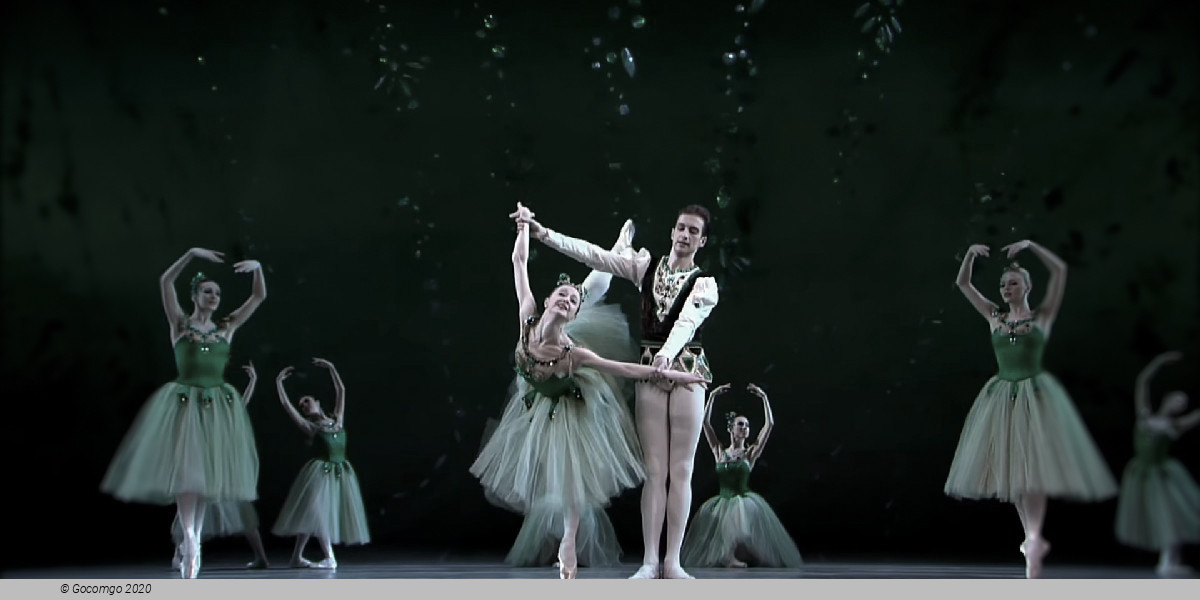
Jewels has been called the first full-length abstract ballet. It has three related movements: Emeralds, Rubies, and Diamonds (usually separated by intermissions). It can also be seen as three separate ballets, linked by their jewel-colored costumes. Balanchine commented: "The ballet had nothing to do with jewels. The dancers are just dressed like jewels." Each of the three acts features the music of a different composer: Emeralds is set to the music of Gabriel Fauré, Rubies to the music of Igor Stravinsky and Diamonds to music by Pyotr Ilyich Tchaikovsky.
Costumes
The costumes were created by Balanchine's long-time collaborator Barbara Karinska, who created a distinct look for each different act: romantic, calf-length tulle skirts for Emeralds, fabric that flared at the hips of both men and women in Rubies, and the flat, classical tutu of the Imperial Russian Ballet for Diamonds. The costumes were such finely crafted pieces of art in their own right that some of them have been exhibited in museums and in theatre lobbies. Even Claude Arpels of Van Cleef & Arpels, who suggested the idea of a ballet based on gems to the choreographer, was impressed with her attention to finding the finest trim that would accurately represent the true glitter of genuine gemstones. Additionally, Karinska's painstaking work is credited with making the costumes last despite the sweat and strain of dancing in them. Her designs, needlework and choice in fabrics made them both durable and danceable, illustrating that the bodies inside the costumes were deserving of her utmost respect. When questioned about her attention to her almost extravagant detail she replied, "I sew for girls and boys who make my costumes dance; their bodies deserve my clothes."


 Bennelong Point, Sydney NSW 2000