Scene 1
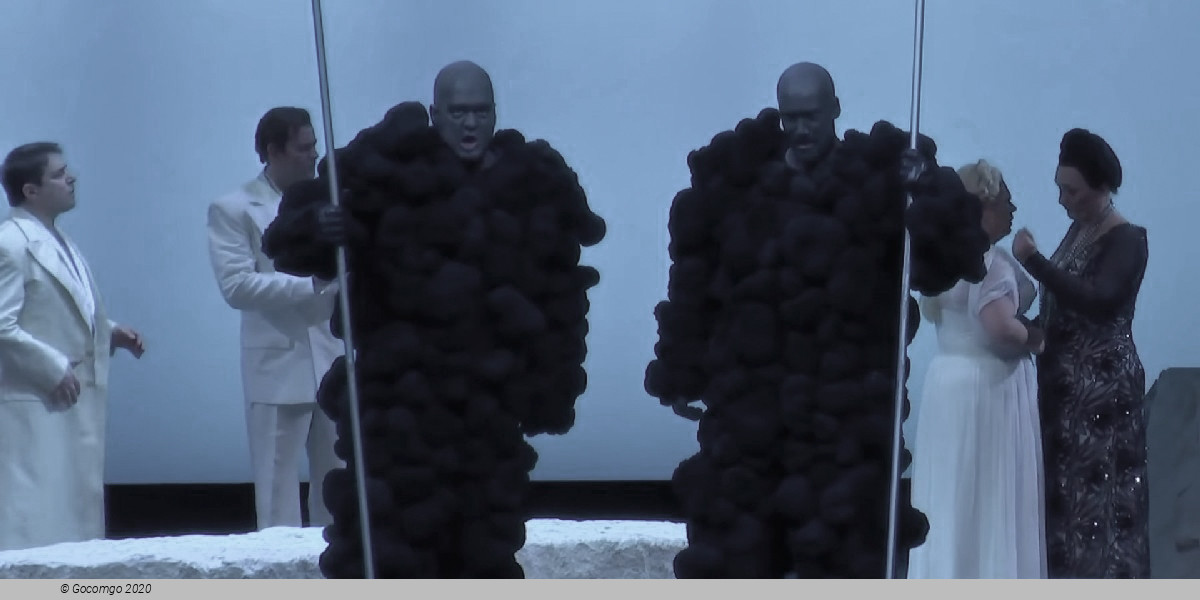
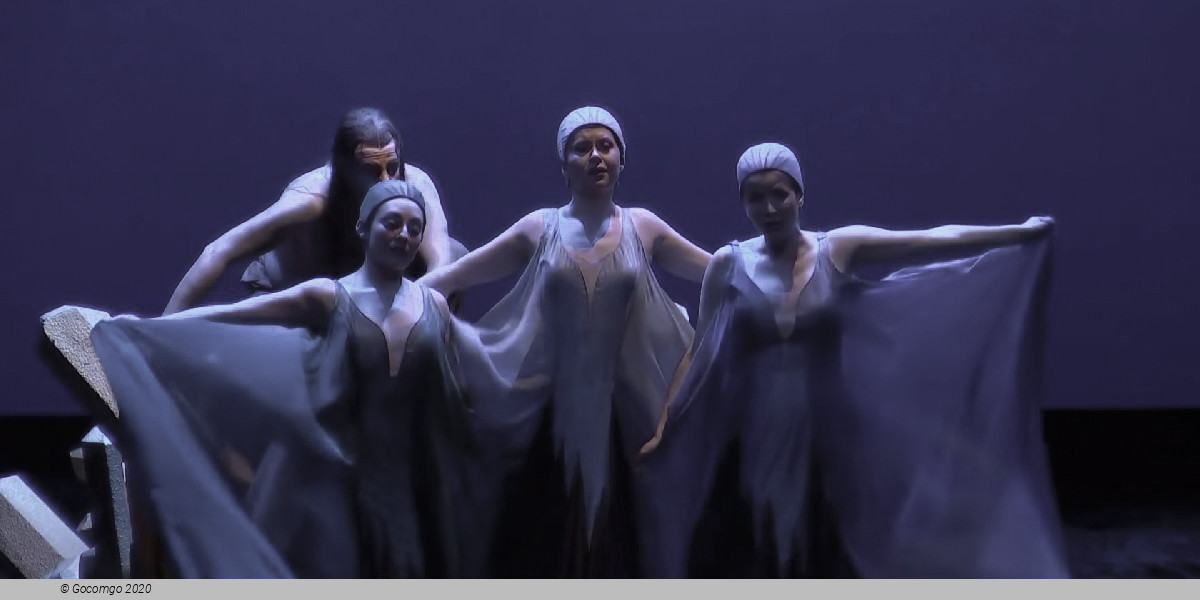
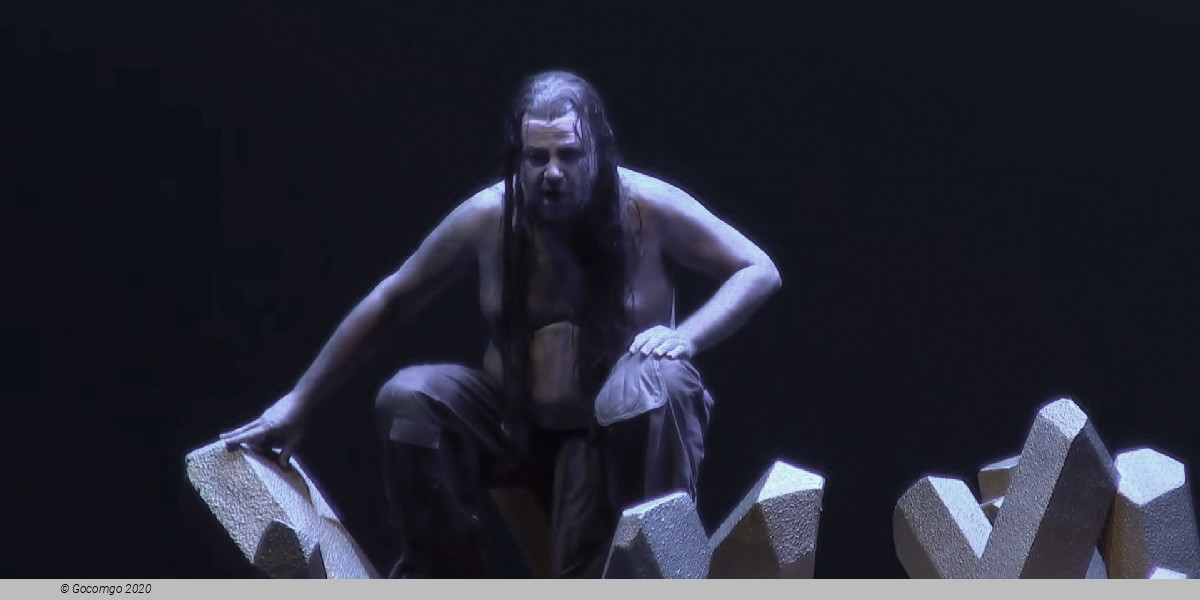
At the bottom of the Rhine, the three Rhinemaidens, Woglinde, Wellgunde, and Floßhilde, play together. Alberich, a Nibelung dwarf, appears from a deep chasm and tries to woo them. The maidens mock his advances and he grows angry – he chases them, but they elude, tease and humiliate him. A sudden ray of sunshine pierces the depths, to reveal the Rhinegold. The maidens rejoice in the gold's gleam. Alberich asks what it is. They explain that the gold, which their father has ordered them to guard, can be made into a magic ring which gives power to rule the world, if its bearer first renounces love. The maidens think they have nothing to fear from the lustful dwarf, but Alberich, embittered by their mockery, curses love, seizes the gold and returns to his chasm, leaving them screaming in dismay.
Scene 2
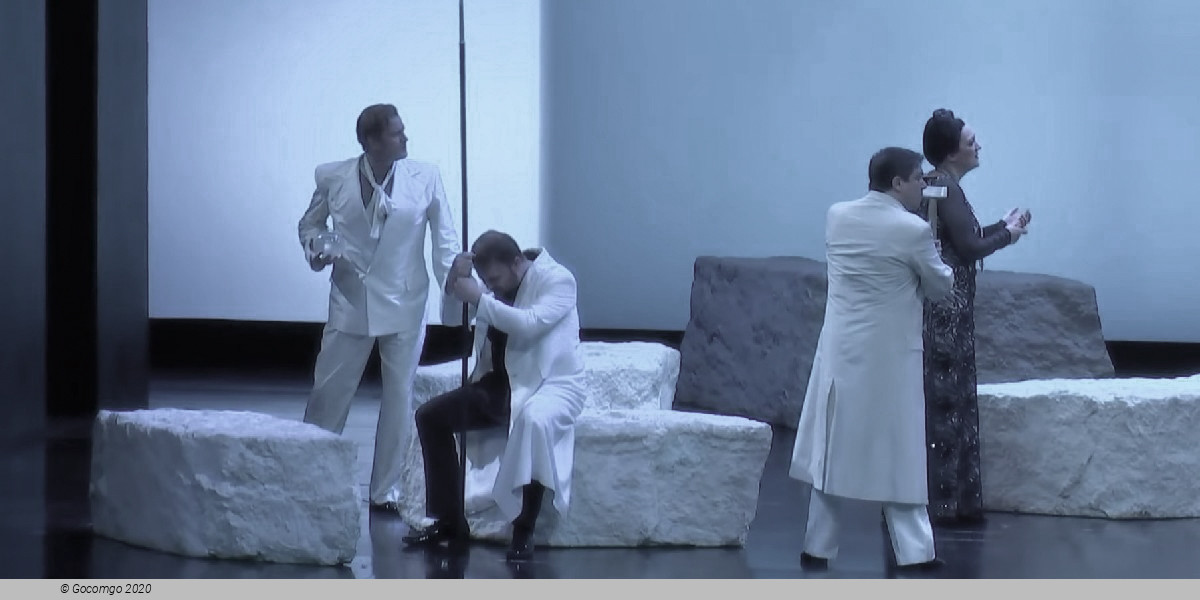
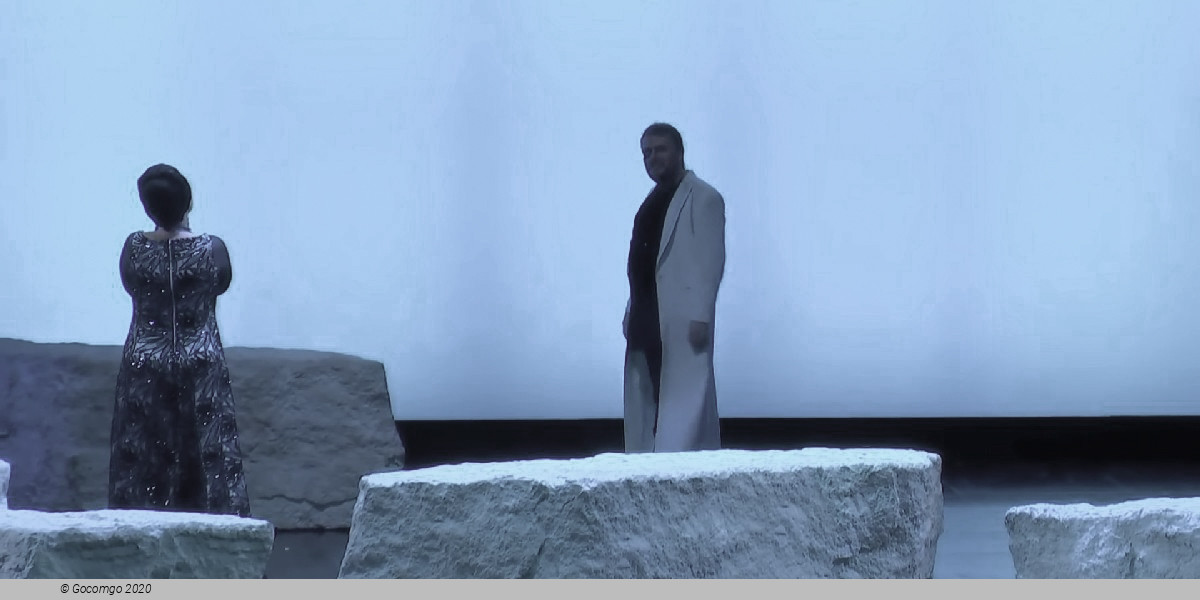
Wotan, ruler of the gods, is asleep on a mountaintop, with a magnificent castle behind him. His wife, Fricka, wakes Wotan, who salutes their new home. Fricka reminds him of his promise to the giants Fasolt and Fafner, who built the castle, that he would give them Fricka's sister Freia, the goddess of youth and beauty, as payment. Fricka is worried for her sister, but Wotan is confident that Loge, the demigod of fire, will find an alternative payment.
Freia enters in a panic, followed by Fasolt and Fafner. Fasolt demands that Freia be given up. He points out that Wotan's authority is sustained by the treaties carved into his spear, including his contract with the giants, which Wotan therefore cannot violate. Donner, god of thunder, and Froh, god of sunshine, arrive to defend Freia, but Wotan cannot permit the use of force to break the agreement. Hoping that Loge will arrive with the alternative payment he has promised, Wotan tries to stall.
When Loge arrives, his initial report is discouraging: nothing is more valuable to men than love, so, there is apparently no possible alternative payment besides Freia. Loge was able to find only one instance where someone willingly gave up love for something else: Alberich the Nibelung has renounced love, stolen the Rhine gold and made a powerful magic ring out of it. A discussion of the ring and its powers ensues, and everyone finds good reasons for wanting to own it. Fafner makes a counter-offer: the giants will accept the Nibelung's treasure in payment, instead of Freia. When Wotan tries to haggle, the giants depart, taking Freia with them as hostage and threatening to keep her forever unless the gods ransom her by obtaining, and giving them, the Nibelung's gold, by the end of the day.
Freia's golden apples had kept the gods eternally young, but in her absence they begin to age and weaken. In order to redeem Freia, Wotan resolves to travel with Loge to Alberich's subterranean kingdom to obtain the gold.
Scene 3
In Nibelheim, Alberich has enslaved the rest of the Nibelung dwarves with the power of the ring. He has forced his brother Mime, a skillful smith, to create a magic helmet, the Tarnhelm. Alberich demonstrates the Tarnhelm's power by making himself invisible, the better to torment his subjects.
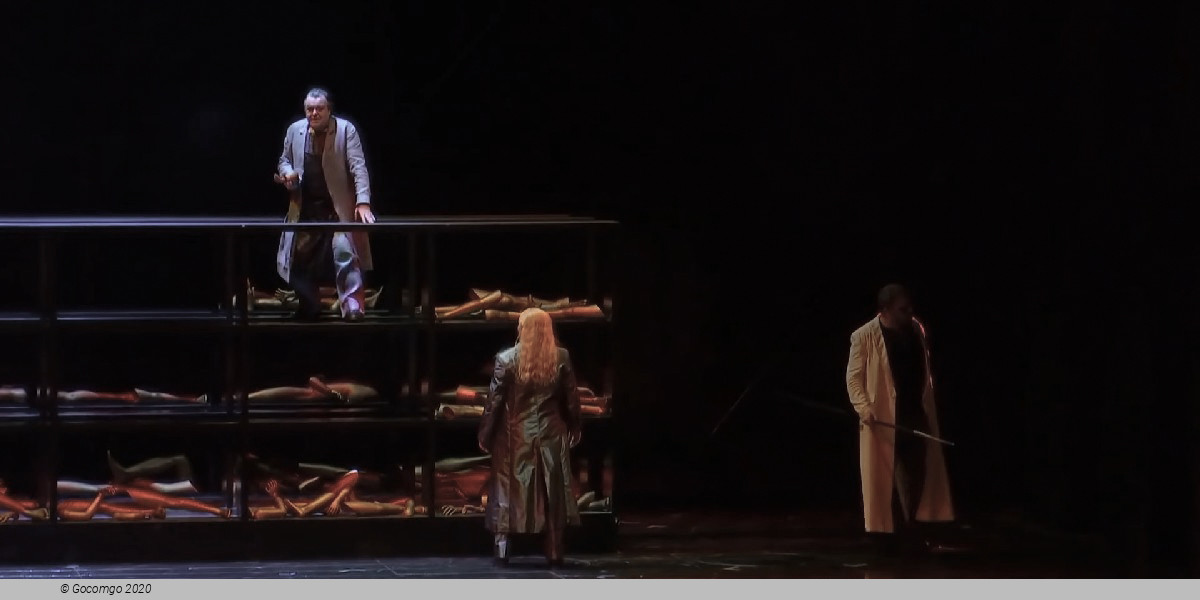
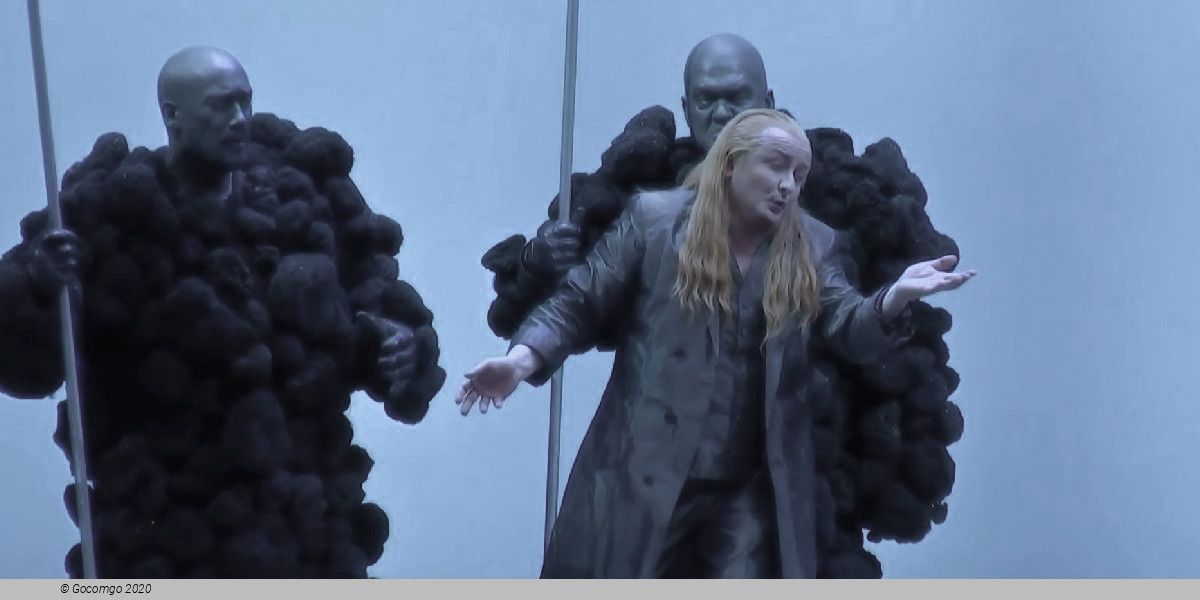
Wotan and Loge arrive and happen upon Mime, who tells them of the dwarves' misery under Alberich's rule. Alberich returns, driving his slaves to pile up a huge mound of gold. He boasts to the visitors about his plans to conquer the world using the power of the ring. Loge asks how he can protect himself against a thief while he sleeps. Alberich replies the Tarnhelm will hide him, by allowing him to turn invisible or change his form. Loge expresses doubt and requests a demonstration. Alberich complies by transforming himself into a giant snake; Loge acts suitably impressed, and then asks whether Alberich can also reduce his size, which would be very useful for hiding. Alberich transforms himself into a toad. Wotan and Loge seize him, tie his hands, and drag him up to the surface.
Scene 4
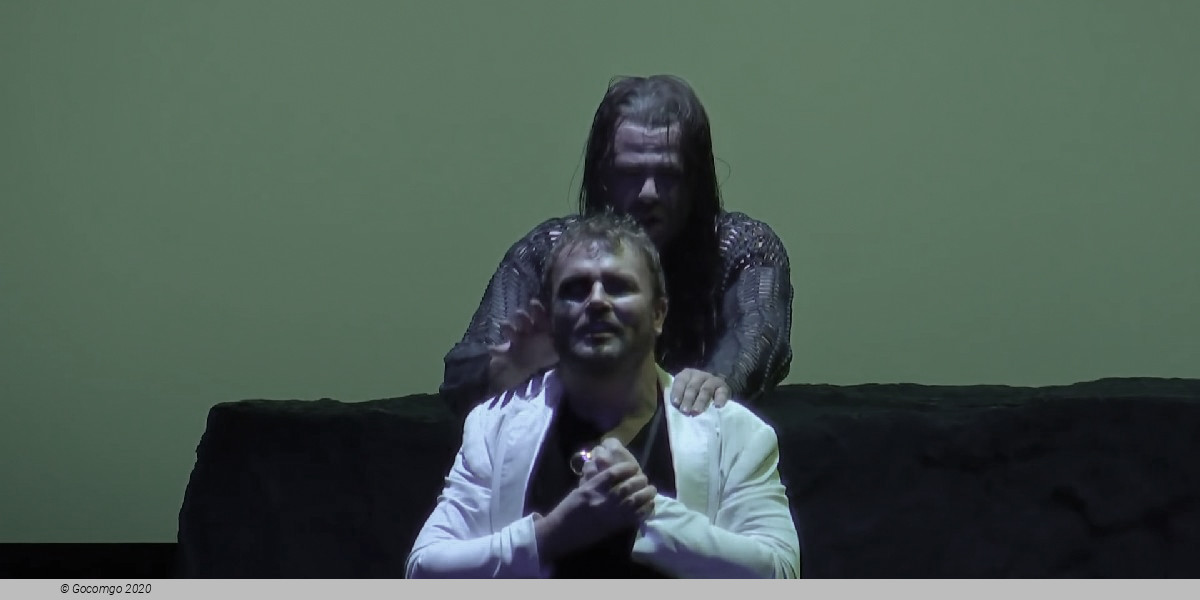
Back on the mountaintop, Wotan and Loge force Alberich to exchange his wealth for his freedom. He summons the Nibelungen, who bring up the hoard of gold. He then asks for the return of the Tarnhelm, but Loge says that it is part of his ransom. Alberich still hopes he can keep the ring, but Wotan demands it, and when Alberich refuses, Wotan tears it from Alberich's hand and puts it on his own finger. Crushed by his loss, Alberich lays a curse on the ring: until it should return to him, whoever possesses it will live in anxiety, and will eventually be robbed of it and killed.
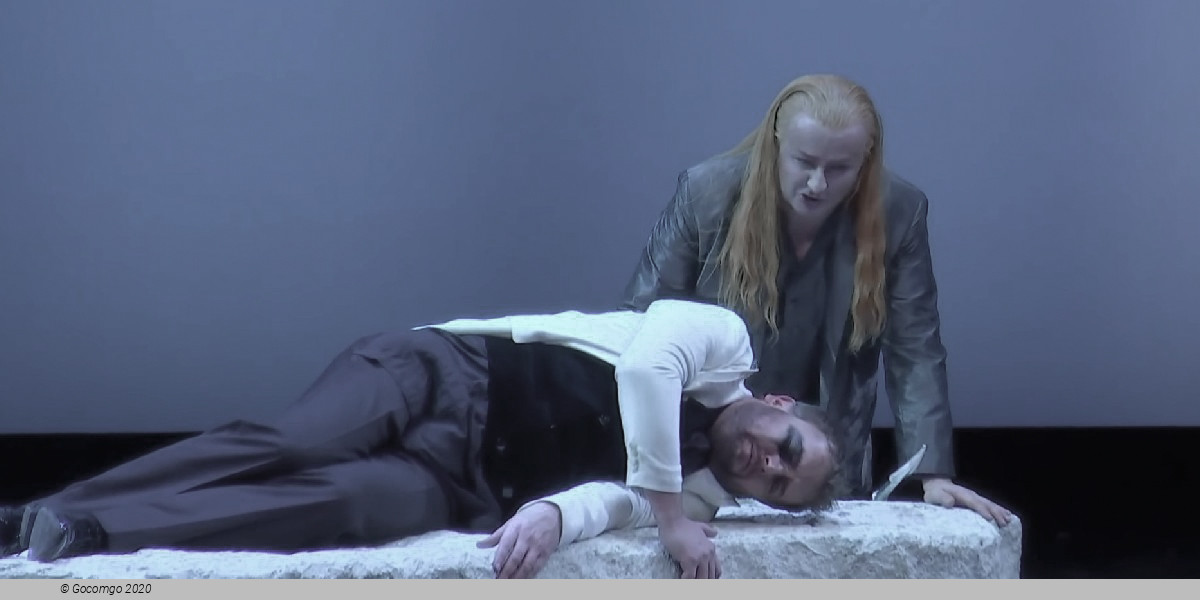
The gods reconvene. Fasolt and Fafner return with Freia. Fasolt, reluctant to release her, insists that the gold be piled high enough to hide her from view. Wotan is forced to relinquish the Tarnhelm, to help cover Freia completely. However, Fasolt spots a remaining crack in the gold, through which one of Freia's eyes can be seen. Loge says that there is no more gold, but Fafner, who has noticed the ring on Wotan's finger, demands that Wotan add it to the pile, to block the crack. Loge protests that the ring belongs to the Rheinmaidens, and Wotan angrily declares that he intends to keep it for his own. As the giants seize Freia and start to leave, Erda, the earth goddess, appears and warns Wotan of impending doom, urging him to give up the cursed ring. Troubled, Wotan calls the giants back and surrenders the ring. The giants release Freia and begin dividing the treasure, but they quarrel over the ring itself. Fafner clubs Fasolt to death. Wotan, horrified, realizes that Alberich's curse has terrible power.
Donner summons a thunderstorm to clear the air, after which Froh creates a rainbow bridge that stretches to the gate of the castle. Wotan leads the gods across the bridge to the castle, which he names Valhalla. Loge does not follow; he says in an aside that he is tempted to destroy the treacherous gods by fire – he will think it over. Far below, the Rhine maidens mourn the loss of their gold, and condemn the gods as false and cowardly.


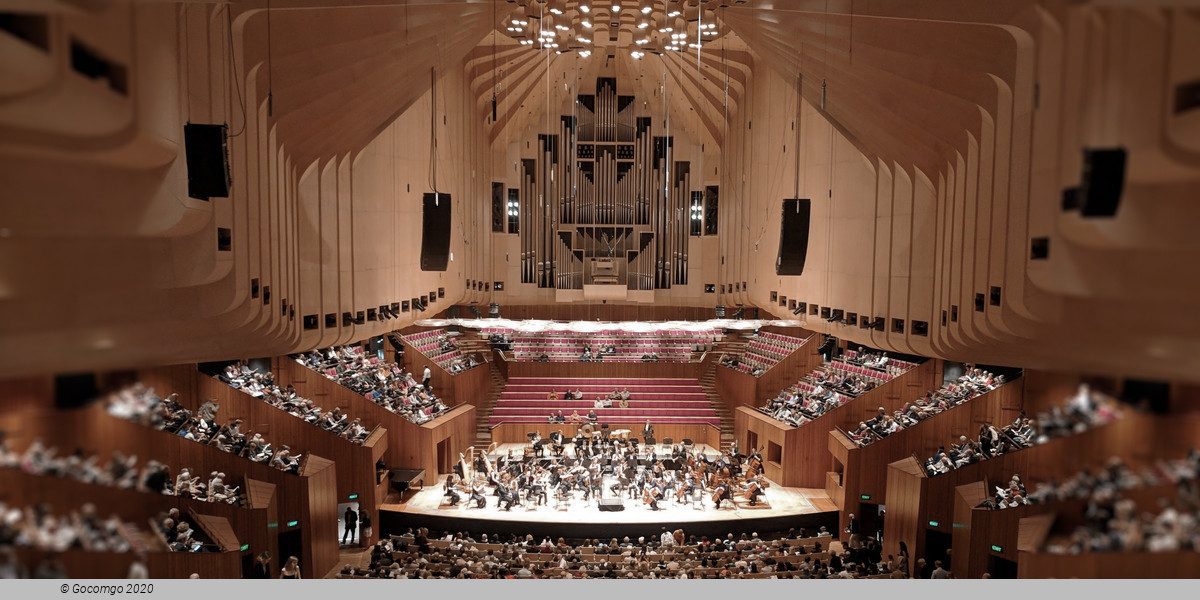
 Bennelong Point, Sydney NSW 2000