

Staatsoper Hamburg 14 May 2022 - Dialogues des Carmélites | GoComGo.com

Dialogues des Carmélites

Staatsoper Hamburg, Main Stage, Hamburg, Germany
All photos (9)
Select date and time
7:30 PM

E-tickets: Print at home or at the box office of the event if so specified. You will find more information in your booking confirmation email.

You can only select the category, and not the exact seats.
If you order 2 or 3 tickets: your seats will be next to each other.
If you order 4 or more tickets: your seats will be next to each other, or, if this is not possible, we will provide a combination of groups of seats (at least in pairs, for example 2+2 or 2+3).

Important Info
Type: Opera
City: Hamburg, Germany
Starts at: 19:30
Intervals: 1
Duration: 3h 15min
Sung in: French
Titles in: German

E-tickets: Print at home or at the box office of the event if so specified. You will find more information in your booking confirmation email.

You can only select the category, and not the exact seats.
If you order 2 or 3 tickets: your seats will be next to each other.
If you order 4 or more tickets: your seats will be next to each other, or, if this is not possible, we will provide a combination of groups of seats (at least in pairs, for example 2+2 or 2+3).

Overview

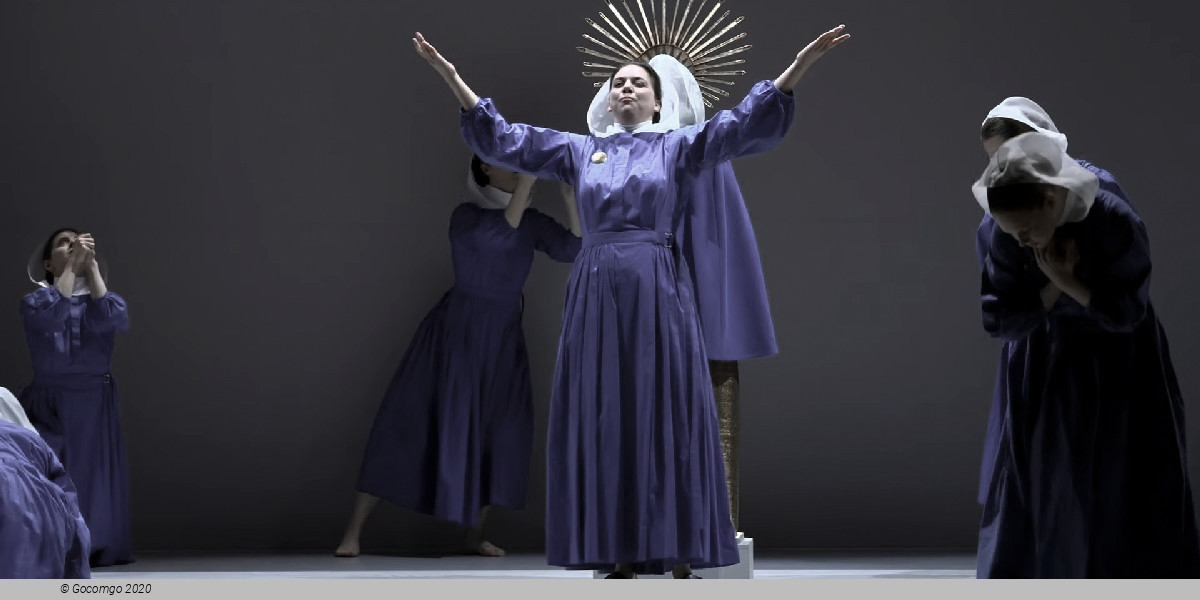
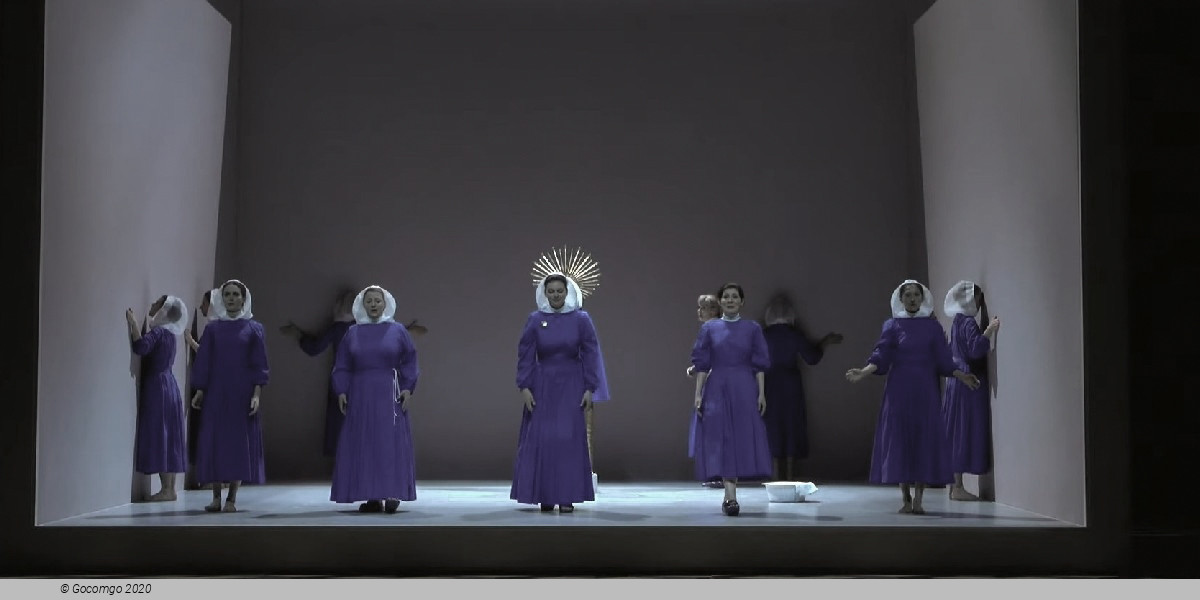
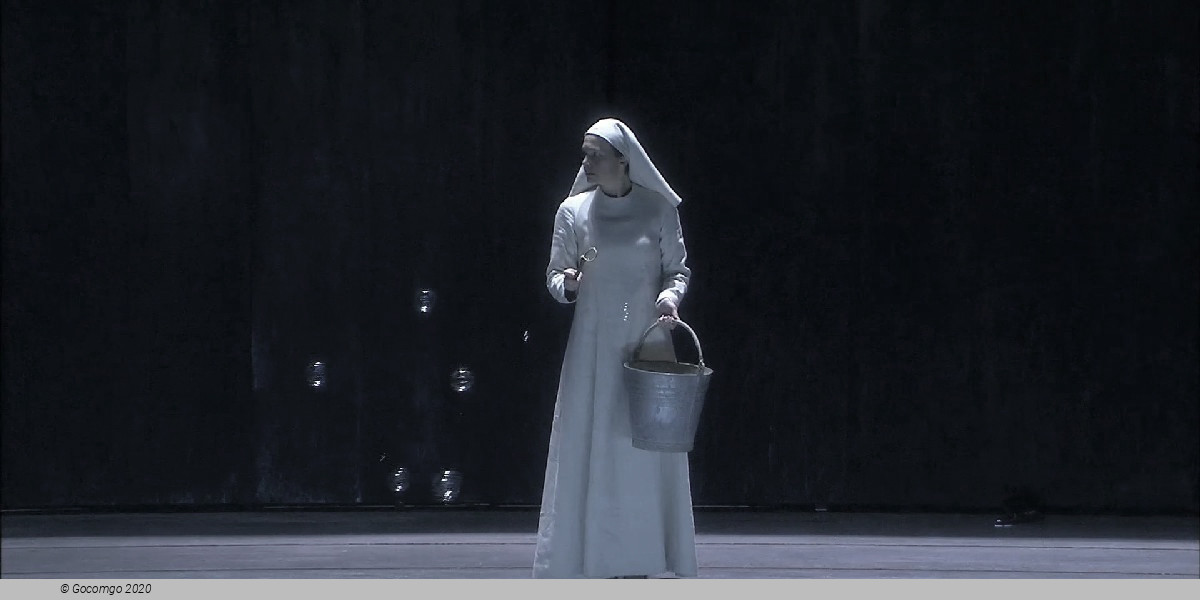
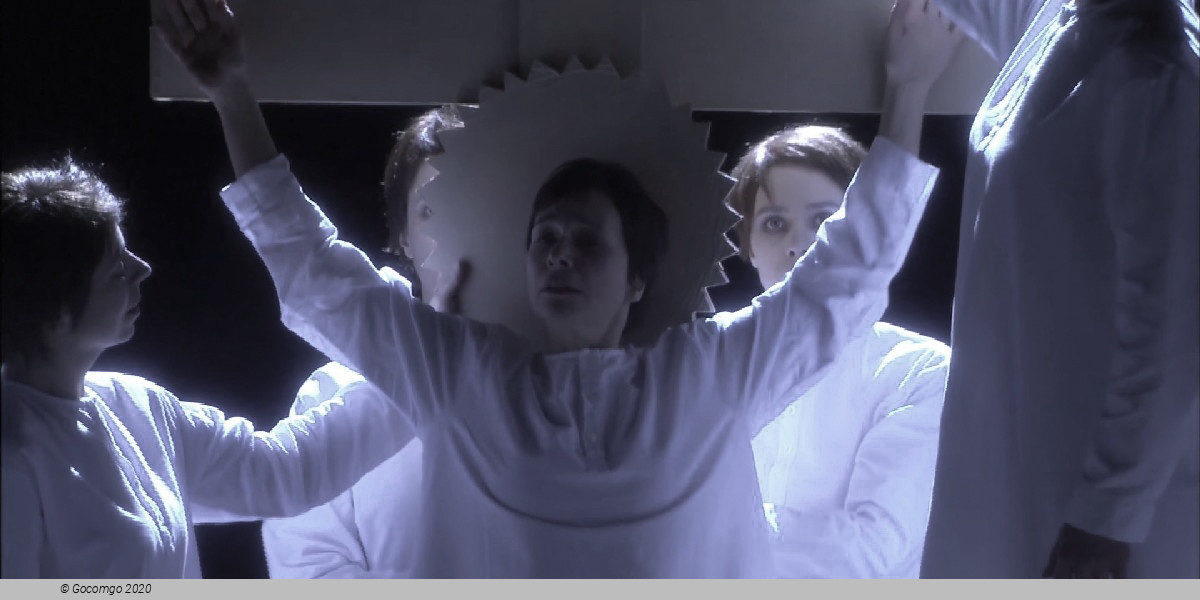
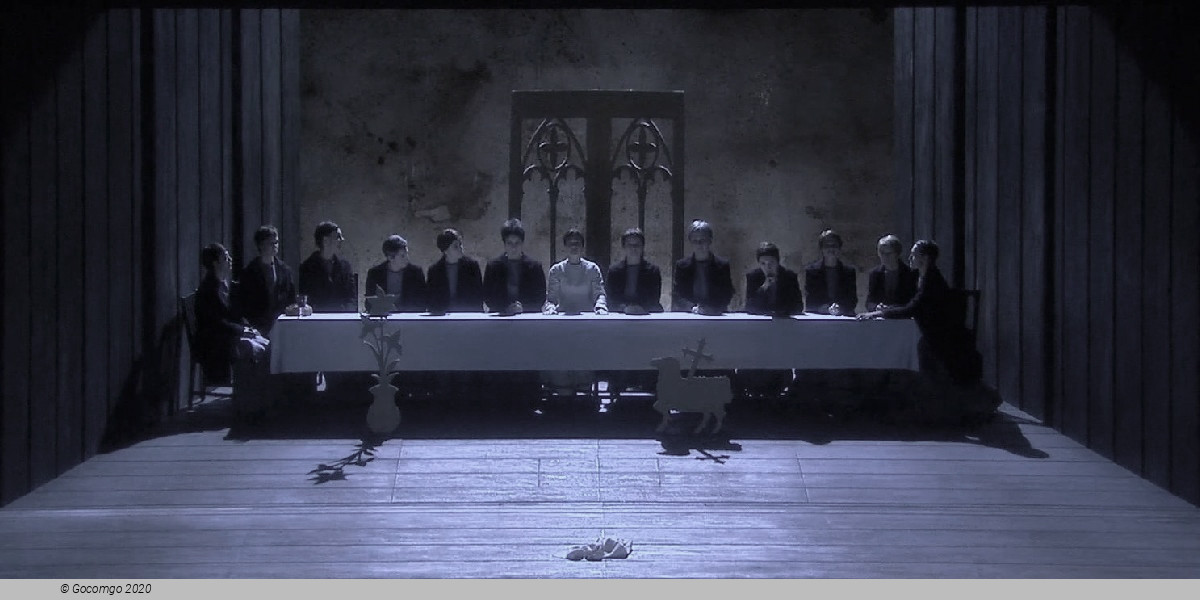
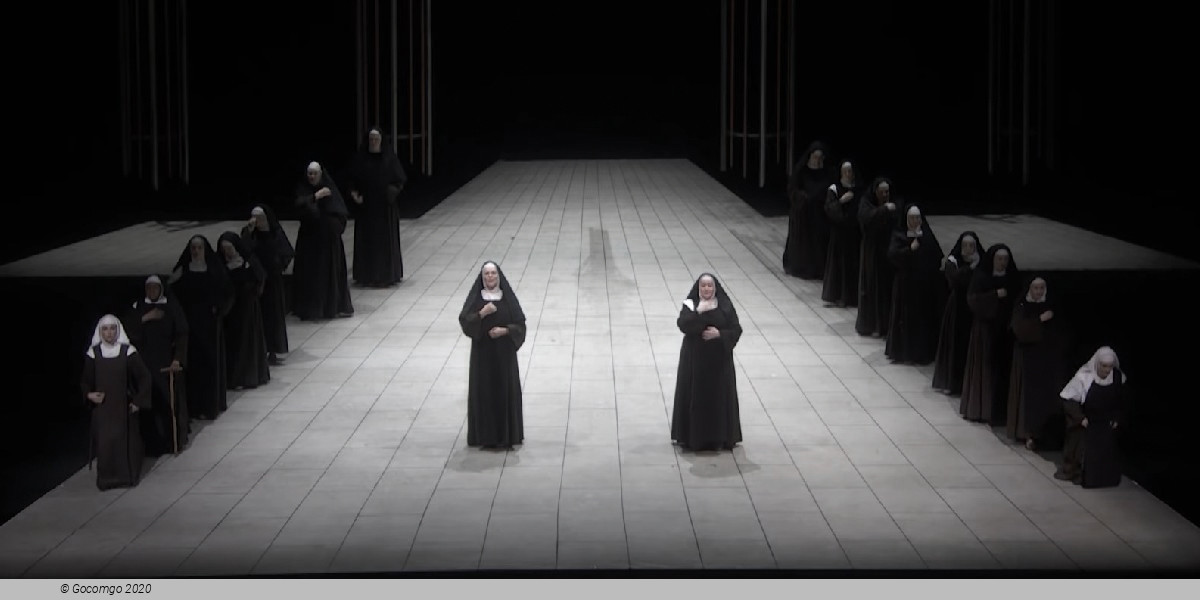
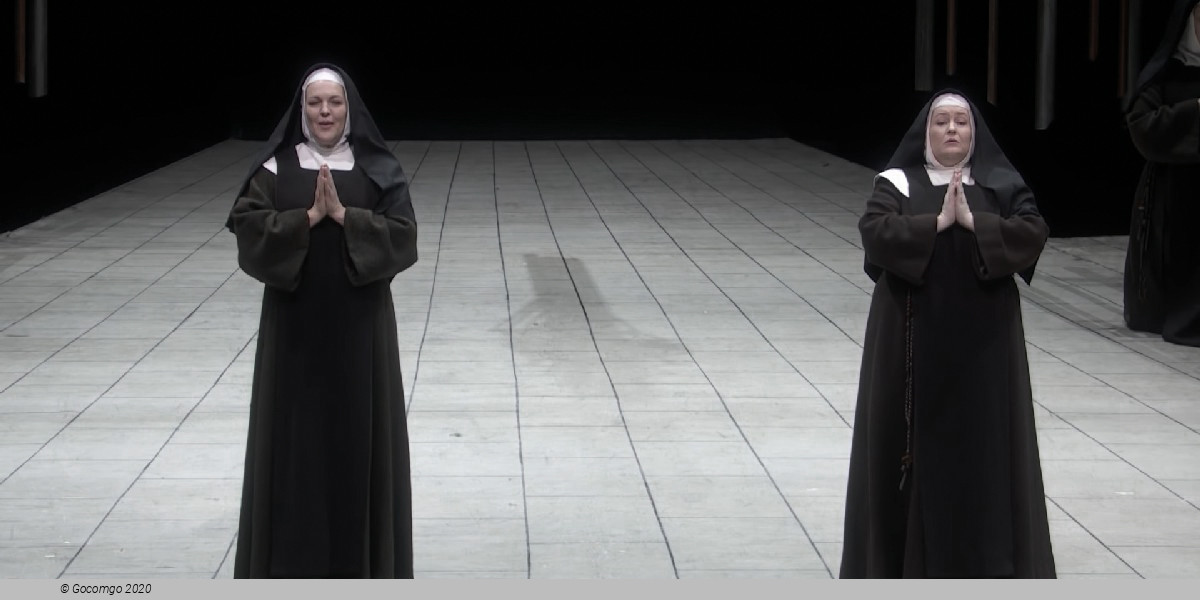
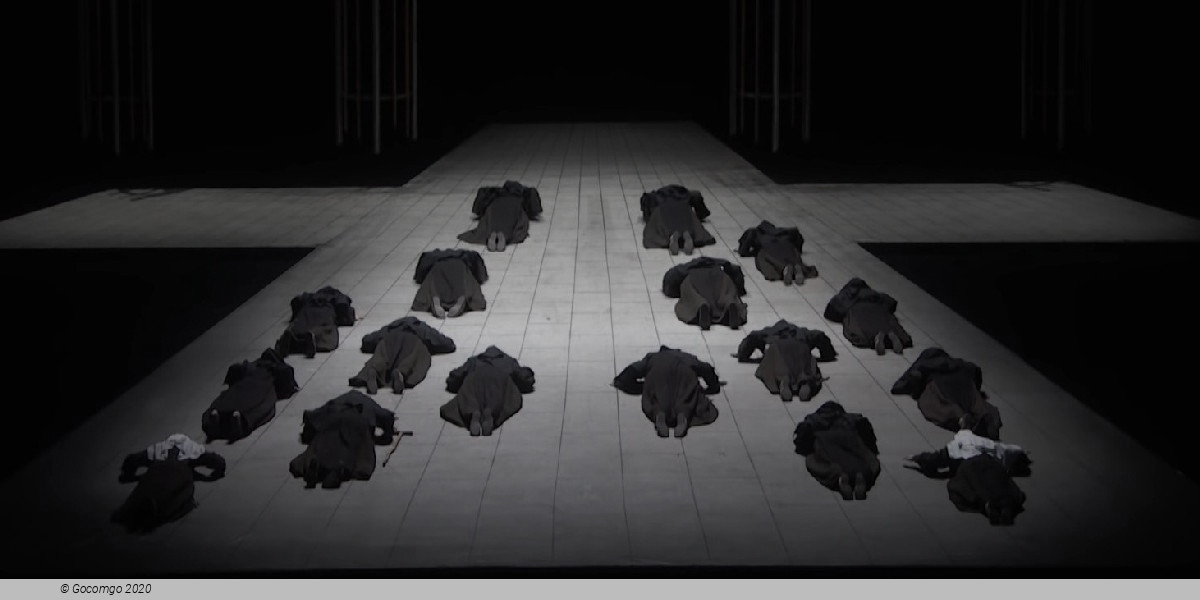
With his "Dialogues des Carmélites", premiered in Milan in 1957, the French composer Francis Poulenc switched sides. At first it seems only a step behind the walls of the cloister: the noise of the world is heard only dimly here, and outside events are reflected merely in “conversations of the Carmelite nuns”. However, this also entails a change of perspective: Poulenc does not give us a grand historical tableau, preferring to describe the events as the moving story of his main protagonist Blanche. In doing so, he asks her, and the audience, the existential question: what do we do when the world around us comes unhinged?

History
Premiere of this production: 26 January 1957, La Scala, Milan (in Italian)

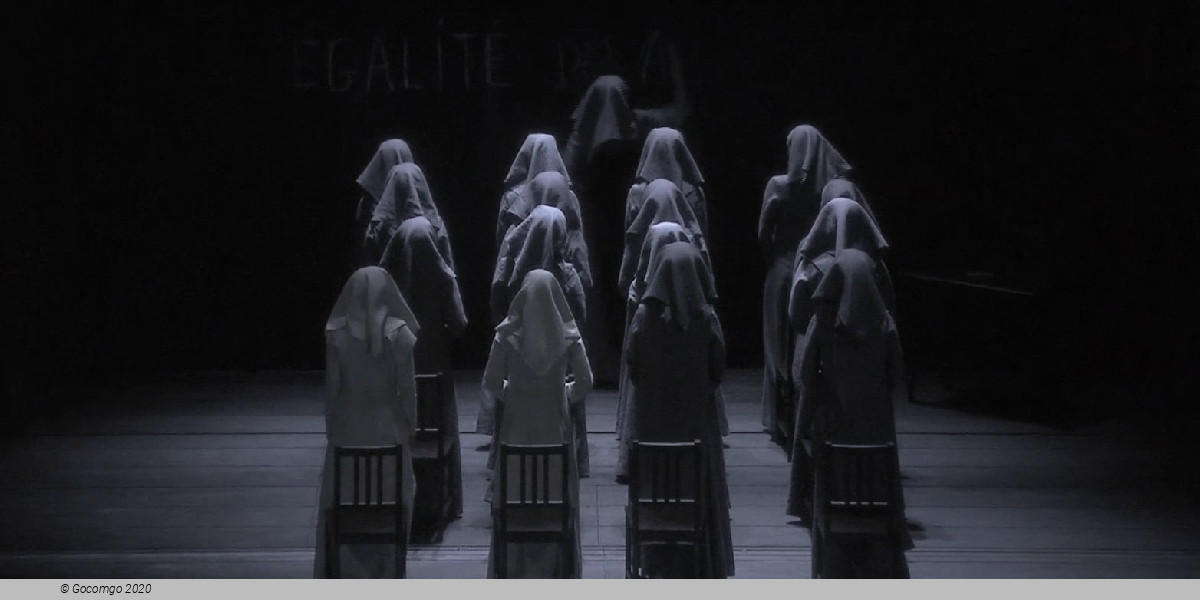
Dialogues des Carmélites (Dialogues of the Carmelites) is an opera in three acts, divided into twelve scenes with linking orchestral interludes, with music and libretto by Francis Poulenc, completed in 1956. The composer's second opera, Poulenc wrote the libretto after the work of the same name by Georges Bernanos. The opera tells a fictionalised version of the story of the Martyrs of Compiègne, Carmelite nuns who, in 1794 during the closing days of the Reign of Terror during the French Revolution, were guillotined in Paris for refusing to renounce their vocation.

Synopsis

Place: Paris and Compiègne, 1789–94
Time: during the French Revolution
Act 1
Against the setting of the French Revolution, when crowds stop carriages in the street and aristocrats are attacked, the pathologically timid Blanche de la Force decides to retreat from the world and enter a Carmelite convent. The Mother Superior informs her that the Carmelite Order is not a refuge; it is the duty of the nuns to guard the Order, not the other way around. In the convent, the chatterbox Sister Constance tells Blanche (to her consternation) that she has had a dream that the two of them will die young together. The prioress, who is dying, commits Blanche to the care of Mother Marie. The Mother Superior passes away in great agony, shouting in her delirium that despite her long years of service to God, He has abandoned her. Blanche and Mother Marie, who witness her death, are shaken.

Act 2
Sister Constance remarks to Blanche that the prioress' death seemed unworthy of her, and speculates that she had been given the wrong death, as one might be given the wrong coat in a cloakroom. She said that perhaps someone else will find death surprisingly easy. Perhaps we die not for ourselves alone, but for each other.

Blanche's brother, the Chevalier de la Force, arrives to announce that their father thinks Blanche should withdraw from the convent, since she is not safe there (being both an aristocrat and the member of a religious community, at a time of anti-aristocracy and anti-clericalism in the rising revolutionary tides). Blanche refuses, saying that she has found happiness in the Carmelite Order. Later she admits to Mother Marie that it is fear (or the fear of fear itself, as the Chevalier expresses it) that keeps her from leaving.

The chaplain announces that he has been forbidden to preach (presumably for being a non-juror under the Civil Constitution of the Clergy). The nuns remark on how fear rules the country, and no one has the courage to stand up for the priests. Sister Constance asks, "Are there no men left to come to the aid of the country?" "When priests are lacking, martyrs are superabundant," replies the new Mother Superior. Mother Marie says that the Carmelites can save France by giving their lives, but the Mother Superior corrects her: it is not permitted to choose to become a martyr; God decides who will be martyred.

A police officer arrives and announces to the community that the Legislative Assembly has nationalized the convent and its property, and the nuns must give up their religious habits. When Mother Marie acquiesces, the officer taunts her for being eager to dress like everyone else. She replies that the nuns will continue to serve, no matter how they are dressed. "The people have no need of servants," proclaims the officer haughtily. "No, but they have a great need for martyrs," responds Mother Marie. "In times like these, death is nothing," he says. "Life is nothing," she answers, "when it is so debased."

Act 3
In the absence of the new prioress, Mother Marie proposes that the nuns take a vow of martyrdom. However, all must agree, or Mother Marie will not insist. A secret vote is held; there is one dissenting voice. Sister Constance declares that she was the dissenter, and that she has changed her mind, so the vow can proceed. Blanche runs away from the convent, and Mother Marie goes to look for her, finding her in her father's library. Her father has been guillotined, and Blanche has been forced to serve her former servants.

The nuns are all arrested and condemned to death, but Mother Marie is away at the time of the arrest. Upon receiving the news, the chaplain tells Mother Marie, when they meet again, that since God has chosen to spare her, she cannot voluntarily become a martyr by joining the others in prison.

At the place of execution, one nun after another stands and slowly processes toward the guillotine, as all sing the "Salve Regina" ("Hail, Holy Queen"). At the last moment, Blanche appears, to Constance's joy, to join her condemned sisters. Having seen all the other nuns executed, as she mounts the scaffold, Blanche sings the final stanza of the "Veni Creator Spiritus," "Deo Patri sit gloria...", the Catholic hymn traditionally used when taking vows in a religious community and offering one's life to God.

Venue Info

Staatsoper Hamburg - Hamburg
Location   Große Theaterstraße 25

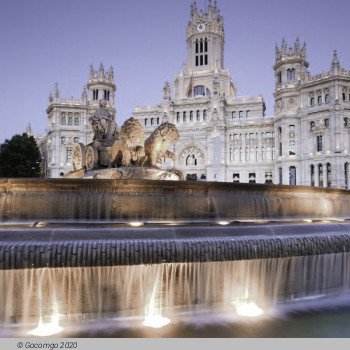
Staatsoper Hamburg is the oldest publicly accessible musical theater in Germany, located in Hamburg. It was founded in 1678. With the emergence of the Hamburg Opera House, researchers attribute the formation of a national German opera school.

Opera in Hamburg dates to 2 January 1678 when the Oper am Gänsemarkt was inaugurated with a performance of a biblical Singspiel by Johann Theile. It was not a court theatre but the first public opera house in Germany established by the art-loving citizens of Hamburg, a prosperous member of the Hanseatic League.

The Hamburg Bürgeroper resisted the dominance of the Italianate style and rapidly became the leading musical center of the German Baroque. In 1703, George Friedrich Handel was engaged as violinist and harpsichordist and performances of his operas were not long in appearing. In 1705, Hamburg gave the world première of his opera Nero.

In 1721, Georg Philipp Telemann, a central figure of the German Baroque, joined the Hamburg Opera, and in subsequent years Christoph Willibald Gluck, Johann Adolph Hasse and various Italian companies were among the guests.

To replace the aging wooden structure, the first stone was laid on 18 May 1826 for the Stadt-Theater on the present-day site of the Staatsoper Hamburg. The new theater, with seating for 2,800 guest, was inaugurated less than a year later with Beethoven's incidental music to Egmont.

In 1873, both the exterior and interior of the structure were renovated in the reigning "Gründerzeit" style of the time, and again in 1891, when electric lighting was introduced.

Under the direction of Bernhard Pollini, the house mounted its first complete Ring Cycle in 1879. In 1883, the year of Wagner's death, a cycle comprising nine of his operas commenced. The musical directors Hans von Bülow (from 1887 to 1890) and Gustav Mahler (from 1891 to 1897) also contributed to the fame of the opera house.

In the beginning of the 20th century, opera was an important part of the theatre's repertoire; among the 321 performances during the 1907–08 season, 282 were performances of opera. The Stadt-Theater performed not only established repertoire but also new works, such as Paul Hindemith's Sancta Susanna, Igor Stravinsky's The Soldier's Tale, Ernst Krenek's Jonny spielt auf, and Leoš Janáček's Jenůfa. Ferruccio Busoni's Die Brautwahl (1912) and Erich Wolfgang Korngold's Die tote Stadt (1920) both had their world premieres in Hamburg. In the 1930s, after Hitler came to power, the opera house was renamed Hamburgische Staatsoper.

On the night of 2 August 1943, both the auditorium and its neighbouring buildings were destroyed during air raids by fire-bombing; a low-flying airplane dropped several petrol and phosphorus containers onto the middle of the roof of the auditorium, causing it to erupt into a conflagration.

The current Staatsoper opened on 15 October 1955 with Mozart's Die Zauberflöte. Hamburg continued to devote itself to new works, such as Hans Werner Henze's The Prince of Homburg (1960), Stravinsky's The Flood (1963), Gian Carlo Menotti's Help, Help, the Globolinks! (1968), and Mauricio Kagel's Staatstheater (1971).

In 1967, under the direction of Joachim Hess, the Staatsoper Hamburg became the first company to broadcasts its operas in color on television, beginning with Die Hochzeit des Figaro (a German translation of Le Nozze di Figaro). Ten of these television productions have been released on DVD by ArtHaus Musik as Cult Opera of the 1970s, as well as separately. All of these were performed in German regardless of the original language (six were written in German, one in French, two in English, and one in Italian).

More recently, Hamburg gave the world premières of Wolfgang Rihm's Die Eroberung von Mexico (1992) and Helmut Lachenmann's Das Mädchen mit den Schwefelhölzern (1997), for which it received much international acclaim. The company has won the "Opera House of the Year" award by the German magazine Opernwelt in 1997 and in 2005.

Important Info
Type: Opera
City: Hamburg, Germany
Starts at: 19:30
Intervals: 1
Duration: 3h 15min
Sung in: French
Titles in: German
Top of page