Place: Peking, China
Time: Legendary times
Act 1
In front of the imperial palace
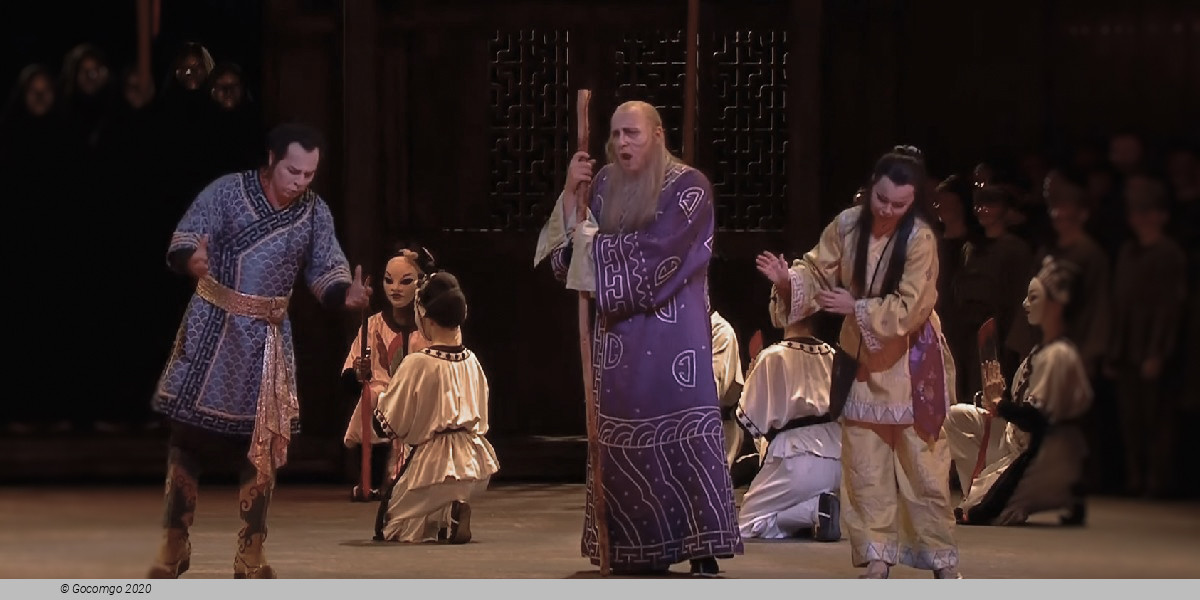
In China, beautiful Princess Turandot will only marry a suitor who can answer three secret riddles. A Mandarin announces the law of the land (Aria – Popolo di Pechino! – "People of Peking!"). The Prince of Persia has failed to answer the three riddles, and he is to be beheaded at the next rising moon. As the crowd surges towards the gates of the palace, the imperial guards brutally repulse them, causing a blind old man to be knocked to the ground. The old man's slave-girl, Liù, cries out for help. A young man hears her cry and recognizes that the old man is his long-lost father, Timur, the deposed king of Tartary. The young Prince of Tartary is overjoyed at seeing Timur alive, but still urges Timur to not speak his name because he is afraid that the Chinese rulers, who have conquered Tartary, may kill or harm them. Timur then tells his son that, of all his servants, only Liù has remained faithful to him. When the Prince asks her why, she tells him that once, long ago in the palace, the Prince had smiled at her (Trio with chorus – The crowd, Liù, Prince of Tartary, Timur: Indietro, cani! – "Back, dogs!").
The moon rises, and the crowd's cries for blood dissolve into silence. The doomed Prince of Persia, who is on his way to be executed, is led before the crowd. The young Prince is so handsome and kind that the crowd and the Prince of Tartary decide that they want Turandot to act compassionately, and they beg Turandot to appear and spare his life (Aria – The crowd, Prince of Tartary: O giovinetto! – "O youth!"). She then appears, and with a single imperious gesture, orders the execution to continue. The Prince of Tartary, who has never seen Turandot before, falls immediately in love with her, and joyfully cries out Turandot's name three times, foreshadowing the riddles to come. Then the Prince of Persia cries out Turandot’s name one final time, mirroring the Prince of Tartary. The crowd, horrified, screams out one final time and the Prince of Persia is beheaded.
The Prince of Tartary is dazzled by Turandot's beauty. He is about to rush towards the gong and to strike it three times – the symbolic gesture of whoever wishes to attempt to solve the riddles so that he can marry Turandot – when the ministers Ping, Pang, and Pong appear. They urge him cynically to not lose his head for Turandot and to instead go back to his own country (Fermo, che fai?). Timur urges his son to desist, and Liù, who is secretly in love with the Prince, pleads with him not to attempt to solve the riddles (Signore, ascolta! – "Lord, hear!"). Liù's words touch the Prince's heart. He begs Liù to make Timur's exile more bearable by not abandoning Timur if the Prince fails to answer the riddles (Non piangere, Liù – "Do not cry, Liù"). The three ministers, Timur, and Liù then try one last time to stop the Prince (Ah! Per l'ultima volta! – "Ah! For the last time!") from attempting to answer the riddles, but he refuses to heed their advice.
He calls Turandot's name three times, and each time Liù, Timur, and the ministers reply, "Death!" and the crowd declares, "We're already digging your grave!" Rushing to the gong that hangs in front of the palace, the Prince strikes it three times, declaring himself to be a suitor. From the palace balcony, Turandot accepts his challenge, as Ping, Pang, and Pong laugh at the Prince's foolishness.
Act 2
Scene 1: A pavilion in the imperial palace. Before sunrise
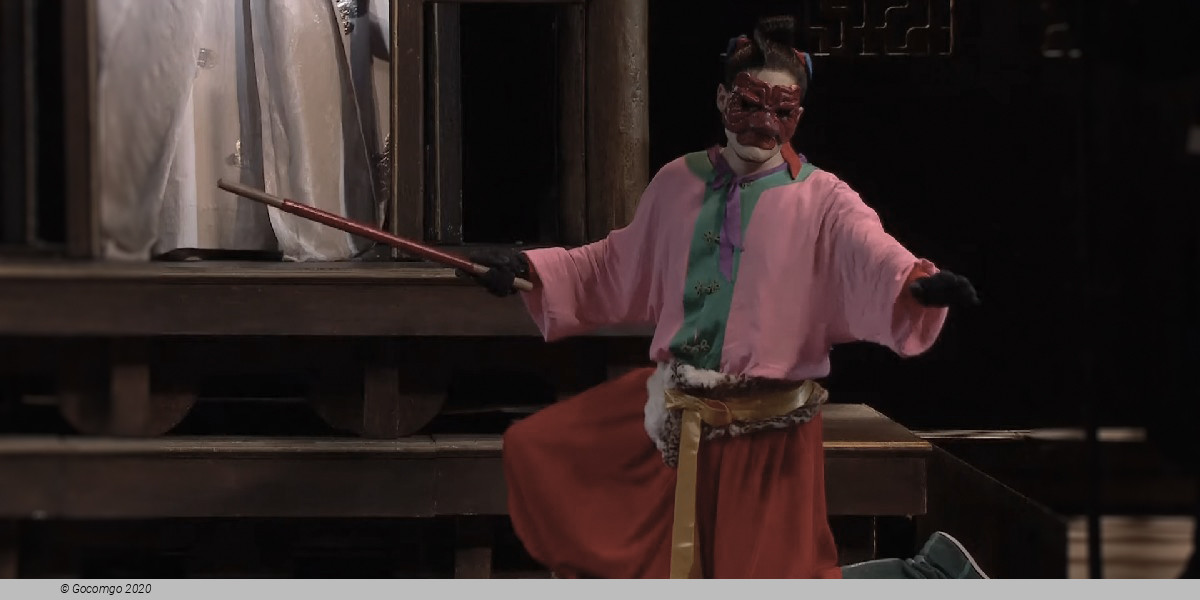
Ping, Pang, and Pong lament their place as ministers, poring over palace documents and presiding over endless rituals. They prepare themselves for either a wedding or a funeral (Trio – Ping, Pang, Pong: Ola, Pang!). Ping suddenly longs for his country house in Honan, with its small lake surrounded by bamboo. Pong remembers his grove of forests near Tsiang, and Pang recalls his gardens near Kiu. The three share their fond memories of their lives away from the palace (Trio – Ping, Pang, Pong: Ho una casa nell'Honan – "I have a house in Honan"). They turn their thoughts back to how they have been accompanying young princes to their deaths. As the palace trumpet sounds, the ministers ready themselves for another spectacle as they await the entrance of their Emperor.
Scene 2: The courtyard of the palace. Sunrise
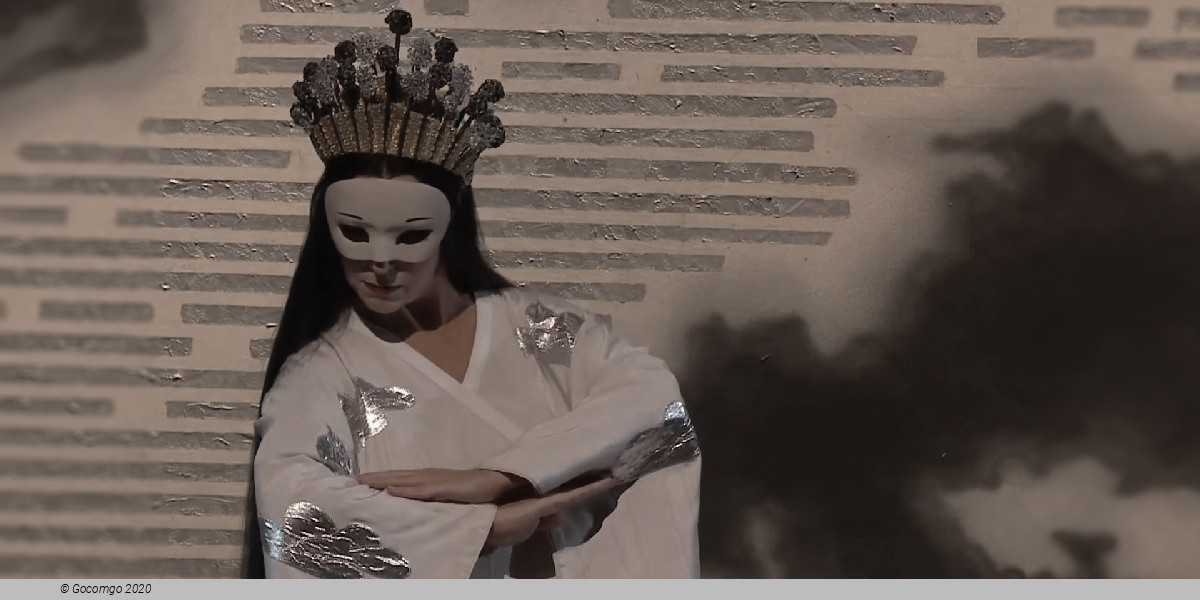
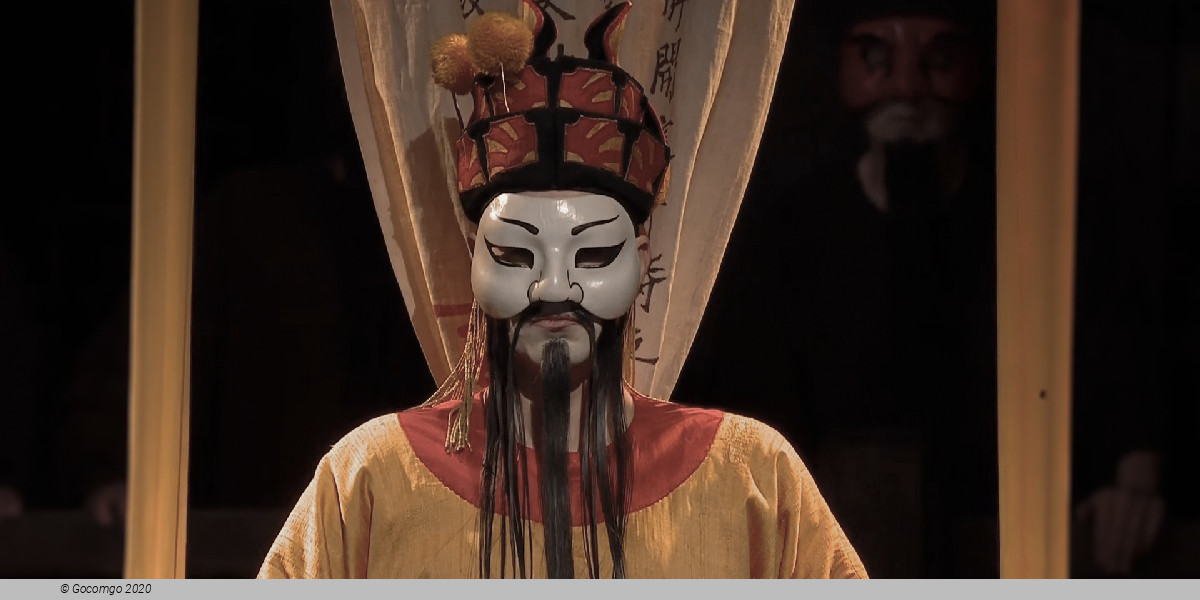
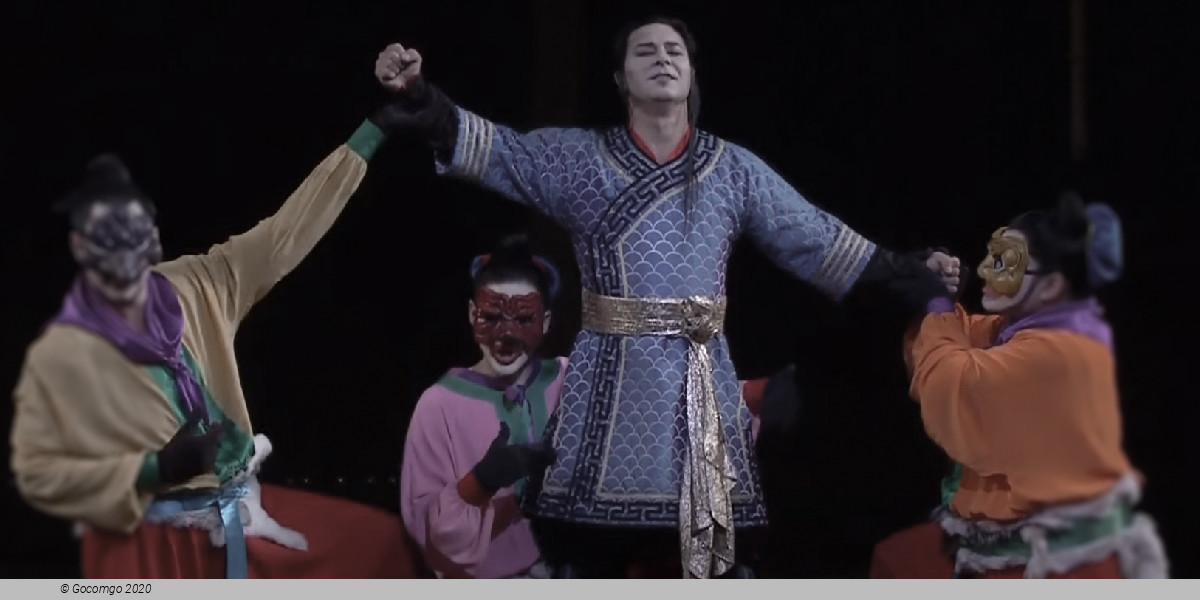
The Emperor Altoum, father of Turandot, sits on his grand throne in his palace. Weary of having to judge his isolated daughter's sport, he urges the Prince to withdraw his challenge, but the Prince refuses (Aria – Altoum, the Prince: Un giuramento atroce – "An atrocious oath"). Turandot enters and explains (In questa reggia – "In this palace") that her ancestress of millennia past, Princess Lo-u-Ling, reigned over her kingdom "in silence and joy, resisting the harsh domination of men" until she was raped and murdered by an invading foreign prince. Turandot claims that Lo-u-Ling now lives in her, and out of revenge, Turandot has sworn to never let any man wed her. She warns the Prince to withdraw but again he refuses. The Princess presents her first riddle: Straniero, ascolta! – "What is born each night and dies each dawn?" The Prince correctly replies, Speranza – "Hope." The Princess, unnerved, presents her second riddle (Guizza al pari di fiamma – "What flickers red and warm like a flame, but is not fire?") The Prince thinks for a moment before replying, Sangue – "Blood". Turandot is shaken. The crowd cheers the Prince, provoking Turandot's anger. She presents her third riddle (Gelo che ti da foco – "What is ice which gives you fire and which your fire freezes still more?"). He proclaims, "It is Turandot! Turandot!"
The crowd cheers for the triumphant Prince. Turandot throws herself at her father's feet and pleads with him not to leave her to the Prince's mercy. The Emperor insists that an oath is sacred and that it is Turandot's duty to wed the Prince (Duet – Turandot, Altoum, the Prince: Figlio del cielo). She cries out in despair, "Will you take me by force? (Mi porterai con la forza?) The Prince stops her, saying that he has a riddle for her: Tre enigmi m'hai proposto – "You do not know my name. Tell me my name before sunrise, and at dawn, I will die." Turandot accepts. The Emperor then declares that he hopes that he will be able to call the Prince his son when the sun next rises.
Act 3
Scene 1: The palace gardens. Night
In the distance, heralds call out Turandot's command: Cosi comanda Turandot – "This night, none shall sleep in Peking! The penalty for all will be death if the Prince's name is not discovered by morning". The Prince waits for dawn and anticipates his victory: Nessun dorma – "Let no one sleep!"
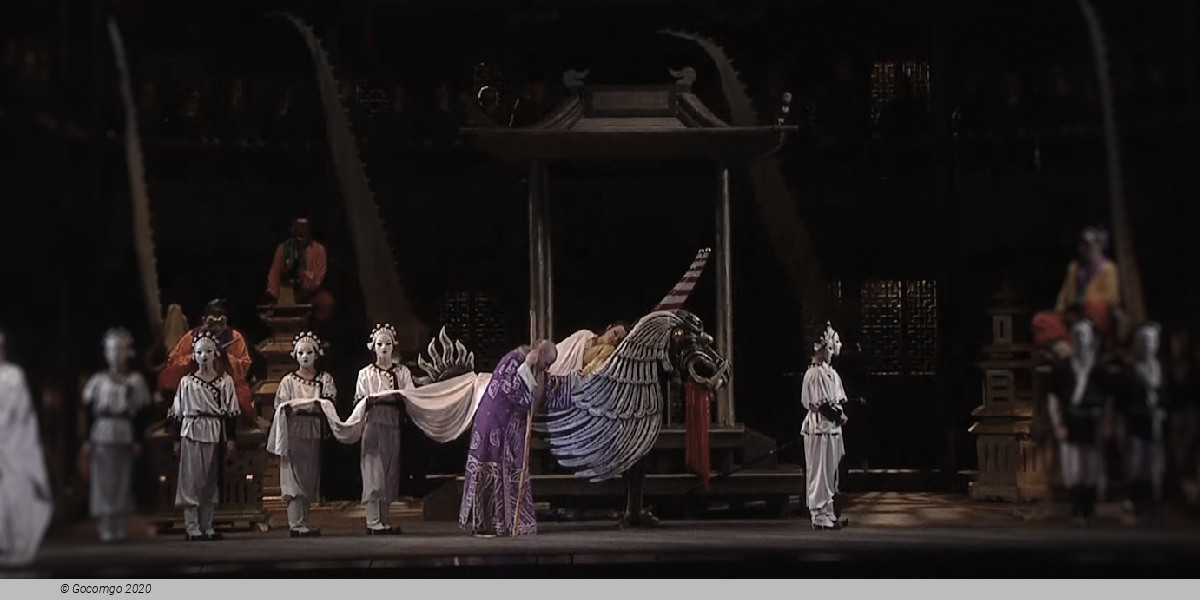
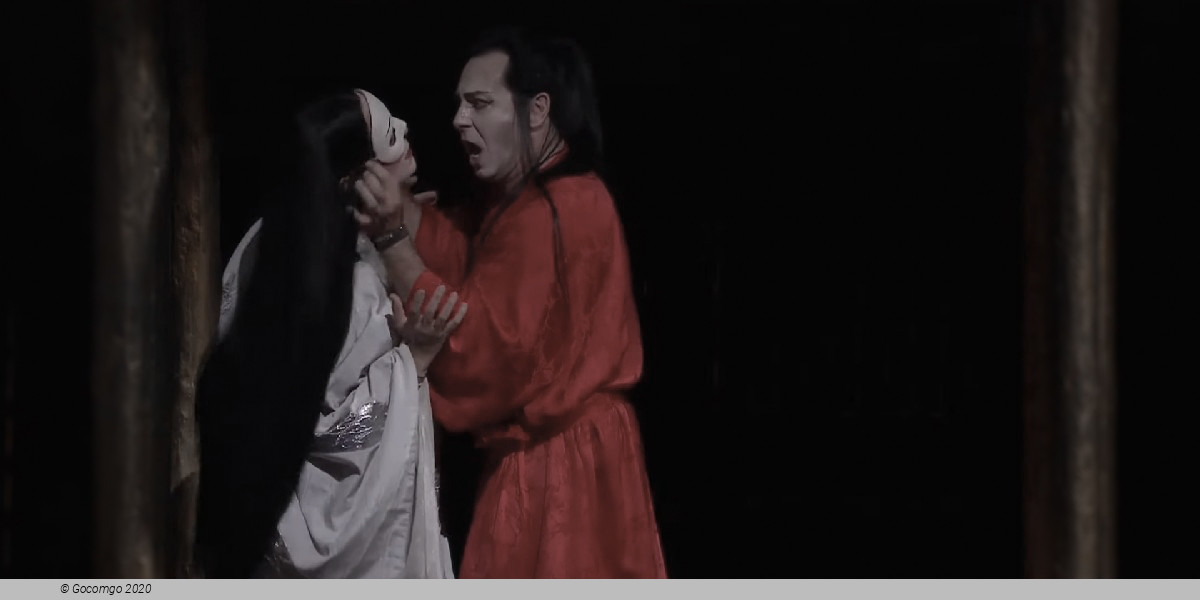
Ping, Pong, and Pang appear and offer the Prince women and riches if he will only give up Turandot (Tu che guardi le stelle), but he refuses. A group of soldiers then drag in Timur and Liù. They have been seen speaking to the Prince, so they must know his name. Turandot enters and orders Timur and Liù to speak. The Prince feigns ignorance, saying they know nothing. But when the guards begin to treat Timur harshly, Liù declares that she alone knows the Prince's name, but she will not reveal it. Ping demands the Prince's name, and when Liù refuses to say it, she is tortured. Turandot is clearly taken aback by Liù's resolve and asks Liù who or what gave her such a strong resolve. Liù answers, "Princess, love!" (Principessa, amore!). Turandot demands that Ping tear the Prince's name from Liù, and Ping orders Liù to be tortured even more. Liù counters Turandot (Tu che di gel sei cinta – "You who are encircled by ice"), saying that Turandot too will learn the exquisite joy of being guided by caring and compassionate love. Having spoken, Liù seizes a dagger from a soldier's belt and stabs herself. As she staggers towards the Prince and falls dead, the crowd screams for her to speak the Prince's name. Since Timur is blind, he must be told about Liù's death, and he cries out in anguish. When Timur warns that the gods will be offended by Liù's death, the crowd becomes subdued, very afraid and ashamed. The grieving Timur and the crowd follow Liù's body as it is carried away. Everybody departs, leaving the Prince and Turandot alone. He reproaches Turandot for her cruelty (Duet – The Prince, Turandot: Principessa di morte – "Princess of death"), then takes her in his arms and kisses her in spite of her resistance.
The Prince tries to persuade Turandot to love him. At first, she feels disgusted, but after he kisses her, she feels herself becoming more ardently desiring to be held and compassionately loved by him. She admits that ever since she met the Prince, she realized she both hated and loved him. She asks him to ask for nothing more and to leave, taking his mystery with him. The Prince, however, then reveals his name: "Calaf, son of Timur – Calaf, figlio di Timur", thereby placing his life in Turandot's hands. She can now destroy him if she wants (Duet – Turandot, Calaf: Del primo pianto).
Scene 2: The courtyard of the palace. Dawn
Turandot and Calaf approach the Emperor's throne. She declares that she knows the Prince's name: Diecimila anni al nostro Imperatore! – "It is ... love!" The crowd sings and acclaims the two lovers (O sole! Vita! Eternità).










 Römersteinbruch 1