








Royal Opera House (Covent Garden): The Nightingale Tickets | Event Dates & Schedule | GoComGo.com

The Nightingale Tickets

Royal Opera House (Covent Garden), London, Great Britain
Important Info
Type: Opera
City: London, Great Britain
Sung in: Russian
Titles in: English

E-tickets: Print at home or at the box office of the event if so specified. You will find more information in your booking confirmation email.

You can only select the category, and not the exact seats.
If you order 2 or 3 tickets: your seats will be next to each other.
If you order 4 or more tickets: your seats will be next to each other, or, if this is not possible, we will provide a combination of groups of seats (at least in pairs, for example 2+2 or 2+3).

Cast
Performers
Choose the date to see the peformers
History
Premiere of this production: 26 May 1914, Palais Garnier, Paris

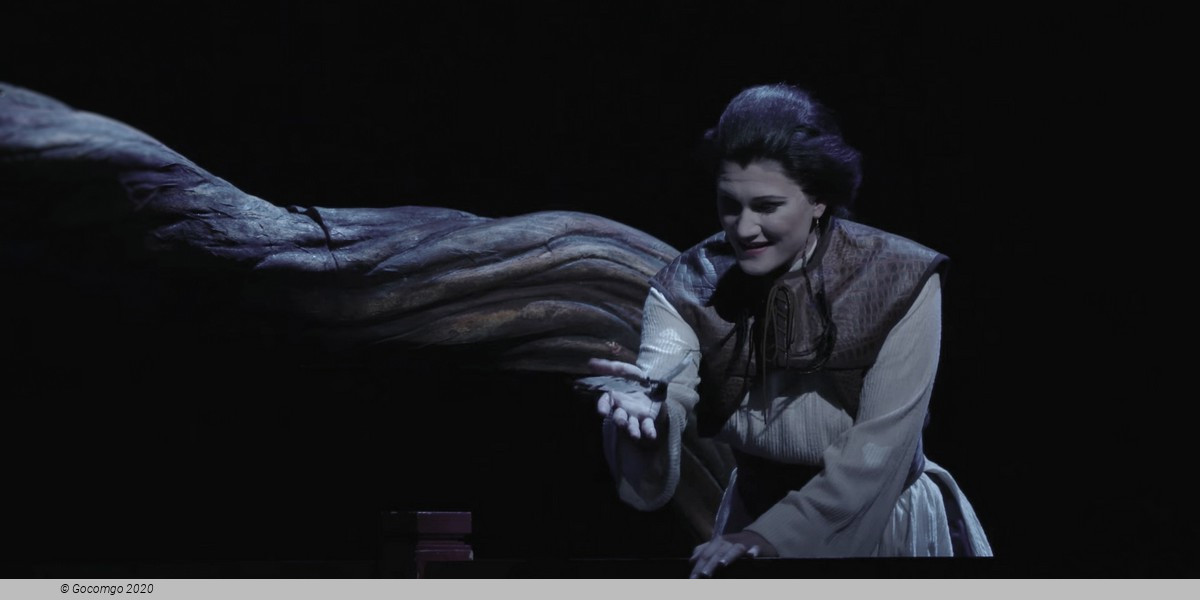
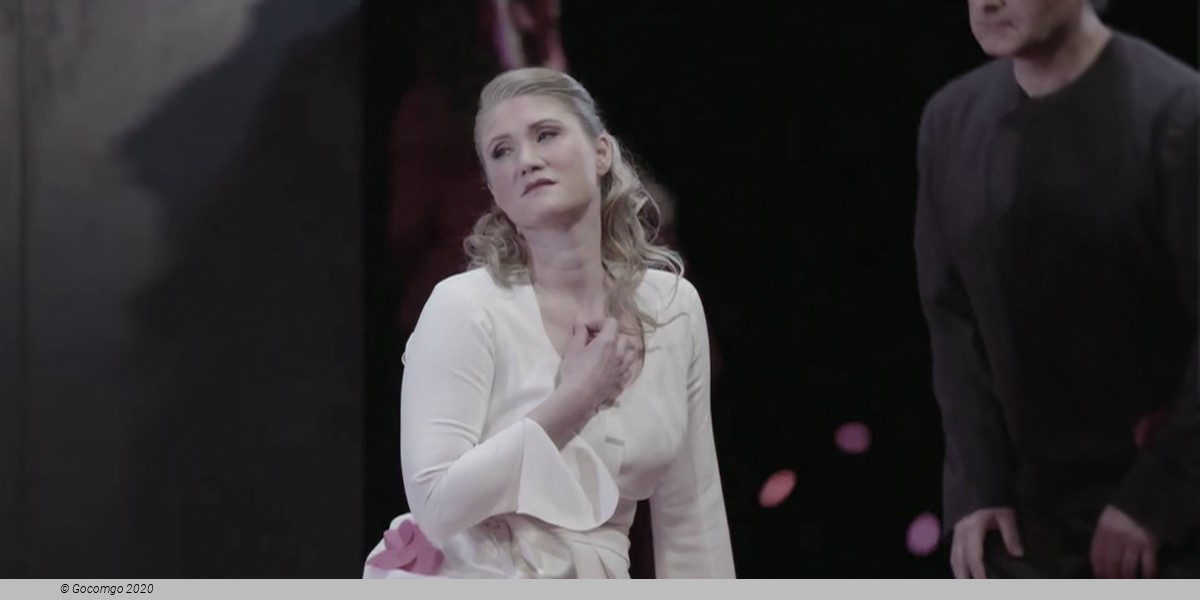
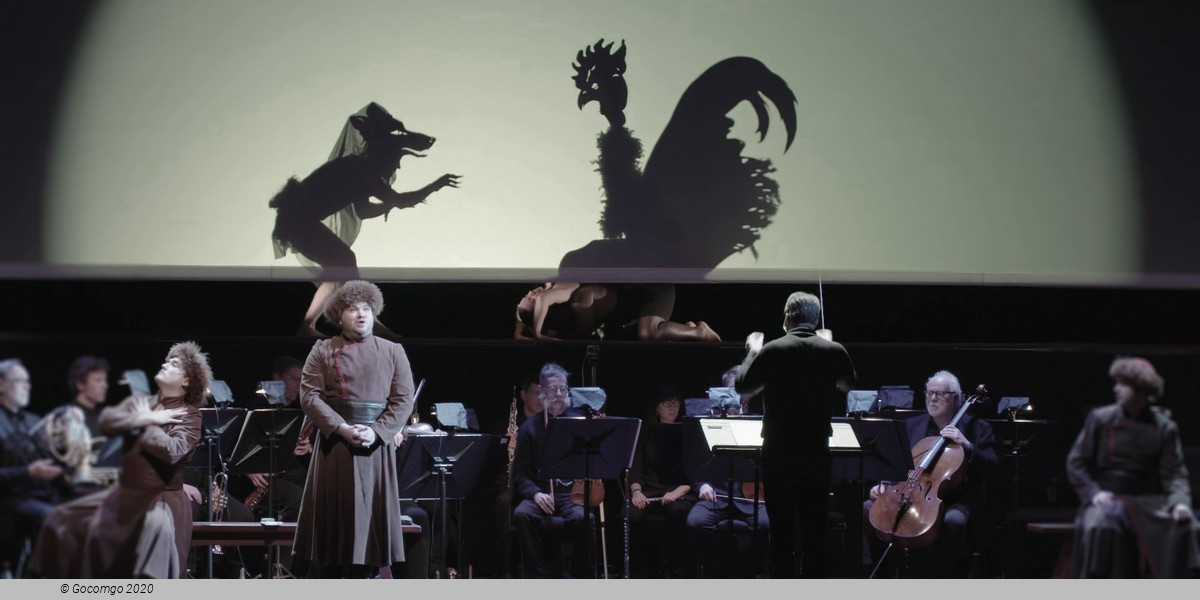
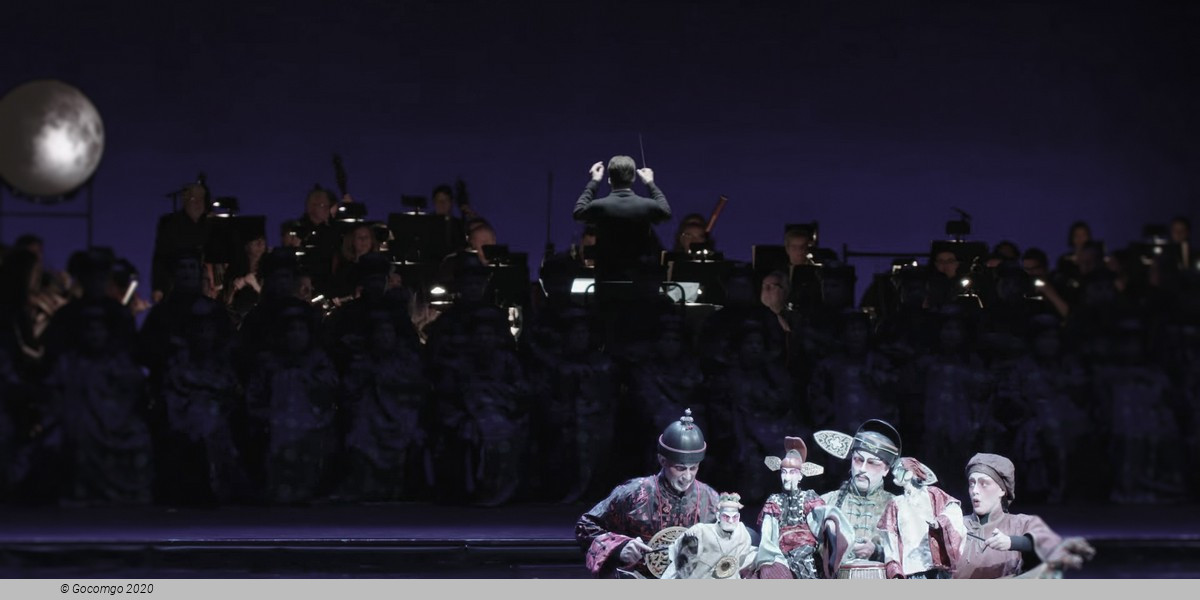
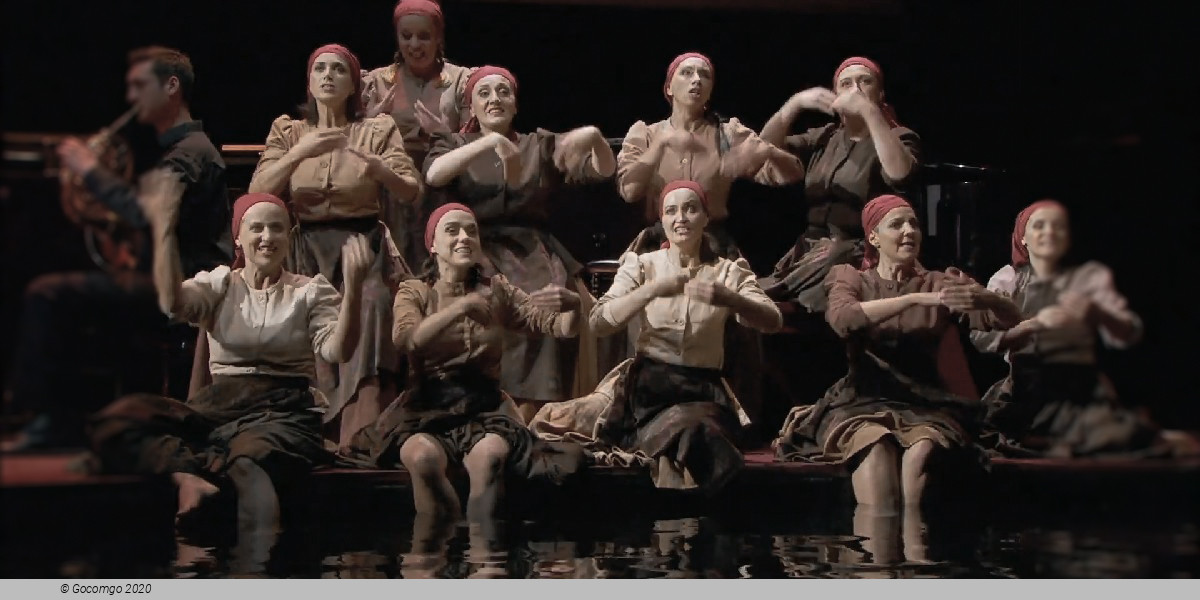
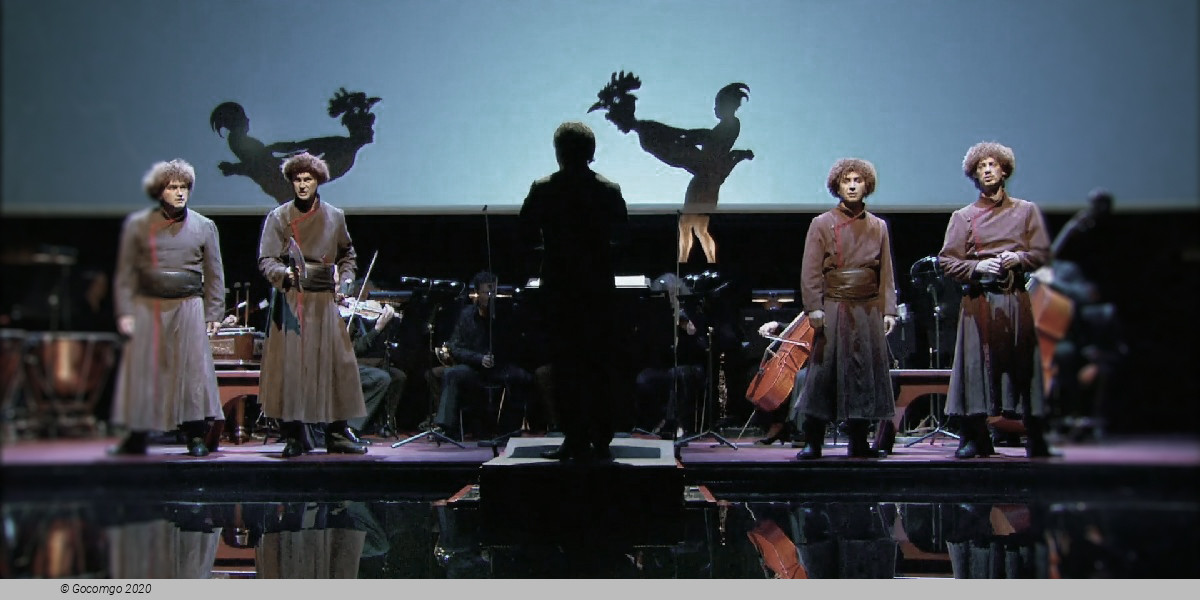
The Nightingale (French: Le Rossignol) is a Russian conte lyrique in three acts by Igor Stravinsky. The libretto, based on the tale of The Nightingale by Hans Christian Andersen, was written by the composer and Stepan Mitussov. It was first performed on 26 May 1914 by the Ballets Russes at the Palais Garnier in Paris.

Synopsis

Time: Ancient times
Place: China.
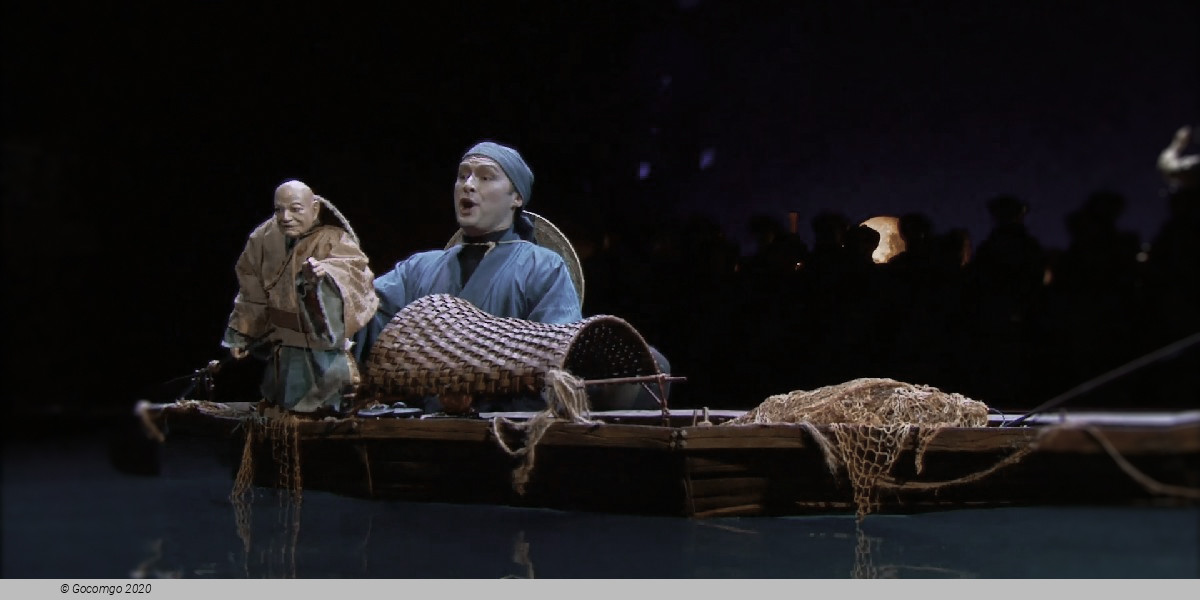
The Fisherman acts as commentator on the story's events
.

Act 1
At the seashore just before sunrise, a Fisherman hears the song of the Nightingale, which causes him to forget his troubles. The Cook has brought officials from the court of the Emperor to hear the Nightingale, telling of the beauty of its singing. However, the Nightingale is nowhere to be heard. The Court Chamberlain promises the Cook a position as private cook to the Emperor, if she can find the Nightingale, who finally appears, and receives an invitation from the Cook and the Chamberlain to sing for the Emperor. The Nightingale accepts the invitation, but says that its sweetest song is in the forest.

Act 2
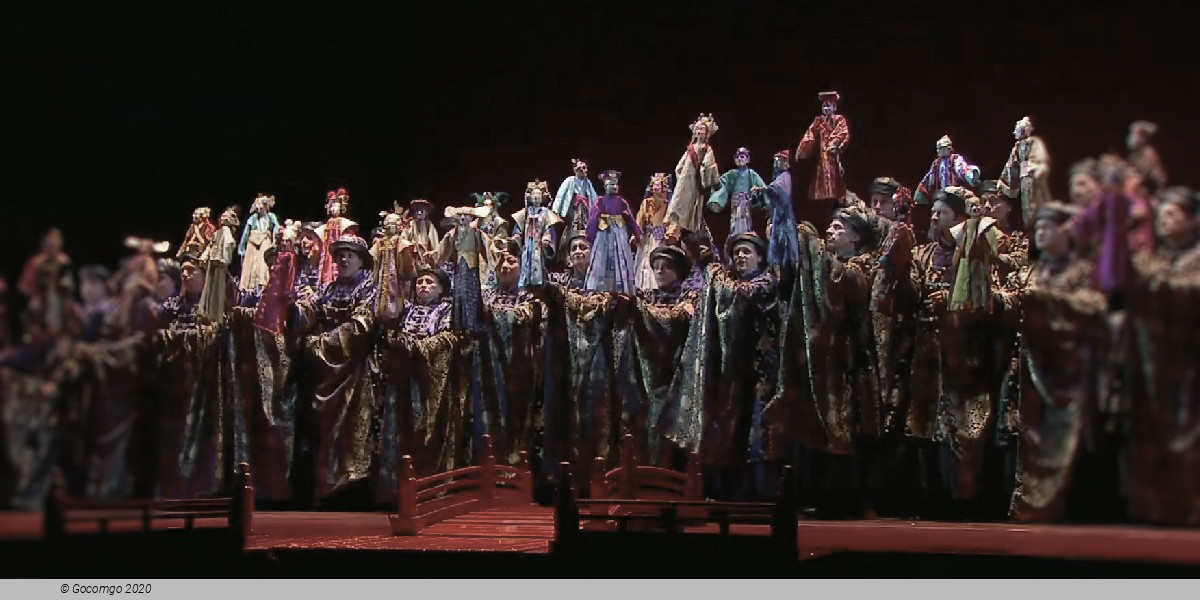
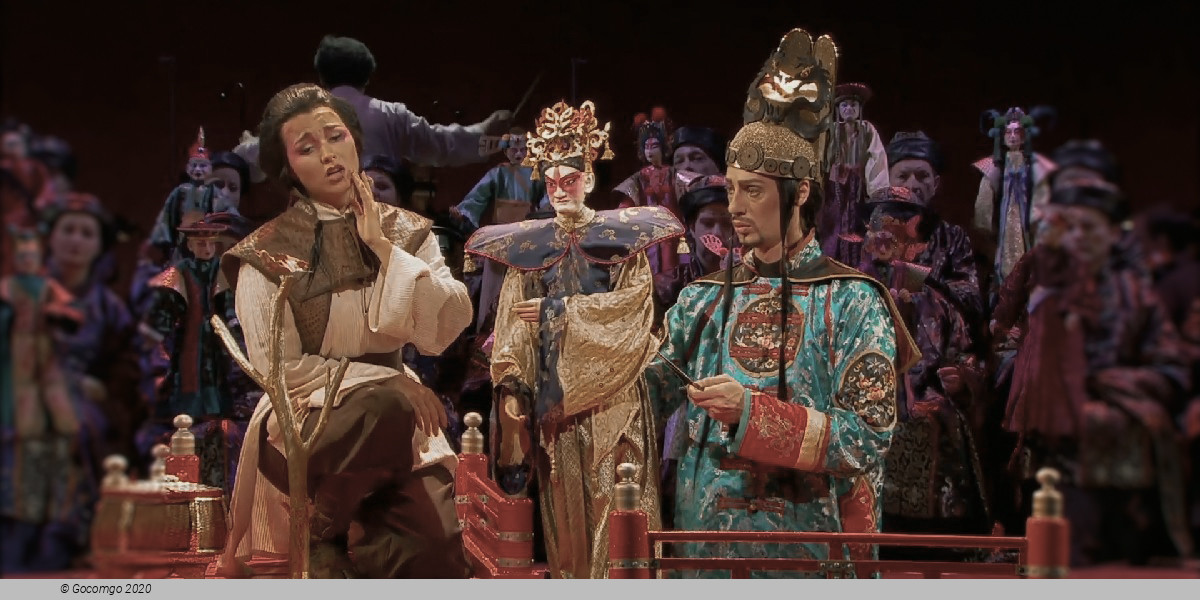
Courtiers festoon the palace with lanterns in advance of the singing of the Nightingale. The Cook describes the Nightingale to the courtiers noting that it is small, gray and virtually invisible, but its song causes its listeners to cry. A procession denotes the Emperor's arrival. He commands the Nightingale to sing, and its singing touches him so deeply that he offers the bird a reward of a golden slipper to wear about its neck. Later, three Japanese emissaries offer the Emperor a mechanical nightingale, which begins to sing. The genuine bird flies away, and the angry emperor orders it banished from his realm. He names the mechanical bird "first singer".

Act 3
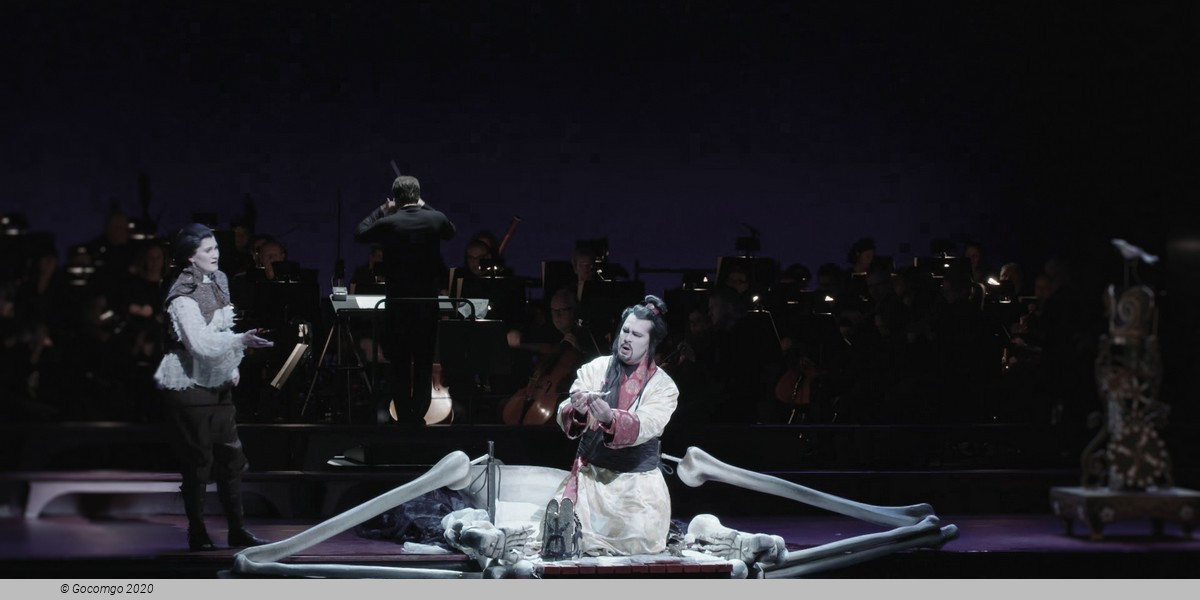
The Emperor is ill and near death; the figure of Death appears in the Emperor's chamber. The ghosts of the Emperor's past deeds visit him while he calls for his court musicians, but the genuine nightingale has reappeared, in defiance of the imperial edict, and has begun to sing. Death hears the Nightingale's song and is greatly moved, and asks it to continue, which it does on condition that Death returns to the emperor his crown, sword and standard. Death assents and gradually removes himself from the scene as the Nightingale continues to sing. The Emperor slowly regains his strength, and on seeing the Nightingale, offers it the "first singer" post at court. The Nightingale says that it is satisfied with the Emperor's tears as reward, and promises to sing for him each night from dusk until dawn.

Venue Info

Royal Opera House (Covent Garden) - London
Location   Bow St, Covent Garden

The Royal Opera House (ROH) is an opera house and major performing arts venue in London and Great Britain. It is the home of The Royal Opera, The Royal Ballet, and the Orchestra of the Royal Opera House.

The large building is often referred to as simply "Covent Garden", after a previous use of the site of the opera house's original construction in 1732. It is the home of The Royal Opera, The Royal Ballet, and the Orchestra of the Royal Opera House. Originally called the Theatre Royal, it served primarily as a playhouse for the first hundred years of its history. In 1734, the first ballet was presented. A year later, Handel's first season of operas began. Many of his operas and oratorios were specifically written for Covent Garden and had their premieres there.

The current building is the third theatre on the site following disastrous fires in 1808 and 1856. The façade, foyer, and auditorium date from 1858, but almost every other element of the present complex dates from an extensive reconstruction in the 1990s. The main auditorium seats 2,256 people, making it the third largest in London, and consists of four tiers of boxes and balconies and the amphitheatre gallery. The proscenium is 12.20 m wide and 14.80 m high. The main auditorium is a Grade I listed building.

The Royal Opera, under the direction of Antonio Pappano, is one of the world’s leading opera companies. Based in the iconic Covent Garden theatre, it is renowned both for its outstanding performances of traditional opera and for commissioning new works by today’s leading opera composers, such as Harrison Birtwistle, Mark-Anthony Turnage and Thomas Adès.

The Royal Ballet is one of the world’s greatest ballet companies. Under the directorship of Kevin O’Hare, the Company unites tradition and innovation in world-class performances at our Covent Garden home.

The Company’s extensive repertory embraces 19th-century classics, the singular legacy of works by Founder Choreographer Frederick Ashton and Principal Choreographer Kenneth MacMillan and a compelling new canon by Resident Choreographer Wayne McGregor and Artistic Associate Christopher Wheeldon.

The Orchestra performs in concerts of their own, including performances at the Royal Opera House with Antonio Pappano. They have also performed at venues worldwide including Symphony Hall (Birmingham), Cadogan Hall, the Vienna Konzerthaus and on tour with The Royal Opera.

Members of the Orchestra play an active role in events across the Royal Opera House, including working with the Learning and Participation teams. The Orchestra accompanies performances that are streamed all over the world, including through cinema screenings and broadcasts. They appear on many CDs and DVDs including Pappano’s acclaimed studio recording of Tristan und Isolde with Plácido Domingo and Nina Stemme.

The Orchestra of the Royal Opera House was founded in 1946 when the Royal Opera House reopened after World War II.

Important Info
Type: Opera
City: London, Great Britain
Sung in: Russian
Titles in: English

E-tickets: Print at home or at the box office of the event if so specified. You will find more information in your booking confirmation email.

You can only select the category, and not the exact seats.
If you order 2 or 3 tickets: your seats will be next to each other.
If you order 4 or more tickets: your seats will be next to each other, or, if this is not possible, we will provide a combination of groups of seats (at least in pairs, for example 2+2 or 2+3).

Top of page