
Royal Opera House (Covent Garden) 22 November 2022 - The Rape of Lucretia  | GoComGo.com

The Rape of Lucretia 

Royal Opera House (Covent Garden), Linbury Theatre, London, Great Britain
All photos (5)
Select date and time
7:45 PM

E-tickets: Print at home or at the box office of the event if so specified. You will find more information in your booking confirmation email.

You can only select the category, and not the exact seats.
If you order 2 or 3 tickets: your seats will be next to each other.
If you order 4 or more tickets: your seats will be next to each other, or, if this is not possible, we will provide a combination of groups of seats (at least in pairs, for example 2+2 or 2+3).

Important Info
Type: Opera
City: London, Great Britain
Starts at: 19:45

E-tickets: Print at home or at the box office of the event if so specified. You will find more information in your booking confirmation email.

You can only select the category, and not the exact seats.
If you order 2 or 3 tickets: your seats will be next to each other.
If you order 4 or more tickets: your seats will be next to each other, or, if this is not possible, we will provide a combination of groups of seats (at least in pairs, for example 2+2 or 2+3).

Overview

In a world brutalised by conflict, one woman’s experience of horrific violence becomes the defining moment of an era.

In a world brutalised by conflict, one woman’s experience of horrific violence becomes the defining moment of an era.

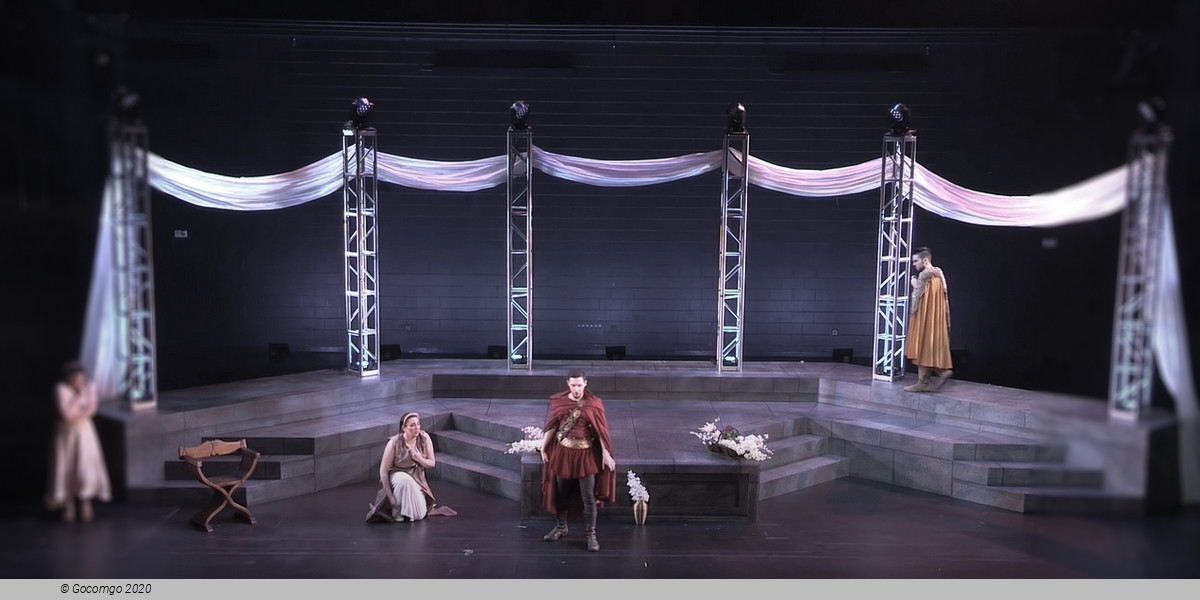
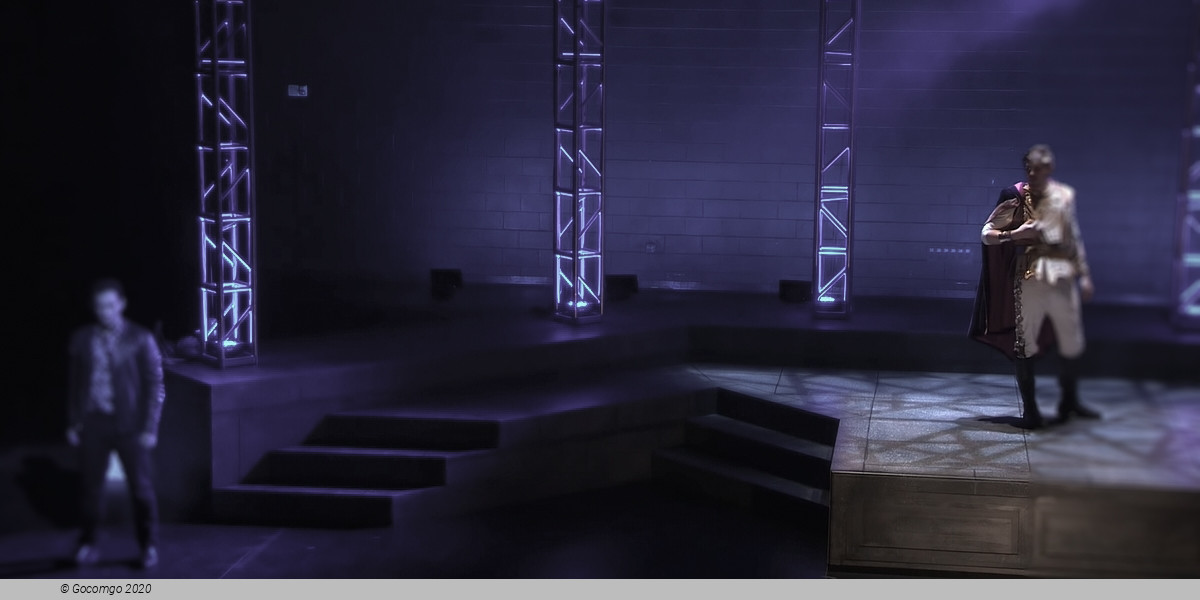
Benjamin Britten’s shattering chamber opera explores some of the darkest drives in the human psyche – and what happens when power and war give them free rein. In this contemporary new staging, Oliver Mears directs, while Corinna Niemeyer conducts a cast drawn from the Jette Parker Artists Programme and the Britten Pears Young Artist Programme.

History
Premiere of this production: 12 June 1946, Glyndebourne Festival Opera

The Rape of Lucretia is an opera in two acts by Benjamin Britten, written for Kathleen Ferrier, who performed the title role. Ronald Duncan based his English libretto on André Obey's play Le Viol de Lucrèce.

Synopsis

Prologue

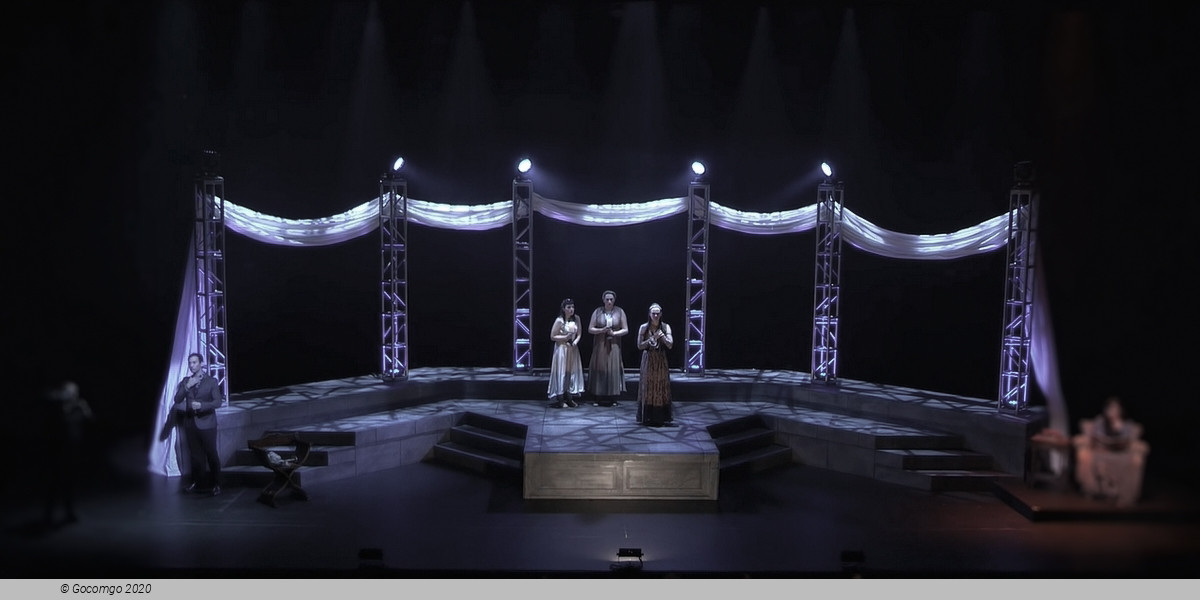
The Male and Female Choruses explain the situation in Rome: ruled by the foreigner Tarquinius Superbus and fighting off a Greek invasion, the city has sunk into depravity. The two choruses describe their own role as Christian interpreters of the pagan story about to begin. Throughout the opera the Male Chorus will narrate the thoughts of the male characters, and the Female Chorus those of the female characters.

Act 1

In an armed camp outside Rome, Tarquinius, Collatinus and Junius are drinking together. The previous night, a group of soldiers rode home unexpectedly to Rome to check on their wives, all of whom were caught betraying their husbands, with the single exception of Collatinus' wife Lucretia. Junius, whose wife was among the faithless majority, goads young Tarquinius, the king's son, into testing Lucretia's chastity himself. The impulsive prince calls for his horse and gallops off to the city alone.

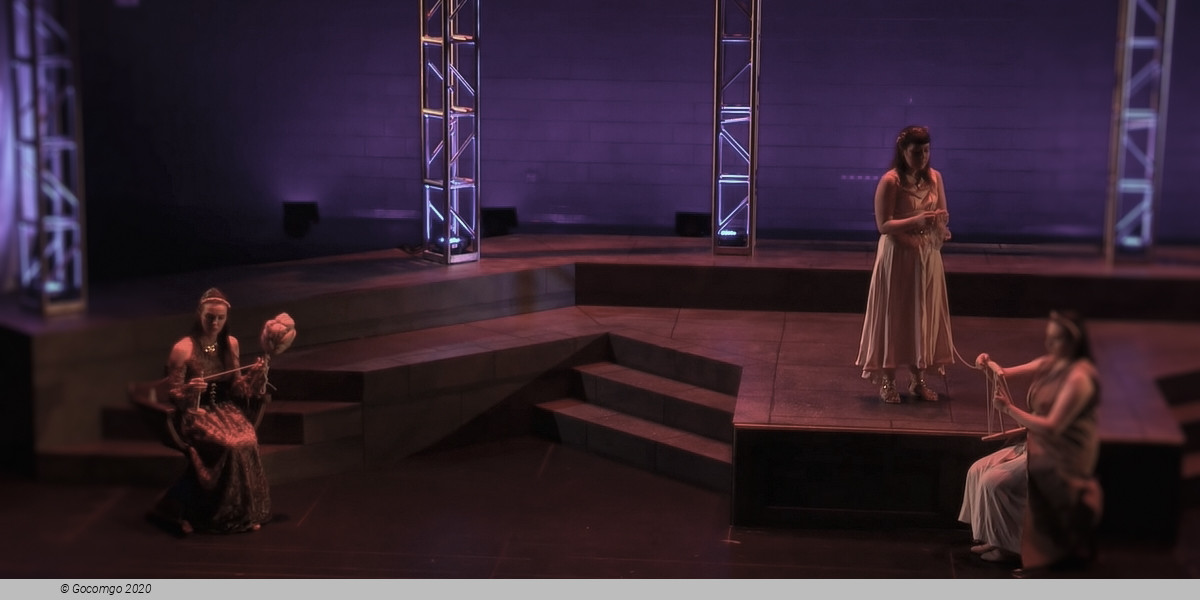
At Collatinus' house in Rome, Lucretia is patiently spinning with her servants Bianca and Lucia. She longs for her absent husband. As the women prepare for bed, there is a knock at the door: Tarquinius. Though fearful, they cannot refuse to offer the prince hospitality.

Act 2

As Lucretia sleeps, Tarquinius creeps into her bedroom and awakens her with a kiss. She begs him to go, but certain that she desires him, he rapes her.

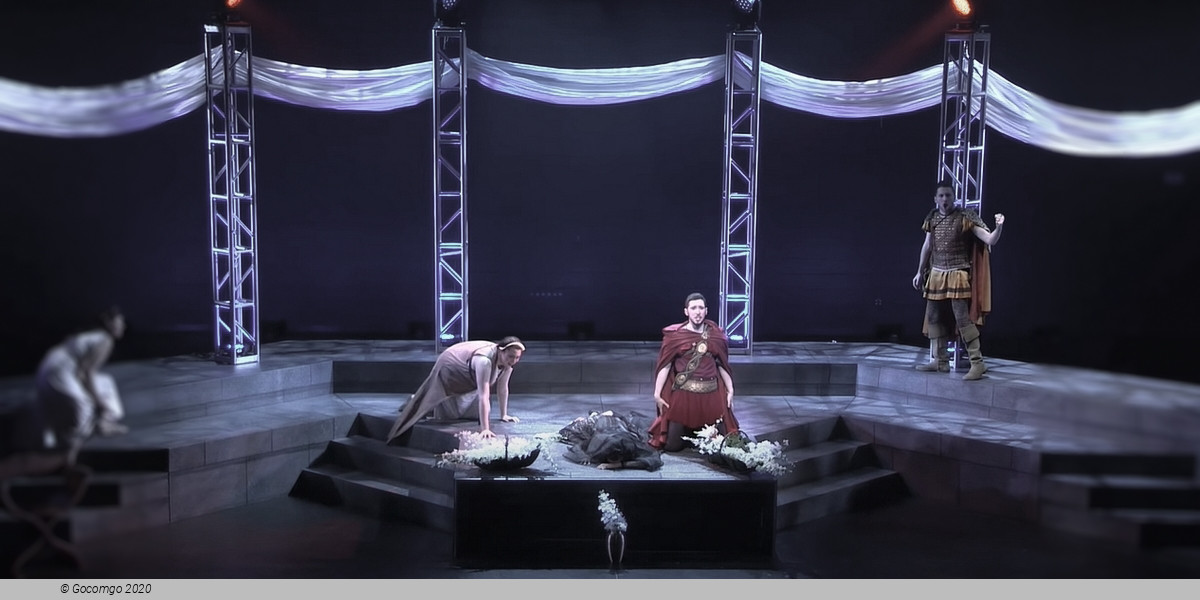
The following morning, Lucia and Bianca are glad to discover that Tarquinius has already left the house. Lucretia enters, calm but obviously devastated. She sends a messenger asking Collatinus to come home. Bianca tries to stop the messenger, but Collatinus arrives at once (accompanied by Junius). He comforts his wife lovingly, but she feels that she will never be clean again. She stabs herself and dies. All mourn. Junius plans to use this crime by the prince to spark a rebellion against the king.

The Female Chorus is left in despair at the moral emptiness of this story. But the Male Chorus tells her that all pain is given meaning, and all sin redeemed, in the suffering of Christ. The two end the opera with a prayer.

Venue Info

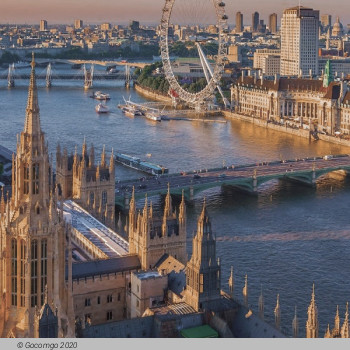
Royal Opera House (Covent Garden) - London
Location   Bow St, Covent Garden

The Royal Opera House (ROH) is an opera house and major performing arts venue in London and Great Britain. It is the home of The Royal Opera, The Royal Ballet, and the Orchestra of the Royal Opera House.

The large building is often referred to as simply "Covent Garden", after a previous use of the site of the opera house's original construction in 1732. It is the home of The Royal Opera, The Royal Ballet, and the Orchestra of the Royal Opera House. Originally called the Theatre Royal, it served primarily as a playhouse for the first hundred years of its history. In 1734, the first ballet was presented. A year later, Handel's first season of operas began. Many of his operas and oratorios were specifically written for Covent Garden and had their premieres there.

The current building is the third theatre on the site following disastrous fires in 1808 and 1856. The façade, foyer, and auditorium date from 1858, but almost every other element of the present complex dates from an extensive reconstruction in the 1990s. The main auditorium seats 2,256 people, making it the third largest in London, and consists of four tiers of boxes and balconies and the amphitheatre gallery. The proscenium is 12.20 m wide and 14.80 m high. The main auditorium is a Grade I listed building.

The Royal Opera, under the direction of Antonio Pappano, is one of the world’s leading opera companies. Based in the iconic Covent Garden theatre, it is renowned both for its outstanding performances of traditional opera and for commissioning new works by today’s leading opera composers, such as Harrison Birtwistle, Mark-Anthony Turnage and Thomas Adès.

The Royal Ballet is one of the world’s greatest ballet companies. Under the directorship of Kevin O’Hare, the Company unites tradition and innovation in world-class performances at our Covent Garden home.

The Company’s extensive repertory embraces 19th-century classics, the singular legacy of works by Founder Choreographer Frederick Ashton and Principal Choreographer Kenneth MacMillan and a compelling new canon by Resident Choreographer Wayne McGregor and Artistic Associate Christopher Wheeldon.

The Orchestra performs in concerts of their own, including performances at the Royal Opera House with Antonio Pappano. They have also performed at venues worldwide including Symphony Hall (Birmingham), Cadogan Hall, the Vienna Konzerthaus and on tour with The Royal Opera.

Members of the Orchestra play an active role in events across the Royal Opera House, including working with the Learning and Participation teams. The Orchestra accompanies performances that are streamed all over the world, including through cinema screenings and broadcasts. They appear on many CDs and DVDs including Pappano’s acclaimed studio recording of Tristan und Isolde with Plácido Domingo and Nina Stemme.

The Orchestra of the Royal Opera House was founded in 1946 when the Royal Opera House reopened after World War II.

Important Info
Type: Opera
City: London, Great Britain
Starts at: 19:45
Top of page