









Royal Opera House (Covent Garden) 19 July 2022 - Attila in concert | GoComGo.com

Attila in concert

Royal Opera House (Covent Garden), Main Stage, London, Great Britain
All photos (13)
Select date and time
7:30 PM

E-tickets: Print at home or at the box office of the event if so specified. You will find more information in your booking confirmation email.

You can only select the category, and not the exact seats.
If you order 2 or 3 tickets: your seats will be next to each other.
If you order 4 or more tickets: your seats will be next to each other, or, if this is not possible, we will provide a combination of groups of seats (at least in pairs, for example 2+2 or 2+3).

Important Info
Type: Opera
City: London, Great Britain
Starts at: 19:30
Intervals: 1
Duration: 2h 20min
Sung in: Italian
Titles in: English

E-tickets: Print at home or at the box office of the event if so specified. You will find more information in your booking confirmation email.

You can only select the category, and not the exact seats.
If you order 2 or 3 tickets: your seats will be next to each other.
If you order 4 or more tickets: your seats will be next to each other, or, if this is not possible, we will provide a combination of groups of seats (at least in pairs, for example 2+2 or 2+3).

Overview

Speranza Scappucci makes her Royal Opera debut conducting these special concert performances of one of Verdi’s most stirring operas.

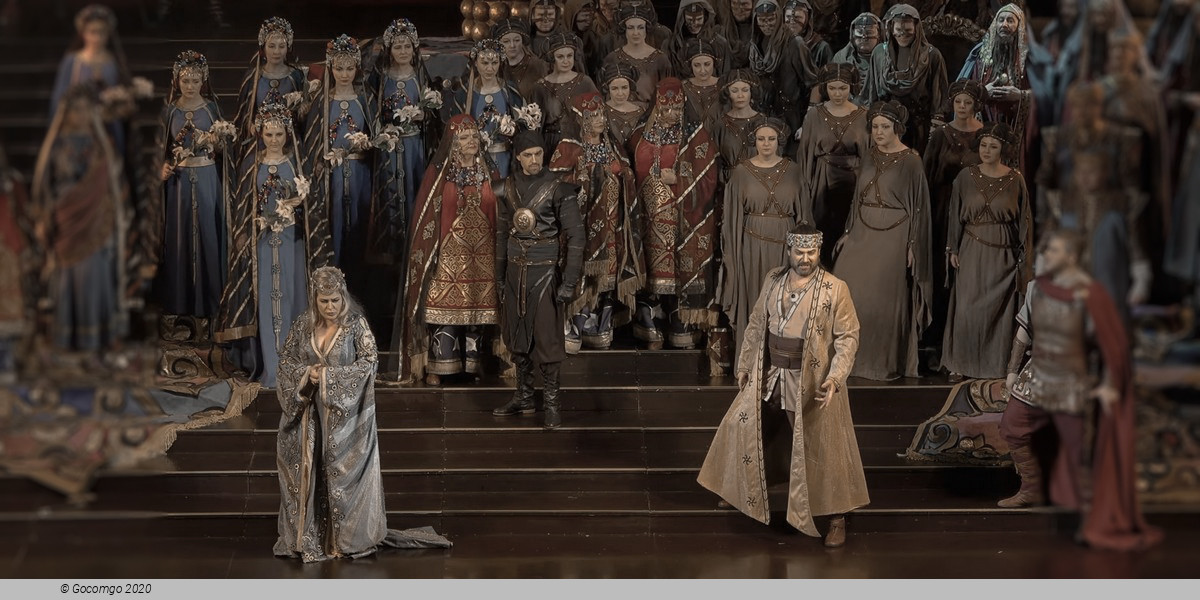
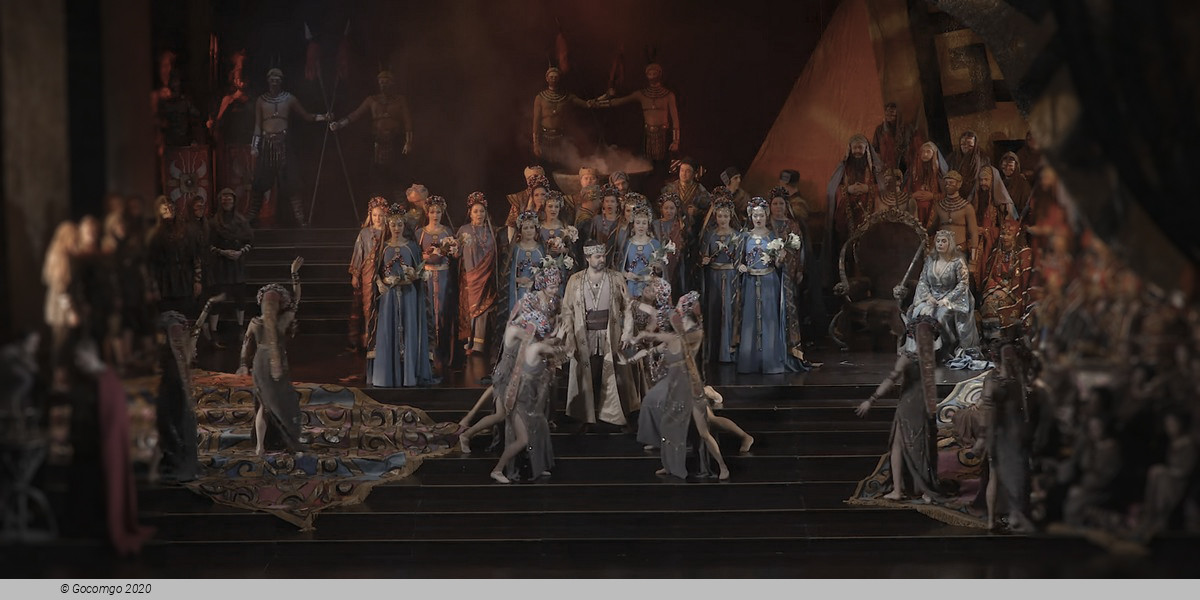
Italian conductor Speranza Scappucci makes her Royal Opera debut conducting these special concert performances of Verdi’s second opera for La Fenice in Venice, which tells the founding story of the city itself after the destruction of Aquileia by Attila, King of the Huns.

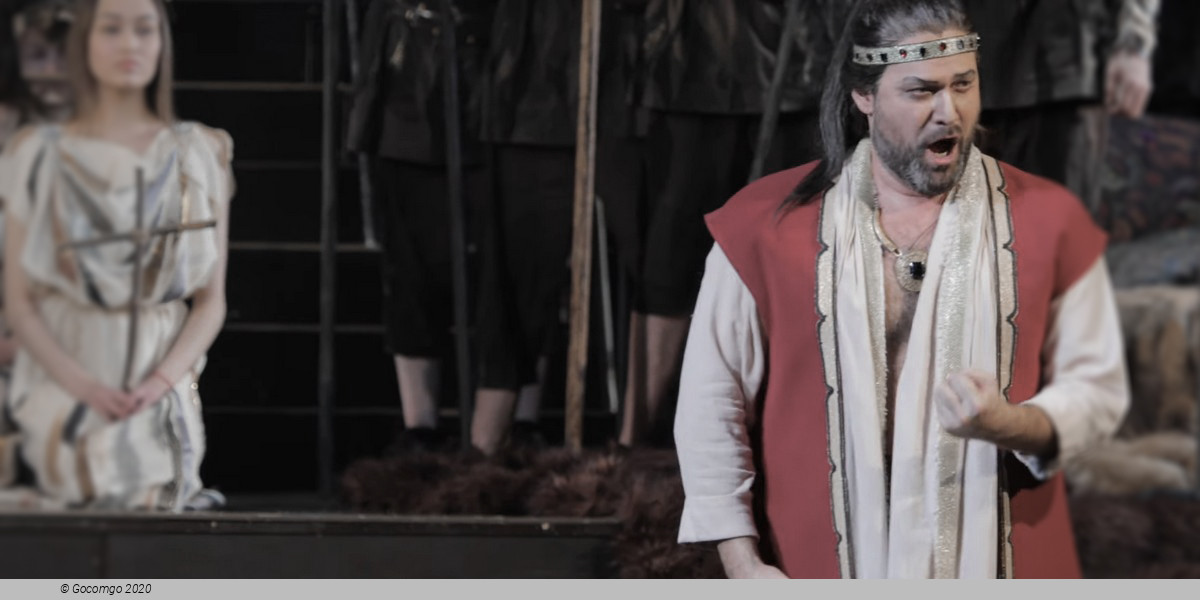
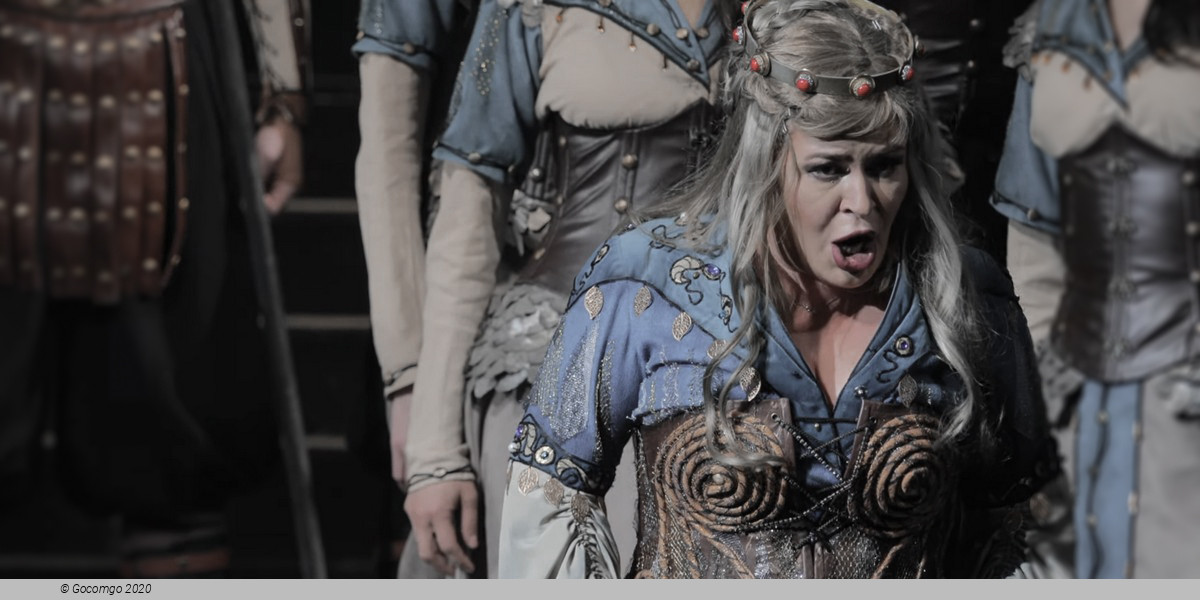
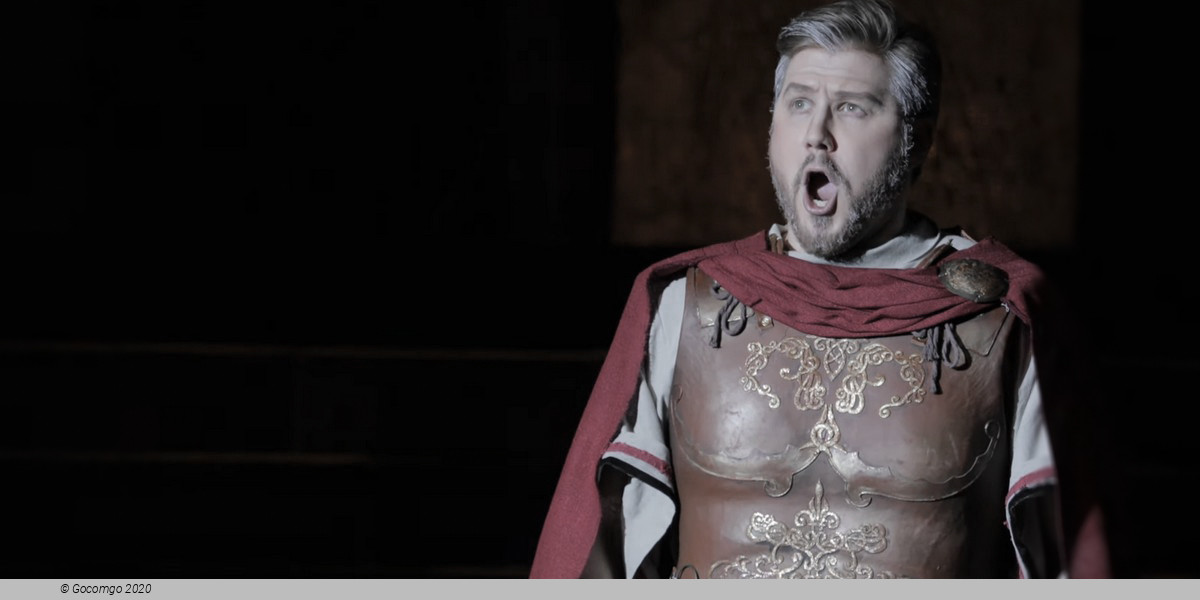
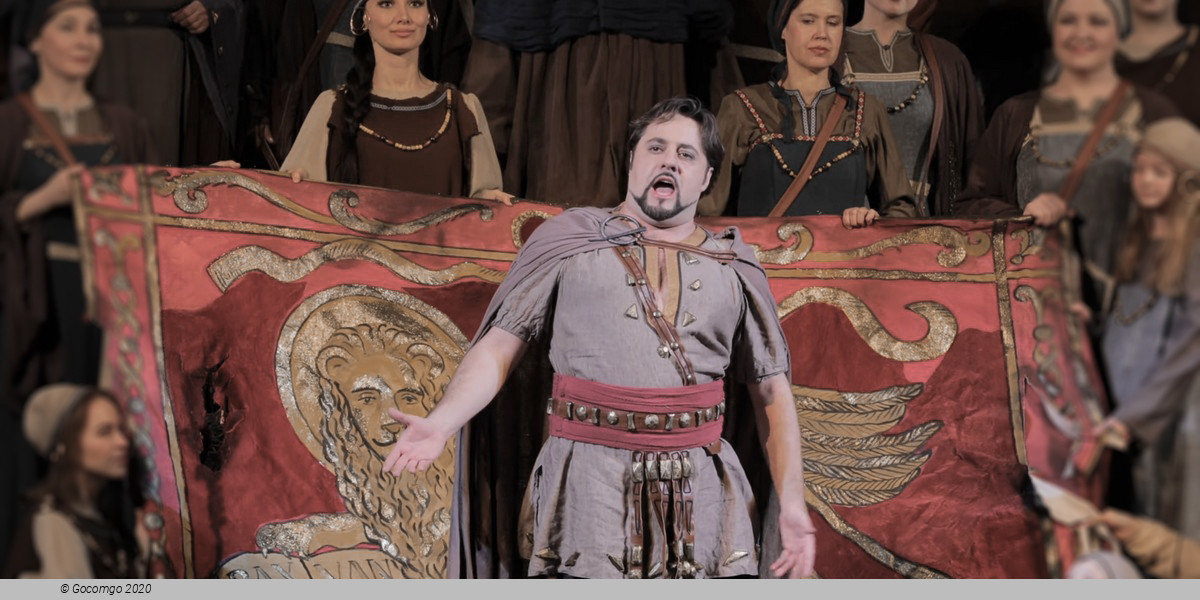
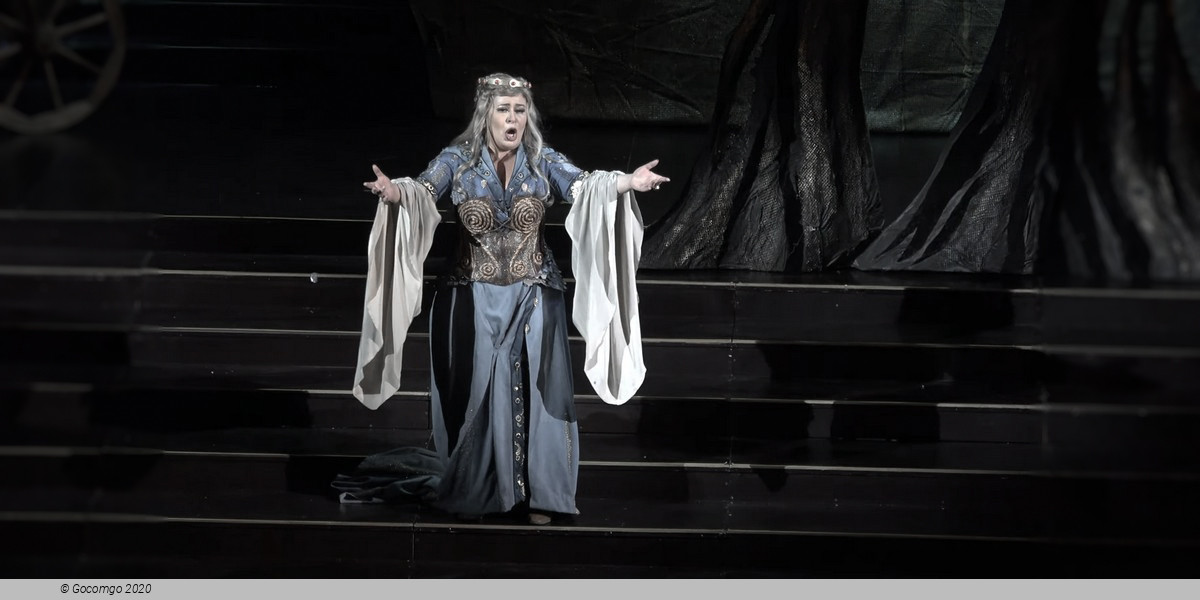
This is a rare opportunity to experience one of Verdi’s most stirring operas with a fantastic cast that includes Ildar Abdrazakov as the conquering Attila, Sondra Radvanovsky as Odabella, daughter of the Lord of the fateful Aquileia, Joseph Calleja as her lover Foresto and Simon Keenlyside as the heroic Roman General Ezio.

History
Premiere of this production: 17 March 1846, La Fenice in Venice

Attila is an opera in a prologue and three acts by Giuseppe Verdi to an Italian libretto by Temistocle Solera, based on the 1809 play Attila, König der Hunnen (Attila, King of the Huns) by Zacharias Werner. The opera received its first performance at La Fenice in Venice on 17 March 1846.

Synopsis

Time: Mid-5th century
Place: Aquileia, the Adriatic lagoons, and near Rome

Prologue

Scene 1: The ruined city of Aquileia
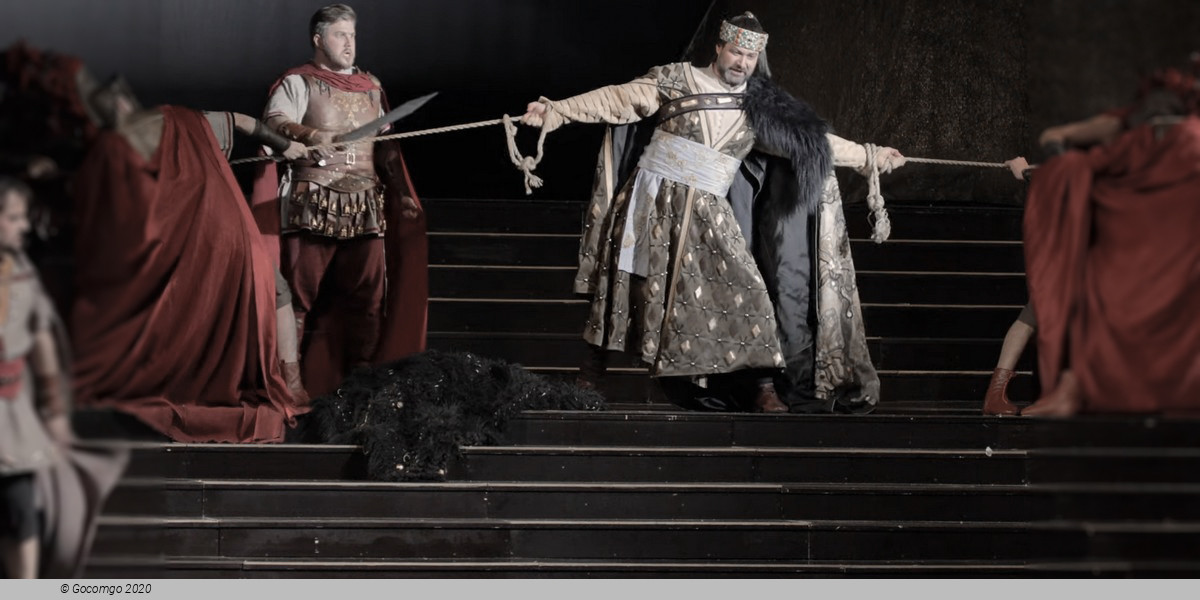
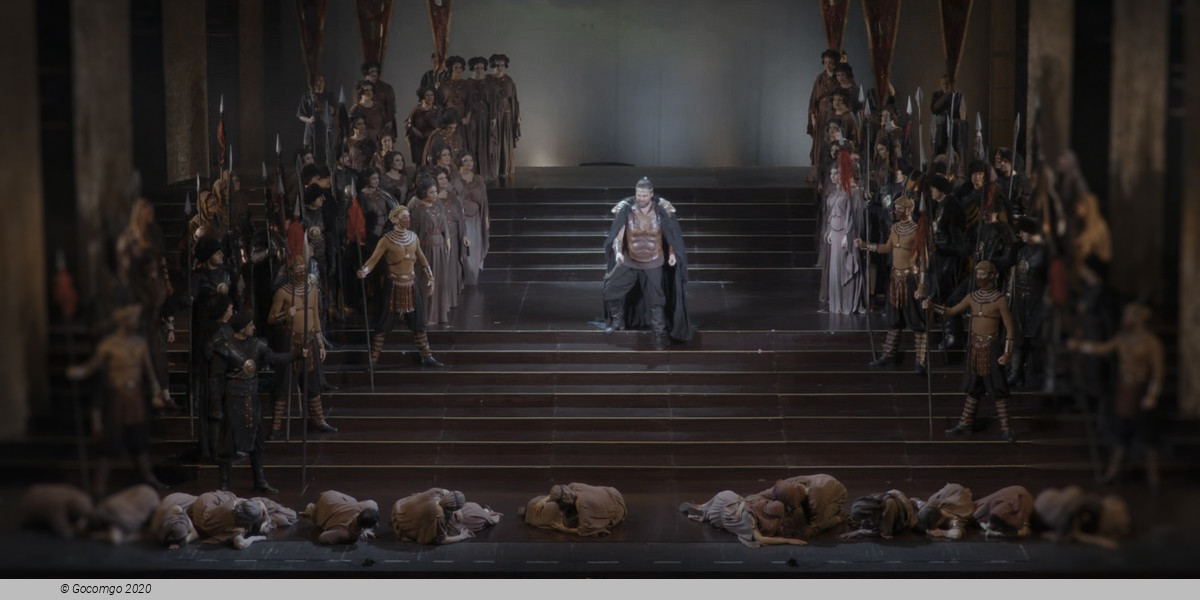
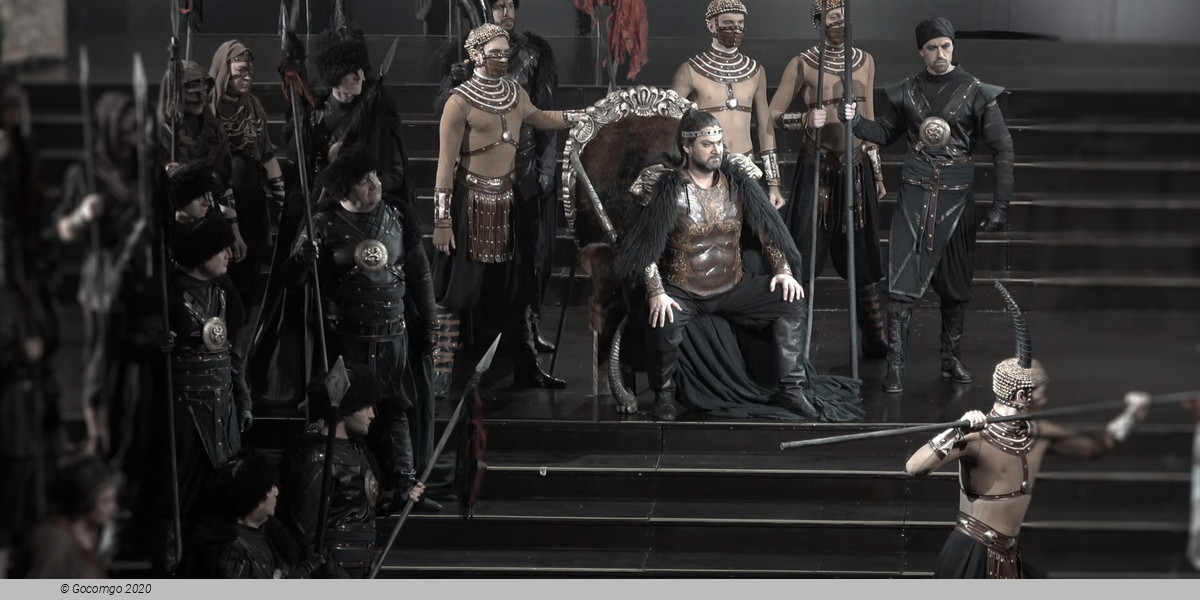
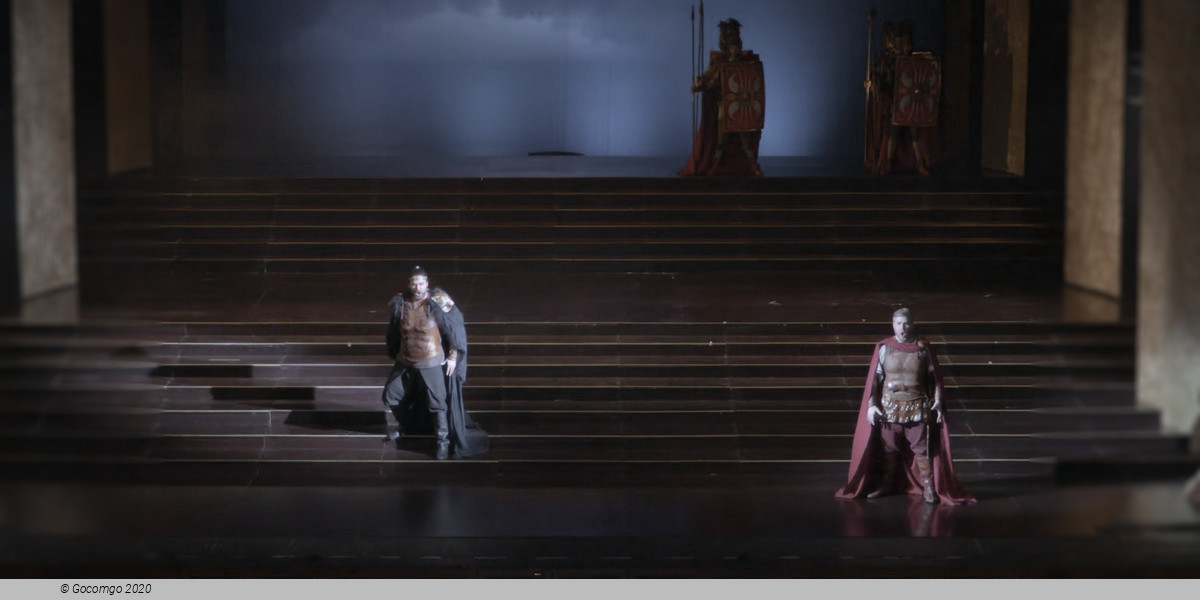
Attila and his victorious horde are surprised to see a group of women spared as prisoners of war. Their leader, Odabella, asks why the Huns' women remain at home (Allor che i forti corrono / "While your warriors rush to their swords like lions"). Attila, impressed by her courage, offers a boon and she asks for her sword, with which she intends to avenge the death of her father at Attila's own hand (Da te questo or m'è concesso / "O sublime, divine justice by thee is this now granted"). The Roman envoy Ezio asks for an audience and proposes a division of the empire: Avrai tu l'universo, Resti l'Italia a me / "You may have the universe, but let Italy remain mine". Attila disdainfully calls him a traitor to his country.

Scene 2: A swamp, the future site of Venice
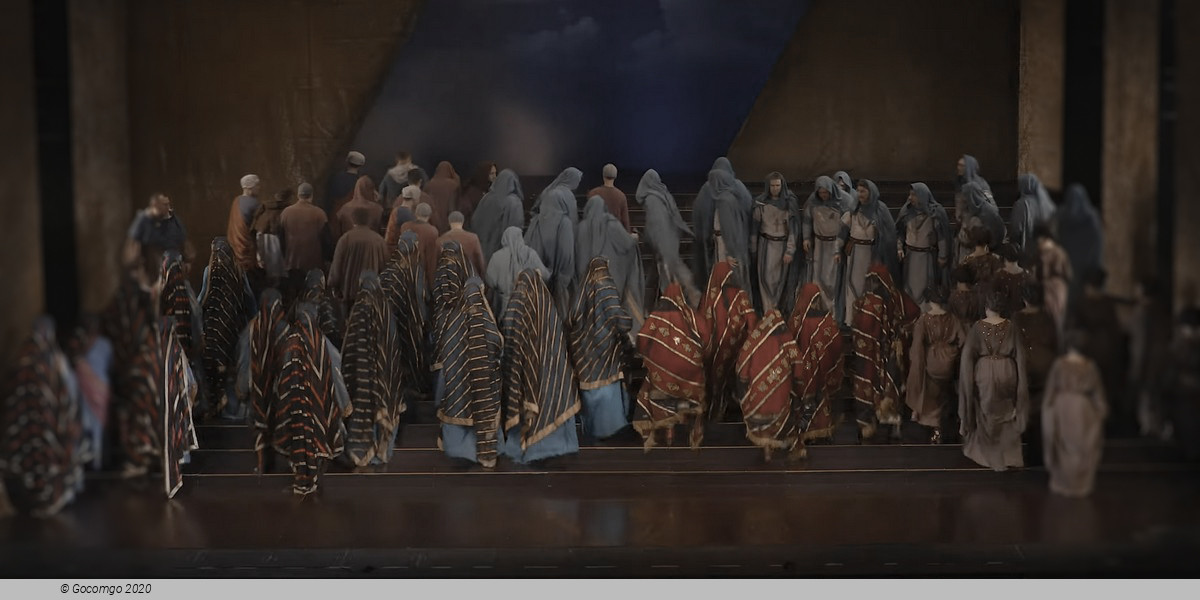
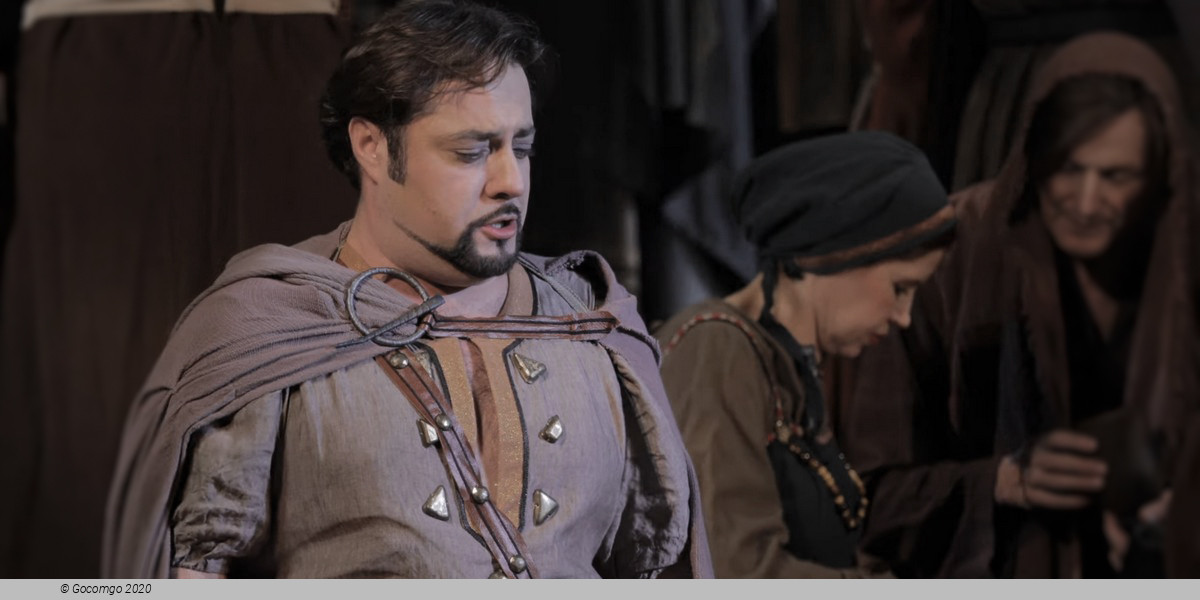
A boat bearing Foresto and other survivors arrives; he thinks of the captive Odabella (Ella in poter del barbaro / "She is in the barbarian's power!") but then rouses himself and the others to begin building a new city (Cara patria già madre e reina / "Dear homeland, at once mother and queen of powerful, generous sons").

Act 1

Scene 1: A wood near Attila's camp
Odabella laments her father and Foresto (Oh! Nel fuggente nuvolo / "O father, is your image not imprinted on the fleeting clouds?...") believing the latter to be dead. When he appears, she is put on the defensive, denying any infidelity and reminding him of the biblical Judith. The couple is reunited: Oh, t'inebria nell'amplesso / "O vast joy without measure")

Scene 2: Attila's tent
Attila awakes and tells Uldino of a dream in which an old man stopped him at the gates of Rome and warned him to turn back (Mentre gonfiarsi l'anima parea / "As my soul seemed to swell"). In the daylight, his courage returns and he orders a march (Oltre quel limite, t'attendo, o spettro / "Beyond that boundary I await you, O ghost!"). However, when a procession of maidens clad in white approaches, singing Veni Creator Spiritus, he recognizes the Roman bishop Leo as the old man of his dream and collapses in terror.

Act 2

Scene 1: Ezio's camp
Ezio has been recalled after a peace has been concluded. He contrasts Rome's past glory with the current child emperor Valentine (Dagl'immortali vertici / "From the splendid immortal peaks of former glory"). Recognizing the incognito Foresto among the bearers of an invitation to a banquet with Attila, he agrees to join forces (E' gettata la mia sorte, son pronto ad ogni guerra / "My lot is cast, I am prepared for any warfare" ).

Scene 2: Attila's banquet
Foresto's plot to have Uldino poison Attila is foiled by Odabella, jealous of her own revenge. A grateful (and unsuspecting) Attila declares she shall be his wife, and places the unmasked Foresto in her custody.

Act 3

The forest
Uldino informs Foresto about the plans for the wedding of Odabella and Attila; Foresto laments Odabella's apparent betrayal (Che non avrebbe il misero / "What would that wretched man not have offered for Odabella"). Ezio arrives with a plan to ambush the Huns; when Odabella comes Foresto accuses her of treachery, but she pleads for his trust. Attila finds the three together and realizes he has been betrayed. As Roman soldiers approach, Odabella stabs him with the sword he had given her. The three conspirators cry that the people have been avenged.

Venue Info

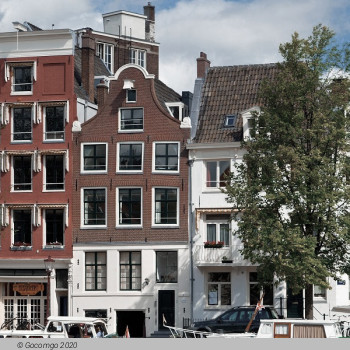
Royal Opera House (Covent Garden) - London
Location   Bow St, Covent Garden

The Royal Opera House (ROH) is an opera house and major performing arts venue in London and Great Britain. It is the home of The Royal Opera, The Royal Ballet, and the Orchestra of the Royal Opera House.

The large building is often referred to as simply "Covent Garden", after a previous use of the site of the opera house's original construction in 1732. It is the home of The Royal Opera, The Royal Ballet, and the Orchestra of the Royal Opera House. Originally called the Theatre Royal, it served primarily as a playhouse for the first hundred years of its history. In 1734, the first ballet was presented. A year later, Handel's first season of operas began. Many of his operas and oratorios were specifically written for Covent Garden and had their premieres there.

The current building is the third theatre on the site following disastrous fires in 1808 and 1856. The façade, foyer, and auditorium date from 1858, but almost every other element of the present complex dates from an extensive reconstruction in the 1990s. The main auditorium seats 2,256 people, making it the third largest in London, and consists of four tiers of boxes and balconies and the amphitheatre gallery. The proscenium is 12.20 m wide and 14.80 m high. The main auditorium is a Grade I listed building.

The Royal Opera, under the direction of Antonio Pappano, is one of the world’s leading opera companies. Based in the iconic Covent Garden theatre, it is renowned both for its outstanding performances of traditional opera and for commissioning new works by today’s leading opera composers, such as Harrison Birtwistle, Mark-Anthony Turnage and Thomas Adès.

The Royal Ballet is one of the world’s greatest ballet companies. Under the directorship of Kevin O’Hare, the Company unites tradition and innovation in world-class performances at our Covent Garden home.

The Company’s extensive repertory embraces 19th-century classics, the singular legacy of works by Founder Choreographer Frederick Ashton and Principal Choreographer Kenneth MacMillan and a compelling new canon by Resident Choreographer Wayne McGregor and Artistic Associate Christopher Wheeldon.

The Orchestra performs in concerts of their own, including performances at the Royal Opera House with Antonio Pappano. They have also performed at venues worldwide including Symphony Hall (Birmingham), Cadogan Hall, the Vienna Konzerthaus and on tour with The Royal Opera.

Members of the Orchestra play an active role in events across the Royal Opera House, including working with the Learning and Participation teams. The Orchestra accompanies performances that are streamed all over the world, including through cinema screenings and broadcasts. They appear on many CDs and DVDs including Pappano’s acclaimed studio recording of Tristan und Isolde with Plácido Domingo and Nina Stemme.

The Orchestra of the Royal Opera House was founded in 1946 when the Royal Opera House reopened after World War II.

Important Info
Type: Opera
City: London, Great Britain
Starts at: 19:30
Intervals: 1
Duration: 2h 20min
Sung in: Italian
Titles in: English
Top of page