
Royal Danish Theatre 9 March 2023 - Giant Steps - an evening of ballets by Jerome Robbins | GoComGo.com

Giant Steps - an evening of ballets by Jerome Robbins

Royal Danish Theatre, The Old Stage, Copenhagen, Denmark
All photos (22)
Select date and time
8 PM

E-tickets: Print at home or at the box office of the event if so specified. You will find more information in your booking confirmation email.

You can only select the category, and not the exact seats.
If you order 2 or 3 tickets: your seats will be next to each other.
If you order 4 or more tickets: your seats will be next to each other, or, if this is not possible, we will provide a combination of groups of seats (at least in pairs, for example 2+2 or 2+3).

Important Info
Type: Ballet
City: Copenhagen, Denmark
Starts at: 20:00
Intervals: 2
Duration: 2h 10min

E-tickets: Print at home or at the box office of the event if so specified. You will find more information in your booking confirmation email.

You can only select the category, and not the exact seats.
If you order 2 or 3 tickets: your seats will be next to each other.
If you order 4 or more tickets: your seats will be next to each other, or, if this is not possible, we will provide a combination of groups of seats (at least in pairs, for example 2+2 or 2+3).

Overview

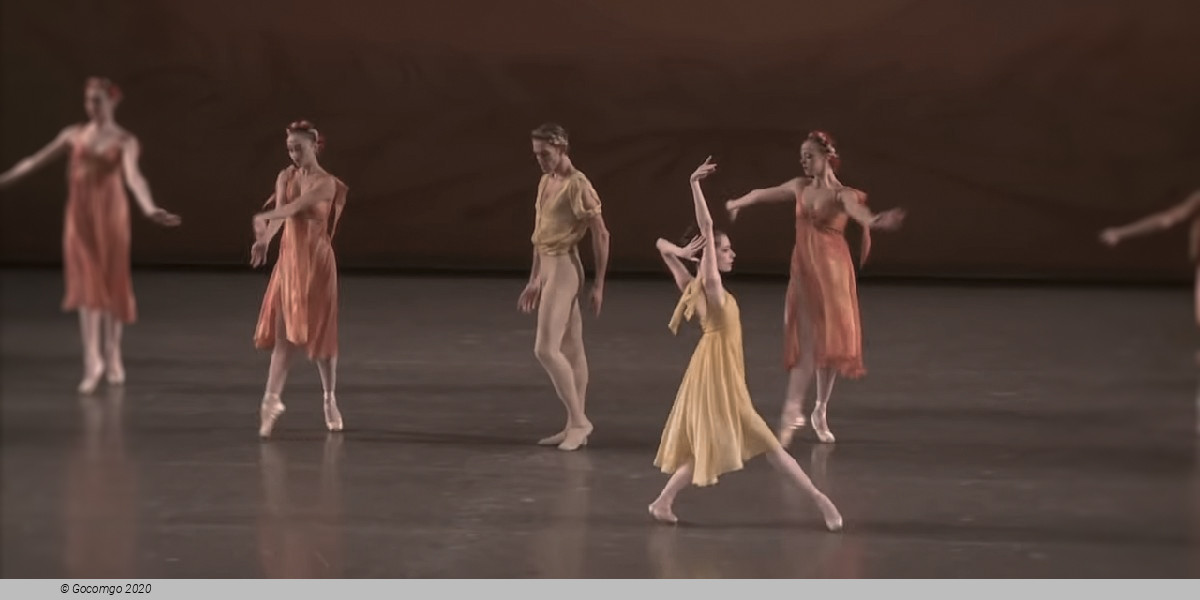
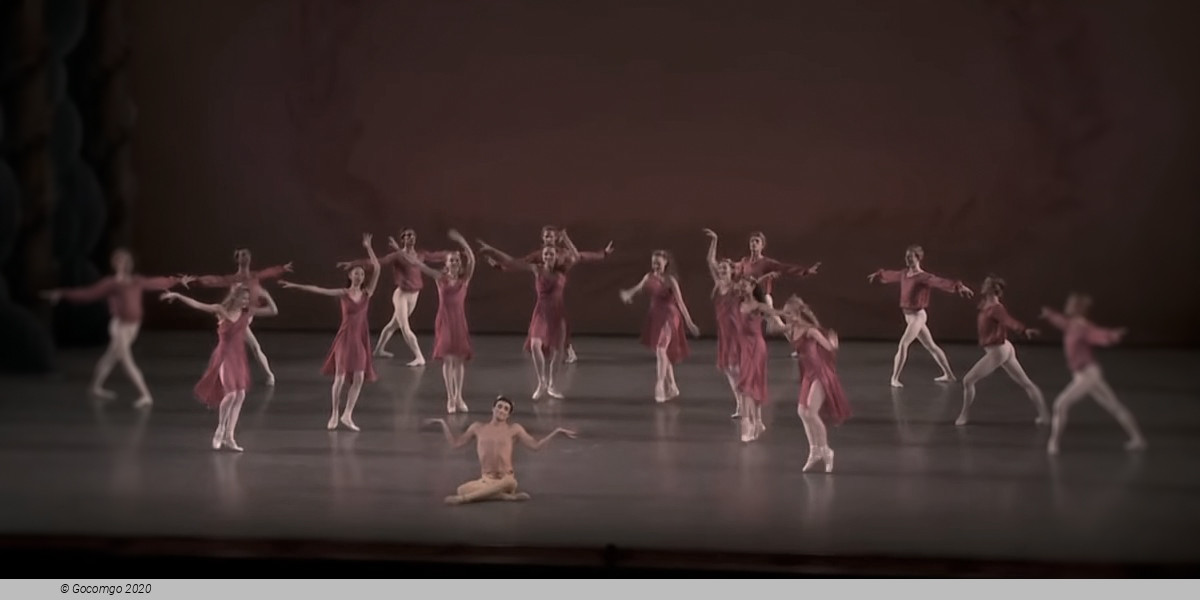
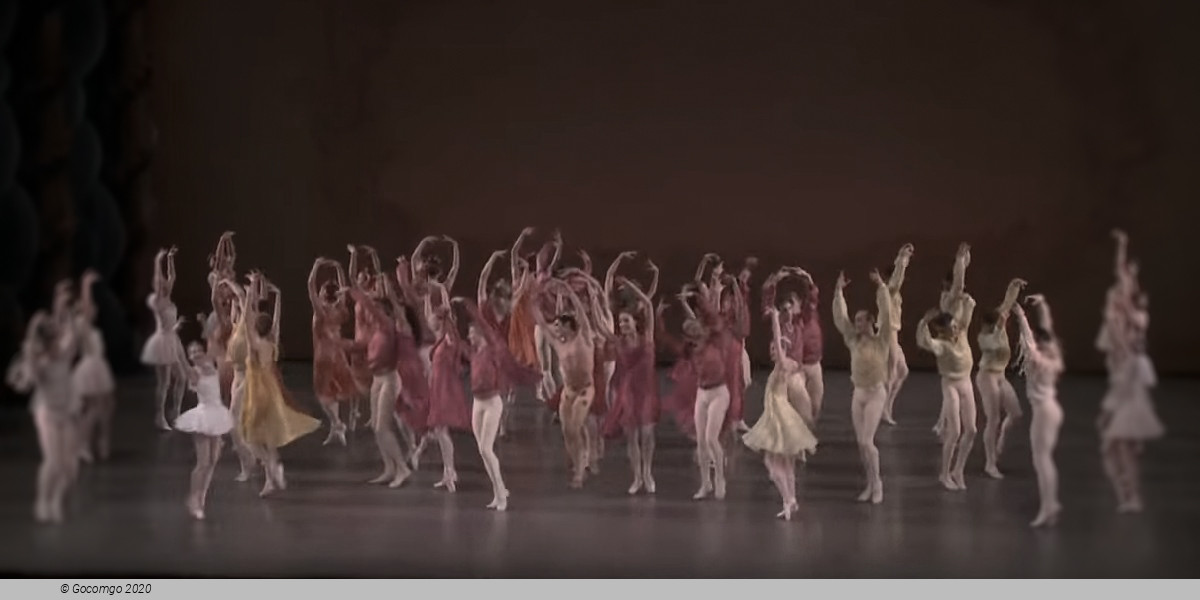
Experience three of Jerome Robbins’ greatest works in the dance performance Giant Steps – from Broadway to divine classical ballet.

Jerome Robbins was one of the greatest showmen the United States has ever fostered. He effortlessly moved between modern Broadway dance and sublime classical ballet. Discover three of his greatest works in Giant Steps.

Choreographer Jerome Robbins was a rare talent. Driven by an abundance of creative energy, he revolutionised the musical genre, while creating more than 60 ballets, ranging from high drama to subdued humour. Giant Steps spotlights three very different works by Robbins.

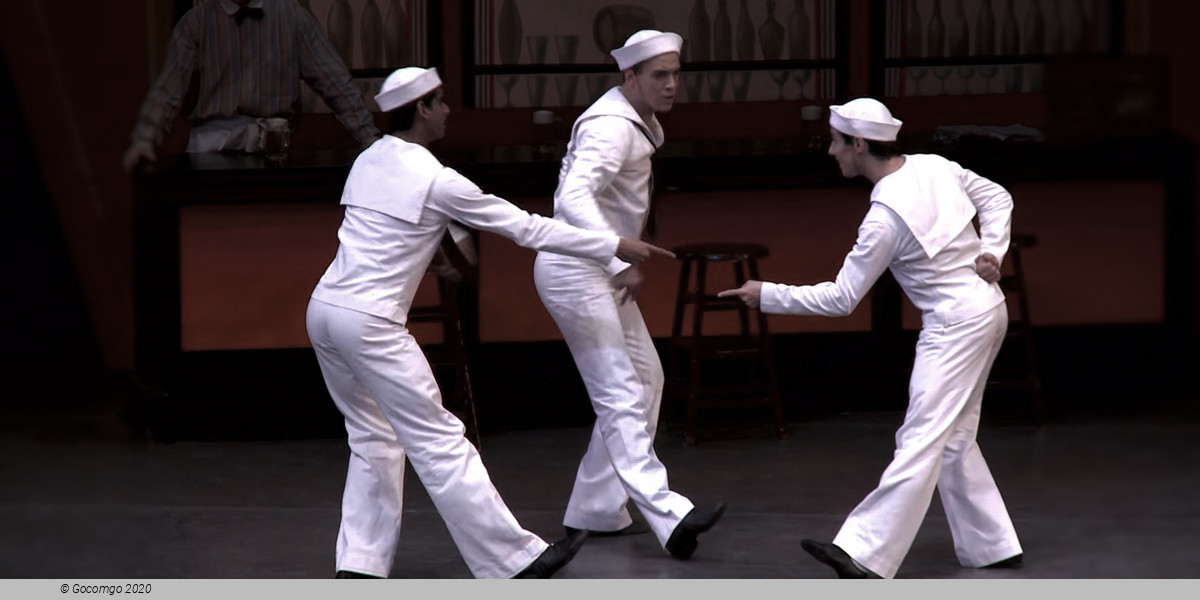
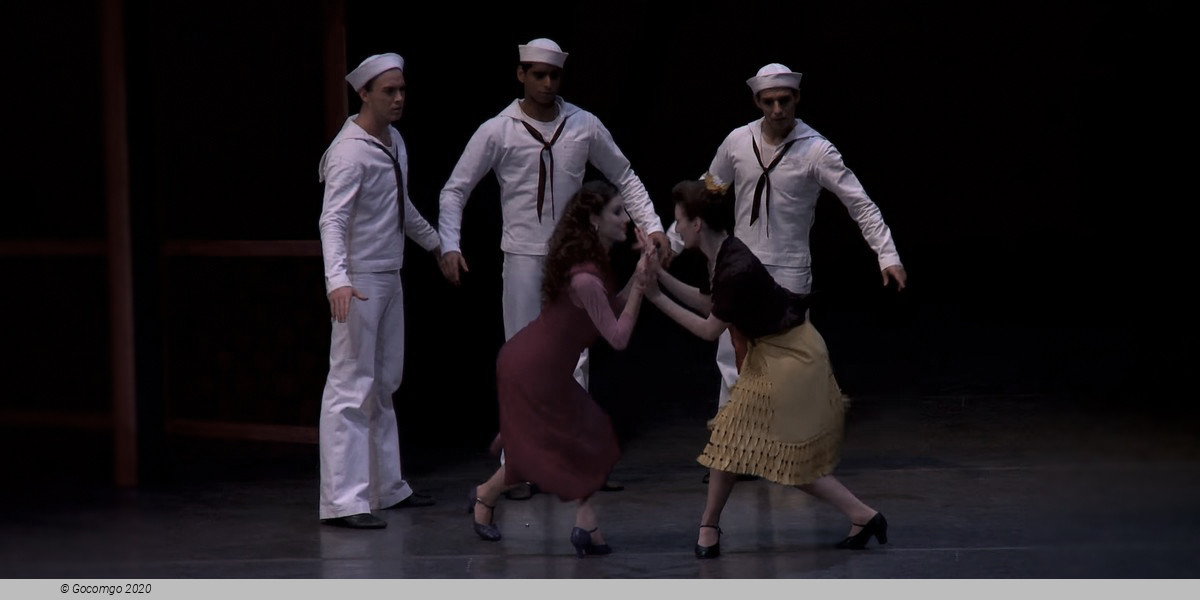
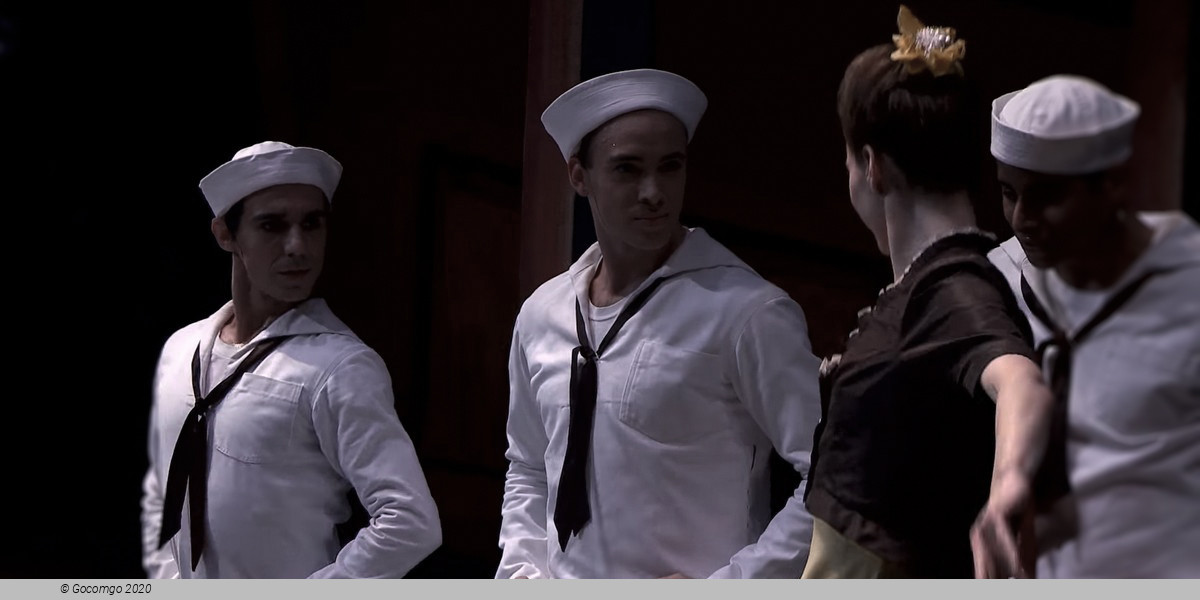
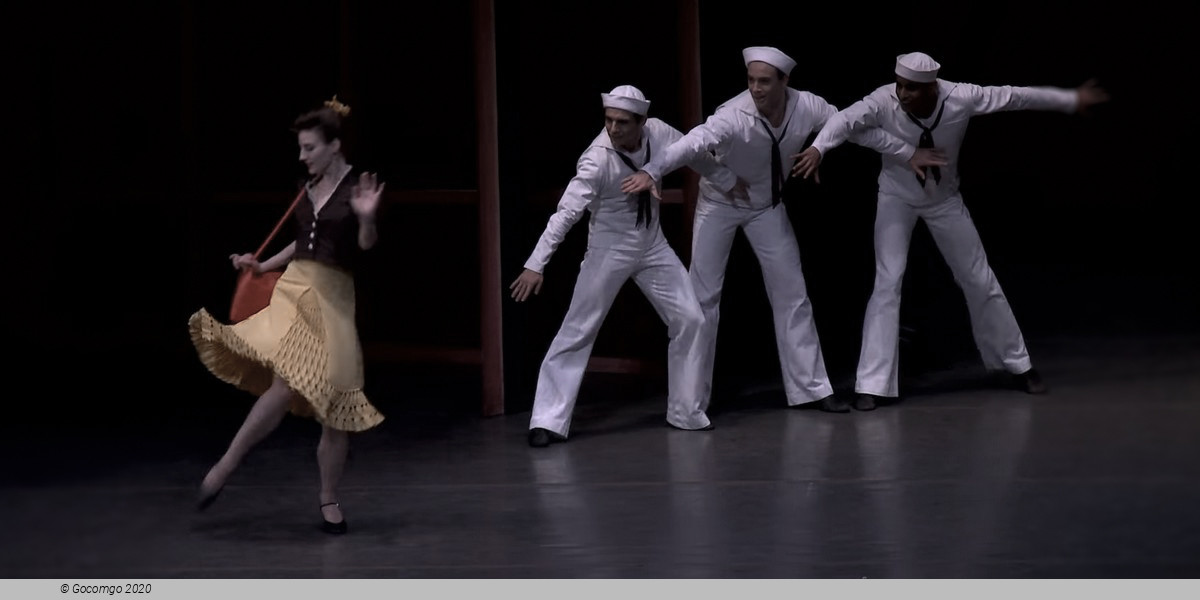
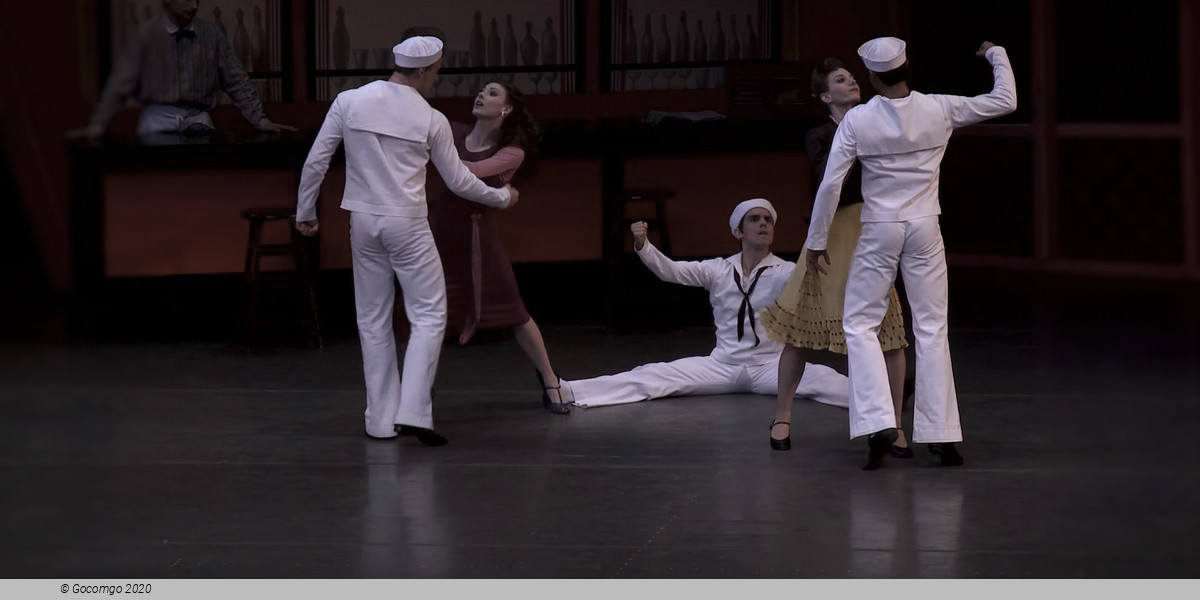
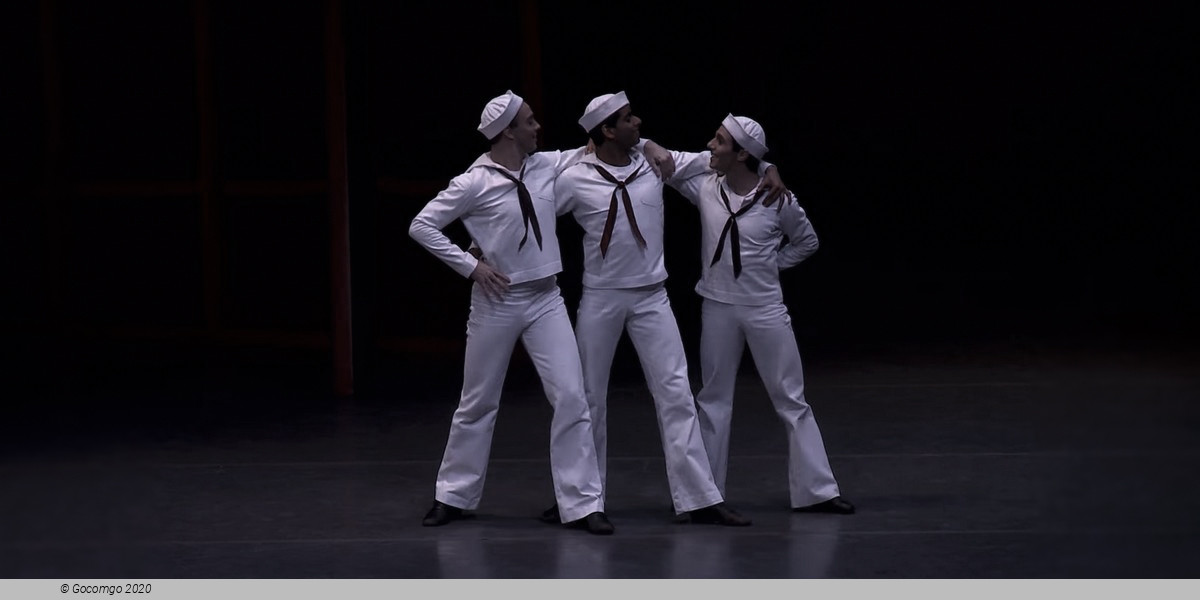
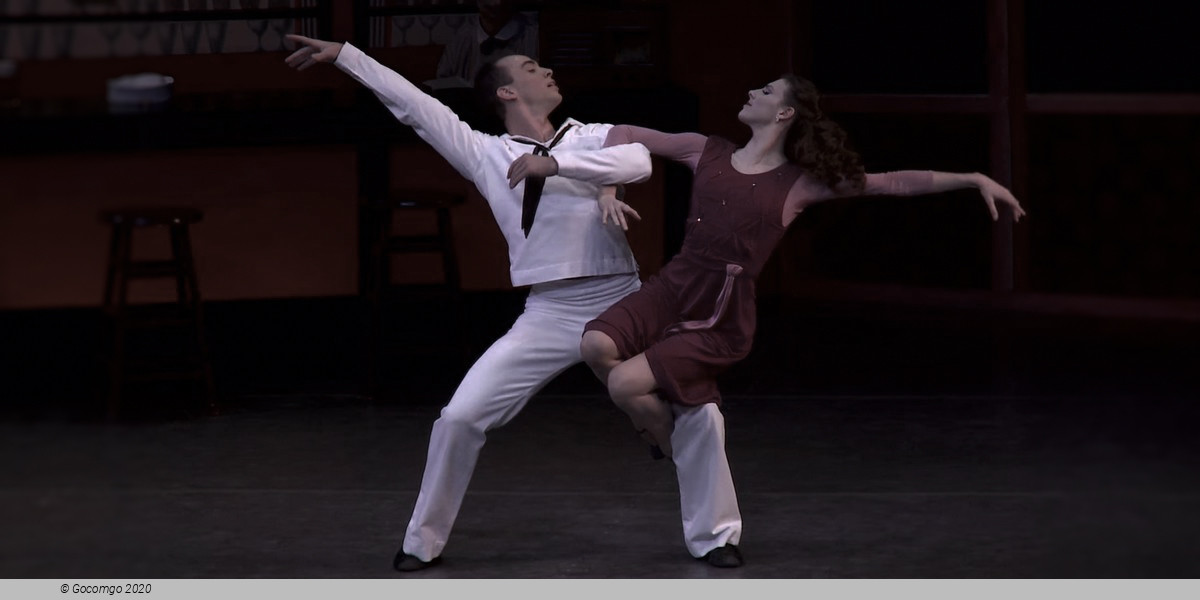
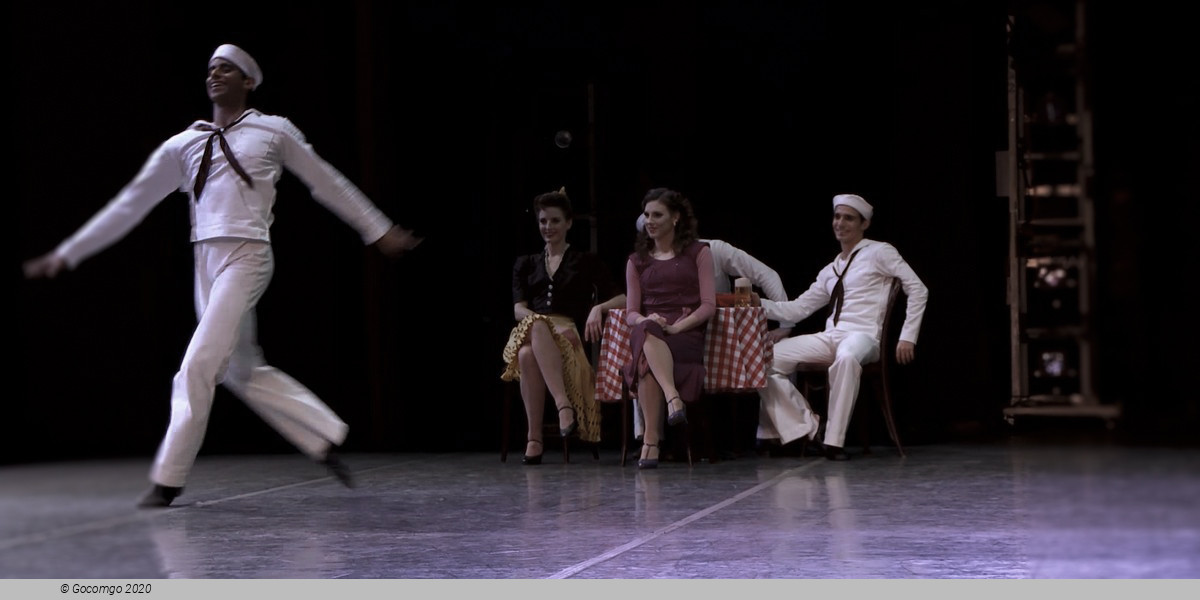
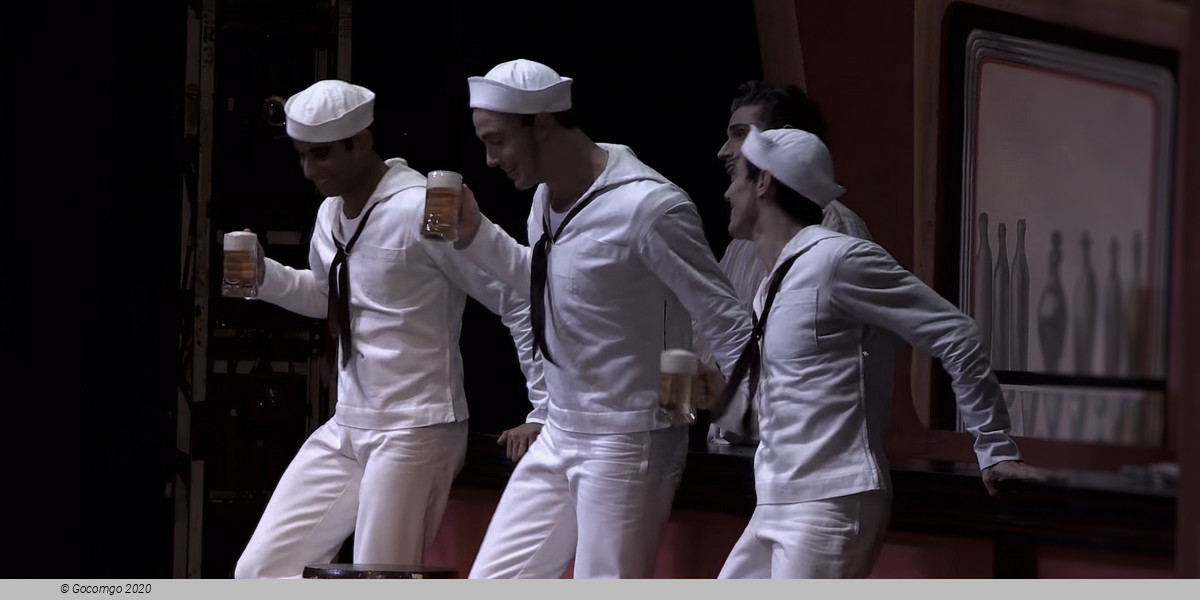
The charming Fancy Free from 1944 is a story of three sailors on shore leave who tour New York’s alluring nightlife. The score is by the legendary Leonard Bernstein, with whom Robbins a few years later collaborated to create the musical sensation West Side Story.

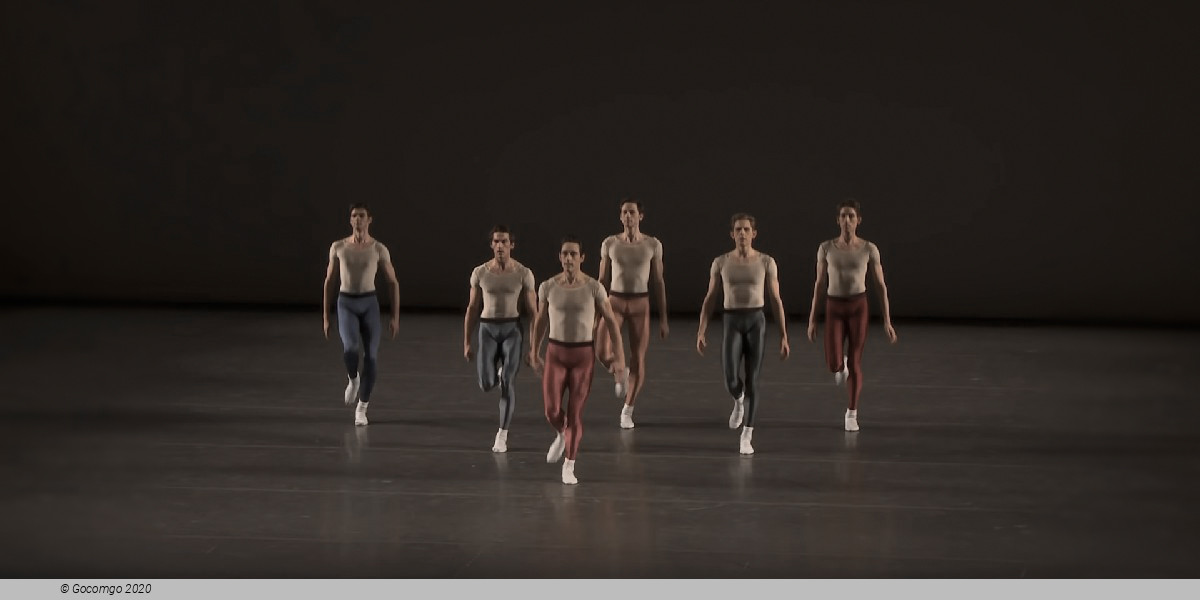
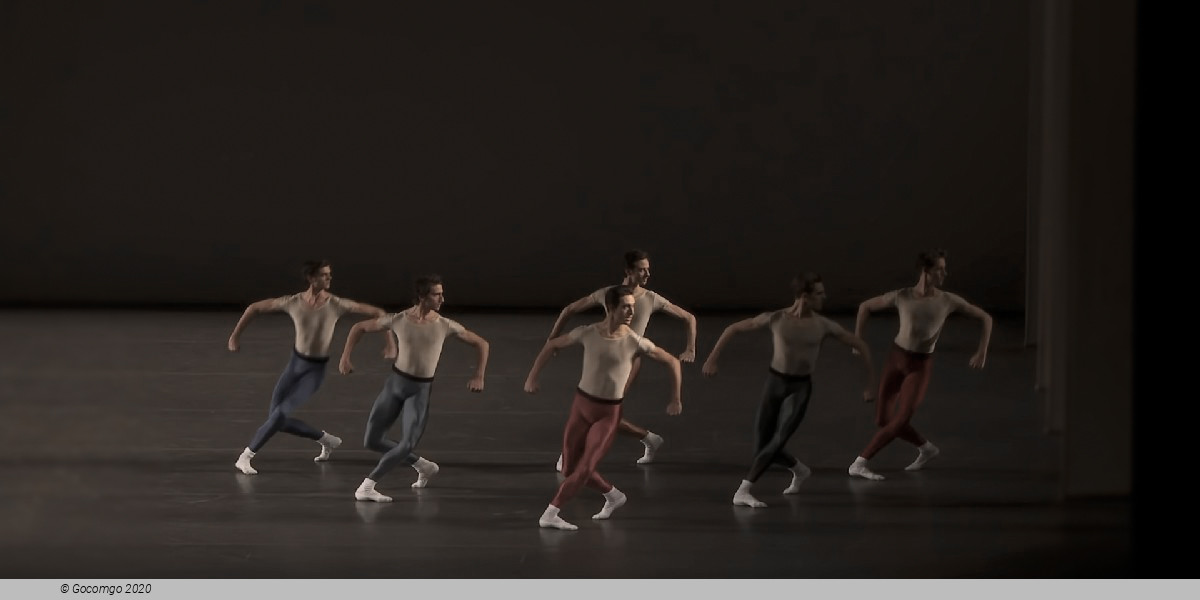
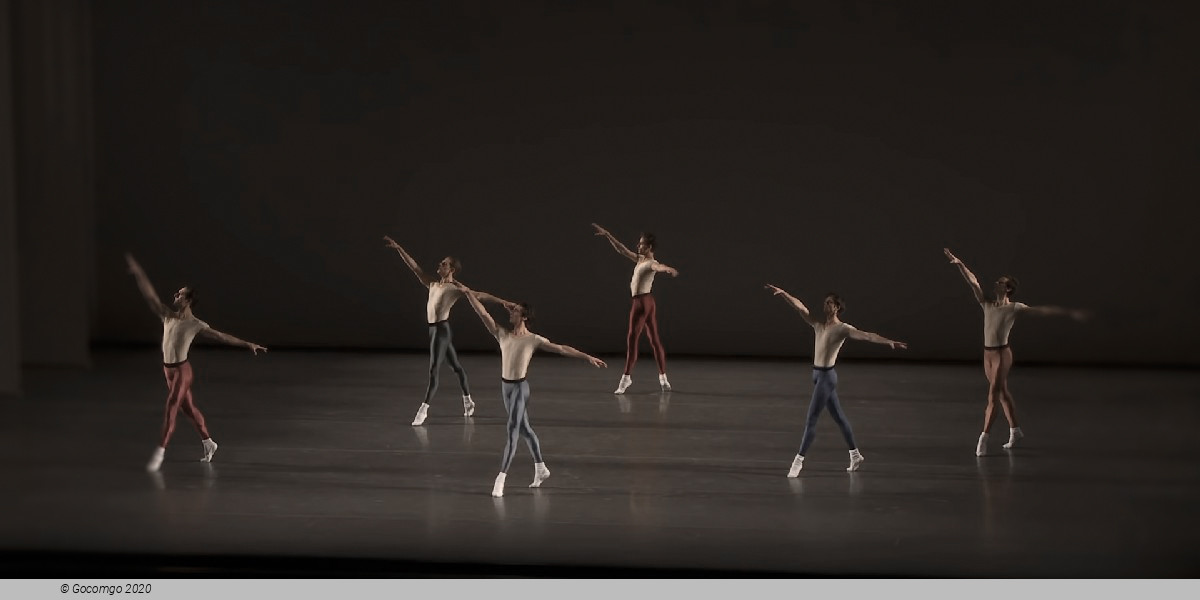
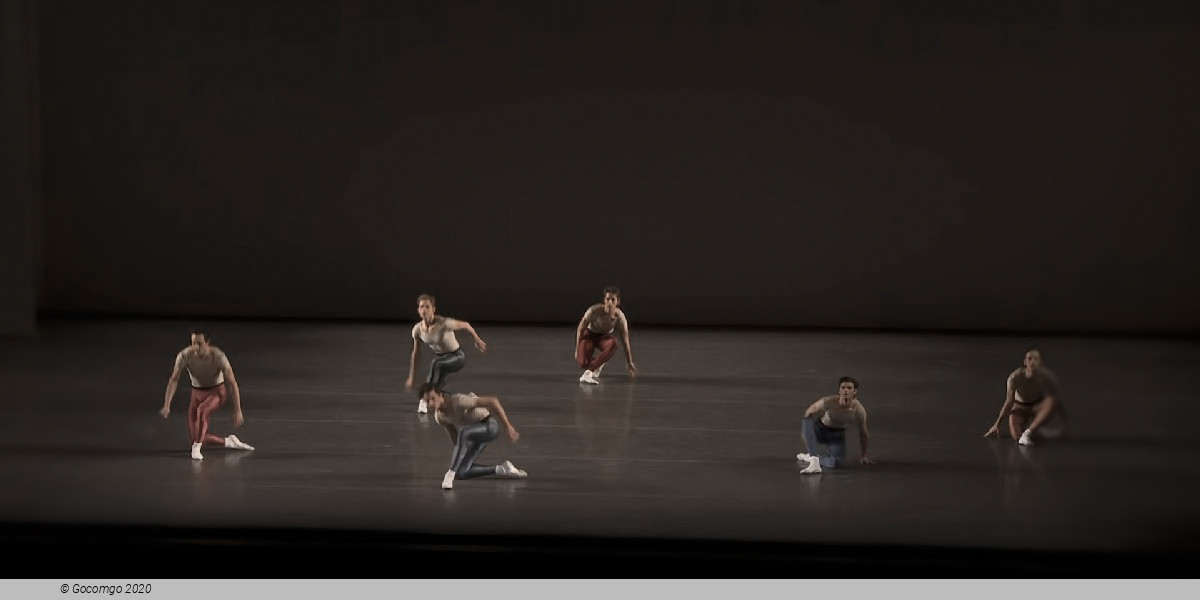
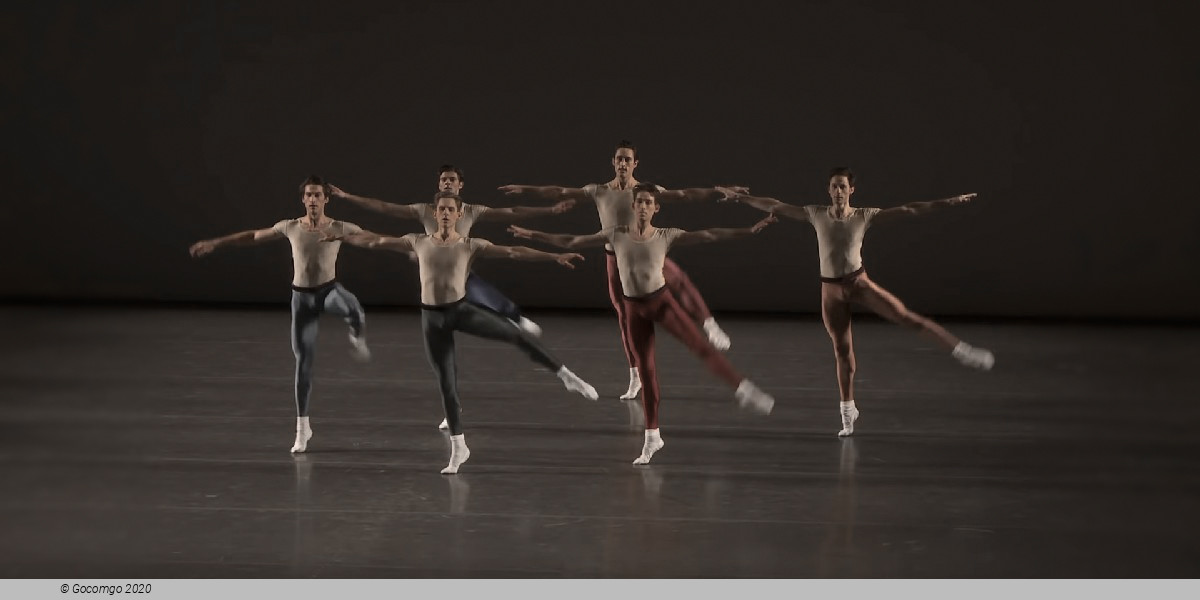
Glass Pieces from 1983 is a breathtaking minimalist work performed to Philip Glass’s mesmerising music. It offers a snapshot of city life in America amidst skyscrapers of chrome, steel and glass, and with its overpowering energy and fast pace, it captures the pounding heartbeat of the metropolis.

The ballet captures the dynamic pulse of metropolitan life, inspired by Philip Glass’ streamlined and hypnotic compositions. Robbins deploys a massive ensemble of dancers in this exhilarating, highly detailed, and refreshingly abstract piece.

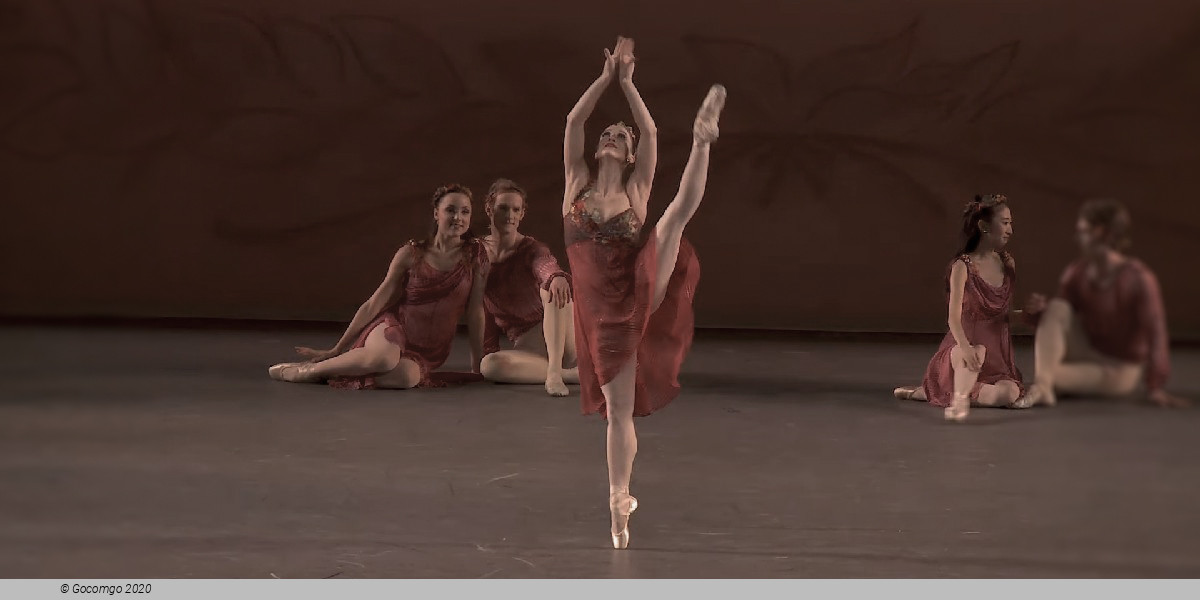
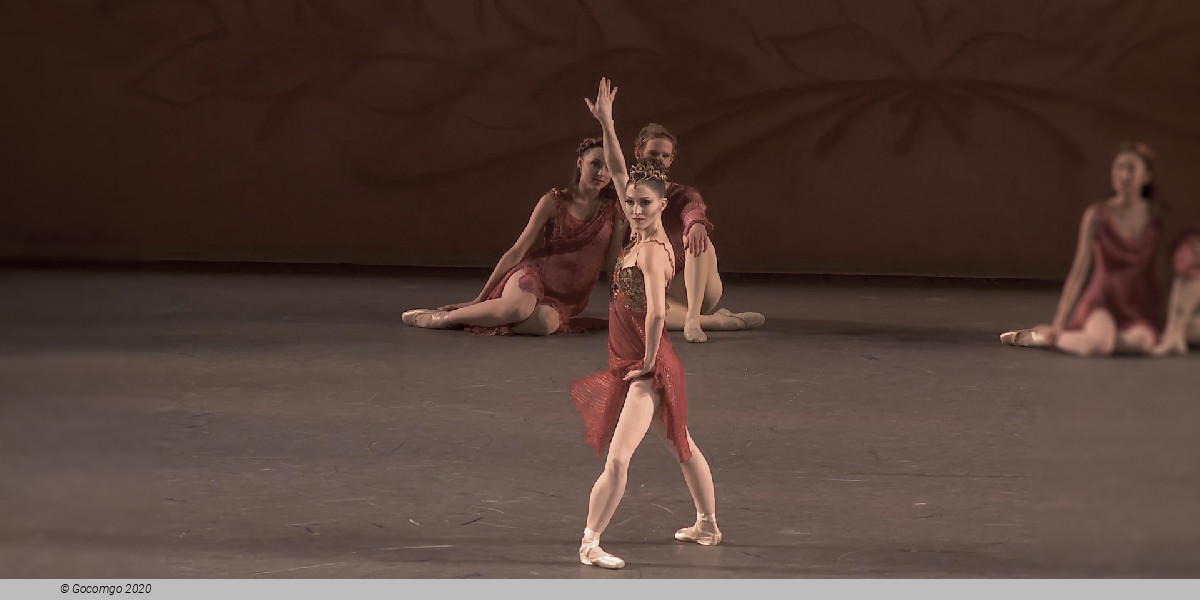
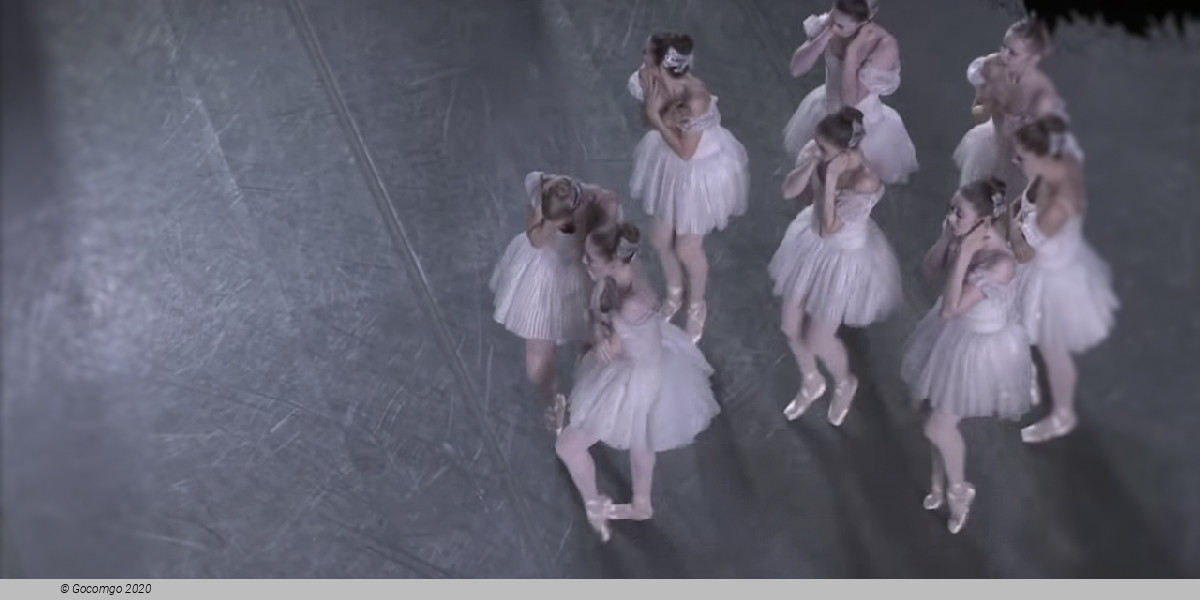
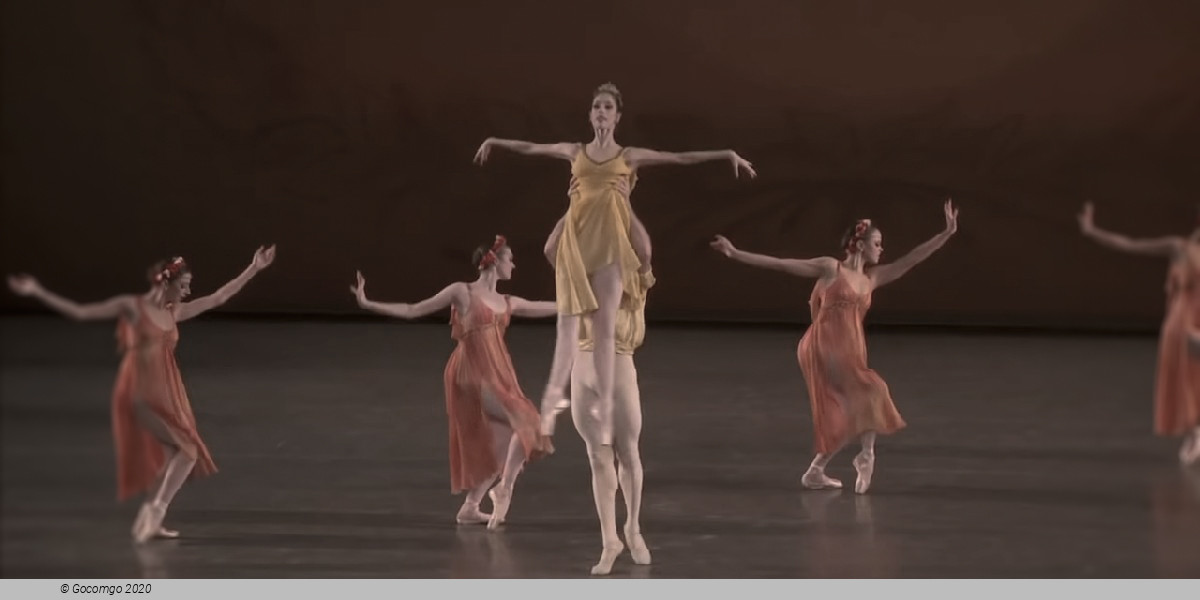
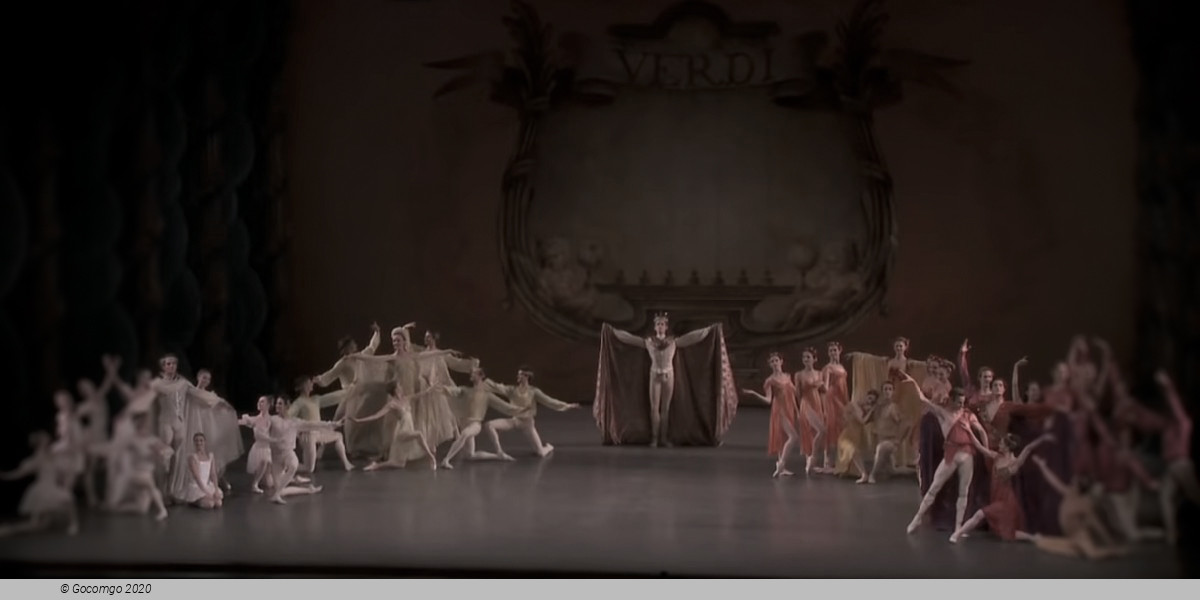
In The Four Seasons from 1979, Robbins evokes with humour and warmth the alternating moods of the seasons, from the frosty cold of winter, represented by high leaps, and the fresh awakening of spring, aroused with lyrical virtuosity, and the warmth of summer, summoned by a sensuous adagio, to the autumn bacchanalia, rendered in an expressive style.

History
Premiere of this production: 18 April 1944, The old Metropolitan Opera House, New York

Fancy Free is a ballet by Jerome Robbins, subsequently ballet master of New York City Ballet, made on Ballet Theatre, predecessor of American Ballet Theatre, to a score by Leonard Bernstein, with scenery by Oliver Smith, costumes by Kermit Love and lighting by Ronald Bates. The premiere took place on Tuesday, 18 April 1944 at the old Metropolitan Opera House, New York. The NYCB premiere took place Thursday, 31 January 1980. Fancy Free was the inspiration for a successful musical, On the Town, and a portion of the score was also used in the opening scenes of Alfred Hitchcock's Rear Window.

Premiere of this production: 12 May 1983, New York State Theater, Lincoln Center

Glass Pieces is a ballet made by New York City Ballet ballet master Jerome Robbins to Philip Glass' "Rubric" and "Façades" from Glassworks and excerpts from his opera Akhnaten.

Premiere of this production: 18 January 1979, New York State Theater, Lincoln Center

The Four Seasons is a ballet choreographed by New York City Ballet ballet master Jerome Robbins to excerpts from Giuseppe Verdi's I Vespri Siciliani (1855), I Lombardi (1843), and Il Trovatore (1853). The premiere took place on 18 January 1979 at the New York State Theater, Lincoln Center, with scenery and costumes by Santo Loquasto and lighting by Jennifer Tipton.

Venue Info

Royal Danish Theatre - Copenhagen
Location   August Bournonvilles Passage 2-8

The Royal Danish Theatre is the major opera house in Denmark. It has been located at Kongens Nytorv in Copenhagen since 1748, originally designated as the king's theatre but with public access. The theatre presents opera, the Royal Danish Ballet, classical music concerts (by the Royal Danish Orchestra, which dates back to 1448), and drama in several locations.

The Royal Danish Theatre organization is under the control of the Danish Ministry of Culture, and its objectives are to ensure the staging of outstanding performances that do justice to the various stages that it controls.

The first edifice on the site was designed by court architect Nicolai Eigtved, who also masterminded Amalienborg Palace. In 1774, the old theatre seating 800 theatergoers were reconstructed by architect C.F. Harsdorff to accommodate a larger audience.

During the theatre's first seasons the staffing was modest. Originally, the ensemble consisted of eight actors, four actresses, two male dancers, and one female dancer. Gradually over the following decades, the Royal Danish Theatre established itself as the kind of multi-theatre we know today, home to drama, opera, ballet, and concerts – all under the same roof and management.

An important prerequisite for the theatre's artistic development is its schools. The oldest is the ballet school, established at the theatre in 1771. Two years later, a vocal academy was established as a forerunner for the opera academy. A number of initiatives were considered regarding a drama school, which was established much later.

King Frederik VI, who ascended the throne in 1808, is probably the monarch who most actively took part in the management of the Royal Danish Theatre, not as an arbiter of taste but as its supreme executive chef.

The theatre's bookkeeping accounts of these years show numerous endorsements where the king took personal decisions on everything from wage increases and bonuses to the purchase of shoelaces for the ballerinas. Indeed, the Royal Danish Theatre became the preoccupation of an introverted nation, following the English Wars had suffered a state bankruptcy. "In Denmark, there is only one city and one theatre," as philosopher Søren Kierkegaard put it.

This was the theatre to which the 14-year-old fairytale storyteller Hans Christian Andersen devoted his early ambition. This was also the theatre that became the social and artistic focal point of the many brilliant artists of Denmark's Golden Age.

After the abolition of absolute monarchy in 1849, the Royal Danish Theatre's status as "the city's theatre" fell into decline. No longer enjoying a monopoly within the performing arts, the Royal Danish Theatre was now required by its new owner, the state, to serve the entire nation. The dilapidated building at Kongens Nytorv also found it hard to compete with the splendor of the new popular stage that was rapidly emerging across town. The solution was to construct a brand new theatre building. It was designed in the Historicist style of the times by architects William Dahlerup and Ove Pedersen and situated alongside the old theatre, which was subsequently demolished.

The inauguration of what we today call the Old Stage took place on 15 October 1874. Here opera and ballet were given ample scope. But due to the scale of the building, the auditorium was less suited for spoken drama, which is why a new playhouse was required.

The Royal Danish Theatre has over the past decade undergone the most extensive transformation ever in its over 250-year history. The Opera House in Copenhagen was inaugurated in January 2005, donated by the AP Møller and Chastine Mc-Kinney Møller Foundation, and designed by architect Henning Larsen. And the Royal Danish Playhouse was completed in 2008. Located by Nyhavn Canal across from the Opera House, the playhouse is designed by architects Boje Lundgaard and Lene Tranberg.

Today, the Royal Danish Theatre comprises the Old Stage, located by Kongens Nytorv, the Opera House, and the Royal Danish Playhouse. 

Important Info
Type: Ballet
City: Copenhagen, Denmark
Starts at: 20:00
Intervals: 2
Duration: 2h 10min
Top of page