








Prague National Theatre 27 April 2022 - L’amour des trois oranges | GoComGo.com

L’amour des trois oranges

Prague National Theatre, The National Theatre, Prague, Czech Republic
All photos (10)
Select date and time
7 PM
Request for Tickets
Important Info
Type: Opera
City: Prague, Czech Republic
Starts at: 19:00
Acts: 2
Intervals: 1
Duration: 2h 20min
Sung in: French
Titles in: Czech,English

E-tickets: Print at home or at the box office of the event if so specified. You will find more information in your booking confirmation email.

You can only select the category, and not the exact seats.
If you order 2 or 3 tickets: your seats will be next to each other.
If you order 4 or more tickets: your seats will be next to each other, or, if this is not possible, we will provide a combination of groups of seats (at least in pairs, for example 2+2 or 2+3).

Overview

Have you heard the one about the hypochondriac prince falling in love with three ... oranges?

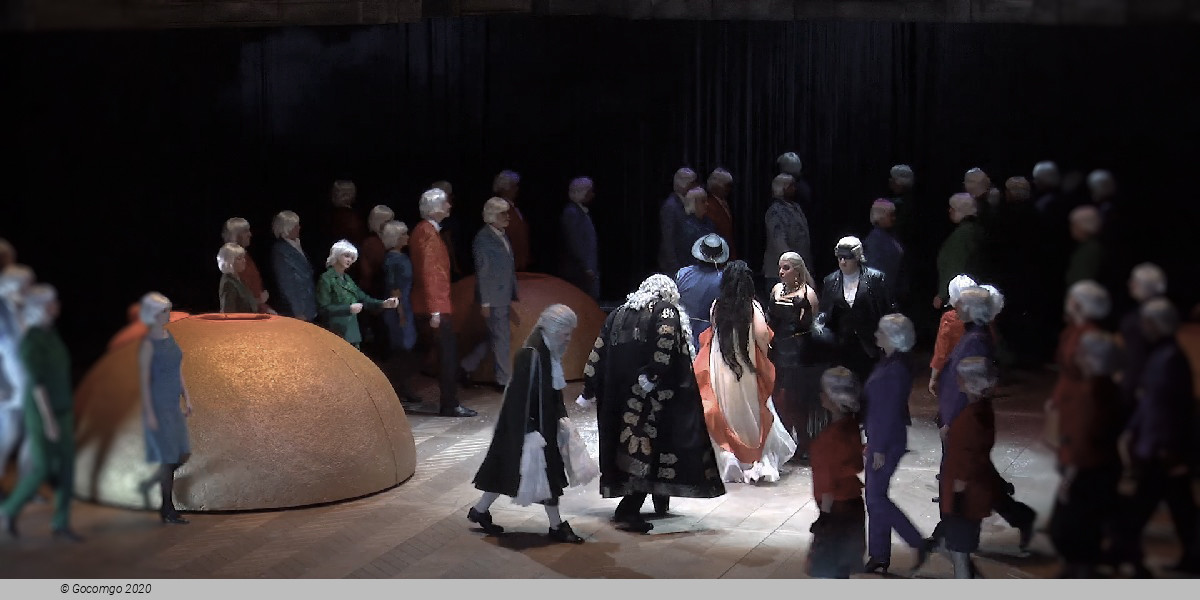
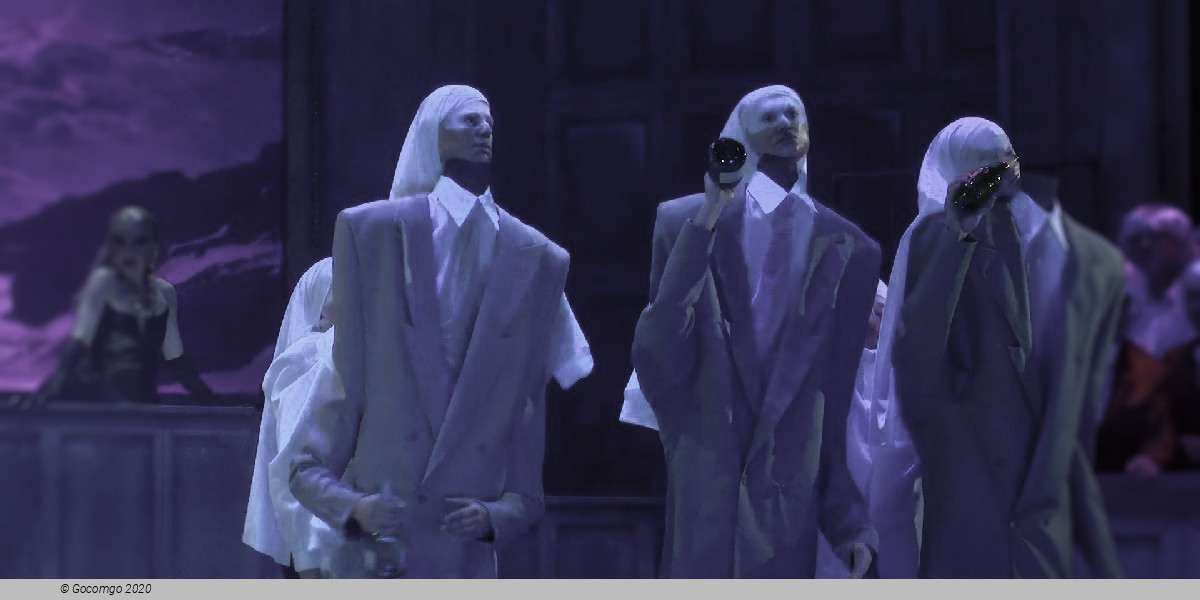
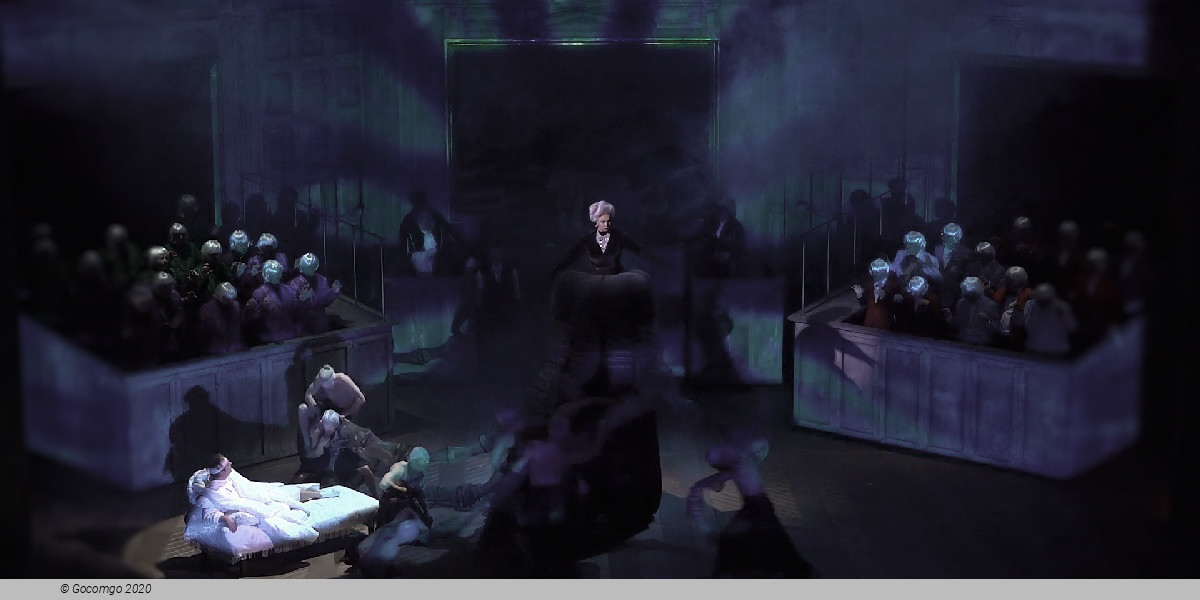
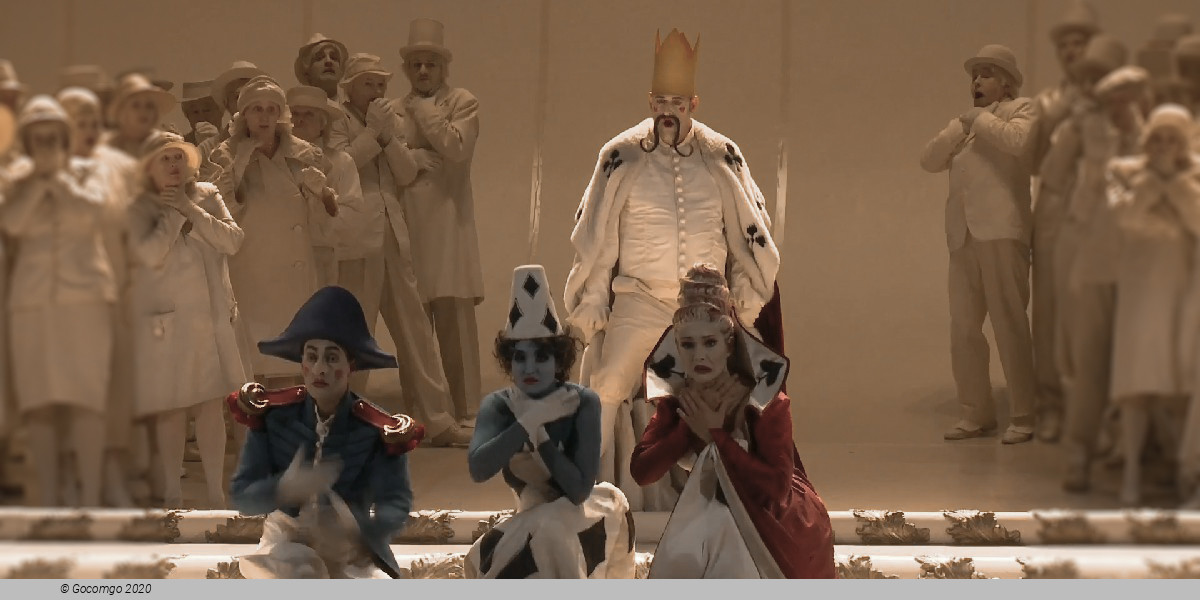
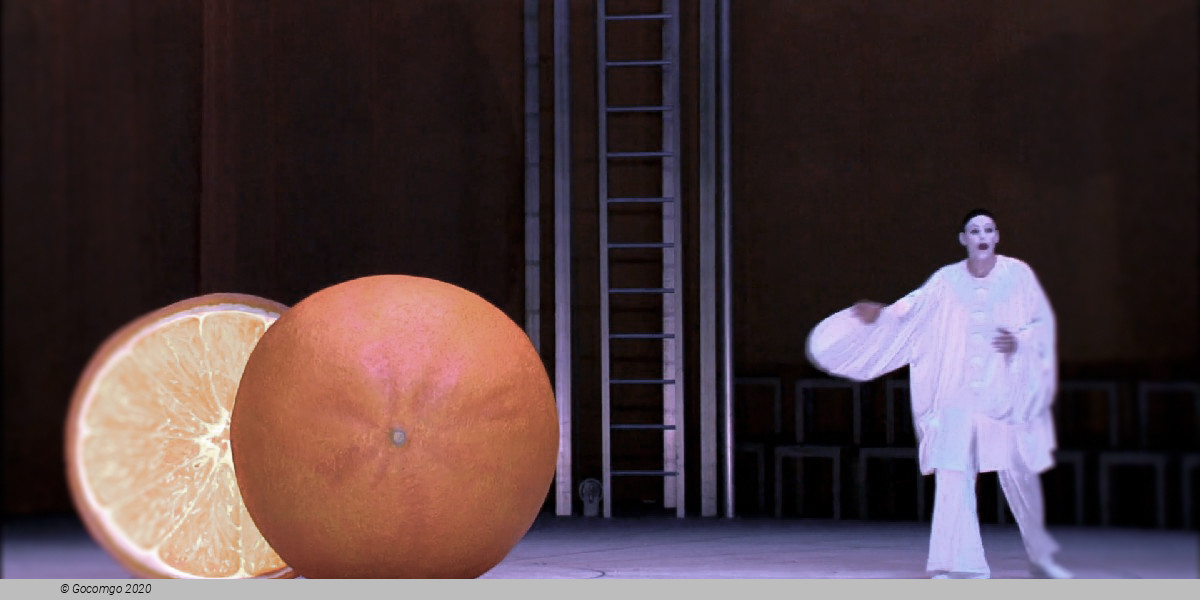
The Italian playwright, satirist and mystifier Count Carlo Gozzi (1720–1806) inadvertently gave rise to a peculiar moment in the history of 20th-century opera: while in 1920 Giacomo Puccini began recasting Gozzi’s fairy-tale-based play Turandot into his final opera that, despite its excesses, was still written in the spirit of good old Romanticism, another opera based on a scenario penned by Gozzi – The Love for Three Oranges – was awaiting its premiere. Sergey Prokofiev conceived the piece as sheer parody, traducing everything “heart-felt” and “seriously meant”. In 2019, when the National Theatre will stage its modern-time premiere of The Love for Three Oranges, a century will have passed since the opera’s coming into being.

Hardly a reason for celebration, the fact may rather lead to raising the question of how it is possible that one of Prokofiev’s best-known and most acclaimed works, an opera teeming with “jest, irony, satire, as well as profound ideas”, manifesting pure and eternal joy at dallying with human imagination and seeking “sense” and “nonsense”, has not, with a single exception, been staged by Czech theatres.

Prokofiev wrote The Love for Three Oranges in the wake of his emigrating from the Bolshevik-ruled Russia to the USA as a sui generis highly cosmopolitan work: based on an Italian play, in a Russian adaptation, set to a French libretto, for an American audience.
Gozzi created his original, predominantly prosaic play L'amore delle tre melarance as a crazy fable in the commedia dell’arte style, with the aim to ridicule his competitors Goldoni and Chiari.
Its Dada vein and the playful story so impressed the Russian avant-garde artist Vsevolod Meyerhold that he named after Gozzi’s comedy his own magazine, in whose very first issue he published the play’s modern adaptation.

Prokofiev happened to have the text in the US, and since an opera set to a Russian text was out of the question, he opted for a French libretto, which he based on Meyerhold’s translation. No less intricate and quaint than the genesis of Prokofiev’s opera is the opera’s story, depicting as it does a hypochondriac, orange-loving prince. 

History
Premiere of this production: 30 December 1921, Auditorium Theatre, Chicago

The Love for Three Oranges also known by its French language title L'amour des trois oranges (Lyubov' k tryom apel'sinam), is a satirical opera by Sergei Prokofiev. Its French libretto was based on the Italian play L'amore delle tre melarance by Carlo Gozzi. The opera premiered at the Auditorium Theatre in Chicago, Illinois, on 30 December 1921.

Synopsis

Prologue
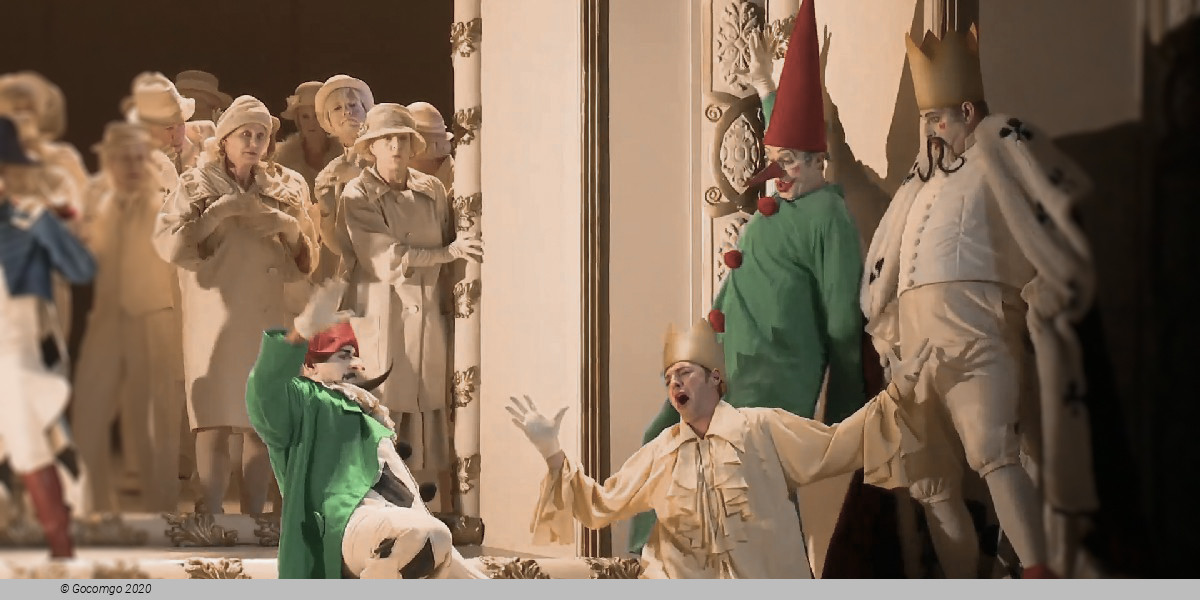
Advocates of Tragedy, Comedy, Lyric Drama and Farce argue for their favourite form before the curtain goes up for a play. The Ridicules (Cranks) round them up and tell them they are to witness "The Love for Three Oranges".

Act 1
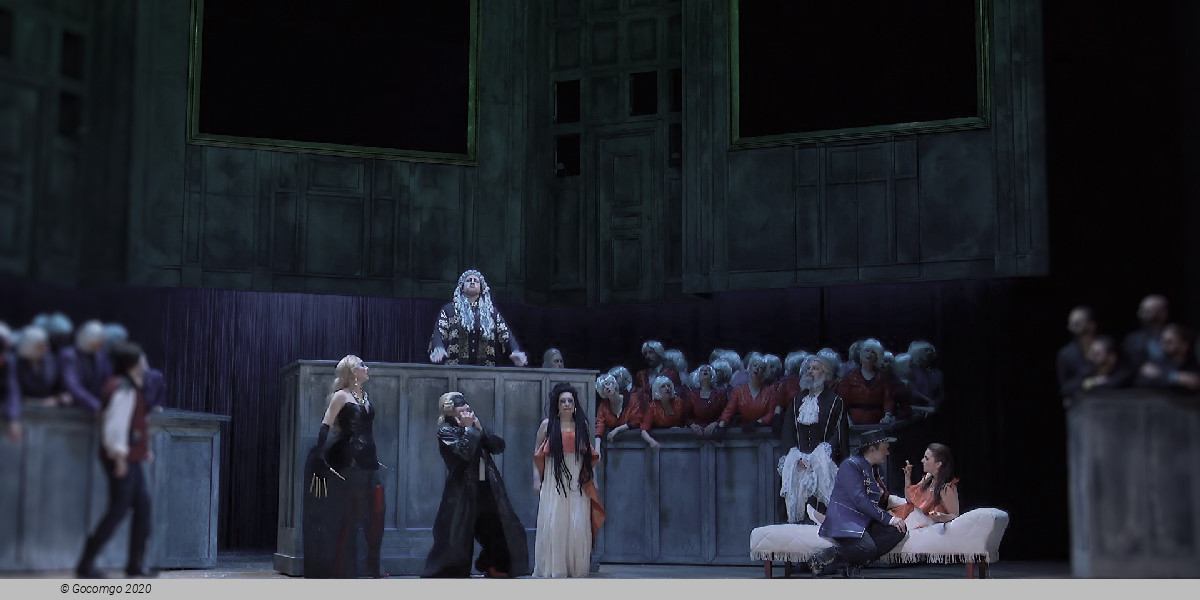
The King of Clubs and his adviser Pantalone lament the sickness of the Prince, brought on by an indulgence in tragic poetry. Doctors inform the King that his son's hypochondria can only be cured with laughter, so Pantalone summons the jester Truffaldino to arrange a grand entertainment, together with the (secretly inimical) prime minister, Leandro.

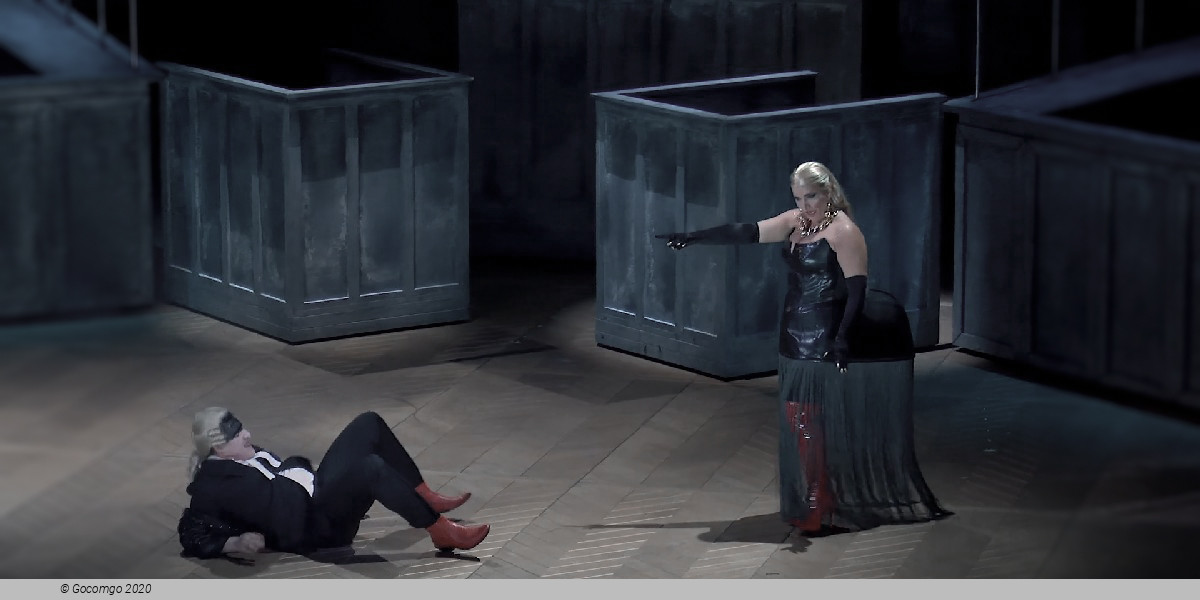
The magician Tchelio, who supports the King, and the witch Fata Morgana, who supports Leandro and Clarice (niece of the King, lover of Leandro), play cards to see who will be successful. Tchelio loses three times in succession to Fata Morgana, who brandishes the King of Spades, alias of Leandro.

Leandro and Clarice plot to kill the Prince so that Clarice can succeed to the throne. The supporters of Tragedy are delighted at this turn of events. The servant Smeraldina reveals that she is also in the service of Fata Morgana, who will support Leandro.

Act 2
All efforts to make the Prince laugh fail, despite the urgings of the supporters of Comedy, until Fata Morgana is knocked over by Truffaldino and falls down, revealing her underclothes—the Prince laughs, as do all the others except for Leandro and Clarice. Fata Morgana curses him: henceforth, he will be obsessed by a "love for three oranges". At once, the Prince and Truffaldino march off to seek them.

Act 3
Tchelio tells the Prince and Truffaldino where the three oranges are, but warns them that they must have water available when the oranges are opened. He also gives Truffaldino a magic ribbon with which to seduce the giant (female) Cook (a bass voice) who guards the oranges in the palace of the witch Creonte.

They are blown to the palace with the aid of winds created by the demon Farfarello, who has been summoned by Tchelio. Using the ribbon to distract the Cook, they grab the oranges and carry them into the surrounding desert.

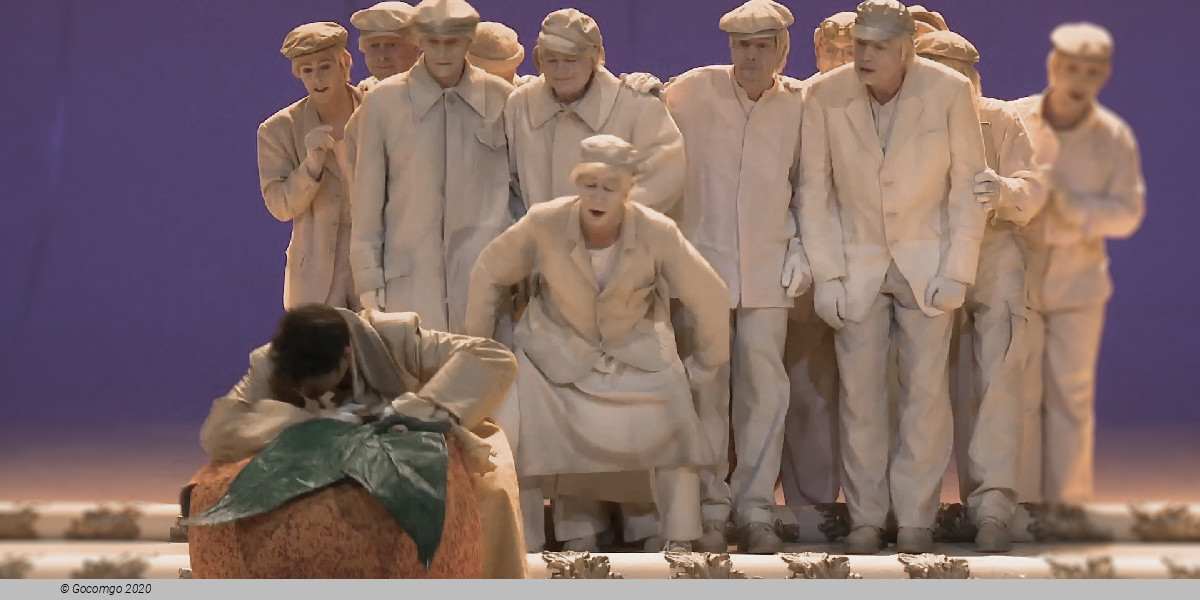
While the Prince sleeps, Truffaldino opens two of the oranges. Fairy princesses emerge but quickly die of thirst. The Ridicules give the Prince water to save the third princess, Ninette. The Prince and Ninette fall in love. Several soldiers conveniently appear, and the Prince orders them to bury the two dead princesses. He leaves to seek clothing for Ninette so he can take her home to marry her, but, while he is gone, Fata Morgana transforms Ninette into a giant rat and substitutes Smeraldina in disguise.

Act 4
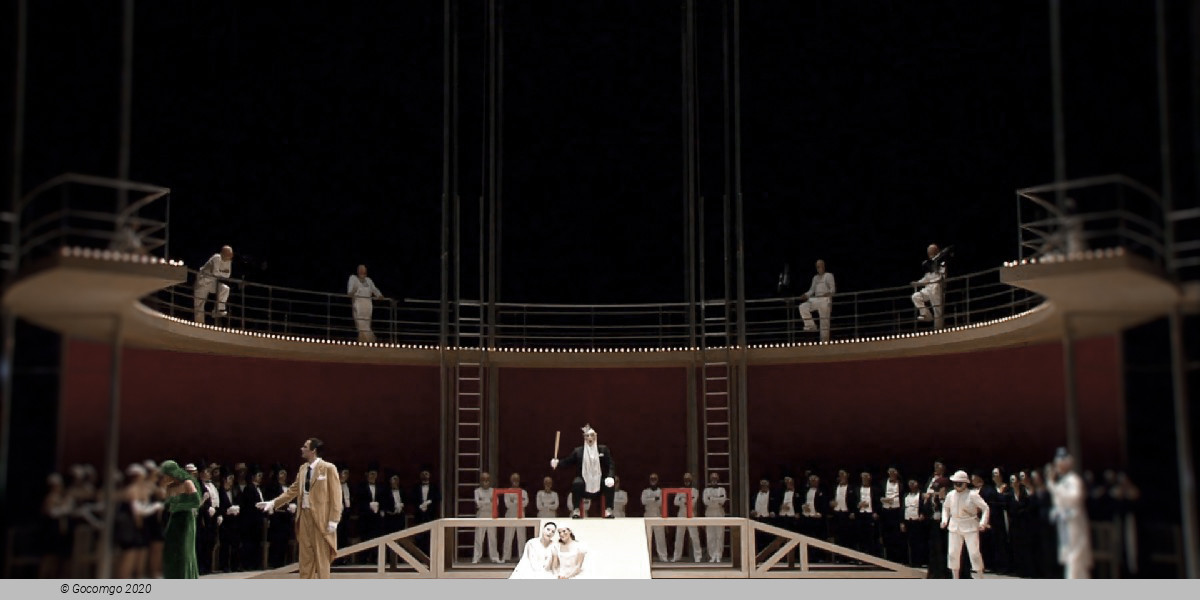
Everyone returns to the King's palace, where the Prince is now forced to prepare to marry Smeraldina. Tchelio and Fata Morgana meet, each accusing the other of cheating, but the Ridicules intervene and spirit the witch away, leaving the field clear for Tchelio. While Leandro and the Master of Ceremonies see that the palace is prepared for the wedding, Tchelio restores Ninette to her natural form. The plotters are sentenced to die but Fata Morgana helps them escape through a trapdoor, and the opera ends with everyone praising the Prince and his bride.

Venue Info

Prague National Theatre - Prague
Location   Národní 2

The National Theatre is the prime stage of the Czech Republic. It is also one of the symbols of national identity and a part of the European cultural space, with a tradition spanning more than 130 years. It is the bearer of the national cultural heritage, as well as a space for free artistic creation.

The National Theatre (Czech: Národní divadlo) in Prague is known as the alma mater of Czech opera, and as the national monument of Czech history and art.

The National Theatre belongs to the most important Czech cultural institutions, with a rich artistic tradition, which helped to preserve and develop the most important features of the nation–the Czech language and a sense for a Czech musical and dramatic way of thinking.

Today, the National Theatre is made up of four artistic companies – the Opera, Drama, Ballet and Laterna magika. It artistically manages four stages – the three historical buildings: the National Theatre (1883), the State Opera (1888), and the Estates Theatre (1783), and the more recently opened New Stage (1983). The Opera, Drama and Ballet companies perform not only titles from the ample classical legacy, in addition to Czech works, they also focus on contemporary international creation.

Grand opening

The National Theatre was opened for the first time on 11 June 1881, to honour the visit of Crown Prince Rudolf of Austria. Bedřich Smetana's opera Libuše was given its world premiere, conducted by Adolf Čech. Another 11 performances were presented after that. Then the theatre was closed down to enable the completion of the finishing touches. While this work was under way a fire broke out on 12 August 1881, which destroyed the copper dome, the auditorium, and the stage of the theatre.

The fire was seen as a national catastrophe and was met with a mighty wave of determination to take up a new collection: Within 47 days a million guldens were collected. This national enthusiasm, however, did not correspond to the behind-the-scenes battles that flared up following the catastrophe. Architect Josef Zítek was no longer in the running, and his pupil architect Josef Schulz was summoned to work on the reconstruction. He was the one to assert the expansion of the edifice to include the block of flats belonging to Dr. Polák that was situated behind the building of the Provisional Theatre. He made this building a part of the National Theatre and simultaneously changed somewhat the area of the auditorium to improve visibility. He did, however, take into account with utmost sensitivity the style of Zítek's design, and so he managed to merge three buildings by various architects to form an absolute unity of style.

Important Info
Type: Opera
City: Prague, Czech Republic
Starts at: 19:00
Acts: 2
Intervals: 1
Duration: 2h 20min
Sung in: French
Titles in: Czech,English
Top of page