
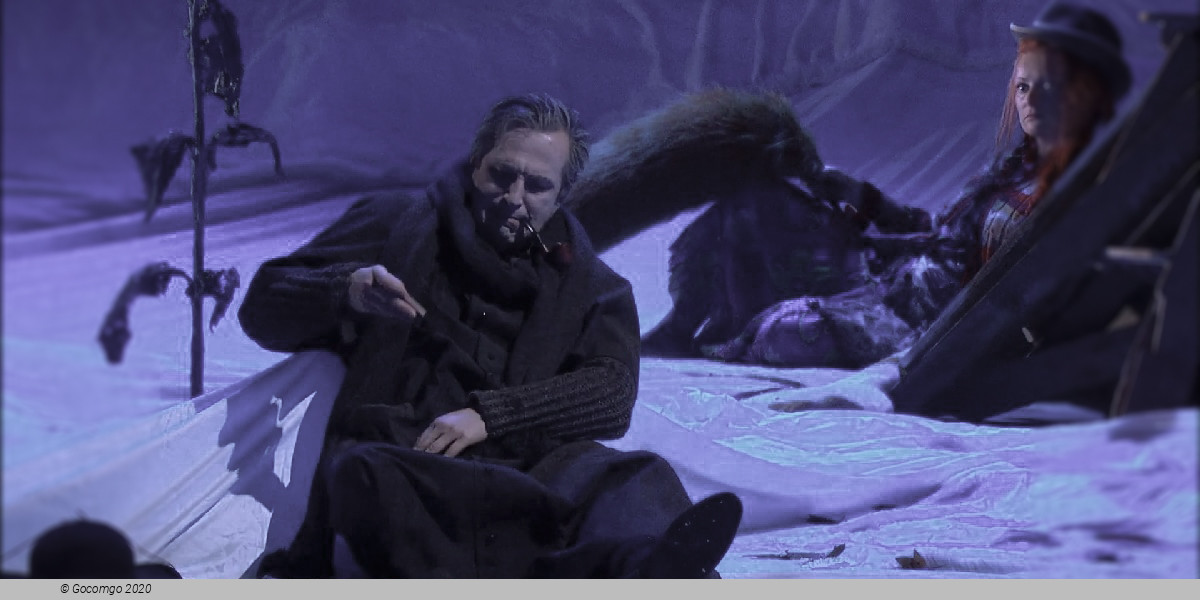
Prague National Theatre 22 November 2020 - The Cunning Little Vixen | GoComGo.com

The Cunning Little Vixen

Prague National Theatre, The National Theatre, Prague, Czech Republic
All photos (11)
Select date and time
5 PM
Important Info
Type: Opera
City: Prague, Czech Republic
Starts at: 17:00
Acts: 2
Intervals: 1
Duration: 2h 10min
Sung in: Czech
Titles in: Czech,English

E-tickets: Print at home or at the box office of the event if so specified. You will find more information in your booking confirmation email.

You can only select the category, and not the exact seats.
If you order 2 or 3 tickets: your seats will be next to each other.
If you order 4 or more tickets: your seats will be next to each other, or, if this is not possible, we will provide a combination of groups of seats (at least in pairs, for example 2+2 or 2+3).

Overview

Janáček’s celebrated “philosophical revue“ on animals and people, desire, disillusionment with life and wise atonement with eternal Nature.

The Cunning Little Vixen, inspired by the newspaper serial story of Rudolf Těsnohlídek and Stanislav Lolek, transposed in 1921-1923 with great understanding, feeling and hyperbole into operatic form, is a title possessing significant potential to captivate the audience.

Owing to its wit, profound ideas and emotionality, the work speaks to adults, while children are enchanted by its picturesque nature and exquisite scenery. Despite being one of the most famous Czech operas and part of the standard global repertoire, in our country Janáček’s work is still not as popular (perhaps due to the ingrained prejudice against the composer’s music) as comparable titles such as The Bartered BrideRusalka and The Devil and Kate.

History
Premiere of this production: 06 November 1924, National Theatre Brno

The Cunning Little Vixen (Czech: Příhody lišky Bystroušky; alternative English title: Tales of Vixen Sharp-Ears) is a Czech-language opera by Leoš Janáček, composed in 1921 to 1923. Its libretto was adapted by the composer from a 1920 serialized novella, Liška Bystrouška, by Rudolf Těsnohlídek, which was first published in the newspaper Lidové noviny (with illustrations by Stanislav Lolek).

Synopsis

Act 1
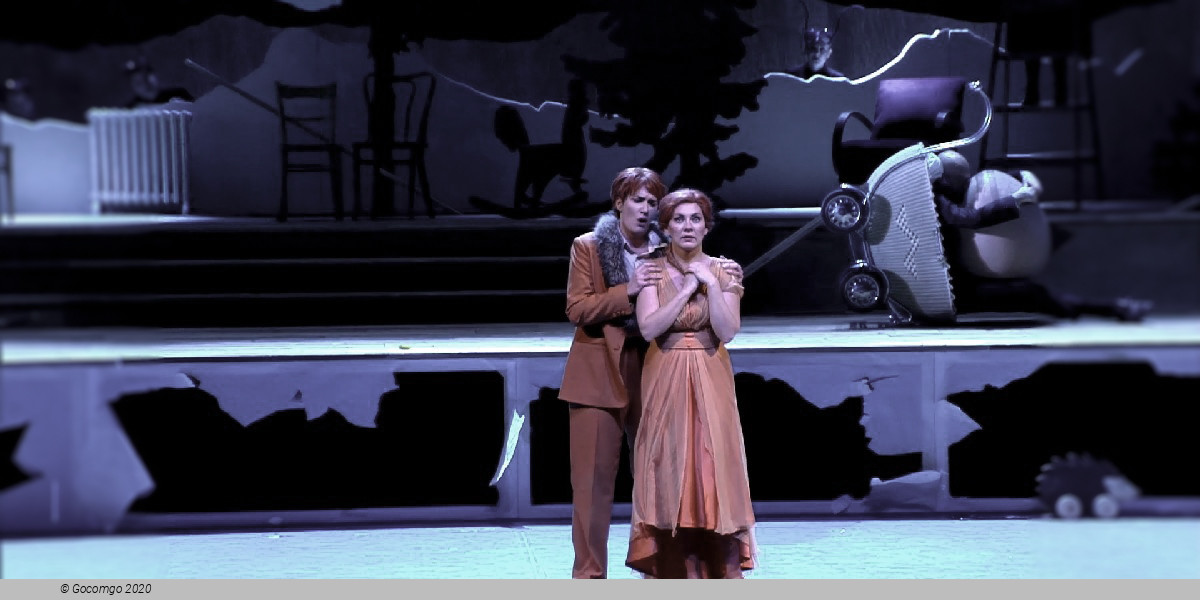
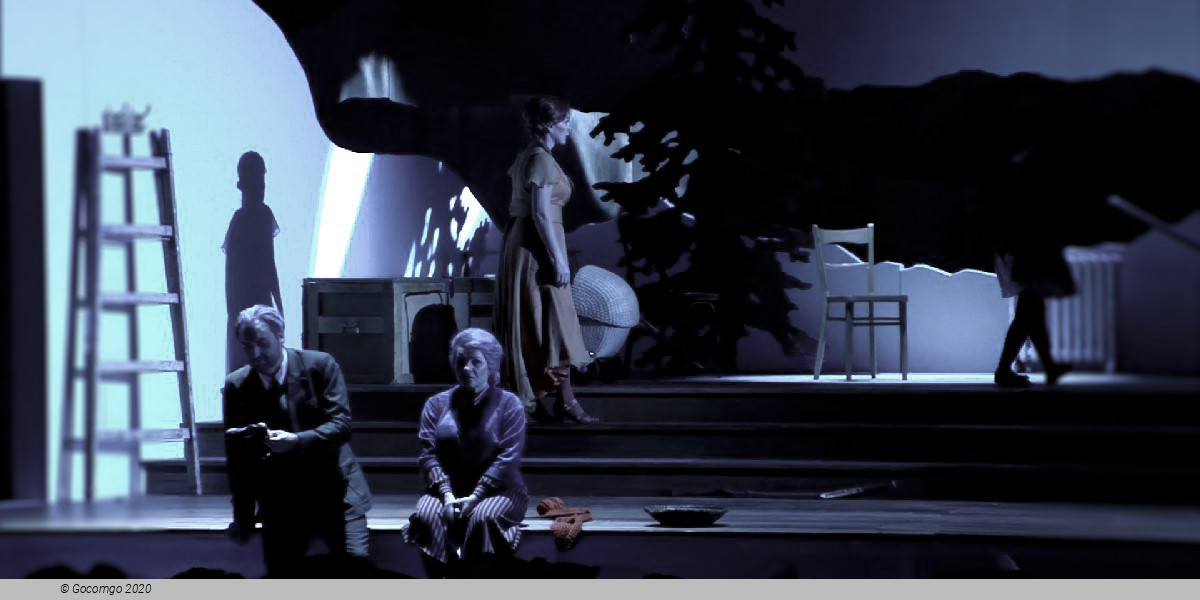
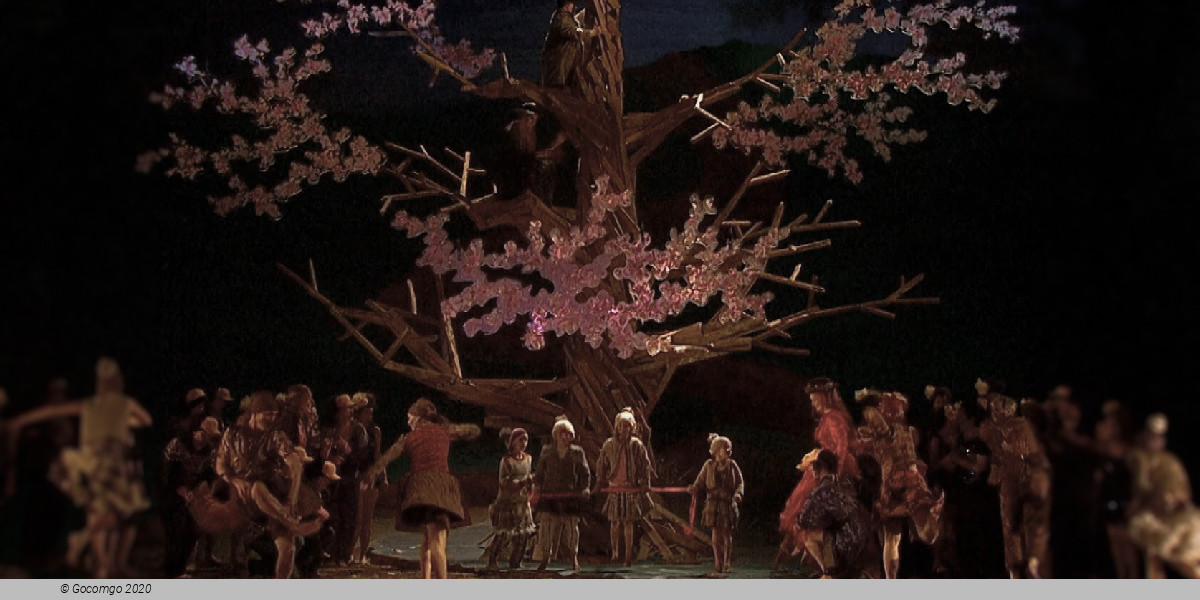
In the forest, the animals and insects are playing and dancing. The Forester enters and lies down against a tree for a nap. A curious Vixen Cub (usually sung by a young girl), inquisitively chases a frog right into the lap of the surprised forester who forcibly takes the vixen home as a pet. Time passes (in the form of an orchestral interlude) and we see the Vixen, now grown up into a young adult (and sung by a soprano), tied up in the forester's yard with the conservative old dachshund. Fed up with life in confinement, the vixen chews through her rope, attacks the Cock and Chocholka the hen, kills the other chickens, jumps over the fence and runs off to freedom.

Act 2
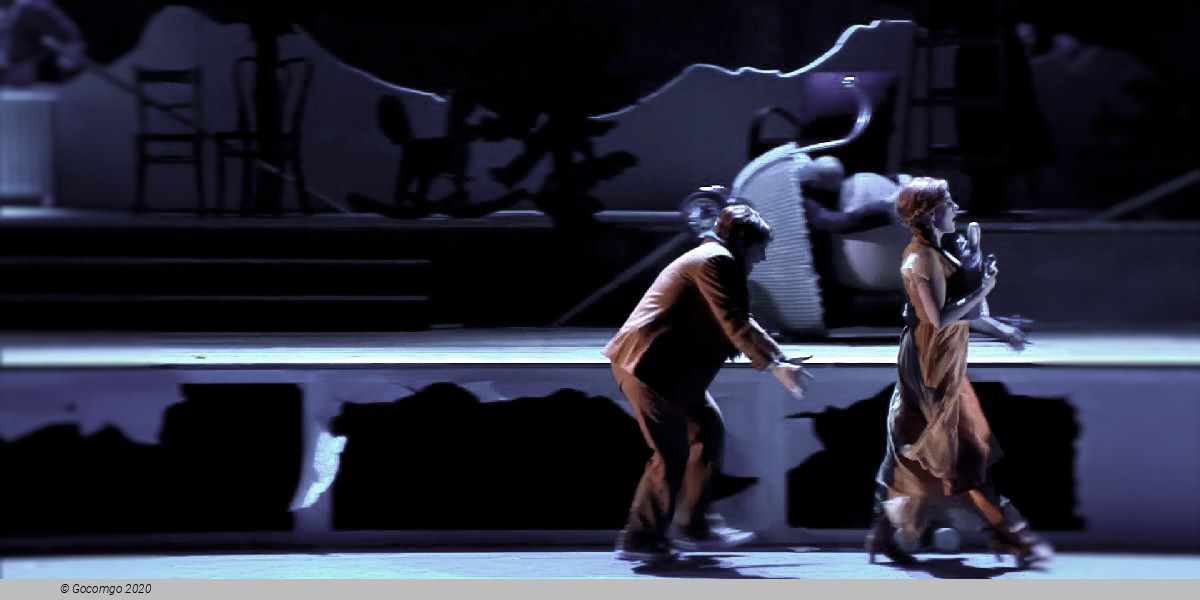
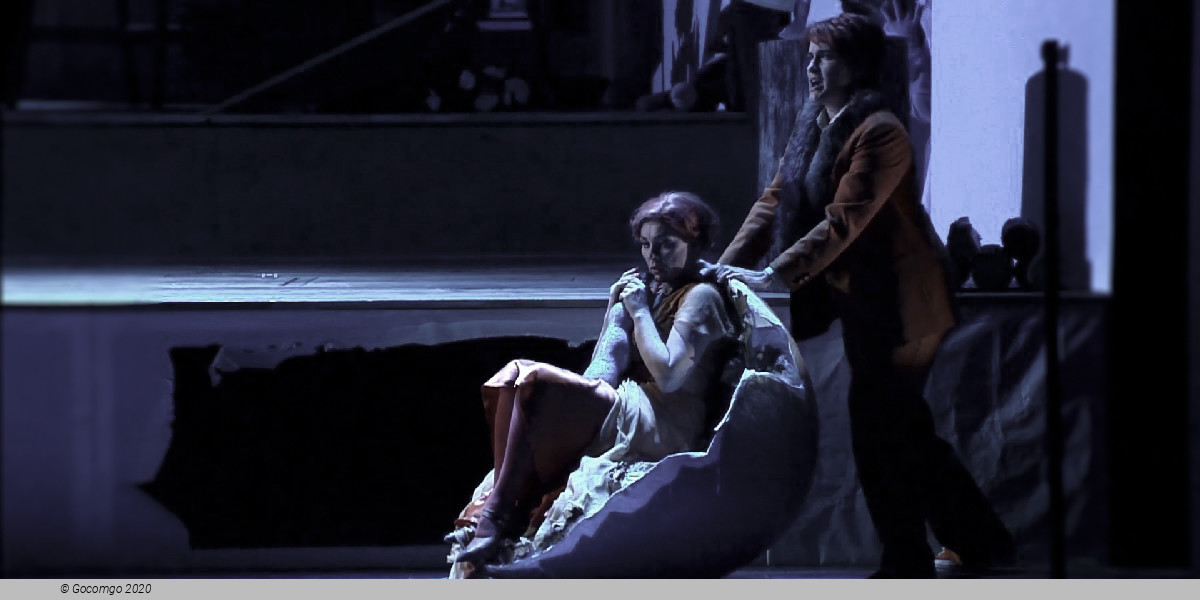
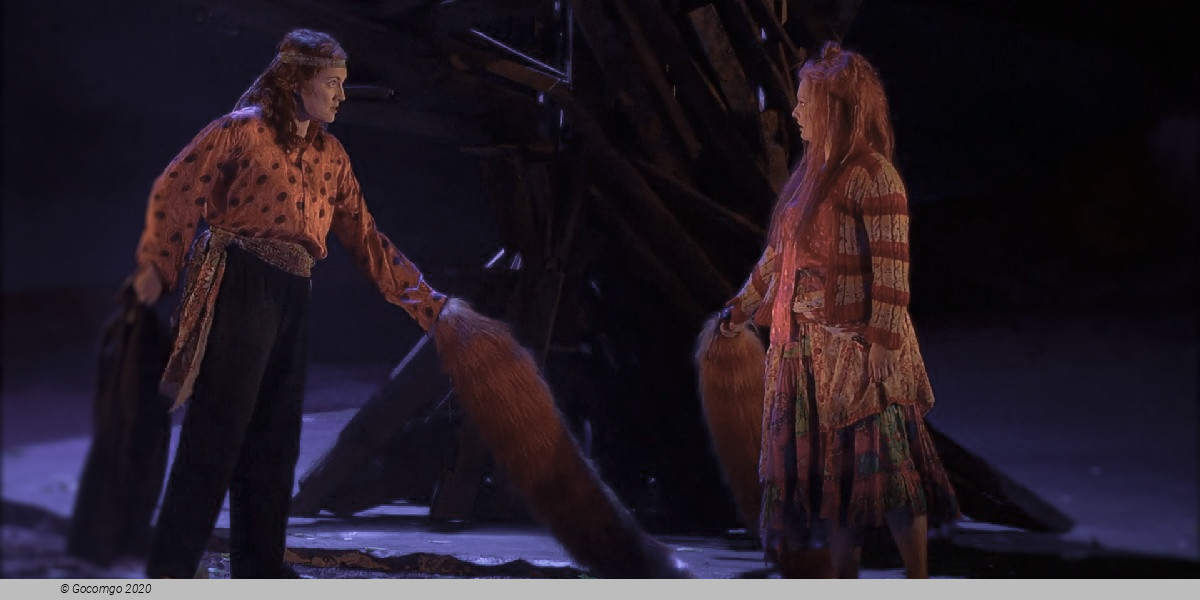
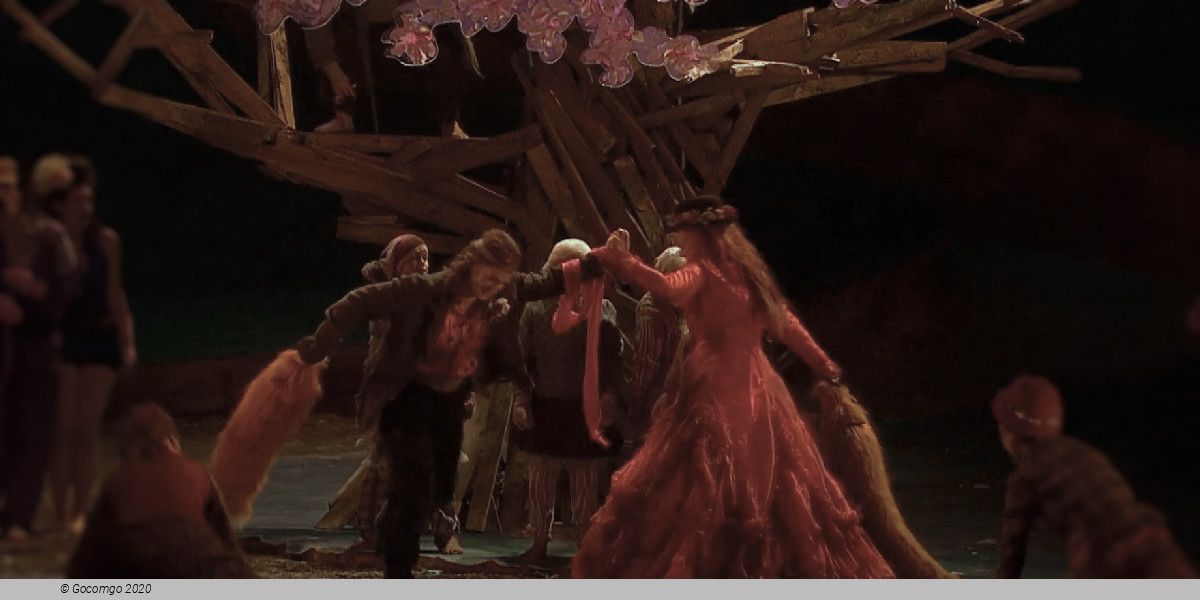
The vixen takes over a badger's home and kicks him out. In the inn, the pastor, the forester, and the schoolmaster drink and talk about their mutual infatuation with the gypsy girl Terynka. The drunken schoolmaster leaves the inn and mistakes a sunflower behind which the vixen is hiding for Terynka and confesses his devotion to her. The forester, also on his way home, sees the vixen and fires two shots at her, sending her running. Later, the vixen, coming into her womanhood, meets a charming boy fox, and they retire to the badger's home. An unexpected pregnancy and a forest full of gossipy creatures necessitates their marriage, which rounds out the act.

Act 3
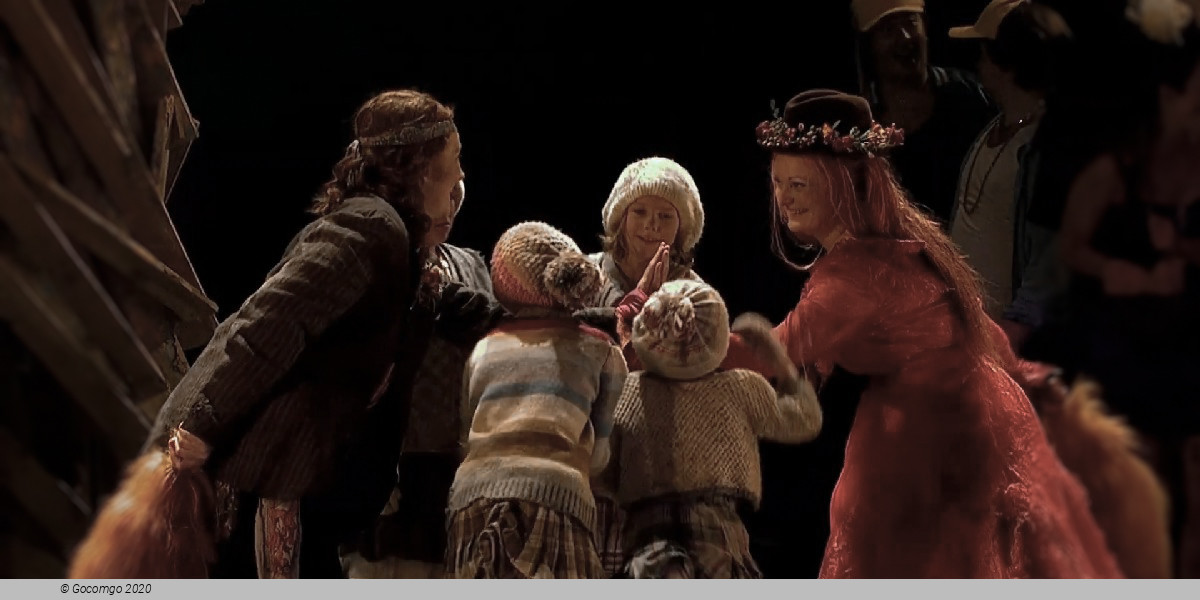
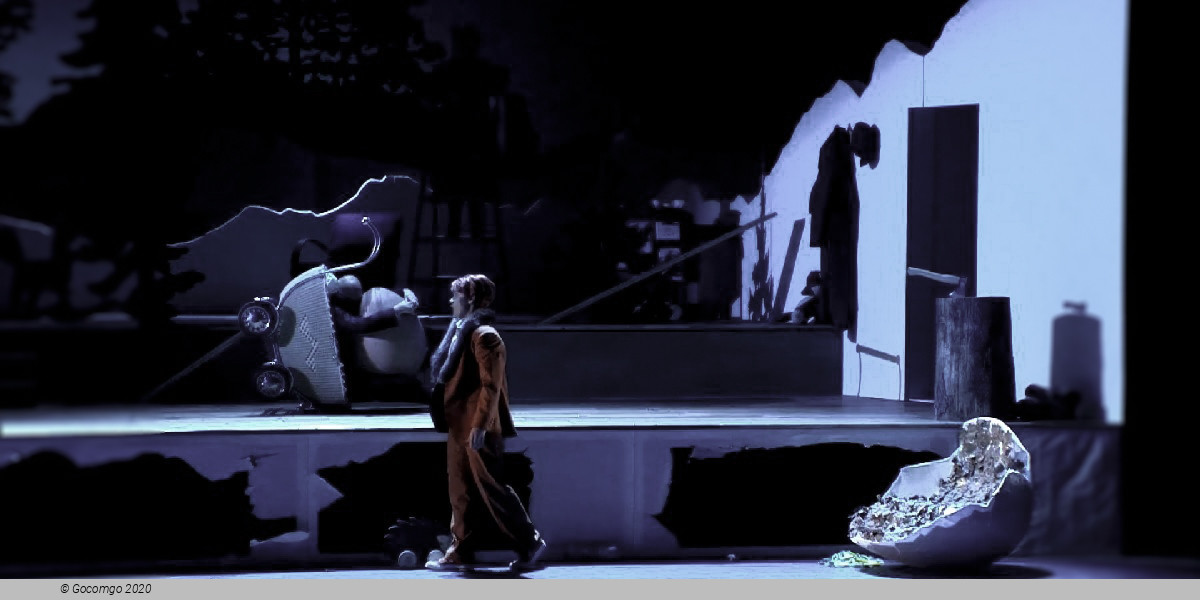
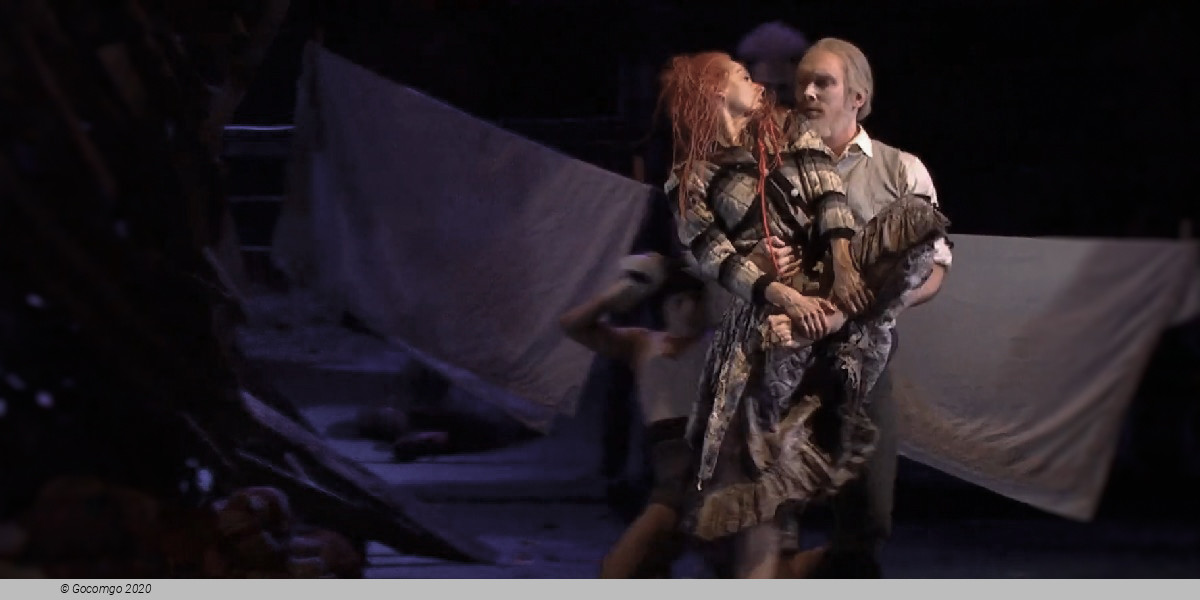
The poacher Harasta is engaged to Terynka and is out hunting in preparation for their marriage. He sets a fox trap, which the numerous fox and vixen cubs mock. Harasta, watching from a distance, shoots and kills the vixen, sending her children running. At Harasta's wedding, the forester sees the vixen's fur, which Harasta gave to Terynka as a wedding present, and flees to the forest to reflect. He returns to the place where he met the vixen, and sits at the tree grieving the loss of both the vixen and Terynka. His grief grows until, just as in the beginning of the opera, a frog unexpectedly jumps in his lap, the grandson of the one who did so in Act 1. This reassurance of the cycle of death leading to new life gives his heart a deep peace.

Venue Info

Prague National Theatre - Prague
Location   Národní 2

The National Theatre is the prime stage of the Czech Republic. It is also one of the symbols of national identity and a part of the European cultural space, with a tradition spanning more than 130 years. It is the bearer of the national cultural heritage, as well as a space for free artistic creation.

The National Theatre (Czech: Národní divadlo) in Prague is known as the alma mater of Czech opera, and as the national monument of Czech history and art.

The National Theatre belongs to the most important Czech cultural institutions, with a rich artistic tradition, which helped to preserve and develop the most important features of the nation–the Czech language and a sense for a Czech musical and dramatic way of thinking.

Today, the National Theatre is made up of four artistic companies – the Opera, Drama, Ballet and Laterna magika. It artistically manages four stages – the three historical buildings: the National Theatre (1883), the State Opera (1888), and the Estates Theatre (1783), and the more recently opened New Stage (1983). The Opera, Drama and Ballet companies perform not only titles from the ample classical legacy, in addition to Czech works, they also focus on contemporary international creation.

Grand opening

The National Theatre was opened for the first time on 11 June 1881, to honour the visit of Crown Prince Rudolf of Austria. Bedřich Smetana's opera Libuše was given its world premiere, conducted by Adolf Čech. Another 11 performances were presented after that. Then the theatre was closed down to enable the completion of the finishing touches. While this work was under way a fire broke out on 12 August 1881, which destroyed the copper dome, the auditorium, and the stage of the theatre.

The fire was seen as a national catastrophe and was met with a mighty wave of determination to take up a new collection: Within 47 days a million guldens were collected. This national enthusiasm, however, did not correspond to the behind-the-scenes battles that flared up following the catastrophe. Architect Josef Zítek was no longer in the running, and his pupil architect Josef Schulz was summoned to work on the reconstruction. He was the one to assert the expansion of the edifice to include the block of flats belonging to Dr. Polák that was situated behind the building of the Provisional Theatre. He made this building a part of the National Theatre and simultaneously changed somewhat the area of the auditorium to improve visibility. He did, however, take into account with utmost sensitivity the style of Zítek's design, and so he managed to merge three buildings by various architects to form an absolute unity of style.

Important Info
Type: Opera
City: Prague, Czech Republic
Starts at: 17:00
Acts: 2
Intervals: 1
Duration: 2h 10min
Sung in: Czech
Titles in: Czech,English
Top of page