








Prague National Theatre 21 October 2022 - La Fille mal gardée | GoComGo.com

La Fille mal gardée

Prague National Theatre, The State Opera, Prague, Czech Republic
All photos (9)
Select date and time
7 PM

E-tickets: Print at home or at the box office of the event if so specified. You will find more information in your booking confirmation email.

You can only select the category, and not the exact seats.
If you order 2 or 3 tickets: your seats will be next to each other.
If you order 4 or more tickets: your seats will be next to each other, or, if this is not possible, we will provide a combination of groups of seats (at least in pairs, for example 2+2 or 2+3).

Important Info
Type: Ballet
City: Prague, Czech Republic
Starts at: 19:00
Acts: 2
Intervals: 1
Duration: 2h 15min

E-tickets: Print at home or at the box office of the event if so specified. You will find more information in your booking confirmation email.

You can only select the category, and not the exact seats.
If you order 2 or 3 tickets: your seats will be next to each other.
If you order 4 or more tickets: your seats will be next to each other, or, if this is not possible, we will provide a combination of groups of seats (at least in pairs, for example 2+2 or 2+3).

Overview

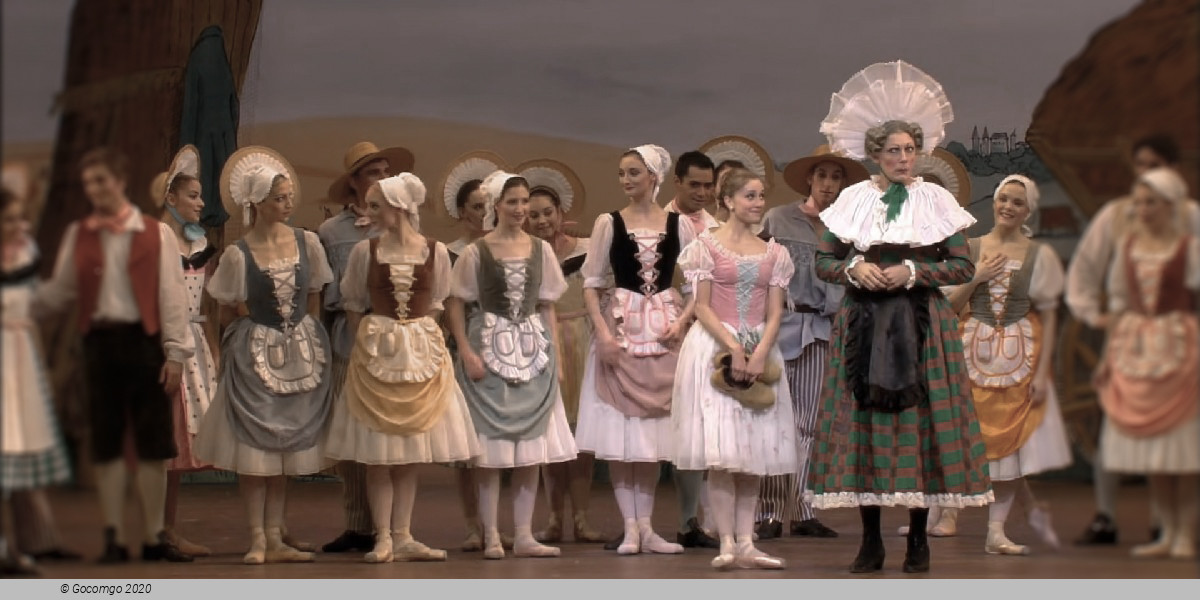
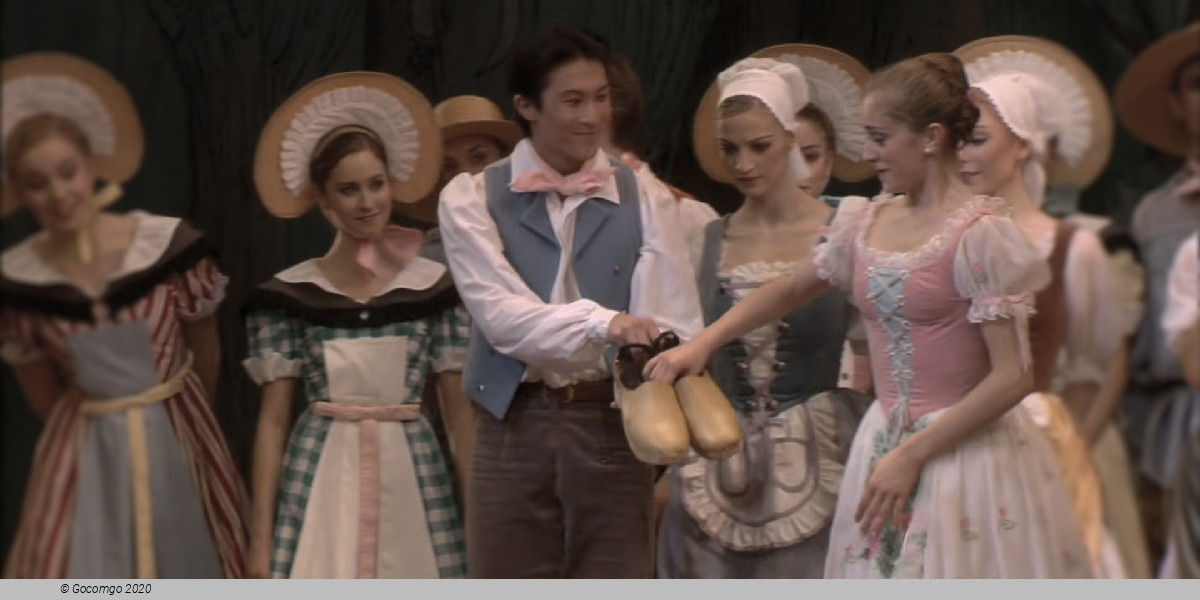
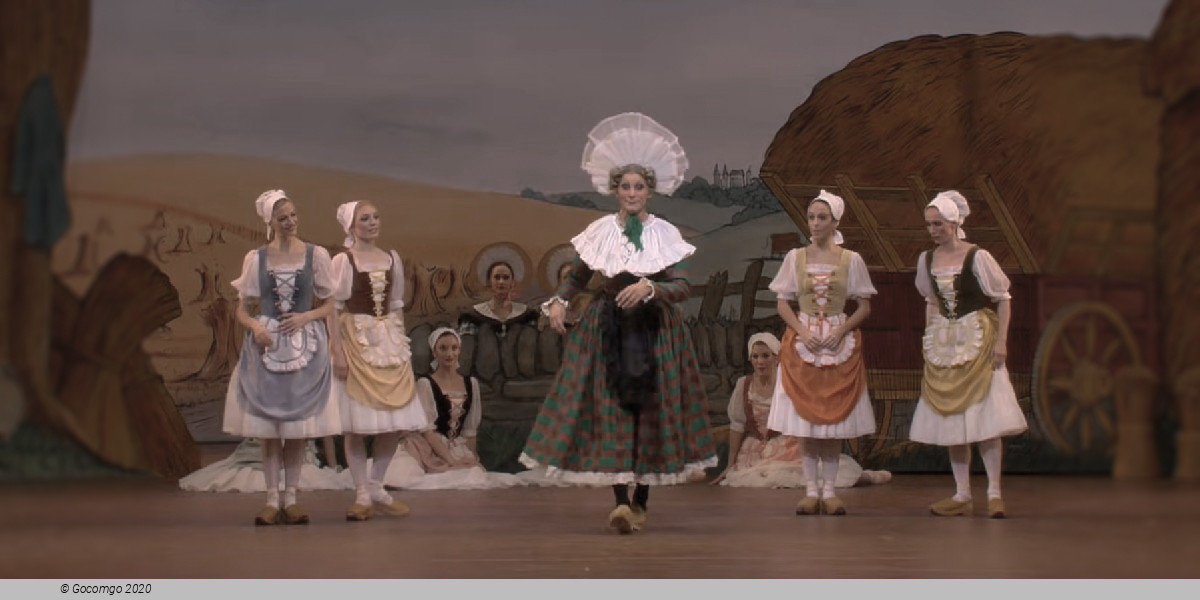
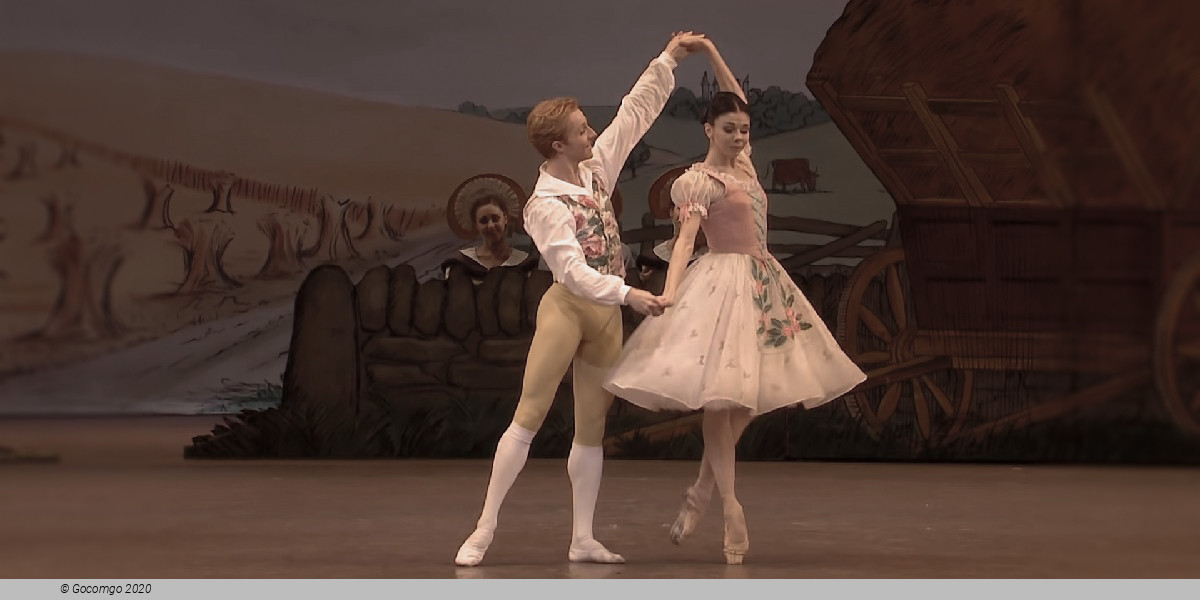
A fascinating comedy, pure pleasure, intoxication by dance! Very suitable for children! La Fille mal gardée (The Wayward Daughter) is one of the oldest ballets (it was created in 1789), it is still widely staged and hugely popular. Why is that? Because it celebrates the joy of life and – above all – love. It is colorful and full of humor, dancers make audiences smile. 

Will the wild young Lise fight for her love despite her desperately overprotective mother? Will she marry her beloved Colas? Or will she listen to her mother’s words and accept Alain who is wealthy but a little bit “out of his head”?

This masterpiece of Frederick Ashton is inspired by the older French ballet of Jean Dauberval. We are invited to a picturesque countryside similar to Suffolk, a place dear to Ashton’s heart.

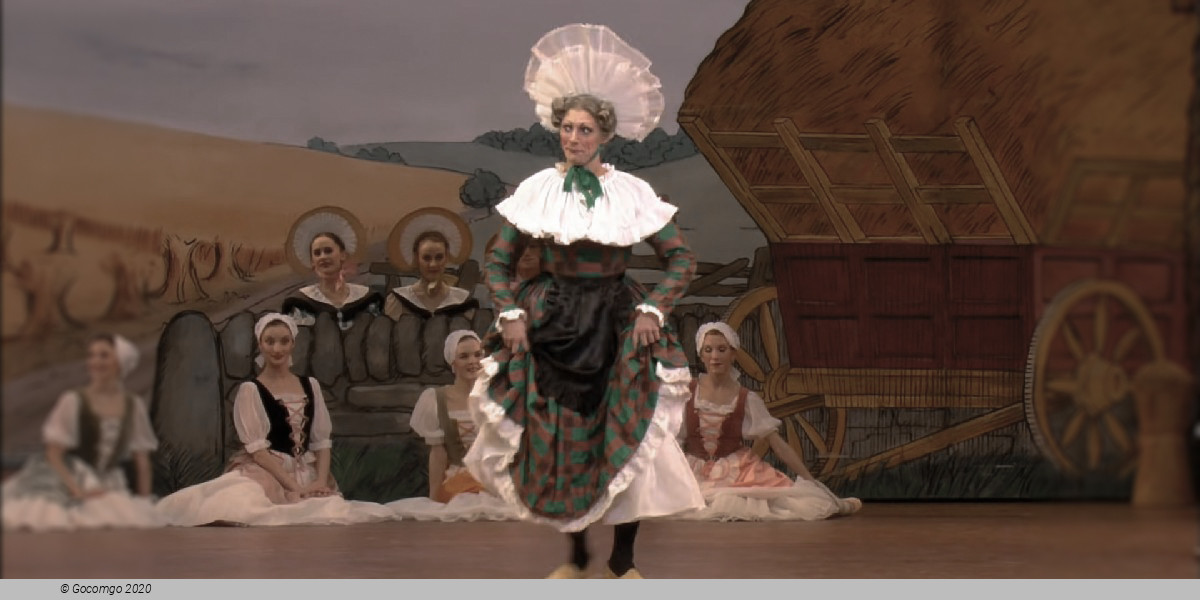
The sets resemble cartoons, we enjoy folk festivities, dancing hens and a live pony and are drawn into a merry summer atmosphere.

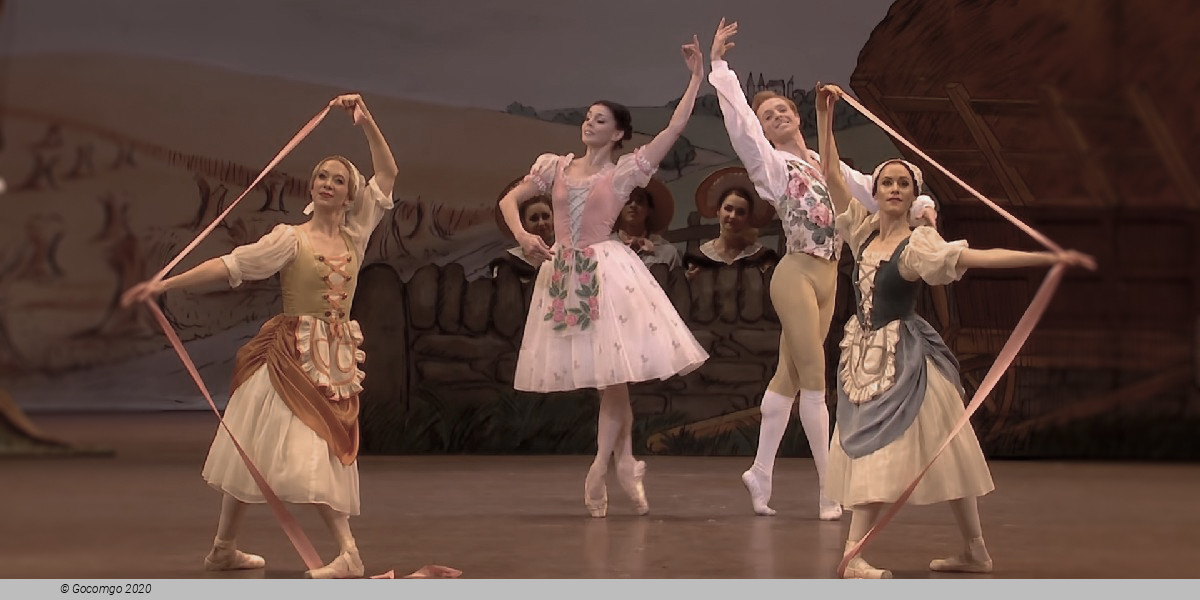
Despite its joyful character the work is technically highly demanding, there are difficult pas de deux and solos, expressing the passionate nature of the young lovers.

In 1959, the choreographer Frederick Ashton began creating a completely new version of La Fille mal gardée for the Royal Ballet of London. This production premiered on 28 January 1960, with the ballerina Nadia Nerina as Lise, David Blair as Colas, Stanley Holden as the Widow Simone, and Alexander Grant as Alen. Since its inception Ashton's staging has become a celebrated classic of the ballet repertory.

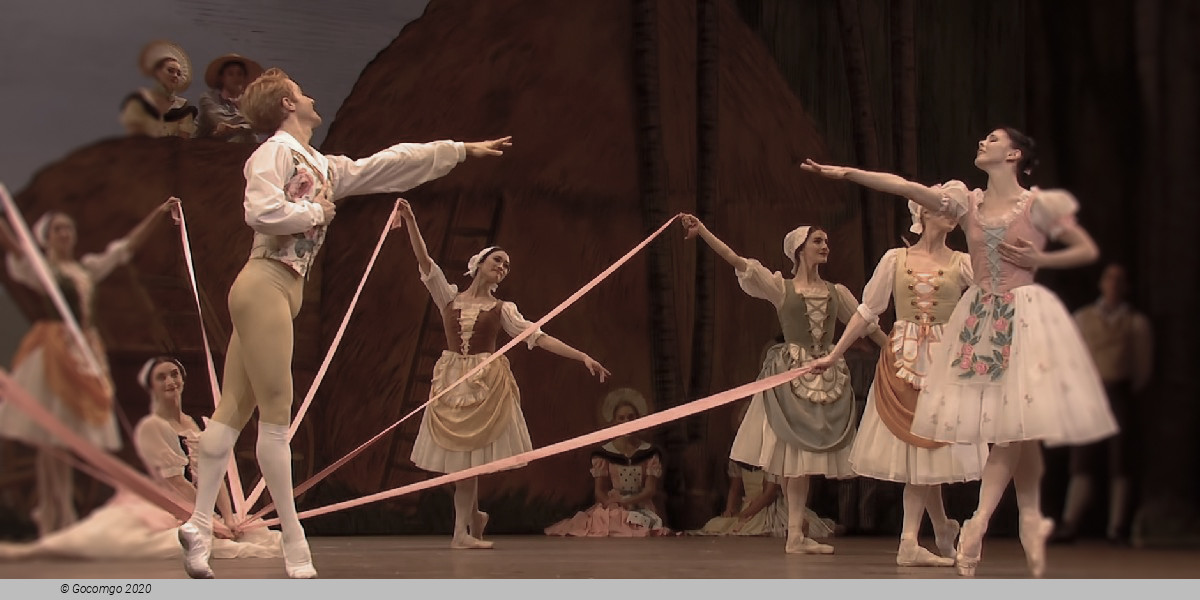
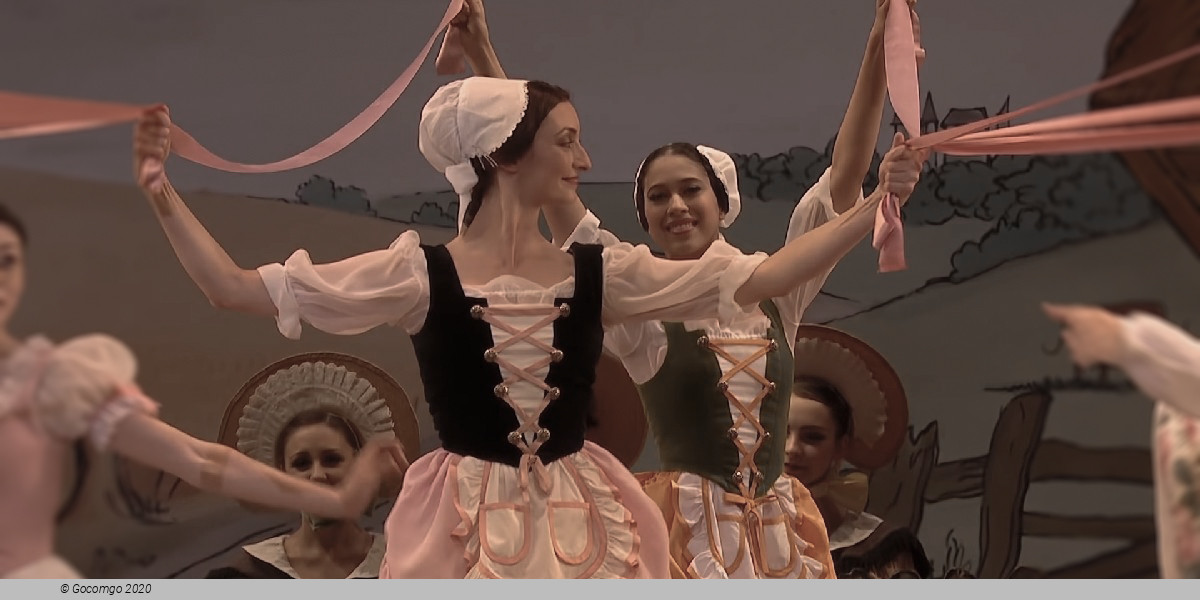
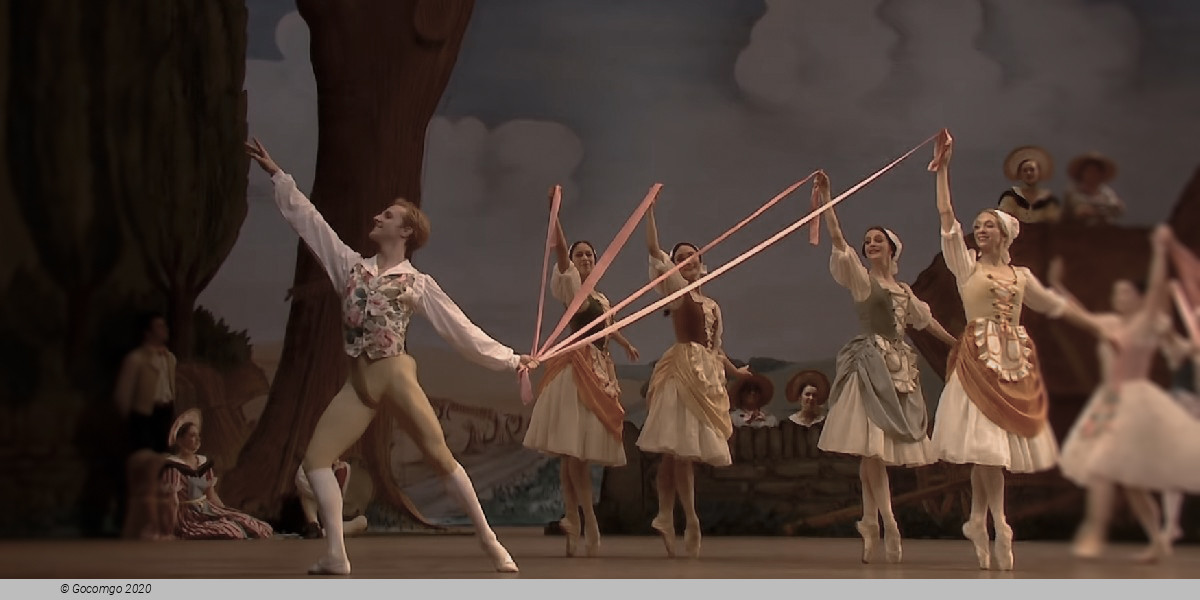
Ashton created what is considered to be among his most masterful choreography for his new version of La Fille mal gardée. He resurrected the Pas de ruban for Lise and Colas, in which the lovers perform a charming pas with intricate tricks using a pink satin ribbon. Ashton took this idea to an entirely new level with the Fanny Elssler pas de deux, devising a spectacular Grand adage for Lise, Colas and eight women with eight ribbons. Ashton also included Petipa's original mimed sequence known as When I'm Married, a passage that was performed by all of the great ballerinas of old when they danced the role of Lise. He was taught this passage by Tamara Karsavina, former Ballerina of the St. Petersburg Imperial Theatres and the Original Ballet Russe. She had in turn learned it from her teacher Pavel Gerdt, once the Imperial Ballet's leading male dancer who partnered all of the great ballerinas of the late 19th century and early 20th century in the role of Lise, including Virginia Zucchi.

Ashton's 1960 version of La Fille mal gardée has been staged for many companies throughout the world and has become the more or less "traditional" version, replacing the productions derived from the Petipa/Ivanov/Gorsky versions danced in Russia to the music of Hertel. Among such companies are the Bolshoi Ballet (2002), and American Ballet Theatre (2004). In spite of this, the famous La Fille mal gardée pas de deux, which is taken from the Petipa/Ivanov/Gorsky versions of the ballet, is still performed with regularity as a gala excerpt, and is often used by various young dancer on the ballet competition circuit.

History
Premiere of this production: 01 July 1789, Grand Théâtre de Bordeaux in Bordeaux, France

La Fille mal gardée is one of the oldest and most important works in the modern ballet repertory, having been kept alive throughout its long performance history by way of many revivals. The work has undergone many changes of title and has had no fewer than six scores, some of which were adaptations of older music.

Synopsis

Lise and Colas are in love and want to marry. However, the Widow Simone wants Lise to marry the dimwitted, but extremely rich, Alain, and has arranged (with Alain's father Thomas) for a marriage contract between Lise and Alain. The Widow Simone does her best to keep Lise and Colas apart, but is unsuccessful in her attempts to do so.

At harvest time the Widow Simone and Lise are taken to the field for a picnic lunch by Thomas and Alain. The farm workers join in a ribbon dance around a maypole, and the girls also join in a clog dance with the Widow Simone. There is a thunderstorm and everyone rushes for shelter. Alain is carried away on the wind by his open umbrella.

The Widow Simone and Lise return to their home. The widow wants Lise to sit down at the spinning wheel and spin, but Lise spins while she is up dancing, nearly strangling the widow. After a while, the widow wants Lise to dance, and Lise shows signs of unhappiness, but obliges. The widow takes a tambourine to play in time with Lise's dancing. When the widow is asleep, Lise tries to steal the key from the widow's pocket, to prevent the widow from locking her in, but is unsuccessful. The crops are brought in by the farm workers, and the widow then leaves the house (after locking the door behind her to prevent Lise from leaving the house). Lise thinks about Colas and mimes being the mother of a large number of children. To her embarrassment, Colas suddenly rises from the stacked crops. At the sound of the Widow Simone's returning to the house, Lise and Colas look around desperately for a place where he can hide. Not finding anywhere suitable in the living room, Lise takes Colas to her room, and she returns to the living room just before Widow Simone enters the house. The Widow Simone orders Lise to go to her room and put on her wedding dress for her forthcoming marriage to Alain. The horrified Lise tries to remain where she is, but the Widow Simone pushes Lise into her room and locks the door.

Thomas arrives with his son Alain (who is still clutching his umbrella). They are accompanied by a notary who is to act as witness to the marriage. The farm workers (friends of both Lise and Colas) also arrive. The Widow Simone gives Alain the key to Lise's room. When Alain unlocks the door to Lise's room, Lise appears in her wedding dress, accompanied by Colas. Thomas and Alain take offence, and the enraged Thomas tears up the marriage contract. Thomas, Alain and the notary leave the house in dudgeon. Lise and Colas then beg the Widow Simone to look favourably upon their suit. Love conquers all and the widow relents. Joyfully celebrating the happy outcome for Lise and Colas, everyone leaves, and the house is left quiet and empty, until Alain returns for his umbrella which he had accidentally left behind. So Alain is also happy with the love of his life – his umbrella.

Venue Info

Prague National Theatre - Prague
Location   Národní 2

The National Theatre is the prime stage of the Czech Republic. It is also one of the symbols of national identity and a part of the European cultural space, with a tradition spanning more than 130 years. It is the bearer of the national cultural heritage, as well as a space for free artistic creation.

The National Theatre (Czech: Národní divadlo) in Prague is known as the alma mater of Czech opera, and as the national monument of Czech history and art.

The National Theatre belongs to the most important Czech cultural institutions, with a rich artistic tradition, which helped to preserve and develop the most important features of the nation–the Czech language and a sense for a Czech musical and dramatic way of thinking.

Today, the National Theatre is made up of four artistic companies – the Opera, Drama, Ballet and Laterna magika. It artistically manages four stages – the three historical buildings: the National Theatre (1883), the State Opera (1888), and the Estates Theatre (1783), and the more recently opened New Stage (1983). The Opera, Drama and Ballet companies perform not only titles from the ample classical legacy, in addition to Czech works, they also focus on contemporary international creation.

Grand opening

The National Theatre was opened for the first time on 11 June 1881, to honour the visit of Crown Prince Rudolf of Austria. Bedřich Smetana's opera Libuše was given its world premiere, conducted by Adolf Čech. Another 11 performances were presented after that. Then the theatre was closed down to enable the completion of the finishing touches. While this work was under way a fire broke out on 12 August 1881, which destroyed the copper dome, the auditorium, and the stage of the theatre.

The fire was seen as a national catastrophe and was met with a mighty wave of determination to take up a new collection: Within 47 days a million guldens were collected. This national enthusiasm, however, did not correspond to the behind-the-scenes battles that flared up following the catastrophe. Architect Josef Zítek was no longer in the running, and his pupil architect Josef Schulz was summoned to work on the reconstruction. He was the one to assert the expansion of the edifice to include the block of flats belonging to Dr. Polák that was situated behind the building of the Provisional Theatre. He made this building a part of the National Theatre and simultaneously changed somewhat the area of the auditorium to improve visibility. He did, however, take into account with utmost sensitivity the style of Zítek's design, and so he managed to merge three buildings by various architects to form an absolute unity of style.

Important Info
Type: Ballet
City: Prague, Czech Republic
Starts at: 19:00
Acts: 2
Intervals: 1
Duration: 2h 15min
Top of page