
Prague National Theatre 14 February 2021 - Dalibor | GoComGo.com

Dalibor

Prague National Theatre, The National Theatre, Prague, Czech Republic
All photos (5)
Select date and time
5 PM
Request for Tickets
Important Info
Type: Opera
City: Prague, Czech Republic
Starts at: 17:00
Acts: 3
Intervals: 2
Duration: 3h 10min
Sung in: Czech
Titles in: Czech,English

E-tickets: Print at home or at the box office of the event if so specified. You will find more information in your booking confirmation email.

You can only select the category, and not the exact seats.
If you order 2 or 3 tickets: your seats will be next to each other.
If you order 4 or more tickets: your seats will be next to each other, or, if this is not possible, we will provide a combination of groups of seats (at least in pairs, for example 2+2 or 2+3).

Overview

Bedřich Smetana’s third opera, Dalibor, is closely connected with the history of the National Theatre, similarly to his later Libuše. The former received its premiere on 16 May 1868 at the New Town Theatre in Prague, within the celebrations of the laying of the foundation stone of the National Theatre.

Bedřich Smetana’s third opera, Dalibor, is closely connected with the history of the National Theatre, similarly to his later Libuše. The former received its premiere on 16 May 1868 at the New Town Theatre in Prague, within the celebrations of the laying of the foundation stone of the National Theatre. Libuše was first performed during the National Theatre’s gala opening in 1881, and again in 1883.

At the time of composing DaliborBedřich Smetana was a major Czech opera figure – since September 1866, he had served as the first Kapellmeister of the Provisional Theatre, and he had made a significant impact on the formation of the ensemble that would become the National Theatre opera company. The German libretto for Dalibor was furnished by Josef Wenzig, the head of the Artistic Society, who had contributed to the emancipation of Czech as a language of tuition, yet his literary works remained in German, which was also the case of the texts for the operas Dalibor and Libuše. Upon Smetana’s insistence, Wenzig agreed to deliver the libretto for Dalibor in Czech, yet he did not venture to translate his own German original and hence recommended his student Ervín Špindler to do so.

The story of the knight Dalibor reflects the historical events during the rule of Vladislav II, King of Bohemia (1456–1516), yet the plot is rather centred around a romantic legend of a knight who in jail learns how to play the violin. The myth, treated by a number of chroniclers and authors, served as the basis for Wenzig’s libretto. Initially, Dalibor was not received overly positively and met with a lukewarm response on the part of the audience. Nevertheless, following its acclaimed 1886 revival at the National Theatre, it would be regularly staged and given almost 1,100 performances. The opera also gained success abroad, including in Vienna, Moscow, Berlin and Edinburgh. One of the first productions beyond Bohemia was the 1897 staging in Vienna, conducted by Gustav Mahler, an ardent champion of Smetana’s music.

Dalibor is a romantic tragedy, with passions being the main driving force, first Dalibor’s wild desire to avenge the death of his close friend and Milada’s endeavour to avenge the death of her brother. Their spite is replaced by mad love for each other, which, however, is thwarted by the forces Dalibor had initially set in motion against himself.

History
Premiere of this production: 16 May 1868, Provisional Theatre, Prague

Dalibor is a Czech opera in three acts by Bedřich Smetana. The libretto was written in German by Josef Wenzig, and translated into Czech by Ervin Špindler. It was first performed at the New Town Theatre in Prague on 16 May 1868. The opera received criticism at the time for being overly influenced by German opera, including that of Richard Wagner's Lohengrin.

Synopsis

Time: 15th century
Place: Prague

Act 1
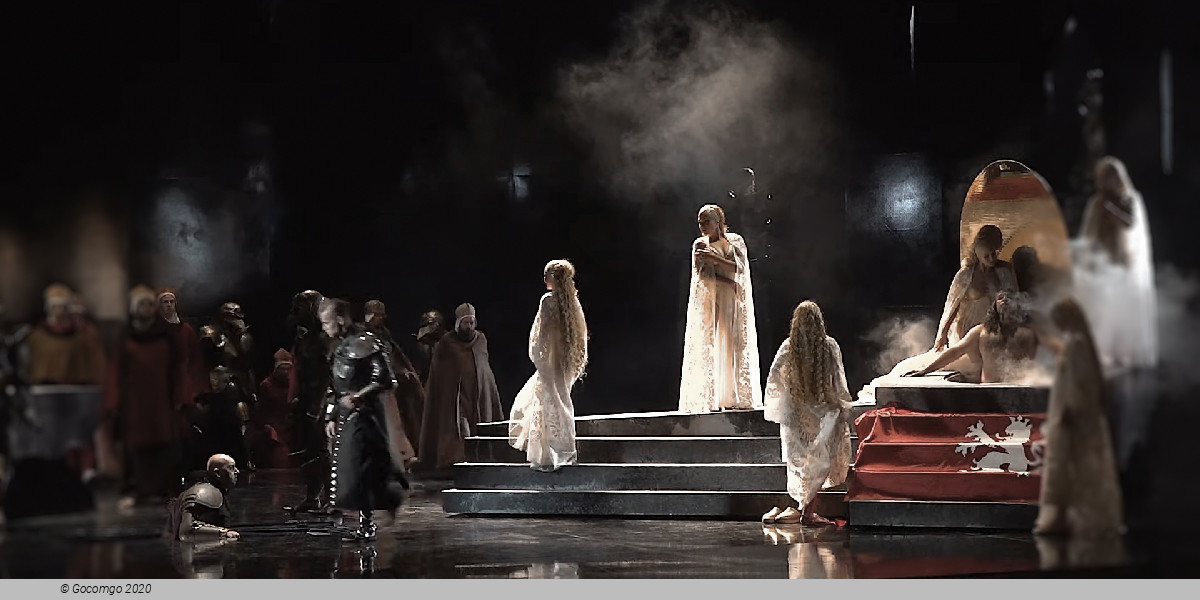
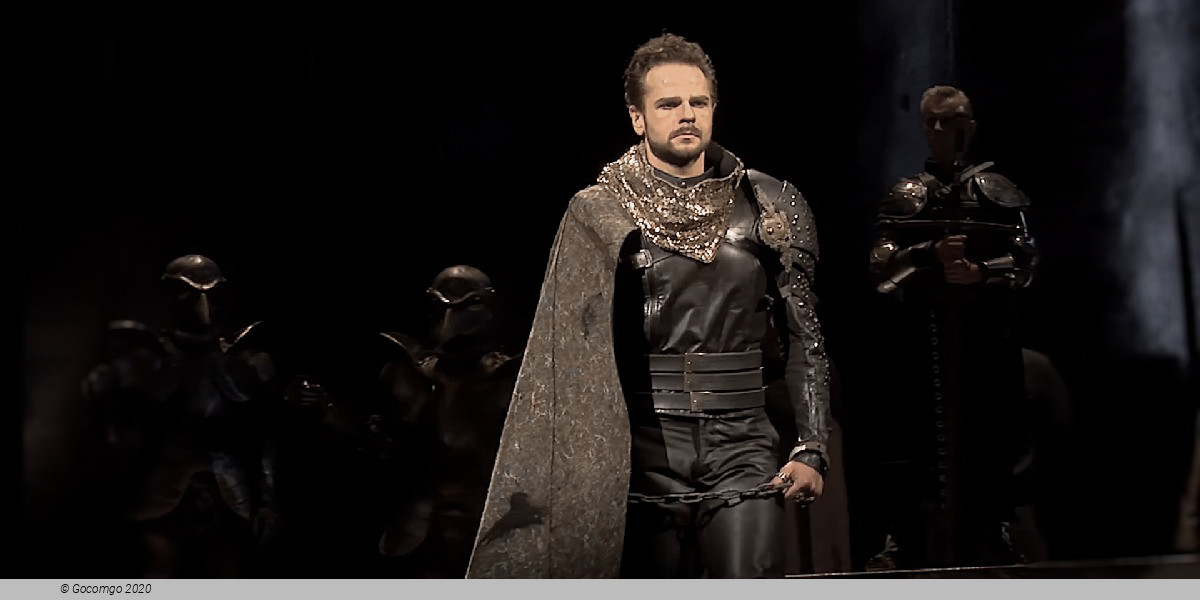
Dalibor, a Czech Knight is on trial before the king for having murdered the burgrave of Ploskovice in revenge for execution of his friend, the musician Zdeněk. At the trial, the king calls upon the burgrave's sister, Milada, who demands his execution. As Dalibor is brought in, the crowd rises in support of him. When Dalibor tells of his friend's capture and murder the court reduces his sentence from death to lifetime imprisonment. Milada painfully realized that she is falling in love with Dalibor, and in collusion with Jitka, an orphan befriended by the knight, she resolves to set him free.

Act 2
After a scene in a mercenary camp, where Jitka and her lover Vítek plot to free Dalibor, Milada enters the prison disguised as a boy and finds employment with Dalibor's jailer, Beneš. She charms the jailer into allowing her into dungeon where Dalibor is being held, to give him his friend's violin. The knight is dreaming, and initially thinks Milada is a reincarnation of his beloved Zdeněk. Then in a passionate duet, they sing of their joy in having found each other.

Act 3
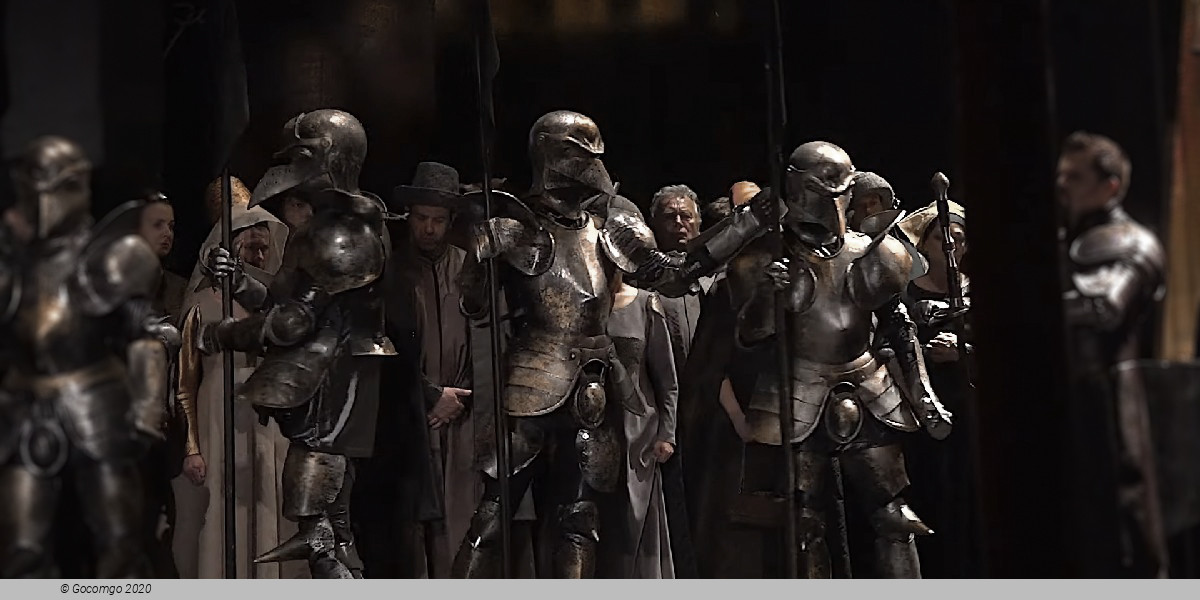
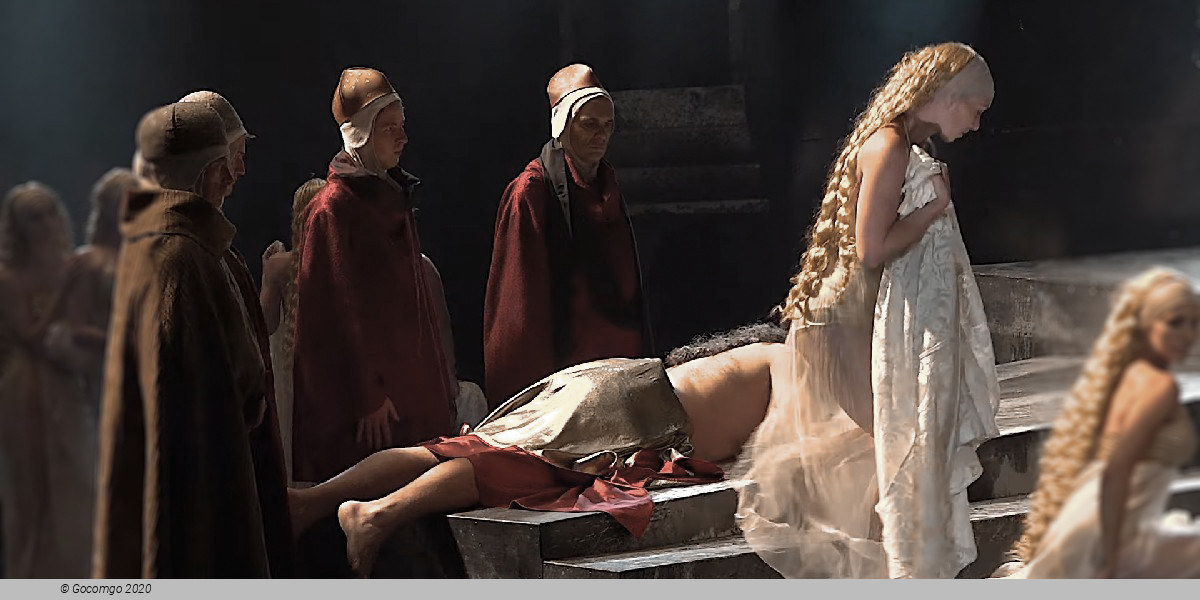
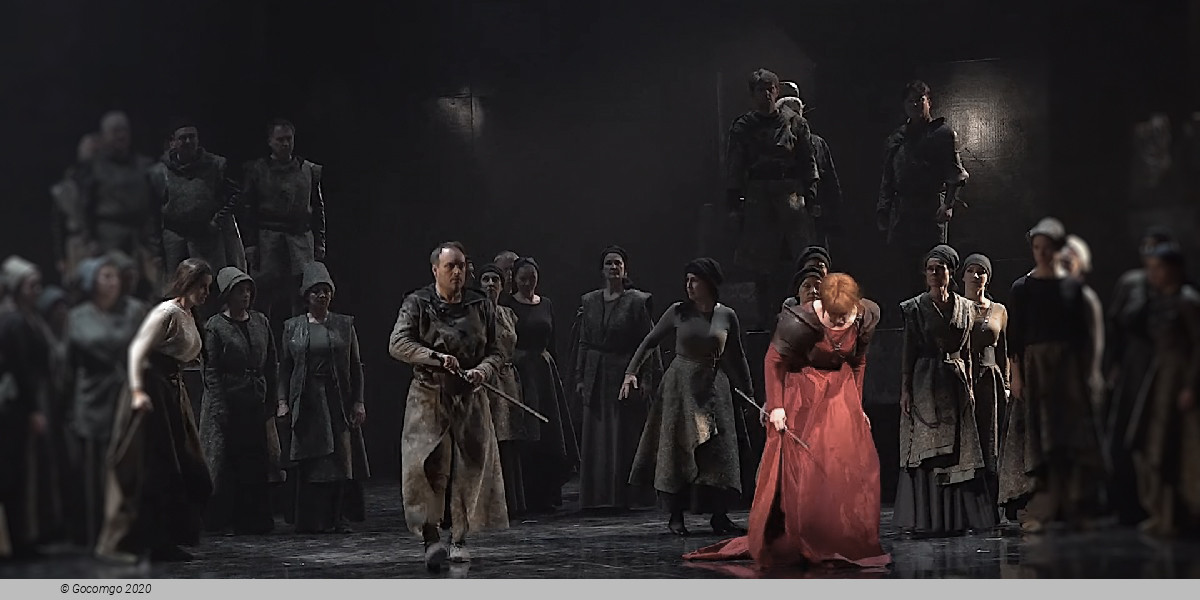
In the dungeon, Dalibor looks forward to escape (singing his famous Song to Freedom) but feeling it is a bad omen when one of the strings of Zdeněk's violin breaks. The plot to bribe Beneš fails, and the jailer informs the king of their attempted escape. Taking the advice of his council, the king orders Dalibor's death. Milada, waiting outside the prison, hears the tolling of the bell that signals Dalibor's execution. Accompanied by her followers, she storms the castle, where, after rescuing Dalibor, she is wounded and dies in his arms. Dalibor stabs himself and is united in death with his beloved. An alternative ending has Dalibor executed before Milada can rescue him.

Venue Info

Prague National Theatre - Prague
Location   Národní 2

The National Theatre is the prime stage of the Czech Republic. It is also one of the symbols of national identity and a part of the European cultural space, with a tradition spanning more than 130 years. It is the bearer of the national cultural heritage, as well as a space for free artistic creation.

The National Theatre (Czech: Národní divadlo) in Prague is known as the alma mater of Czech opera, and as the national monument of Czech history and art.

The National Theatre belongs to the most important Czech cultural institutions, with a rich artistic tradition, which helped to preserve and develop the most important features of the nation–the Czech language and a sense for a Czech musical and dramatic way of thinking.

Today, the National Theatre is made up of four artistic companies – the Opera, Drama, Ballet and Laterna magika. It artistically manages four stages – the three historical buildings: the National Theatre (1883), the State Opera (1888), and the Estates Theatre (1783), and the more recently opened New Stage (1983). The Opera, Drama and Ballet companies perform not only titles from the ample classical legacy, in addition to Czech works, they also focus on contemporary international creation.

Grand opening

The National Theatre was opened for the first time on 11 June 1881, to honour the visit of Crown Prince Rudolf of Austria. Bedřich Smetana's opera Libuše was given its world premiere, conducted by Adolf Čech. Another 11 performances were presented after that. Then the theatre was closed down to enable the completion of the finishing touches. While this work was under way a fire broke out on 12 August 1881, which destroyed the copper dome, the auditorium, and the stage of the theatre.

The fire was seen as a national catastrophe and was met with a mighty wave of determination to take up a new collection: Within 47 days a million guldens were collected. This national enthusiasm, however, did not correspond to the behind-the-scenes battles that flared up following the catastrophe. Architect Josef Zítek was no longer in the running, and his pupil architect Josef Schulz was summoned to work on the reconstruction. He was the one to assert the expansion of the edifice to include the block of flats belonging to Dr. Polák that was situated behind the building of the Provisional Theatre. He made this building a part of the National Theatre and simultaneously changed somewhat the area of the auditorium to improve visibility. He did, however, take into account with utmost sensitivity the style of Zítek's design, and so he managed to merge three buildings by various architects to form an absolute unity of style.

Important Info
Type: Opera
City: Prague, Czech Republic
Starts at: 17:00
Acts: 3
Intervals: 2
Duration: 3h 10min
Sung in: Czech
Titles in: Czech,English
Top of page