Prague National Theatre 1 April 2022 - Premiere Beats per minute - evening of conterporary choreography Premiere | GoComGo.com

Premiere
Beats per minute - evening of conterporary choreography Premiere

Prague National Theatre, The National Theatre, Prague, Czech Republic
All photos (5)
Select date and time
7 PM

E-tickets: Print at home or at the box office of the event if so specified. You will find more information in your booking confirmation email.

You can only select the category, and not the exact seats.
If you order 2 or 3 tickets: your seats will be next to each other.
If you order 4 or more tickets: your seats will be next to each other, or, if this is not possible, we will provide a combination of groups of seats (at least in pairs, for example 2+2 or 2+3).

Important Info
Type: Modern Ballet
City: Prague, Czech Republic
Starts at: 19:00
Intervals: 2
Duration: 2h 20min

E-tickets: Print at home or at the box office of the event if so specified. You will find more information in your booking confirmation email.

You can only select the category, and not the exact seats.
If you order 2 or 3 tickets: your seats will be next to each other.
If you order 4 or more tickets: your seats will be next to each other, or, if this is not possible, we will provide a combination of groups of seats (at least in pairs, for example 2+2 or 2+3).

Overview

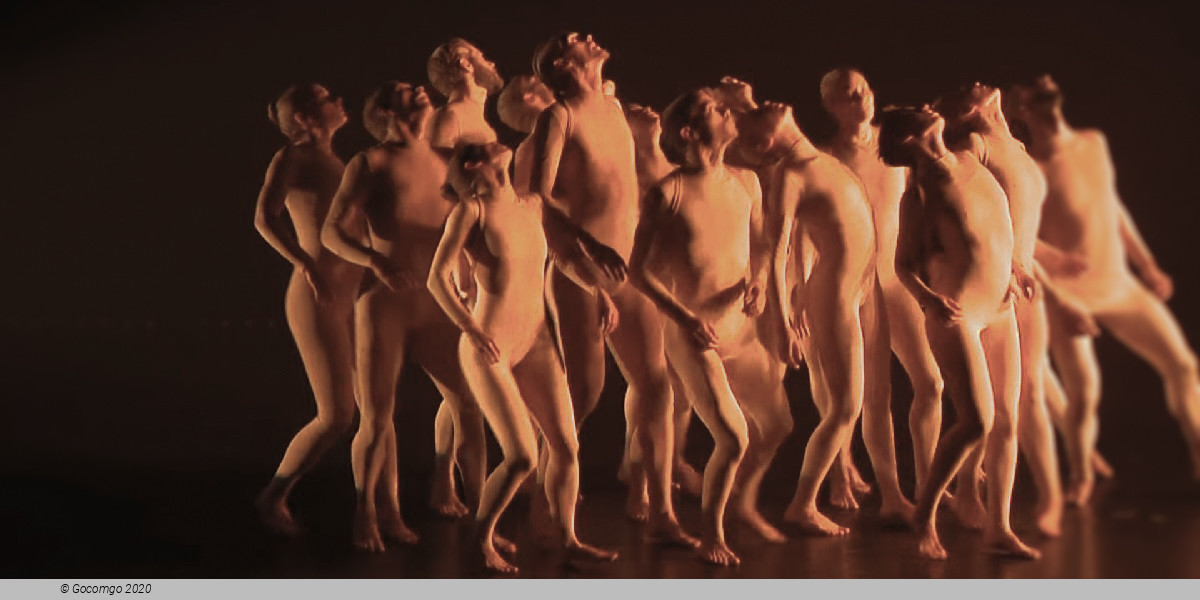
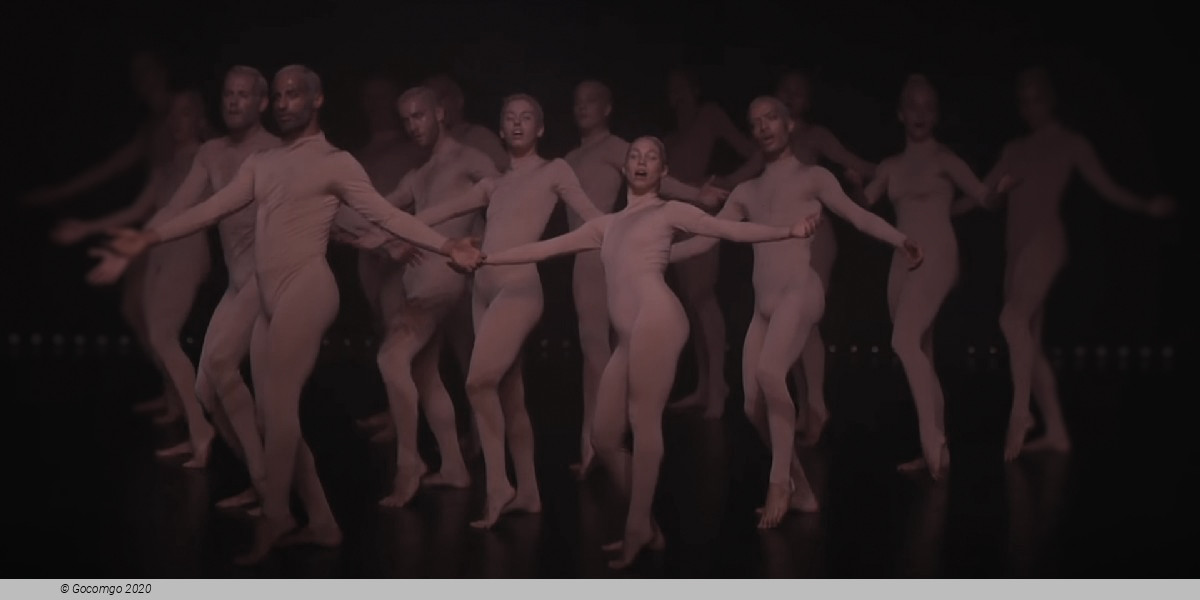
The triple bill, made up of works by contemporary choreographers, bears an indicative title.

Bpm refers to beats per minute, a measurement of tempo in music, as well as heart rate. The new Czech National Ballet triple bill will set your heart racing. You can expect a truly thrilling evening, consisting of works by Israel’s Eyal Dadon, Sharon Eyal and Gai Behar, and the Czech creative producer, choreographer and street fusion visionary Yemi A.D.

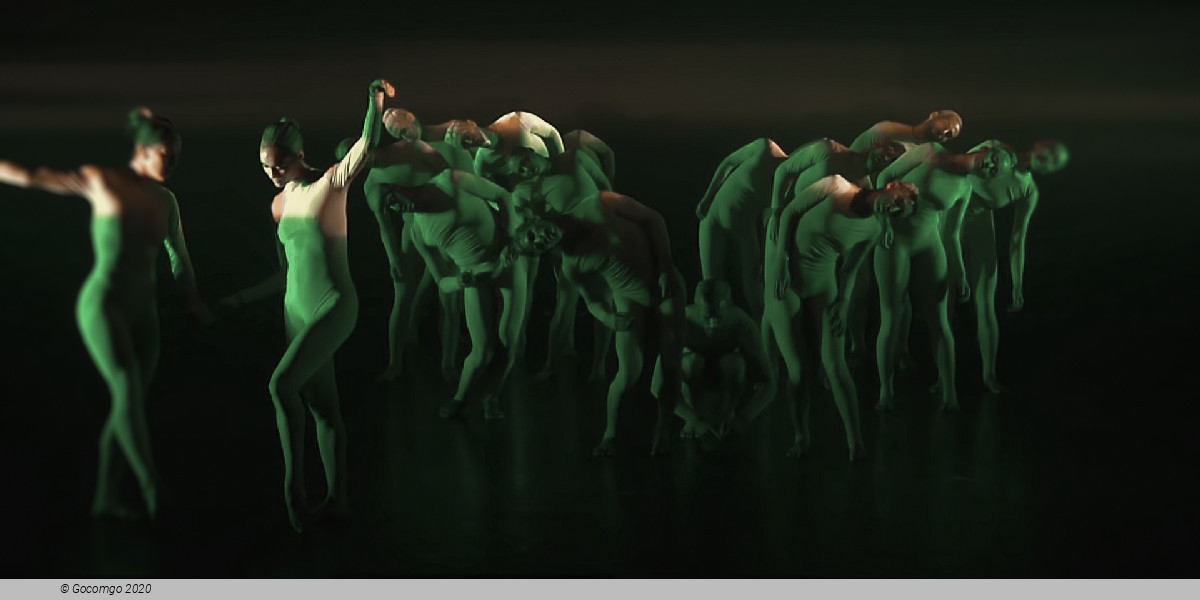
BIOHEMIAN GRAVITY, the very first purely theatre production made by the multidisciplinary artist, choreographer and creative producer Yemi A.D., bearing the secondary title Searching for Freedom, explores the possibilities and limits of human movement with regard to gravity – the physical, as well as the mental and social force.

”I love merging various dance styles. I don’t deem dancers to be a blank canvas on which I paint my ideas. I draw from the trove of their knowledge, experience and emotions. Sometimes I dismantle the patterns they bear within, at others I rely on them.”

Fusing street dance and contemporary styles, Yemi A.D. seeks the unbridled Bohemian energy, striving to break away from the ground, while also to find the roots that connect us to the previous generations.

The multilayer production has been created by a team including a number of esteemed artists. The leading Czech fashion designer Liběna Rochová conceived the costumes. The music was composed by Jakub Strach, alias NobodyListen, a DJ and producer who has become a respected figure on the Czech and Slovak electronic scene. Tomáš “Tommy” Pražák oversaw the dancers’ acrobatic training, and the acclaimed London-based Czech photographer Eliška Sky designed the scenery.

Yemi A.D. has previously mainly worked as a choreographer in global show business, collaborating with a number of celebrated artists, including the American rapper Kanye West, for whom he has designed concerts, tours and music videos. He has also cooperated with CBS and Apple, and worked on advertising campaigns for major international brands. Yemi A.D. considers his theatre debut a true milestone in his career.

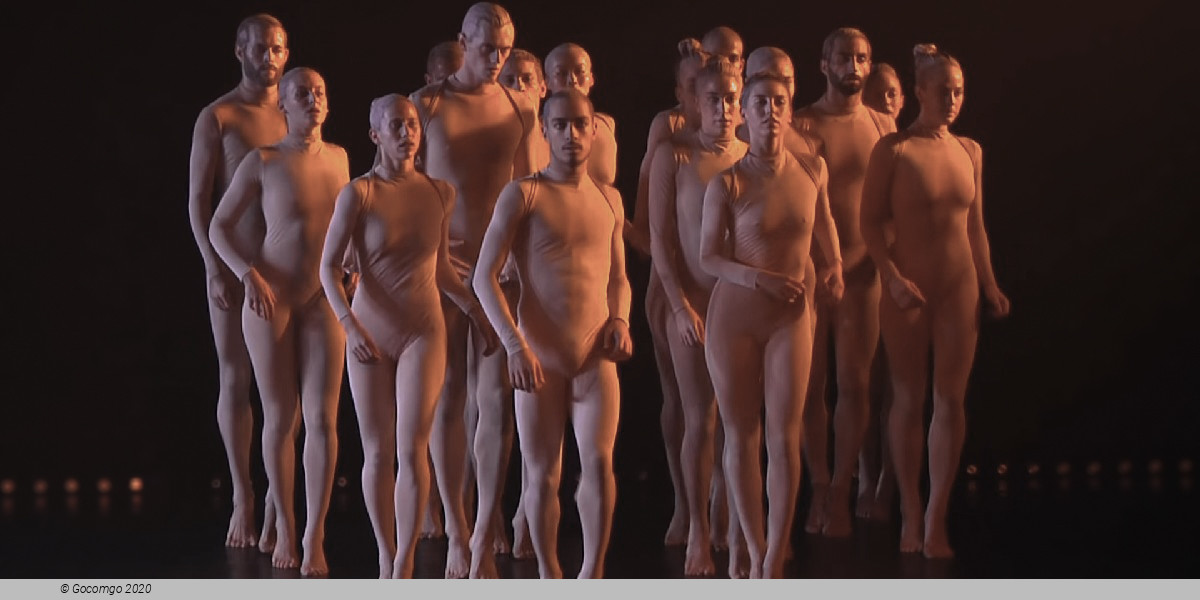
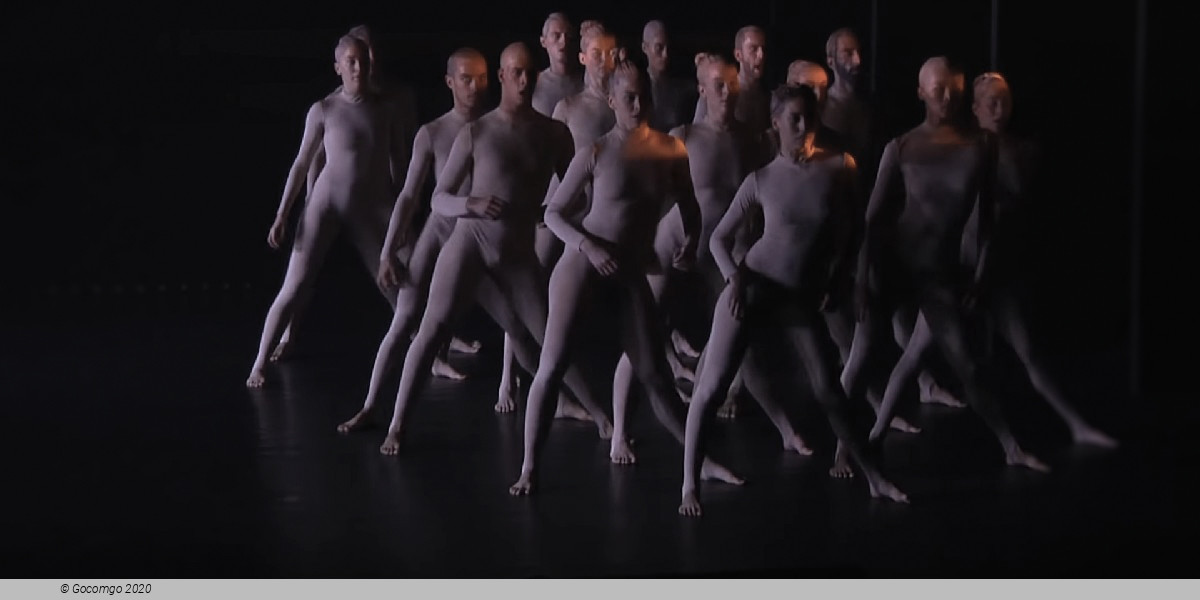
The main theme BILL pursues is the role of individuals in society, their relations with a group, part of which they are due to identical costumes, hairstyle and makeup, and, ostensibly unified movement, beating in unison. Upon closer scrutiny, however, it is evident that the harmony is imaginary, constantly disturbed and impaired. Sharon Eyal created BILL for the Batsheva Dance Company in 2010. She employed all her quintessential traits – pulsating techno music, composed by Ori Lichtik; skin-tight unitards, exposing all the dancers’ muscles, a harsh, minimalistic movement idiom, as well as a touch of absurdity.

“I love to see unison, but crooked unison. The same timing, the same shape, the same idea, the same style, but very different.”

One of the globally most sought-after contemporary dance artists, Sharon Eyal launched her career with the Batsheva Dance Company as a dancer and, later on, a choreographer and associate artistic director. In 2013, she and her long-term collaborator Gai Behar set up the L-E-V company, which has given hundreds of performances worldwide. Sharon Eyal has garnered several prestigious accolades, including the Fedora – Van Cleef & Arpels Prize for Ballet and the Landau Prize for the Performing Arts. Her choreographies have been performed by Nederlands Dans Theater, Opéra national de Paris, Staatsoper Berlin and other major companies.

“Artza” means in Hebrew an order given to a dog to sit down or lie down and stay. When you say “Artza!” to another person, it is thus very rude, humiliating and disrespectful

“The piece deals with our inner animal we hide and rein in every day in order to fit into our society. Sometimes it feels that society is educating us, while also telling us ‘Artza!’”.

Eyal Dadon thus focuses on our inner demons we need to conquer and embrace, striving to find the balance between complying with social conventions and satisfying the desire to feel free. His choreography, tailored to the Czech National Ballet dancers, is accompanied by his own music. The National Theatre will present ARTZA in world premiere.

Eyal Dadon is a rising star of contemporary Israeli dance. After gaining renown as a performer with the Kamea Dance Company and, particularly, the Kibbutz Contemporary Dance Company, where he began choreographing, in 2016 he founded the SOL dance company, with whom he has travelled worldwide.

Venue Info

Prague National Theatre - Prague
Location   Národní 2

The National Theatre is the prime stage of the Czech Republic. It is also one of the symbols of national identity and a part of the European cultural space, with a tradition spanning more than 130 years. It is the bearer of the national cultural heritage, as well as a space for free artistic creation.

The National Theatre (Czech: Národní divadlo) in Prague is known as the alma mater of Czech opera, and as the national monument of Czech history and art.

The National Theatre belongs to the most important Czech cultural institutions, with a rich artistic tradition, which helped to preserve and develop the most important features of the nation–the Czech language and a sense for a Czech musical and dramatic way of thinking.

Today, the National Theatre is made up of four artistic companies – the Opera, Drama, Ballet and Laterna magika. It artistically manages four stages – the three historical buildings: the National Theatre (1883), the State Opera (1888), and the Estates Theatre (1783), and the more recently opened New Stage (1983). The Opera, Drama and Ballet companies perform not only titles from the ample classical legacy, in addition to Czech works, they also focus on contemporary international creation.

Grand opening

The National Theatre was opened for the first time on 11 June 1881, to honour the visit of Crown Prince Rudolf of Austria. Bedřich Smetana's opera Libuše was given its world premiere, conducted by Adolf Čech. Another 11 performances were presented after that. Then the theatre was closed down to enable the completion of the finishing touches. While this work was under way a fire broke out on 12 August 1881, which destroyed the copper dome, the auditorium, and the stage of the theatre.

The fire was seen as a national catastrophe and was met with a mighty wave of determination to take up a new collection: Within 47 days a million guldens were collected. This national enthusiasm, however, did not correspond to the behind-the-scenes battles that flared up following the catastrophe. Architect Josef Zítek was no longer in the running, and his pupil architect Josef Schulz was summoned to work on the reconstruction. He was the one to assert the expansion of the edifice to include the block of flats belonging to Dr. Polák that was situated behind the building of the Provisional Theatre. He made this building a part of the National Theatre and simultaneously changed somewhat the area of the auditorium to improve visibility. He did, however, take into account with utmost sensitivity the style of Zítek's design, and so he managed to merge three buildings by various architects to form an absolute unity of style.

Important Info
Type: Modern Ballet
City: Prague, Czech Republic
Starts at: 19:00
Intervals: 2
Duration: 2h 20min
Top of page