
Deutsche Oper Berlin: Cavalleria rusticana / Pagliacci Tickets | Event Dates & Schedule | GoComGo.com

Cavalleria rusticana / Pagliacci Tickets

Deutsche Oper Berlin, Berlin, Germany
Important Info
Type: Opera
City: Berlin, Germany
Duration: 3h with 1 interval
Intervals: 1
Sung in: Italian
Titles in: German,English

E-tickets: Print at home or at the box office of the event if so specified. You will find more information in your booking confirmation email.

You can only select the category, and not the exact seats.
If you order 2 or 3 tickets: your seats will be next to each other.
If you order 4 or more tickets: your seats will be next to each other, or, if this is not possible, we will provide a combination of groups of seats (at least in pairs, for example 2+2 or 2+3).

Cast
Performers
Choose the date to see the peformers
Overview

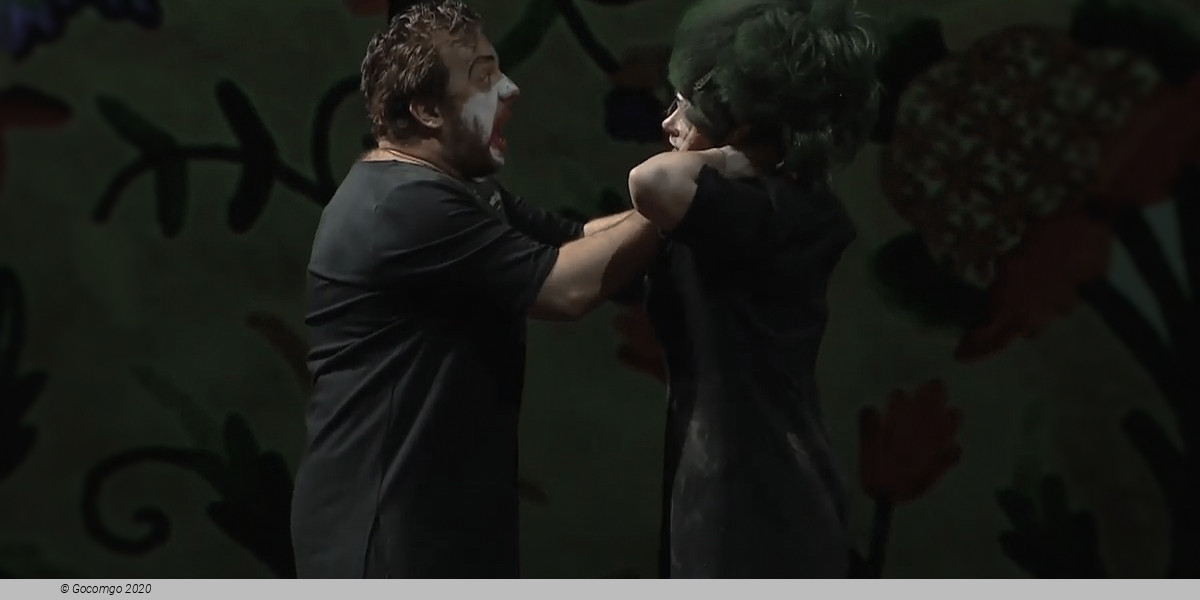
It can be comforting to know that the tears dropped onstage are fake, the emotions only acted, and that the pains of the performers have not really been endured. Reassurance, however, was not the object of the young Italian composers on the cusp of the 20th century, on the contrary: they wanted to arouse the spectators, involve them in vortexes of feelings, take them by surprise with the comic and tragic turnarounds that their stories, copied from Life, take.

In the literary movement of ‘verismo’ [derived from ‘il vero’ = the True/the truth] they found their concern preconceived, and it is only consequent that Pietro Mascagni chose a novella by the principal interpreter of verismo, Giovanni Verga as a model for his first work. Cavalleria rusticana [the German title is Sicilian Peasants´ Honor] had already proved its stage suitability in a dramatized version, which had also been shown in Livorno, Mascagni’s home town. In 1880, the story had been published in the anthology Vita dei campi, which actually means Life in the Countryside, but it is most frequently translated as Sizilianische Dorfgeschichten, Sicilian Village Stories in the German version, on account of the author´s origin.

In 1888/89, Mascagni´s first work won the composition competition for one-act operas organized by publisher Sonzogno with ease. His extremely successful debut performance in the Roman Teatro Costanzi on May 17, 1890 may be considered the birth hour of musical ‘verismo’. More than two years later, Ruggero Leoncavallo wrote the short opera I PAGLIACCI containing the renowned prologue. The German title DER BAJAZZO correctly names the main character in the singular form, however, the plural form in the Italian original was enforced by the famous singer Victor Maurel, who had to sing the prologue as Tonio and whose role would not otherwise have appeared in the title of the work.

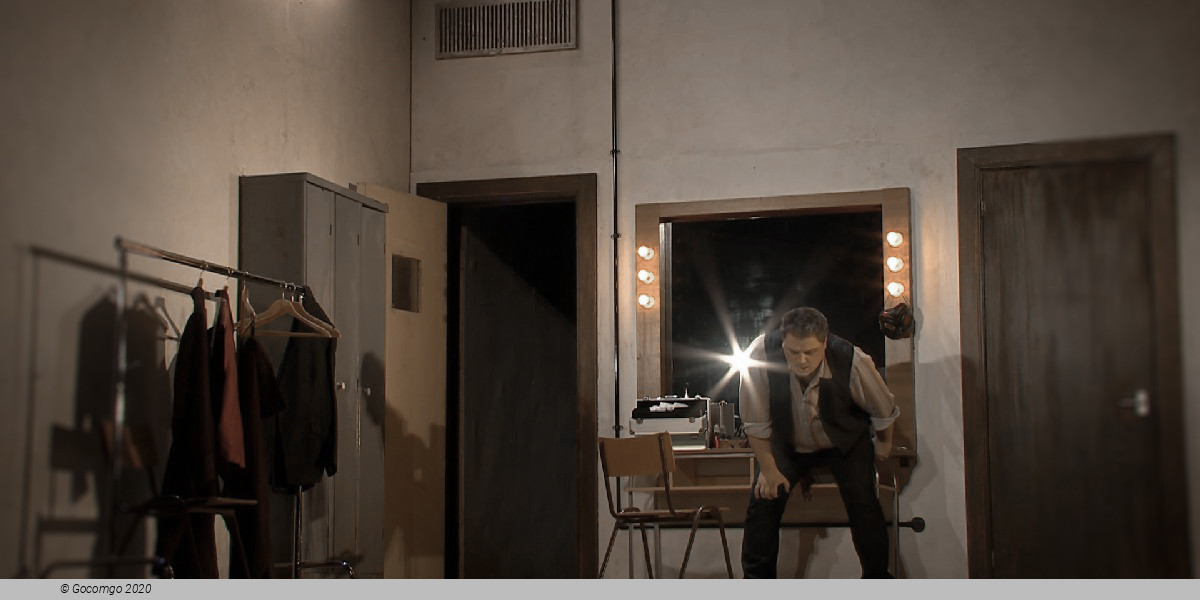
The sung prologue contains the credo of ‘verismo.’ “The artist is a real person who must write for real persons....We are people of flesh and blood, and we breathe, exactly the way you do, the breath of this lost world.” Leoncavallo employs a dialectic trick; in his story that so closely resembles one of the typical newspaper “miscellanies”, the tragedy intensifies exactly because the person who enacts PAGLIACCI performance is no longer able to differentiate between play, and the gravity of the situation.

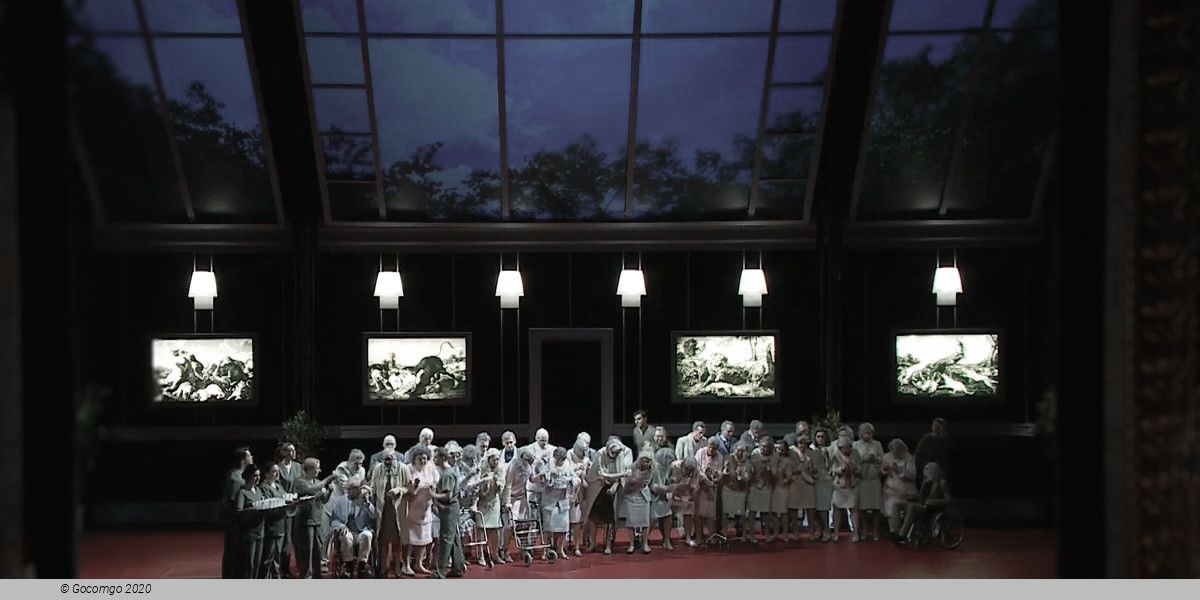
The combination of these two culmination points of musical ‘verismo’ in the double bill, performed in English under the abbreviation “CAV & PAG”, has established itself since the beginning of the 20th century. Like twins, they closely resemble one another and yet could not be more different: the overture is interrupted by singing, an interlude connects both acts (needless to say, CAVALLERIA RUSTICANA is also two acts long, the competition rules had simply necessitated that ‘in one act’ be written on the title page). Southern Italian ambiance is displayed in the authors´presence, and there are genre choir scenes with descriptions of the scent of oranges, or of ringing church bells. But on the other hand, we find a late Belcanto flowering with Mascagni, Leitmotifs and a diversity of orchestra effects with Leoncavallo; here, a dominance of the church and close-fisted morality comparable to Garcia Lorca, there, full-fledged vitality and the desire for pleasure.

History
Premiere of this production: 17 May 1890, Teatro Costanzi, Rome

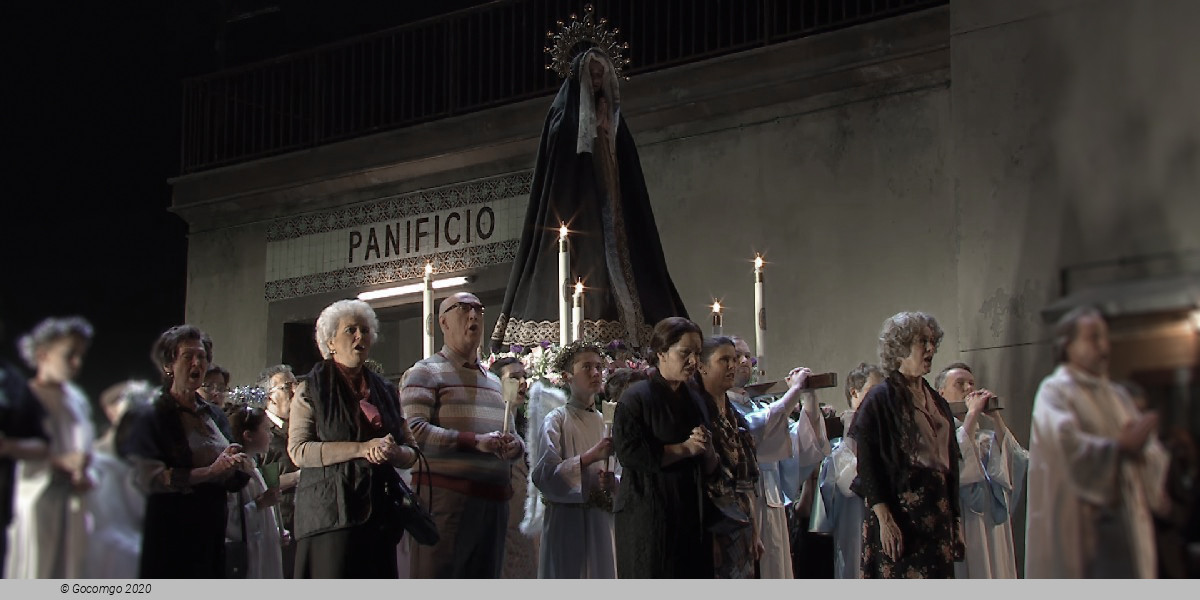
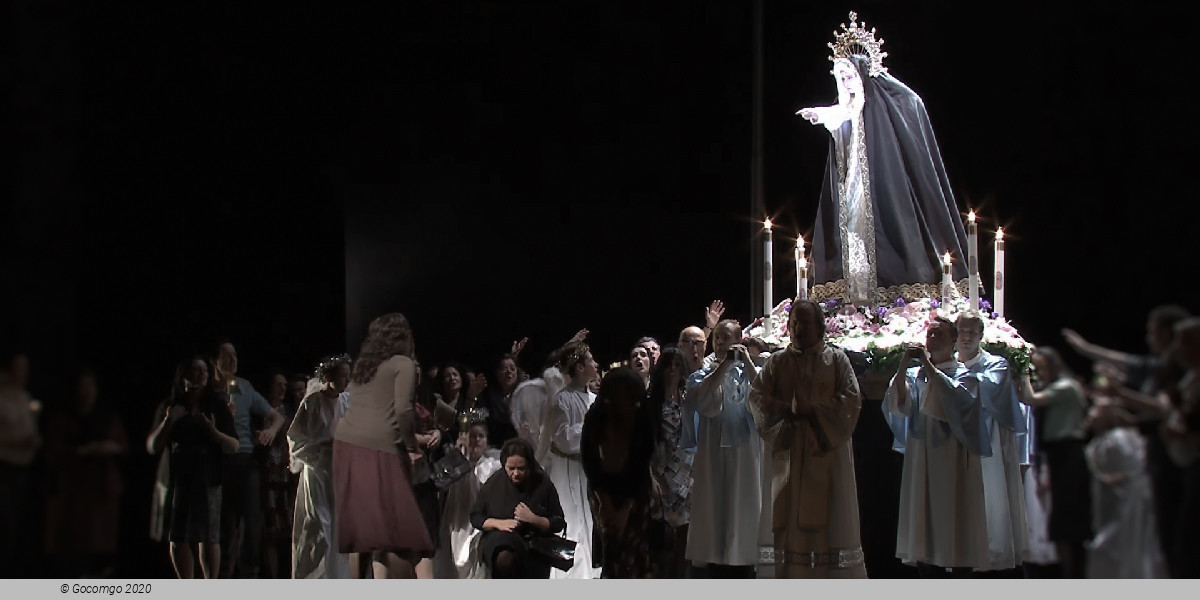
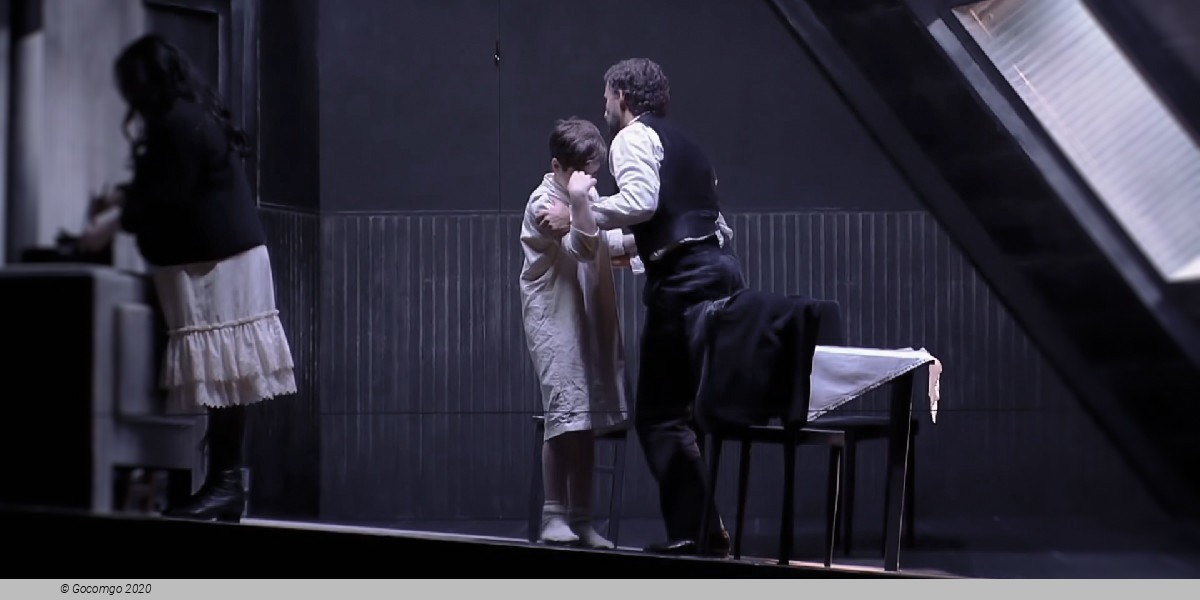
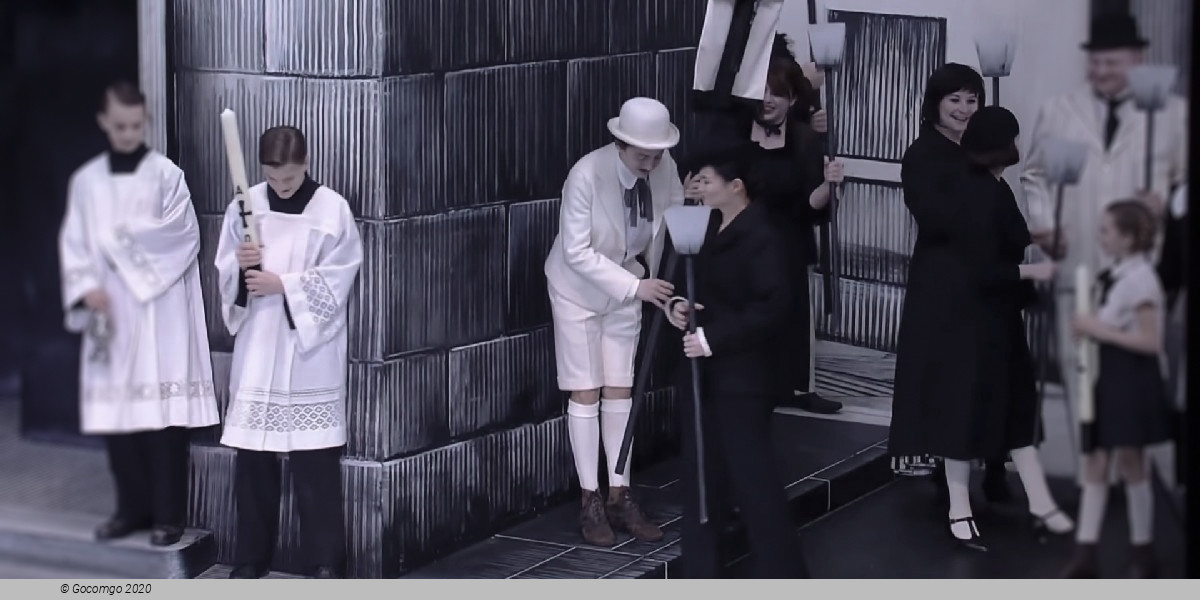
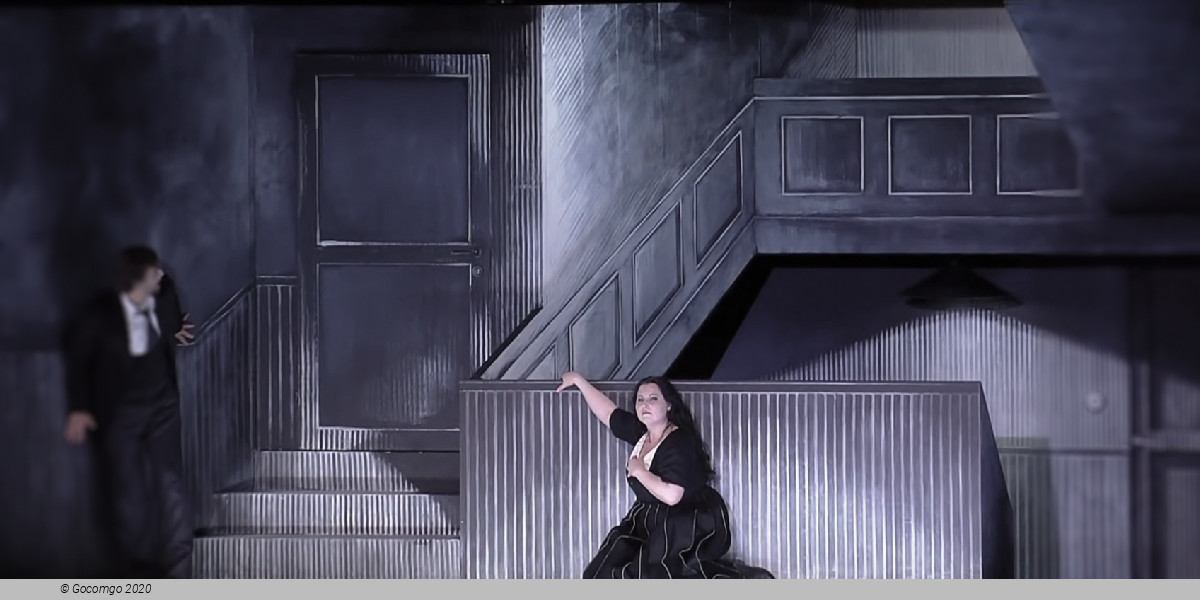
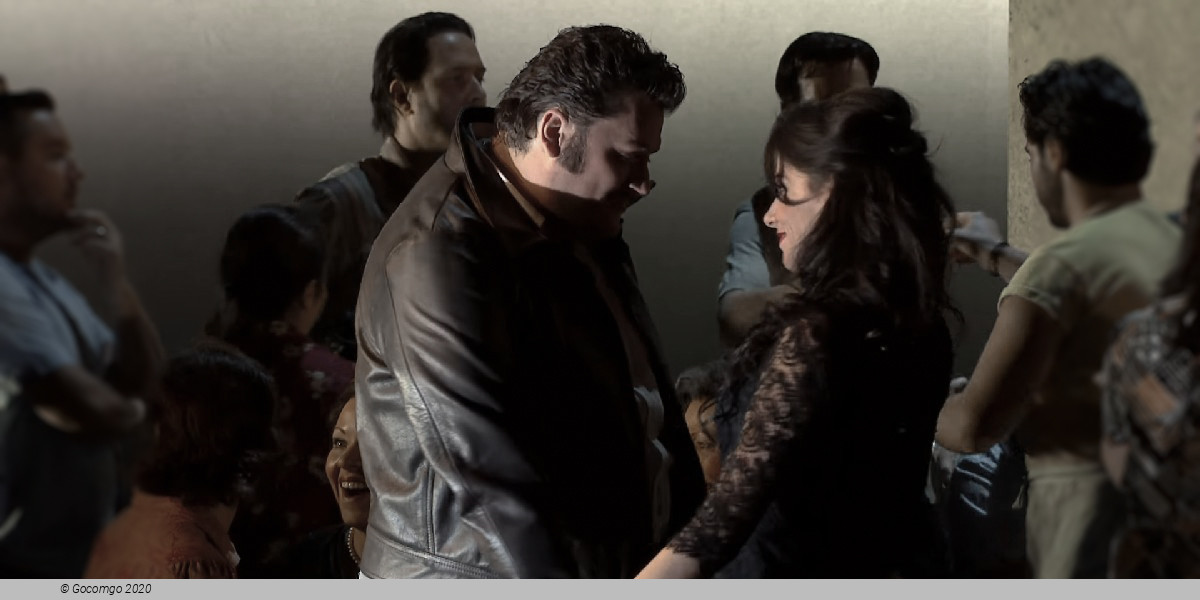
Cavalleria rusticana is an opera in one act by Pietro Mascagni to an Italian libretto by Giovanni Targioni-Tozzetti and Guido Menasci, adapted from an 1880 short story of the same name and subsequent play by Giovanni Verga. Considered one of the classic verismo operas, it premiered on 17 May 1890 at the Teatro Costanzi in Rome. Since 1893, it has often been performed in a so-called Cav/Pag double-bill with Pagliacci by Ruggero Leoncavallo.

Premiere of this production: 21 May 1892, Teatro Dal Verme, Milan

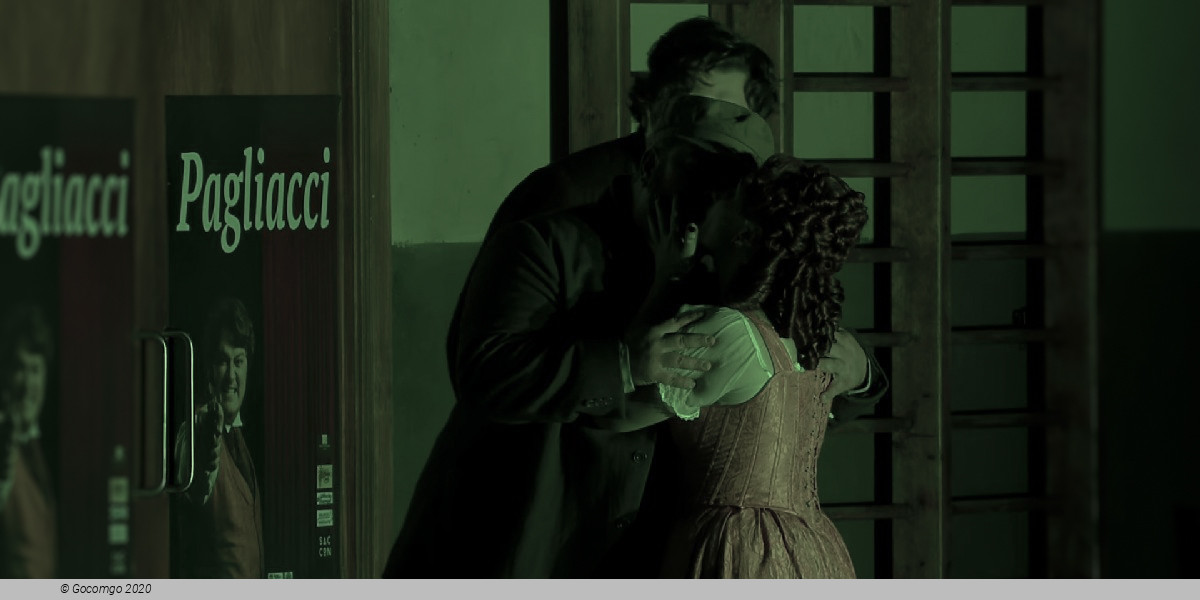
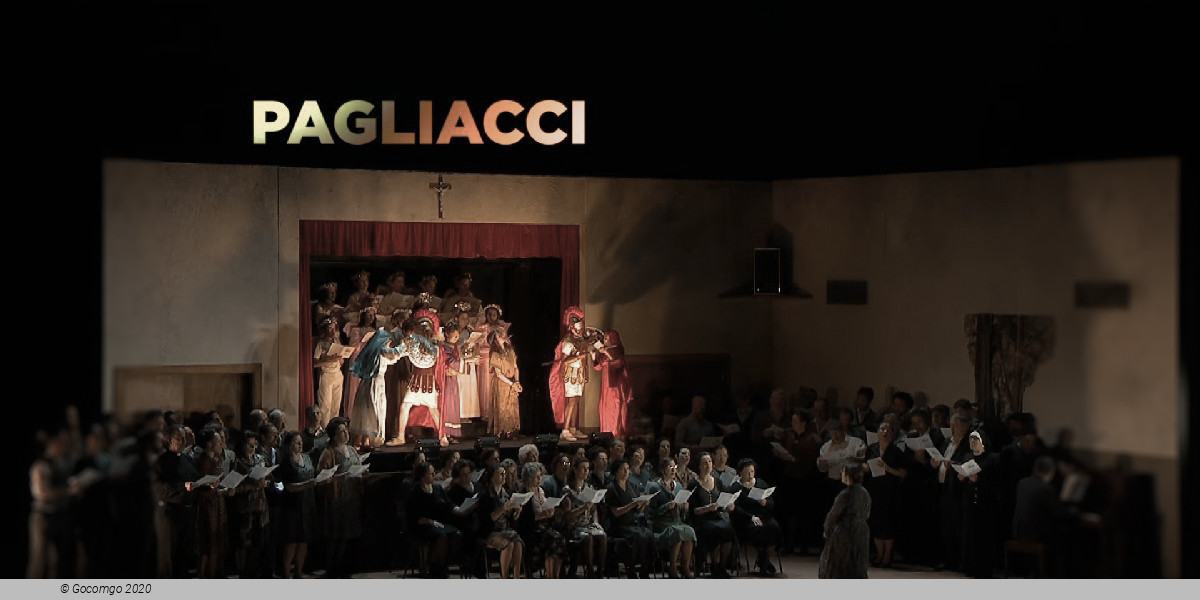
Pagliacci is an Italian opera in a prologue and two acts, with music and libretto by Ruggero Leoncavallo. It is the only Leoncavallo opera that is still widely performed. Opera companies have frequently staged Pagliacci with Cavalleria rusticana by Mascagni, a double bill known colloquially as 'Cav and Pag'.

Venue Info

Deutsche Oper Berlin - Berlin
Location   Bismarckstraße 35

The Deutsche Oper Berlin is an opera company located in the Charlottenburg district of Berlin, Germany. The resident building is the country's second-largest opera house and also home to the Berlin State Ballet. Since 2004 the Deutsche Oper Berlin, like the Staatsoper Unter den Linden (Berlin State Opera), the Komische Oper Berlin, the Berlin State Ballet, and the Bühnenservice Berlin (Stage and Costume Design), has been a member of the Berlin Opera Foundation.

The company's history goes back to the Deutsches Opernhaus built by the then independent city of Charlottenburg—the "richest town of Prussia"—according to plans designed by Heinrich Seeling from 1911. It opened on November 7, 1912 with a performance of Beethoven's Fidelio, conducted by Ignatz Waghalter. In 1925, after the incorporation of Charlottenburg by the 1920 Greater Berlin Act, the name of the resident building was changed to Städtische Oper (Municipal Opera).

With the Nazi seizure of power in 1933, the opera was under control of the Reich Ministry of Public Enlightenment and Propaganda. Minister Joseph Goebbels had the name changed back to Deutsches Opernhaus, competing with the Berlin State Opera in Mitte controlled by his rival, the Prussian minister-president Hermann Göring. In 1935, the building was remodeled by Paul Baumgarten and the seating reduced from 2300 to 2098. Carl Ebert, the pre-World War II general manager, chose to emigrate from Germany rather than endorse the Nazi view of music, and went on to co-found the Glyndebourne opera festival in England. He was replaced by Max von Schillings, who acceded to enact works of "unalloyed German character". Several artists, like the conductor Fritz Stiedry and the singer Alexander Kipnis, followed Ebert into emigration. The opera house was destroyed by a RAF air raid on 23 November 1943. Performances continued at the Admiralspalast in Mitte until 1945. Ebert returned as general manager after the war.

After the war, in what was now West Berlin, the company, again called Städtische Oper, used the nearby Theater des Westens; its opening production was Fidelio, on 4 September 1945. Its home was finally rebuilt in 1961 but to a much-changed, sober design by Fritz Bornemann. The opening production of the newly named Deutsche Oper, on 24 September, was Mozart's Don Giovanni.

Past Generalmusikdirektoren (GMD, general music directors) have included Bruno Walter, Kurt Adler, Ferenc Fricsay, Lorin Maazel, Gerd Albrecht, Jesús López-Cobos, and Christian Thielemann. In October 2005, the Italian conductor Renato Palumbo was appointed GMD as of the 2006/2007 season. In October 2007, the Deutsche Oper announced the appointment of Donald Runnicles as their next Generalmusikdirektor, effective August 2009, for an initial contract of five years. Simultaneously, Palumbo and the Deutsche Oper mutually agreed to terminate his contract, effective November 2007.

On the evening of 2 June 1967, Benno Ohnesorg, a student taking part in the German student movement, was shot in the streets around the opera house. He had been protesting against the visit to Germany by the Shah of Iran, who was attending a performance of Mozart's The Magic Flute.

In 1986 the American Berlin Opera Foundation was founded.

In April 2001, the Italian conductor Giuseppe Sinopoli died at the podium while conducting Verdi's Aida, at age 54.

In September 2006, the Deutsche Oper's Intendantin (general manager) Kirsten Harms drew criticism after she cancelled the production of Mozart's opera Idomeneo by Hans Neuenfels, because of fears that a scene in it featuring the severed heads of Jesus, Buddha and Muhammad would offend Muslims, and that the opera house's security might come under threat if violent protests took place. Critics of the decision include German Ministers and the German Chancellor Angela Merkel. The reaction from Muslims has been mixed — the leader of Germany's Islamic Council welcomed the decision, whilst a leader of Germany's Turkish community, criticising the decision, said:

This is about art, not about politics ... We should not make art dependent on religion — then we are back in the Middle Ages.

At the end of October 2006, the opera house announced that performances of Mozart's opera Idomeneo would then proceed. Kirsten Harms, after announcing in 2009 that she would not renew her contract beyond 2011, was bid farewell in July of that year.

Important Info
Type: Opera
City: Berlin, Germany
Duration: 3h with 1 interval
Intervals: 1
Sung in: Italian
Titles in: German,English

E-tickets: Print at home or at the box office of the event if so specified. You will find more information in your booking confirmation email.

You can only select the category, and not the exact seats.
If you order 2 or 3 tickets: your seats will be next to each other.
If you order 4 or more tickets: your seats will be next to each other, or, if this is not possible, we will provide a combination of groups of seats (at least in pairs, for example 2+2 or 2+3).

Top of page