


Opéra-Comique 2 October 2022 - Lakmé | GoComGo.com

Lakmé

Opéra-Comique, Salle Favart, Paris, France
All photos (10)
Select date and time
3 PM
Request for Tickets
Important Info
Type: Opera
City: Paris, France
Starts at: 15:00
Acts: 3
Intervals: 1
Duration: 2h 50min
Sung in: French
Titles in: French,English

E-tickets: Print at home or at the box office of the event if so specified. You will find more information in your booking confirmation email.

You can only select the category, and not the exact seats.
If you order 2 or 3 tickets: your seats will be next to each other.
If you order 4 or more tickets: your seats will be next to each other, or, if this is not possible, we will provide a combination of groups of seats (at least in pairs, for example 2+2 or 2+3).

Overview

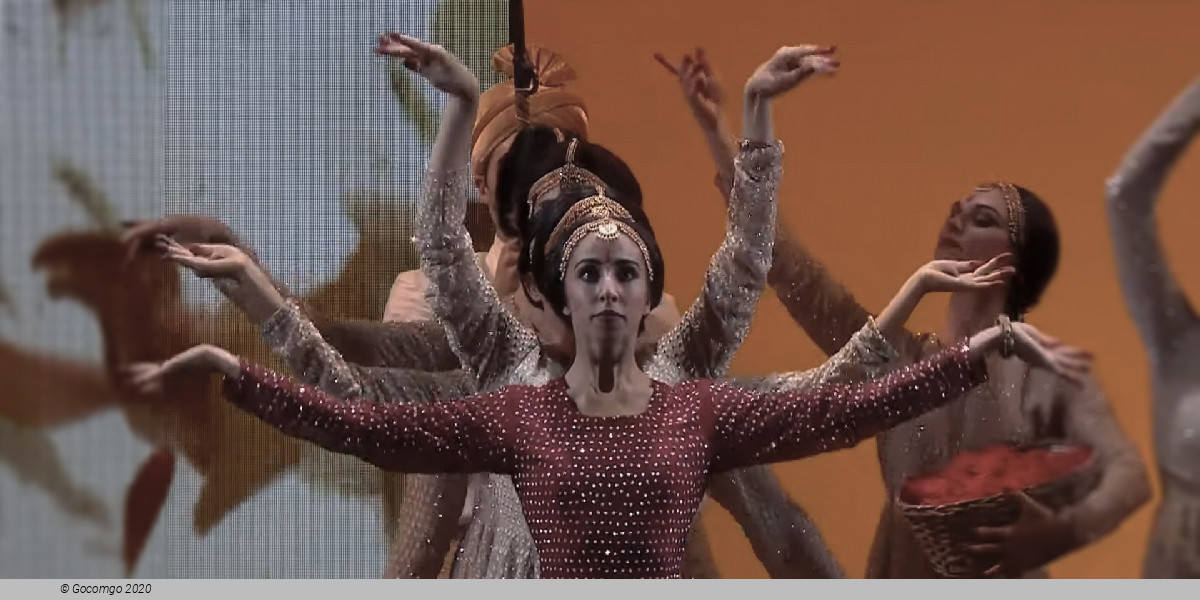
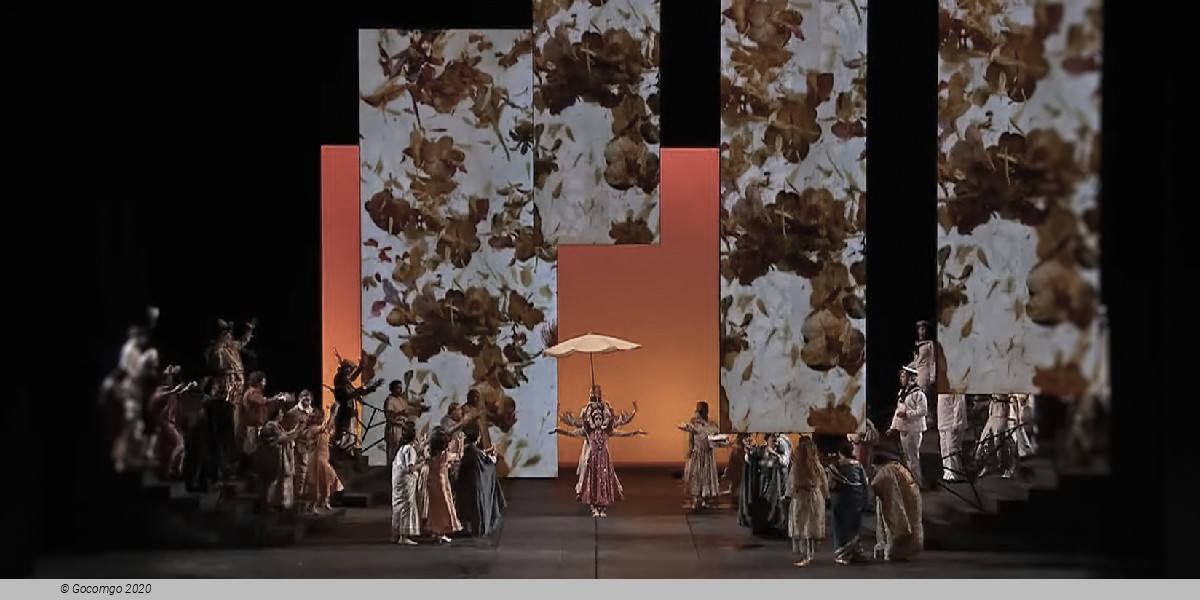
In the recently colonised Indies, against a backdrop of popular festivals and wildlife, the whirlwind romance of a British officer and a Brahim’s daughter fuels tensions in the community.

Inspired by Pierre Loti, Léo Delibes enacts the driving forces of orientalist opera in a daringly contemporary plot: impossible passion, musical evocation of distant civilisation, clashes between religious fanaticism and sensuality. Composed for two stars of the Opéra Comique, soprano Marie van Zandt and tenor Talazac, Lakmé has been internationally acclaimed and has become a jewel of the institution, where it’s been played over 1,600 times since 1883.

Raphaël Pichon, leading the Pygmalion ensemble, and Laurent Pelly, at the stage direction, give a truthful depiction of the characters’ personality and
glorify each scene and the importance given to political issues. Sabine Devieilhe reunites with the virtuoso and tragic title role that made her famous at the Opéra Comique in 2014.

History
Premiere of this production: 14 April 1883, Opéra-Comique, Paris

Lakmé is an opera in three acts by Léo Delibes to a French libretto by Edmond Gondinet and Philippe Gille. Set in British India in the mid-19th century, Lakmé is based on Théodore Pavie's story "Les babouches du Brahmane" and novel Le Mariage de Loti by Pierre Loti. Gondinet proposed it as a vehicle for the American soprano Marie van Zandt.

Synopsis

Place: India
Time: Late nineteenth century, during the British Raj.

Act 1
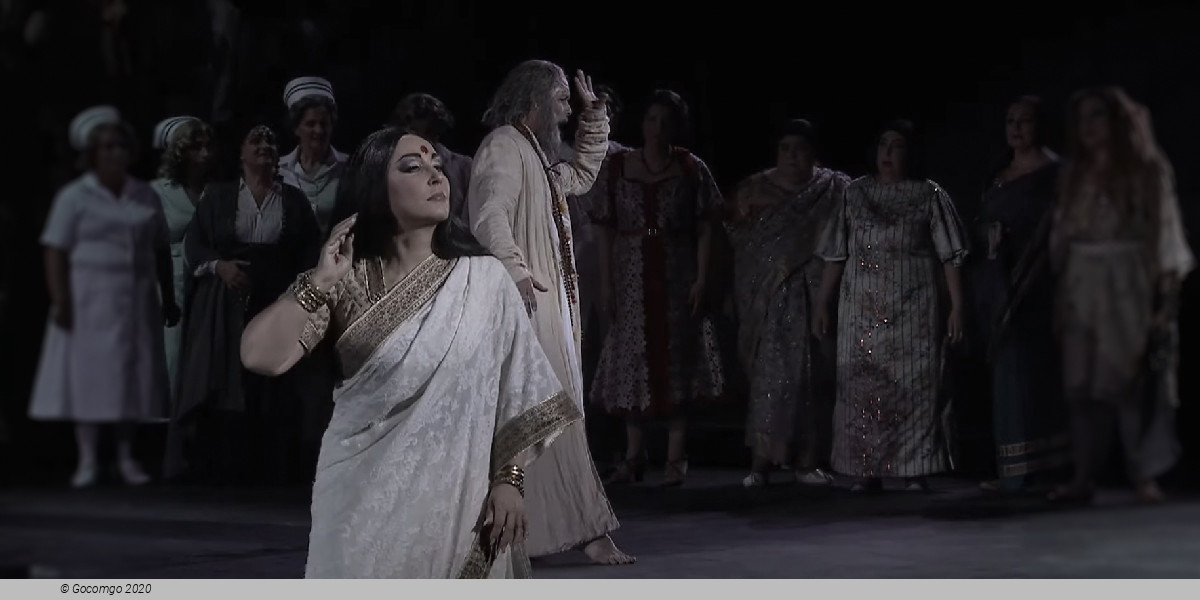
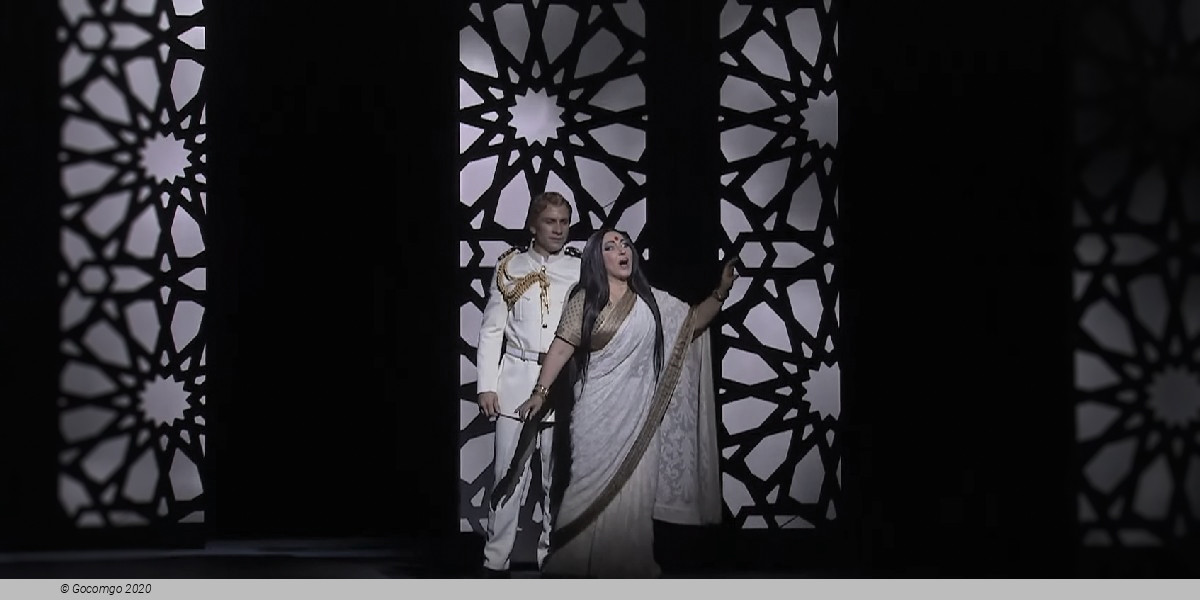
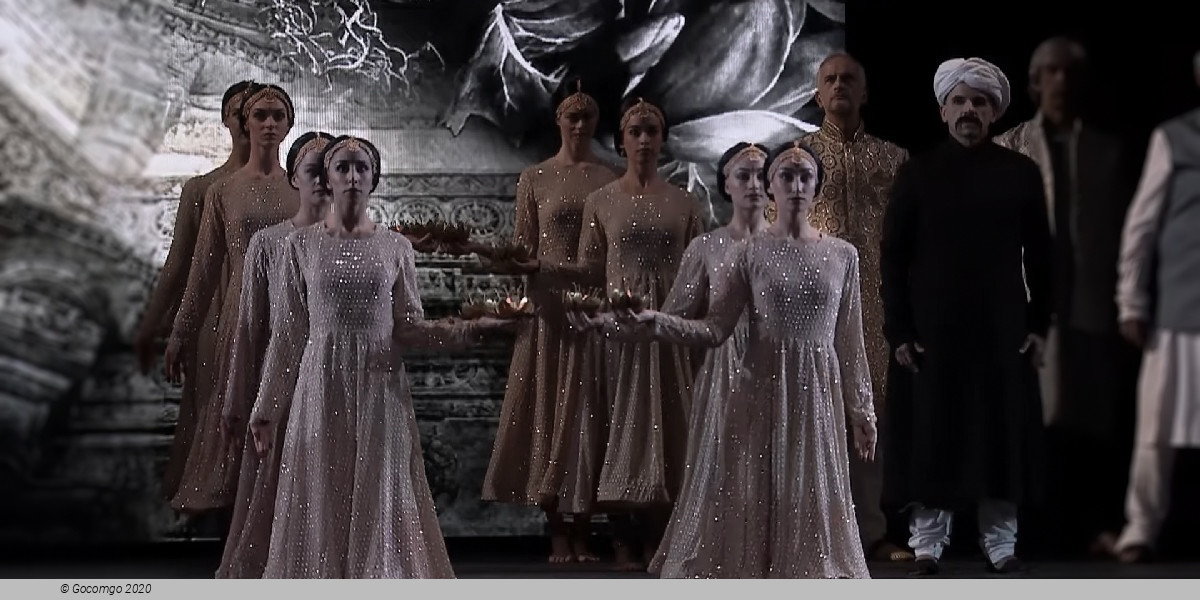
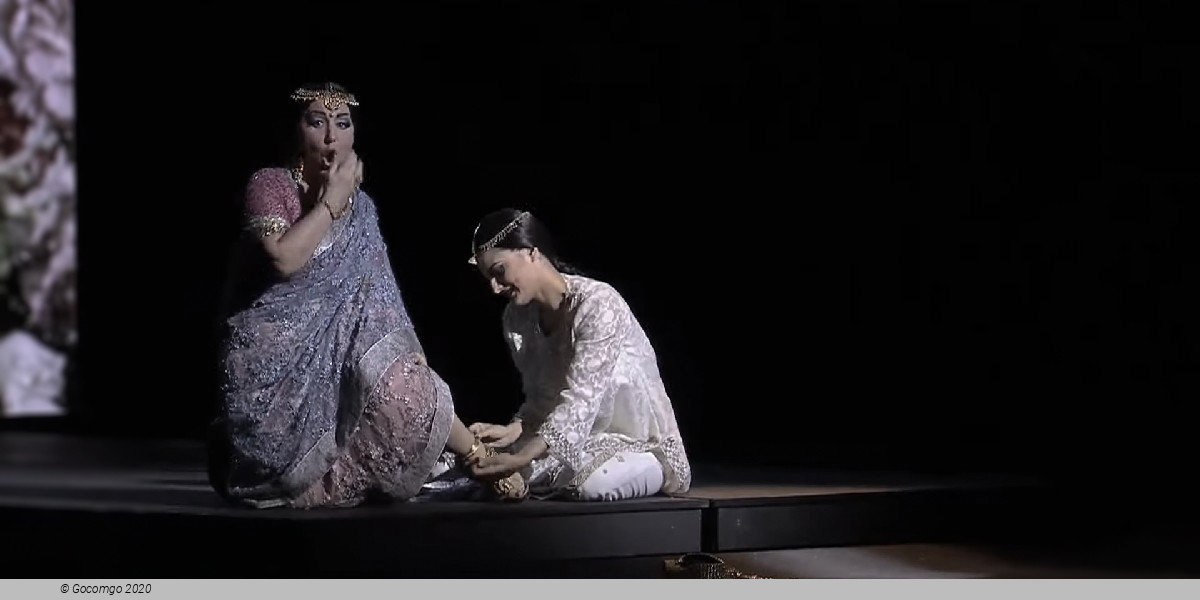
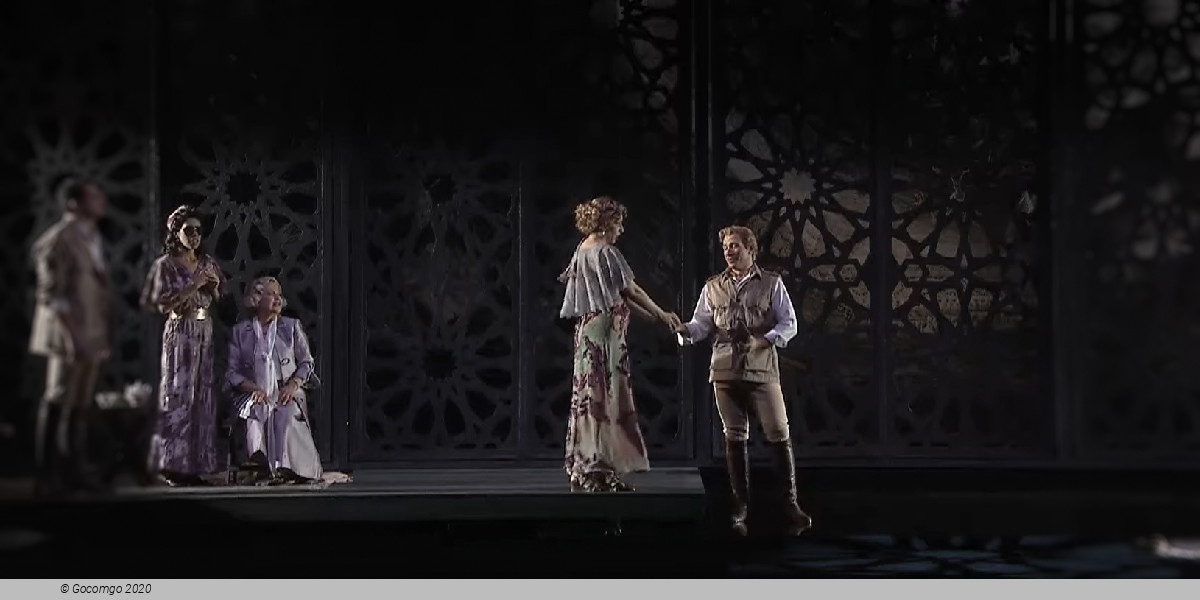
The Hindus go to perform their rites in a sacred Brahmin temple under the high priest, Nilakantha. Nilakantha's daughter Lakmé (which derives from the Sanskrit Lakshmi), and her servant Mallika, are left behind and go down to the river to gather flowers where they sing together the Flower Duet. As they approach the water at the river bank, Lakmé removes her jewellery and places it on a bench. Two British officers, Frederic and Gérald (Delibes uses Frenchified versions of the then common English names Frederick and Gerald), arrive nearby on a picnic with two British girls and their governess. The British girls see the jewellery and, impressed with it, request sketches of it; Gérald volunteers to stay and make sketches of the jewellery. He spots Lakmé and Mallika returning and hides. Mallika leaves Lakmé for a while; while alone Lakmé sees Gérald and, frightened by the foreigner's incursion, cries out for help. However, simultaneously, she is also intrigued by him and so she sends away those who had responded to her call for help when they come to her aid. Lakmé and Gérald begin to fall in love with each other. Nilakantha returns and learns of the British officer's trespassing, vowing revenge on him for what he assumes to be an affront to Lakmé's honour.

Act 2
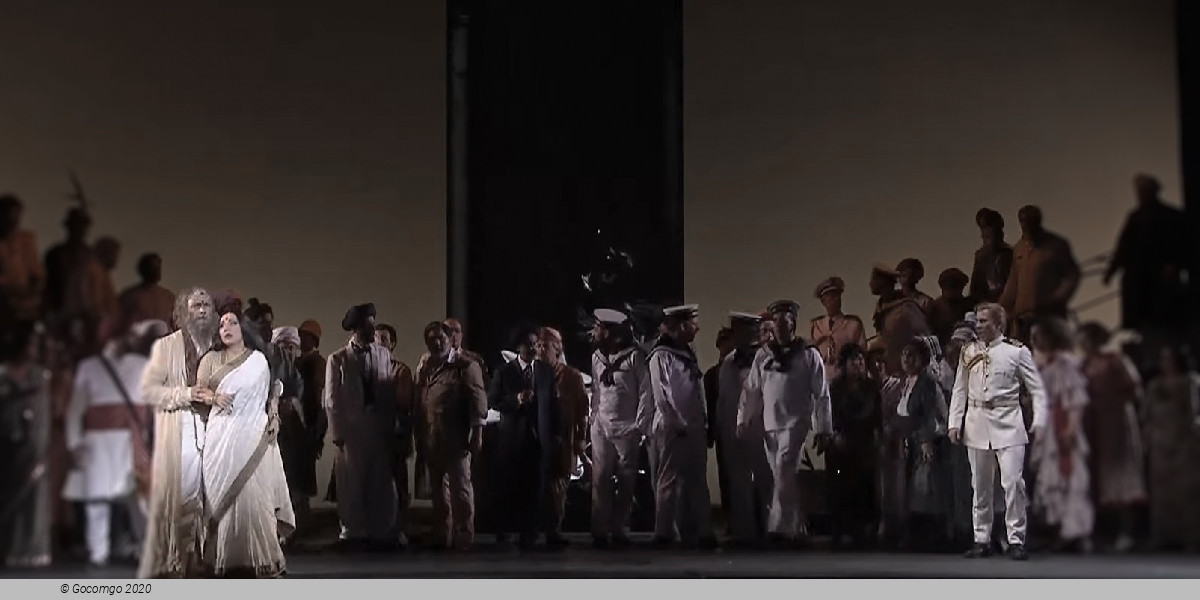
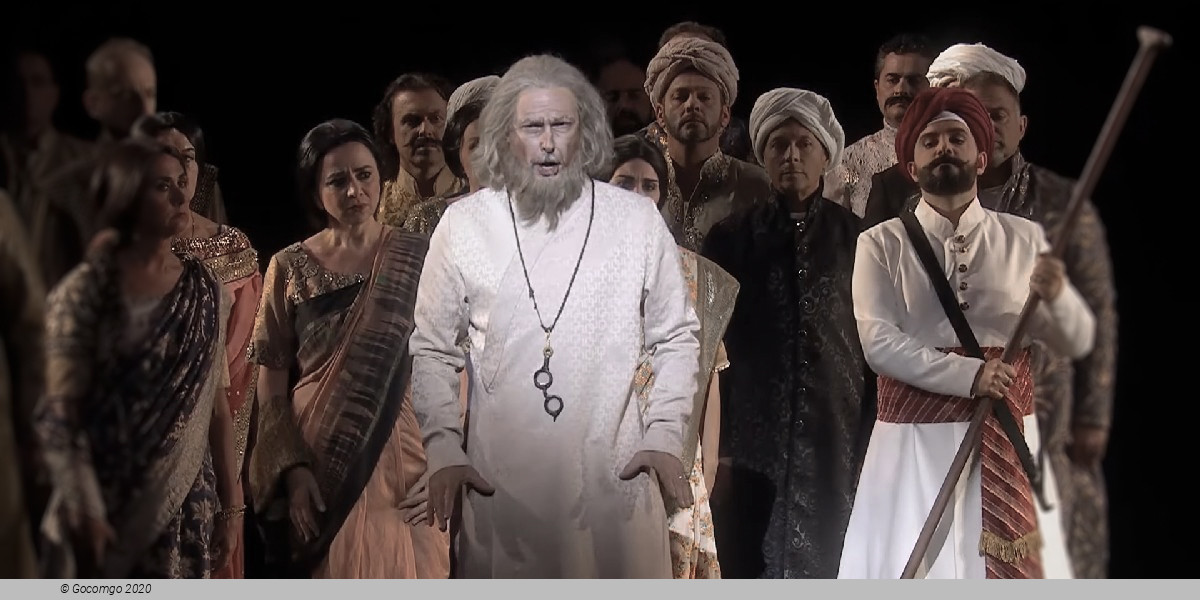
At a busy bazaar, Nilakantha forces Lakmé to sing (the Bell Song) in order to lure the trespasser into identifying himself. When Gérald steps forward, Lakmé faints, thus giving him away. Nilakantha stabs Gérald, wounding him. Lakmé takes Gérald to a secret hideout in the forest, where she lovingly nurses him back to health.

Act 3
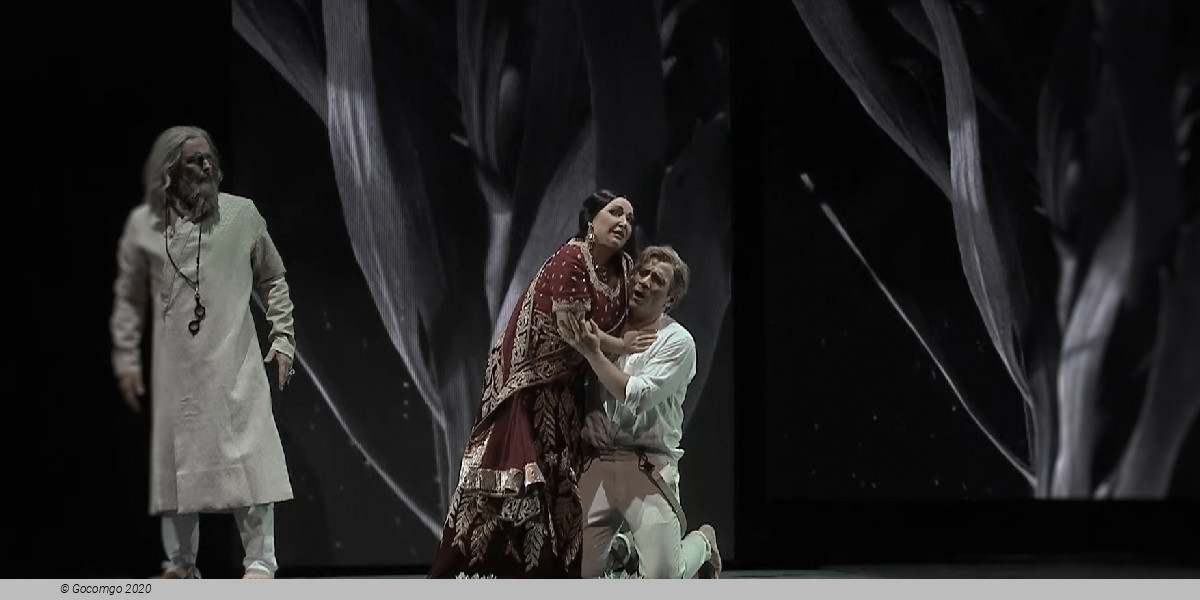
While Lakmé fetches sacred water that will confirm the vows of the lovers, Fréderic, Gérald's fellow British officer, appears before Gérald and reminds him of his military duty to his regiment. Gérald sadly accepts that his colleague is correct. After Lakmé returns, she senses the change in Gérald and realises that she has lost him. She dies with honour, rather than live with dishonour, killing herself by eating the poisonous datura leaf.

Venue Info

Opéra-Comique - Paris
Location   1 Place Boieldieu

The Opéra Comique was founded in 1714 under the reign of Louis XIV. It is one of the oldest French dramatic and musical institutions along with the Opéra de Paris and the Comédie-Française.

Its history was alternately turbulent and prestigious until it was listed on the register of national theaters in 2005. In 2015 the Opéra Comique is celebrating its tricentennial.

From 1783 onward, the seasons of the company were presented in a theater named after the famous librettist Charles-Simon Favart. The Salle Favart burnt down twice and was rebuilt on the same site.
Opéra comique as a genre is represented by the Opéra Comique company. The term "comique" does not mean that laughter is compulsory. Rather, sung lines are interspersed with spoken drama. Opéra comique stands in contrast with opera, which is sung throughout, and its specificities were taught until 1991.

The third oldest French dramatic institution after the Opéra de Paris and the Comédie-Française, the Opéra Comique produced a repertoire that spread throughout France and abroad in the Age of Enlightenment. However, unlike the other two institutions it has never been able to either centralize or process its archives. Today they are scattered in various places.
Jérôme Deschamps has been the director of the institution since 2007 with the purpose of inviting the public to recapture the Opéra Comique in a historical perspective. 

Important Info
Type: Opera
City: Paris, France
Starts at: 15:00
Acts: 3
Intervals: 1
Duration: 2h 50min
Sung in: French
Titles in: French,English
Top of page