Prologue
An overture in the typical Lullian style precedes the allegorical prologue set in the Forest of Erymanthus where Diane (Diana) and L'Amour (Cupid) are arguing who will rule over the forest dwellers. The quarrel is settled by Jupiter who decrees that Love will reign over their hearts for one day every year. Diane vows to look after Hippolyte and Aricie.
Act 1
The temple of Diana in Troezen
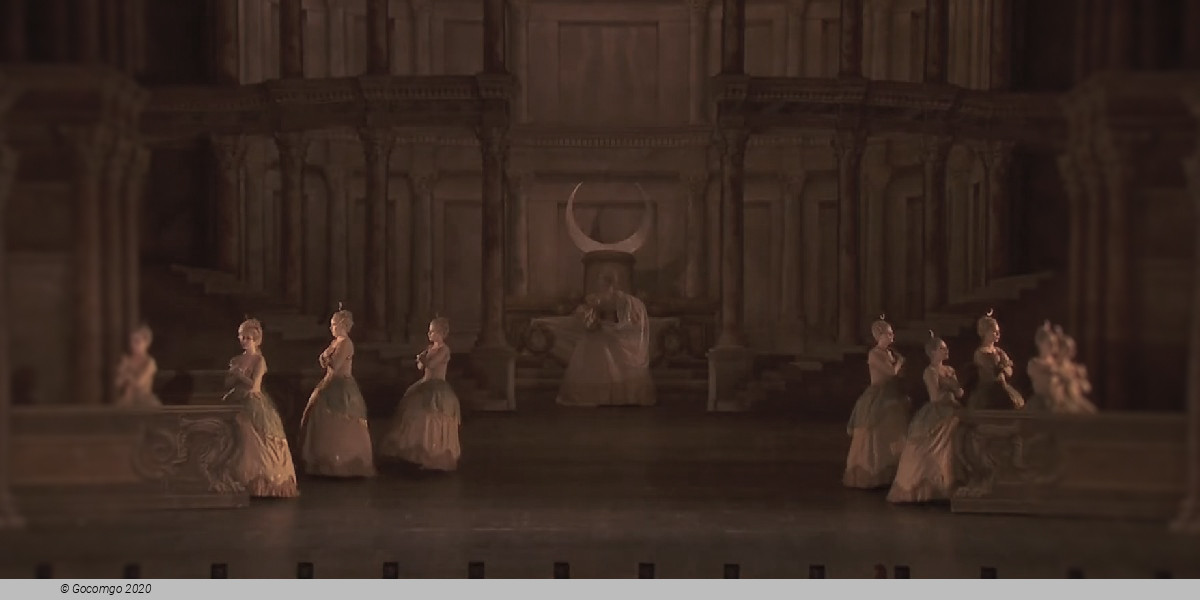
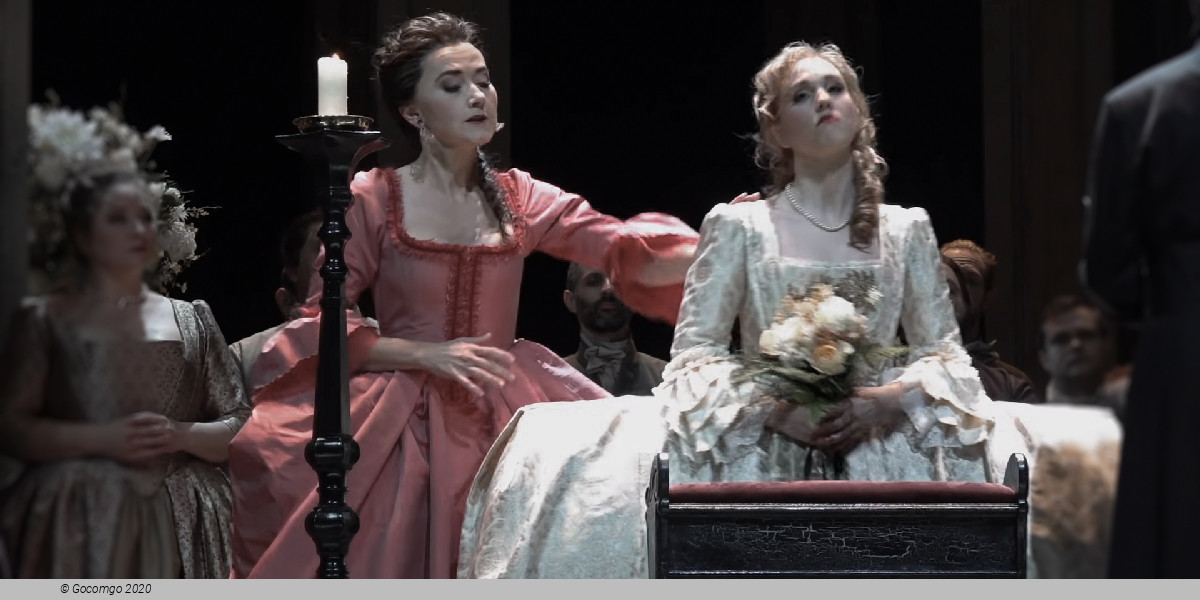
The story concerns the Greek hero Theseus, King of Athens (Thésée in the opera), his wife Phaedra (Phèdre) and Theseus' son by another woman, Hippolytus (Hippolyte). Hippolytus is in love with a young woman, Aricia (Aricie), but she is the daughter of Theseus' enemy, Pallas. Aricia is the last of the Pallantids, and as such is held captive by and he has sentenced her to take a vow of chastity to Diane. Before she does so, Aricia reveals her love for Hippolytus and the priestesses of Diana say that it is unlawful to force her to dedicate her heart to the goddess when it already belongs to another. Phaedra, incensed by the disobedience of the priestesses, threatens to destroy the temple. The high priestess appeals to the gods, and the goddess Diana descends and rebukes Phaedra, forcing her to leave the temple. Phaedre leaves with her only confidant, Oenone, and vents her frustration at the situation. Phaedra, Theseus second wife, has been nursing an illicit desire for her stepson. Arcas brings news that Theseus has made a journey to the Underworld and is likely dead. This means Phaedre may pursue Hippolytus and offer him the marriage and the crown of Athens.
Act 2
Hades, the Underworld
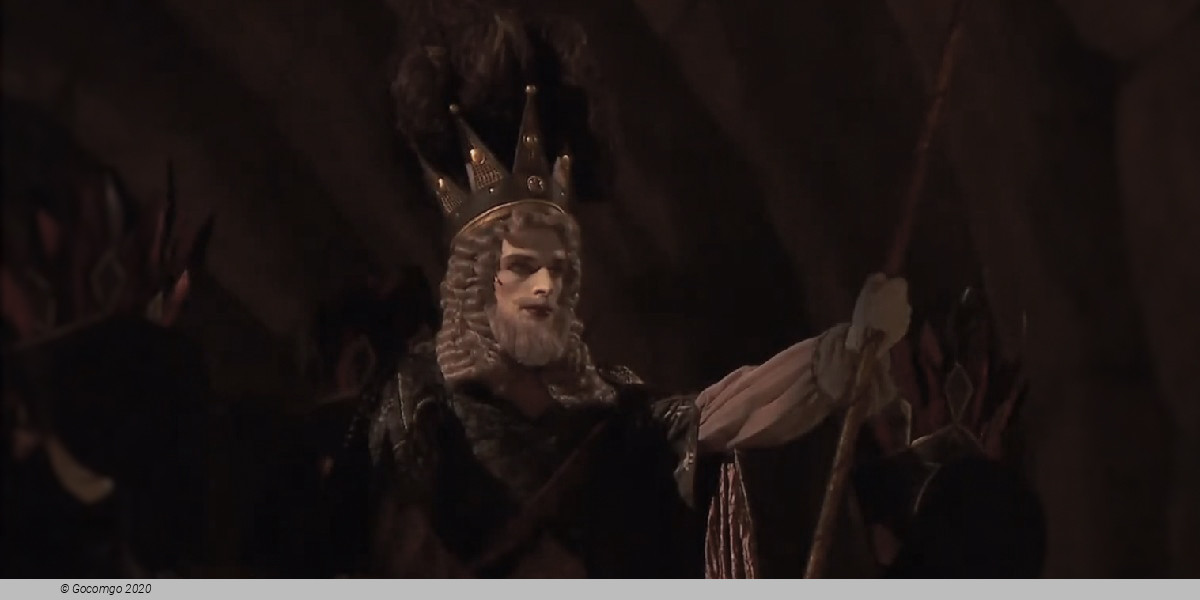
Theseus descends to Hades to rescue his friend Pirithous, who has been captured when he tried to seduce Pluto (Pluton)'s wife, Proserpina(Proserpine). Theseus has a special advantage: his father, the god Neptune, has promised to answer his prayers on three occasions during his life. The first prayer Theseus makes is to be allowed to reach Hades. At the entrance, he fights with the Fury Tisiphone, but makes it through to Pluto's court. Pluto denies Theseus' request to trade or share the fate of his friend, but allows a trial. When Theseus again loses, he calls on Neptune to free him (his second prayer), and Pluton is powerless to hold him back. As Theseus leaves, however, the Fates (Les Parques) foretell that Theseus may leave Hades but he will find Hell in his own household.
Act 3
Theseus' palace by the sea
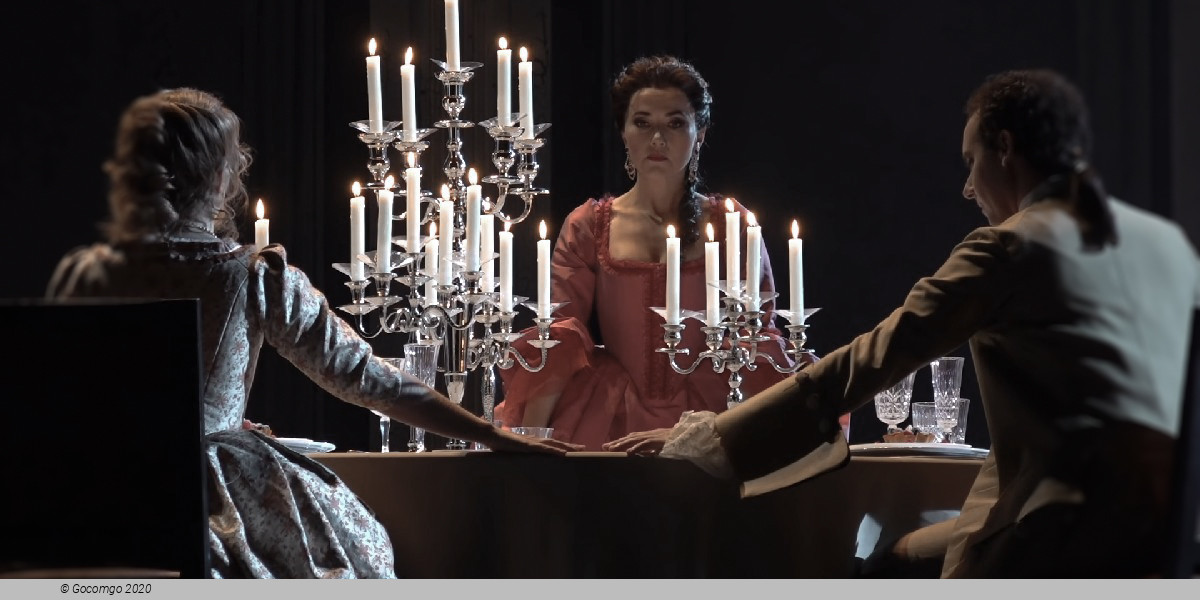
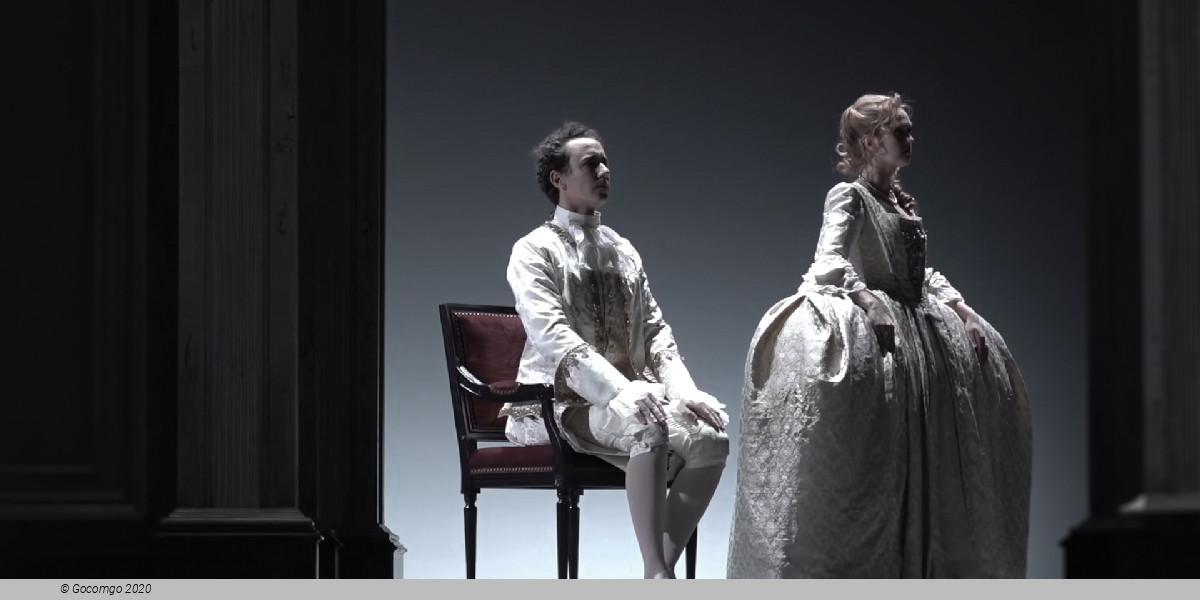
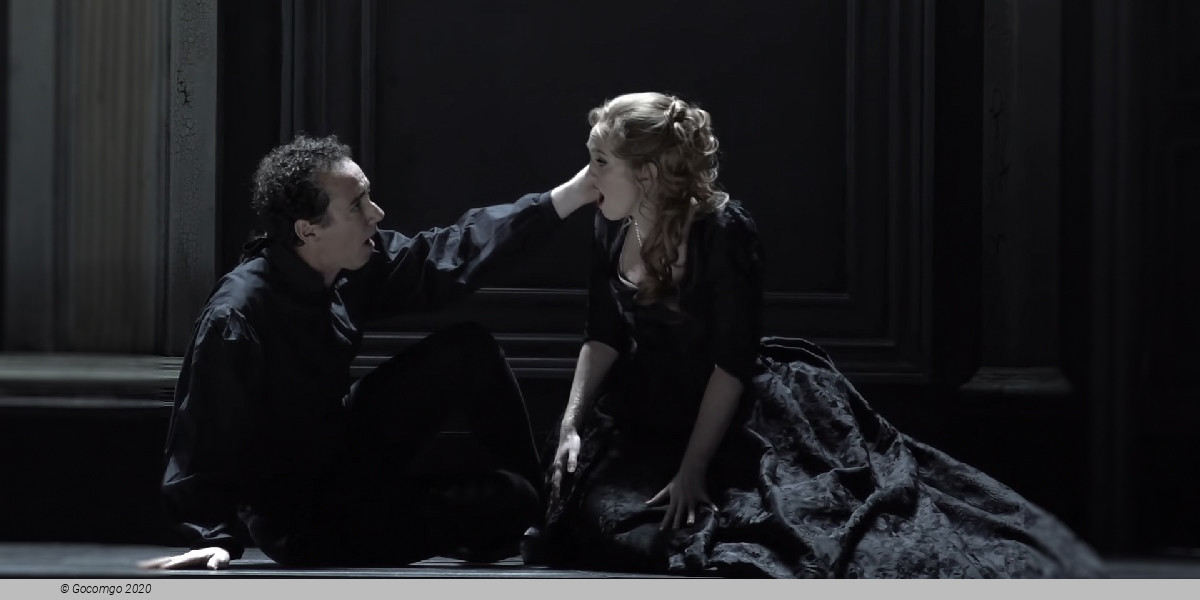
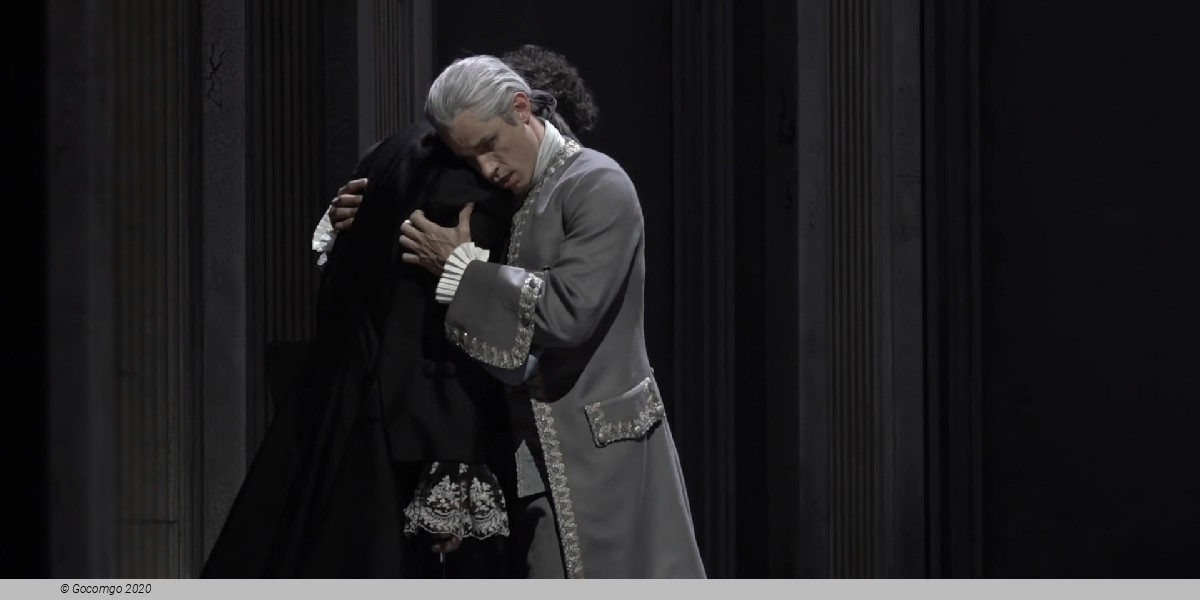
Phaedre is living a life cursed by Venus for the mistakes of her mother, Pasiphae, who had an affair with the Minotaur; Phaedra is the product of this bestial affair. She meets with Hippolytus, who offers his condolences on her bereavement and swears fidelity to her as a queen as well as abdicating the throne to the son of Theseus and Phaedra, his half brother. He is prioritizing being with Aricia above all else. As she witnesses her dreams crumbling, Phaedra confesses her passion. Hippolyte is shocked and curses her. Phaedre tries to kill herself with a sword but Hippolytus snatches it from her. At this moment, Theseus arrives unexpectedly. He is unsure what to make of the scene, but fears Hippolytus was trying to rape his wife. Phaedre rushes off and Hippolytus nobly refuses to denounce his stepmother. But this only serves to increase his father's suspicions, now reinforced by Phaedra's confidante, Oenone. Theseus finally decides to use his last prayer to Neptune to punish Hippolytus.
Act 4
A grove sacred to Diana by the sea
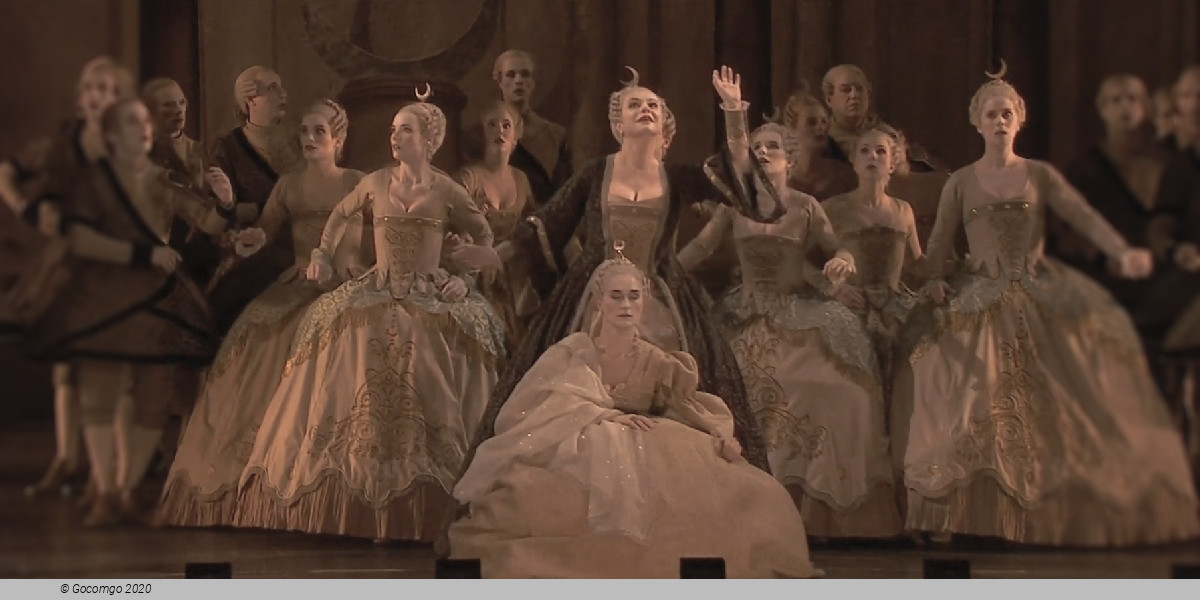
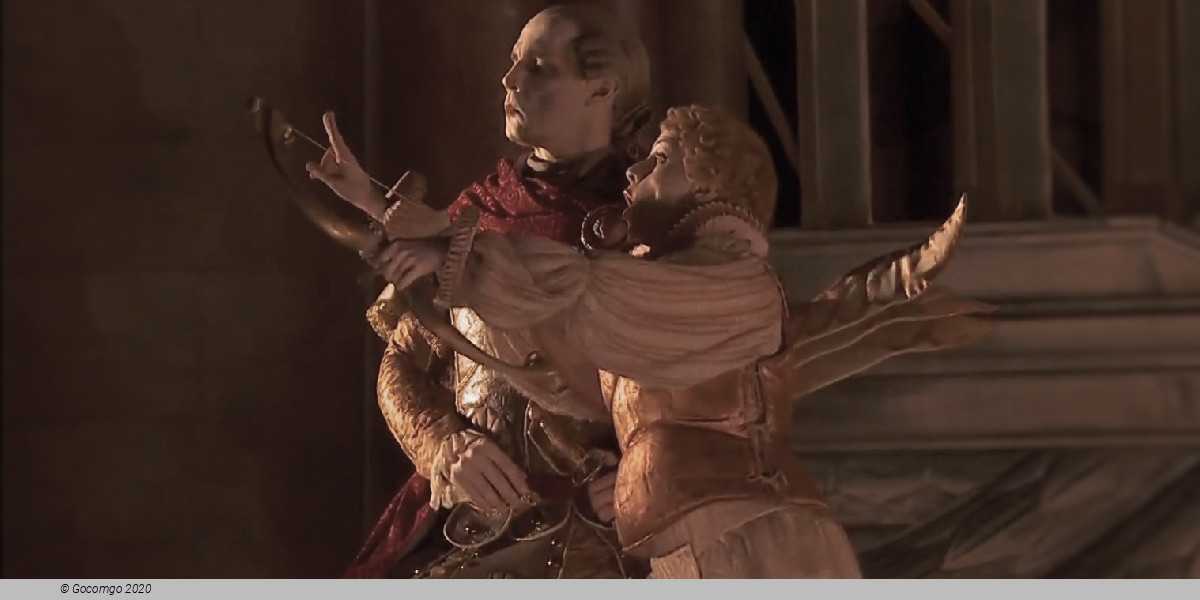
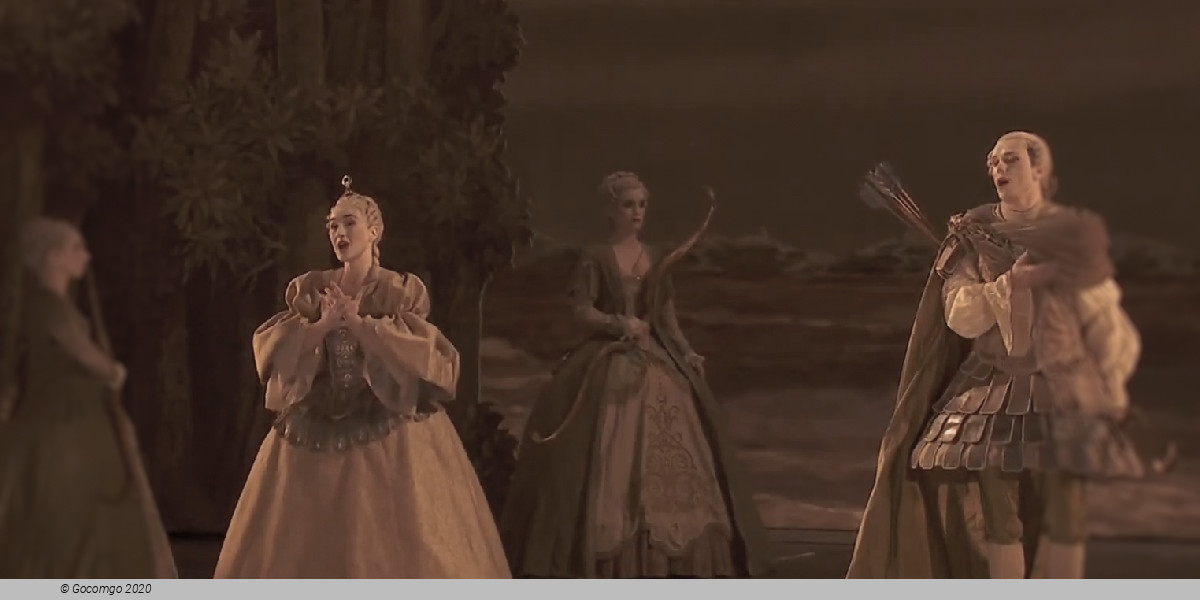
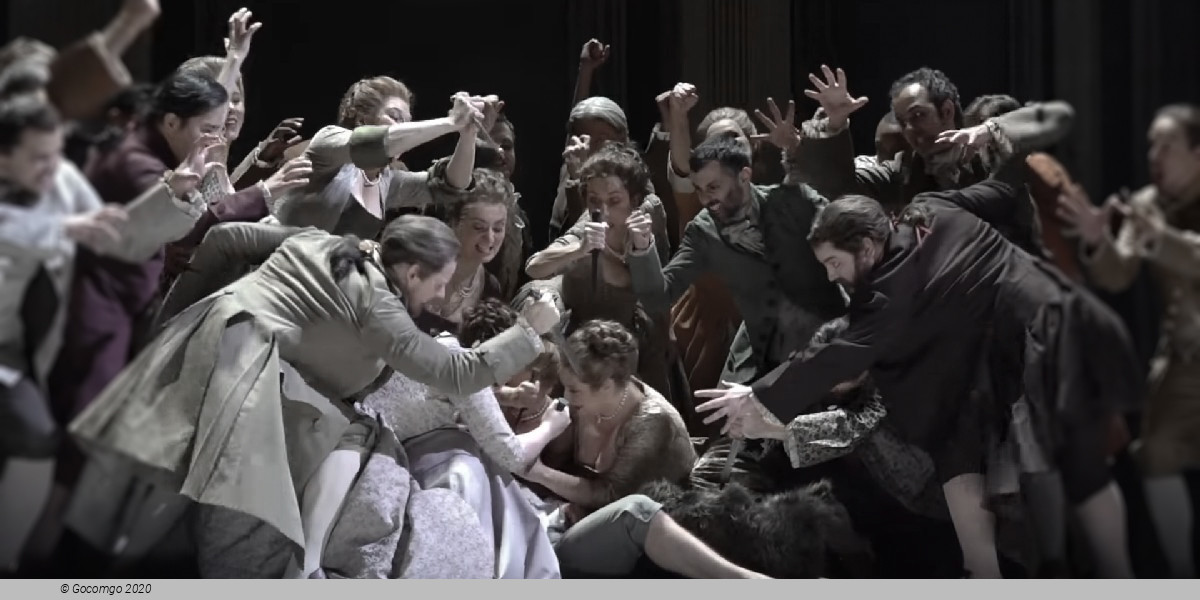
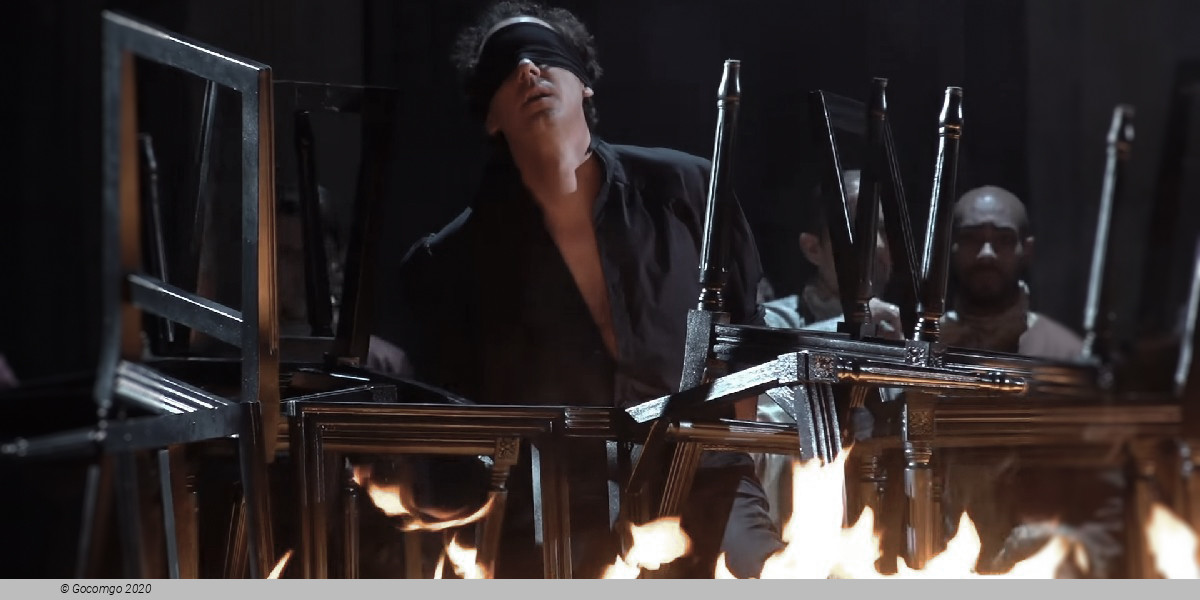
Hippolytus realizes he must go into exile and Aricia vows to go with him as his wife with the goddess Diana as their witness. The forest people celebrate Diana. A monster suddenly emerges from the sea – the instrument of Theseus' punishment. Hippolytus tries to fight it but disappears in a cloud of flames. Phaedre arrives, distraught, and admits she is the cause of Hippolytus' death.
Act 5
A grove sacred to Diana by the sea
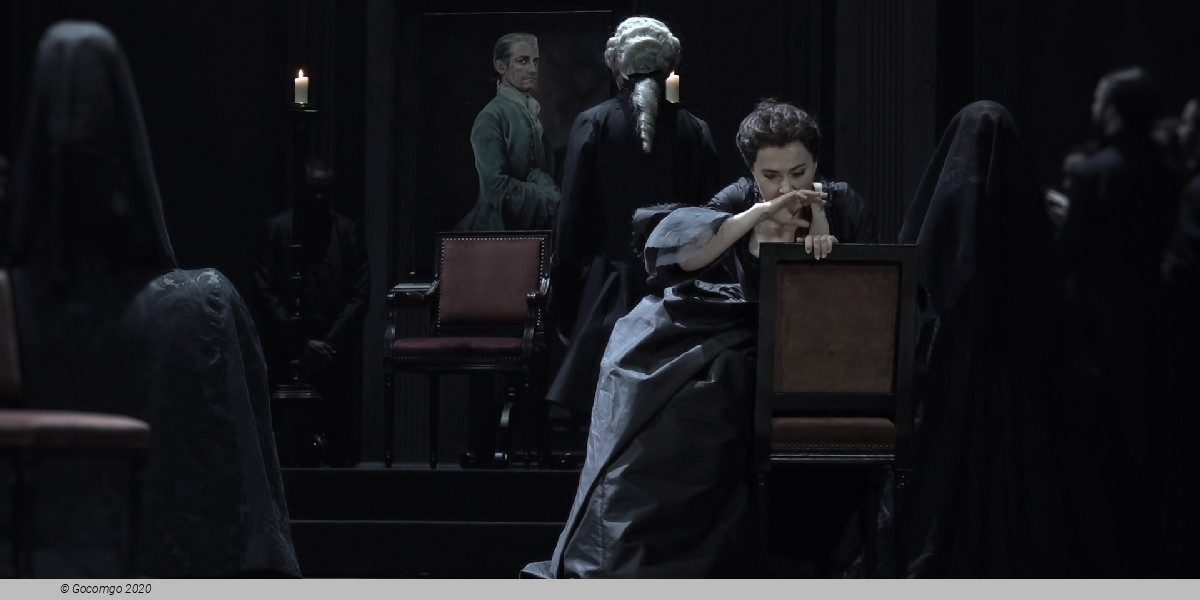
Theseus has learnt the truth from Phaedre, just before she poisoned herself. Full of remorse, he too threatens suicide but Neptune reveals that his son is still alive, thanks to Diana's protection. However, Theseus will never see him again.
The forest of Aricia, Italy
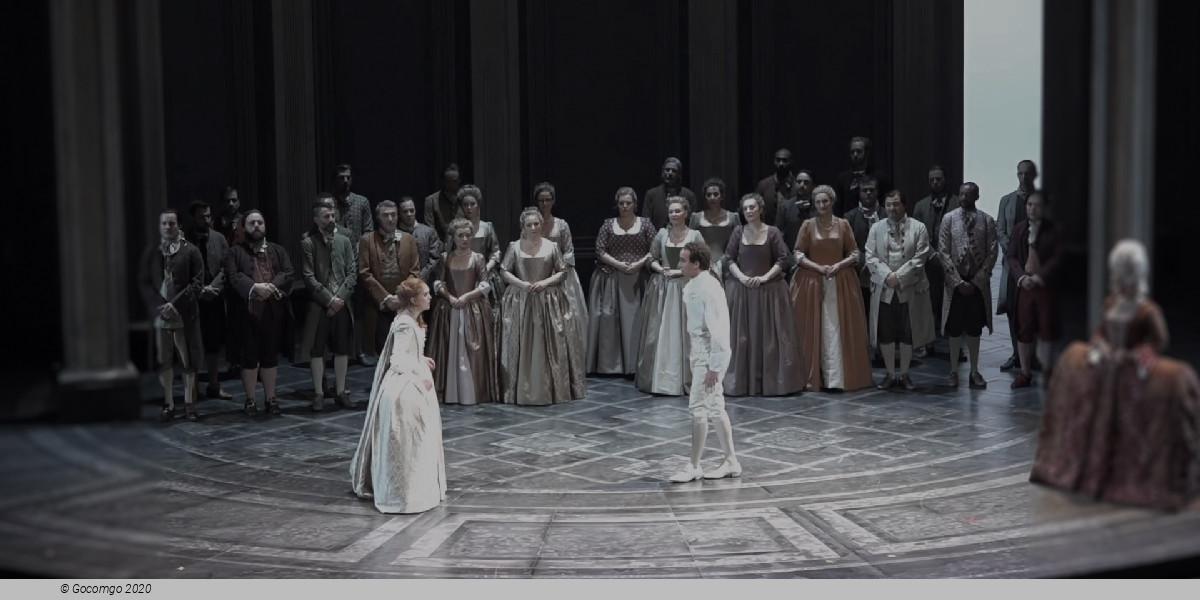
Aricia wakes up, still mourning Hippolytus. Diane tells her she has found a husband for the girl, but Aricia is inconsolable until the goddess reveals Hippolytus, alive and well. Diana appoints Hippolytus to be the king of her people in this land, and the opera ends with general rejoicing.











 1 Place Boieldieu