New National Theatre Tokyo 2 February 2022 - Der fliegende Holländer | GoComGo.com

Der fliegende Holländer

New National Theatre Tokyo, Opera Palace, Tokyo, Japan
All photos (13)
Select date and time
2 PM

E-tickets: Print at home or at the box office of the event if so specified. You will find more information in your booking confirmation email.

You can only select the category, and not the exact seats.
If you order 2 or 3 tickets: your seats will be next to each other.
If you order 4 or more tickets: your seats will be next to each other, or, if this is not possible, we will provide a combination of groups of seats (at least in pairs, for example 2+2 or 2+3).

Important Info
Type: Opera
City: Tokyo, Japan
Starts at: 14:00
Acts: 3
Intervals: 1
Duration: 2h 55min
Sung in: German
Titles in: English,Japanese

E-tickets: Print at home or at the box office of the event if so specified. You will find more information in your booking confirmation email.

You can only select the category, and not the exact seats.
If you order 2 or 3 tickets: your seats will be next to each other.
If you order 4 or more tickets: your seats will be next to each other, or, if this is not possible, we will provide a combination of groups of seats (at least in pairs, for example 2+2 or 2+3).

Overview

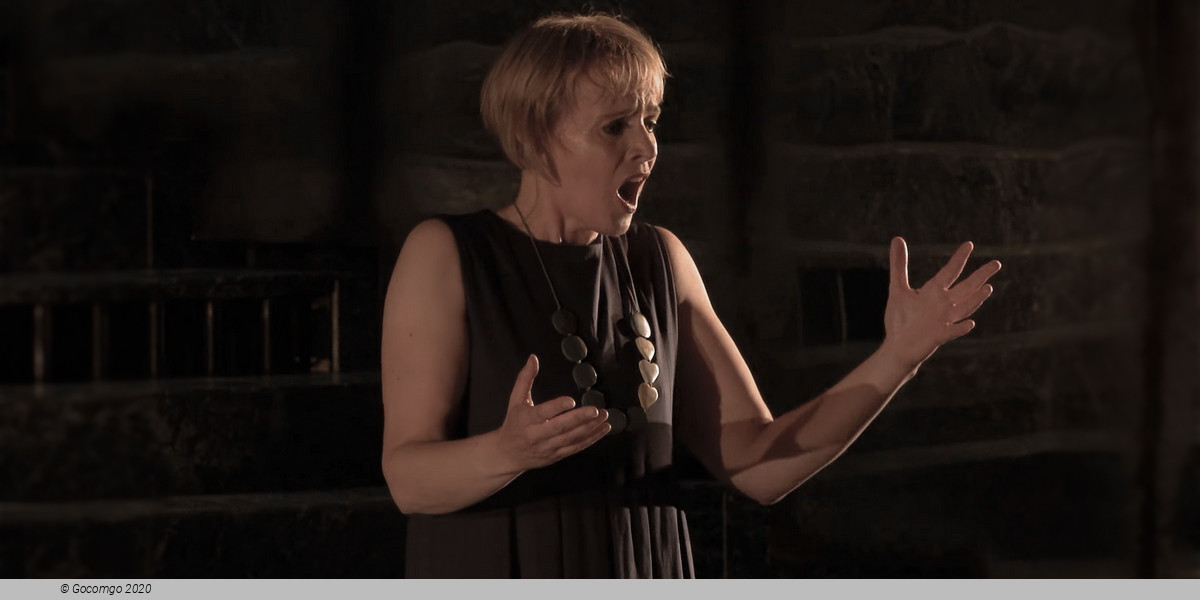
Renowned conductor James CONLON makes his NNTT debut. The title role is taken on by leading Wagner singer Egils SILINS, who is joined on stage by the noteworthy young singers including Martina WELSCHENBACH and Ladislav ELGR.

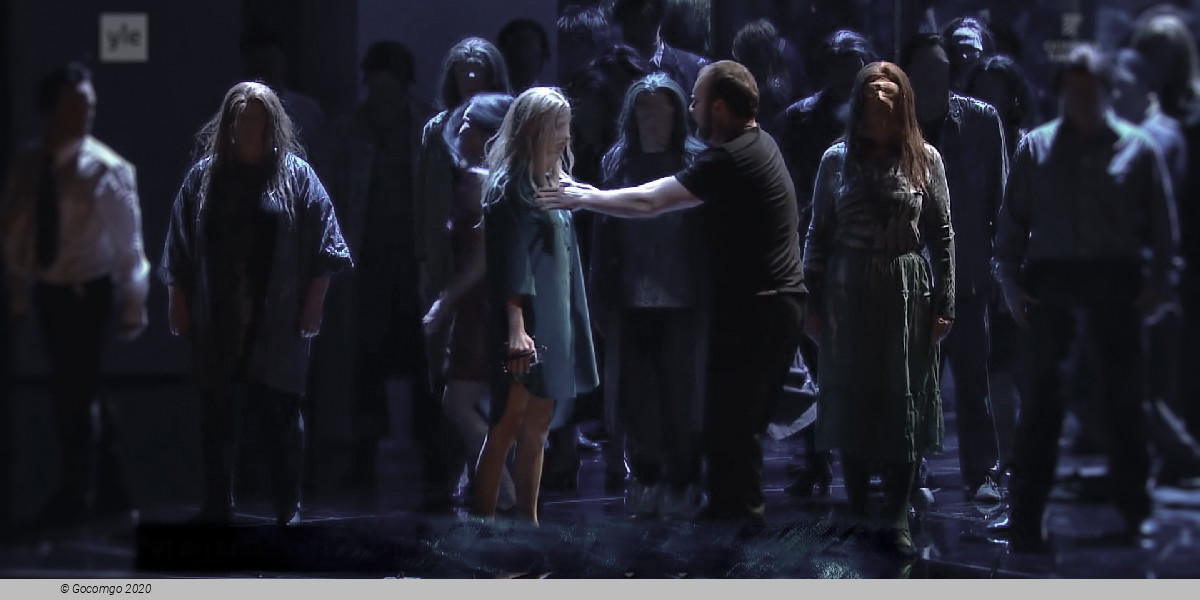
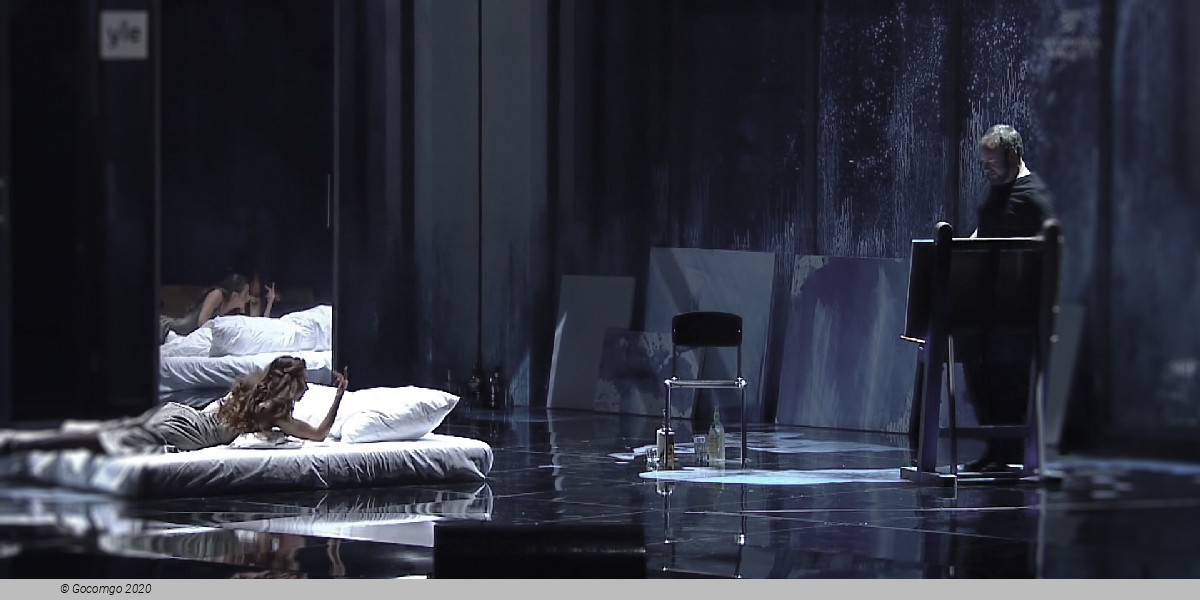
WAGNER almost experienced a shipwreck, which inspired him to write this opera early in his career based on a modern English legend about a Dutch ship captain who is doomed to sail the oceans forever as punishment for his blasphemy. The story tells how the love of the young maiden, Senta, saves the cursed Dutch captain. Salvation through love and self-sacrifice became a common theme in all of WAGNER's works thereafter. Matthias von STEGMANN's production was first presented in 2007, staged again in 2012 and 2015, then here again for the fourth time.

History
Premiere of this production: 02 January 1843, Königliches Hoftheater, Dresden

The Flying Dutchman (German: Der fliegende Holländer) is a German-language opera, with libretto and music by Richard Wagner. The central theme is redemption through love. Wagner conducted the premiere at the Königliches Hoftheater in Dresden in 1843. Wagner claimed in his 1870 autobiography Mein Leben that he had been inspired to write the opera following a stormy sea crossing he made from Riga to London in July and August 1839. However, in his 1843 Autobiographic Sketch, Wagner acknowledged he had taken the story from Heinrich Heine's retelling of the legend in his 1833 satirical novel The Memoirs of Mister von Schnabelewopski (Aus den Memoiren des Herrn von Schnabelewopski).

Synopsis

A Dutch ghost ship eternally wanders the seas until its cursed captain can find a woman who will pledge herself to him. Once in every seven years he is permitted to land to search for such a one, and when he does he meets Senta, daughter of Daland, another sea-captain.
Senta, feeling this to be a fated encounter, rejects the pleas of her suitor Erik, and pursues Holländer, throwing herself into the waves in order to save him. With this, the spell is broken, the ghost ship sinks with a terrifying sound, and Senta and Holländer are borne into heaven in each other's arms.

Place: On the coast of Norway

Act 1

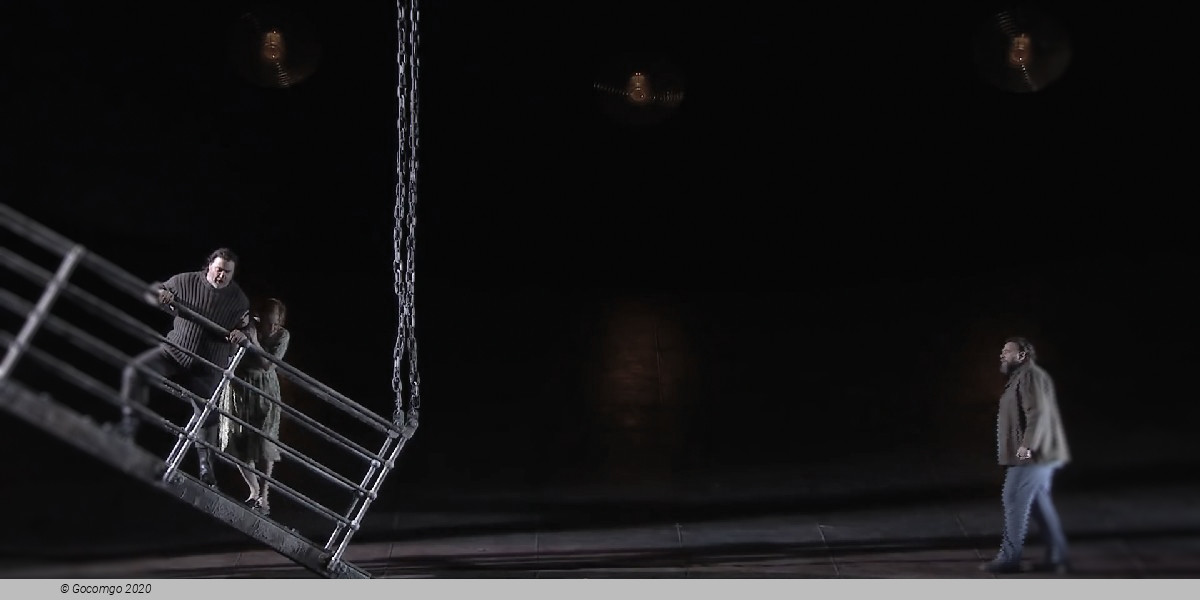
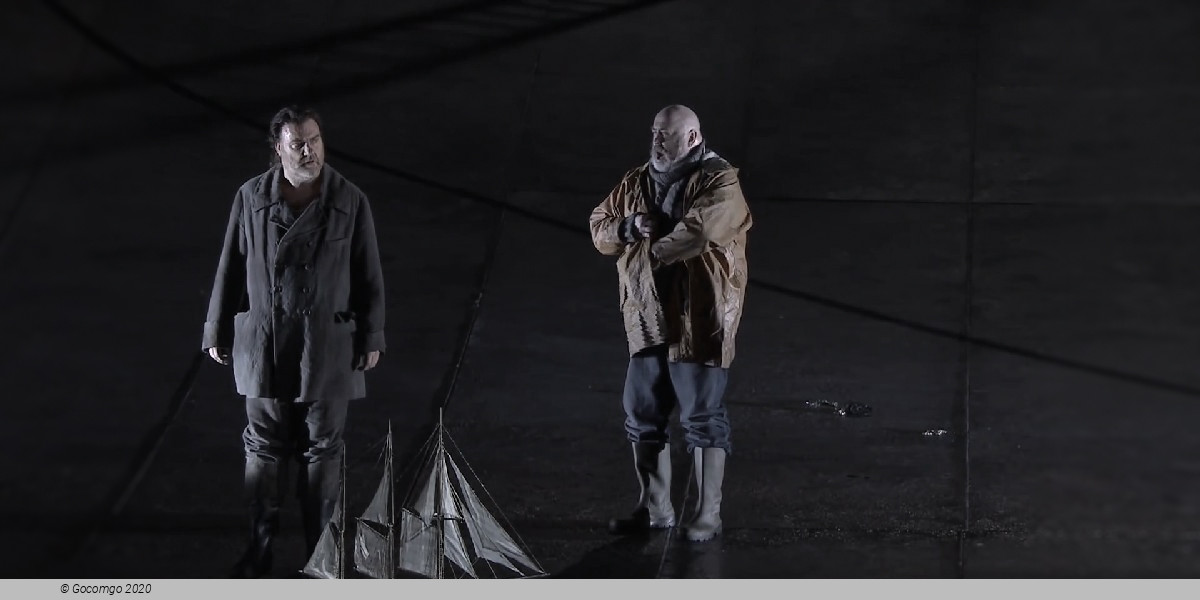
On his homeward journey, the sea captain Daland is compelled by stormy weather to seek a port of refuge near Sandwike in southern Norway. He leaves the helmsman on watch and he and the sailors retire. (Song of the helmsman: "Mit Gewitter und Sturm aus fernem Meer" — "With tempest and storm on distant seas.") The helmsman falls asleep. A ghostly vessel appearing astern is dashed against Daland's vessel by the sea and the grappling irons hold the two ships together. Invisible hands furl the sails. A man of pale aspect, dressed in black, his face framed by a thick black beard, steps ashore. He laments his fate. (Aria: "Die Frist ist um, und abermals verstrichen sind sieben Jahr" — "The time has come and seven years have again elapsed") Because he once invoked Satan, the ghost captain is cursed to roam the sea forever without rest. An angel brought to him the terms of his redemption: Every seven years the waves will cast him upon the shore; if he can find a wife who will be true to him he will be released from his curse.

Daland wakes up and meets the stranger. The stranger hears that Daland has an unmarried daughter named Senta, and he asks for her hand in marriage, offering a chest of treasure as a gift. Tempted by gold, Daland agrees to the marriage. The southwind blows and both vessels set sail for Daland's home.

Act 2

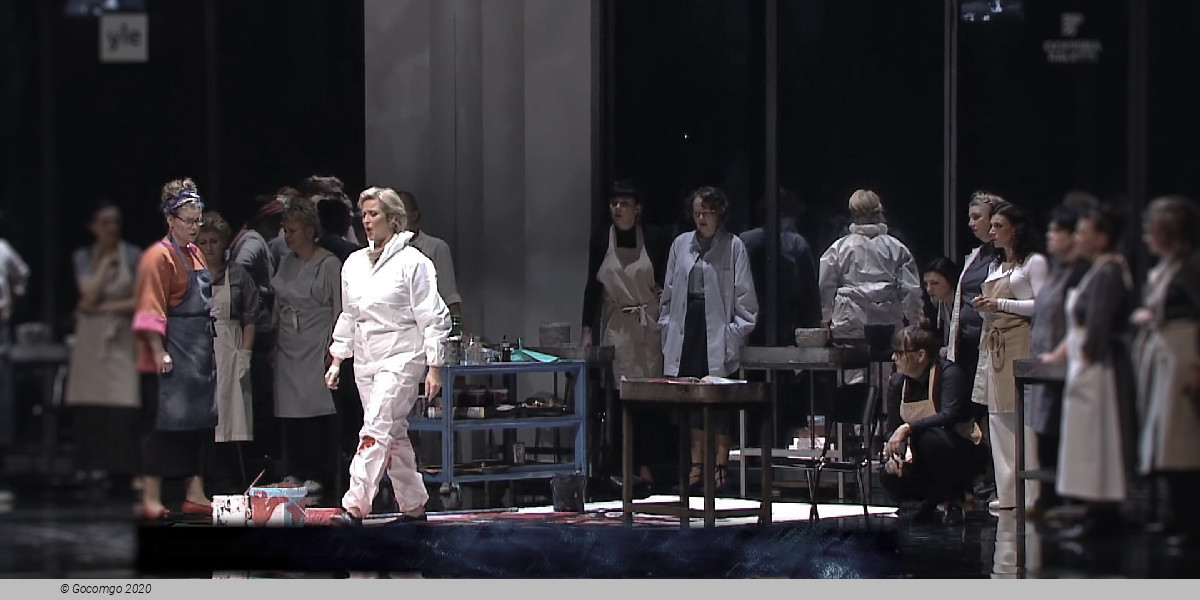
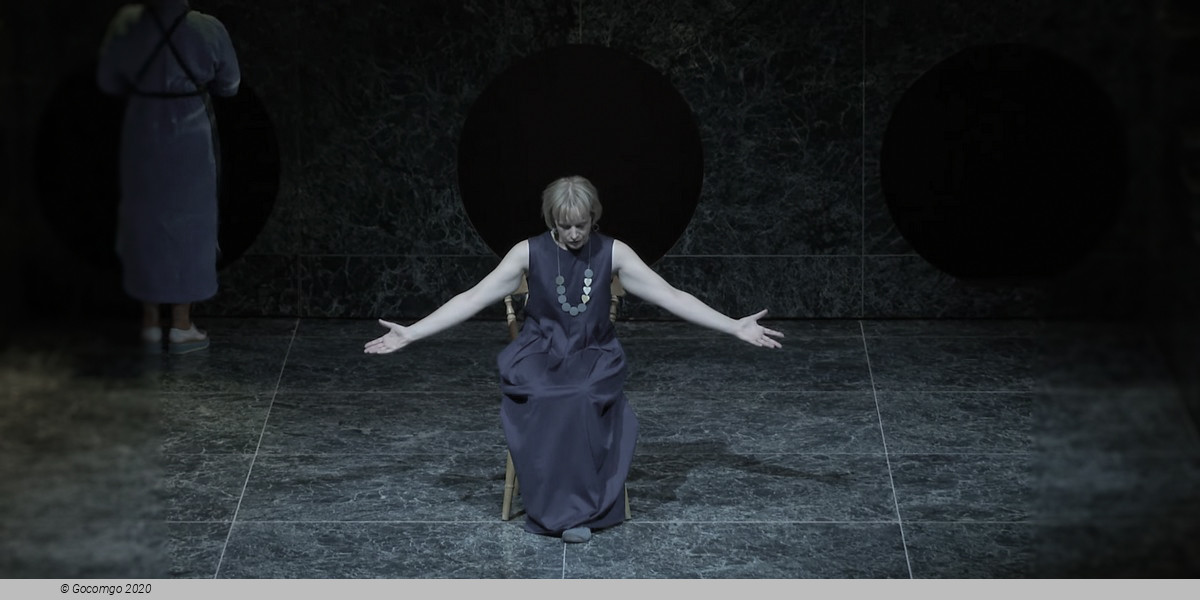
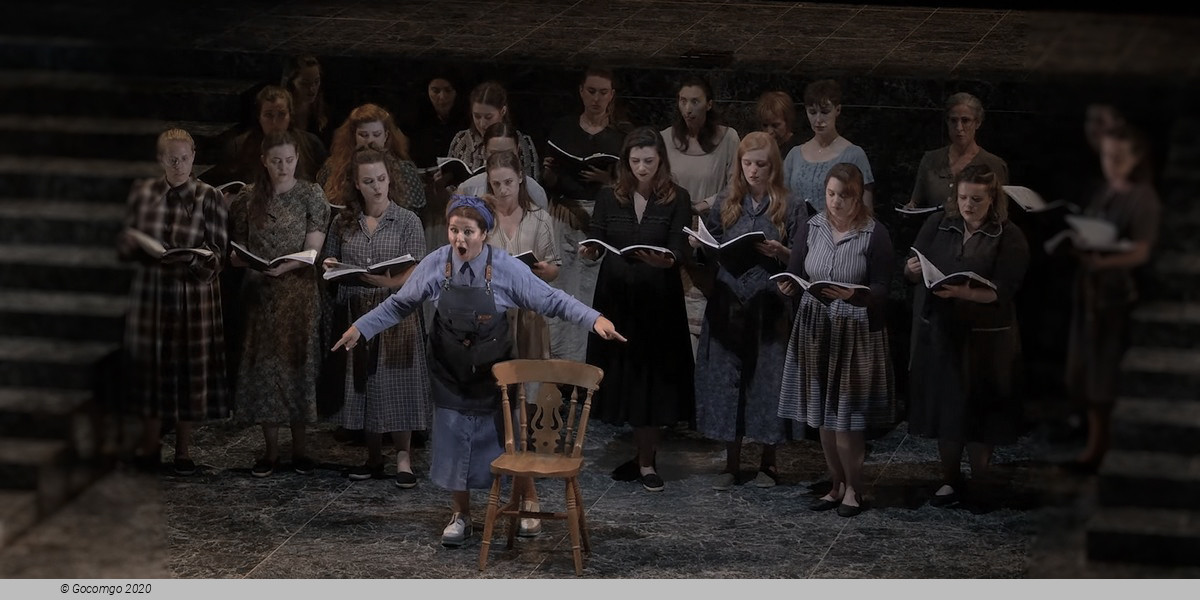
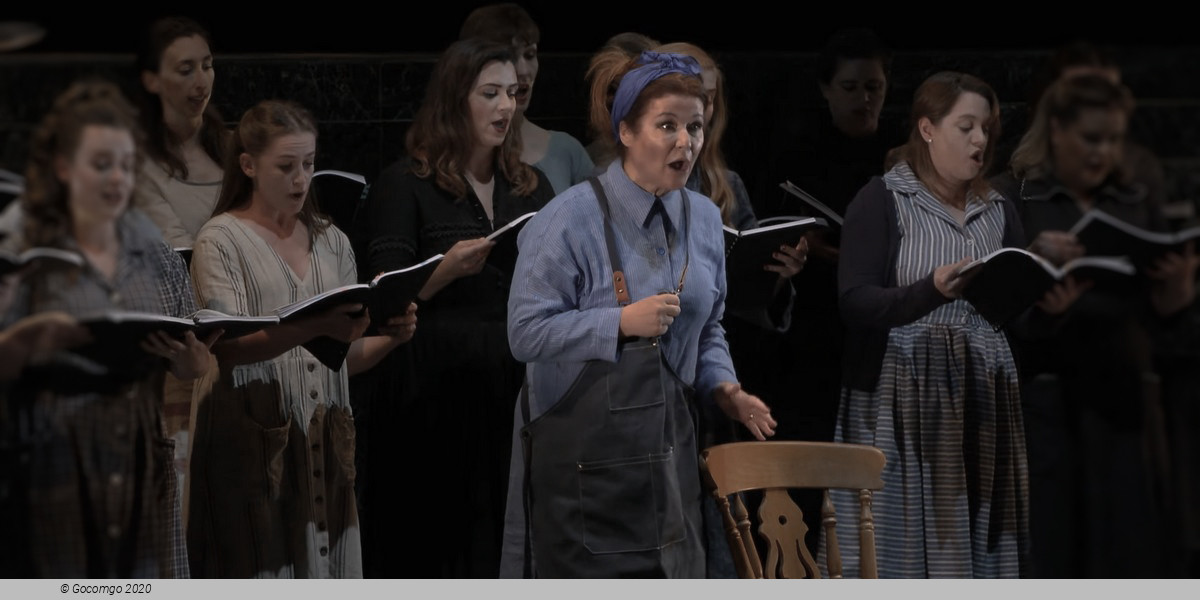
A group of local girls are singing and spinning in Daland's house. (Spinning chorus: "Summ und brumm, du gutes Rädchen" — "Whir and whirl, good wheel") Senta, Daland's daughter, dreamily gazes upon a gorgeous picture of the legendary Dutchman that hangs from the wall; she desires to save him. Against the will of her nurse, she sings to her friends the story of the Dutchman (Ballad with the Leitmotiv), how Satan heard him swear and took him at his word. She vows to save him by her fidelity.

The huntsman Erik, Senta's former boyfriend, arrives and hears her; the girls depart, and the huntsman, who loves the maiden, warns her, telling her of his dream, in which Daland returned with a mysterious stranger, who carried her off to sea. She listens with delight, and Erik leaves in despair.

Daland arrives with the stranger; he and Senta stand gazing at each other in silence. Daland is scarcely noticed by his daughter, even when he presents his guest as her betrothed. In the following duet, which closes the act, Senta swears to be true till death.

Act 3

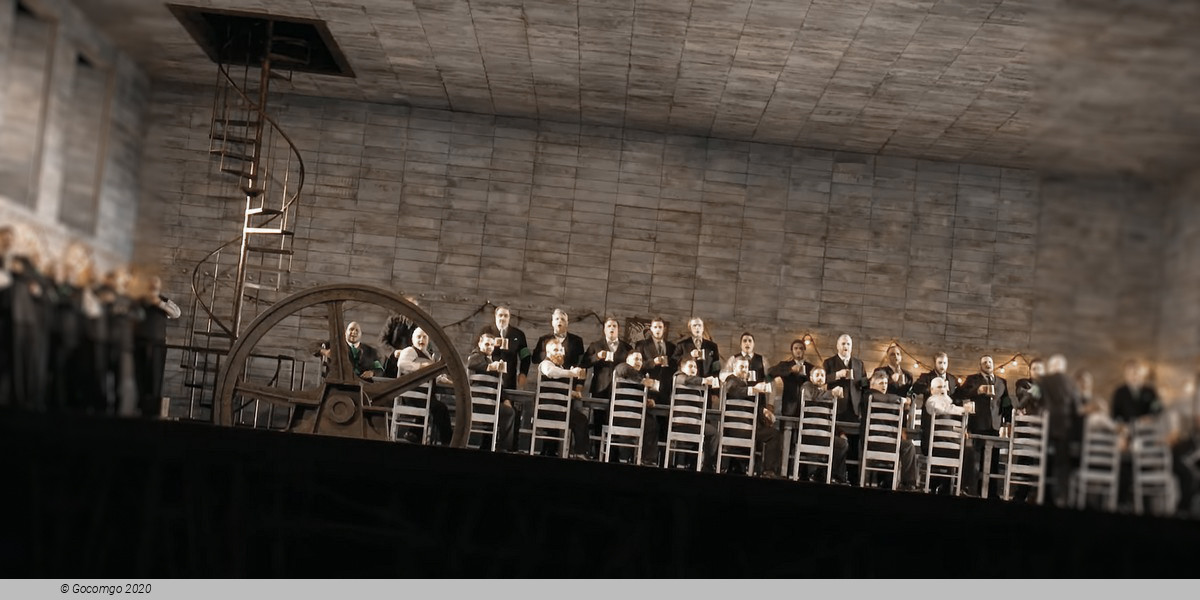
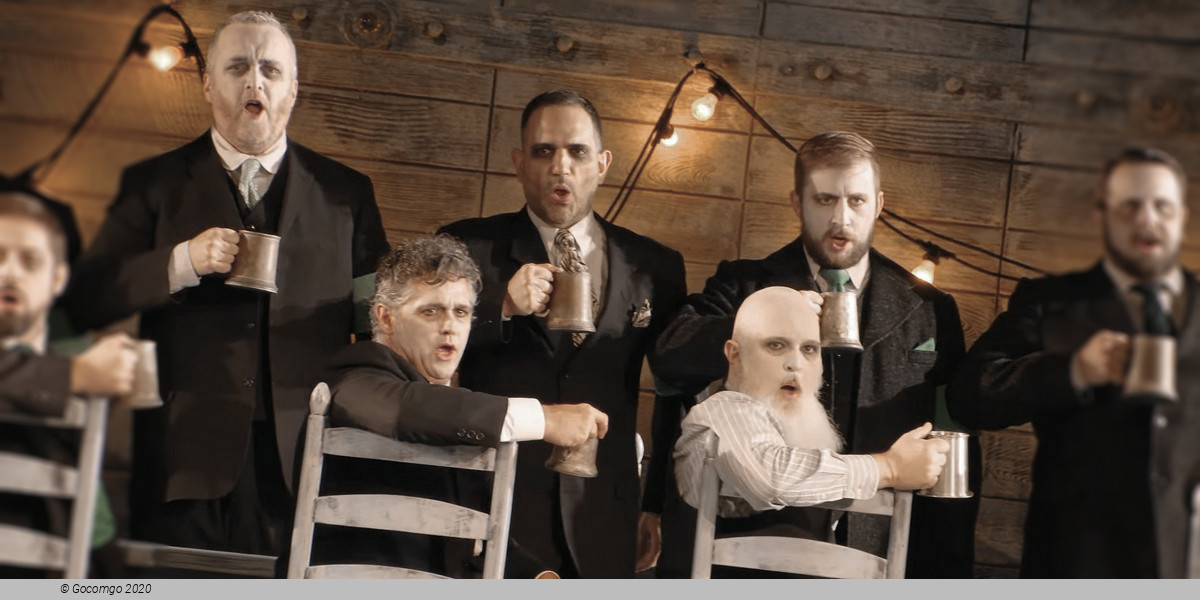
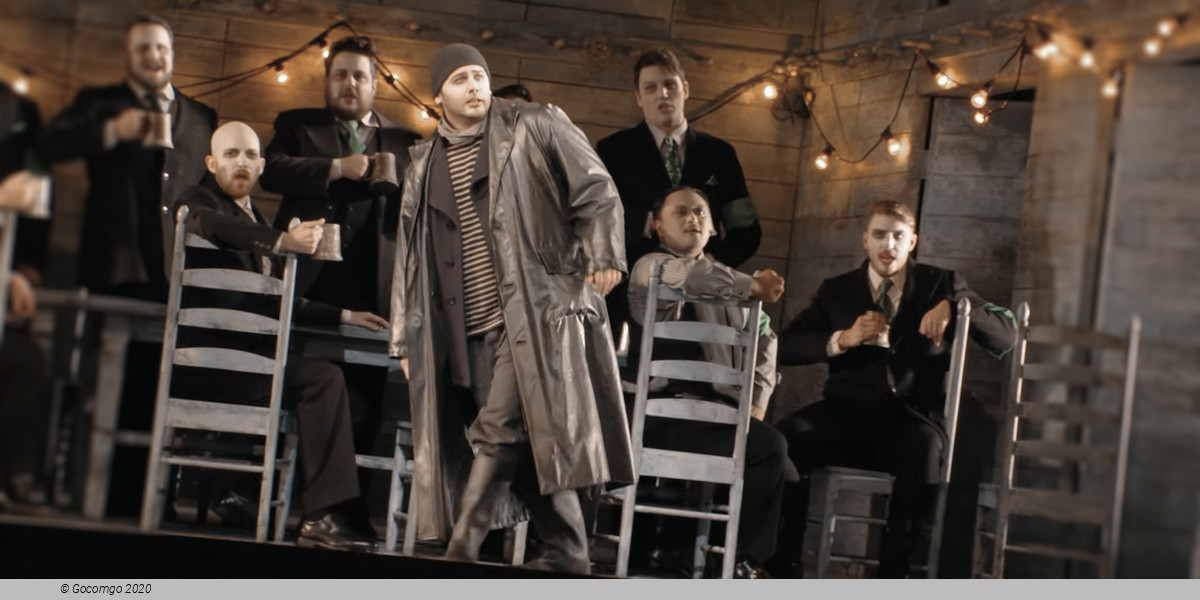
Later in the evening, the local girls bring Daland's men food and drink. They invite the crew of the strange vessel to join in the merry-making, but in vain. The girls retire in wonder; ghostly forms appear at work upon the vessel The Flying Dutchman, and Daland's men retreat in fear.

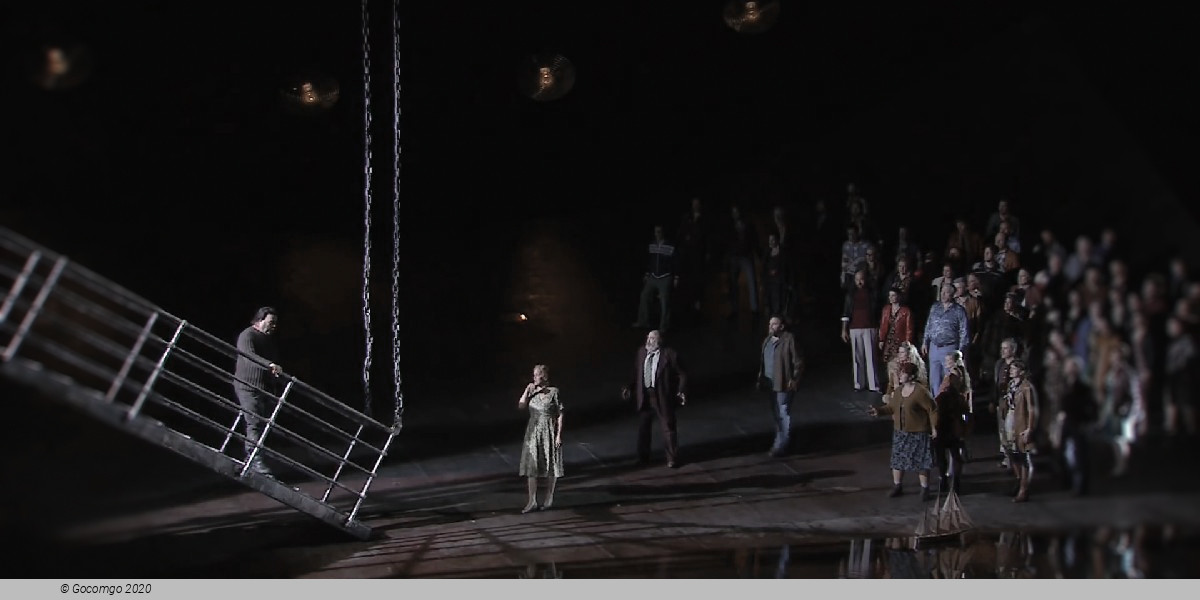
Senta arrives, followed by Erik, who reproves her for deserting him, as she had formerly loved him and vowed constancy. When the stranger, who has been listening, hears these words, he is overwhelmed with despair, as he thinks he is now forever lost. He summons his men, tells Senta of the curse, and to the consternation of Daland and his crew declares that he is the "Flying Dutchman".

As the Dutchman sets sail, Senta throws herself into the sea, claiming that she will be faithful to him unto death. This is his salvation. The spectral ship disappears, and Senta and the Dutchman are seen ascending to heaven.


Venue Info

New National Theatre Tokyo - Tokyo
Location   1 Chome-1-1 Honmachi, Shibuya City

The New National Theatre, Tokyo (NNTT) is Japan's first and foremost national centre for the performing arts, including opera, ballet, contemporary dance and drama. Since 1997 more than 650 productions were staged. There are about 300 performances per season with approximately 200,000 theatergoers. The centre has been praised for its architecture and state-of-the-art modern theatre facilities, which are considered among the best in the world.

The construction of the NNTT was completed in February 1997. Its first public performances took place in October of that year. The Tokyo Opera City Tower is connected to the theatre. It has concert halls, an art gallery, a media-art museum, office space, many restaurants and shops. The combined complex of the skyscraper tower and the theatre is called the "Tokyo Opera City".

Besides the public performances, various enterprises are undertaken, such as the young artist training programs (for ballet, opera, and theatre), theatre rental for other performing arts groups, performing arts-related exhibitions, public usage of its video library and book library, public performances for children and young students, backstage tours, and most importantly, international exchanges for performing arts events, etc. Moreover, The Stage Set & Design Centre (located in Choshi city, Chiba Prefecture), stores and exhibits previously-used stage scenery and costumes.

Important Info
Type: Opera
City: Tokyo, Japan
Starts at: 14:00
Acts: 3
Intervals: 1
Duration: 2h 55min
Sung in: German
Titles in: English,Japanese
Top of page