Place: A convent in Italy
Time: The latter part of the 17th century
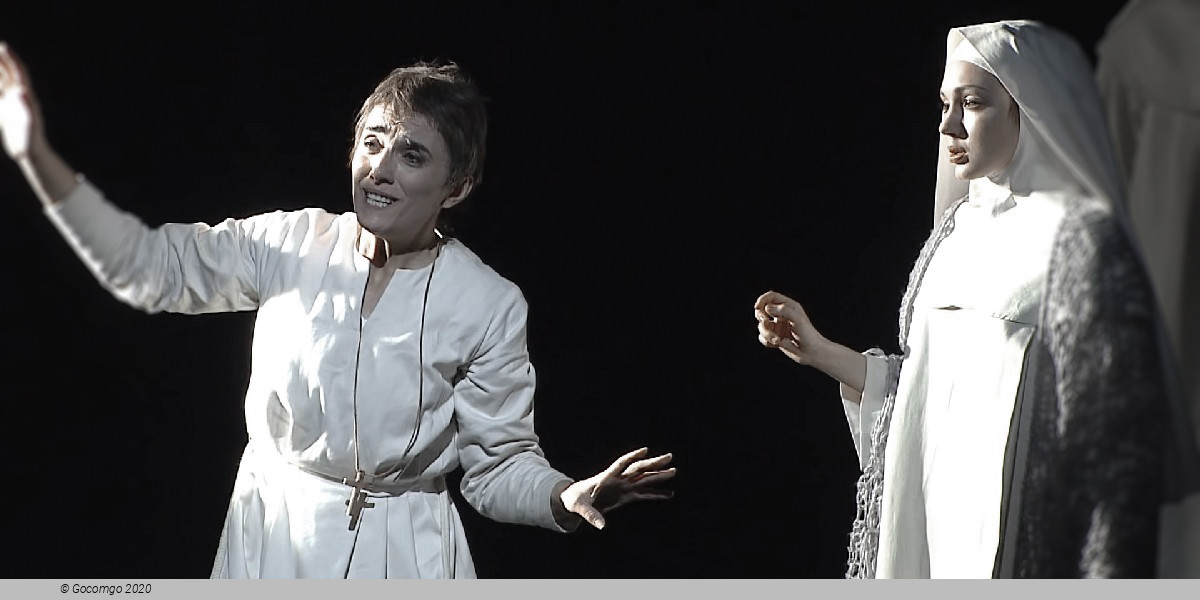
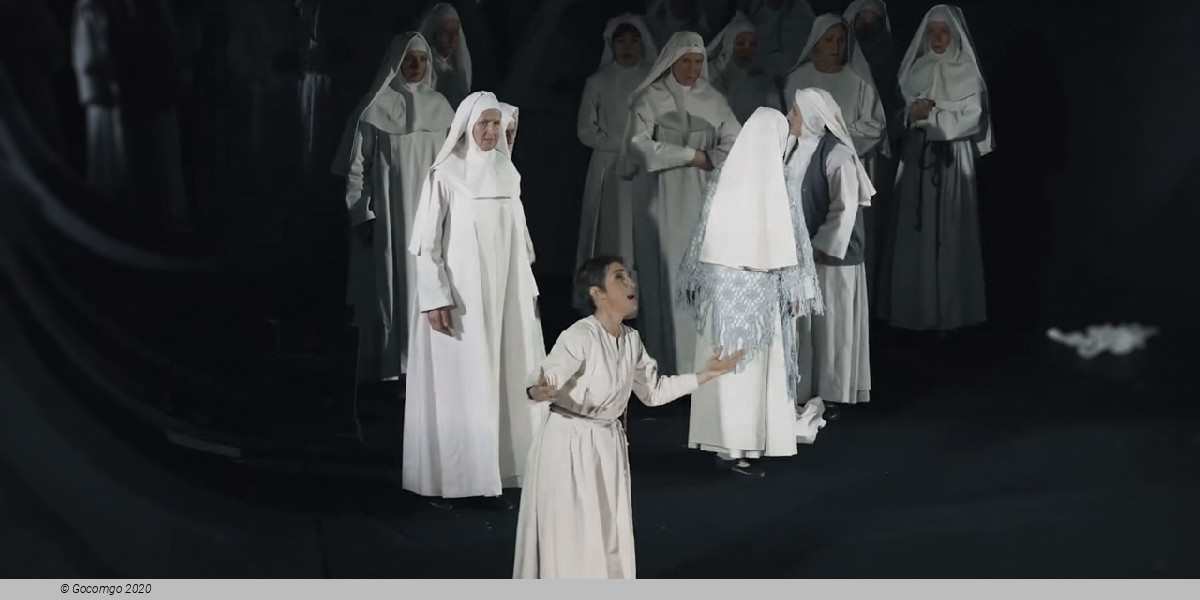
The opera opens with scenes showing typical aspects of life in the convent – all the sisters sing hymns, the Monitor scolds two lay-sisters, everyone gathers for recreation in the courtyard. The sisters rejoice because, as the mistress of novices explains, this is the first of three evenings that occur each year when the setting sun strikes the fountain so as to turn its water golden. This event causes the sisters to remember Bianca Rosa, a sister who has died. Sister Genevieve suggests they pour some of the "golden" water onto her tomb.
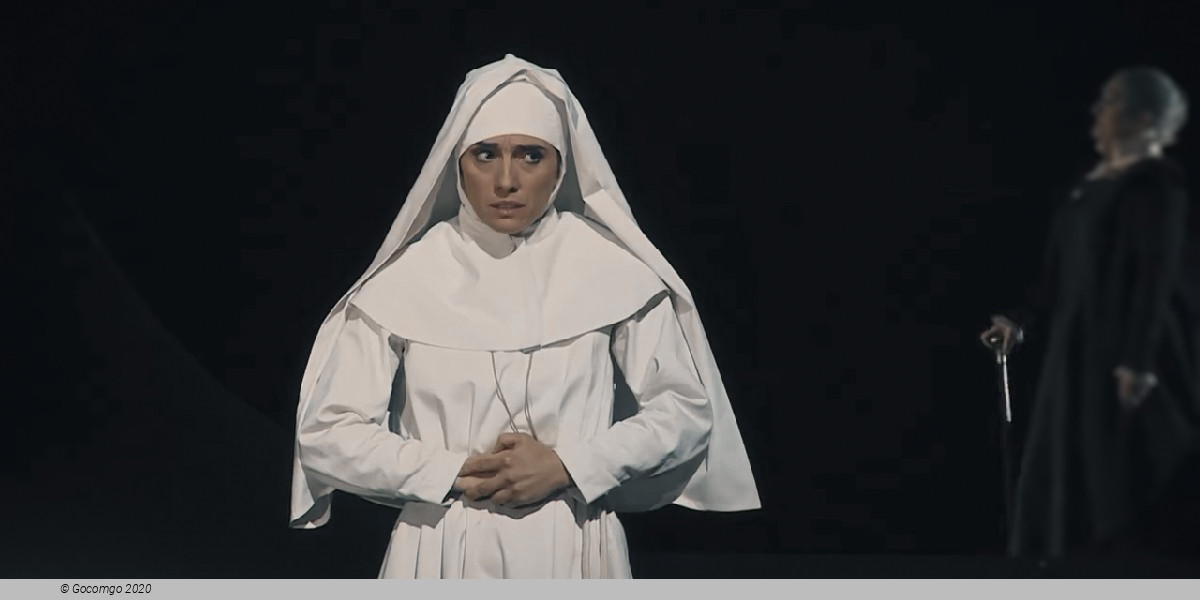
The nuns discuss their desires. While the Monitor believes that any desire at all is wrong, Sister Genevieve confesses that she wishes to see lambs again because she used to be a shepherdess when she was a girl, and Sister Dolcina wishes for something good to eat. Sister Angelica claims to have no desires, but as soon as she says so, the nuns begin gossiping – Sister Angelica has lied, because her true desire is to hear from her wealthy, noble family, whom she has not heard from in seven years. Rumors are that she was sent to the convent in punishment.
The conversation is interrupted by the Infirmary Sister, who begs Sister Angelica to make a herbal remedy, her specialty. Two tourières arrive, bringing supplies to the convent, and news that a grand coach is waiting outside. Sister Angelica becomes nervous and upset, thinking rightly that someone in her family has come to visit her. The Abbess chastises Sister Angelica for her inappropriate excitement and announces the visitor, the Princess, Sister Angelica's aunt.
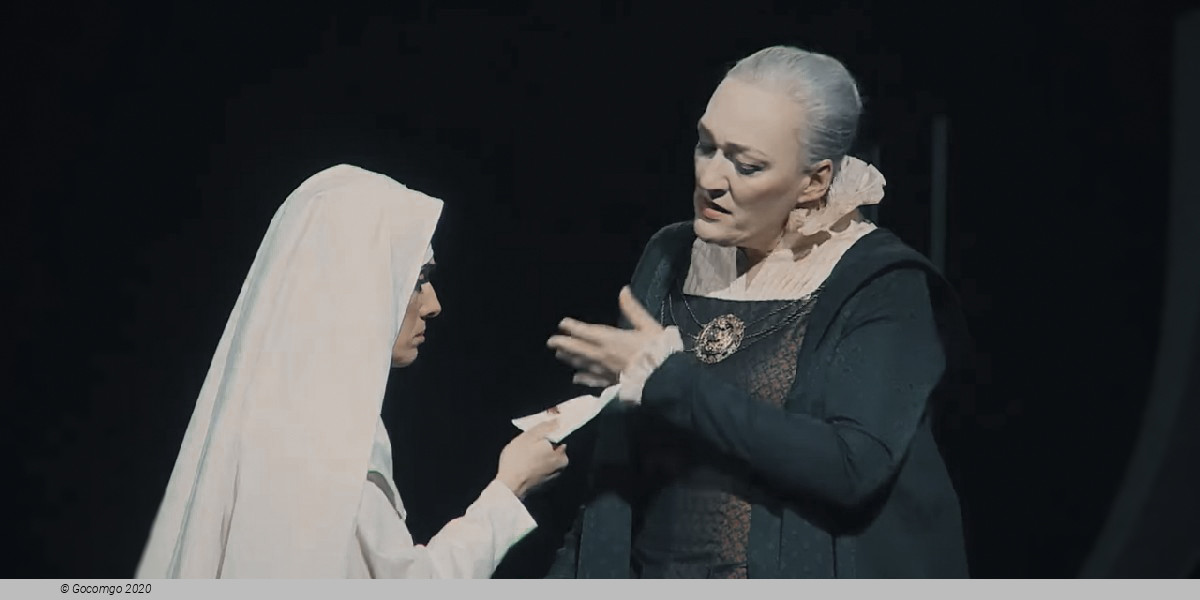
The Princess explains that Angelica's sister is to be married and that Angelica must sign a document renouncing her claim to her inheritance. Angelica replies that she has repented for her sin, but she cannot offer up everything in sacrifice to the Virgin – she cannot forget the memory of her illegitimate son, who was taken from her seven years ago. The Princess at first refuses to speak, but finally informs Sister Angelica that her son died of fever two years ago. Sister Angelica, devastated, signs the document and collapses in tears. The Princess leaves.
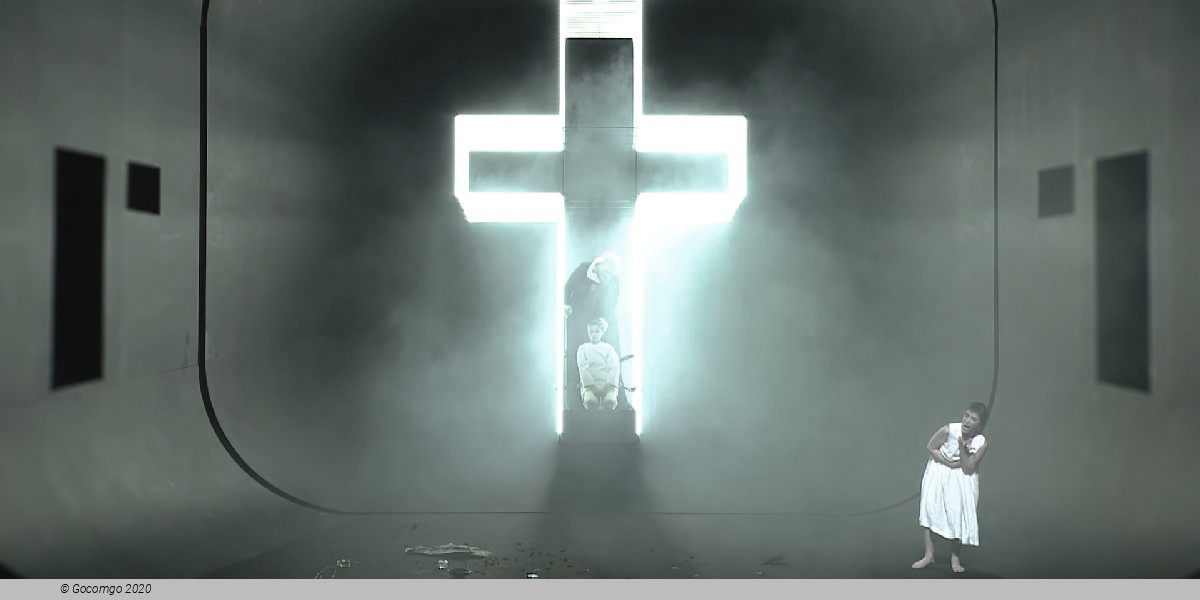
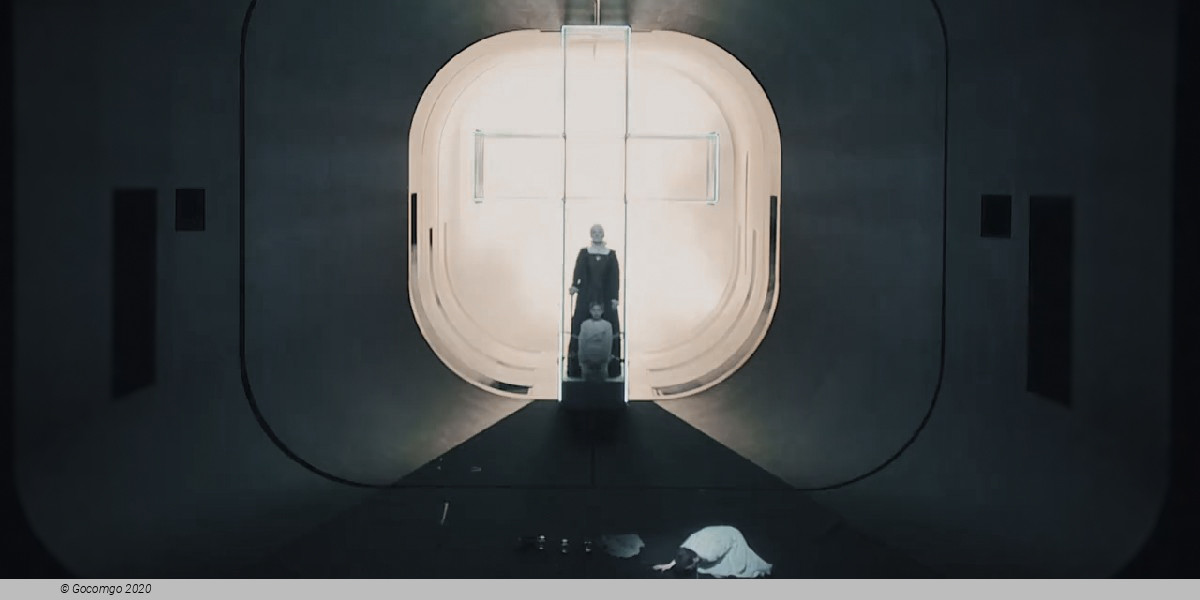
Sister Angelica is seized by a heavenly vision – she believes she hears her son calling for her to meet him in paradise. She makes a poison and drinks it, but realizes that in committing suicide, she has committed a mortal sin and has damned herself to eternal separation from her son. She begs the Virgin Mary for mercy and, as she dies, she sees a miracle: the Virgin Mary appears, along with Sister Angelica's son, who runs to embrace her.
Part 1
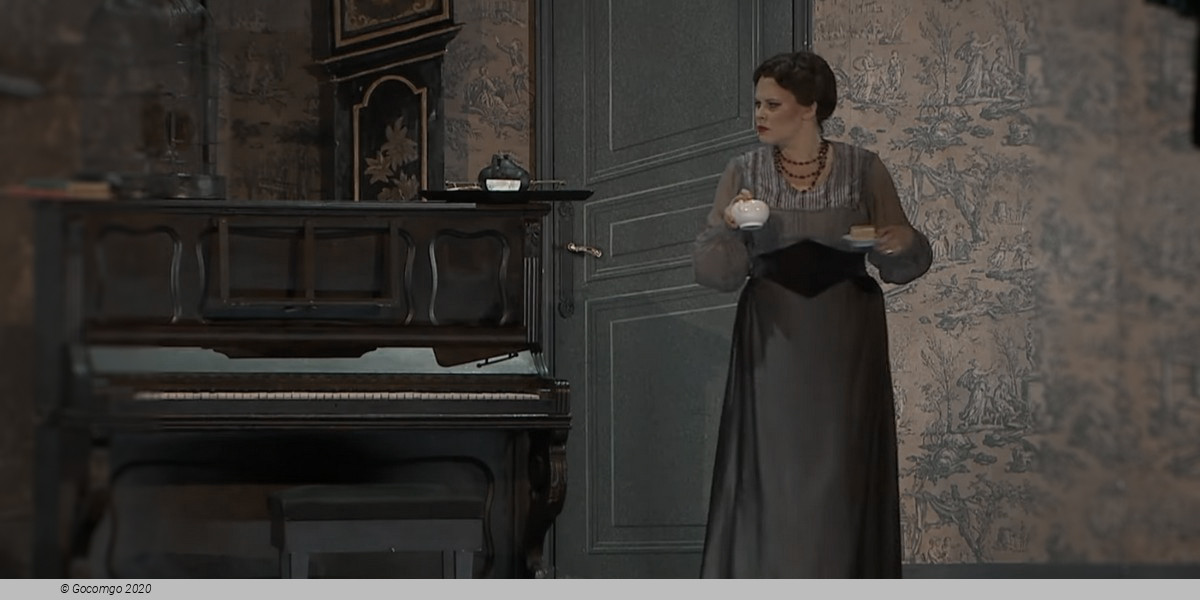
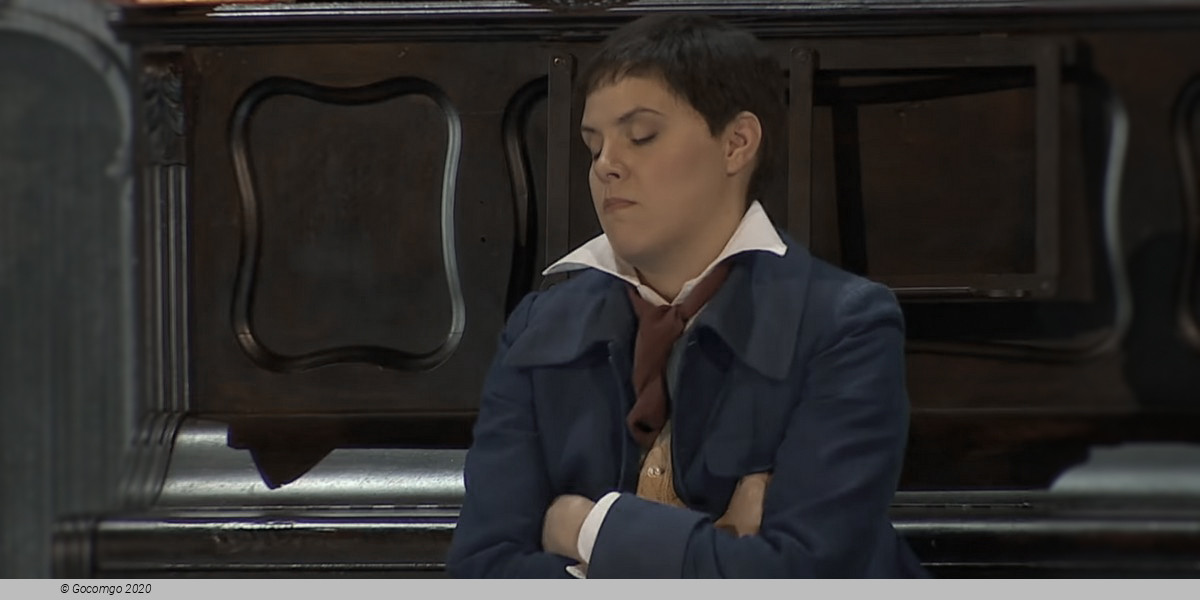
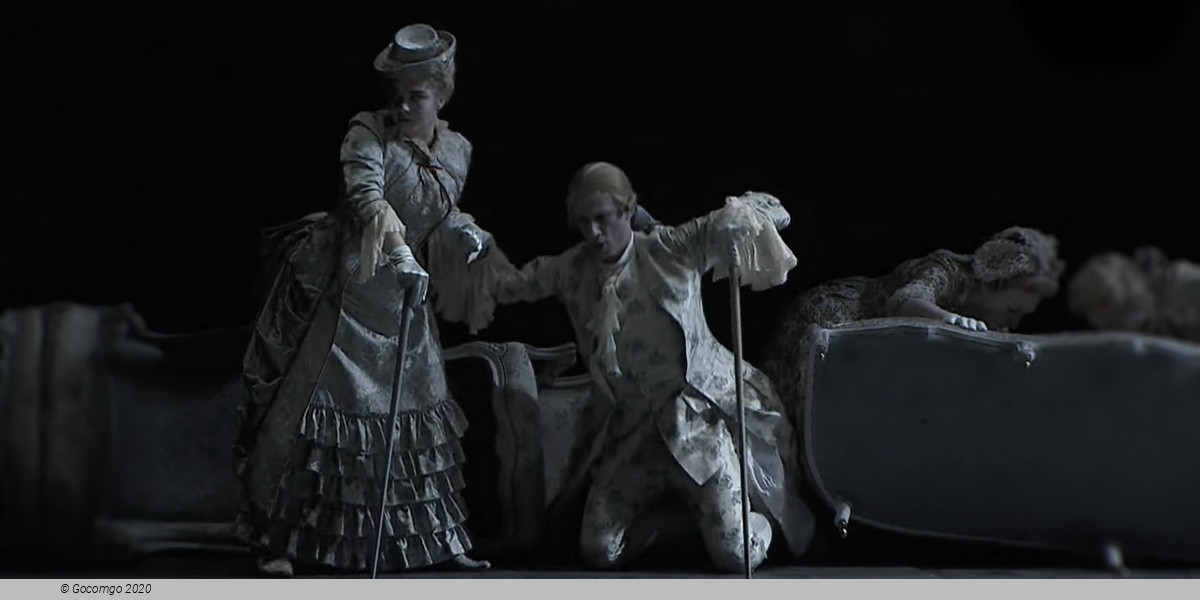
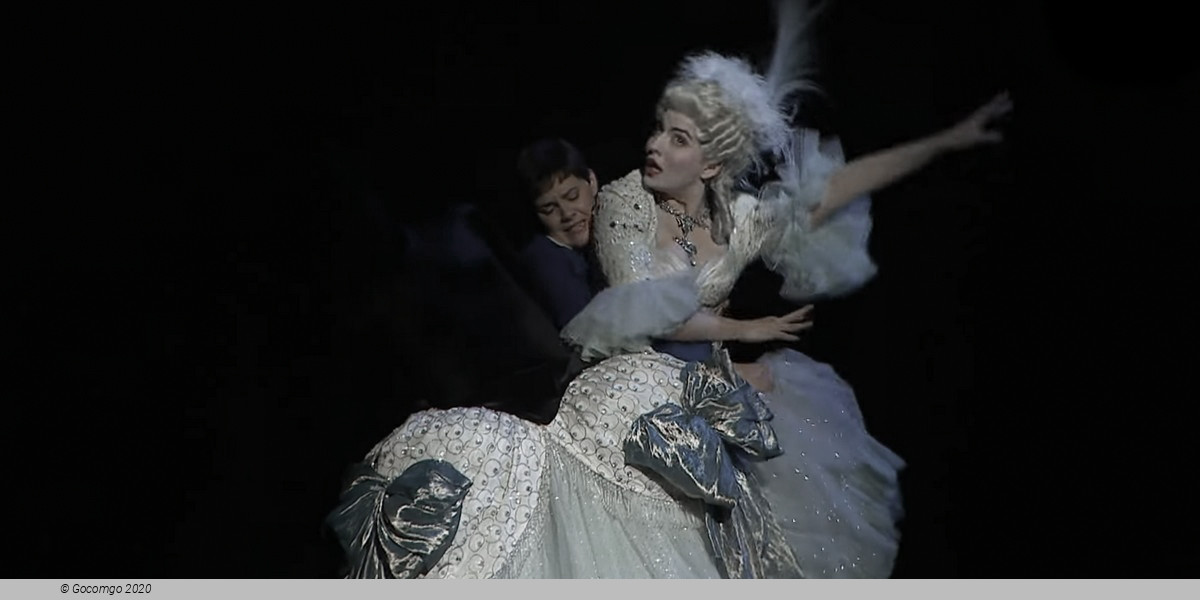
This is the story of a rude child who is reprimanded by the objects in his room, which he has been destroying. After being scolded by his mother in the beginning of the opera, the child throws a tantrum, destroying the room around him and harming the animals nearby. He is then surprised to find that the unhappy objects in his room come to life. The furniture and decorations begin to talk; even his homework takes shape as it becomes an old man and a chorus of numbers. They all sing out the pain and misery that the child inflicts on them and their wishes to punish him for his misdeeds.
Part 2
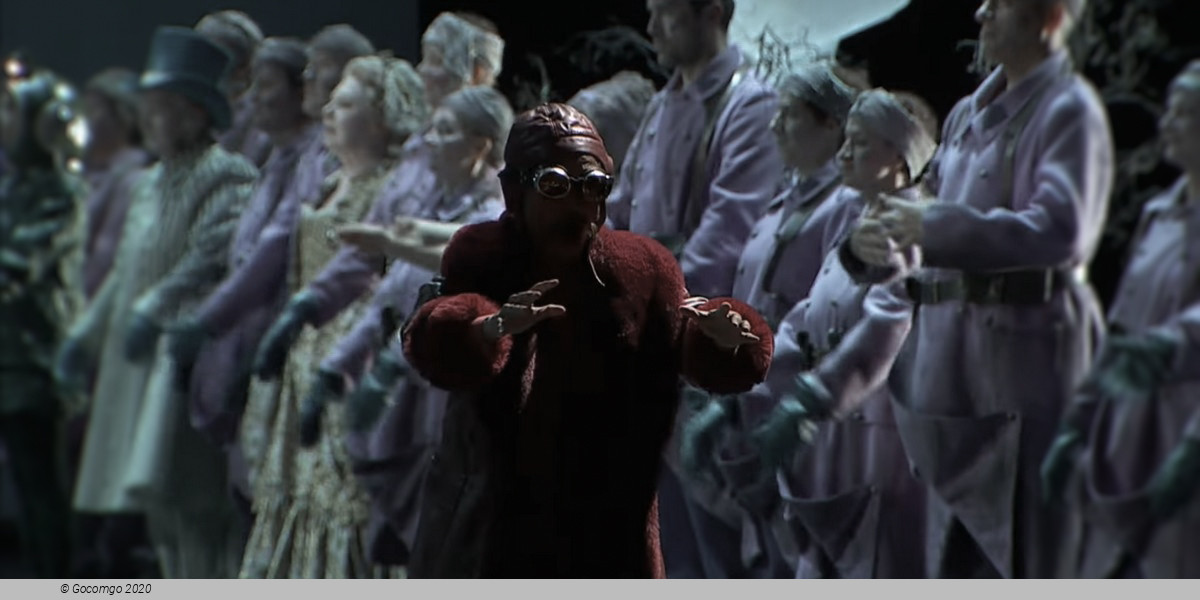
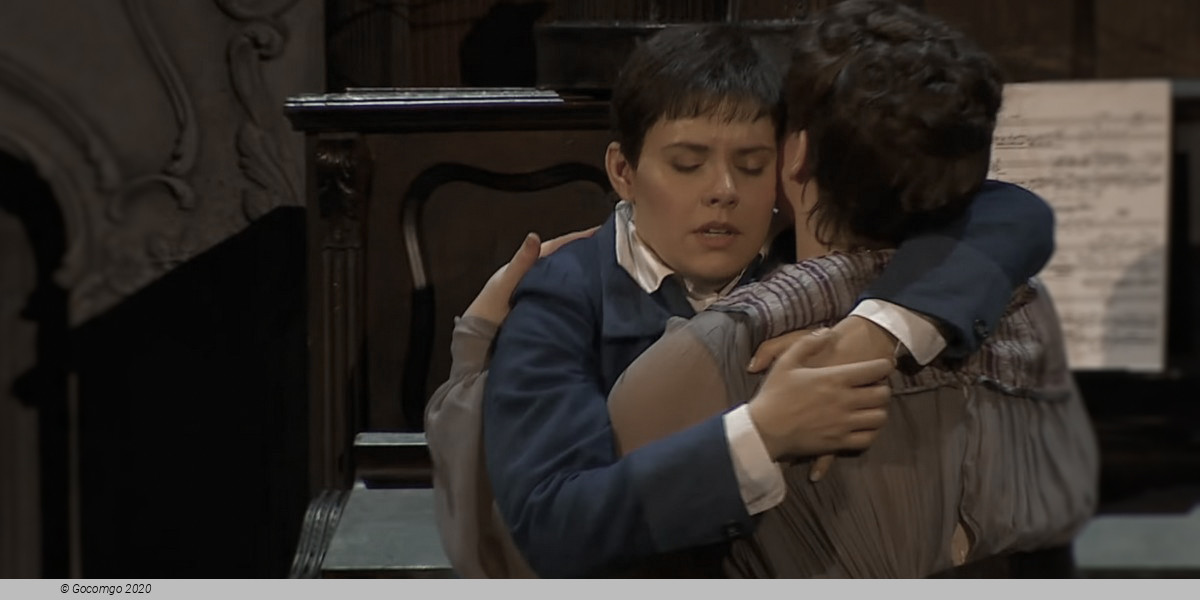
The bedroom becomes a garden filled with singing animals and plants which have been tortured by the child. The child attempts to make friends with the animals and plants, but they shun him because of the injuries he did to them earlier, before they could talk. They leave him aside, and in his loneliness, he eventually cries out "Maman". At this, the animals turn on him and attack him in an act of vengeance, but they wind up jostling among each other as the child is tossed aside. At the culmination, a squirrel is hurt, which causes the other animals to stop fighting. The child bandages the squirrel's wound and collapses exhausted. Seeing this act of kindness, the animals have a change of heart toward the child, and decide to try to help him home. They mimic the cry of "Maman", carry the child back to his house, and sing in praise of the child. The opera ends with the child singing "Maman", as he greets his mother, in the very last bar of the score.




 1 Chome-1-1 Honmachi, Shibuya City