New National Theatre Tokyo 1 October 2023 - Premiere Suor Angelica / L'Enfant et les Sortilèges | GoComGo.com

Premiere
Suor Angelica / L'Enfant et les Sortilèges

New National Theatre Tokyo, Opera Palace, Tokyo, Japan
All photos (12)
Select date and time
2 PM

E-tickets: Print at home or at the box office of the event if so specified. You will find more information in your booking confirmation email.

You can only select the category, and not the exact seats.
If you order 2 or 3 tickets: your seats will be next to each other.
If you order 4 or more tickets: your seats will be next to each other, or, if this is not possible, we will provide a combination of groups of seats (at least in pairs, for example 2+2 or 2+3).

Important Info
Type: Opera
City: Tokyo, Japan
Starts at: 14:00
Duration: 2h

E-tickets: Print at home or at the box office of the event if so specified. You will find more information in your booking confirmation email.

You can only select the category, and not the exact seats.
If you order 2 or 3 tickets: your seats will be next to each other.
If you order 4 or more tickets: your seats will be next to each other, or, if this is not possible, we will provide a combination of groups of seats (at least in pairs, for example 2+2 or 2+3).

Overview

As the third pairing in the double bill series, our 2023/2024 season will open with Puccini's Suor Angelica and Ravel's L'Enfant et les Sortilèges.

Aguni Jun, one of the finest opera directors in Japan, and the conductor Numajiri Ryusuke, renowned for his particular talent for modern works, work again together here as they did for Eine florentinische Tragödie & Gianni Schicchi. Enjoy the unique contrasts of this double bill. The role of Angelica will be performed by Chiara Issoton, who has risen to stardom with dramatic roles such as Tosca, among others, making her return to the NNTT having sung Tosca in 2021.

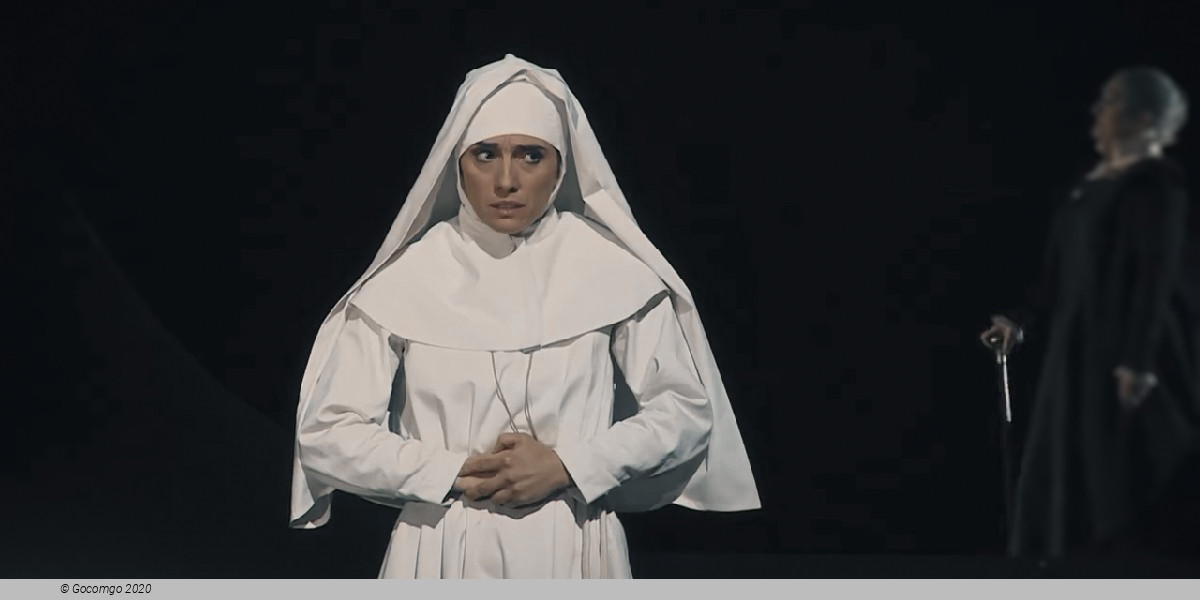
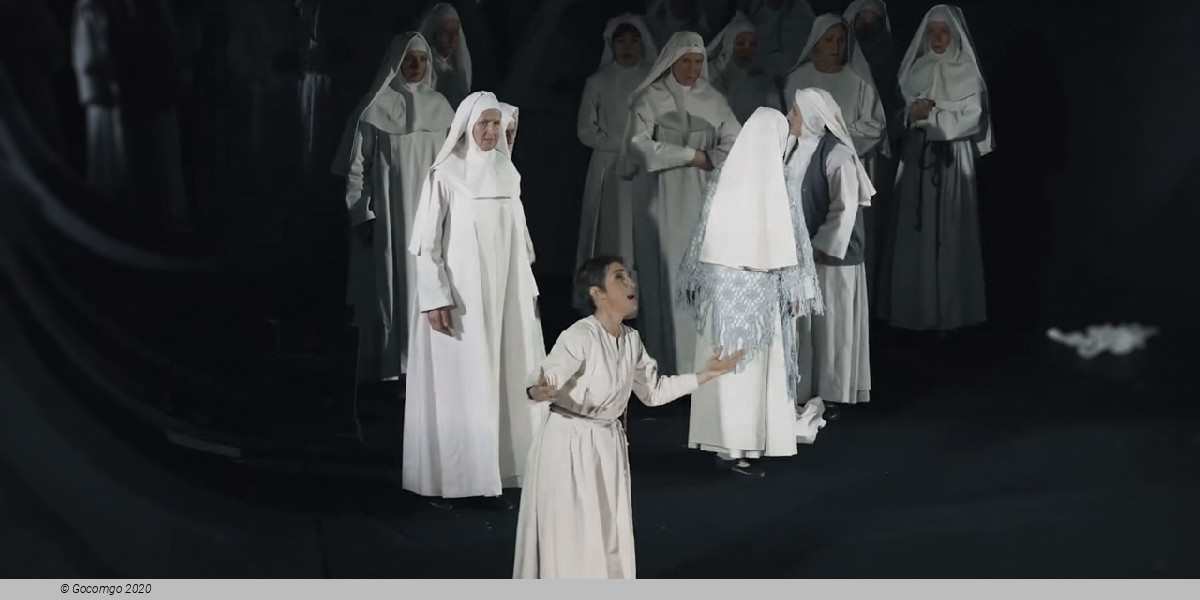
Suor Angelica (Sister Angelica) is the second work in Il Trittico, a collection of three one-act operas from Puccini's later years. Performed with only female singers except for the mixed chorus in the final scene, this work captures a remarkably religious and lyrical atmosphere. For approximately 50 minutes, peaceful scenes of the convent nuns, the tense interaction between Angelica and her aunt, the Princess, that dramatically turns into tragedy, and scenes of mysterious miracles, all develop through Puccini's distinctively eloquent orchestration.

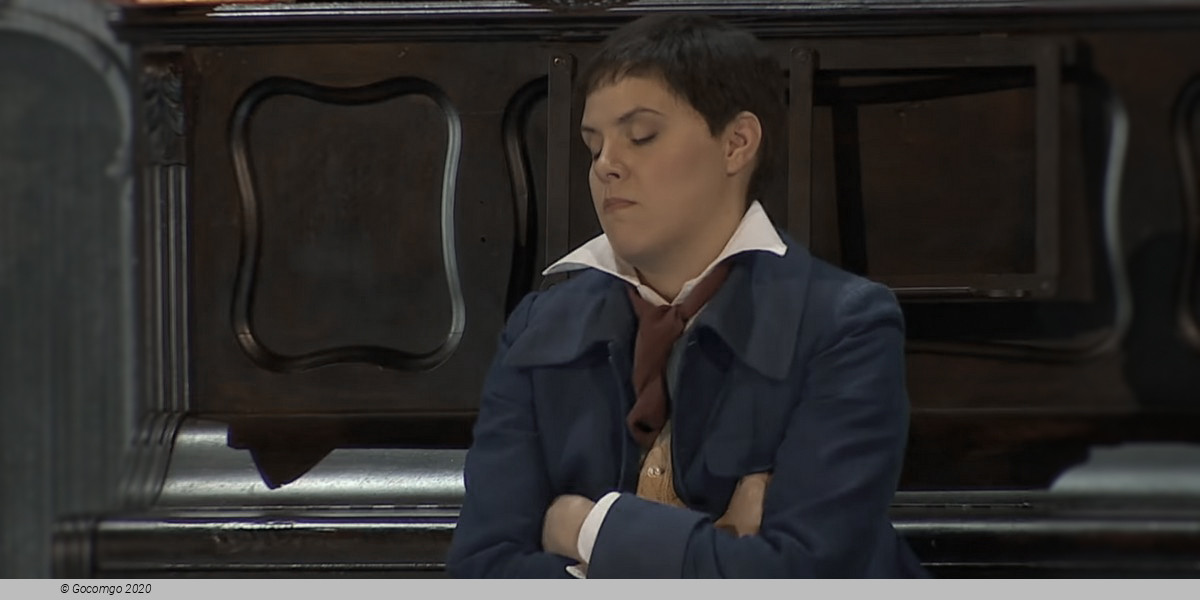
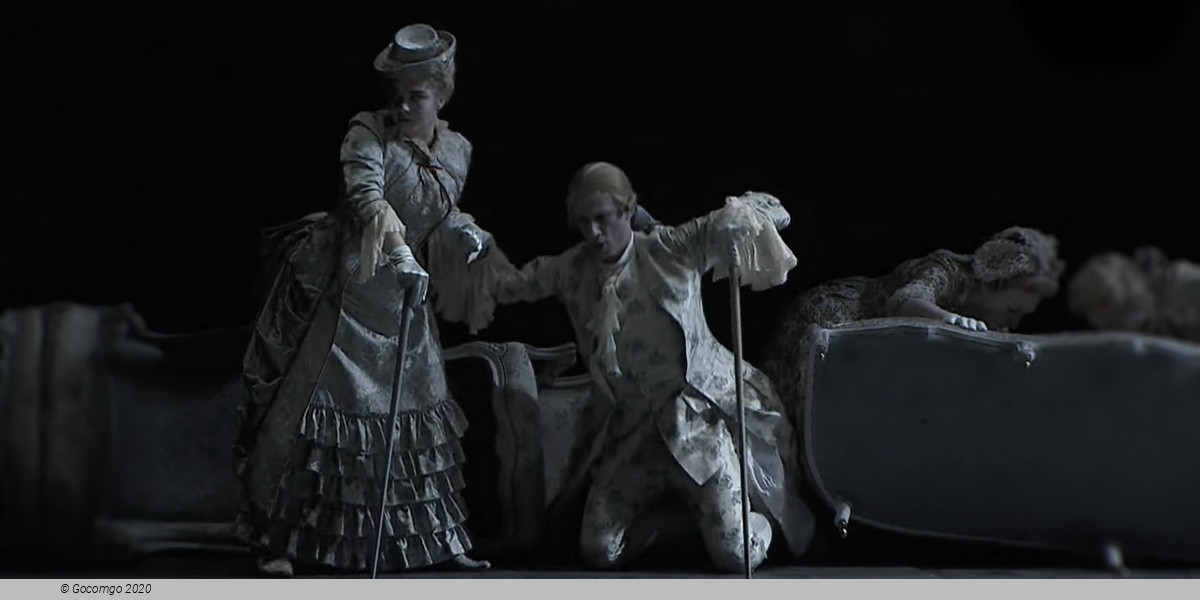
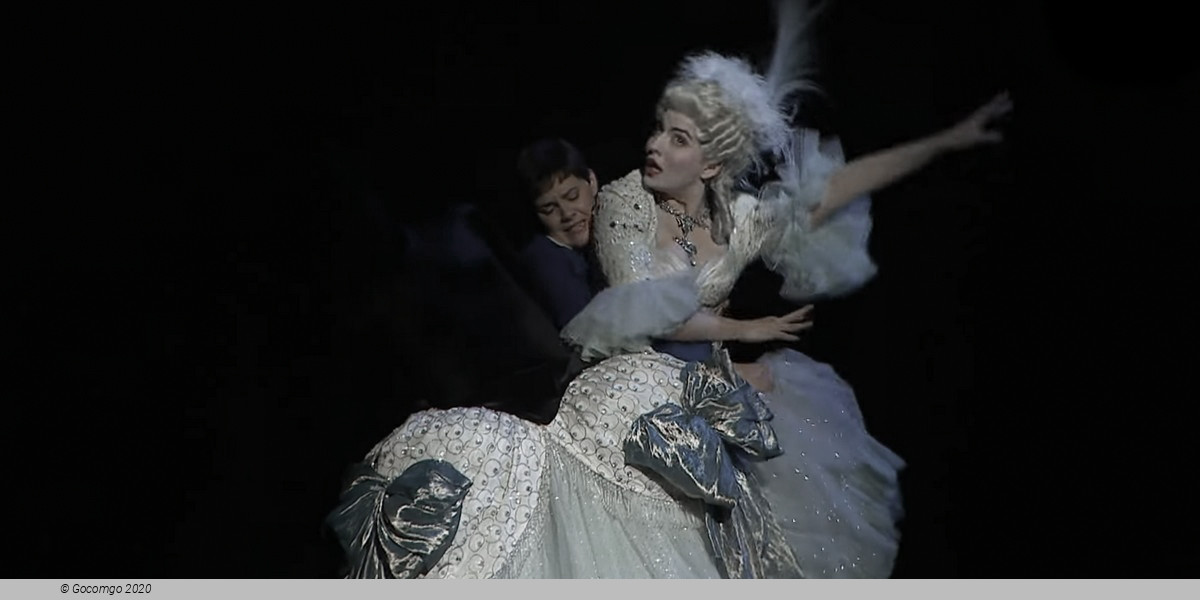
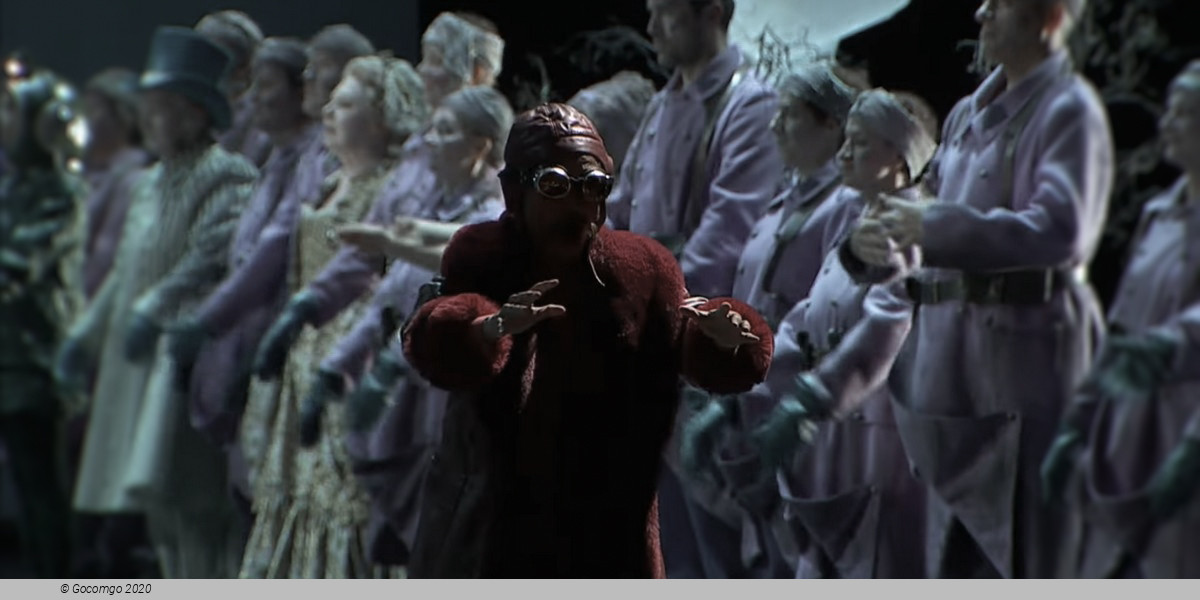
Called a "Lyric Fantasy" by the composer, L'Enfant et les Sortilèges (The Child and the Spells) by Ravel is a fantasy merging elements of both opera and ballet. The story develops from a child's perspective and can be enjoyed as a fable for children and adults alike. It is also appealing as a spectacular orchestral work showcasing Ravel's unique, modern harmonies and rhythms.

History
Premiere of this production: 14 December 1918, Metropolitan Opera

Suor Angelica (Sister Angelica) is an opera in one act by Giacomo Puccini to an original Italian libretto by Giovacchino Forzano. It is the second opera of the trio of operas known as Il trittico (The Triptych). It received its world premiere at the Metropolitan Opera on December 14, 1918.

Premiere of this production: 21 March 1925, Monte Carlo Opera

L'enfant et les sortilèges: Fantaisie lyrique en deux parties (The Child and the Spells: A Lyric Fantasy in Two Parts) is an opera in one act, with music by Maurice Ravel to a libretto by Colette. It is Ravel's second opera, his first being L'heure espagnole. Written from 1917 to 1925, L'enfant et les sortilèges was first performed in Monte Carlo in 1925 under the baton of Victor de Sabata. After being offered the opportunity to write a musical work, Colette wrote the text in eight days. Several composers were proposed to Colette to write the music, but she was only excited by the prospect of Ravel.

Synopsis

Place: A convent in Italy
Time: The latter part of the 17th century


The opera opens with scenes showing typical aspects of life in the convent – all the sisters sing hymns, the Monitor scolds two lay-sisters, everyone gathers for recreation in the courtyard. The sisters rejoice because, as the mistress of novices explains, this is the first of three evenings that occur each year when the setting sun strikes the fountain so as to turn its water golden. This event causes the sisters to remember Bianca Rosa, a sister who has died. Sister Genevieve suggests they pour some of the "golden" water onto her tomb.

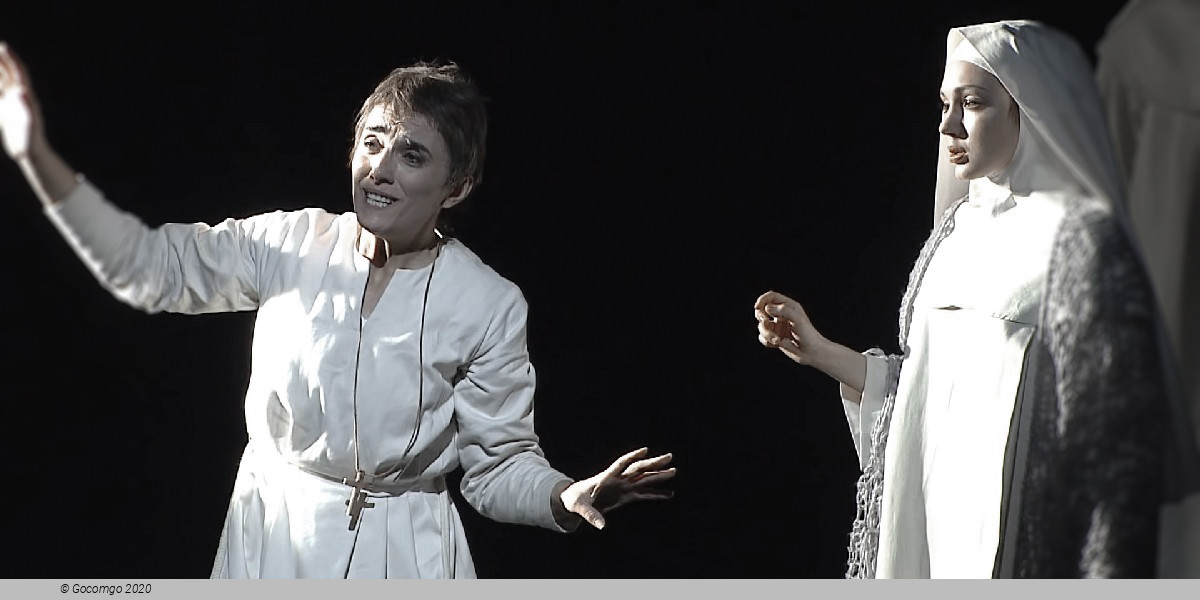
The nuns discuss their desires. While the Monitor believes that any desire at all is wrong, Sister Genevieve confesses that she wishes to see lambs again because she used to be a shepherdess when she was a girl, and Sister Dolcina wishes for something good to eat. Sister Angelica claims to have no desires, but as soon as she says so, the nuns begin gossiping – Sister Angelica has lied, because her true desire is to hear from her wealthy, noble family, whom she has not heard from in seven years. Rumors are that she was sent to the convent in punishment.

The conversation is interrupted by the Infirmary Sister, who begs Sister Angelica to make a herbal remedy, her specialty. Two tourières arrive, bringing supplies to the convent, and news that a grand coach is waiting outside. Sister Angelica becomes nervous and upset, thinking rightly that someone in her family has come to visit her. The Abbess chastises Sister Angelica for her inappropriate excitement and announces the visitor, the Princess, Sister Angelica's aunt.

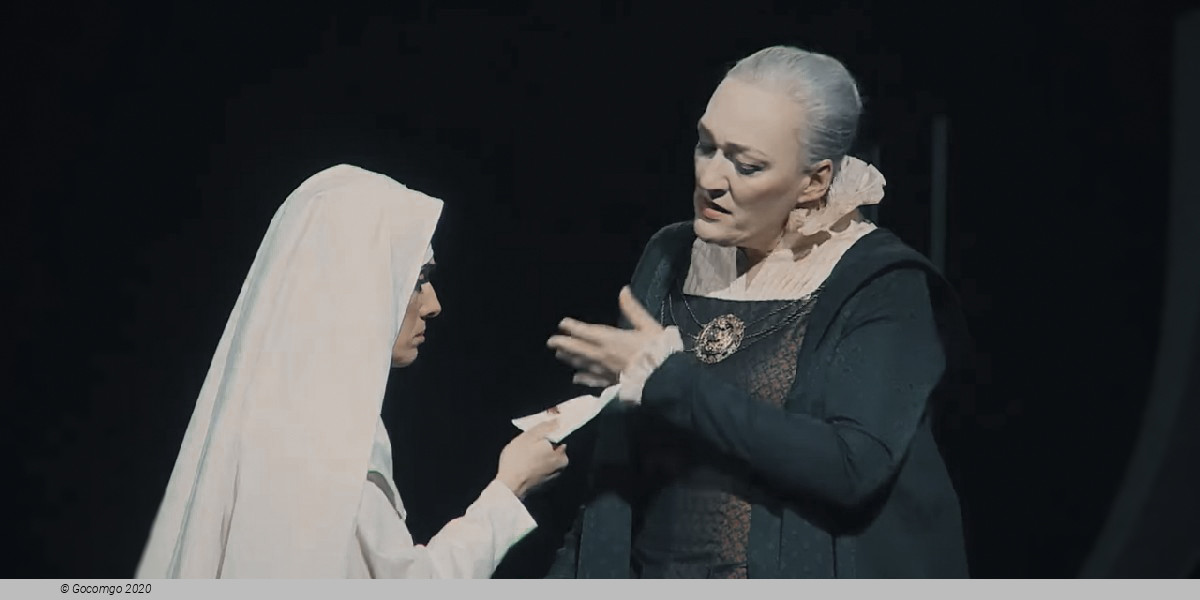
The Princess explains that Angelica's sister is to be married and that Angelica must sign a document renouncing her claim to her inheritance. Angelica replies that she has repented for her sin, but she cannot offer up everything in sacrifice to the Virgin – she cannot forget the memory of her illegitimate son, who was taken from her seven years ago. The Princess at first refuses to speak, but finally informs Sister Angelica that her son died of fever two years ago. Sister Angelica, devastated, signs the document and collapses in tears. The Princess leaves.

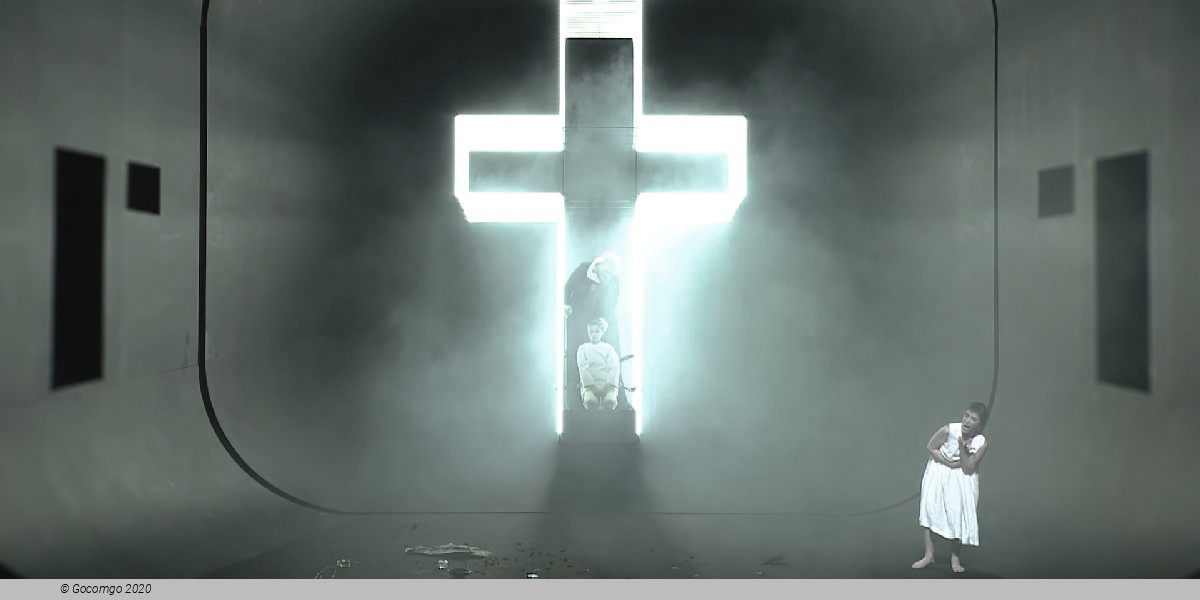
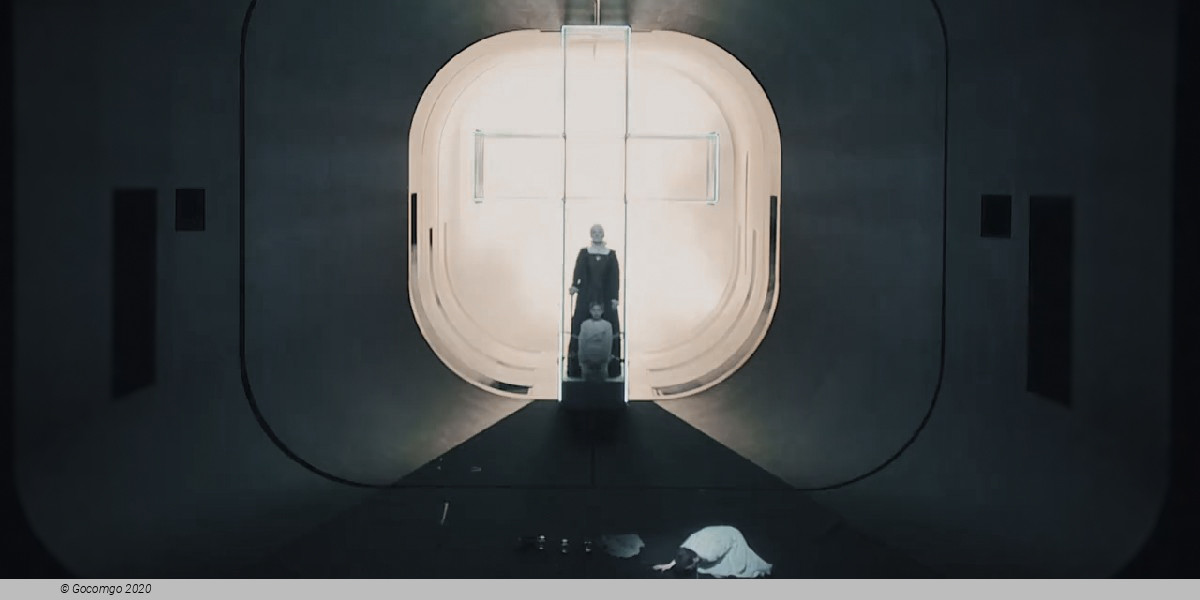
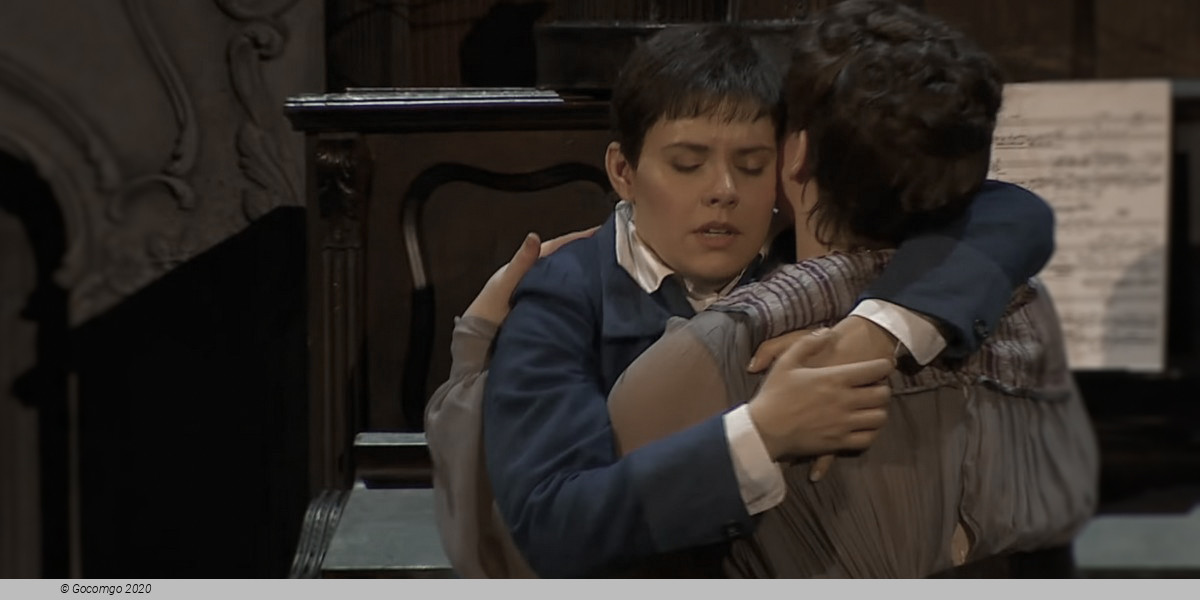
Sister Angelica is seized by a heavenly vision – she believes she hears her son calling for her to meet him in paradise. She makes a poison and drinks it, but realizes that in committing suicide, she has committed a mortal sin and has damned herself to eternal separation from her son. She begs the Virgin Mary for mercy and, as she dies, she sees a miracle: the Virgin Mary appears, along with Sister Angelica's son, who runs to embrace her.

Part 1

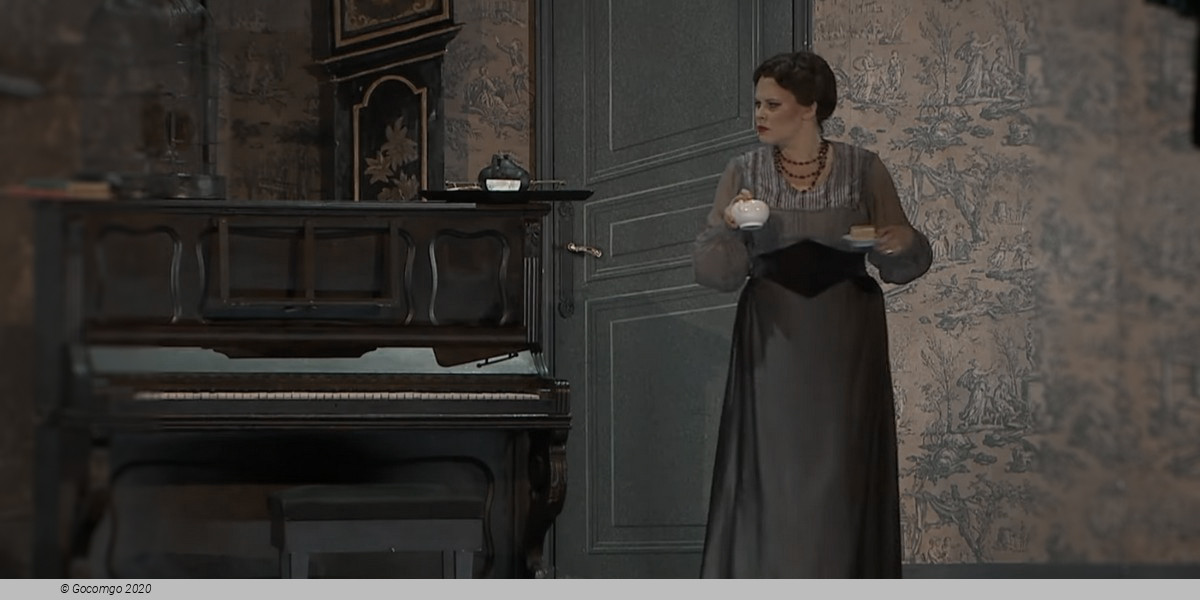
This is the story of a rude child who is reprimanded by the objects in his room, which he has been destroying. After being scolded by his mother in the beginning of the opera, the child throws a tantrum, destroying the room around him and harming the animals nearby. He is then surprised to find that the unhappy objects in his room come to life. The furniture and decorations begin to talk; even his homework takes shape as it becomes an old man and a chorus of numbers. They all sing out the pain and misery that the child inflicts on them and their wishes to punish him for his misdeeds.

Part 2

The bedroom becomes a garden filled with singing animals and plants which have been tortured by the child. The child attempts to make friends with the animals and plants, but they shun him because of the injuries he did to them earlier, before they could talk. They leave him aside, and in his loneliness, he eventually cries out "Maman". At this, the animals turn on him and attack him in an act of vengeance, but they wind up jostling among each other as the child is tossed aside. At the culmination, a squirrel is hurt, which causes the other animals to stop fighting. The child bandages the squirrel's wound and collapses exhausted. Seeing this act of kindness, the animals have a change of heart toward the child, and decide to try to help him home. They mimic the cry of "Maman", carry the child back to his house, and sing in praise of the child. The opera ends with the child singing "Maman", as he greets his mother, in the very last bar of the score.


Venue Info

New National Theatre Tokyo - Tokyo
Location   1 Chome-1-1 Honmachi, Shibuya City

The New National Theatre, Tokyo (NNTT) is Japan's first and foremost national centre for the performing arts, including opera, ballet, contemporary dance and drama. Since 1997 more than 650 productions were staged. There are about 300 performances per season with approximately 200,000 theatergoers. The centre has been praised for its architecture and state-of-the-art modern theatre facilities, which are considered among the best in the world.

The construction of the NNTT was completed in February 1997. Its first public performances took place in October of that year. The Tokyo Opera City Tower is connected to the theatre. It has concert halls, an art gallery, a media-art museum, office space, many restaurants and shops. The combined complex of the skyscraper tower and the theatre is called the "Tokyo Opera City".

Besides the public performances, various enterprises are undertaken, such as the young artist training programs (for ballet, opera, and theatre), theatre rental for other performing arts groups, performing arts-related exhibitions, public usage of its video library and book library, public performances for children and young students, backstage tours, and most importantly, international exchanges for performing arts events, etc. Moreover, The Stage Set & Design Centre (located in Choshi city, Chiba Prefecture), stores and exhibits previously-used stage scenery and costumes.

Important Info
Type: Opera
City: Tokyo, Japan
Starts at: 14:00
Duration: 2h
Top of page