
National Opera and Ballet of Bulgaria 5 May 2022 - Un ballo in maschera | GoComGo.com

Un ballo in maschera

National Opera and Ballet of Bulgaria, Main Hall, Sofia, Bulgaria
All photos (17)
Select date and time
7 PM
Request for Tickets
Important Info
Type: Opera
City: Sofia, Bulgaria
Starts at: 19:00
Acts: 2
Intervals: 1
Duration: 2h 35min
Sung in: Italian
Titles in: Bulgarian,English

E-tickets: Print at home or at the box office of the event if so specified. You will find more information in your booking confirmation email.

You can only select the category, and not the exact seats.
If you order 2 or 3 tickets: your seats will be next to each other.
If you order 4 or more tickets: your seats will be next to each other, or, if this is not possible, we will provide a combination of groups of seats (at least in pairs, for example 2+2 or 2+3).

Overview

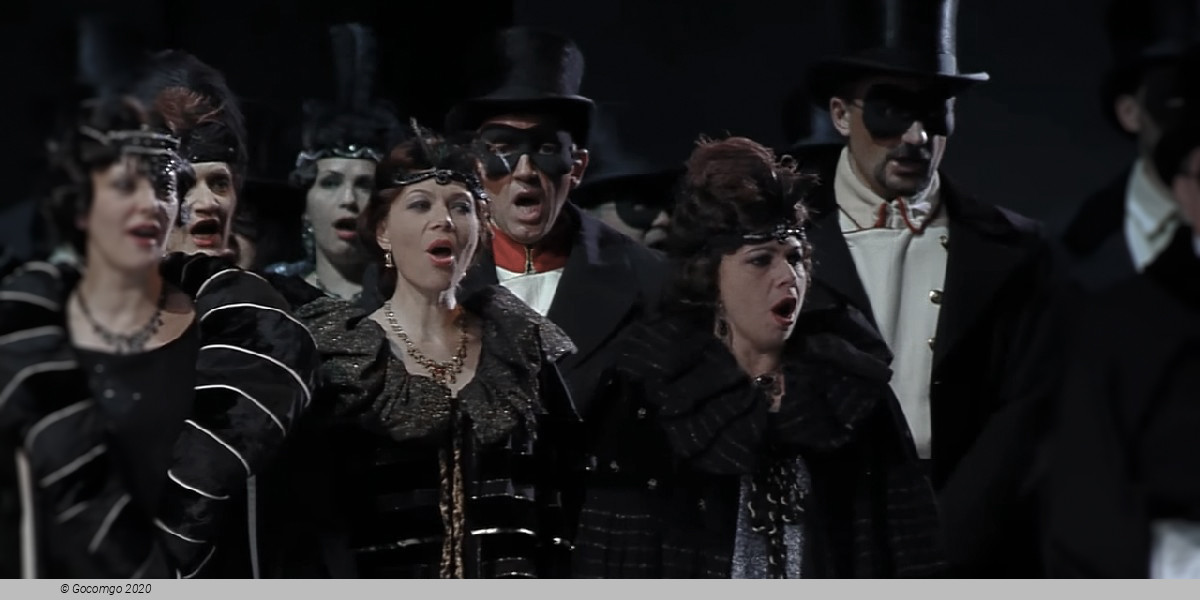
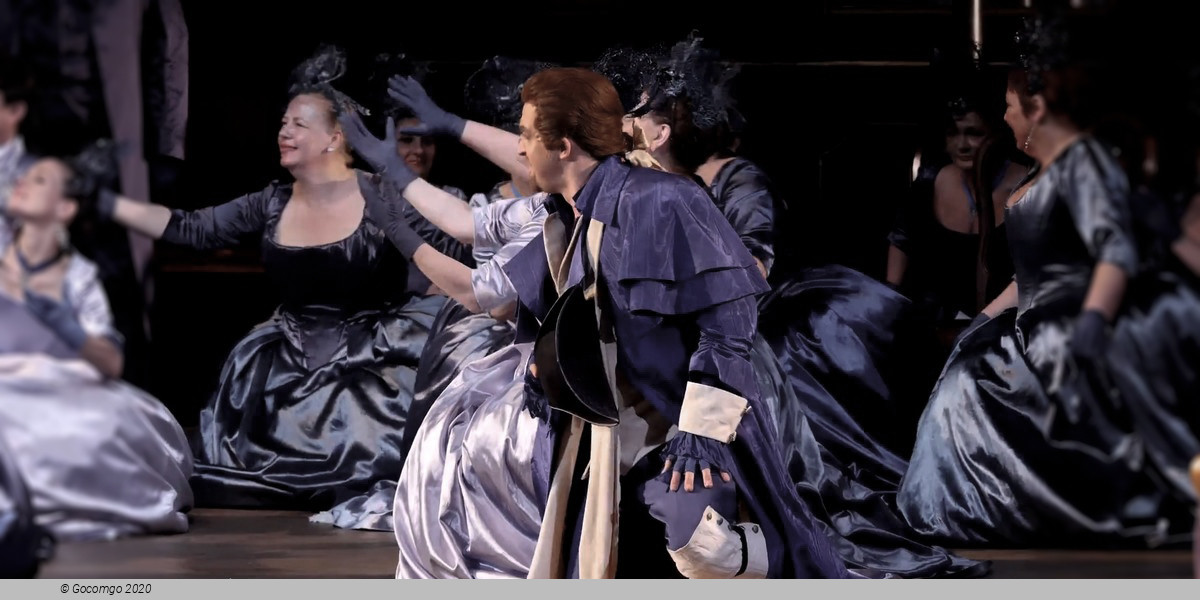
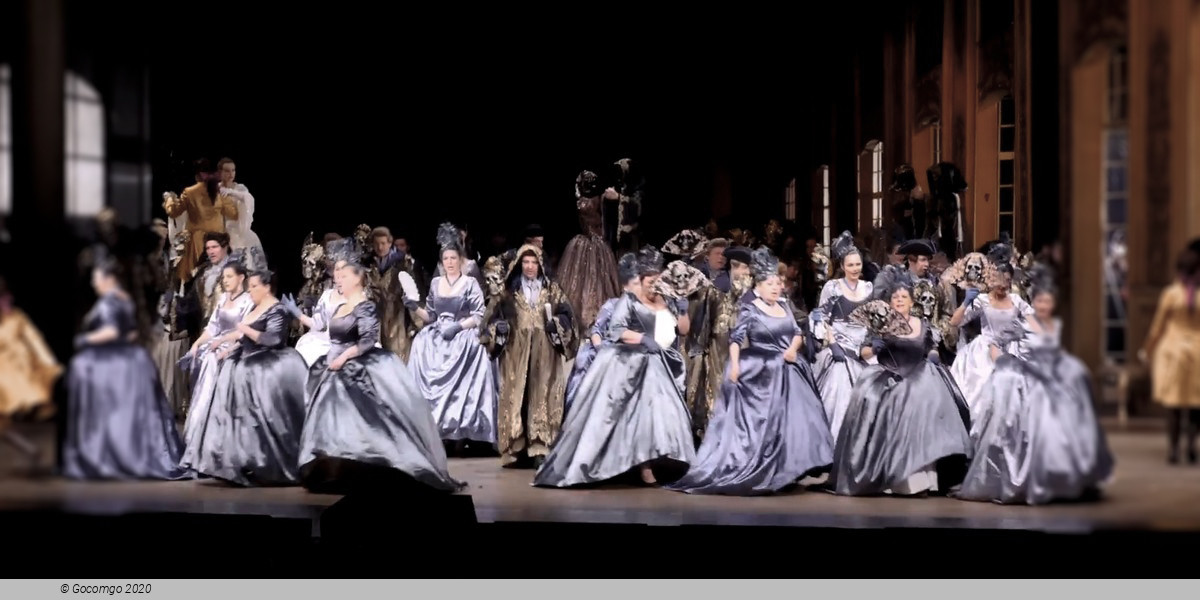
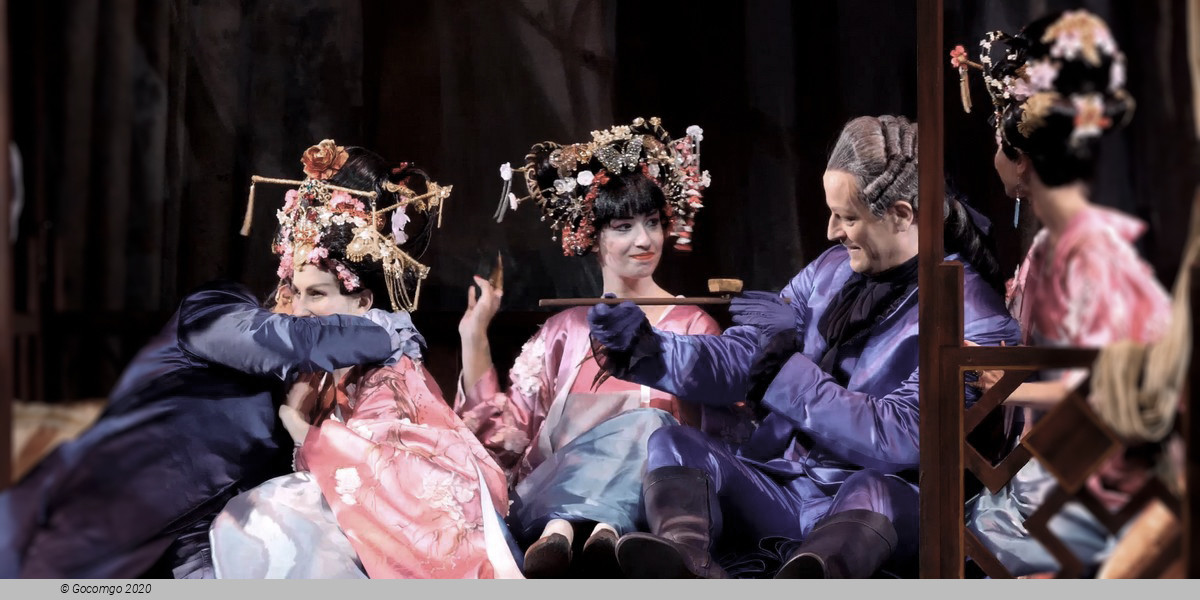
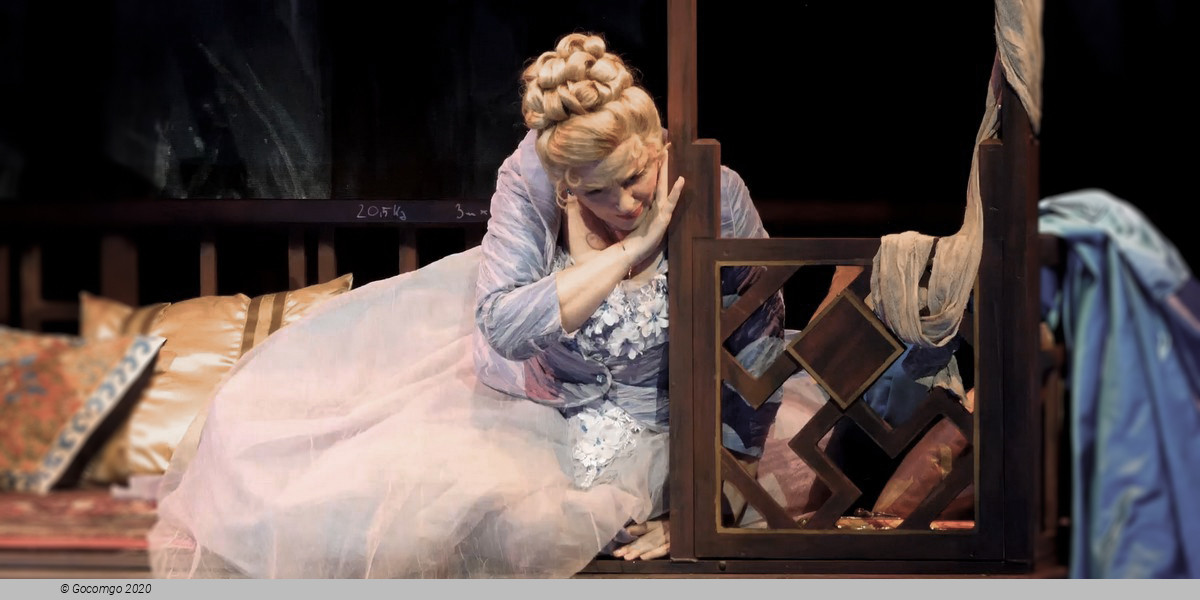
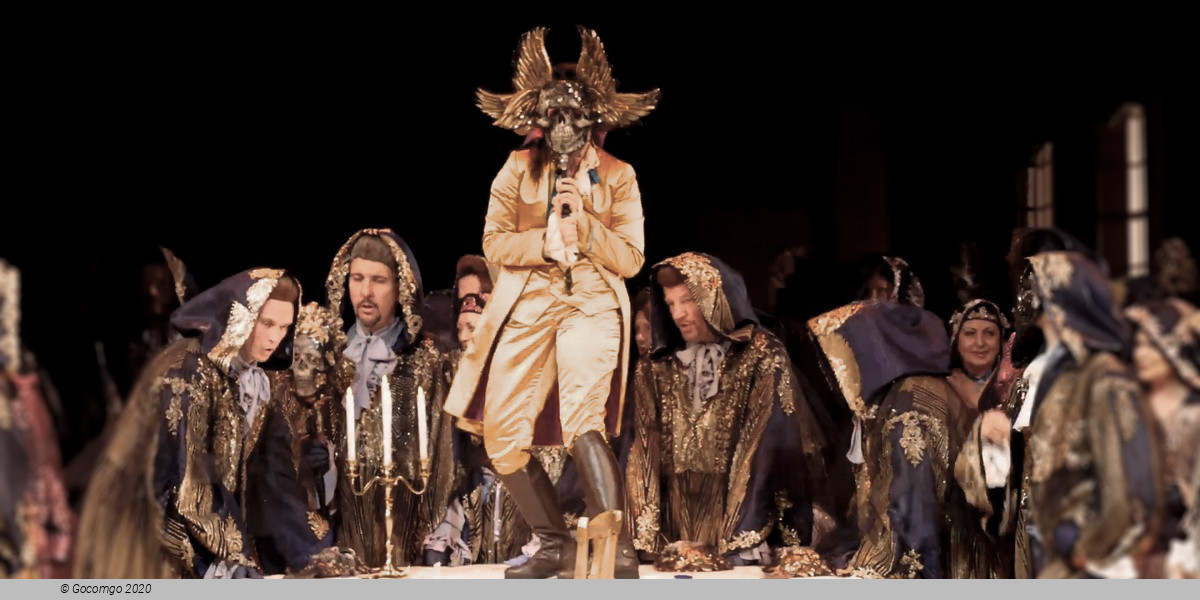
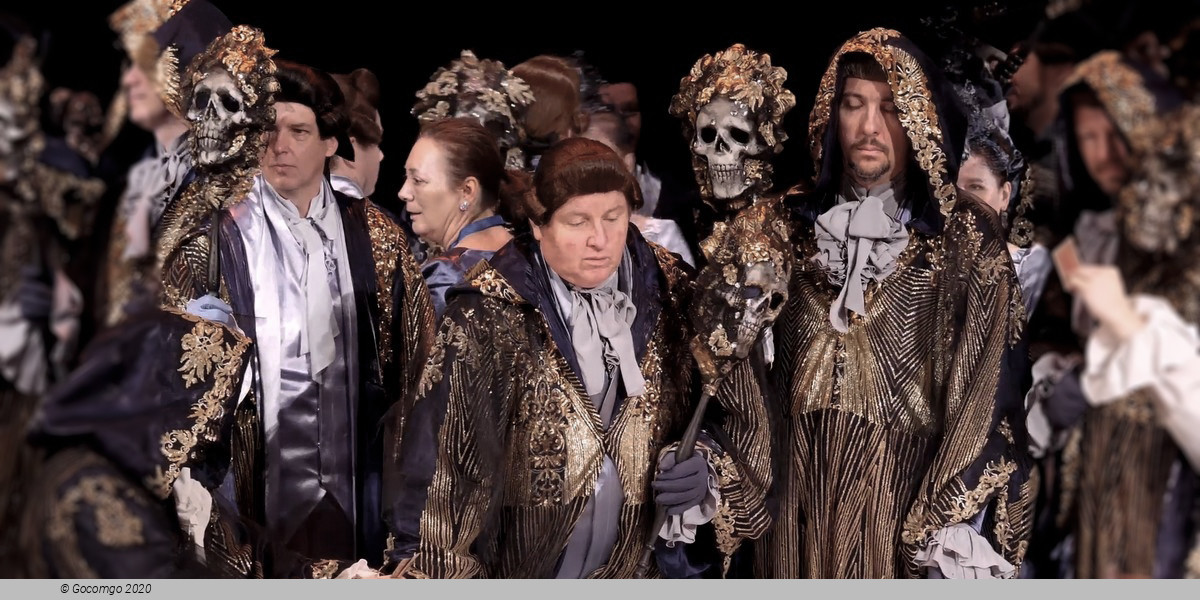
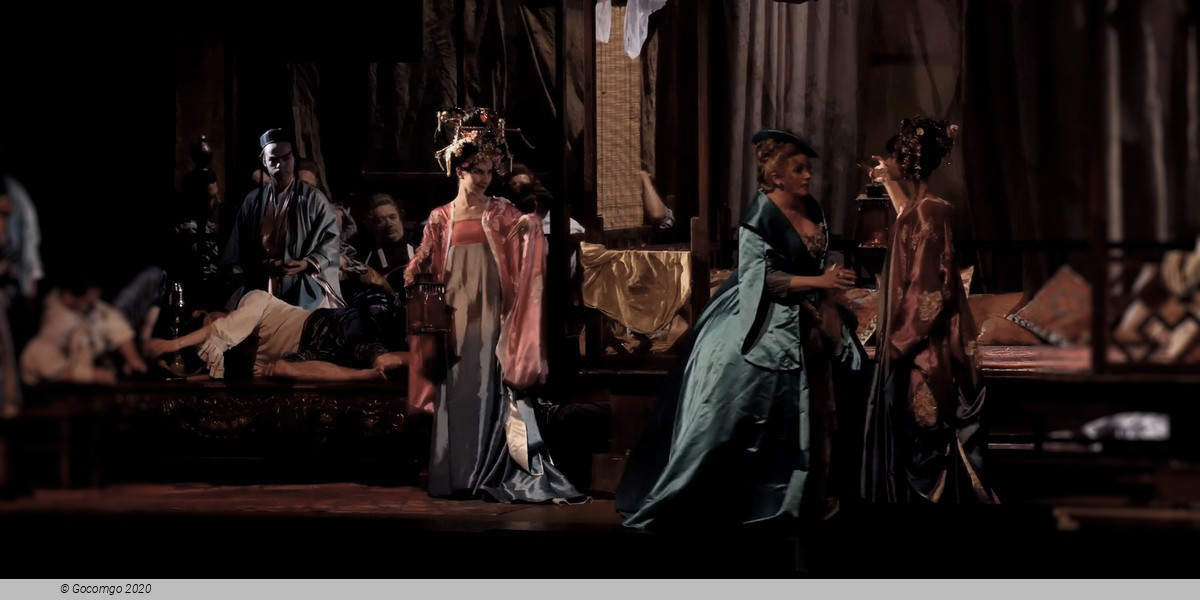
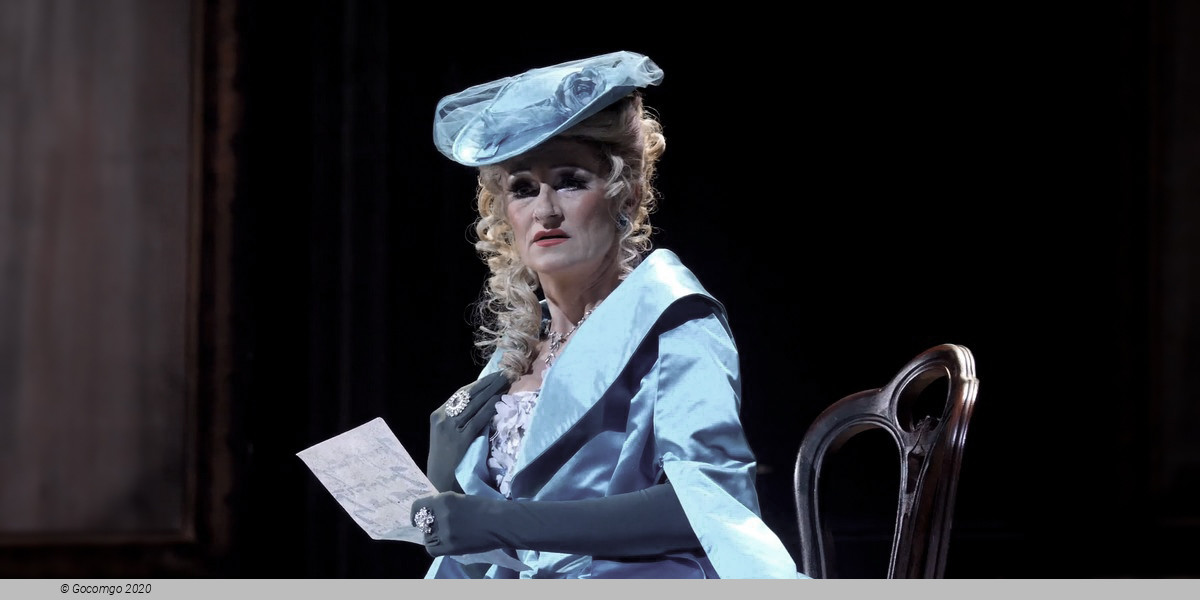
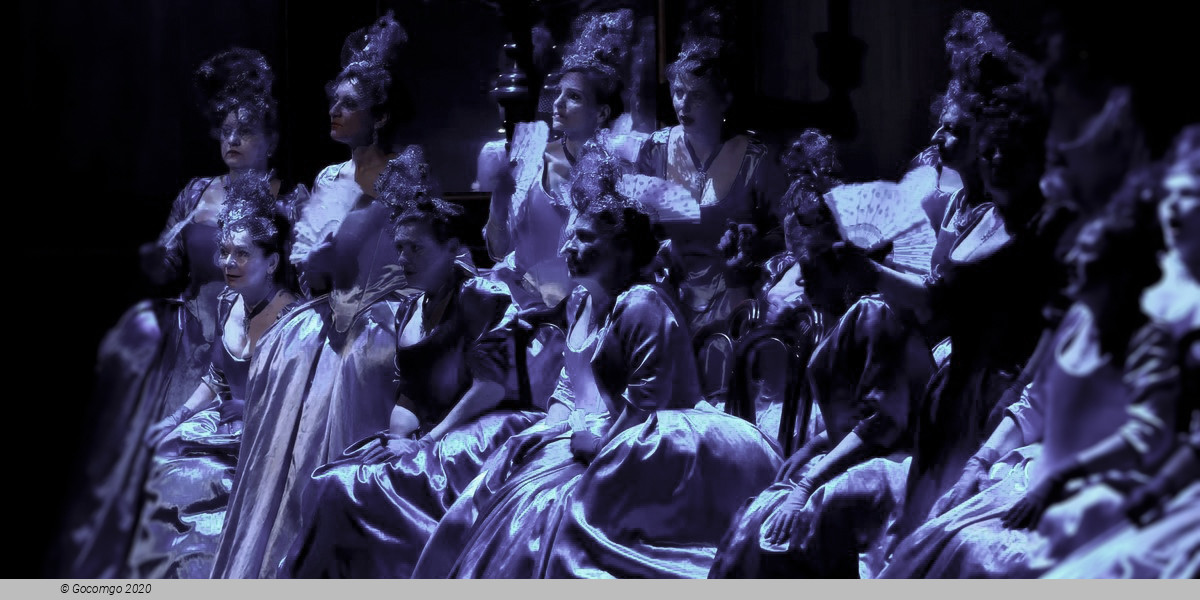
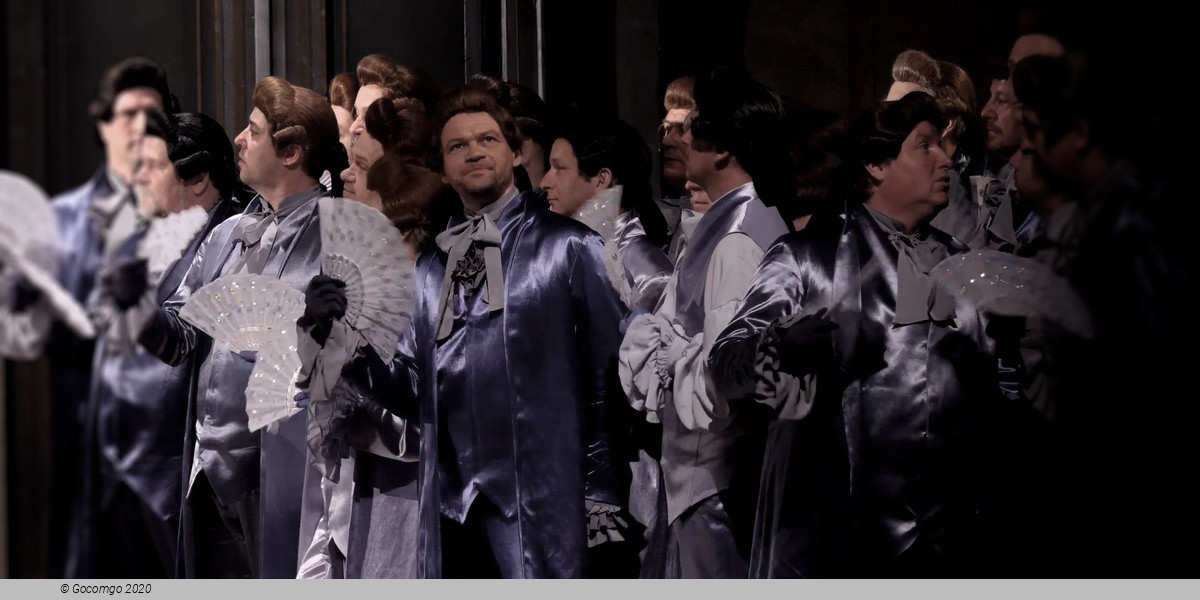
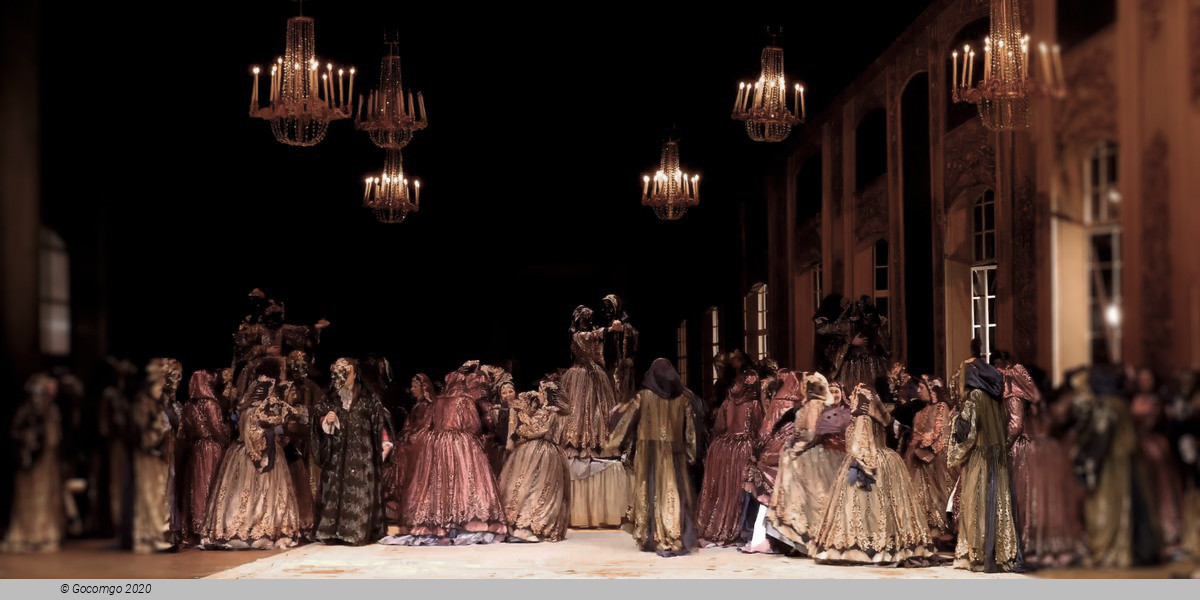
"Un Ballo in Maschera" belongs to the top creative achievements of the Maestro Verdi, in which word and music, music and action are inextricably linked. Psychological conflicts are depicted with Shakespearean power, while power and drama are combined with the most precise details of the mental states of the characters.

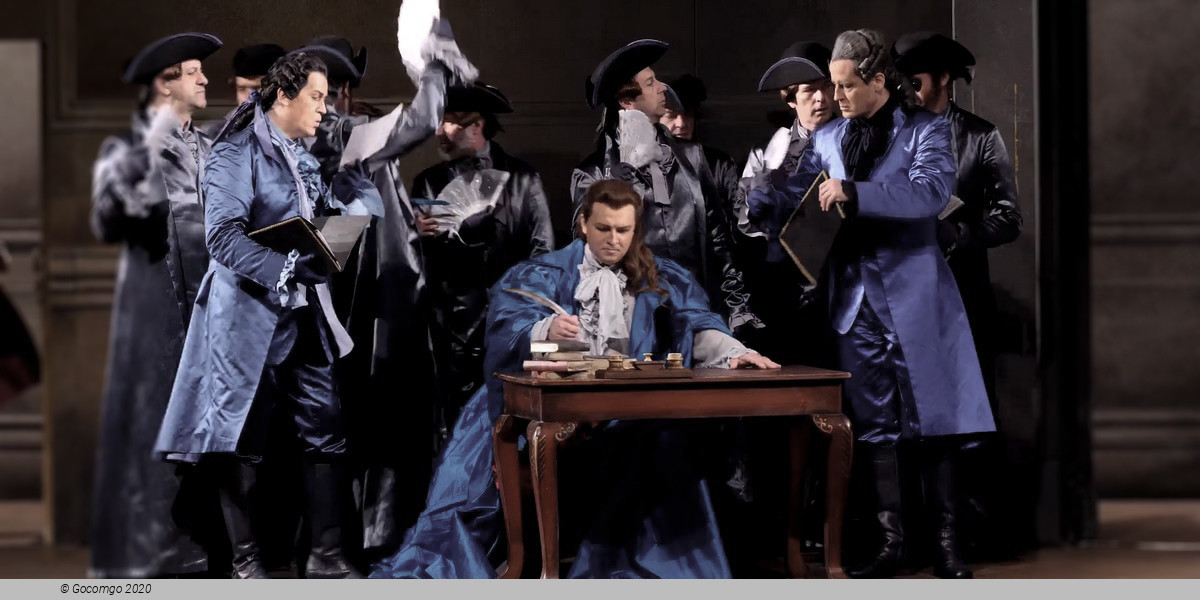
The assassination of King Gustav III of Sweden during a ball in 1792 is a historic event that serves as the subject of dramatic and operatic works. The opera "Gustav III" or "Un Ballo in Maschera" ("A Masked Ball") by D.F. Auber written on the play of the same name by E. Scribe is among the famous works on this topic. Scribe's drama and the libretto based on it serve as the plot of Verdi's opera.

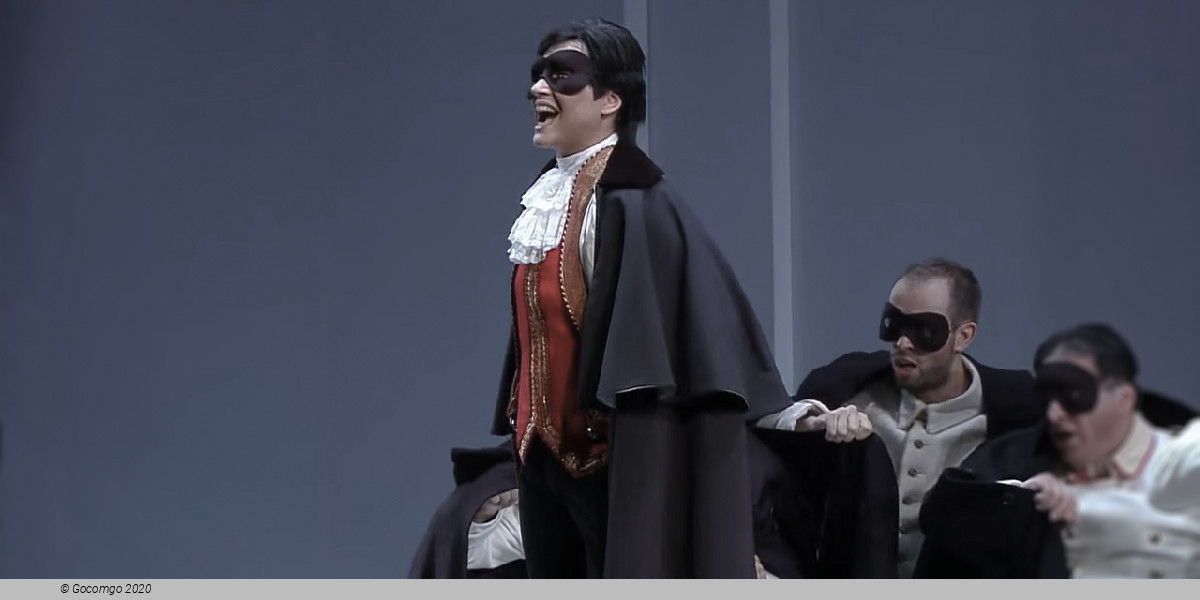
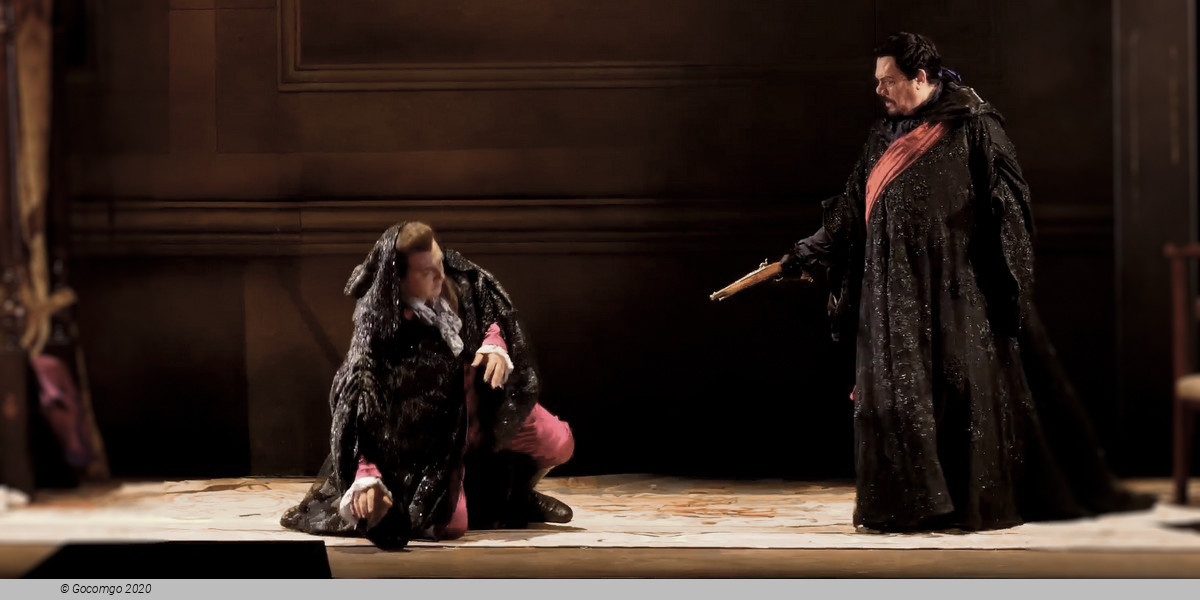
None of the Maestro's works has undergone such censorship as "Un Ballo in Maschera" (originally titled "Una vendetta in domino" ("Revenge of the Dominoes"). The Austrian censorship has strictly banned the presentation of the scene of the murder of a crowned person. The ban was dictated by a recent political event – in 1858 the Italian Count Felice Orsini assassinated Napoleon III for his betrayal of Italy. Verdi was asked to transfer the action to Florence in the Middle Ages, and the king to become an ordinary nobleman. Verdi refused, despite being threatened with a penalty claim by the theatre impresario. A year later, the censorship ban was lifted. But Verdi still had to make some concessions. The assassination of a British governor in North America could not provoke undesirable associations. Thus, King Gustav III became Richard Warwick, Governor of Boston, and his assassin, Officer Ancarstrem, was named Renato. Accordingly, the other characters also received English names. Reluctantly, Verdi made these changes just to save the opera.

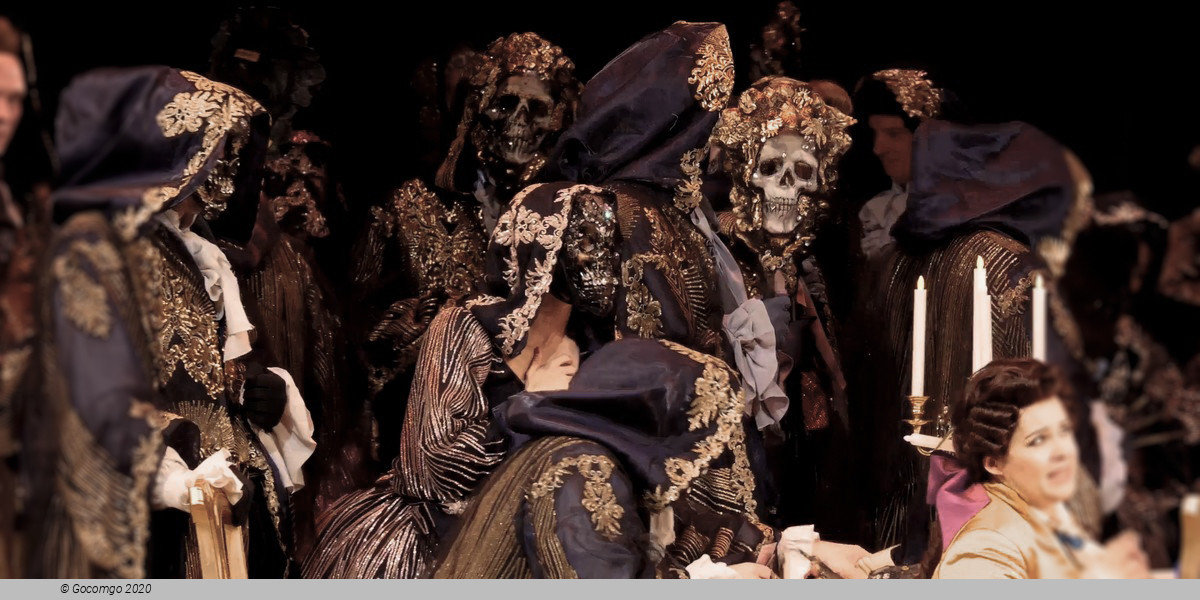
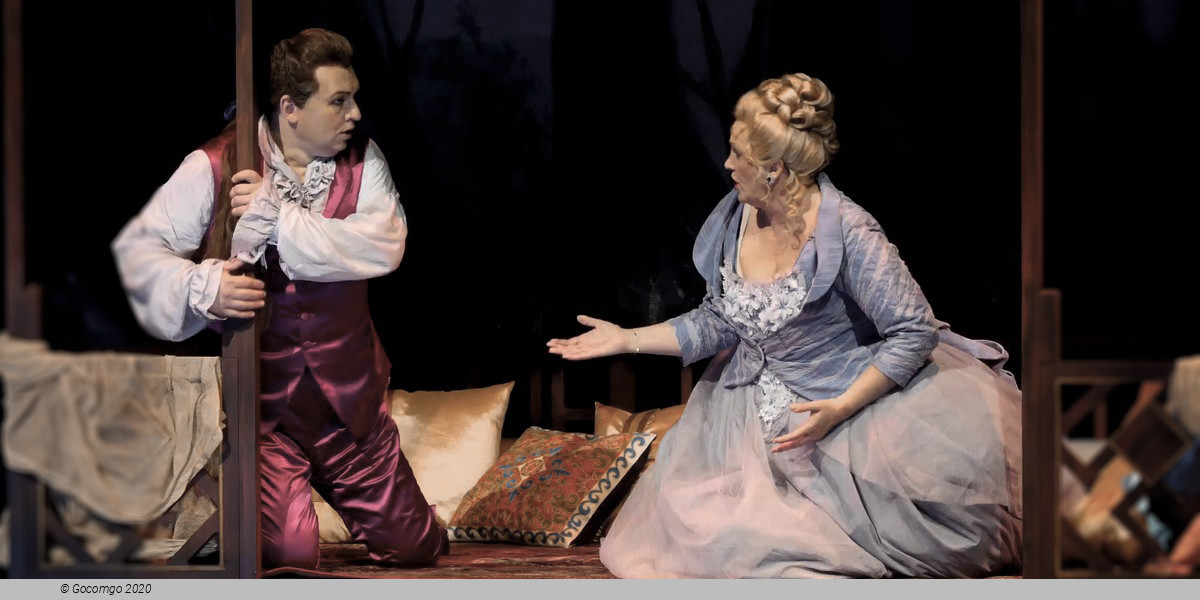
Verdi masterfully uses the method of contrast – sinister images during festive merriment, tender lyrics during a mysterious and gloomy scene. "Un Ballo in Maschera" features rich and expressive vocal parts, brilliant orchestra, masterfully constructed ensembles. The finale of Scene 2 of Act I is among the peaks of the musical dramaturgy of the opera. No love duet in all of Verdi's work can compare to the duet of Riccardo and Amelia in the second act. In a letter to Antonio Soma, Verdi explained that it was in this scene that he has put the whole "mess" of passion. Love is in fact the main theme of this opera, called by the famous Italian critic Massimo Mila Verdi's "Tristan and Isolde", but translated into Italian and transferred under the hot and passionate sun.

"Un Ballo in Maschera" had enormous and well-deserved success in its first performance – Rome, Apollo Theatre, on 17 February 1859. Very soon under the name "Amelia" the opera was staged in other theatres in Italy, and then in Paris, Berlin and other West European capitals.

The first Bulgarian premiere of "Un Ballo in Maschera" was on the stage of the Sofia Opera on 22 October 1926 under the baton of V. Bobchevski and directed by Il. Arnaudov. The last production of "Un Ballo in Maschera" at the National Opera and Ballet is from the 1992-93 season with conductor Boris Hinchev and stage director Emil Boshnakov.

History
Premiere of this production: 17 February 1859, Teatro Apollo, Rome

Un ballo in maschera (A Masked Ball) is an 1859 opera in three acts by Giuseppe Verdi. The text, by Antonio Somma, was based on Eugène Scribe's libretto for Daniel Auber's 1833 five act opera, Gustave III, ou Le bal masqué.

Venue Info

National Opera and Ballet of Bulgaria - Sofia
Location   bul. Kniaz Aleksandar Dondukov 30

The National Opera and Ballet is a national cultural institution in Bulgaria that covers opera and ballet. It is based in an imposing building in Sofia, the capital of Bulgaria. The first opera company in Bulgaria was founded in 1890 as part of the Capital Opera and Drama Company. The two sections split in 1891 to form the Salza i Smyah theatrical company and the Capital Bulgarian Opera. It was, however, disbanded the next year due to lack of government funding and financial difficulties.

The Bulgarian Opera Society was established in 1908 and staged its first test performance. The first full opera was performed in 1909 — Pagliacci by Leoncavallo. The first Bulgarian opera works were also presented in the period, including Siromahkinya by Emanuil Manolov, Kamen i Tsena by Ivan Ivanov and Václav Kaucký, Borislav by Georgi Atanasov and Tahir Begovitsa by Dimitar Hadzhigeorgiev.

As the company evolved under the ensemble system and style, the permanent troupe of soloists, choir, orchestra, ballet, technical and production teams produced up to 10 opera and ballet premieres a year, in addition to concert programs. Gradually, the basic repertory of world opera classics was established at the same time as the theatre began to attract Bulgarian composers who created new national works. 20th Century performers such as Nicolai Ghiaurov, Nicola Ghiuselev, and Ghena Dimitrova began their careers within the structure of the National Opera, as did later singers such as Irena Petkova and Kiril Manolov.

The institution became a national one in 1922 and changed its name to National Opera. A ballet company was established and gave its first performance in 1928. The opera ceased its activity for a while after the 1944 bombing of Sofia, but was restored shortly afterward with a significant increase of government funding.

The National Opera and Ballet's building was designed in 1921 and built for the most part between 1947 and its opening in 1953.

In 2000, the company co-organized the Boris Christoff Twelfth International Competition for Young Opera Singers with the idea of attracting a younger audience and supporting young and upcoming singers.

The repertoire historically tended to favour the Italian and French repertoire with little Wagnerian tradition, although since 2010, the artistic director of the opera company Plamen Kartaloff began a Ring Cycle with entirely Bulgarian casts. Following the entry of Parsifal and Tristan und Isolde into the repertoire, the complete cycle was performed both in Moscow and Sofia during 2018.

Important Info
Type: Opera
City: Sofia, Bulgaria
Starts at: 19:00
Acts: 2
Intervals: 1
Duration: 2h 35min
Sung in: Italian
Titles in: Bulgarian,English
Top of page