
National Opera and Ballet of Bulgaria 7 May 2022 - Chatterers | GoComGo.com

Chatterers

National Opera and Ballet of Bulgaria, Main Hall, Sofia, Bulgaria
All photos (9)
Select date and time
7 PM
Request for Tickets
Important Info
Type:
City: Sofia, Bulgaria
Starts at: 19:00
Duration: 1h 40min
Sung in: Bulgarian
Titles in: English

E-tickets: Print at home or at the box office of the event if so specified. You will find more information in your booking confirmation email.

You can only select the category, and not the exact seats.
If you order 2 or 3 tickets: your seats will be next to each other.
If you order 4 or more tickets: your seats will be next to each other, or, if this is not possible, we will provide a combination of groups of seats (at least in pairs, for example 2+2 or 2+3).

Overview

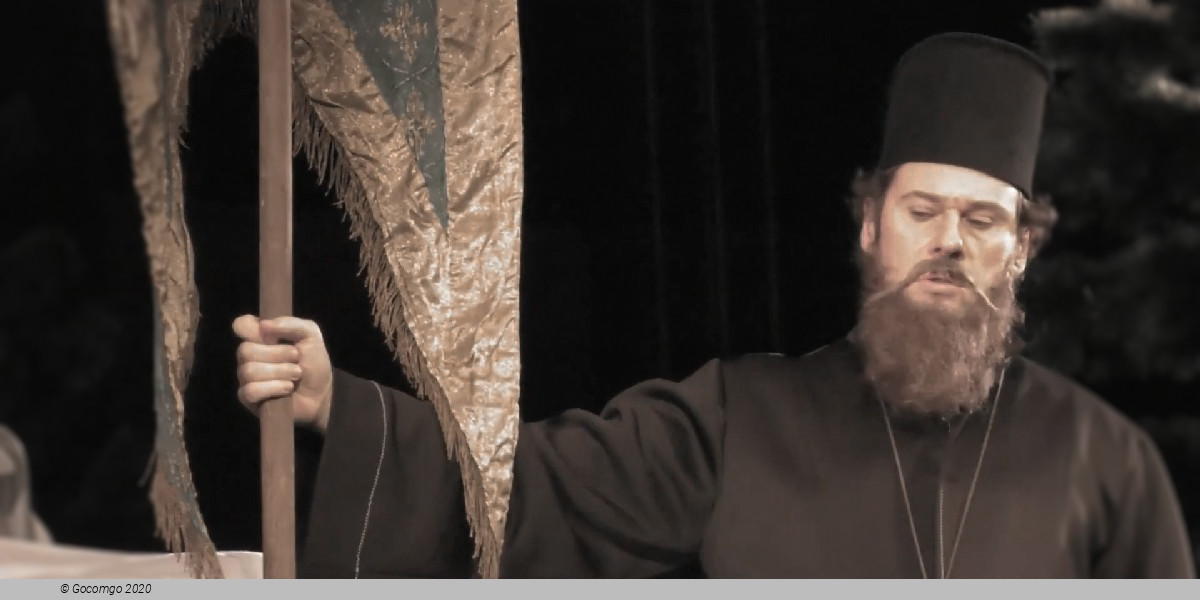
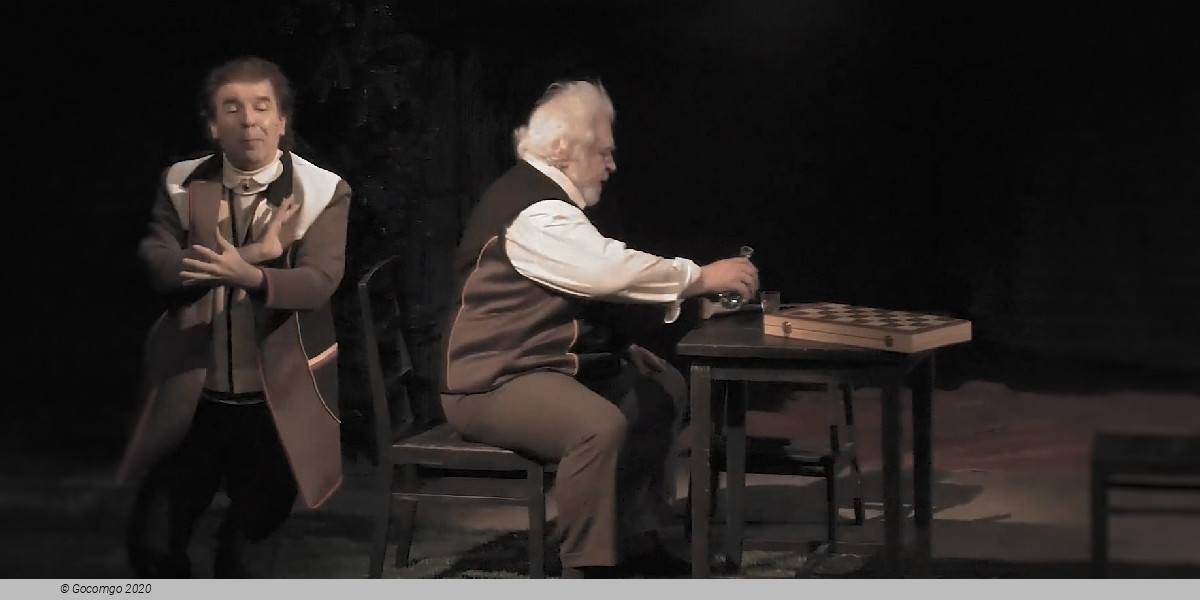
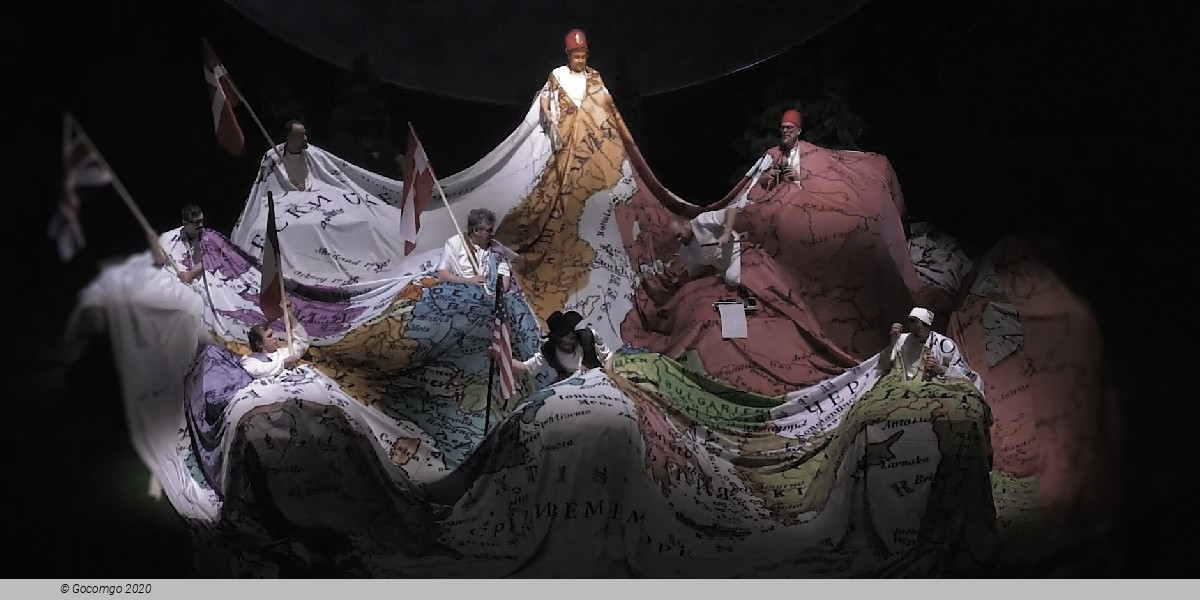
The Sofia Opera celebrates 100 years since the birth of Lazar Nikolov with the first performance in Bulgaria of the opera “Uncles” ("Chatterers") based on the novella of the same name by Ivan Vazov.

Libretto by Lazar Nikolov on the dramatization of Metodi Andonov
Contemporary‘s text by Georgi Gospodinov
The scenography of the performance uses caricatures by Boris Dimovski

Orchestra, chorus and ballet of the Sofia Opera

Apart from Sofia, the performance will be presented in Burgas – the birthplace of the composer Lazar Nikolov and in Sopot – the birthplace of Ivan Vazov.

The director Plamen Kartaloff about the first production of “Uncles” on the national opera stage:

“In CHICHOVTSI (Uncles) the composer Lazar Nikolov and the writer Ivan Vazov have a congenial joint authorial presence in the style of modernism, just as in this European trend in the arts is inherent new artistic expression and transformation of reality through new ways of creative thinking.

In both great Bulgarian masters, one of the word, the other of the music, although they lived in different epochs and in the distance of almost a century, one can see an approach ahead of their time in their work. Parody and ironic characterization in both appear as a style of expression in the aspects of the literary and musical language of CHICHOVTSI. Both the music and the lyrics, in the context of the time in which they were written, can be called an avant-garde phenomenon.

What can the style of musical drama transformed for the opera stage be? Isn't the world of the characters a mirror of meaningless chatter of absurd characters? They are frozen in reflection in their time, but also insightful into the future of events that they expect others to walk the path to and accomplish. They do not act, they always rethink in hyperbole fantasy everyday ridiculous events, have fun and try to be courageous, but they are cowards and hiding from the consequences in quarrels with the authorities. The pessimism of the characters is at the same time a pastime in the comfort of slavery, in which they live undisturbed, even happily. This leads them to the refuge of a timelessness in which they will always be eternal and existing in a perpetual motion. Perpetuum mobile chatter, perpetuum mobile quarrels and scandals. They play a game that has no end.

In the DESCENDANTS of St. L. Kostov‘s character Golemanov, we can see more clearly these grown-up CHICHOVTSI.

They have come out of their world of Vazov’s theatre of the absurd, they are still among us...”

Venue Info

National Opera and Ballet of Bulgaria - Sofia
Location   bul. Kniaz Aleksandar Dondukov 30

The National Opera and Ballet is a national cultural institution in Bulgaria that covers opera and ballet. It is based in an imposing building in Sofia, the capital of Bulgaria. The first opera company in Bulgaria was founded in 1890 as part of the Capital Opera and Drama Company. The two sections split in 1891 to form the Salza i Smyah theatrical company and the Capital Bulgarian Opera. It was, however, disbanded the next year due to lack of government funding and financial difficulties.

The Bulgarian Opera Society was established in 1908 and staged its first test performance. The first full opera was performed in 1909 — Pagliacci by Leoncavallo. The first Bulgarian opera works were also presented in the period, including Siromahkinya by Emanuil Manolov, Kamen i Tsena by Ivan Ivanov and Václav Kaucký, Borislav by Georgi Atanasov and Tahir Begovitsa by Dimitar Hadzhigeorgiev.

As the company evolved under the ensemble system and style, the permanent troupe of soloists, choir, orchestra, ballet, technical and production teams produced up to 10 opera and ballet premieres a year, in addition to concert programs. Gradually, the basic repertory of world opera classics was established at the same time as the theatre began to attract Bulgarian composers who created new national works. 20th Century performers such as Nicolai Ghiaurov, Nicola Ghiuselev, and Ghena Dimitrova began their careers within the structure of the National Opera, as did later singers such as Irena Petkova and Kiril Manolov.

The institution became a national one in 1922 and changed its name to National Opera. A ballet company was established and gave its first performance in 1928. The opera ceased its activity for a while after the 1944 bombing of Sofia, but was restored shortly afterward with a significant increase of government funding.

The National Opera and Ballet's building was designed in 1921 and built for the most part between 1947 and its opening in 1953.

In 2000, the company co-organized the Boris Christoff Twelfth International Competition for Young Opera Singers with the idea of attracting a younger audience and supporting young and upcoming singers.

The repertoire historically tended to favour the Italian and French repertoire with little Wagnerian tradition, although since 2010, the artistic director of the opera company Plamen Kartaloff began a Ring Cycle with entirely Bulgarian casts. Following the entry of Parsifal and Tristan und Isolde into the repertoire, the complete cycle was performed both in Moscow and Sofia during 2018.

Important Info
Type:
City: Sofia, Bulgaria
Starts at: 19:00
Duration: 1h 40min
Sung in: Bulgarian
Titles in: English
Top of page