Mikhailovsky Theatre: The Sleeping Beauty Tickets | Event Dates & Schedule | GoComGo.com

The Sleeping Beauty Tickets

Mikhailovsky Theatre, Saint Petersburg, Russia
All photos (9)
1 / 9
Available Dates: 22 Apr - 29 Oct, 2026 (12 events)
Important Info
Type: Ballet
City: Saint Petersburg, Russia
Duration: 2h 45min with 2 intervals
Acts: 3
Intervals: 2

E-tickets: Print at home or at the box office of the event if so specified. You will find more information in your booking confirmation email.

You can only select the category, and not the exact seats.
If you order 2 or 3 tickets: your seats will be next to each other.
If you order 4 or more tickets: your seats will be next to each other, or, if this is not possible, we will provide a combination of groups of seats (at least in pairs, for example 2+2 or 2+3).

Cast
Performers
Choose the date to see the peformers
Overview

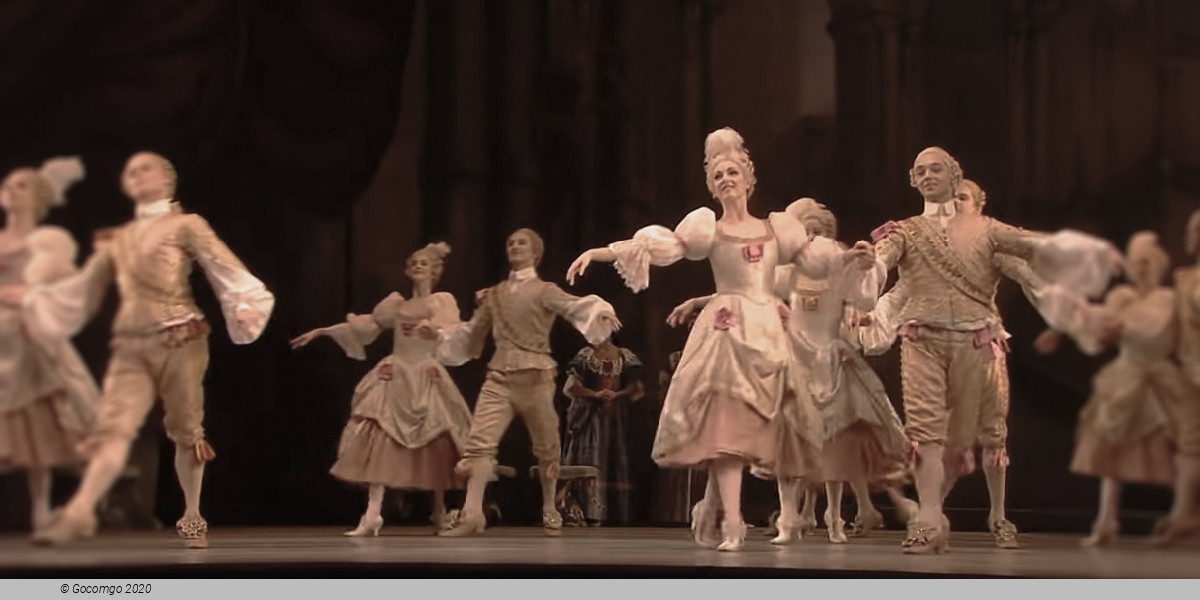
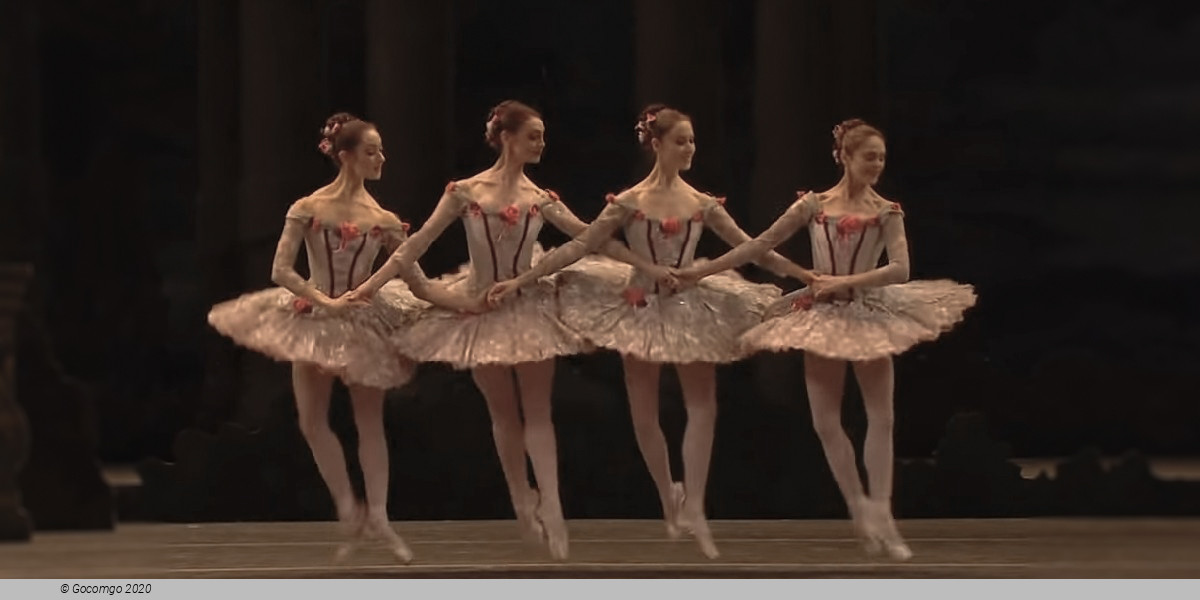
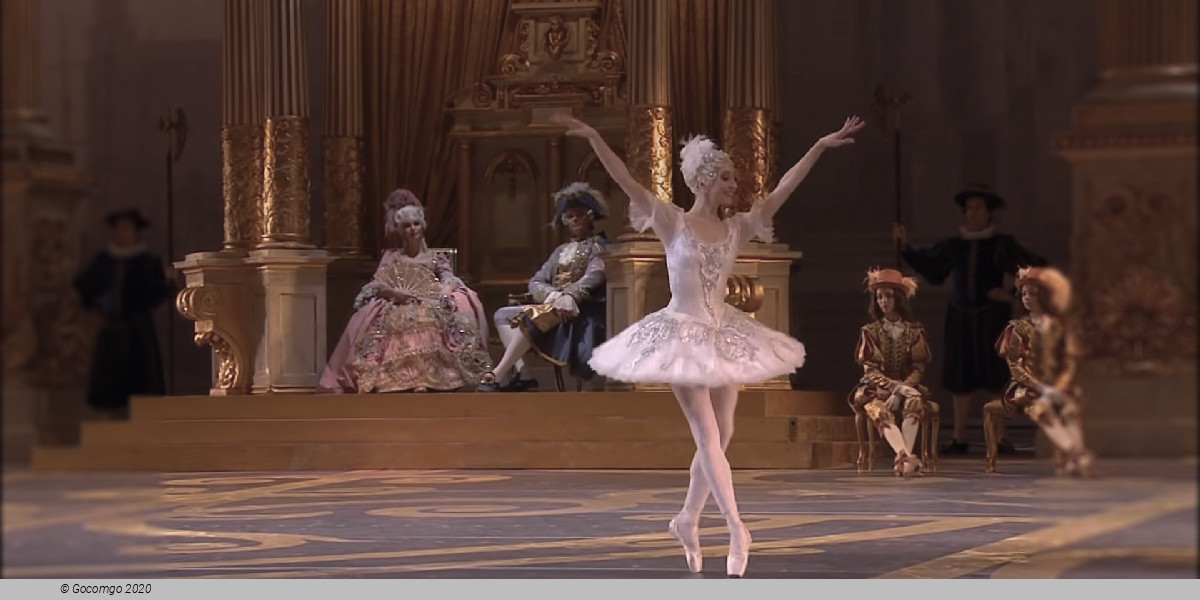
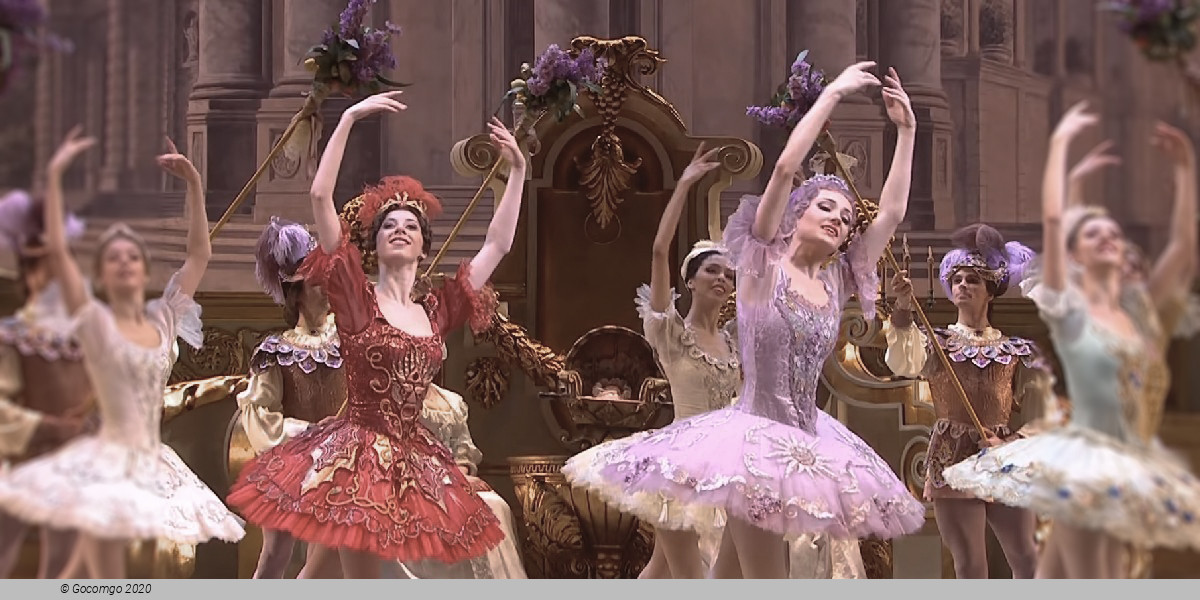
Choreographer Nacho Duato has discovered new meanings, emotional nuances, and graceful imagery in the captivating music of Tchaikovsky and the magical story by Charles Perrault, so familiar to all of us since childhood.

Libretto by Nacho Duato after Ivan Vsevolozhsky and the fairy tale by Charles Perrault

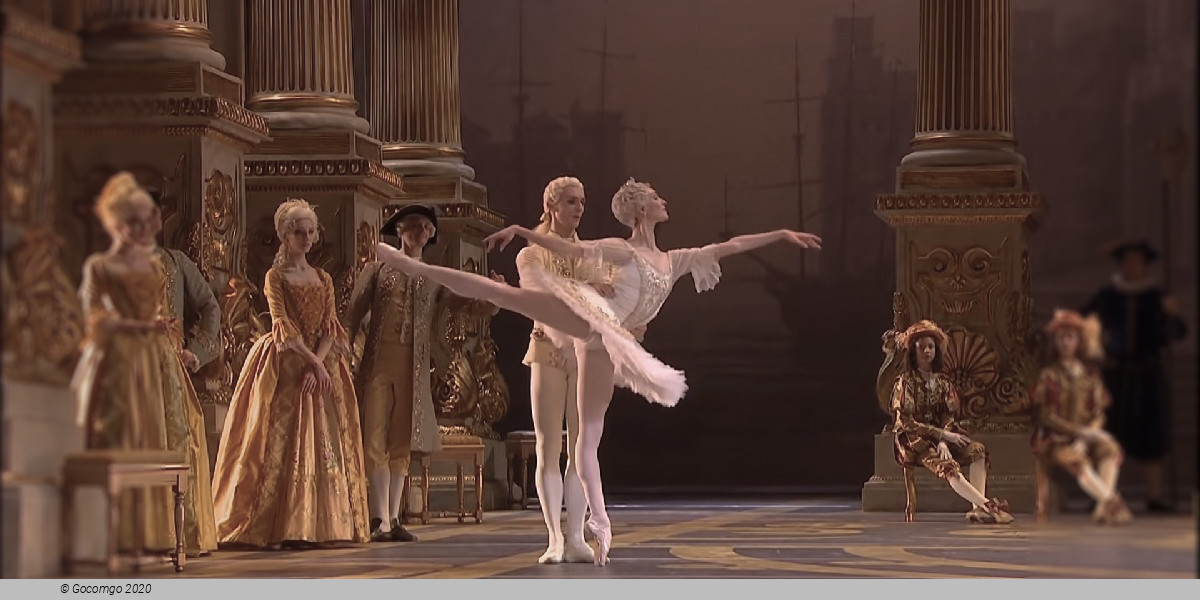
Inspired by the choreography of his great predecessor, Marius Petipa, Duato occasionally refers to him, with respect or light irony, without contradicting him. The grandeur of the classical style gets shaken up: it is as if a serious symphony orchestra has suddenly allowed itself some light, jazzy twists.

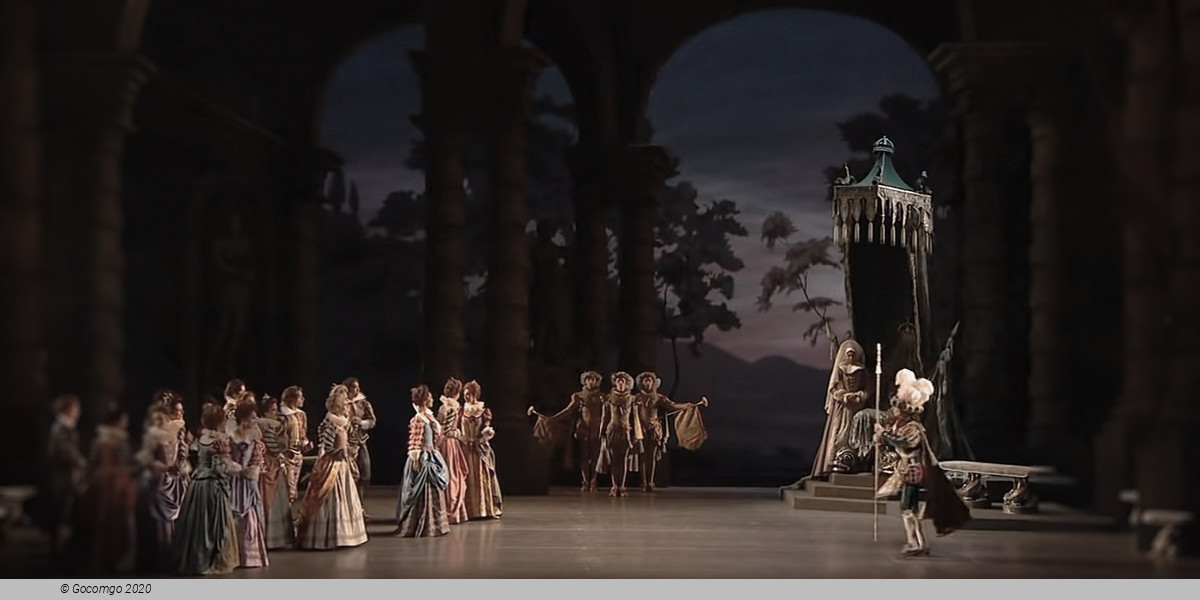
The ballet’s designer has created a space on stage which allows the audience to feel as if they are right inside the fairy tale, in the world of the fairies. Set against a background of flowering roses, the ballet’s characters sometimes resemble birds or butterflies. The wicked fairy, Carabosse, is portrayed as a vampish beauty, faithfully served by wily cockroaches with shining backs. In the finale, though, the evil spells are undone, and kindness and love win out. „In our time, adults, too, need fairy tales. They help us to return to something important and personal: the child within us.“ The production team are sure that this is true, and audiences gladly share their view.

Duato created his Sleeping Beauty in 2011 during his brief stint as director of the Mikhailovsky Ballet in St. Petersburg. The brave idea allegedly was to produce a Sleeping Beauty for the 21st century. Yet that turned out to be more of a fairytale than the ballet's subject itself. If anything the production was proof that money cannot buy everything. Duato's Beauty still presents itself as classical ballet, albeit one that is scuttled by a basic mistrust of text, spirit and music. The result is by and large a very unhappy wedding between classical and contemporary styles. Pointework in convulsion mode; Martha Graham as princess Aurora. Forget the multilayered complexity of the original, the fairytale atmosphere, or the enchantment.

With its truncated narrative, botched choreography and mutilated score, Duato's staging don't stand much of a chance. Tottering between hilarious (the Prologue variations, the nervous courtiers) and properly embarrassing (the scenes with that fearful Carabosse in drag), it doesn't matter that echoes of Petipa ring through the key moments, Duato never finds his own voice. Worst of all, while this is one of the richest and most profound dance scores ever made, Duato does nothing with it. In short, a travesty of The Sleeping Beauty rather than the version for the 21st century.

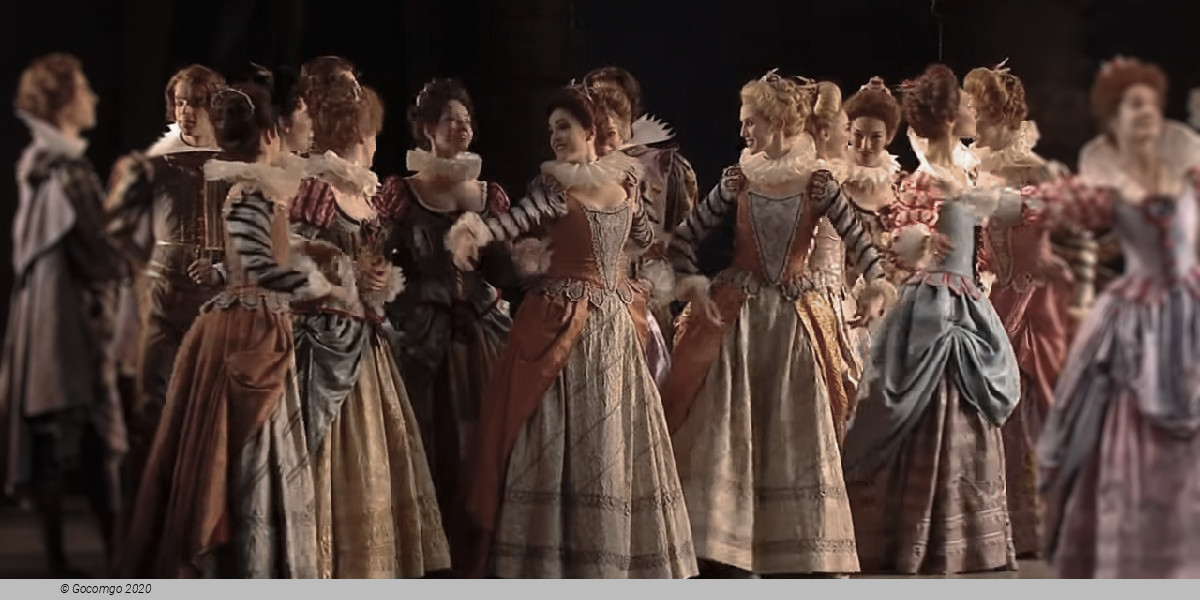
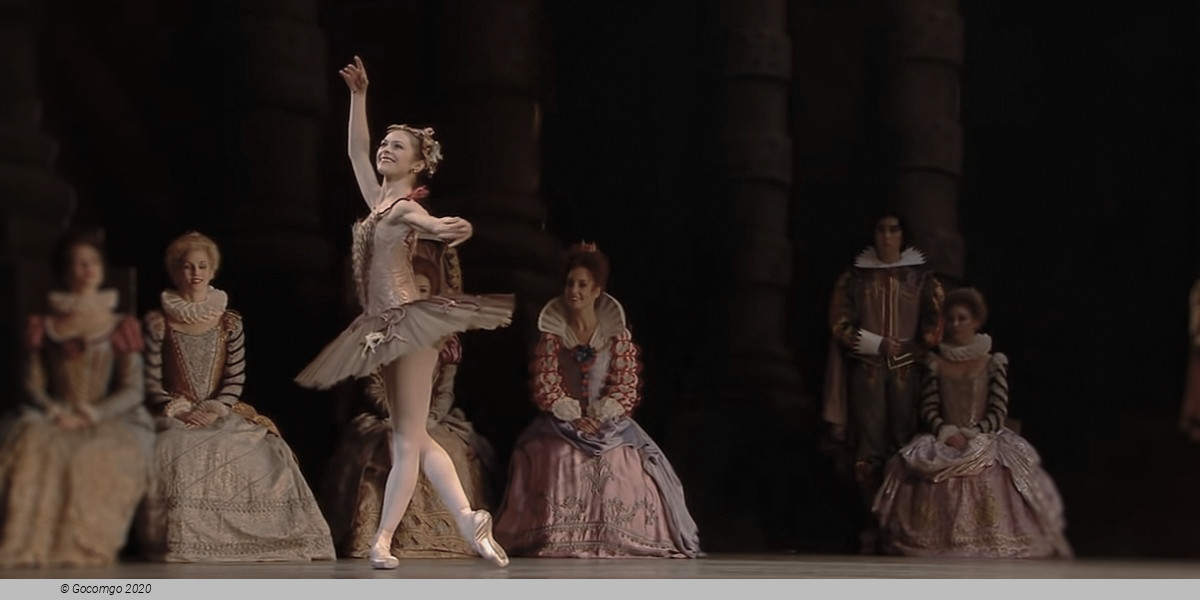
The elegantly fresh sets and pastel-tinted costumes from Angelina Atlagic run away with the honors in this production. The present release from BelAir Classiques documents a performance by the Berlin State Ballet, the company Duato is heading since 2014. By all accounts, the production wasn't well received in the German capital either, which makes its release on HD video rather bizarre. Iana Salenko and Marian Walter are excellent dancers, yet in spite of their fluent partnership, they never manage to crack the ice. Neither does the rest of the cast, laboring through it all with blind devotion. They deserve better than this.

History
Premiere of this production: 03 January 1890, Mariinsky Theatre in St. Petersburg

The Sleeping Beauty is a ballet in a prologue and three acts, first performed in 1890. The music was composed by Pyotr Ilyich Tchaikovsky (his opus 66). The score was completed in 1889, and is the second of his three ballets. The original scenario was conceived by Ivan Vsevolozhsky, and is based on Charles Perrault's La Belle au bois dormant. The choreographer of the original production was Marius Petipa.

Synopsis

Time: Baroque
Place: Europe

Prologue (The Christening)

King Florestan XXIV and his Queen have welcomed their first child, Princess Aurora, and declare a grand christening ceremony to honor her. Six fairies are invited to the ceremony to bestow gifts on the child. Each fairy brings a gift of a virtue or positive trait, such as beauty, courage, sweetness, musical talent, and mischief. The most powerful fairy, the Lilac Fairy, arrives with her entourage, but before she can bestow her gift, the evil fairy Carabosse arrives with her minions. Carabosse furiously asks the King and Queen why she had not received an invitation to the christening. The blame falls on Catalabutte, the Master of Ceremonies who was in charge of the guest list. Carabosse gleefully tears his wig off and beats him with her staff, before placing a curse upon the baby princess as revenge: Aurora will indeed grow up to be a beautiful, healthy, delightful young lady, but on her sixteenth birthday she will prick her finger on a Spindle and die. The King and Queen are horrified and beg Carabosse for mercy, but she shows none. However, the Lilac Fairy intervenes. Though she does not have enough power to completely undo the curse, she alters it, allowing the spindle to cause a peaceful 100-year sleep for the princess, rather than death. At the end of those 100 years, she will be woken by the kiss of a handsome prince. Relieved that Aurora's life will ultimately be spared, the court is set at ease.

Act I (The Spell)

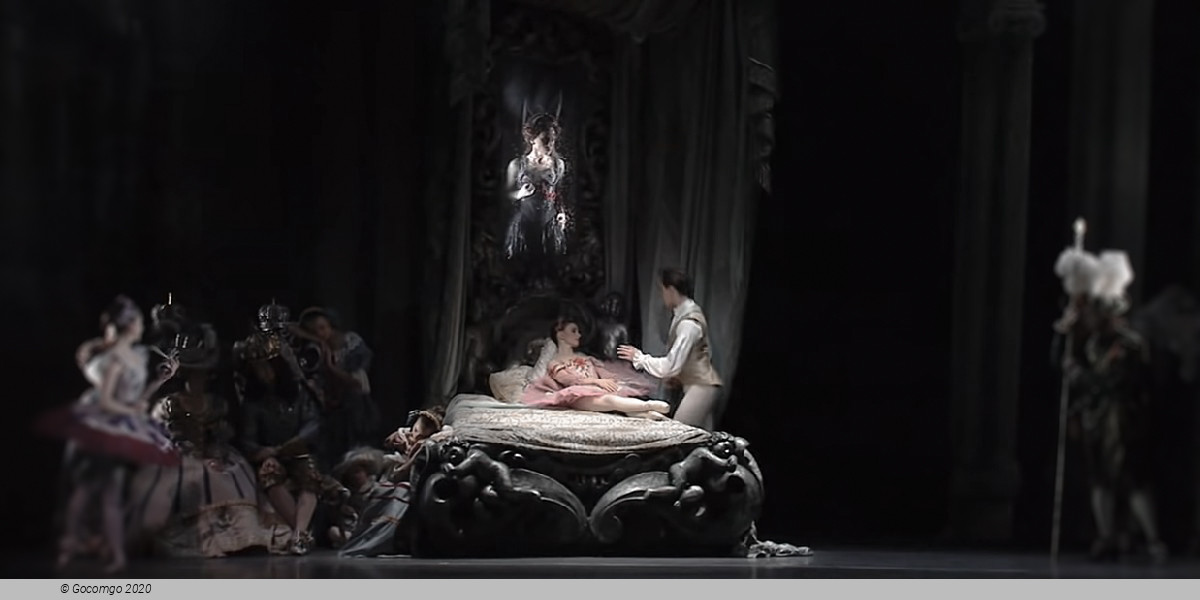
It is the day of Princess Aurora's sixteenth birthday. Celebrations are underway, though the King is still unsettled by Carabosse's omen. The master of ceremonies discovers several peasant ladies frolicking about with knitting needles and alerts the King, who initially sentences the women to a harsh punishment. The Queen gently persuades him to spare the innocent citizens, and he agrees. An elaborate waltz is performed and Princess Aurora arrives. She is introduced to four suitors by her doting parents. Aurora and the suitors perform the famous Rose Adagio. Presently, a cloaked stranger appears and offers a gift to the princess: a spindle. Having never seen one before, Aurora curiously examines the strange object as her parents desperately try to intervene. As predicted, she pricks her finger. While initially appearing to recover quickly, she falls into a swoon and collapses. The cloaked stranger reveals herself to be Carabosse, who believes that her curse still stands and that the princess is dead. Once again, the Lilac Fairy quells the hubbub and reminds the King and Queen that Aurora is merely asleep. The princess is carried off to bed, and the Lilac Fairy casts a spell of slumber over the entire kingdom, which will only be broken when Aurora awakens. A thick layer of thorny plants grows over the palace, hiding it from view.

Act II (The Vision)

One hundred years later, Prince Désiré is attending a hunting party. Though his companions are lighthearted, the prince is unhappy and eventually asks to be left alone. On his own in the forest, he is met by the Lilac Fairy, who has chosen him to awaken Aurora. She shows him a vision of the beautiful princess, and the prince is immediately smitten. The Lilac Fairy explains the situation, and Désiré begs to be taken to the princess. The Lilac Fairy takes him to the hidden castle. Carabosse makes one last attempt to cement her vengeful curse, but the Lilac Fairy and the prince manage to defeat her together at last. Once inside the castle, Désiré awakens Aurora with a kiss. The rest of the court wakes as well, and the King and Queen heartily approve when the prince proposes marriage and the princess accepts.

Act III (The Wedding)

The royal wedding is underway. Guests include the Jewel Fairies: Diamond, Gold, Silver and Sapphire, and of course the Lilac Fairy. Fairytale characters are in attendance, including Puss in Boots and The White Cat, Princess Florine and the Bluebird, and others. Aurora and Désiré perform a grand Pas de Deux, and the entire ensemble dances. The prince and princess are married, with the Lilac Fairy blessing the union.

Structure

Titles of all of the numbers listed here come from Marius Petipa's original scenario, as well as the original libretto and programs of the first production of 1890. Major changes which were made to the score for Petipa's original production are mentioned, and help explain why the score is often heard in different versions in theatres today.

All libretti and programs of works performed on the stages of the Imperial Theatres were titled in French, which was the official language of the Emperor's Court, as well as the language in which balletic terminology is derived.

Prologue — Le baptême de la Princesse Aurore

Venue Info

Mikhailovsky Theatre - Saint Petersburg
Location   1 Arts Square

Located in the historic center of Saint Petersburg, just steps from Nevsky Prospekt and the Arts Square, the Mikhailovsky Theatre is one of Russia’s most elegant and vibrant venues for opera and ballet. Founded in 1833, the theatre has long been an important part of the city’s rich cultural landscape, offering audiences a refined blend of classical tradition and innovative performance.

The theatre’s architecture reflects the grace of the imperial era. Its beautifully restored auditorium, adorned with gold accents, crimson velvet, and crystal chandeliers, creates an atmosphere of intimacy and aristocratic charm. Despite its historic appearance, the Mikhailovsky Theatre is equipped with modern stage technology, allowing it to present visually impressive productions while preserving its classical elegance.

Today, the theatre is known for its ambitious repertoire that spans beloved masterpieces of opera and ballet. Works by composers such as Tchaikovsky, Verdi, Puccini, and Mussorgsky share the stage with contemporary productions and new interpretations of classical works. The ballet company, admired for its expressive style and strong technique, performs iconic titles including Swan Lake, Giselle, and The Nutcracker, alongside modern choreographic creations.

The Mikhailovsky Theatre regularly welcomes internationally renowned singers, dancers, and conductors, while also nurturing a talented ensemble of resident artists. This combination of global artistry and local tradition creates performances that are both polished and emotionally compelling.

Elegant, historic, and artistically dynamic, the Mikhailovsky Theatre offers an unforgettable journey into the heart of Russian opera and ballet.

Important Info
Type: Ballet
City: Saint Petersburg, Russia
Duration: 2h 45min with 2 intervals
Acts: 3
Intervals: 2

E-tickets: Print at home or at the box office of the event if so specified. You will find more information in your booking confirmation email.

You can only select the category, and not the exact seats.
If you order 2 or 3 tickets: your seats will be next to each other.
If you order 4 or more tickets: your seats will be next to each other, or, if this is not possible, we will provide a combination of groups of seats (at least in pairs, for example 2+2 or 2+3).

From
$ 0
Top of page