Mikhailovsky Theatre: Giselle, ou Les Wilis Tickets | Event Dates & Schedule | GoComGo.com

Giselle, ou Les Wilis Tickets

Mikhailovsky Theatre, Saint Petersburg, Russia
All photos (19)
1 / 19
Available Dates: 11 Apr - 20 Sep, 2026 (3 events)
Important Info
Type: Ballet
City: Saint Petersburg, Russia
Duration: 2h 10min with 1 interval
Acts: 2
Intervals: 1

E-tickets: Print at home or at the box office of the event if so specified. You will find more information in your booking confirmation email.

You can only select the category, and not the exact seats.
If you order 2 or 3 tickets: your seats will be next to each other.
If you order 4 or more tickets: your seats will be next to each other, or, if this is not possible, we will provide a combination of groups of seats (at least in pairs, for example 2+2 or 2+3).

Cast
Performers
Choose the date to see the peformers
Overview

Together with Viacheslav Okunev, who designed the epitome of romantic settings, Nikita Dolgushin made a production that was described by a British critic ‘an exemplary Giselle’.

Libretto by Jules-Henri Vernoy de Saint Georges, Théophile Gautier, and Jean Coralli
Choreography by Jules Perrot, Jean Coralli, and Marius Petipa

The stage life of Giselle hasn’t been an easy one. After its premiere of 1841 featuring Carlotta Grisi and Lucien Petipa, the ballet was performed in France till 1863, when it disappeared from the repertoire. The ballet has been staged in St.Petersburg since 1842. At the beginning of the 20th century during the ground-breaking Diaghilev’s Russian Seasons, the French saw their national ballet, faithfully nurtured in Russia.

The Mikhailovsky Theatre’s the 2008 production of Giselle by Nikita Dolgushin, a specialist in historical works, managed to amaze both the public and the critics. Dolgushin, a noble Albrecht in his time as a dancer, inspired the creation of the ballet and delicately united dance and mime. He revealed the essence of the romantic ballet, the story of Giselle is told in the language of ballet classicism.

The prolific opera and ballet composer Adolphe Adam composed the music. Jean Coralli and Jules Perrot created the original choreography. The role of Giselle was intended for Carlotta Grisi as her debut piece for the Paris public, and she was the only ballerina to dance it at the Paris Opera for many years. The traditional choreography that has been passed down to the present day derives primarily from the revivals staged by Marius Petipa during the late 19th and early 20th centuries for the Imperial Ballet in St. Petersburg. One of the world's most-often performed classical ballets, it is also one of its most challenging to dance.

History
Premiere of this production: 28 June 1841, Salle Le Peletier, Paris, France

Giselle is a romantic ballet in two acts. It was first performed by the Ballet du Théâtre de l'Académie Royale de Musique at the Salle Le Peletier in Paris, France on 28 June 1841, with Italian ballerina Carlotta Grisi as Giselle. The ballet was an unqualified triumph. Giselle became hugely popular and was staged at once across Europe, Russia, and the United States. The traditional choreography that has been passed down to the present day derives primarily from the revivals staged by Marius Petipa during the late 19th and early 20th centuries for the Imperial Ballet in St. Petersburg.


Synopsis

Act I

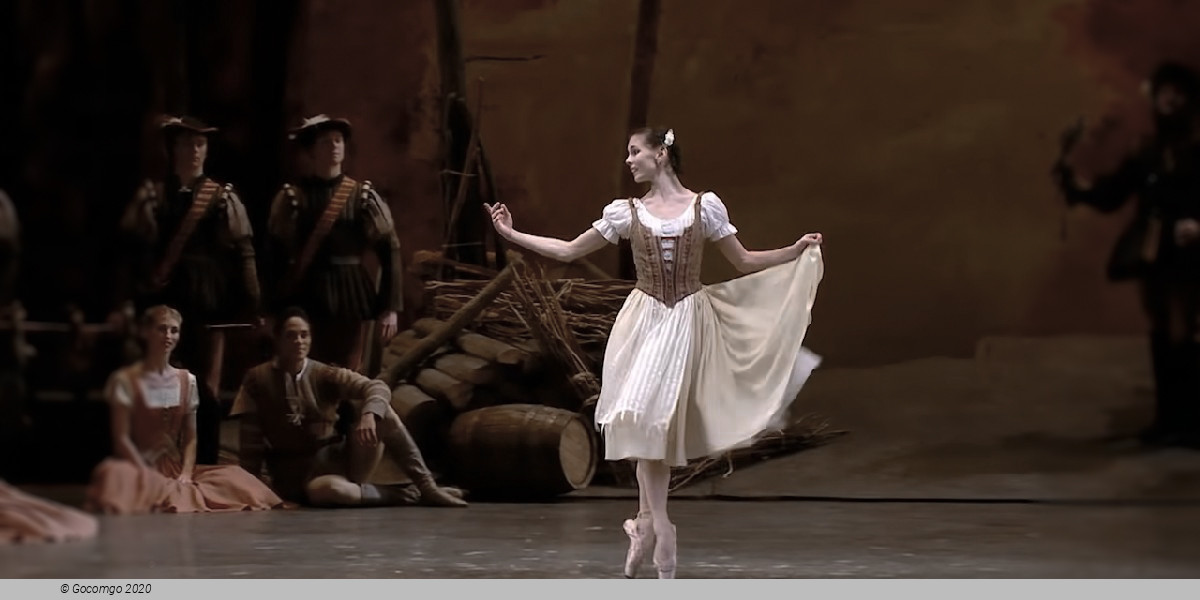
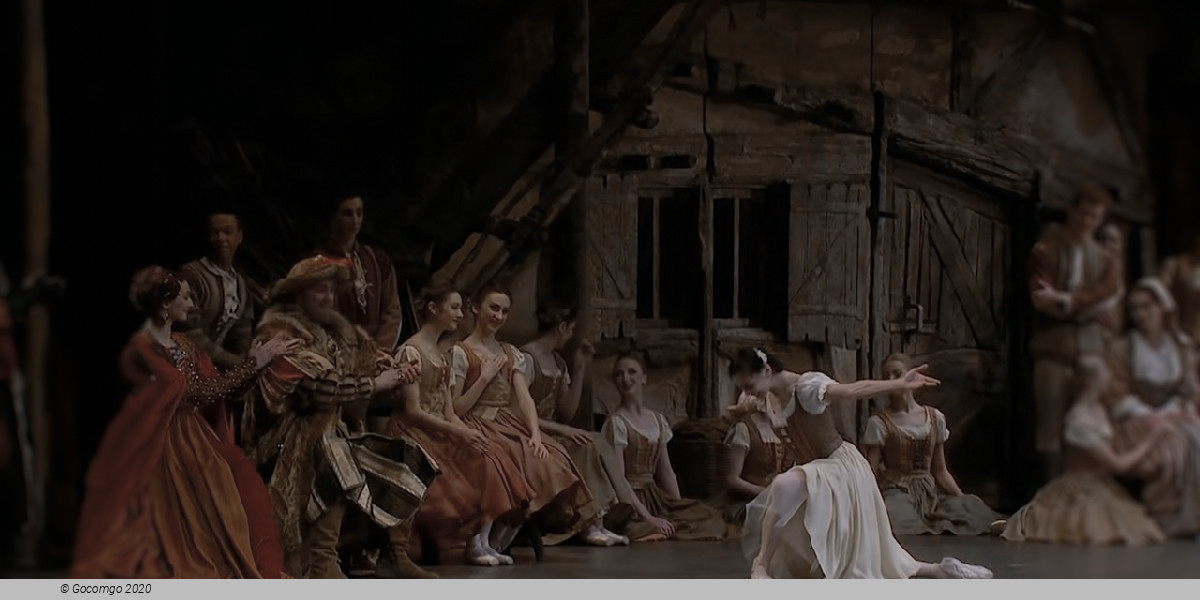
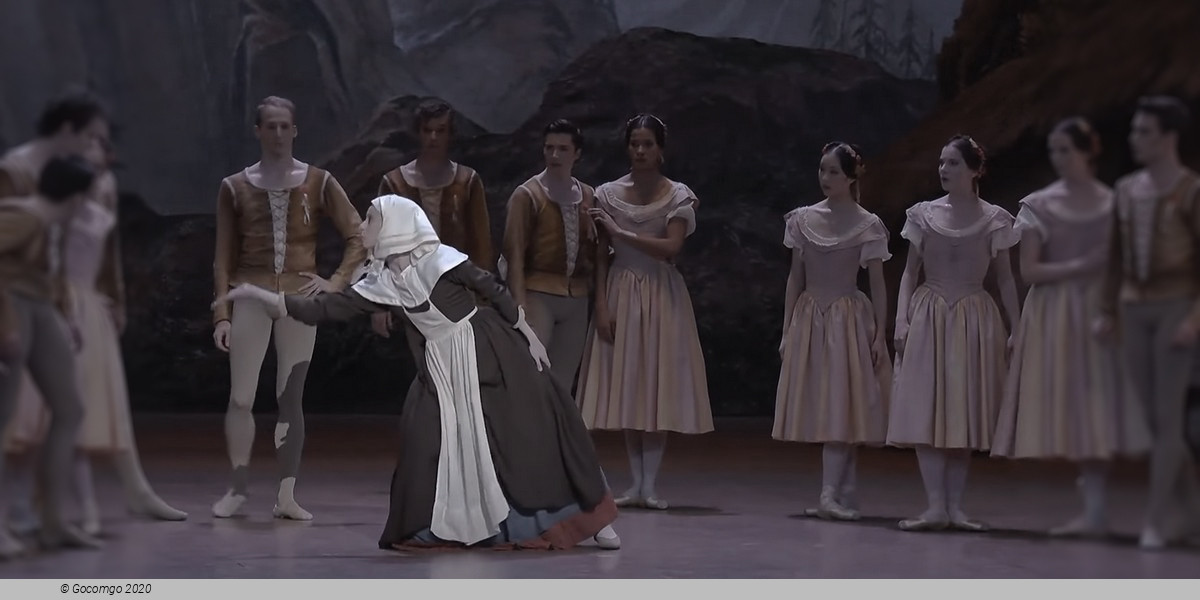
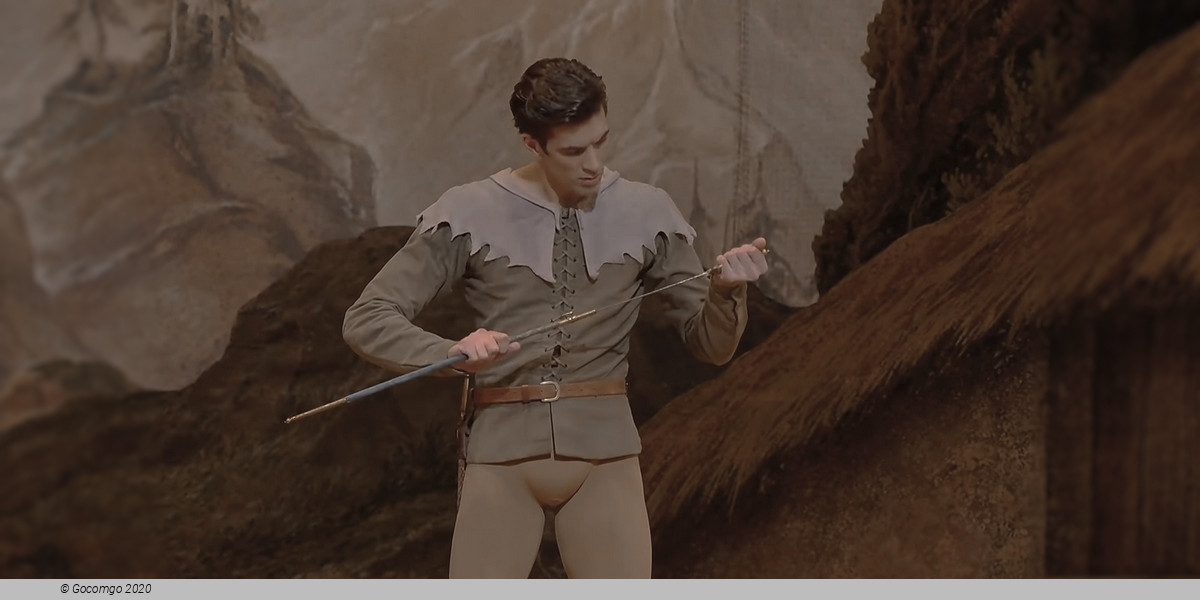
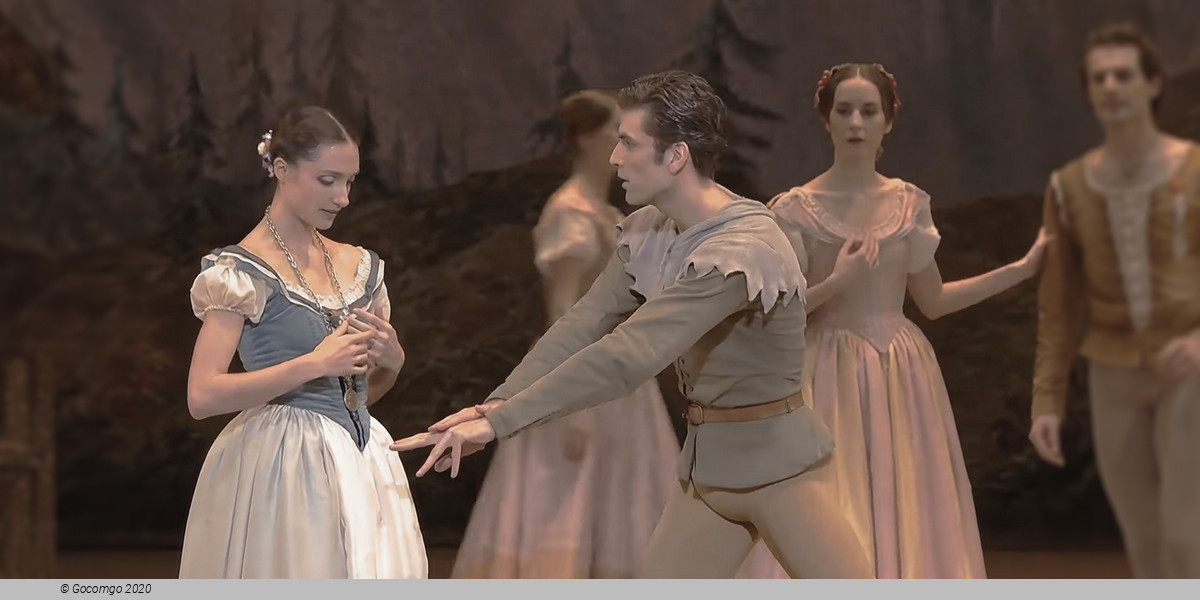
The ballet opens on a sunny autumnal morning in the Rhineland during the Middle Ages. The grape harvest is in progress. Duke Albrecht of Silesia, a young nobleman, has fallen in love with a shy, beautiful peasant girl, Giselle, despite being betrothed to Bathilde, the daughter of the Duke of Courland. Albrecht disguises himself as a humble villager called "Loys" in order to court the enchanting and innocent Giselle, who knows nothing of his true identity. With the help of his squire, Albrecht hides his fine attire, hunting horn, and sword before coaxing Giselle out of her house to romance her as the harvest festivities begin.

Hilarion, a local gamekeeper, is also in love with Giselle and is highly suspicious of the newcomer who has won Giselle's affections. He tries to convince the naive Giselle that her beau cannot be trusted, but she ignores his warnings. Giselle's mother, Berthe, is very protective of her daughter, as Giselle has a weak heart that leaves her in delicate health. She discourages a relationship between Giselle and Loys, thinking Hilarion would be a better match, and disapproves of Giselle's fondness for dancing, due to the strain on her heart.

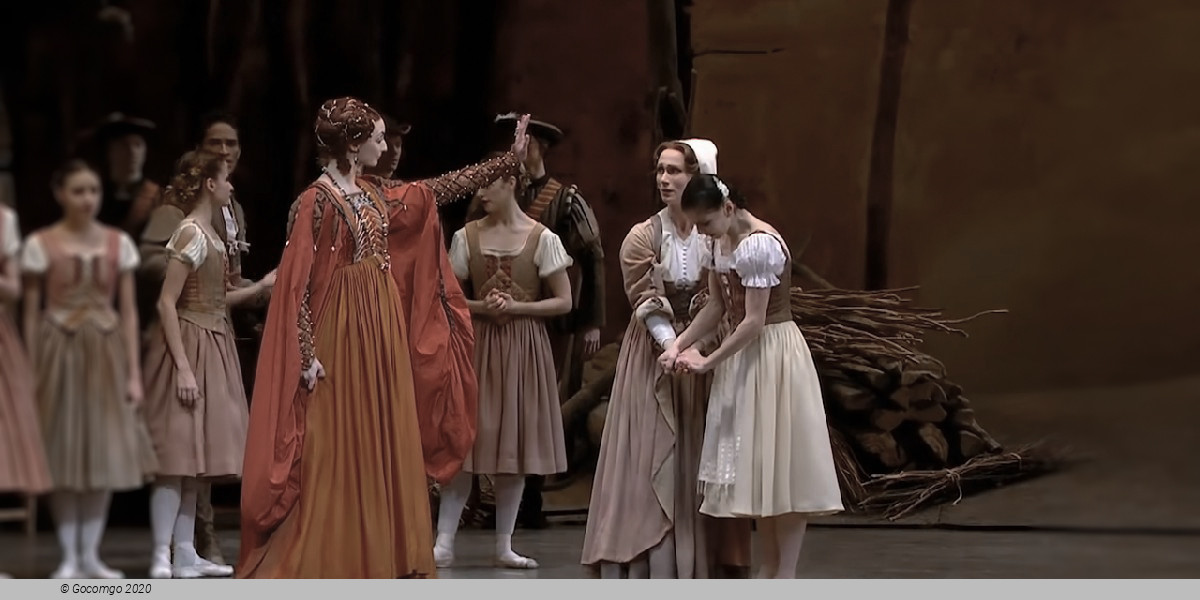
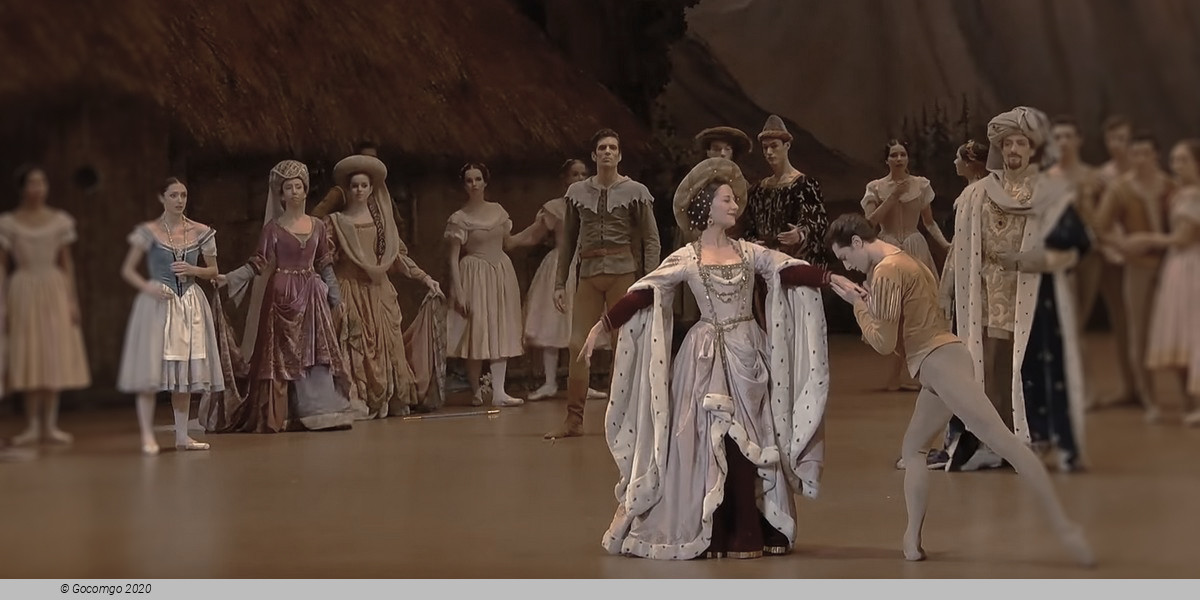
A party of noblemen seeking refreshment following the rigors of the hunt arrive in the village, Albrecht's betrothed, Bathilde, among them. Albrecht hurries away, knowing he would be recognized and greeted by Bathilde, exposing him as a nobleman. The villagers welcome the party, offer them drinks, and perform several dances. Bathilde is charmed with Giselle's sweet and demure nature, not knowing of her relationship with Albrecht. Giselle is honored when the beautiful and regal stranger offers her a necklace as a gift before the group of nobles depart.

The villagers continue the harvest festivities, and Albrecht emerges again to dance with Giselle, who is named the Harvest Queen. Hilarion interrupts the festivities. He has discovered Albrecht's finely made sword and presents it as proof that the lovesick peasant boy is really a nobleman who is promised to another woman. Using Albrecht's hunting horn, Hilarion calls back the party of noblemen. Albrecht has no time to hide and has no choice but to greet Bathilde as his betrothed. All are shocked by the revelation, but none more than Giselle, who becomes inconsolable when faced with her lover's deception. Knowing that they can never be together, Giselle flies into a mad fit of grief in which all the tender moments she shared with "Loys" flash before her eyes. She begins to dance wildly and erratically, ultimately causing her weak heart to give out. She collapses before dying in Albrecht's arms. Hilarion and Albrecht turn on each other in rage before Albrecht flees the scene in misery. The curtain closes as Berthe weeps over her daughter's body.

In the original version, taken up again recently by a production of the ROB, Giselle stabs herself with Albrecht's sword, which explains why her body is laid to rest in the forest, in unhallowed ground, where the Wilis have the power to summon her. Most modern versions are sanitized and have edited out the suicide.

Act II

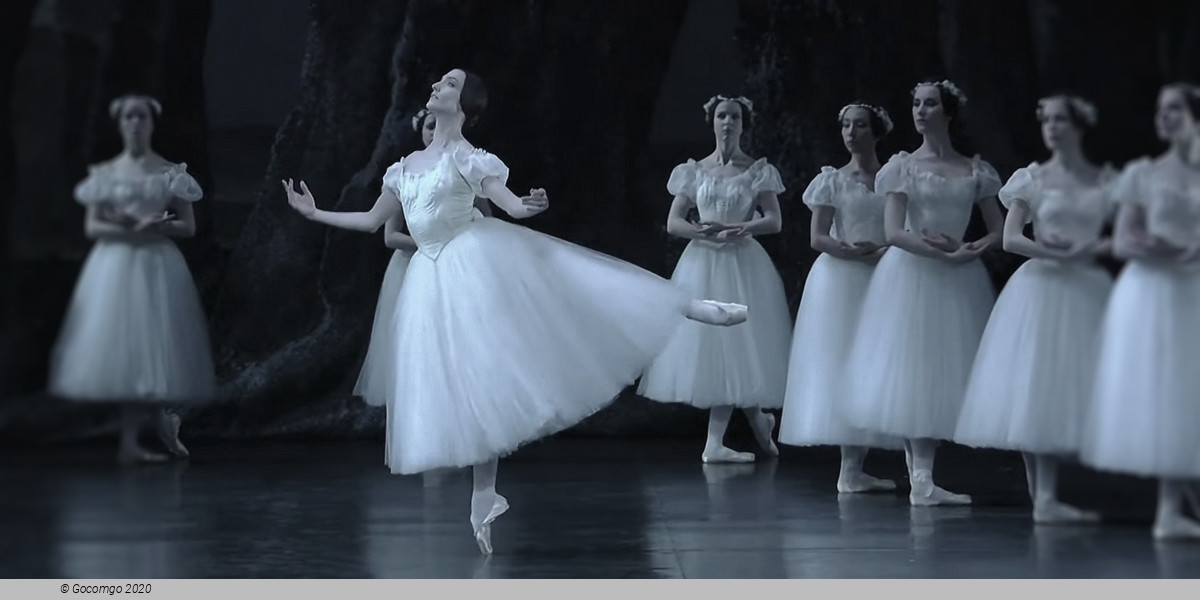
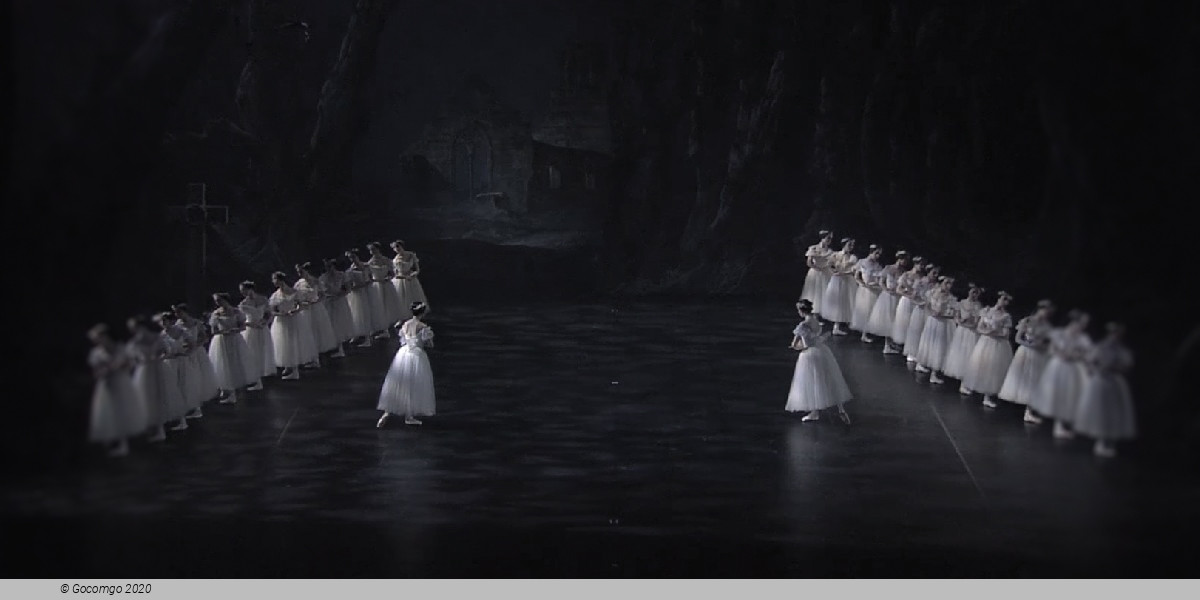
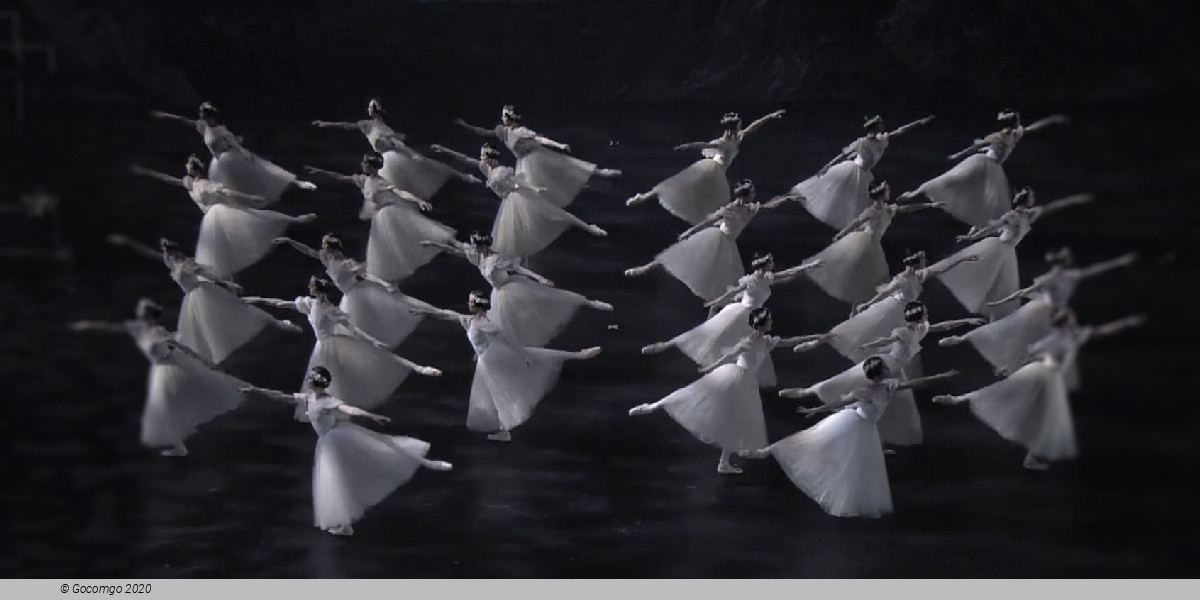
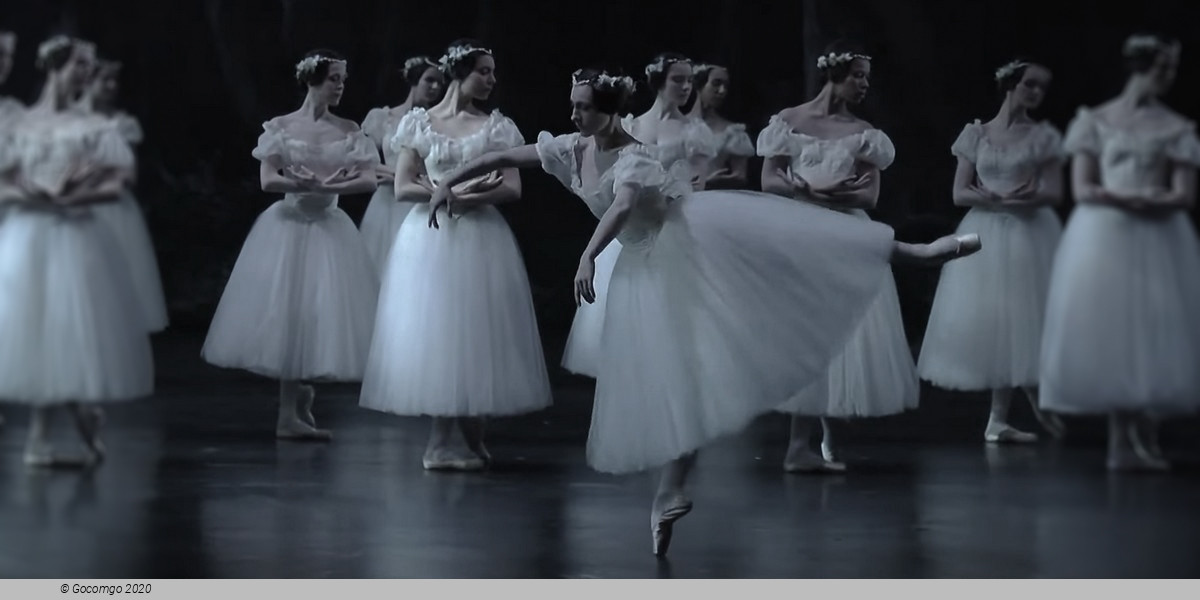
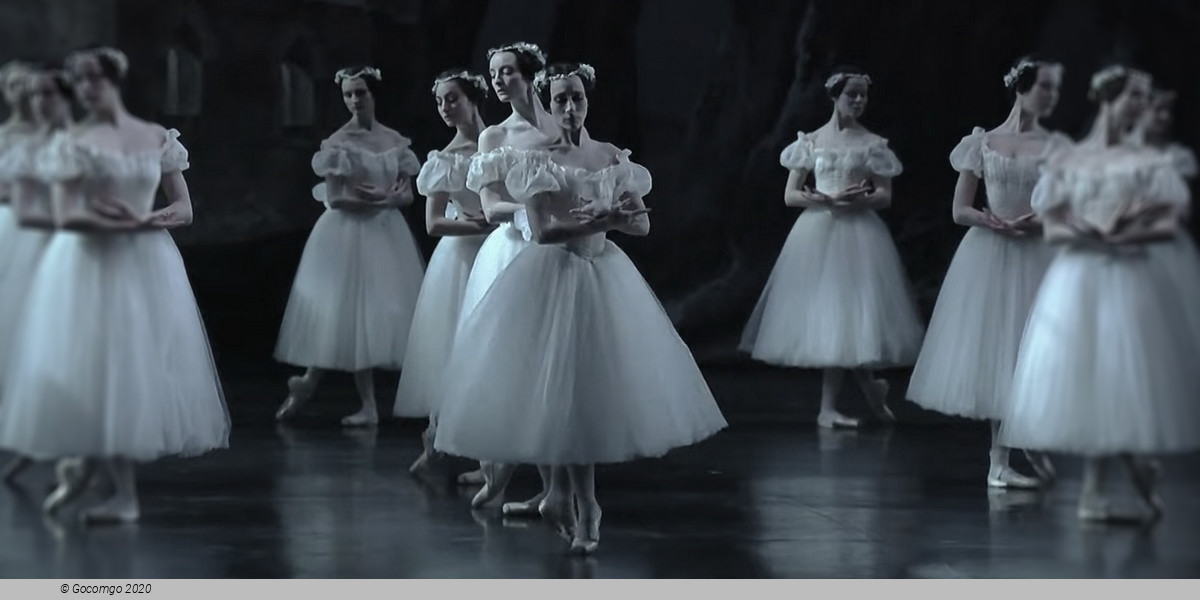
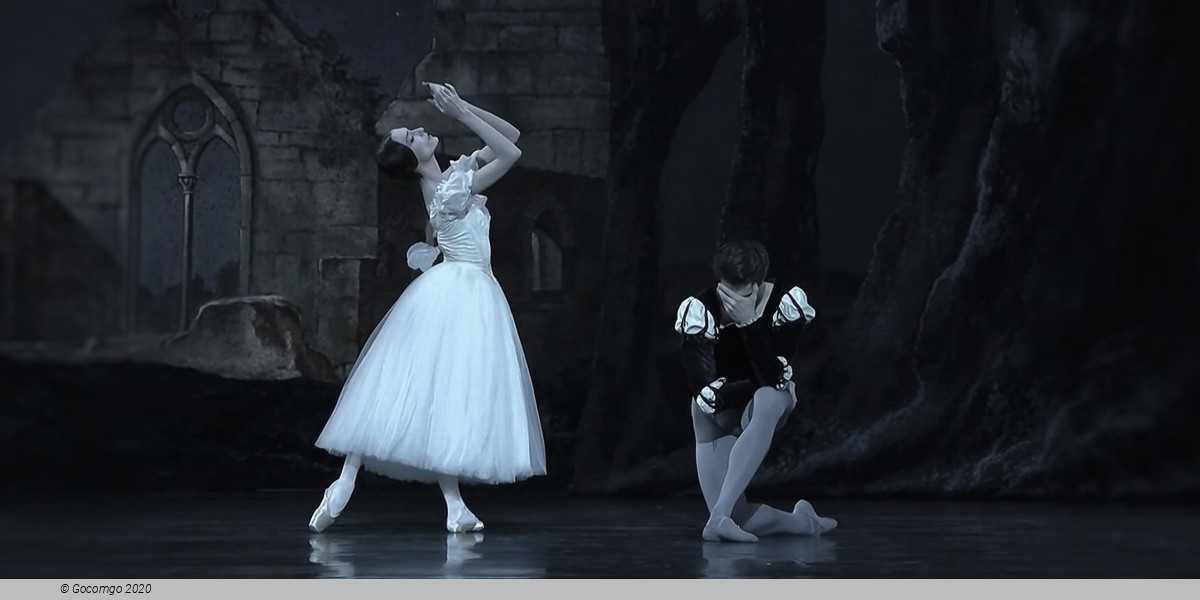
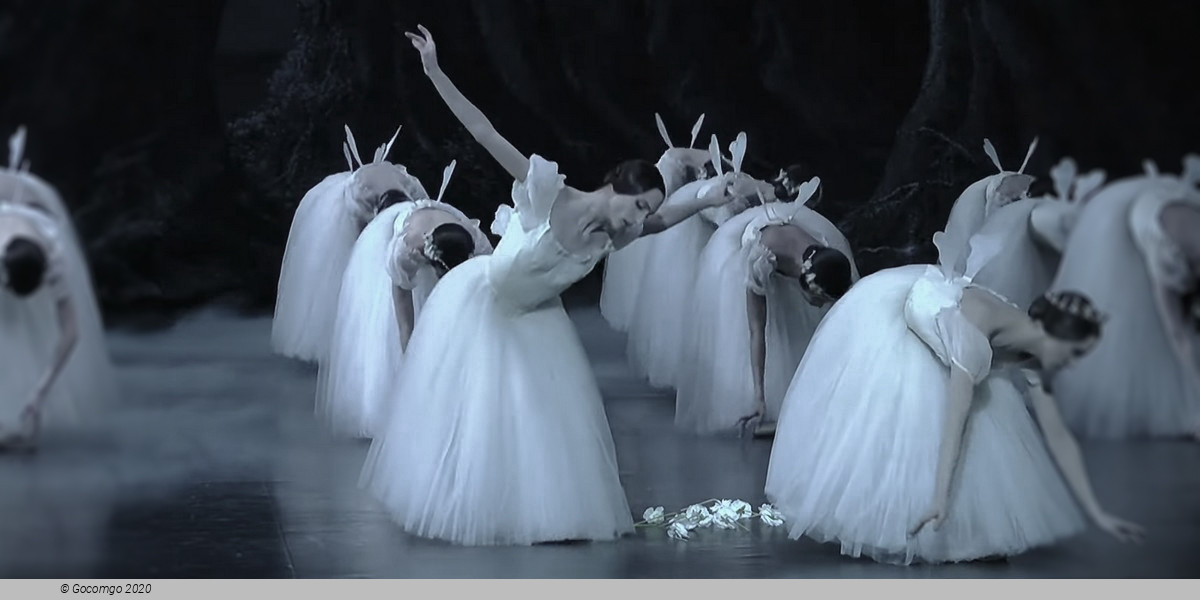
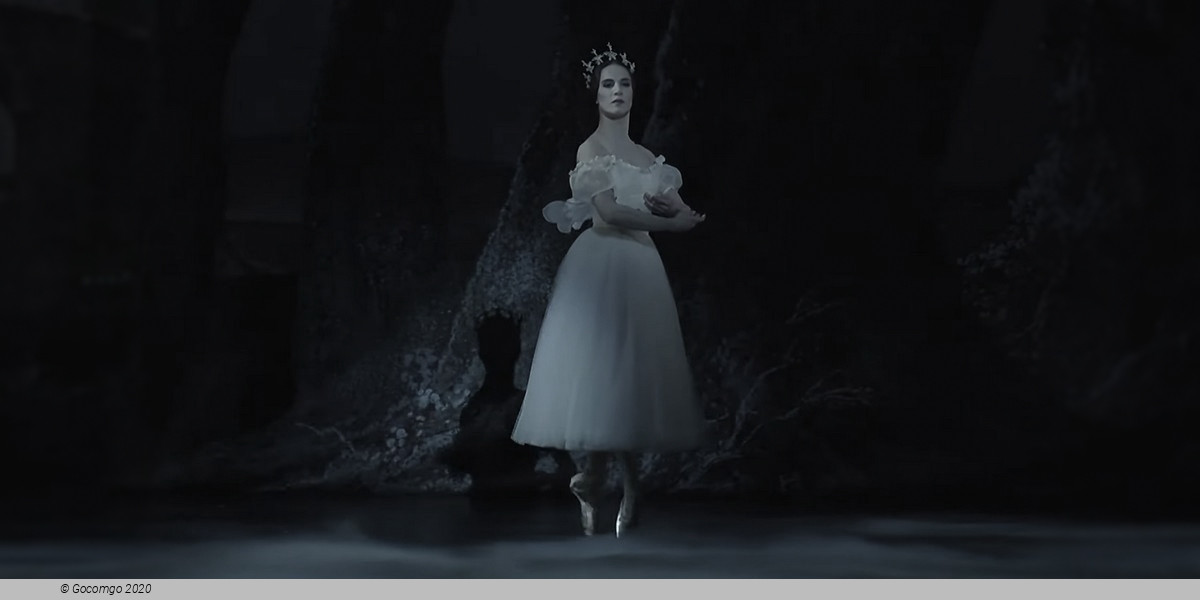
Late at night, Hilarion mourns at Giselle's forest grave, but is frightened away by the arrival of the Wilis, the ghostly spirits of maidens betrayed by their lovers. Many Wili were abandoned on their wedding days, and all died of broken hearts. The Wilis, led by their merciless queen Myrtha, dance and haunt the forest at night to exact their revenge on any man they encounter, regardless of who he may be, forcing their victims to dance until they die of exhaustion.

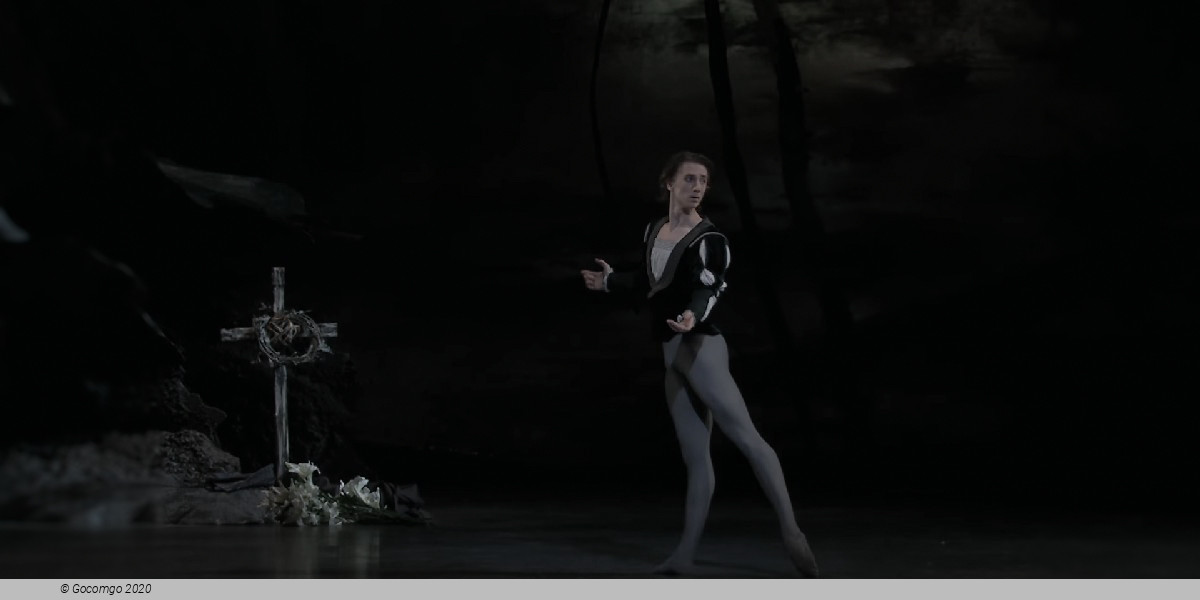
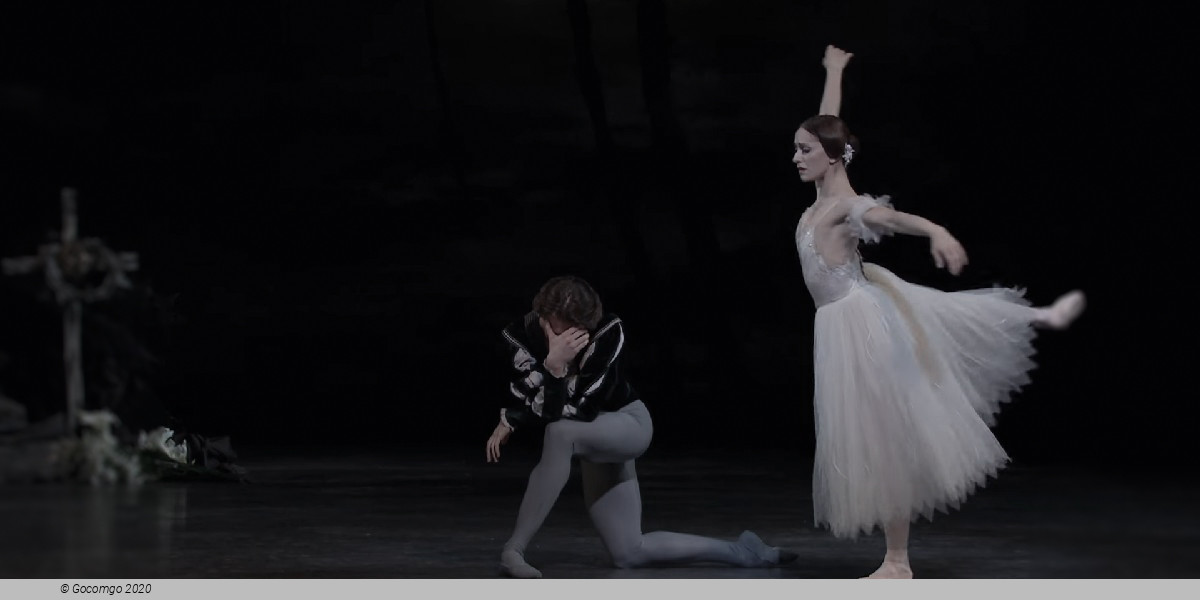
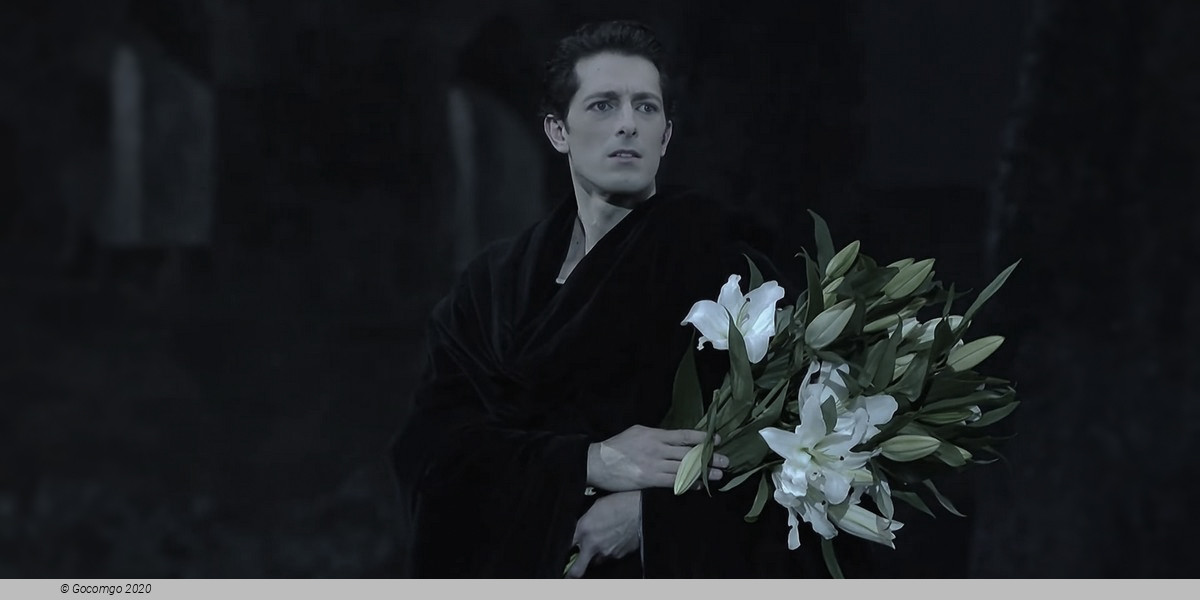
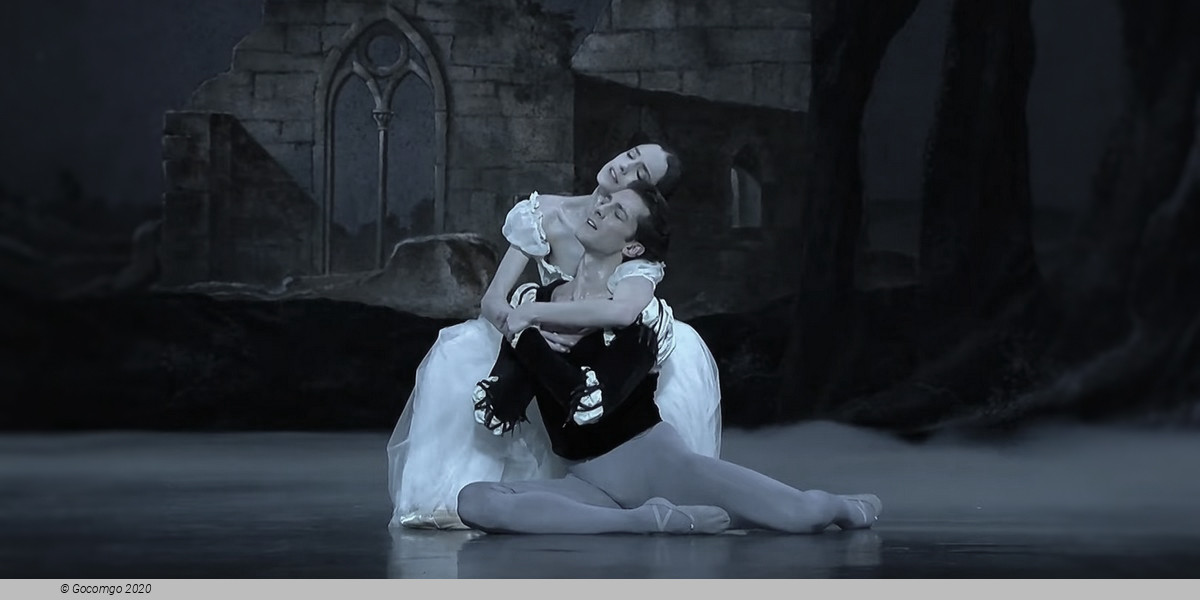
Myrtha and the Wilis rouse Giselle's spirit from her grave and induct her into their clan before disappearing into the forest. Albrecht arrives to lay flowers on Giselle's grave and he weeps with guilt over her death. Giselle's spirit appears and Albrecht begs her forgiveness. Giselle, her love undiminished unlike her vengeful sisters, gently forgives him. She disappears to join the rest of the Wilis and Albrecht desperately follows her.

Meanwhile, the Wilis have cornered a terrified Hilarion. They use their magic to force him to dance until he is nearly dead, and then drown him in a nearby lake. Then they spy Albrecht, and turn on him, sentencing him to death as well. He pleads to Myrtha for his life, but she coldly refuses. Giselle's pleas are also dismissed and Albrecht is forced to dance until sunrise. However, the power of Giselle's love counters the Wilis' magic and spares his life. The other spirits return to their graves at daybreak, but Giselle has broken through the chains of hatred and vengeance that control the Wilis, and is thus released from their powers and will haunt the forest no longer. After bidding a tender farewell to Albrecht, Giselle returns to her grave to rest in peace.


Venue Info

Mikhailovsky Theatre - Saint Petersburg
Location   1 Arts Square

Located in the historic center of Saint Petersburg, just steps from Nevsky Prospekt and the Arts Square, the Mikhailovsky Theatre is one of Russia’s most elegant and vibrant venues for opera and ballet. Founded in 1833, the theatre has long been an important part of the city’s rich cultural landscape, offering audiences a refined blend of classical tradition and innovative performance.

The theatre’s architecture reflects the grace of the imperial era. Its beautifully restored auditorium, adorned with gold accents, crimson velvet, and crystal chandeliers, creates an atmosphere of intimacy and aristocratic charm. Despite its historic appearance, the Mikhailovsky Theatre is equipped with modern stage technology, allowing it to present visually impressive productions while preserving its classical elegance.

Today, the theatre is known for its ambitious repertoire that spans beloved masterpieces of opera and ballet. Works by composers such as Tchaikovsky, Verdi, Puccini, and Mussorgsky share the stage with contemporary productions and new interpretations of classical works. The ballet company, admired for its expressive style and strong technique, performs iconic titles including Swan Lake, Giselle, and The Nutcracker, alongside modern choreographic creations.

The Mikhailovsky Theatre regularly welcomes internationally renowned singers, dancers, and conductors, while also nurturing a talented ensemble of resident artists. This combination of global artistry and local tradition creates performances that are both polished and emotionally compelling.

Elegant, historic, and artistically dynamic, the Mikhailovsky Theatre offers an unforgettable journey into the heart of Russian opera and ballet.

Important Info
Type: Ballet
City: Saint Petersburg, Russia
Duration: 2h 10min with 1 interval
Acts: 2
Intervals: 1

E-tickets: Print at home or at the box office of the event if so specified. You will find more information in your booking confirmation email.

You can only select the category, and not the exact seats.
If you order 2 or 3 tickets: your seats will be next to each other.
If you order 4 or more tickets: your seats will be next to each other, or, if this is not possible, we will provide a combination of groups of seats (at least in pairs, for example 2+2 or 2+3).

From
$ 0
Top of page